
The Kenya and Tanzania safari with Great Migration river crossing is a spectacular wildlife event occurring annually, primarily between July and October, when vast herds of wildebeest and zebra traverse the Mara River in the Masai Mara (Kenya) and Serengeti National Park (Tanzania). Planning for a 2026 or 2027 safari to witness this requires booking well in advance, understanding the specific timing and locations of the crossings, and choosing a safari operator experienced in navigating these dynamic conditions.
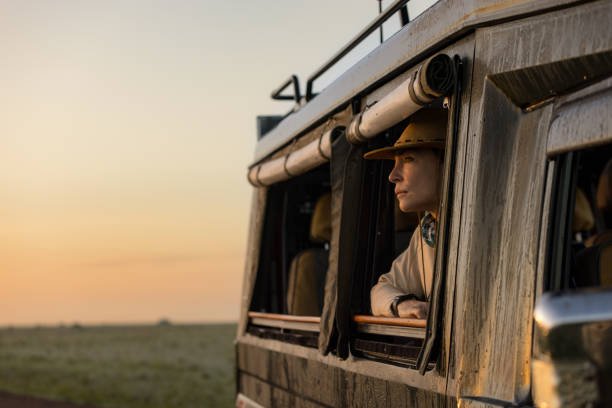

Understanding the Great Migration River Crossing
The Great Migration is one of the planet’s most profound natural spectacles. It’s not a single event but a continuous, cyclical movement of over 1.5 million wildebeest, zebras, and gazelles following the freshest grasses across the Serengeti-Mara ecosystem. While the entire migration is fascinating, the dramatic crossings of the Mara River are the apex, drawing millions of eyes each year. These crossings are fraught with danger for the animals, as the river is home to formidable Nile crocodiles, and the banks can be steep and treacherous.
For travelers, witnessing a river crossing offers unparalleled photographic opportunities and a raw, visceral connection to the power of nature. However, it’s crucial to understand that these crossings are not guaranteed daily events. They are dictated by rainfall, the availability of grazing, and the herd’s instincts. A successful viewing often depends on the expertise of your guides and your patience.
The Mara River: A Natural Gauntlet
The Mara River snakes through the heart of the Masai Mara National Reserve in Kenya and the northern Serengeti National Park in Tanzania. It’s a critical bottleneck for the migrating herds. During the dry season, typically from June through October, the river becomes a formidable obstacle. The wildebeest, driven by the primal urge to find sustenance, must gather their courage and plunge into the churning waters, often in their thousands. The spectacle of them swimming, sometimes stampeding, and the ensuing predator activity is what makes the river crossing a highlight for any safari.
The intensity and frequency of crossings can vary significantly. Some years, the herds might linger for weeks, performing multiple crossings. In other years, they might cross more sporadically or favor different crossing points. This unpredictability is part of the wild allure, but it also underscores the importance of strategic planning for your 2026-2027 Great Migration safari.
Timing is Everything: When to See the River Crossings
The prime time to witness the Mara River crossings is generally between July and October. However, the exact timing can shift. Here’s a breakdown:
- July: This is often when the herds begin to arrive in the northern Serengeti and Masai Mara, and the first major crossings typically commence. The grass in the northern areas is starting to dry, prompting the move.
- August: This is frequently considered the peak month for river crossings. The herds are usually concentrated in the Masai Mara and northern Serengeti, and the crossings can be frequent and dramatic.
- September: Crossings continue into September, though they may become less predictable as the herds start to spread out or move south in search of fresh grazing.
- October: Some crossings can still occur in early October, particularly in the Masai Mara, but many herds will have already moved south or west.
It’s important to remember that these are general patterns. Rainfall plays a significant role. A dry spell can hasten crossings, while abundant rain might keep the herds grazing in one area longer. For 2026 and 2027 safaris, consulting with local experts who monitor the migration’s progress in real-time is invaluable.
Serengeti vs. Masai Mara: Which Side for Crossings?
Both the northern Serengeti (Tanzania) and the Masai Mara (Kenya) offer opportunities to witness river crossings. The choice often depends on the specific month of your visit and your preferred safari experience:
- Northern Serengeti (e.g., Kogatende, Lamai Wedge): If you’re targeting July and early August, the northern Serengeti is often the place to be. It generally sees the first major crossings as the herds move north. Lodges and camps in this region offer exclusive access but can be more remote and pricier.
- Masai Mara (e.g., Mara River, Kichwa Tembo, Musiara Swamp): From late July through October, the Masai Mara is the primary stage for the crossings. The sheer volume of animals and the frequency of crossings here can be astounding. The Masai Mara has a wider range of accommodation options, from luxury camps to more budget-friendly lodges.
Many travelers opt for a split itinerary, spending time in both the northern Serengeti and the Masai Mara to maximize their chances of seeing crossings from different vantage points and experiencing the distinct landscapes of each park. This requires careful logistical planning, often involving a short flight between the two regions.
Planning Your 2026-2027 Great Migration Safari
Securing a spot for the Great Migration river crossing, especially during the peak months of 2026 and 2027, requires early planning. These are the most sought-after safari dates, and accommodations and flights fill up months, sometimes over a year, in advance.
Booking Window and Lead Times
For the prime migration season (July-October), it’s advisable to book your safari at least 9-12 months in advance. For 2026 safaris, this means starting your research and inquiries in late 2024 or early 2025. For 2027 safaris, early to mid-2025 is the ideal time to begin serious planning and booking.
This lead time is essential for several reasons:
- Availability: Prime lodges and camps, especially those closest to the river or in exclusive conservancies, have limited capacity.
- Flights: Internal flights within Kenya and Tanzania, particularly to remote airstrips near migration hotspots, can also sell out.
- Customization: Working with a tour operator allows for itinerary customization, which takes time to refine.
- Pricing: While prices generally increase closer to the date, booking early often secures better rates or at least guarantees availability at your preferred lodges.
Choosing the Right Safari Operator
The expertise of your safari operator is paramount for a successful Great Migration river crossing experience. Look for companies with:
- Local Knowledge: Operators based in Tanzania, like Climb 4 Africa, have deep, on-the-ground knowledge of migration patterns, wildlife movements, and the best guides.
- Migration Specialization: Ensure they have a proven track record of planning and executing successful Great Migration safaris, specifically focusing on river crossings.
- Flexibility: The ability to adapt itineraries based on real-time wildlife movements is crucial.
- Reputation: Check reviews and testimonials from past clients, particularly those who have experienced the migration.
Climb 4 Africa specializes in tailor-made African travel experiences and has extensive expertise in Kilimanjaro climbs and Tanzania safaris. Their local support network means they can provide up-to-the-minute advice on the migration’s progress for your 2026 or 2027 trip.
Itinerary Options: Where to Stay and What to Do
When planning your itinerary for a Kenya and Tanzania safari with Great Migration river crossing, consider these elements:
Duration
A minimum of 7-10 days is recommended to allow sufficient time to track the herds and potentially witness crossings. A longer safari (12-14 days) provides more flexibility and the opportunity to explore different regions within the parks or combine the migration with other Tanzanian highlights like the Ngorongoro Crater or Zanzibar.
Accommodation Types
Accommodation options range widely:
- Tented Camps: Offer an authentic bush experience, often with canvas walls and en-suite bathrooms. Some are permanent luxury camps, while others are mobile and move with the migration.
- Lodges: More permanent structures, offering a range of amenities from comfortable to ultra-luxurious.
- Fly Camps: Basic, temporary camps often used for overnight stays in remote areas, offering a more adventurous feel.
For the prime migration season, especially in the Masai Mara and northern Serengeti, choosing camps and lodges strategically located near known crossing points or within conservancies offering exclusive game viewing is key.
Logistics: Park Entries, Flights, and Borders
A safari covering both Kenya and Tanzania involves crossing international borders. This can be done by:
- Flying: The most efficient way to travel between the Masai Mara and the Serengeti. A flight from the Masai Mara airstrip to a Serengeti airstrip (e.g., Kogatende) is common. This avoids long overland drives and saves considerable time.
- Driving: While possible, driving between the two parks is a very long journey, often taking a full day or more, including border formalities. It’s generally not recommended for a migration-focused trip unless time is not a constraint.
You will need to ensure your visa arrangements cover both countries if you plan to enter and exit them separately, or have a multi-entry visa if applicable. Your tour operator will guide you through these requirements for your 2026-2027 safari.
Important Note on River Crossings
It’s crucial to manage expectations. River crossings are dramatic and unpredictable. While tour operators and guides work tirelessly to position you for the best chance of witnessing one, there is no guarantee. Some safaris might witness multiple crossings, while others might see none. The overall wildlife viewing in these areas during migration season is still exceptional, with abundant predators and herbivores, so a successful crossing is a bonus, not the sole objective.
The Wildlife Beyond the Crossing
While the river crossing is the focal point, the presence of the massive herds in the Masai Mara and Serengeti attracts an incredible concentration of predators. Your Kenya and Tanzania safari with Great Migration river crossing will offer opportunities to see:
- Predators: Lions, leopards, cheetahs, hyenas, and wild dogs are all drawn to the abundant prey. Witnessing a hunt or a pride of lions feasting is a common and thrilling sight.
- Other Herbivores: Besides wildebeest and zebras, you’ll see gazelles, elands, and other antelope species.
- Birdlife: The ecosystem supports a vast array of bird species, from raptors to water birds.
- Crocodiles: The Nile crocodiles in the Mara River are a formidable presence, and their involvement in the crossings is a key part of the drama.
The sheer density of wildlife during the migration season is staggering, making almost every game drive an unforgettable experience.
Predator-Prey Dynamics
The migration creates a feeding frenzy for predators. Lions often position themselves along the riverbanks, anticipating the crossing. Hyenas and wild dogs patrol the plains, looking for stragglers or weakened individuals. Cheetahs and leopards often hunt in the more open grasslands away from the immediate riverbanks.
The chaos of a crossing also provides opportunities for scavengers like jackals and vultures to feast on the remains. It’s a powerful display of the circle of life, raw and unfiltered.
Exploring Conservancies
Many prime migration viewing areas are located within or adjacent to private conservancies. Staying in a conservancy often offers:
- Exclusive Game Viewing: Fewer vehicles, allowing for a more intimate wildlife experience.
- Off-Road Driving: In some conservancies, off-road driving is permitted to get closer to sightings (though always done responsibly).
- Night Game Drives: An opportunity to see nocturnal animals that are rarely seen during standard day game drives.
- Walking Safaris: Guided walks offer a different perspective on the bush, focusing on smaller details and tracking skills.
Conservancy fees are additional but can significantly enhance the safari experience, especially when seeking out the Great Migration river crossing for your 2026-2027 adventure.
Practical Considerations for Your Safari
Beyond the wildlife and timing, several practical aspects need attention when planning your Kenya and Tanzania safari with Great Migration river crossing.
Packing Essentials
Pack light, neutral-colored clothing. Layers are essential as mornings and evenings can be cool, while midday can be warm. Key items include:
- Lightweight long-sleeved shirts and trousers (for sun and insect protection).
- Fleece or warm jacket for cooler mornings/evenings.
- Comfortable walking shoes.
- Hat with a brim.
- Sunglasses.
- Sunscreen and insect repellent.
- Binoculars (essential for wildlife viewing!).
- Camera with extra batteries and memory cards.
- Small backpack for day trips.
- Personal medication.
Most safari vehicles have charging ports, but it’s wise to bring a universal adapter.
Health and Safety
Consult your doctor or a travel clinic well in advance of your 2026 or 2027 safari regarding:
- Vaccinations: Yellow fever vaccination is often required, especially if traveling from or transiting through certain countries. Other recommended vaccinations include Hepatitis A, Typhoid, and Tetanus.
- Malaria Prevention: Malaria is present in most safari areas. Antimalarial medication is strongly recommended.
- First-Aid Kit: Carry a basic kit with essentials.
Your accommodation will provide safe drinking water, and guides are trained in basic first aid. Always follow their advice regarding safety in the bush.
Budgeting for Your Safari
A safari focused on the Great Migration river crossing is a premium experience and typically comes with a higher price tag due to the prime season, prime locations, and often exclusive camps. Key cost factors include:
- Time of Year: Peak season (July-October) is the most expensive.
- Accommodation: Luxury lodges and camps are significantly more expensive than mid-range options.
- Duration: Longer safaris naturally cost more.
- Private vs. Shared: Private safaris offer more flexibility but are costlier than joining a group tour.
- Park Fees: These are substantial and contribute to conservation.
- Internal Flights: Flights between parks significantly add to the cost.
- Conservancy Fees: If applicable, these are an additional expense.
For a 2026-2027 Great Migration safari, expect costs to range from $400-$1000+ per person per day, depending heavily on the level of luxury and inclusions. This typically covers accommodation, meals, park fees, game drives in a 4×4 vehicle, and guide services. International flights, visas, travel insurance, tips, and personal expenses are usually extra.
Typical Inclusions for a Migration Safari:
- Accommodation as specified
- All meals (breakfast, lunch, dinner)
- Park and conservation fees
- Game drives in a 4×4 safari vehicle with a professional guide
- Bottled water during game drives
- Airport transfers at the start and end of the safari
- (Sometimes) Internal flights between parks
Common Exclusions:
- International flights
- Visa fees
- Travel insurance
- Tips for guides and camp staff
- Drinks (alcoholic and some non-alcoholic)
- Optional activities (e.g., hot air ballooning)
- Personal expenses
Booking Your 2026-2027 Safari with Climb 4 Africa
When you’re ready to plan your ultimate Kenya and Tanzania safari with Great Migration river crossing for 2026 or 2027, consider partnering with Climb 4 Africa. Their expertise in East African travel, combined with their local presence, means they can offer:
- Personalized Itineraries: Tailored to your interests, budget, and desired pace.
- Up-to-Date Migration Insights: Leveraging local knowledge to position you for the best viewing opportunities.
- smooth Logistics: Handling all the complex arrangements, from flights and accommodation to park entries and transfers.
- Experienced Guides: Ensuring you have knowledgeable guides who can track wildlife and explain the ecosystem.
To start planning, reach out to Climb 4 Africa. Discuss your ideal travel dates for 2026 or 2027, your budget, and any specific interests you have. They can provide detailed quotes and help you craft an unforgettable safari experience. Contact them via WhatsApp at +255 747 477 898 or email at climb4africa@gmail.com.
Alternative Migration Viewing Times and Locations
While the Mara River crossings are the most dramatic, the Great Migration is a year-round phenomenon, and there are other excellent times and places to witness it, which might offer a different, perhaps less crowded, experience for your 2026-2027 safari.
The Southern Serengeti (Calving Season)
From late January to March, the migration herds congregate in the southern Serengeti plains, particularly around the Ndutu area (which straddles the Serengeti and the Ngorongoro Conservation Area). This is the calving season, when hundreds of thousands of wildebeest calves are born. While there are no river crossings, the abundance of young, vulnerable animals means predator activity is incredibly high. This period offers incredible photographic opportunities of predators and their young, and the vast plains are dotted with thousands of wildebeest.
The Western Corridor (Grumeti River)
Around May and June, the herds move west and north through the western corridor of the Serengeti. Here, they encounter the Grumeti River, which can also present crossing opportunities. These crossings are often less dramatic than the Mara River crossings and may involve fewer animals, but they can be spectacular, especially with the presence of large Nile crocodiles and the denser riverine forests that offer excellent leopard viewing.
The Eastern and Central Serengeti
During the months of April and May, the herds are often found in the central and eastern parts of the Serengeti, grazing on the fresh grass. While major river crossings are unlikely during this period, the sheer concentration of animals on the open plains is still a sight to behold, and predator sightings remain excellent.
These alternative periods can be fantastic for travelers seeking the migration but perhaps wanting to avoid the peak crowds and prices associated with the Mara River crossings in July-October. They also offer a different perspective on the migration’s journey.
Comparing Safari Styles for the Migration
The way you experience the migration can vary significantly based on the safari style chosen. For a Kenya and Tanzania safari with Great Migration river crossing, understanding these options is key to finding the right fit:
Shared Group Safaris
These safaris involve joining a small group of other travelers in a safari vehicle. They are generally the most budget-friendly option, offering a good balance of experience and cost. Shared safaris are ideal for solo travelers or couples looking to save money. You’ll have a professional guide and share the vehicle, which can also be a great way to meet fellow travelers. Group departure dates for 2026 and 2027 are often available through operators like Climb 4 Africa.
Pros: Cost-effective, social atmosphere, fixed departure dates can simplify planning.
Cons: Less flexibility, must adhere to group decisions, limited customization.
Private Safaris
A private safari means you have a dedicated safari vehicle and guide exclusively for your group (family, friends, or couple). This offers maximum flexibility, allowing you to dictate the pace, spend more time at sightings you’re interested in, and choose your preferred routes. Private safaris are ideal for families with children, photographers seeking specific shots, or anyone desiring a more personalized experience.
Pros: Complete flexibility, personalized attention, tailor-made itinerary, ideal for specific interests (e.g., photography).
Cons: Most expensive option, requires more active planning to define your preferences.
Fly-In Safaris
These safaris minimize driving time by utilizing light aircraft for transfers between parks and lodges. This is the most luxurious and time-efficient way to experience the migration, especially if you’re combining multiple distant locations. You’ll land at small airstrips close to your camps, maximizing your time on game drives. Fly-in safaris are often combined with high-end lodges and camps.
Pros: Time-efficient, luxurious, access to remote areas, stunning aerial views.
Cons: Very expensive, strict luggage restrictions on flights.
Walking Safaris and Cultural Experiences
While not directly focused on river crossings, combining your migration safari with walking safaris in conservancies or cultural visits to Maasai villages can enrich your experience. Walking safaris offer a ground-level perspective, allowing you to appreciate the smaller details of the ecosystem. Cultural interactions provide insight into the lives of the people who share this land with the wildlife.
These experiences can be integrated into both private and some group itineraries. For instance, a 2026-2027 safari could include a few days in a conservancy with walking options, followed by time focused on the Mara River crossings.
Maximizing Your Chances of Seeing a River Crossing
Witnessing a Mara River crossing is a highlight, but it requires a strategic approach. Here’s how to increase your odds:
Tips for Witnessing a River Crossing:
- Choose the Right Time: Target July through October, with August often being the prime month.
- Select Strategic Lodging: Stay in camps and lodges located directly on or very near the Mara River in the northern Serengeti or Masai Mara.
- Listen to Your Guides: Experienced guides are invaluable. They monitor animal movements, weather patterns, and other vehicles’ reports to anticipate crossings.
- Be Patient: Crossings can happen at any time of day, and sometimes herds gather for hours before making the plunge. Be prepared to wait.
- Consider a Split Itinerary: Spending time in both the northern Serengeti and the Masai Mara increases your exposure to different crossing points and potential events.
- Book a Private Vehicle: This offers the flexibility to position yourself optimally and wait longer for sightings without compromising other travelers’ preferences.
- Stay Informed: Work with a tour operator who can provide real-time updates on the migration’s location and activity leading up to your 2026-2027 safari.
Remember, nature is unpredictable. While these tips enhance your chances, the ultimate decision lies with the herds themselves. The thrill of the chase and the anticipation are part of the safari adventure.
The Future of the Great Migration: 2026-2027 and Beyond
The Great Migration is a dynamic ecosystem influenced by climate, land use, and conservation efforts. While the fundamental patterns are expected to continue, ongoing monitoring and conservation are vital.
For travelers planning their 2026 and 2027 safaris, understanding the commitment to conservation in both Kenya and Tanzania is important. Areas like the Masai Mara conservancies and the Serengeti ecosystem benefit from responsible tourism that supports anti-poaching efforts, community development, and habitat preservation. Choosing operators who actively contribute to these initiatives ensures that this natural wonder can be enjoyed by future generations.
The challenges facing the migration, such as human-wildlife conflict and habitat fragmentation, are ongoing. However, the dedication of park authorities, conservation organizations, and responsible tour operators means that iconic experiences like the river crossing are likely to persist. Planning your safari for 2026 or 2027 with a reputable company is a way to contribute to these conservation efforts.
The Great Migration river crossing in Kenya and Tanzania remains one of the most compelling wildlife events on Earth. With careful planning, expert guidance, and a bit of patience, you can witness this extraordinary spectacle firsthand. Whether you choose the northern Serengeti or the Masai Mara, or a combination of both, for your 2026-2027 safari, the experience promises to be profoundly moving.
To craft your personalized Kenya and Tanzania safari with Great Migration river crossing for 2026 or 2027, get in touch with the experts at Climb 4 Africa. Their local knowledge and dedication to creating exceptional African adventures make them the ideal partner for this special journey. Contact them today via WhatsApp at +255 747 477 898 or email at climb4africa@gmail.com to begin planning your dream safari.
Check Availability for Kenya And Tanzania Safari With Great Migration River Crossing: Your Ultimate
Ready to compare dates, prices, and the best option for your group? Send the package name and travel month so the team can reply with a clear quote, availability, and what is included.
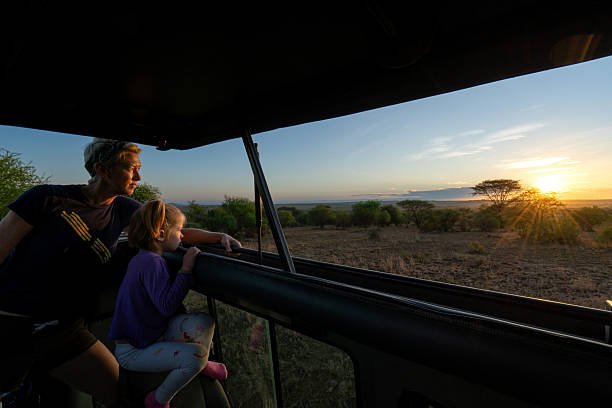
Great Migration Safari: Best Time, Places & Tours 2026-2027
Great Migration Safari: Best Time, Places & Tours is explained with current 2026-2027 planning, price, itinerary and booking information.
View package details
Serengeti Great Migration Safari Packages: Your Guide To Witnessing The Wonder
start an unforgettable journey with our comprehensive guide to Serengeti Great Migration safari packages for 2026-2027. Understand the best times to go, optimal viewing locations, and how...
View package details
Kenya And Tanzania Combined Safari Packages: Ultimate Guide 2026-2027
Discover the unparalleled adventure of combining Kenya and Tanzania for a comprehensive East African safari. This guide details everything you need to know for planning your 2026-2027...
View package details
Is Tanzania Or Kenya Better For Safari? A Detailed Comparison 2026-2027
Comparing Tanzania and Kenya for your next safari? This in-depth guide breaks down wildlife viewing, landscapes, costs, and optimal travel times to help you choose the perfect East African...
View package detailsWhen Is The Great Migration In Tanzania And Kenya? Your Guide 2026-2027
The Great Migration's timing is dynamic, following the rains. Generally, it's in Kenya's Masai Mara from July to October, and in Tanzania's Serengeti from December to March. Planning around...
View package details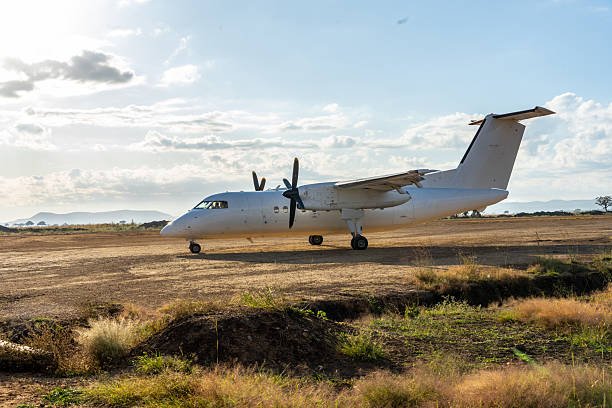
Kenya Safari Tours & Holiday Packages 2026-2027
Kenya Safari Tours & Holiday Packages is explained with current 2026-2027 planning, price, itinerary and booking information.
View package details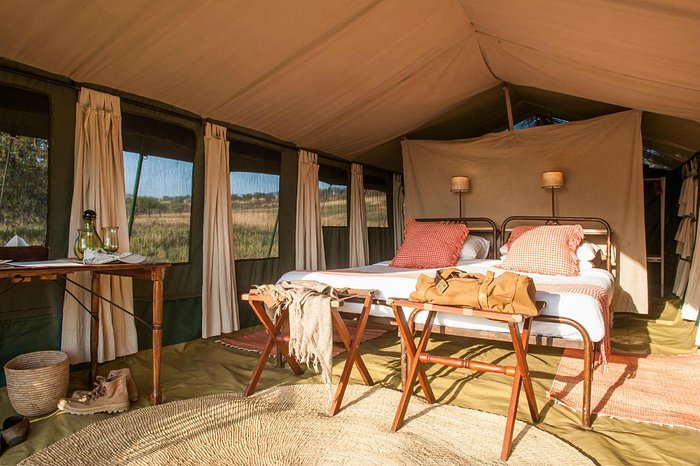
Affordable African Safari Packages: Your Guide To Budget-Friendly Tanzania
Discover how to plan and book affordable African safari packages for 2026-2027. This guide provides practical advice on choosing budget-friendly Tanzania tours, understanding costs, and...
View package details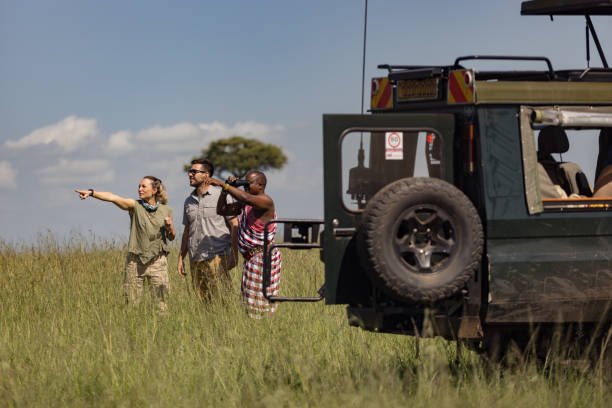
3-Day Serengeti And Ngorongoro Safari: Your Ultimate Tanzania Wildlife
start a concise yet unforgettable 3-day Serengeti and Ngorongoro safari, designed to maximize wildlife encounters in Tanzania's most celebrated parks. This compact adventure offers a taste...
View package details
Serengeti Safari And Zanzibar Beach Holiday: The Ultimate Tanzania
Combine the thrill of a Serengeti safari with the relaxation of a Zanzibar beach holiday. This guide covers everything you need to know for an unforgettable Tanzania adventure in 2026-2027...
View package details
Tanzania Safari And Zanzibar All-Inclusive Packages Guide
Combine the thrill of a Tanzanian wildlife safari with the serene beauty of Zanzibar on an all-inclusive package. This comprehensive guide covers everything you need to know for planning...
View package details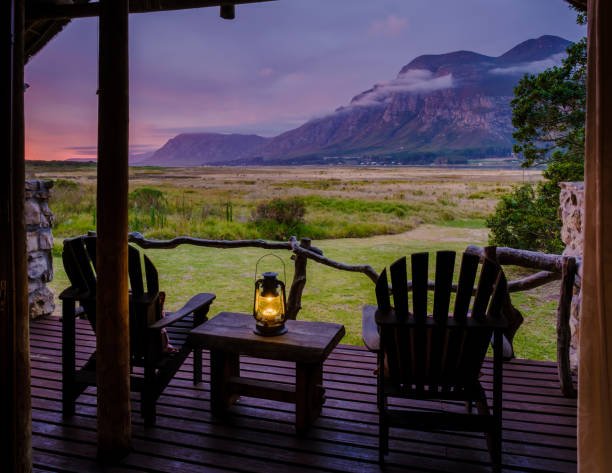
Are African Safari Prices Per Person Or Vehicle? Understanding Tanzania Costs
African safari costs can be confusing. This guide clarifies whether prices are quoted per person or per vehicle, detailing factors that influence your 2026-2027 safari budget in Tanzania.
View package details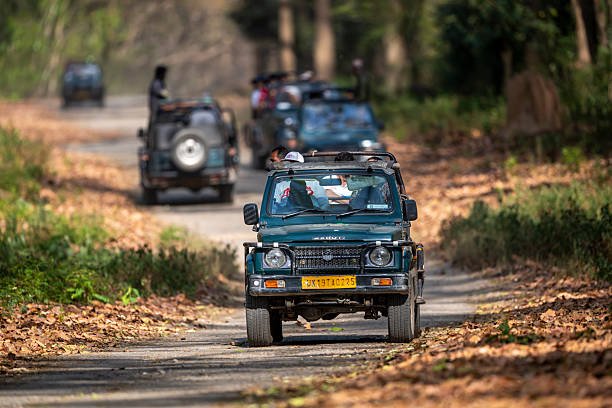
Luxury African Safari Packages: The Ultimate Tanzania Experience In 2026-2027
Explore the pinnacle of African adventure with luxury safari packages in Tanzania. This guide details exclusive lodges, tailor-made itineraries, and the best wildlife experiences for your...
View package detailsNo related package matches those filters. Clear one or more filters to see the other topic-matched options.



