For a three-night stay in the Serengeti, the most effective itinerary focuses on maximizing game drives in a specific, high-wildlife concentration area, typically the Central Serengeti (Seronera Valley) for general wildlife viewing, or potentially the Northern or Southern Serengeti depending on the time of year and the Great Migration. A balanced three-night plan usually involves arriving on day one, dedicating full days two and three to game drives and exploring the chosen region, and departing on day four. This allows for approximately two and a half days of focused safari activity, ideal for spotting the Big Five and experiencing the Serengeti’s vastness without feeling rushed, especially when planning for 2026 or 2027.
Understanding Your Serengeti Three-Night Safari Goal
Deciding to spend three nights in the Serengeti is a smart choice for many travelers. It strikes a balance: enough time to truly experience the wildlife and landscapes without the logistical complexity or cost of longer stays. For those planning their adventure in 2026 or 2027, understanding what this duration can realistically achieve is key to setting expectations and booking the right experience. A three-night safari is generally sufficient to witness a significant portion of the Serengeti’s incredible biodiversity, especially if strategically planned. It’s not enough time to explore every corner of this vast park, nor to intimately track the Great Migration across its entire journey, but it’s more than enough to have a profound and memorable wildlife encounter.
The primary goal for a three-night Serengeti safari is almost always maximizing wildlife sightings. This means focusing on areas known for consistent animal populations, understanding that different regions of the Serengeti offer different experiences, and recognizing that timing plays a crucial role, particularly concerning the famed Great Migration. Your choice of where to stay and how to move within the park will directly impact what you see. For instance, a three-night stay in the Central Serengeti offers excellent year-round game viewing due to its permanent resident wildlife and the presence of the Grumeti River, which acts as a vital water source. Alternatively, if your visit in 2026 or 2027 coincides with the migration’s presence in the North or South, an itinerary tailored to those specific regions could be even more rewarding.
This itinerary is designed for travelers who want a concentrated, high-impact Serengeti experience. It assumes you are arriving from and departing to another location, most commonly Arusha or the Ngorongoro Conservation Area, via a short charter flight or a road transfer. The focus is on efficiency and immersion, ensuring that every moment counts. We’ll explore the trade-offs between different regions, lodge types, and the logistical considerations that shape a successful three-night adventure. This isn’t just about ticking off species; it’s about understanding the ecosystem, the predator-prey dynamics, and the sheer scale of life in one of Africa’s most iconic wildlife sanctuaries.
Itinerary Options for Three Nights in Serengeti
When planning your three nights in Serengeti, the most critical decision is which region(s) to focus on. The Serengeti is enormous, and attempting to cover too much ground in just three nights can lead to excessive travel time and less time actually observing wildlife. Therefore, most effective three-night itineraries concentrate on one, or at most two, distinct areas.
Option 1: Central Serengeti (Seronera Valley) – Year-Round Wildlife Hotspot
This is the classic and often recommended choice for a three-night Serengeti safari, especially for first-time visitors or those prioritizing consistent, diverse wildlife sightings regardless of the migration’s exact location. The Central Serengeti, centered around the Seronera River, is known for its permanent population of predators and prey. It’s a hub of activity year-round.
Day 1: Arrival in Central Serengeti & First Game Drive
- Morning/Afternoon: Arrive at Seronera Airstrip (SEU) via a charter flight from Arusha (or another starting point). You’ll be met by your guide and vehicle.
- Transfer to Lodge: A short game drive en route to your chosen lodge or tented camp. This is your first opportunity to spot animals.
- Lunch & Check-in: Settle into your accommodation, have lunch, and perhaps a brief rest.
- Late Afternoon Game Drive: start your first dedicated game drive in the Seronera Valley. Focus on areas known for lions, leopards, cheetahs, elephants, giraffes, and a variety of plains game.
- Evening: Return to your lodge for dinner and overnight.
Day 2: Full Day Exploring Central Serengeti
- Full Day Game Drive: Depart early after breakfast with a packed lunch. Spend the entire day exploring the diverse habitats within the Central Serengeti. This allows you to cover more ground and increase your chances of encountering different species and behaviors. Look for prides of lions, solitary leopards in acacia trees, cheetahs on the open plains, and large herds of wildebeest and zebras. The Grumeti River area is also excellent for crocodiles and hippos.
- Evening: Return to your lodge for dinner and overnight.
Day 3: Deeper Exploration or Specific Interests
- Morning Game Drive: Focus on areas you may have missed or wish to revisit. Perhaps a specific interest like birdwatching or tracking a particular animal.
- Afternoon Game Drive: Continue exploring. Consider visiting the Moru Kopjes, known for its rocky outcrops which attract lions and black rhinos, or the Seronera River itself for hippo pools and resident predators.
- Evening: Enjoy your final dinner in the Serengeti.
Day 4: Final Morning Game Drive & Departure
- Early Morning Game Drive: One last chance to soak in the Serengeti’s magic.
- Breakfast: Return to the lodge for breakfast.
- Transfer to Airstrip: A final game drive en route to Seronera Airstrip for your onward flight.
Pros of Central Serengeti: Excellent year-round game viewing, high density of predators, good infrastructure, variety of accommodation options. Suitable for most 2026-2027 safari plans.
Cons of Central Serengeti: Can be busier due to its accessibility and consistent sightings. Requires flights to Seronera Airstrip.
Option 2: Southern Serengeti (Ndutu/Grumeti) – Migration Focus (Seasonal)
If your three nights in Serengeti fall between approximately December and March, the Southern Serengeti, particularly the Ndutu area (technically a transition zone bordering the Ngorongoro Conservation Area), is the place to be. This is where the vast majority of wildebeest and zebras gather to calve. This period offers spectacular scenes of newborn animals and intense predator activity.
Day 1: Arrival in Southern Serengeti & Migration Experience
- Morning/Afternoon: Arrive at Ndutu Airstrip (LND) via charter flight from Arusha.
- Transfer to Lodge/Camp: Game drive en route to your accommodation, which will likely be a mobile camp or a lodge designed to be close to the migration herds.
- Lunch & Check-in: Settle in and enjoy lunch.
- Late Afternoon Game Drive: Head out to witness the incredible spectacle of the wildebeest and zebra herds, often numbering in the hundreds of thousands, with predators actively hunting.
- Evening: Dinner and overnight in Ndutu.
Day 2: Ndutu Calving Season & Predator Action
- Full Day Game Drive: Spend the entire day in the Ndutu plains. This is the prime calving season, so expect to see newborn wildebeest and zebras, along with lions, cheetahs, hyenas, and other predators taking advantage of the vulnerable young.
- Evening: Return to your camp/lodge for dinner and overnight.
Day 3: Exploring Further or Specific Interests
- Morning Game Drive: Explore different sectors of the Ndutu plains or head towards the Grumeti River within the Serengeti boundary for potential riverine wildlife.
- Afternoon Game Drive: Continue tracking wildlife, focusing on predator interactions or the sheer scale of the migration.
- Evening: Final dinner and overnight in the Southern Serengeti.
Day 4: Final Morning Game Drive & Departure
- Early Morning Game Drive: A last chance to capture stunning images or observe animal behavior.
- Breakfast: Return for breakfast.
- Transfer to Airstrip: Game drive to Ndutu Airstrip for your onward flight.
Pros of Southern Serengeti (Ndutu): Unparalleled experience of the Great Migration calving season, incredible predator sightings, vast open plains offering excellent photography opportunities. Ideal for 2026-2027 if timing aligns.
Cons of Southern Serengeti (Ndutu): Highly seasonal; best between Dec-Mar. Can be dusty and hot. Accommodation is often mobile camps, which are excellent but might lack the permanent infrastructure of lodges. Requires flights to Ndutu Airstrip.
Option 3: Northern Serengeti – Migration River Crossings (Seasonal)
For those visiting between roughly July and October, the Northern Serengeti is the place to be, as the Great Migration typically crosses the Mara River. Witnessing these dramatic river crossings is a bucket-list experience for many. This itinerary requires careful timing and often involves flights into Kogatende Airstrip (KOG).
Day 1: Arrival in Northern Serengeti & Mara River Area
- Morning/Afternoon: Arrive at Kogatende Airstrip (KOG) via charter flight from Arusha.
- Transfer to Lodge/Camp: Game drive en route to your accommodation, ideally situated near the Mara River.
- Lunch & Check-in: Settle in and have lunch.
- Late Afternoon Game Drive: Head towards the Mara River to observe the migration herds and, if luck is on your side, witness a river crossing. This is a prime time for crocodile and lion activity.
- Evening: Dinner and overnight in the Northern Serengeti.
Day 2: Full Day Focus on River Crossings & Northern Wildlife
- Full Day Game Drive: Dedicate the day to exploring the areas around the Mara River. Patience is key here; crossings can happen at any time of day, or not at all on a given day. Your guide will position you strategically. Beyond the crossings, the Northern Serengeti also boasts resident wildlife, including lions, leopards, and elephants.
- Evening: Return to your lodge/camp for dinner and overnight.
Day 3: Exploring Further or Specific Interests
- Morning Game Drive: Explore different river tributaries or venture into areas known for resident wildlife.
- Afternoon Game Drive: Continue searching for river crossings or focus on other wildlife viewing opportunities in the northern sector.
- Evening: Enjoy your final dinner in the Serengeti.
Day 4: Final Morning Game Drive & Departure
- Early Morning Game Drive: One last chance to see the northern plains and rivers.
- Breakfast: Return for breakfast.
- Transfer to Airstrip: Game drive to Kogatende Airstrip for your onward flight.
Pros of Northern Serengeti: Dramatic Great Migration river crossings (seasonal), stunning scenery, good resident predator populations. A highlight for many planning 2026-2027 safaris.
Cons of Northern Serengeti: Highly seasonal (July-Oct for best crossing chances). River crossings are not guaranteed. Can be more expensive due to remoteness. Requires flights to Kogatende Airstrip.
Key Considerations for Your Three-Night Serengeti Itinerary
Beyond choosing a region, several factors will significantly shape your three nights in Serengeti experience. These are crucial for a smooth and rewarding trip, especially when booking for 2026 or 2027.
Choosing Your Accommodation: Lodge vs. Tented Camp
Your choice of accommodation profoundly impacts the feel of your safari. For a three-night stay, you’ll want to maximize comfort and immersion.
- Luxury Lodges: Offer permanent structures with en-suite bathrooms, often with swimming pools, fine dining, and a high level of service. They provide consistent comfort but might be less ‘in the bush’ than tented camps.
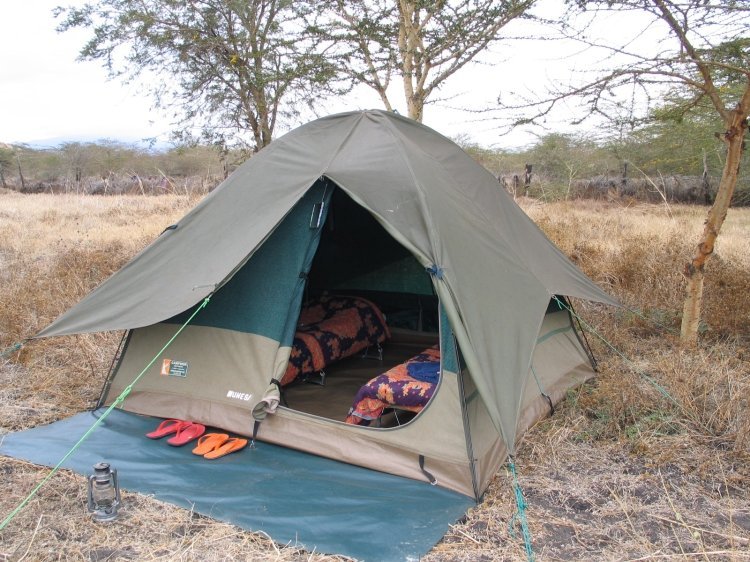
- Tented Camps (Permanent): These are also fixed camps with en-suite bathrooms and comfortable beds, often blending luxury with a more authentic bush experience. They are typically located in prime wildlife areas.
- Tented Camps (Mobile/Seasonal): These camps move with the Great Migration. They offer the most in-depth experience, placing you right in the heart of the action. While comfortable, they might have slightly more basic amenities (e.g., bucket showers, though still private and en-suite). They are ideal for seasonal migrations (Ndutu, North).
For a three-night trip, a permanent tented camp or a well-located lodge in your chosen region is often ideal. Mobile camps are excellent if your timing aligns perfectly with the migration in Ndutu or the North.
Transportation: Flights vs. Road Transfers
Getting to and from the Serengeti for a three-night stay is a significant consideration:
- Charter Flights: The most efficient way to reach specific Serengeti airstrips (Seronera, Ndutu, Kogatende) from Arusha or Kilimanjaro International Airport. This saves considerable travel time, maximizing your precious safari hours. Flights are generally small bush planes (e.g., Cessna Caravan) carrying 6-12 passengers. This is the preferred method for short stays.
- Road Transfers: Driving from Arusha to the Serengeti can take 5-8 hours, depending on the gate and your final destination within the park. While more budget-friendly and offering game viewing en route (especially through the Ngorongoro Conservation Area), this eats significantly into your limited three days. For a three-night trip, road transfers are generally not recommended unless budget is the absolute primary constraint.
Recommendation for 3 Nights: Use charter flights. The time saved is well worth the additional cost for a short safari. Flights connect you directly to the heart of the action, allowing you to start your three nights in Serengeti immediately.
Safari Vehicle and Guide
The quality of your safari vehicle and, crucially, your guide, will make or break your experience. For a three nights in Serengeti itinerary:
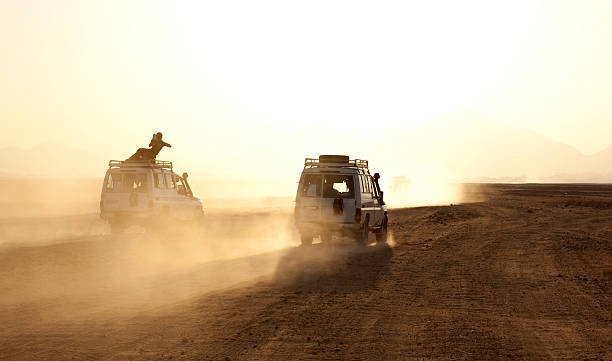
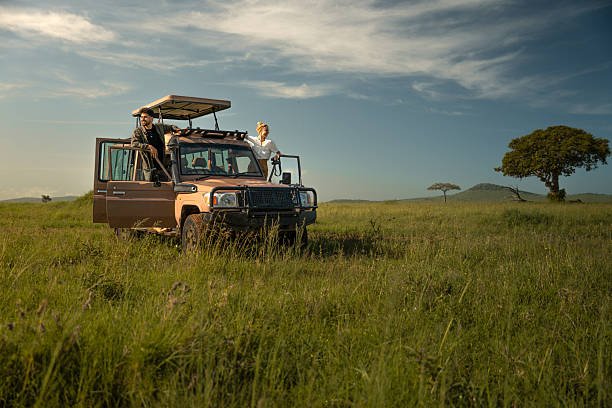
- Vehicle: A 4×4 safari vehicle (typically a Land Cruiser or Land Rover) with pop-up roof hatches is standard. Ensure it’s well-maintained and comfortable for game drives. For private safaris, you usually have a dedicated vehicle. For group tours, you’ll share.
- Guide: A knowledgeable, experienced local guide is invaluable. They understand animal behavior, track animals, know the best spots, and can interpret the ecosystem. They are your eyes and ears in the bush. For short trips, an excellent guide can help you pack in more sightings.
What to Pack for Your Short Serengeti Trip
Even for three nights, packing appropriately is essential:
- Lightweight, neutral-colored clothing (khaki, beige, green).
- Warm layers for early mornings and evenings (fleece, jacket).
- Comfortable walking shoes or hiking boots (though extensive walking isn’t typical on Serengeti safaris).
- Sun hat, sunglasses, high SPF sunscreen.
- Insect repellent.
- Camera with extra batteries and memory cards.
- Binoculars.
- Personal first-aid kit.
- A good book for downtime.
Note: Most lodges and camps provide toiletries, but it’s wise to bring your preferred brands.
Logistics and Booking Your Three Nights in Serengeti
Booking a short, impactful safari requires attention to detail. For your three nights in Serengeti in 2026 or 2027, consider the following:
When to Book
For popular times, especially during migration seasons or peak dry season (June-October), booking 6-12 months in advance is highly recommended. For less busy periods or if you’re flexible, 3-6 months might suffice, but early booking secures the best lodges and flight availability.
Cost Factors for a 3-Night Serengeti Safari
A three-night Serengeti safari is a significant investment. Costs typically include:
- Park Fees: Serengeti National Park fees are charged per person per 24-hour period. These are substantial and a fixed component of any safari.
- Accommodation: Lodge and camp rates vary widely from mid-range to ultra-luxury.
- Flights: Charter flights to Serengeti airstrips are a major cost component but essential for short trips.
- Vehicle & Guide: Private safari vehicles and guides are more expensive than shared options.
- Meals & Drinks: Most packages are full board. Drinks (alcoholic and some soft drinks) can be extra.
- Activities: Standard game drives are included. Hot air balloon safaris (optional, very expensive but incredible) are extra.
Budget Guidance (Indicative for 2026-2027):
- Mid-Range: Expect roughly $400 – $600 USD per person per day, excluding international flights. This covers comfortable lodges/camps, shared or private vehicles, and internal flights.
- Luxury: Expect roughly $700 – $1200+ USD per person per day, excluding international flights. This includes high-end lodges, private vehicles, and premium services.
These are estimates. The exact cost for your three nights in Serengeti will depend on your chosen accommodation, safari style (private vs. group), and specific inclusions. It’s always best to get a personalized quote.
Choosing a Tour Operator
For a trip as critical as a short Serengeti safari, partnering with an experienced tour operator is highly advisable. They handle the complex logistics:
- Local Expertise: Operators like Climb 4 Africa have on-the-ground knowledge of Serengeti’s conditions, optimal timings for migration viewing in 2026-2027, and the best lodges and guides.
- Logistics Management: They book flights, park permits, accommodation, and ground transport seamlessly.
- Customization: They can tailor your three nights in Serengeti itinerary precisely to your interests and budget.
- Support: Provide pre-trip advice and in-country support.
When contacting an operator for a quote for your three nights in Serengeti, be prepared to provide your preferred travel dates, number of travelers, budget range, and any specific interests (e.g., photography, birding, specific animals).
Sample Itinerary Flow (Flights from Arusha)
Day 1:
- Morning: Fly Arusha (ARK) to Serengeti (e.g., Seronera SEU).
- Meet guide, begin game drive en route to lodge.
- Lunch, check-in, relax.
- Late afternoon game drive.
- Overnight in Serengeti.
Day 2:
- Full day game drive with picnic lunch.
- Overnight in Serengeti.
Day 3:
- Morning game drive.
- Afternoon game drive.
- Overnight in Serengeti.
Day 4:
- Early morning game drive.
- Breakfast, check-out.
- Game drive to airstrip.
- Fly Serengeti (SEU) to Arusha (ARK).
This flow maximizes your time on safari, minimizing travel days. A three-night Serengeti safari really means two full days and two partial days of game viewing.
Important Note on Serengeti Park Fees
Serengeti park fees are a significant part of your safari cost. For 2026-2027, these are subject to change by TANAPA (Tanzania National Parks Authority). Typically, they are around $70-80 USD per person per 24-hour period, plus vehicle fees. Your tour operator will confirm the exact rates for your travel dates. These fees are non-negotiable and contribute to conservation efforts.
Maximizing Wildlife Sightings in Three Nights
Even with a short duration, strategic planning can significantly boost your chances of incredible sightings during your three nights in Serengeti.
Timing Your Visit (2026-2027)
As discussed, the Great Migration is a major draw. While the Central Serengeti offers excellent year-round viewing of resident wildlife, understanding the migration’s cycle is key if that’s a priority:
- December – March: Southern Serengeti (Ndutu) – Calving season. Massive herds, abundant predator activity.
- April – May: ‘Green season’/’Rainy season’. Less crowded, lush landscapes. Migration is moving north.
- June – July: Western Corridor/Central Serengeti. Wildebeest begin crossing the Grumeti River.
- July – October: Northern Serengeti (Mara River). The iconic, dramatic river crossings.
- November: Migration begins moving south, often across the central plains.
If you’re not focused solely on the migration, the Central Serengeti is the most reliable bet for diverse sightings across 2026-2027.
Game Drive Strategies
- Early Mornings: The ‘golden hour’ is prime time. Animals are most active as they hunt or forage before the heat of the day sets in.
- Late Afternoons/Evenings: Animals often become active again as temperatures cool. Sunset game drives are magical.
- Picnic Lunches: Opting for full-day game drives with packed lunches allows you to stay out in the bush for longer, increasing your chances of encountering wildlife and avoiding returning to the lodge mid-day.
- Patience: Wildlife viewing requires patience. Sometimes, the best sightings come after periods of quiet observation. Your guide will know when to wait.
- Communicate with Your Guide: Let your guide know your interests. Are you passionate about big cats, birds, or specific behaviors? They can tailor drives accordingly.
Understanding Animal Behavior
A good guide will explain the intricacies of animal behavior. For example:
- Predator Hunting: Observe lions coordinating hunts, cheetahs’ incredible speed, or hyenas’ social dynamics.
- Wildebeest Migration: Witness the sheer scale of the herds, the vulnerability of calves, and the constant threat from predators.
- Territorial Animals: Learn about the territories of prides, the solitary nature of leopards, and the family structures of elephants.
Your three nights in Serengeti can be incredibly educational if you engage with the environment and your guide.
Optional Activities
While game drives are the core, consider these for an enhanced experience:
- Hot Air Balloon Safari: An unforgettable dawn experience offering a bird’s-eye view of the Serengeti plains and wildlife. Usually followed by a champagne breakfast. This is a significant extra cost but a truly unique perspective. Highly recommended if budget allows for your 2026-2027 trip.
- Walking Safaris: In specific areas outside the main national park boundaries (e.g., certain conservancies), guided walking safaris offer a different, more intimate connection with the bush. Check if your chosen lodge offers this.
Sample Detailed 3-Night Central Serengeti Itinerary (2026-2027)
This is a detailed example for a traveler prioritizing diverse wildlife viewing in the Central Serengeti, assuming flights from Arusha.
Day 1: Arrival in the Heart of the Serengeti
- Morning (approx. 8:00 AM): Depart from Arusha Airport (ARK) on a scheduled or charter flight to Seronera Airstrip (SEU). The flight takes about 1 to 1.5 hours and offers spectacular aerial views of the Tanzanian landscape.
- Late Morning (approx. 9:30 AM): Arrive at Seronera Airstrip. You’ll be greeted by your dedicated safari guide and vehicle.
- Game Drive En Route: Begin your safari immediately. Your guide will drive you towards your lodge/camp, making frequent stops for initial wildlife sightings – perhaps a herd of zebras, giraffes browsing acacia trees, or even a lion pride resting in the shade.
- Lunch (approx. 1:00 PM): Arrive at your accommodation (e.g., a luxury tented camp like Four Seasons Safari Lodge Serengeti or a comfortable mid-range option like Kubu Kubu Tented Lodge). Enjoy a delicious lunch and take some time to relax and settle in.
- Afternoon Game Drive (approx. 3:30 PM – 6:30 PM): After a short rest, head out for your first dedicated game drive. Focus on the Seronera Valley and its surrounding areas, known for high concentrations of predators. Look for lions, leopards (often seen in trees), cheetahs on the open plains, elephants, buffalo, and abundant plains game. Your guide will use their knowledge to find active areas.
- Evening: Return to your lodge as the sun sets. Enjoy sundowners and a gourmet dinner, sharing stories of your first wildlife encounters. Overnight in Central Serengeti.
Day 2: Full Immersion in the Central Serengeti
- Early Morning (approx. 6:00 AM): Wake up to the sounds of the bush. After a quick cup of coffee/tea, start an early morning game drive. This is often the best time for predator activity as they finish their nocturnal hunts.
- Breakfast (approx. 9:00 AM): Return to the lodge for a hearty breakfast, or your guide might arrange a bush breakfast if you’re out in a prime location.
- Full Day Game Drive (approx. 10:00 AM – 5:00 PM): With a packed picnic lunch, spend the entire day exploring further afield. Your guide might take you towards the Grumeti River for hippos and crocodiles, or towards the Moru Kopjes, a rocky outcrop frequented by lions and black rhinos. You’ll cover significant ground, maximizing your chances of diverse sightings and observing animal interactions.
- Late Afternoon: Continue your drive, perhaps seeking out a specific species or revisiting a promising area.
- Evening: Return to the lodge for dinner and overnight.
Day 3: Exploring Diverse Habitats and Optional Activities
- Morning (approx. 6:30 AM): Another early start for a morning game drive. Today, you might focus on exploring different habitats within the Central Serengeti – perhaps venturing into areas with denser acacia woodlands where leopards often hide, or the more open grasslands favored by cheetahs.
- Optional Activity: Hot Air Balloon Safari (Pre-booked): If you’ve opted for this, you’ll depart before dawn for a impressive sunrise hot air balloon ride over the Serengeti, followed by a champagne breakfast in the bush. This would replace your morning game drive.
- Late Morning: Return to the lodge for brunch/lunch and some downtime.
- Afternoon Game Drive (approx. 3:30 PM – 6:30 PM): Head out for your final afternoon game drive. You could revisit a favorite spot, try to find animals you haven’t yet seen, or simply enjoy the vastness and beauty of the Serengeti landscape.
- Evening: Enjoy a special farewell dinner at your lodge, reflecting on the incredible wildlife experiences of the past three days. Overnight in Central Serengeti.
Day 4: Final Serengeti Moments and Departure
- Early Morning (approx. 6:00 AM): One last early morning game drive. This is your final opportunity to capture stunning photos or witness a memorable wildlife moment.
- Breakfast (approx. 8:30 AM): Return to the lodge for your final breakfast.
- Check-out: Complete check-out procedures.
- Transfer to Airstrip (approx. 10:00 AM): A final game drive en route to Seronera Airstrip (SEU).
- Midday: Depart from Seronera Airstrip back to Arusha Airport (ARK) or your next destination.
This itinerary ensures you make the most of your three nights in Serengeti, packing in as much wildlife viewing as possible while maintaining a comfortable pace. For 2026-2027 bookings, confirming flight schedules and lodge availability is crucial.
Booking Your 2026-2027 Serengeti Safari with Climb 4 Africa
Planning a short, impactful safari like three nights in Serengeti requires expert coordination. Climb 4 Africa specializes in creating smooth Tanzanian safari experiences, leveraging our local knowledge and extensive network to ensure your trip is unforgettable.
We understand that a three-night stay is a precious window into the wonders of the Serengeti. Our team works meticulously to craft itineraries that maximize your time in the wild, whether you’re targeting the Great Migration in 2026 or 2027, or seeking the resident wildlife of the Central Serengeti year-round. We handle all the intricate details, from securing the best flights to the Serengeti’s airstrips to selecting accommodations that match your comfort and budget preferences.
Why choose Climb 4 Africa for your three nights in Serengeti?
- Local Expertise: Our guides and staff are based in Tanzania, providing unparalleled insights into wildlife patterns, park conditions, and the best strategies for game viewing in any season.
- Tailor-Made Itineraries: We don’t offer one-size-fits-all packages. We listen to your interests, budget, and travel style to design a bespoke three nights in Serengeti itinerary that’s perfect for you.
- smooth Logistics: From charter flights and park permits to accommodations and transfers, we manage all the complexities, allowing you to relax and anticipate your adventure.
- Value and Transparency: We are committed to providing excellent value for your investment, with clear pricing and no hidden costs. We’ll guide you through the options available for 2026-2027 travel.
- Dedicated Support: You’ll have direct access to our team for any questions or assistance before, during, and after your safari.
To begin planning your dream three nights in Serengeti safari for 2026 or 2027, we encourage you to reach out. Please share your desired travel dates, the number of people in your group, your preferred accommodation style (e.g., luxury lodge, comfortable tented camp), and any specific interests you have. This information will help us craft the most suitable itinerary for you.
Contact us today to start planning:
- WhatsApp: +255 747 477 898
- Email: climb4africa@gmail.com
Let us help you create an unforgettable three nights in Serengeti experience, filled with incredible wildlife encounters and smooth adventure.
Check Availability for Three Nights In Serengeti: Your Essential Itinerary Guide For 2026-2027
Ready to compare dates, prices, and the best option for your group? Send the package name and travel month so the team can reply with a clear quote, availability, and what is included.
Three Day Serengeti Safari During AFCON 2027
Mwongozo wa kiutendaji kwa safari ya siku tatu ya Serengeti wakati AFCON 2027, ukijumuisha mwelekeo wa maeneo, ratiba ya siku, na ushauri wa ubashiri wa kupanga pamoja na jinsi ya...
View package details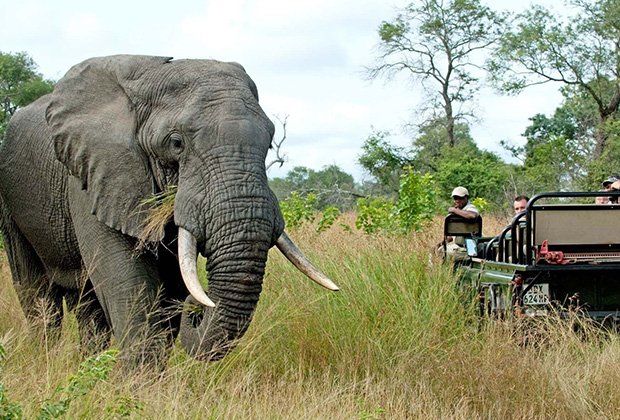
I Am On A Budget—What Is The Cheapest Serengeti Group Safari?
I Am on a Budget—What Is the Cheapest Serengeti Group Safari?
View package details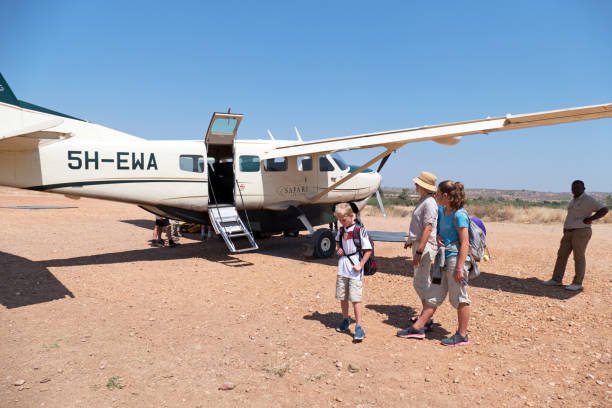
2-Day Serengeti Safari From Zanzibar By Flight: Price & Booking Guide
A practical guide to booking a 2-day Serengeti safari from Zanzibar by flight, covering itinerary logistics, cost considerations, and how to maximize your short time in the bush.
View package details1-Day Serengeti Safari From Zanzibar By Flight: Cost & Itinerary 2026-2027
Is a 1-day Serengeti safari from Zanzibar feasible? Get the expert breakdown on the flight logistics, cost factors, and how to manage your expectations for this intense, one-day wildlife...
View package details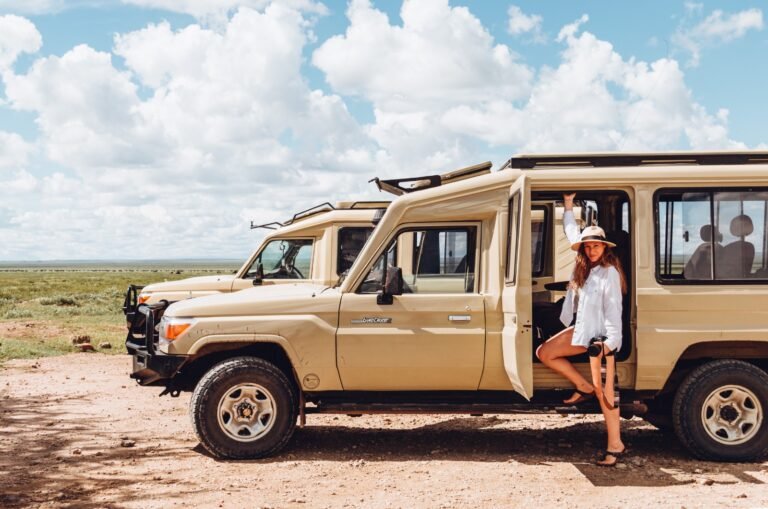
Afcon Private Serengeti Safari With Lodges
AFCON 2027 Private Serengeti Safari with Lodges.
View package detailsAfcon Luxury Serengeti Safari Packages
AFCON 2027 Luxury Serengeti Safari Packages.
View package details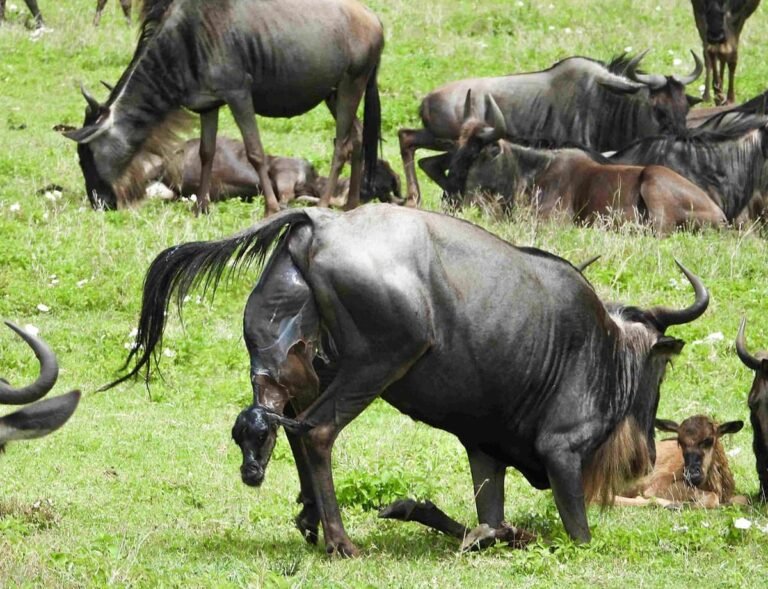
Serengeti Great Migration Safari During AFCON 2027
Mwongozo wa kina kwa safari ya Serengeti Great Migration wakati wa AFCON 2027, ukilenga kuelewa maeneo, kipindi cha mwendo wa mnyama, na mapendekezo ya mipango ya kiutendaji.
View package detailsFour Day Serengeti na Ngorongoro Safari During AFCON 2027
Mwongozo wa safari ya siku 4 kwenye Serengeti na Ngorongoro wakati AFCON 2027; jinsi ya kupanga, nini cha kujali, na jinsi ya kuandaa,”
View package details
Afcon Mount Kilimanjaro And Serengeti Package
AFCON 2027 Mount Kilimanjaro and Serengeti Package.
View package details
Dec 24, – 3 Day Christmas Serengeti And Ngorongoro Group Safari
Dec 24, 2026 – 3 Day Christmas Serengeti and Ngorongoro Group Safari.
View package details
Nov 23, – 3 Day Serengeti And Ngorongoro Safari From Zanzibar
Nov 23, 2026 – 3 Day Serengeti and Ngorongoro Safari from Zanzibar.
View package details
Dec 31, : New Year’s Eve Serengeti Group Safari Planning Guide
This guide provides essential planning details for a group safari trip to the Serengeti for New Year's Eve 2026, covering logistics, seasonal highlights, and what to expect.
View package detailsNo related package matches those filters. Clear one or more filters to see the other topic-matched options.