
For a safari starting in Arusha and ending at Kilimanjaro Airport (JRO), the most popular and logistically sensible choices focus on the Northern Circuit parks: Tarangire, Lake Manyara, the Ngorongoro Conservation Area, and the Serengeti. These can be combined into various durations, typically ranging from 3 to 7 days, allowing for efficient travel back to JRO for your departure. A 5-day itinerary covering Tarangire, Ngorongoro, and a taste of the Serengeti is a common and highly recommended option for this specific start and end point.
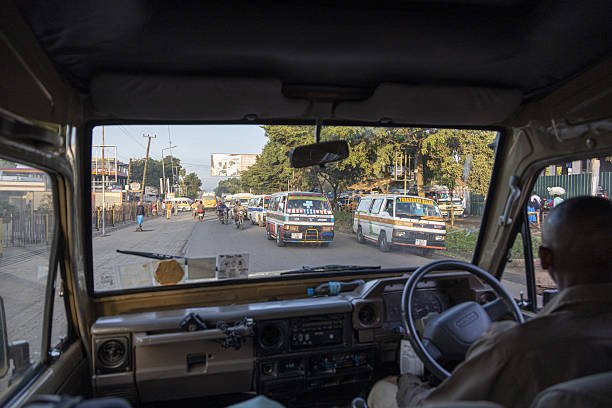

Understanding Your Arusha to Kilimanjaro Airport Safari
When you envision a safari that begins in Arusha and concludes with a convenient transfer to Kilimanjaro International Airport (JRO), you’re essentially looking for an optimized route that maximizes wildlife viewing while minimizing unnecessary travel time back and forth. Arusha is the undisputed gateway to Tanzania’s famed Northern Circuit, a region that consistently ranks among the world’s top safari destinations. Kilimanjaro Airport (JRO), officially known as Kilimanjaro International Airport, is located roughly midway between Arusha and Moshi, making it an exceptionally convenient departure point for many safari packages originating from Arusha. This strategic positioning means many tours are designed to conclude with a direct drop-off at the airport, saving you a significant amount of time and hassle on your final day.
The primary goal for travelers seeking a safari starting in Arusha and ending at Kilimanjaro Airport is to experience the incredible biodiversity of Tanzania’s iconic parks without the logistical complexities of a circuit that might loop back to a different city or require an internal flight. This means focusing on the parks most accessible from Arusha and most logically positioned for a departure from JRO. These typically include Tarangire National Park, known for its large elephant herds and baobab trees; Lake Manyara National Park, famous for its tree-climbing lions and diverse birdlife; the Ngorongoro Conservation Area, a UNESCO World Heritage site boasting a unique caldera ecosystem; and the vast Serengeti National Park, the stage for the Great Migration.
Planning for a 2026 or 2027 safari requires understanding the nuances of these parks, the best times to visit for specific wildlife sightings, and how to structure your itinerary for maximum enjoyment and efficiency. This guide will break down the key considerations, popular itinerary options, and practical advice to help you choose the perfect safari experience that aligns with your departure from Kilimanjaro Airport.
Key Safari Parks for an Arusha to JRO Itinerary
The beauty of a safari starting in Arusha and ending at Kilimanjaro Airport lies in its proximity to some of Africa’s most renowned wildlife sanctuaries. The Northern Circuit is a well-established route, offering a diverse range of landscapes and animal encounters. Here’s a look at the parks that will likely form the core of your adventure:
Tarangire National Park
Tarangire is often the first stop on a Northern Circuit safari from Arusha. Its landscape is dominated by ancient baobab trees and the Tarangire River, which acts as a vital water source during the dry season. This attracts a huge concentration of wildlife, especially elephants. You’ll find large herds, sometimes numbering in the hundreds, congregating along the riverbanks. Beyond elephants, Tarangire is also excellent for viewing lions, leopards, giraffes, zebras, wildebeest, and a remarkable variety of birdlife, including some species not commonly seen elsewhere in Tanzania. Its open plains and acacia woodlands offer fantastic game viewing opportunities, often with fewer crowds than the Serengeti.
Lake Manyara National Park
Though one of the smaller parks in the circuit, Lake Manyara packs a punch. It’s famous for its elusive tree-climbing lions, a behavior observed here more frequently than in most other locations. The park’s ecosystem is incredibly varied, encompassing a shallow soda lake that attracts thousands of flamingos, groundwater forests providing lush greenery and shade for animals, and acacia woodlands. You can expect to see baboons, Sykes monkeys, elephants, giraffes, zebras, and a rich array of bird species. The park’s compact size makes it ideal for a half-day or full-day visit, offering a concentrated safari experience.
Ngorongoro Conservation Area (including the Crater)
The Ngorongoro Crater is the jewel in the crown of this region. This vast, intact volcanic caldera is a UNESCO World Heritage Site and home to an astonishing density of wildlife. Descending into the crater floor is like entering a natural amphitheater where you have an excellent chance of spotting the ‘Big Five’ – lion, elephant, buffalo, leopard, and rhinoceros. The Ngorongoro Conservation Area (NCA) is larger than just the crater and also includes areas for Maasai pastoralists, creating a unique human-wildlife coexistence. The scenery from the crater rim is spectacular, and game drives on the floor offer unforgettable encounters. Many safaris allocate a full day for the crater itself.
Serengeti National Park
The Serengeti is arguably the most famous wildlife reserve in the world, renowned for its endless plains and the annual Great Migration. This epic movement of over two million wildebeest, zebras, and gazelles, in search of fresh grazing, is a spectacle unlike any other. While the migration’s exact location varies throughout the year, the Serengeti offers exceptional game viewing year-round. Its vastness means you can find predators like lions, cheetahs, and leopards easily, along with giraffes, elephants, hippos, crocodiles, and an incredible diversity of smaller mammals and birds. For safaris ending at Kilimanjaro Airport, itineraries often focus on the southern or central Serengeti, or sometimes the western corridor, depending on the season.
Tailoring Your Safari: Duration and Itinerary Options
When planning a safari starting in Arusha and ending at Kilimanjaro Airport, the duration is a key factor in determining how many parks you can visit and how much time you’ll spend in each. Most operators offer flexible packages, but here are some common and highly effective itinerary structures:
3-Day Safari: A Taste of the North
A 3-day safari is a whirlwind introduction, typically focusing on the closest and most accessible parks. A common route might be:
- Day 1: Arusha to Tarangire National Park. Game drive in Tarangire, overnight near the park or on the way towards Karatu.
- Day 2: Ngorongoro Crater. Descend into the crater for a morning game drive, then ascend and drive towards the Serengeti boundary or Karatu for the night.
- Day 3: Lake Manyara or a final game drive, then transfer to Kilimanjaro Airport (JRO).
Pros: Budget-friendly, suitable for those with limited time. Cons: Rushed, less time for in-depth exploration, might miss the Serengeti.
4-Day Safari: Ngorongoro & Serengeti Highlights
This adds a bit more time, allowing for a brief but impactful visit to the Serengeti.
- Day 1: Arusha to Tarangire National Park. Full day game drive, overnight in Karatu.
- Day 2: Ngorongoro Crater. Full day game drive in the crater, overnight in Karatu.
- Day 3: Drive to Serengeti National Park (central or southern area depending on season). Afternoon game drive, overnight in the Serengeti.
- Day 4: Morning game drive in the Serengeti, then drive back to Arusha for onward transfer to Kilimanjaro Airport (JRO).
Pros: Includes the Serengeti, offers a good balance of parks. Cons: Still relatively fast-paced, Serengeti experience might be limited.
5-Day Safari: The Classic Northern Circuit
This is often considered the sweet spot for many travelers, offering a well-rounded experience without feeling too rushed. It provides more time in the Serengeti.
- Day 1: Arusha to Tarangire National Park. Full day game drive, overnight in Karatu.
- Day 2: Ngorongoro Crater. Full day game drive in the crater, overnight in Karatu.
- Day 3: Drive to Serengeti National Park (central area). Afternoon game drive, overnight in the Serengeti.
- Day 4: Full day game drive in the Serengeti, exploring different regions, overnight in the Serengeti.
- Day 5: Morning game drive in the Serengeti, then drive back to Arusha for transfer to Kilimanjaro Airport (JRO).
Pros: Excellent balance, good time in Serengeti, covers major highlights. Cons: Longer driving days on Day 3 and 5.
6-Day Safari: Deeper Serengeti Exploration
For those who want to truly experience themselves in the Serengeti’s vastness, a 6-day itinerary is ideal. It might also include Lake Manyara.
- Day 1: Arusha to Lake Manyara National Park. Game drive, then drive to Karatu for overnight.
- Day 2: Ngorongoro Crater. Full day game drive, overnight in Karatu.
- Day 3: Drive to Serengeti National Park. Afternoon game drive, overnight in Serengeti.
- Day 4: Full day game drive in the Serengeti.
- Day 5: Full day game drive in the Serengeti, potentially moving camp or exploring a different zone.
- Day 6: Morning game drive in Serengeti, then drive back to Arusha for transfer to Kilimanjaro Airport (JRO).
Pros: More time in Serengeti, deeper exploration, less rushed pace. Cons: Higher cost, longer overall trip.
7-Day Safari: Comprehensive Northern Circuit
A 7-day safari allows for a relaxed pace and extensive exploration of all key areas, potentially including the northern Serengeti or areas around Lake Victoria depending on migration patterns and your interests. It also allows for more flexibility in travel times and optional activities.
- Day 1: Arusha to Tarangire National Park.
- Day 2: Tarangire to Karatu, with optional visit to Mto wa Mbu cultural tour.
- Day 3: Ngorongoro Crater full day.
- Day 4: Karatu to Serengeti (Central). Afternoon game drive.
- Day 5: Full day in Serengeti (Central).
- Day 6: Serengeti (Central) to Serengeti (North/West, depending on migration).
- Day 7: Morning game drive, then drive to Manyara airstrip for a flight back to Arusha, or a long drive back to Arusha for transfer to Kilimanjaro Airport (JRO). Alternatively, drive directly to JRO if feasible and planned.
Pros: Most comprehensive experience, relaxed pace, highest chance of seeing diverse wildlife and migration. Cons: Highest cost, longest duration.
Important Note for 2026-2027 Planning: The timing of the Great Migration in the Serengeti is crucial. If seeing the river crossings is a priority for your 2026 or 2027 safari, your itinerary will need to be carefully timed to be in the Western Corridor (June-July) or the Grumeti River area. If it’s about vast herds, the southern plains (December-March) are ideal. Discuss these specifics with your tour operator.
Choosing Your Safari Style: Private vs. Group
When booking a safari starting in Arusha and ending at Kilimanjaro Airport, you’ll typically encounter two main types of tours: private and group (or shared) safaris. Each has its own advantages and disadvantages, influencing cost, flexibility, and the overall experience.
Private Safaris
A private safari means you have your own dedicated safari vehicle and guide for the duration of your trip. This offers the ultimate flexibility and personalized experience.
- Advantages:
- Flexibility: You set the pace. Want to spend extra time watching a pride of lions or wait for a leopard to emerge? Your guide can accommodate. You can also choose your departure times and choose to skip certain sights if you wish.
- Personalization: The itinerary can be customized to your specific interests, whether it’s birdwatching, photography, or seeking out particular animals.
- Comfort: You share the vehicle only with your travel companions.
- Disadvantages:
- Cost: Private safaris are significantly more expensive than group tours due to the dedicated vehicle and guide.
Who it’s for: Families, couples, or small groups seeking a tailored, exclusive, and flexible experience. It’s also ideal for serious photographers who need to maximize their time and opportunities.
Group (Shared) Safaris
Group safaris involve joining other travelers in a safari vehicle. These are often offered as ‘scheduled departures’ or ‘fixed departures’ where you join a pre-set itinerary with a group of people you may not know. Climb 4 Africa offers excellent opportunities for shared safaris, which can be a great way to experience the magic of Tanzania on a budget.
Explore group departure dates and shared tours.
- Advantages:
- Cost-Effectiveness: Sharing the cost of the vehicle and guide makes group safaris much more affordable.
- Social Experience: You can meet like-minded travelers from around the world and share the adventure.
- Convenience: These tours follow a fixed itinerary, so planning is straightforward.
- Disadvantages:
- Less Flexibility: You must adhere to the group’s schedule and pace. Time spent at sightings is often limited to avoid holding up the group.
- Shared Space: You’ll be sharing the vehicle with others, which might be less comfortable for some, especially for long game drives.
- Compromise: Itineraries are fixed and cannot be easily changed to suit individual preferences.
Who it’s for: Budget-conscious travelers, solo travelers looking to save costs, and those who enjoy a social travel experience.
Decision Point: For a safari starting in Arusha and ending at Kilimanjaro Airport, a 5-day private safari offers a fantastic balance of experience and efficiency. If budget is a primary concern, a 4-day or 5-day group safari is an excellent way to see the Northern Circuit highlights.
Accommodation Options: From Camping to Luxury Lodges
Your choice of accommodation significantly impacts the safari experience and its cost. For safaris starting in Arusha and concluding at Kilimanjaro Airport, you’ll typically find options ranging from basic camping to luxurious lodges.
Budget Camping (Explorer Safaris)
This involves staying in public campsites within or near the national parks. Basic amenities are usually available (like pit latrines and sometimes a communal washroom), and tents are set up by your safari crew. Meals are prepared by your cook.
- Pros: Most affordable option, offers a close-to-nature experience.
- Cons: Basic facilities, can be noisy with other campers, less comfortable.
Mid-Range Tented Camps (Self-Contained)
These are more comfortable tented accommodations, often located in private campsites or concessions. Tents are usually larger, with proper beds, and often include en-suite bathrooms with flushing toilets and hot showers. They offer a good balance of comfort and authenticity.
- Pros: More comfortable than basic camping, private facilities, often in scenic locations.
- Cons: More expensive than basic camping, but less than lodges.
Mid-Range to Luxury Lodges & Permanent Camps
These are permanent structures, ranging from comfortable lodges with standard amenities to high-end luxury properties with swimming pools, fine dining, and exceptional service. They offer the highest level of comfort and service.
- Pros: Maximum comfort, excellent amenities and service, often stunning locations.
- Cons: Most expensive option, can sometimes feel less ‘wild’ than camping.
Planning Tip for 2026-2027: For a 5-day safari, consider a mix: perhaps mid-range tented camps in the Serengeti and Ngorongoro, and a comfortable lodge near Tarangire. This can offer a varied experience without breaking the bank. Booking well in advance for 2026-2027, especially for peak season and popular lodges, is highly recommended.
Practical Considerations for Your Arusha to JRO Safari
Beyond the itinerary and accommodation, several practical aspects are crucial for a smooth and enjoyable safari. Understanding these will help you prepare and make informed decisions.
Best Time to Travel in 2026-2027
While Tanzania offers fantastic wildlife viewing year-round, certain periods are better for specific experiences:
- Dry Season (June to October): This is peak season. Wildlife is concentrated around water sources, making animals easier to spot. The landscape is drier. It’s also a good time for the Great Migration river crossings in the Western Serengeti. Expect higher prices and more crowds.
- Short Rains (November): Less predictable weather, but can offer lush landscapes and fewer tourists.
- Long Rains (March to May): This is the low season. The landscape is green and beautiful, and there are fewer tourists, leading to lower prices. However, some roads can become impassable, and the migration moves to the southern Serengeti for calving (typically December-March).
For general game viewing in Tarangire, Manyara, and Ngorongoro, the dry season is excellent. For the Serengeti’s Great Migration, timing is everything. Consult with your tour operator for the most up-to-date advice for your specific 2026 or 2027 travel dates.
What’s Typically Included in an Arusha to JRO Safari Package?
Most comprehensive safari packages starting in Arusha and ending at JRO will include:
- Airport transfers on arrival and departure.
- All park entrance fees.
- Accommodation as per your chosen level (camping, tented camp, lodge).
- All meals during the safari (breakfast, lunch, dinner).
- A professional English-speaking safari guide.
- A 4×4 safari vehicle with pop-up roof for game viewing.
- Bottled water during game drives.
- Crater service fees (for Ngorongoro).
Exclusions: Typically, these packages do not include flights to/from Tanzania, visa fees, travel insurance, tips for the guide and crew, alcoholic and soft drinks (unless specified), personal expenses, or optional activities like hot air balloon safaris.
Packing Essentials for Your Safari
Pack light and smart. Neutral-colored clothing (khaki, olive green, brown) is best for game drives to avoid startling animals. Essential items include:
- Lightweight, breathable clothing (long-sleeved shirts and trousers for sun and insect protection).
- A warm jacket or fleece for cool mornings and evenings.
- Comfortable walking shoes or hiking boots (if planning any walking safaris).
- Sandals or flip-flops for relaxing at camp/lodge.
- Sun hat, sunglasses, and high SPF sunscreen.
- Insect repellent (with DEET).
- Binoculars.
- Camera with extra batteries and memory cards.
- A small backpack for daily essentials.
- Personal medications and a basic first-aid kit.
- Adapter for charging electronics.
Health and Safety
Consult your doctor or a travel clinic about vaccinations and malaria prophylaxis well in advance of your 2026-2027 trip. It’s also wise to carry a personal first-aid kit and any necessary personal medications. Always drink bottled or purified water provided by your tour operator.
Why Choose Climb 4 Africa for Your Arusha to Kilimanjaro Airport Safari?
When planning a safari that starts in Arusha and concludes at Kilimanjaro Airport, choosing the right tour operator is paramount. Climb 4 Africa specializes in creating unforgettable Tanzanian travel experiences, with a deep understanding of the Northern Circuit and the logistics required for smooth transitions, including airport departures.
Our team consists of experienced local guides and support staff who know the parks intimately. We are committed to responsible tourism, ensuring your safari benefits local communities and conserves the environment. Whether you opt for a private tailor-made safari or join one of our scheduled group departures, we focus on providing exceptional value, personalized service, and authentic encounters with Tanzania’s incredible wildlife.
We understand the nuances of planning a safari that perfectly aligns with your flight schedule from Kilimanjaro Airport (JRO). Our itineraries are meticulously crafted to maximize your time in the parks while ensuring a relaxed and timely transfer to the airport for your departure. For 2026 and 2027, we are ready to help you craft your dream safari, offering expert advice on the best routes, accommodations, and timings to suit your budget and interests.
Ready to plan your safari? Let us help you design the perfect journey. Contact Climb 4 Africa today to discuss your specific requirements, get a personalized quote, and secure your preferred dates for 2026-2027. We are here to answer all your questions and ensure your safari adventure is everything you dreamed of and more.
Reach us via WhatsApp: +255 747 477 898
Or email us at: climb4africa@gmail.com
Frequently Asked Questions about Arusha to JRO Safaris
Here are some common questions we receive regarding safaris that start in Arusha and end at Kilimanjaro Airport (JRO).
What is the most efficient safari route from Arusha ending at Kilimanjaro Airport?
The most efficient route for a safari starting in Arusha and ending at Kilimanjaro Airport (JRO) is the Northern Circuit, typically including Tarangire National Park, Lake Manyara National Park, the Ngorongoro Conservation Area, and the Serengeti National Park. These parks are strategically located, and itineraries are commonly designed to conclude with a direct transfer to JRO, saving considerable travel time.
How long should my safari be if I’m starting in Arusha and flying out of JRO?
For a comprehensive experience of the Northern Circuit parks, a safari of 5 to 7 days is recommended. A 5-day safari allows for visits to Tarangire, Ngorongoro, and a good portion of the Serengeti. A 6 or 7-day trip offers a more relaxed pace and deeper exploration, especially within the vast Serengeti. Shorter 3 or 4-day options are available if time is limited, but they will be more rushed.
Can I see the Great Migration on a safari ending at Kilimanjaro Airport?
Yes, you can absolutely see the Great Migration. The Serengeti is the primary location for this phenomenon. The timing of your safari is critical. For river crossings, aim for June to July (Western Corridor). For calving season and large herds on the plains, target December to March (Southern Serengeti). Your tour operator can advise on the best locations for migration viewing based on your 2026 or 2027 travel dates.
What is the difference in cost between a private and group safari?
A private safari is significantly more expensive than a group safari. This is because you have a dedicated vehicle and guide exclusively for your party. Group safaris spread these costs among multiple travelers, making them a more budget-friendly option. For example, a 5-day private safari might cost 30-50% more per person than a comparable 5-day group safari.
When should I book my safari for 2026 or 2027?
It is highly recommended to book your safari for 2026 or 2027 as early as possible, ideally 6-12 months in advance, especially if you are planning to travel during the peak dry season (June-October) or have specific accommodation preferences (e.g., luxury lodges). Early booking helps secure availability for popular tours, lodges, and specific dates, particularly for the Great Migration season.
Is it possible to combine a safari with a Kilimanjaro climb?
Yes, many travelers combine a safari with a Kilimanjaro climb. It’s common to do the safari first, ending at Kilimanjaro Airport (JRO), and then transfer to Arusha for the climb preparation. Alternatively, you can climb Kilimanjaro first and then start a safari. Climb 4 Africa specializes in both, offering integrated packages. Ensure you allocate sufficient recovery time after the climb before starting a safari.
What is the typical driving time between parks?
Driving times can vary greatly depending on road conditions and the specific locations within parks. From Arusha to Tarangire is about 2-3 hours. To Ngorongoro Conservation Area (gate) is about 3-4 hours. Entering the Ngorongoro Crater involves a descent and drive. Driving from Karatu (near Ngorongoro) to the Serengeti (central) can take 4-6 hours, often including a game drive en route. The return journey from Serengeti to Kilimanjaro Airport is a very long day (8-10+ hours) unless you opt for a flight from a Serengeti airstrip back to Arusha, which adds cost but saves significant time.
What are the chances of seeing the Big Five on a safari ending at JRO?
The Ngorongoro Crater offers one of the highest chances of seeing all of the Big Five (lion, elephant, buffalo, leopard, rhinoceros) in a single day due to its high density of wildlife and contained ecosystem. The Serengeti also offers excellent opportunities, particularly for lions, elephants, and buffalo. Leopards and rhinos can be more elusive but are certainly possible to spot with luck and a skilled guide. The chances are very good across a 5-7 day Northern Circuit safari.
Can I customize a safari starting in Arusha and ending at Kilimanjaro Airport?
Absolutely. Climb 4 Africa excels at creating tailor-made safaris. If you have specific interests, a preferred pace, particular accommodations in mind, or a desire to visit less common areas, we can craft a custom itinerary that starts in Arusha and concludes with a convenient transfer to Kilimanjaro Airport (JRO) for your 2026 or 2027 adventure.
What kind of vehicle will I use on my safari?
For safaris starting in Arusha and ending at Kilimanjaro Airport, you will typically use a specially adapted 4×4 Land Cruiser or Land Rover. These vehicles are equipped with pop-up roofs, allowing for excellent game viewing and photography opportunities. They are designed for comfort and maneuverability on rough terrain, ensuring you can access remote areas of the parks.
Making Your Choice: Next Steps for Your 2026-2027 Safari
Deciding on the perfect safari that begins in Arusha and ends at Kilimanjaro Airport (JRO) involves balancing your interests, budget, and available time. The Northern Circuit offers unparalleled wildlife experiences, and by focusing on this region, you can create an efficient and unforgettable journey. Whether you dream of witnessing the Great Migration, marveling at the Ngorongoro Crater’s density of animals, or simply enjoying the vast plains of the Serengeti, a well-planned safari is within reach.
Consider the duration that best suits your schedule – a 5-day itinerary is often a great starting point for a comprehensive overview. Think about your preferred accommodation style, from rustic camping to luxurious lodges, as this will significantly influence your experience and cost. And importantly, decide whether a private or group safari aligns better with your travel style and budget. For 2026 and 2027 travel, booking well in advance is key to securing the best options.
Ready to take the next step? Climb 4 Africa is your trusted partner for crafting exceptional safaris in Tanzania. We have the local expertise and dedication to ensure your safari starting in Arusha and concluding at Kilimanjaro Airport is perfectly tailored to your desires. Let us help you navigate the choices and create an itinerary that promises adventure, discovery, and memories to last a lifetime. We are particularly excited to help you plan your 2026 or 2027 safari!
Get in touch with our safari specialists today:
WhatsApp: +255 747 477 898
Email: climb4africa@gmail.com
We look forward to hearing from you and helping you plan your dream Tanzanian safari!
Check Availability for Safari Starting In Arusha Ending At Kilimanjaro Airport: Your Expert Guide
Ready to compare dates, prices, and the best option for your group? Send the package name and travel month so the team can reply with a clear quote, availability, and what is included.
Wildlife And Nature Titles: Your Ultimate Guide To Tanzanias Best Experiences
This comprehensive guide explores the most sought-after wildlife and nature titles in Tanzania, from iconic safari destinations and Kilimanjaro treks to the tropical allure of Zanzibar...
View package details
Kruger National Park Safari Packages: Your Ultimate Guide To Adventures
Discover tailored Kruger National Park safari packages for 2026-2027. This comprehensive guide covers everything from choosing the right lodge and activities to understanding costs and...
View package details
South Africa Safari Tours & Vacation Packages | Climb 4 2026-2027
Discover the ultimate South Africa safari experience with tailored tour and vacation packages for 2026-2027. From iconic Kruger National Park to exclusive private reserves, find detailed...
View package details
Tanzania Safari Tours & Packages /: Your Ultimate Wildlife Adventure 2026-2027
Discover the magic of Tanzania with expertly crafted safari tours and packages for 2026 and 2027. From the vast plains of the Serengeti to the depths of the Ngorongoro Crater, find your...
View package detailsKilimanjaro Routes: 15 Strongest Worldwide Search Potential For Climbs
Planning a Kilimanjaro climb? This guide details the 15 routes with the highest search interest worldwide for 2026-2027, helping you choose the best path for your adventure. We cover...
View package detailsBest Wildlife Photography Destinations For Safaris | Climb 4 Africa 2026-2027
Planning a safari for incredible wildlife photography in 2026 or 2027? Tanzania offers unparalleled opportunities. This guide details the top destinations, essential gear, timing, and how...
View package detailsHow To Create The Perfect Travel Itinerary For Tanzania Adventures 2026-2027
Crafting the perfect travel itinerary for Tanzania involves understanding your priorities, choosing the right activities, and planning logistics effectively. This guide walks you through...
View package detailsCheap Hotels Near Me Tonight: Finding Affordable Stays In Tanzania 2026-2027
Discover how to find cheap hotels near you tonight in Tanzania, focusing on budget-friendly options for travelers planning safaris, Kilimanjaro treks, or Zanzibar holidays in 2026-2027...
View package detailsPlaces Where Your Money Goes Further: Smart Tanzania Travel For 2026-2027
Planning a trip to Tanzania in 2026 or 2027 and want to maximize your budget? This guide reveals how to make your money go further on Kilimanjaro climbs, wildlife safaris, and Zanzibar...
View package detailsDestinations Worth Visiting At Least Once Guide
Discover a curated selection of destinations that offer unparalleled experiences, from the majestic peaks of Kilimanjaro to the spice-scented shores of Zanzibar. This guide helps you...
View package details
How Far In Advance Should You Book An African Safari? 2026-2027
How Far in Advance Should You Book an African Safari? is explained with current 2026-2027 planning, price, itinerary and booking information.
View package detailsWhat Is Included In An African Safari Package? A Complete Guide For 2026-2027
Demystifying African safari packages. This guide details what you can expect to be included, from essential logistics like accommodation and transport to crucial elements like park fees and...
View package detailsNo related package matches those filters. Clear one or more filters to see the other topic-matched options.



