Yes, it is absolutely possible and a popular choice for travelers to combine gorilla trekking in Rwanda with a safari in Tanzania. This dual-destination trip offers an incredible spectrum of East African wildlife experiences, from the dense Virunga Mountains to the vast plains of the Serengeti. Planning this requires careful consideration of travel logistics, timing, and visa requirements, especially if you aim for a 2026 or 2027 trip, but it’s a rewarding itinerary for experiencing iconic African wildlife.
Planning Your Combined Rwanda Gorilla & Tanzania Safari Adventure
Combining Rwanda’s mountain gorillas with Tanzania’s iconic savannah wildlife is a dream itinerary for many. It allows you to witness two of Africa’s most distinct and sought-after wildlife encounters in a single, comprehensive journey. While it sounds complex, with proper planning, it’s a logistically feasible adventure that Climb 4 Africa specializes in. We understand the intricacies of moving between these two nations and can help craft an unforgettable 2026-2027 expedition.
The primary considerations for such a trip involve connecting flights, overland travel, visa processing, and the optimal order of destinations. Many travelers choose to start with the gorillas in Rwanda, often flying into Kigali, and then transit to Tanzania for their safari. Alternatively, beginning with a Tanzania safari and then heading to Rwanda for the gorillas is also a common and effective route. The choice often depends on flight availability, preferred safari circuit in Tanzania, and the time of year you plan to travel, especially looking ahead to 2026 and 2027.
This guide will walk you through the essential aspects of planning such a trip, from the initial decision-making process to the finer details of itinerary construction. We’ll cover how to maximize your time, what to expect in each location, and practical tips for a smooth transition between countries.
Why Combine Rwanda Gorillas with a Tanzania Safari?
The allure of combining Rwanda’s dense rainforests with Tanzania’s sweeping savannahs lies in the sheer diversity of experiences. This isn’t just about seeing more animals; it’s about encountering them in vastly different, yet equally spectacular, environments.
Gorilla Trekking in Rwanda: Volcanoes National Park offers an intimate and profound encounter with the endangered mountain gorillas. Trekking through the misty bamboo forests, guided by experienced trackers, to sit within meters of a gorilla family is an unparalleled wildlife moment. The conservation success story in Rwanda means these treks are well-managed, ensuring a respectful and sustainable experience. It’s a journey into a primal world, focused on a single, charismatic species.
Tanzania Safari: In contrast, a Tanzanian safari opens up a world of vast plains, dramatic landscapes, and an astonishing abundance and variety of wildlife. The Serengeti is synonymous with the Great Migration, a impressive spectacle of millions of wildebeest and zebras. The Ngorongoro Crater, a UNESCO World Heritage site, is a natural amphitheater teeming with predators and herbivores, offering dense wildlife viewing opportunities. From the vastness of Tarangire’s baobab trees to the unique ecosystem of Lake Manyara, Tanzania delivers the quintessential African safari experience with a focus on predator-prey dynamics and herd movements.
Complementary Experiences: Together, these destinations provide a comprehensive East African wildlife portfolio. You move from the quiet, intense focus on a specific primate group in Rwanda to the expansive, diverse, and dynamic ecosystem of Tanzania. This contrast makes each experience richer. The planning for 2026 and 2027 trips should certainly consider this unique combination for a truly memorable African journey.
Logistics of Combining Rwanda & Tanzania
Connecting two distinct countries like Rwanda and Tanzania involves several logistical layers. The key is to streamline the transitions to maximize your time with wildlife rather than in transit.
Flights: The most common and efficient way to travel between Rwanda and Tanzania is by air. Major hubs like Kigali (Rwanda) and Kilimanjaro International Airport (JRO) or Arusha Airport (ARK) in Tanzania are well-connected. Direct flights are rare, but connections through Nairobi (Kenya) or Addis Ababa (Ethiopia) are frequent and usually take a few hours. For example, a flight from Kigali to Kilimanjaro might involve a stop in Nairobi. Considering flight schedules is crucial when planning your itinerary for 2026 or 2027.
Visas: Each country has its own visa requirements. Rwanda offers e-visas and visas on arrival for many nationalities. Tanzania also offers visas on arrival and e-visas. It’s essential to check the latest requirements for your specific nationality well in advance of your 2026-2027 travel dates. Some travelers might consider an East Africa Tourist Visa if they plan to visit multiple East African countries, though this often requires specific entry and exit points.
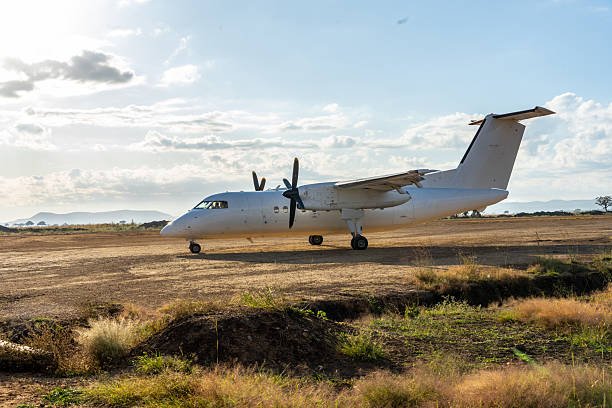
Ground Transportation: Within each country, transportation is typically handled by your tour operator. In Rwanda, this usually means a private 4×4 vehicle with a driver-guide for transfers and park excursions. In Tanzania, safari vehicles (4×4 Land Cruisers or Land Rovers) are standard for game drives. The transfer between the countries will be by air, but upon arrival at your destination airport, ground transfers to your accommodation will be arranged.
Timing: The duration of each segment is important. A typical gorilla trek in Rwanda might be 3-4 days (including travel to/from Volcanoes NP), while a Tanzania safari can range from 5 days to over two weeks, depending on how many parks you wish to visit. Building in buffer days for travel and potential delays is always wise.
Itinerary Options: Order of Destinations
The sequence of your Rwanda gorilla trek and Tanzania safari can significantly impact the flow and efficiency of your trip. Both sequences have their advantages.
Option 1: Rwanda First, Then Tanzania
Many travelers prefer to start with the intensity and focused experience of gorilla trekking in Rwanda, then transition to the broader safari landscape of Tanzania. A typical flow might look like this:
- Day 1-2: Arrive in Kigali, Rwanda. Explore the city, perhaps visit the Genocide Memorial.
- Day 3: Transfer to Volcanoes National Park (Musanze). Settle in, prepare for the trek.
- Day 4: Gorilla Trekking Day. Early start, trek in the park, return in the afternoon.
- Day 5: Optional Golden Monkey Trek or visit Dian Fossey’s research center. Transfer back to Kigali.
- Day 6: Fly from Kigali (KGL) to Kilimanjaro (JRO) or Arusha (ARK), likely via Nairobi or Addis Ababa. Arrive in Tanzania, transfer to your safari lodge/hotel in Arusha.
- Day 7-12+: start your Tanzania safari (e.g., Tarangire, Ngorongoro Crater, Serengeti).
- Final Day: Depart from Kilimanjaro (JRO).
Pros: This order allows for a dramatic shift in scenery and wildlife focus. The challenging, intimate experience of the gorillas can be a powerful start, followed by the expansive joy of a traditional safari. It can also sometimes align better with flight schedules or permit availability.
Option 2: Tanzania First, Then Rwanda
Starting with a Tanzanian safari and ending with the gorillas offers a different rhythm. You can experience the classic safari experience before heading to the unique environment of the Virunga Mountains.
- Day 1-7+: Arrive in Kilimanjaro (JRO), begin your Tanzania safari (e.g., Northern Circuit: Tarangire, Lake Manyara, Ngorongoro, Serengeti).
- Day 8: Conclude safari in Arusha.
- Day 9: Fly from Arusha (ARK) or Kilimanjaro (JRO) to Kigali, Rwanda (likely via Nairobi or Addis Ababa). Arrive in Kigali, transfer to your hotel.
- Day 10: Transfer to Volcanoes National Park (Musanze).
- Day 11: Gorilla Trekking Day.
- Day 12: Optional Golden Monkey Trek or visit Dian Fossey’s research center. Transfer back to Kigali.
- Day 13: Depart from Kigali (KGL).
Pros: This route allows you to build up to the unique, more physically demanding gorilla trek. It can also be advantageous if you are flying into Kilimanjaro first or if your safari itinerary is longer.
Important Note for 2026-2027 Planning: Flight availability and costs can fluctuate. It’s advisable to consult with a travel specialist like Climb 4 Africa early in your planning for 2026-2027 to secure the best routes and timings.
Gorilla Trekking in Rwanda: Volcanoes National Park
Rwanda is renowned for its exceptional mountain gorilla trekking experience, primarily centered in Volcanoes National Park. This park is part of the Virunga Mountains, a chain of volcanoes that straddles Rwanda, Uganda, and the Democratic Republic of Congo.
Permits: The most critical element for gorilla trekking is securing a gorilla permit. These permits are limited and highly sought after. In 2026 and 2027, expect permits to remain at a premium and require booking many months, if not a year, in advance, especially for peak seasons. The cost of a gorilla permit in Rwanda is currently $1,500 per person per trek. This fee contributes directly to conservation efforts, park management, and community development.
The Trek: Gorilla treks typically start early in the morning (around 7:00 AM) at the park headquarters in Kinigi. After a briefing, you are assigned a gorilla family based on group size, fitness levels, and proximity. You’ll then drive to a starting point and begin your hike, accompanied by a lead guide and porters (who can be hired to carry your backpack and offer assistance on the trail).
Terrain: The terrain in Volcanoes National Park can be steep, muddy, and challenging, especially during the rainy seasons. Treks can last anywhere from 1 to 8 hours, depending on the gorillas’ location. However, the reward of spending one hour observing these magnificent creatures in their natural habitat is profound. You’ll witness their social interactions, feeding habits, and gentle nature up close.
What to Bring: Essential items include sturdy hiking boots, long trousers, a long-sleeved shirt (for protection from vegetation and insects), a waterproof jacket, a hat, insect repellent, sunscreen, and a good quality camera with extra batteries. A reusable water bottle is also recommended.
Accommodation: Options range from luxury lodges like Bisate Lodge and Singita Kwitonda Lodge to mid-range and more budget-friendly guesthouses in the nearby town of Musanze. It’s advisable to stay relatively close to the park entrance for early morning starts.
Conservation Success: Rwanda’s commitment to conservation has seen the mountain gorilla population increase. The well-regulated trekking program is a testament to this success, ensuring that tourism directly benefits the gorillas and their habitat.
Tanzania Safari Highlights: Serengeti, Ngorongoro & More
Tanzania is a safari powerhouse, offering diverse ecosystems and unparalleled wildlife viewing. A combined trip often focuses on the Northern Circuit, which includes some of Africa’s most iconic parks.
Serengeti National Park: Famous for the Great Migration, the Serengeti is a vast, endless plain supporting an incredible density of wildlife year-round. Depending on the time of year (2026-2027 planning should consider this), you can witness different stages of the migration, including dramatic river crossings or calving seasons. Besides the migration, the Serengeti is home to lions, leopards, cheetahs, elephants, giraffes, and numerous other species.
Ngorongoro Conservation Area: This UNESCO World Heritage site boasts the Ngorongoro Crater, a collapsed volcano caldera that forms a self-contained ecosystem. The crater floor is incredibly fertile and supports a high concentration of animals, including the Big Five (lion, leopard, elephant, rhino, buffalo) in a relatively small area. It’s an ideal destination for guaranteed wildlife sightings. Note that rhino sightings are more common here than in many other areas.
Tarangire National Park: Known for its large elephant herds and iconic baobab trees, Tarangire is a fantastic park, especially during the dry season (typically June to October). The Tarangire River becomes a vital water source, attracting large numbers of elephants and other animals. It’s often included in Northern Circuit itineraries.
Lake Manyara National Park: This park is famous for its tree-climbing lions (though sightings are not guaranteed), large troops of baboons, and diverse birdlife. Its compact size makes it suitable for a half-day or full-day visit, often combined with other parks.
Other Options: Depending on your interests and the duration of your safari, you might consider parks like Arusha National Park (for Mount Meru treks and diverse wildlife) or Lake Natron (for flamingos and unique landscapes, though more remote).
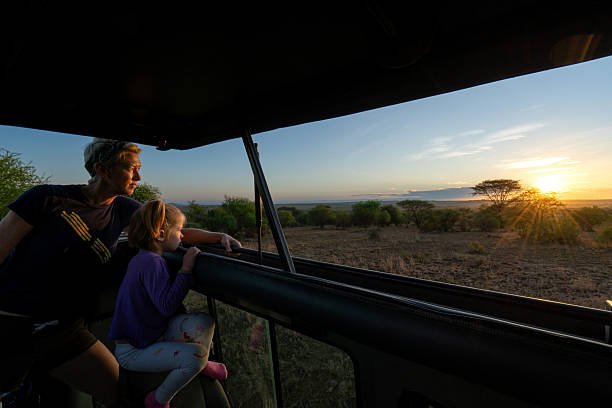
Safari Vehicle and Guide: For Tanzania safaris, a sturdy 4×4 safari vehicle (Land Cruiser or Land Rover) with a pop-up roof is essential for optimal game viewing and comfort. Your driver-guide is key to a successful safari; they possess intimate knowledge of animal behavior, tracking skills, and park geography. Climb 4 Africa prioritizes experienced guides who can enhance your wildlife encounters.
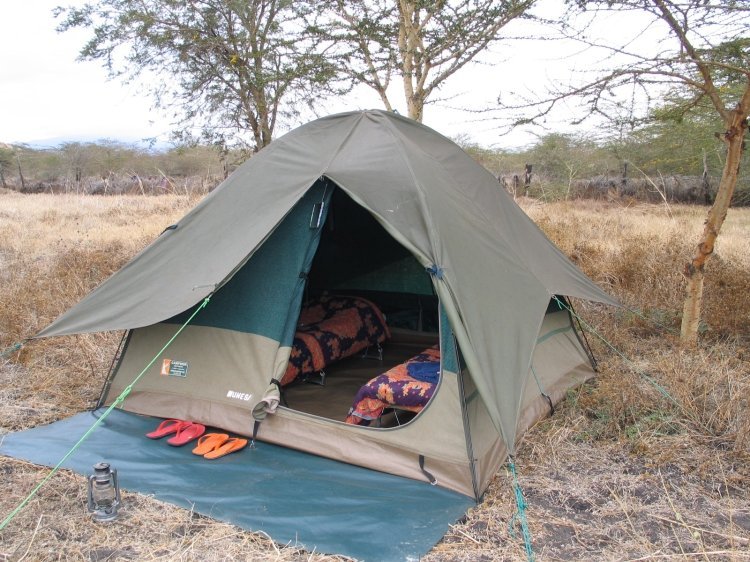
Accommodation: Tanzania offers a wide range of safari lodges and tented camps, from luxurious permanent structures to more rustic mobile camps that follow the migration. Options cater to all budgets, from budget-friendly guesthouses in Arusha to ultra-luxury tented suites.
Travel Between Rwanda and Tanzania
The transition between Rwanda and Tanzania is primarily managed through air travel, given the distances and geographical barriers.
Kigali (KGL) to Kilimanjaro (JRO) / Arusha (ARK):
- Airlines: RwandAir, Kenya Airways, Ethiopian Airlines, and Precision Air often operate flights on this route.
- Transit Hubs: The most common transit points are Nairobi (NBO) in Kenya or Addis Ababa (ADD) in Ethiopia. Direct flights are very uncommon.
- Flight Duration: Including layovers, the total travel time can range from 4 to 10 hours, depending on the connection.
- Booking Strategy: It is highly recommended to book these flights well in advance, especially for popular travel periods in 2026 and 2027. Coordinating these flights with your gorilla permits and safari bookings is crucial.
Airport Transfers:
- Upon Arrival in Tanzania: If you land at Kilimanjaro International Airport (JRO), you’ll typically be met by your safari driver-guide or a representative and transferred to your accommodation in Arusha or Karatu. The drive to Arusha is about an hour.
- Upon Arrival in Rwanda: Similarly, upon arrival at Kigali International Airport (KGL), you’ll be met and transferred to your hotel in Kigali or directly to your lodge near Volcanoes National Park if your schedule permits an immediate transfer (a long drive).
Alternative (Less Common): Overland travel between Rwanda and Tanzania is possible but extremely time-consuming and complex, often involving multiple border crossings, bus journeys, and vehicle changes. It’s generally not recommended for travelers seeking to maximize their wildlife viewing time and comfort, especially for a combined gorilla and safari trip.
Using a Tour Operator: This is where an experienced operator like Climb 4 Africa becomes invaluable. We can manage all flight bookings, advise on optimal connections, and ensure smooth airport transfers, taking the stress out of this critical transit.
Visas, Health, and Essential Documents
Proper documentation and health preparations are non-negotiable for a smooth multi-country trip.
Visas:
- Rwanda: Many nationalities can obtain a visa on arrival at Kigali International Airport. An e-visa is also available online prior to travel. Check the Rwandan Directorate General of Immigration and Emigration website for the most current information for your nationality.
- Tanzania: Similar to Rwanda, many nationalities can obtain a visa on arrival at JRO. An e-visa option is also available. Always verify the latest requirements with the Tanzanian immigration authorities.
- East Africa Tourist Visa: If your itinerary includes Rwanda, Tanzania, and potentially Kenya or Uganda, you might consider the East Africa Tourist Visa. This visa allows multiple entries into the specified countries over a 90-day period and is often applied for through the immigration department of the country you will enter first. However, it requires careful planning and understanding of its specific rules. For a focused Rwanda-Tanzania trip, separate visas are often simpler.
Important Document Reminders:
- Passport: Ensure your passport has at least six months of validity remaining from your intended date of departure from Tanzania or Rwanda, and at least 2-3 blank pages for stamps.
- Yellow Fever Certificate: Proof of Yellow Fever vaccination is often required for entry into Rwanda and Tanzania, especially if arriving from or transiting through a country with a risk of Yellow Fever transmission. Carry this certificate with you.
- Travel Insurance: Comprehensive travel insurance is highly recommended. It should cover medical emergencies, trip cancellation/interruption, lost luggage, and emergency evacuation.
- Flight Itineraries and Booking Confirmations: Keep copies of all your flight details, accommodation bookings, and safari confirmations readily accessible.
Health Considerations:
- Malaria Prevention: Both Rwanda and Tanzania are malaria-risk areas. Consult your doctor or a travel clinic about appropriate antimalarial medication and insect repellent.
- Vaccinations: Besides Yellow Fever, discuss other recommended vaccinations (e.g., Hepatitis A, Typhoid) with your healthcare provider.
- Altitude: Gorilla trekking in Rwanda occurs at high altitudes (around 2,500-3,000 meters). While not usually an issue for most, be aware of potential mild altitude sickness symptoms.
- Hydration and Sun Protection: Drink plenty of bottled water and use sunscreen and hats, especially on safari in Tanzania where you’ll be exposed to the sun for extended periods.
Planning for 2026-2027: It’s wise to start researching visa and health requirements at least 6-9 months before your planned travel dates for 2026 or 2027, as regulations can change.
Best Time to Go for a Combined Trip (2026-2027)
The “best” time for a combined Rwanda gorilla and Tanzania safari trip depends on your priorities, particularly regarding weather and wildlife events like the Great Migration.
General Weather Patterns:
- Rwanda: Has two rainy seasons: March to May and September to November. The driest months are generally June to August and December to February. However, rain can occur at any time in the rainforest.
- Tanzania: The dry season is typically from June to October, which is also peak tourist season due to excellent game viewing and pleasant temperatures. The short rains occur in November, and the long rains are from March to May. The calving season in the southern Serengeti (around Ndutu) is usually from January to March.
Combining for Optimal Experience:
- June to August: This is a prime time for both destinations. Rwanda experiences drier weather, making treks easier. In Tanzania, the dry season means animals congregate around water sources, and the Great Migration is typically in the western or central Serengeti, with potential for river crossings later in the season. This is a popular, though more expensive, period for 2026-2027 travel.
- September to October: Still a good dry period for Rwanda, though it can start to get wetter. In Tanzania, the migration is often moving north, and river crossings can still be a highlight. Birdlife starts to increase as migratory birds begin to arrive.
- December to February: Rwanda experiences drier weather. In Tanzania, this is the calving season in the southern Serengeti (Ndutu area), attracting predators, and offering a different but equally spectacular wildlife spectacle. It’s a good time for a combined trip if you’re interested in baby animals and predator action.
- March to May: This is the long rainy season in Tanzania and the main rainy season in Rwanda. While game viewing can still be good in Tanzania (especially the Serengeti), and treks might be muddy in Rwanda, this period is generally less popular and can offer lower prices. The landscapes are lush and green, and fewer crowds can be an advantage.
Considering the Great Migration for 2026-2027: If witnessing the Great Migration is a priority, you’ll need to align your Tanzania dates accordingly. For river crossings, aim for July-September. For the calving season, January-March. For general plains viewing and herds, the Serengeti is good year-round, but the migration’s location shifts.
Recommendation: For a balanced experience with generally favorable weather in both locations, the June-August and September-October windows are often considered ideal for a combined Rwanda gorilla and Tanzania safari trip in 2026 or 2027.
Customizing Your 2026-2027 Combined Adventure
The beauty of a bespoke trip is tailoring it to your specific interests, pace, and budget. Climb 4 Africa excels at crafting these unique itineraries.
Duration:
- Minimum: A very fast-paced trip might squeeze in 3 days in Rwanda (including travel) and 4-5 days in Tanzania. This would be around 8-10 days total, but very rushed.
- Recommended: For a more comfortable and in-depth experience, we suggest a minimum of 5-7 days for the Tanzania safari portion and 3-4 days for Rwanda. This brings the total to 10-14 days.
- Ideal: For deeper exploration of multiple Tanzanian parks or more time to relax and soak in the experiences, consider 14-21 days or more. This allows for a more leisurely pace and deeper engagement with both countries.
Pace and Comfort:
- Fast-paced: Focus on 1-2 key parks in Tanzania and a single gorilla trek in Rwanda. This involves more travel days but maximizes the number of different experiences.
- Leisurely: Allocate more days to each location, perhaps including a second gorilla trek (if available and desired) or visiting more Tanzanian parks like the Selous Game Reserve (southern Tanzania) or Mahale Mountains (for chimpanzees, a significant addition).
Budget Considerations for 2026-2027:
- Accommodation: This is the biggest variable. Luxury lodges in Rwanda and Tanzania can significantly increase costs, while mid-range lodges and tented camps offer excellent value.
- Permits: Gorilla permits ($1,500 in Rwanda) are fixed costs. Park fees in Tanzania also contribute significantly.
- Travel Style: Private tours are more expensive than joining scheduled group departures for safaris.
- Time of Year: Peak seasons (June-August, December-February) are generally more expensive than shoulder or low seasons.
Adding Other Experiences:
- Zanzibar: Extend your trip with a beach holiday on the spice island of Zanzibar. It’s a perfect way to relax after intense trekking and safari activities. Flights from Dar es Salaam or Kilimanjaro to Zanzibar are frequent.
- Mount Kilimanjaro Climb: If you’re seeking an even greater challenge, consider adding a climb of Mount Kilimanjaro, Africa’s highest peak, before or after your safari. Climb 4 Africa specializes in Kilimanjaro treks.
- Chimpanzee Trekking: Rwanda also offers chimpanzee trekking in Nyungwe Forest National Park, which could be added if time permits.
Working with Climb 4 Africa: When you contact us, provide details on your preferred travel dates for 2026-2027, duration, budget range, interests (e.g., birding, photography, specific animals), and pace. This information allows us to propose a tailored itinerary that balances your desires with logistical realities.
Booking Your Combined Rwanda & Tanzania Safari
Securing your dream combined gorilla and safari adventure requires careful planning and timely booking, especially for travel in 2026 and 2027. Here’s how to approach it:
1. Initial Consultation: Start by discussing your plans with an experienced tour operator. For a combined Rwanda and Tanzania trip, selecting a company with expertise in both destinations is crucial. Climb 4 Africa has extensive knowledge of East African travel logistics, permits, and the best lodges and guides.
2. Itinerary Development: Based on your preferences (duration, budget, interests, travel style), we will propose a draft itinerary. This will outline the sequence of destinations, types of activities, accommodation suggestions, and estimated costs. We’ll refine this with you until it perfectly matches your vision.
3. Permit and Accommodation Booking:
- Gorilla Permits: These are the most critical bookings and should be secured as soon as the itinerary is finalized, especially for 2026-2027. We will handle the procurement of your Rwanda gorilla permits, which are non-refundable and non-transferable once purchased.
- Safari Accommodation: Lodges and camps in Tanzania, particularly popular ones or those in high-demand areas for migration viewing, can book up months in advance.
- Internal Flights: Flights between Kigali and Kilimanjaro/Arusha should also be booked in advance to secure good prices and schedules.
4. Deposit and Final Payment: A deposit is typically required to confirm your booking and secure permits and accommodations. The balance is usually due 60-90 days before departure. We will provide clear payment schedules and options.
5. Pre-Departure Information: Once booked, we will provide comprehensive pre-departure information, including packing lists, visa and health advice, final itinerary details, and emergency contact information.
Why Choose Climb 4 Africa for Your 2026-2027 Trip?
- Expertise: We specialize in East African adventures, from Kilimanjaro climbs to Rwanda gorilla treks and Tanzania safaris. We understand the unique challenges and rewards of combining these experiences.
- Local Knowledge: Our ground operations are based locally, giving us direct access to the best guides, vehicles, and up-to-date information.
- Tailor-Made: We don’t offer one-size-fits-all packages. Every trip is customized to your specific needs and desires.
- smooth Logistics: We manage the complex travel between countries, ensuring smooth transitions and minimizing travel stress.
- Support: You’ll have dedicated support before, during, and after your trip.
Ready to plan your ultimate Rwanda gorilla and Tanzania safari adventure for 2026 or 2027? Contact us today to start crafting your personalized itinerary. You can reach us via WhatsApp at +255 747 477 898 or email us at climb4africa@gmail.com. Let us help you create an unforgettable East African journey.
“,
“faq_schema”: [
{
“question”: “Is it possible to combine gorilla trekking in Rwanda with a safari in Tanzania?”,
“answer”: “Yes, it is definitely possible and a popular choice for travelers to combine gorilla trekking in Rwanda with a safari in Tanzania. This offers a diverse range of wildlife experiences, from the mountain gorillas to the vast savannah wildlife. Planning is key, involving logistics like flights, visas, and timing.”
},
{
“question”: “What is the best order for a Rwanda gorilla and Tanzania safari trip?”,
“answer”: “Both orders are feasible. Starting with Rwanda’s gorillas and then moving to Tanzania for a safari is common, offering a shift from intense primate encounters to broad wildlife viewing. Alternatively, starting with a Tanzania safari and finishing with the unique gorilla trek in Rwanda is also a great option. The choice often depends on flight availability and personal preference.”
},
{
“question”: “How do I travel between Rwanda and Tanzania?”,
“answer”: “The most efficient method is by air. Flights typically connect Kigali, Rwanda, to Kilimanjaro International Airport (JRO) or Arusha Airport (ARK) in Tanzania, usually with a stopover in Nairobi or Addis Ababa. Overland travel is possible but very time-consuming and complex.”
},
{
“question”: “What are the visa requirements for combining Rwanda and Tanzania?”,
“answer”: “You will need separate visas for Rwanda and Tanzania, or potentially an East Africa Tourist Visa if visiting other countries. Many nationalities can obtain visas on arrival, but it’s essential to check the latest requirements with the respective immigration authorities well in advance of your 2026-2027 travel dates.”
},
{
“question”: “What is the best time of year to do a combined Rwanda and Tanzania trip in 2026-2027?”,
“answer”: “For a good balance of weather and wildlife, June to August and September to October are excellent. These months offer drier conditions for gorilla trekking in Rwanda and good game viewing in Tanzania. December to February is also good, particularly for the Serengeti’s calving season. The rainy season (March-May) might offer lower prices but potentially more challenging conditions.”
},
{
“question”: “How long should a combined Rwanda gorilla and Tanzania safari trip be?”,
“answer”: “A comfortable itinerary typically ranges from 10 to 14 days. This allows for about 3-4 days in Rwanda for gorilla trekking and 7-10 days for a Tanzania safari covering 2-3 key parks. Longer trips of 14-21 days or more allow for a more relaxed pace or inclusion of additional destinations like Zanzibar.”
},
{
“question”: “How much does a combined Rwanda gorilla and Tanzania safari cost?”,
“answer”: “Costs vary significantly based on accommodation choices, safari duration, and time of year. Key expenses include gorilla permits ($1,500 per person in Rwanda), park fees, internal flights, accommodation, and guided tours. A mid-range 10-14 day trip could range from $5,000 to $10,000+ per person, excluding international flights. Luxury options will be higher.”
},
{
“question”: “What health precautions are necessary for this trip?”,
“answer”: “Consult your doctor or a travel clinic for advice on malaria prevention (medication and repellents), recommended vaccinations (e.g., Yellow Fever, Hepatitis A), and any other health concerns. Proof of Yellow Fever vaccination is often required for entry. Ensure you stay hydrated and protected from the sun.”
}
]
}
“`
Check Availability for I Am Visiting Rwanda For Gorillas Can I Add A Tanzania Safari 2026-2027
Ready to compare dates, prices, and the best option for your group? Send the package name and travel month so the team can reply with a clear quote, availability, and what is included.
AFCON 2027 Safari Packages from Tanzania
Hitaji la safari ya kundoka ili kufurahia AFCON 2027? Chagua kutoka kwa mikakati ya safari nchini Tanzania inayoambatana na wildlife, mbuga maarufu, na uwekaji wa huduma ya kimataifa ya...
View package details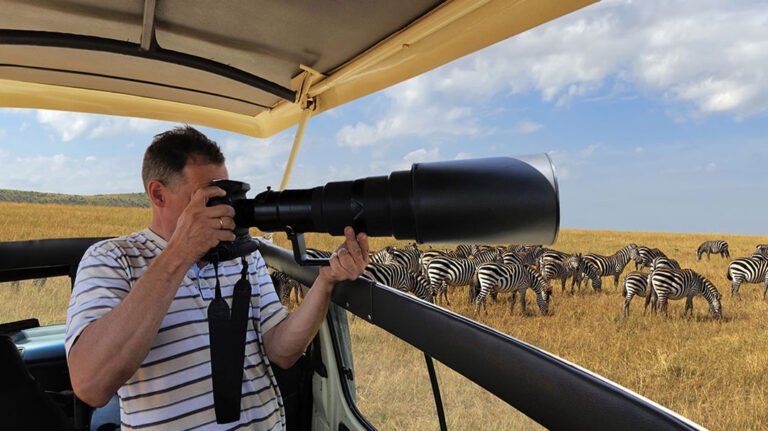
AFCON 2027 Mid Range Safari Packages Tanzania
Mwongozo wa safari ya kati ya AFCON 2027 Tanzania kutoka Climb 4 Africa: mipango ya njia, maeneo ya msitu wa serikali, na usalama wa wasafiri. Onyesha jinsi ya kuchagua kilima cha kati...
View package details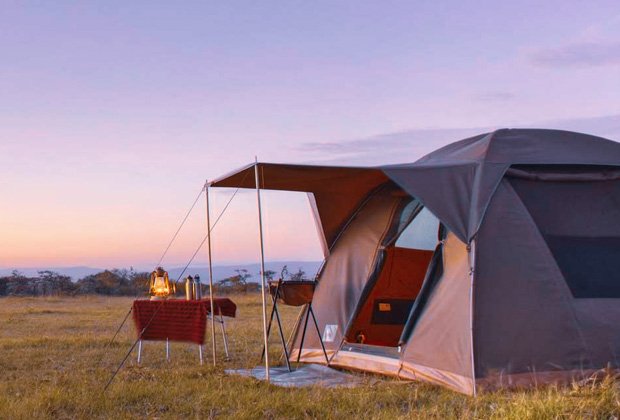
Best Tanzania Safari Before Afcon Final
Best Tanzania Safari Before AFCON 2027 Final.
View package detailsBest Tanzania Safari After Afcon Match
Best Tanzania Safari After AFCON 2027 Match.
View package details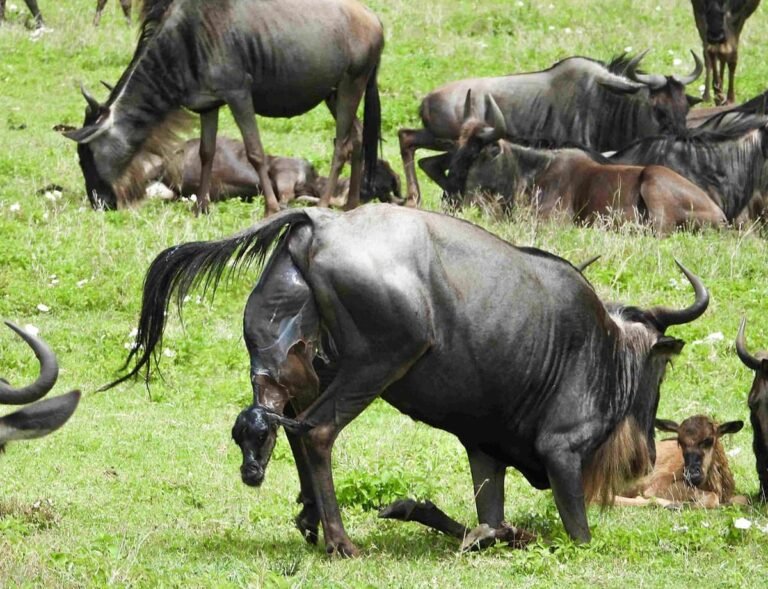
Five Day Tanzania Safari And Afcon Package
Five Day Tanzania Safari and AFCON Package.
View package details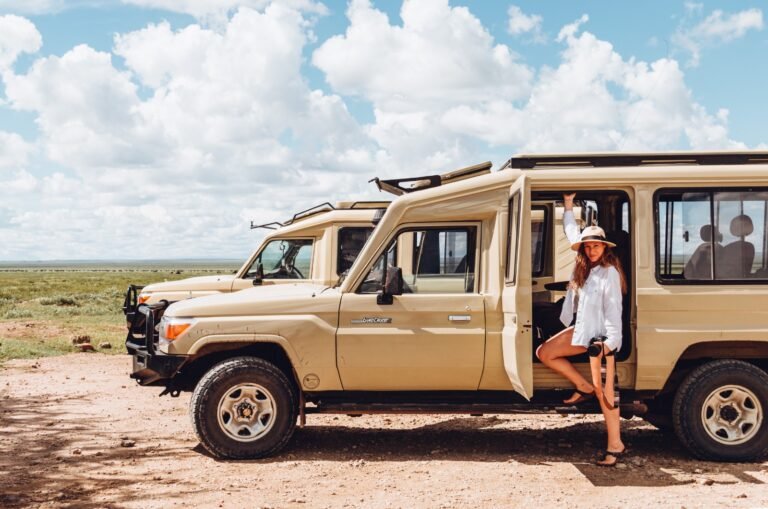
Afcon Northern Tanzania Safari Packages
AFCON 2027 Northern Tanzania Safari Packages.
View package detailsAfcon Tanzania Football Kilimanjaro And Safari Tour
AFCON 2027 Tanzania Football Kilimanjaro and Safari Tour.
View package details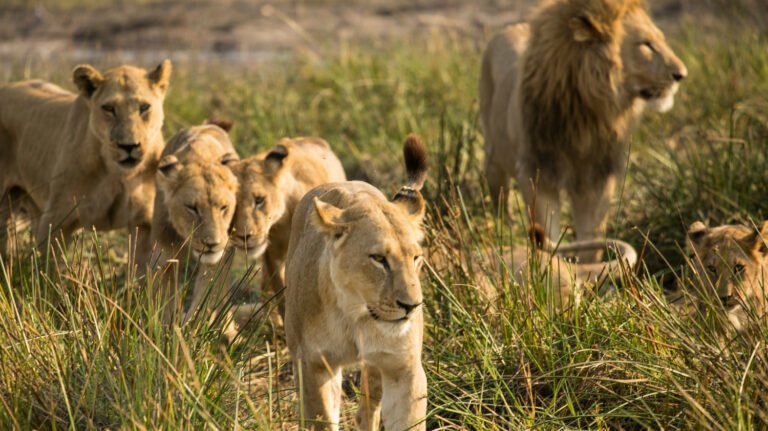
Tanzania Safari Packages from Dar es Salaam During AFCON 2027
Mwongozo wa kina wa safari za Tanzania kuanzia Dar es Salaam wakati AFCON 2027: rasilimali, mipango ya siku, na hatua za uhakika za ziara za wanyama na mbuga maarufu.
View package detailsTanzania Safari Tours for AFCON 2027 Fans
Muhtasari wa safari za Tanzania kwa mashabiki wa AFCON 2027: maeneo ya hifadhi, mizunguko ya wildlife, usalama wa safari, na jinsi ya kupanga na kuhudumiwa na Climb 4 Africa.
View package details
Dec 20, – 10 Day Complete Tanzania Group Joining Safari
Dec 20, 2026 – 10 Day Complete Tanzania Group Joining Safari.
View package detailsHow Early Should I Book A Nov Or Dec Tanzania Group Safari?
How Early Should I Book a Nov or Dec Tanzania Group Safari?
View package detailsNo related package matches those filters. Clear one or more filters to see the other topic-matched options.