
To travel to Manyara, Tanzania, you will typically fly into Kilimanjaro International Airport (JRO) and then arrange ground transportation, usually a safari vehicle, for the approximately 2-3 hour drive to Lake Manyara National Park. The best time for visiting Manyara is generally during the dry seasons from June to October and December to February, offering excellent wildlife viewing opportunities, particularly for its famous tree-climbing lions and diverse birdlife. Planning your trip for 2026 or 2027 involves selecting an itinerary that might combine Manyara with other Northern Circuit parks like Tarangire and the Serengeti, booking accommodation inside or near the park, and understanding park entry fees and safari package inclusions.
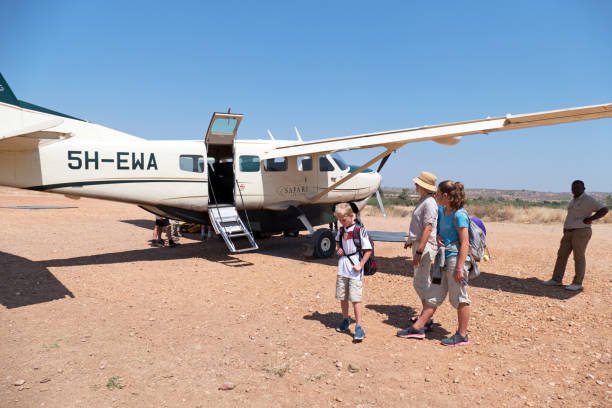
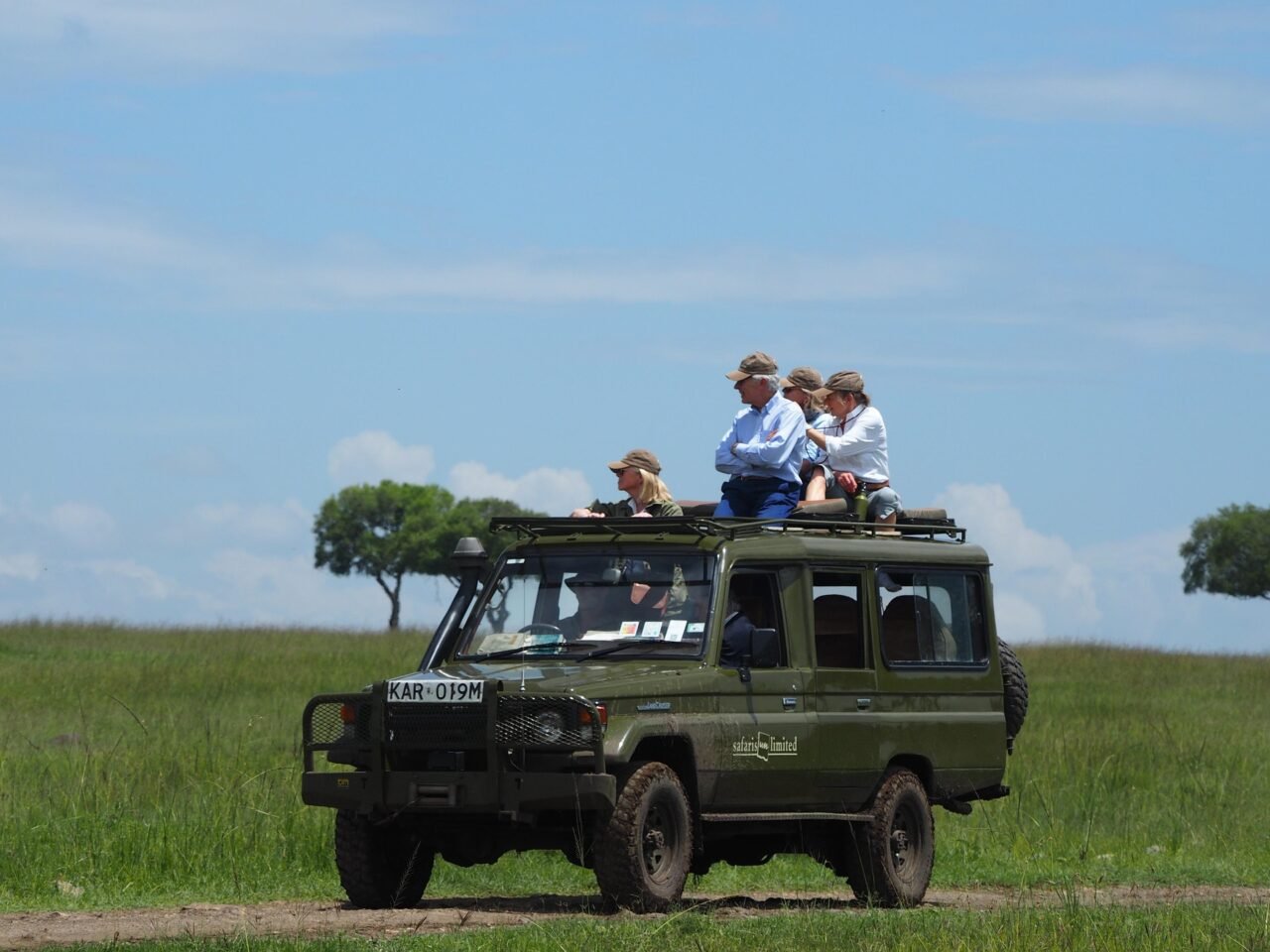
Understanding Lake Manyara National Park
Lake Manyara National Park, though one of Tanzania’s smaller parks, packs an extraordinary punch for wildlife enthusiasts. Situated on the edge of the Great Rift Valley, its diverse habitats range from groundwater forests and acacia woodlands to open savannah and the alkaline lake itself. This variety supports a surprisingly rich ecosystem and a high density of animals. Many travelers choose to visit Manyara as part of a broader Northern Circuit safari, often as a gateway or a stop between larger destinations like Tarangire, the Serengeti, and the Ngorongoro Crater. Its accessibility, stunning scenery, and unique wildlife, particularly the elusive tree-climbing lions, make it a must-see for many visitors to Tanzania. Understanding its geography and wildlife is the first step in planning an effective trip to Manyara, Tanzania.
The park’s defining feature is the shallow, alkaline Lake Manyara, which attracts vast flocks of flamingos, pelicans, and other water birds. The forest areas, fed by underground springs, are dense and lush, offering shade and sustenance for a variety of animals, including troops of baboons and monkeys. As you move towards the open plains, you’ll encounter herds of elephants, zebras, wildebeest, and buffalo. The park is renowned for its population of tree-climbing lions, a behavior rarely seen elsewhere, though they can be elusive. For those planning a safari in 2026 or 2027, Manyara offers a concentrated wildlife experience that can be enjoyed in a single day or as part of a multi-day itinerary.
Best Times to Travel to Manyara, Tanzania (2026-2027 Outlook)
Deciding when to travel to Manyara, Tanzania, significantly impacts your experience. Tanzania experiences distinct wet and dry seasons, each offering unique advantages and disadvantages for wildlife viewing, photography, and overall comfort. For planning purposes in 2026 and 2027, understanding these seasons is crucial for aligning your safari with your expectations.
The Dry Season: June to October
This is widely considered the prime time to visit Manyara and most of Tanzania’s Northern Circuit. The landscapes are drier, meaning vegetation is less dense, making it easier to spot animals. Crucially, water sources become scarcer, concentrating wildlife around the few remaining waterholes, rivers, and the lake itself. This makes animal sightings more predictable and often more abundant. The weather is generally sunny and pleasant, with lower humidity and comfortable daytime temperatures, although evenings and early mornings can be quite cool, especially in July and August. This period also coincides with the Great Migration’s movement through the Serengeti, which can be incorporated into a broader itinerary.
Pros: Excellent wildlife visibility, comfortable weather, ideal for photography, easier game viewing. This is typically the peak tourist season, so booking well in advance for 2026-2027 is advisable.
Cons: Higher prices, more crowded parks and lodges, can be cooler than expected during dawn and dusk.
The Short Rains: November
November often marks the beginning of the short rains, known locally as the ‘Vuli’ rains. These are typically brief, localized showers rather than prolonged downpours. The landscape begins to green up, and the air becomes fresher. Wildlife viewing can still be good, as animals are not yet dispersed due to abundant water. For birdwatchers, this is an exciting time as migratory birds begin to arrive. The crowds are usually smaller than in the peak dry season, and prices might be slightly lower.
Pros: Lush scenery, fewer tourists, potentially lower prices, good for birdwatching.
Cons: Intermittent rain showers can disrupt game drives, vegetation can start to thicken, potentially making spotting harder.
The Long Rains: December to May
This period encompasses the long rains, ‘Masika’. December to February can be a mixed bag, with sunshine often interspersed with rain, especially in the afternoons. This is a popular time for families travelling during school holidays, so while it’s not peak season, it can still be busy. The landscape becomes incredibly verdant and beautiful. The rains generally ease by March and April, which are typically the wettest months, often leading to challenging driving conditions and some park areas becoming inaccessible. May often sees the end of the rains. During the wet season, wildlife disperses as water is abundant everywhere, making them harder to find. However, the birth of young animals occurs during this time, offering unique photographic opportunities. The upside is significantly fewer tourists and lower prices.
Pros: Lush green landscapes, excellent photographic opportunities (especially with young animals), significantly fewer crowds, lower prices, migratory birds are present.
Cons: Heavy rainfall can disrupt activities, roads can become muddy and difficult to navigate, wildlife can be more dispersed and harder to spot, some lodges may close or offer reduced services.
Impact on Wildlife Viewing and Activities
During the dry season (June-October), animals are concentrated around water sources, making them easier to spot. The open savannah and thinner vegetation also contribute to better visibility. This is ideal for spotting predators like the tree-climbing lions in Manyara. During the wet season (December-May), especially March-May, animals spread out across the vast plains, and the dense vegetation can make spotting them more challenging. However, the rainy season is spectacular for birdlife, with resident and migratory species in abundance. Night game drives, a popular activity in Manyara, are generally better during the drier months when visibility is higher, though animals may be more active during the cooler parts of the day in the wet season.
Planning Your 2026-2027 Visit
When planning your 2026 or 2027 safari to Manyara, Tanzania, consider what you prioritize. If maximum wildlife sightings and ideal weather are paramount, aim for the dry season. If you prefer fewer crowds, lower costs, and are keen on birdwatching or seeing newborns, the shoulder seasons or even the early wet season might be appealing. Remember that even within a season, conditions can vary. For 2026-2027 bookings, it’s wise to book accommodation and safari packages at least 6-12 months in advance, especially if you’re traveling during the peak dry season.
Getting to Manyara, Tanzania
The journey to Lake Manyara National Park is a significant part of the Tanzanian safari experience. Most international travelers arrive via Kilimanjaro International Airport (JRO), after which ground transport is arranged. Understanding the logistics of reaching Manyara is key to a smooth travel experience.
Flights to Kilimanjaro International Airport (JRO)
Kilimanjaro International Airport (JRO), also known as Kilimanjaro Airport, is the primary gateway for tourists visiting Tanzania’s Northern Circuit, including Lake Manyara. It’s located roughly halfway between Arusha and Moshi. Many international airlines offer connections to JRO, often through major hubs in Europe, the Middle East, or Africa. Direct flights are less common, so expect at least one layover. Major carriers like Qatar Airways, Ethiopian Airlines, Turkish Airlines, and KLM (via Amsterdam) are common routes.
Tip: Book your international flights well in advance, especially if you plan to travel during the peak seasons of 2026 or 2027. Prices can fluctuate significantly based on demand and booking time.
Airport Transfers and Safari Vehicles
Upon arrival at JRO, you’ll be met by your tour operator’s representative or driver-guide. For most safaris, this initial transfer will be in a comfortable, 4×4 safari vehicle. These vehicles are specially adapted for rough terrain, often with pop-up roofs for excellent game viewing and photography. If Manyara is your first stop, your driver will typically take you directly from the airport to your lodge or camp. If you’re starting in Arusha, the transfer from JRO to your Arusha hotel is usually included in your safari package.
Important: Ensure your safari package clearly states what is included regarding airport transfers. For smooth travel in 2026-2027, confirm these details when booking.
Driving Routes from Arusha
Arusha is the de facto safari capital of northern Tanzania and serves as the main starting point for most safaris. The drive from Arusha to Lake Manyara National Park typically takes between 2 to 3 hours, depending on traffic and road conditions. The most common route takes you southwest from Arusha, passing through Mto wa Mbu, a vibrant Maasai village known for its diverse population and agricultural produce. The roads are generally paved for much of the journey, but the final stretches leading into and within the park can be unpaved and bumpy.
Travel Time Considerations
When planning your itinerary for 2026-2027, factor in travel times realistically. A common mistake is underestimating the time it takes to travel between destinations in Tanzania. While the distance from Arusha to Manyara might seem short, the drive can take longer than expected. This is why Manyara is often visited on the first or second day of a safari, allowing for a more relaxed start or a comfortable transit day. If you are arriving on an international flight, it’s generally recommended to spend your first night in Arusha to acclimatize and recover from your journey before embarking on your safari.
Alternative Entry Points
While JRO and Arusha are the standard entry points, it’s technically possible to fly into other regional airports if your itinerary dictates, though this is less common for Manyara. For instance, if you are coming from Zanzibar or another coastal region, you might fly into a smaller airstrip closer to the park, though this often requires charter flights and is considerably more expensive. For most travelers aiming to travel to Manyara, Tanzania, the JRO route remains the most practical and cost-effective.
Crafting Your Manyara Safari Experience
Lake Manyara National Park offers a concentrated yet diverse safari experience. Its compact size means you can see a lot in a relatively short time, making it ideal for day trips or as a component of a longer safari. Understanding the park’s unique wildlife and the range of activities available will help you tailor your visit to your interests and time constraints.
Wildlife Highlights: What to See in Manyara
Manyara is celebrated for its high density of animals and its unique resident species. While it might not have the sheer numbers of the Serengeti during the migration, it offers incredible opportunities for close encounters.
The Famous Tree-Climbing Lions
Perhaps the most iconic residents of Manyara are its lions, known for their unusual habit of climbing acacia trees. While the exact reasons for this behavior are debated (perhaps to escape the heat, the tsetse flies, or to get a better vantage point), witnessing this is a truly special sight. These lions are often found lounging in the branches, a behavior that sets Manyara apart. Spotting them requires patience and a good guide, as they can sometimes be well-camouflaged amongst the leaves. For your 2026-2027 safari, managing expectations is key; while possible, seeing them isn’t guaranteed on every visit.
Elephants and Buffalos
Lake Manyara is home to a large population of elephants, often seen browsing in the groundwater forests and acacia woodlands. These elephants are known for their larger size and darker color due to the mud they often cover themselves with. You’ll also find substantial herds of Cape buffalo, a formidable and impressive sight. The park’s mixed habitats provide ample food and water for these large herbivores year-round.
Primate Populations: Baboons and Monkeys
The park’s lush groundwater forests are a haven for baboons and various monkey species, including the blue monkey and the vervet monkey. You’ll often see large troops of baboons moving across the roads or foraging in the trees, providing entertaining moments. They are a common and easily spotted sight throughout the park.
Birdlife Extravaganza
With over 400 bird species recorded, Manyara is a paradise for birdwatchers. The alkaline lake attracts vast numbers of flamingos, pelicans, storks, and other water birds, creating a dazzling spectacle. The forest canopy and woodlands are home to various forest birds, raptors, and kingfishers. During the wet season, especially from November to April, migratory birds from Europe and other parts of Africa add to the diversity. Even if you’re not a dedicated birder, the sheer volume and variety of avian life are impressive.
The Lake Itself: A Flamingo Spectacle
The shallow, alkaline lake is the park’s centerpiece. Depending on the water levels and the season, it can be covered by thousands, even millions, of Lesser and Greater Flamingos. Their vibrant pink hue against the blue water and green acacia trees creates a stunning visual. While flamingo numbers can fluctuate, the lake is always a focal point for birdlife and offers beautiful photographic opportunities.
Types of Safaris Available
Manyara offers a range of safari activities to suit different preferences:
Classic Game Drives
These are the cornerstone of any safari. Conducted in 4×4 safari vehicles, typically with pop-up roofs, game drives allow you to cover significant ground and explore different areas of the park. Your experienced guide will use their knowledge of animal behavior and habitats to maximize your sightings. Game drives are usually conducted in the early morning and late afternoon when animals are most active.
Night Game Drives
Lake Manyara is one of the few parks in Tanzania that permits night game drives. These are conducted in specially equipped vehicles with spotlights, offering a chance to see nocturnal animals like genets, civets, bush babies, and perhaps even leopards or lions on the prowl. Night drives provide a completely different perspective on the park’s ecosystem and are highly recommended for a more comprehensive experience, especially if staying within the park boundaries. These are usually offered by lodges located inside or on the park’s edge.
Walking Safaris
For a more intimate connection with nature, walking safaris are available in certain areas around Lake Manyara, often in buffer zones or conservancies adjacent to the park (check specific availability and regulations). Accompanied by an armed ranger and a knowledgeable guide, these walks allow you to appreciate the smaller details of the bush – the insects, plants, tracks, and sounds – that you might miss from a vehicle. This activity is often offered by specific lodges and requires booking in advance.
Canoeing Safaris
While less common and highly dependent on water levels, canoeing safaris might be available on the lake itself or nearby water bodies, offering a serene way to observe birdlife and aquatic animals from a unique, low-profile perspective. Availability can be seasonal and is often tied to specific lodge offerings. Confirm this option when planning your 2026-2027 travel.
Combining Manyara with Other Northern Circuit Parks
Lake Manyara is rarely visited in isolation. It forms a crucial part of the classic Northern Circuit safari, which typically includes Tarangire National Park, the Serengeti National Park, and the Ngorongoro Conservation Area. Its strategic location makes it a natural stop.
The Manyara-Tarangire-Serengeti Route
This is a very popular combination. You might start with Tarangire, known for its large elephant herds and baobab trees, then proceed to Manyara for its unique tree-climbing lions and birdlife, before heading to the vast plains of the Serengeti for the Great Migration and predator action. This route offers incredible diversity in landscapes and wildlife.
The Manyara-Ngorongoro Crater Route
Another common pairing is Manyara followed by the Ngorongoro Crater. Manyara provides a taste of the Rift Valley escarpment and its unique forest ecosystem, while the Ngorongoro Crater offers an unparalleled concentration of wildlife in a stunning caldera. This combination can be done in 3-4 days, making it ideal for shorter safaris.
Itinerary Examples for 2026-2027
Example 1: 4-Day Northern Circuit Introduction
- Day 1: Arrive JRO, transfer to Arusha, overnight.
- Day 2: Drive to Lake Manyara, afternoon game drive, overnight near Manyara/Karatu.
- Day 3: Morning game drive in Manyara or drive to Ngorongoro Crater for full-day game drive, overnight Karatu/Arusha.
- Day 4: Transfer to JRO for departure.
Example 2: 7-Day Classic Northern Circuit
- Day 1: Arrive JRO, transfer to Arusha, overnight.
- Day 2: Drive to Tarangire National Park, full-day game drive, overnight Tarangire area.
- Day 3: Morning game drive Tarangire, drive to Lake Manyara, afternoon game drive, overnight near Manyara/Karatu.
- Day 4: Drive to Serengeti National Park (Central), afternoon game drive, overnight Central Serengeti.
- Day 5-6: Full days exploring Serengeti, focusing on different regions based on migration patterns for 2026-2027.
- Day 7: Morning game drive Serengeti, drive to Manyara airstrip for flight to Zanzibar or transfer to Arusha/JRO.
These are just examples; tailor-made itineraries for 2026 or 2027 can be created to suit your specific interests and budget. When discussing your plans for travel to Manyara, Tanzania, always consider how it fits into your broader safari goals.
Is a Day Trip to Manyara Feasible?
Yes, a day trip to Lake Manyara National Park is feasible, especially if you are based in Arusha or Karatu. It’s a popular option for travelers with limited time. A typical day trip would involve an early morning departure from Arusha (around 7:00 AM), a drive to the park, a 4-5 hour game drive within Manyara, a picnic lunch, and then the drive back to Arusha in the late afternoon. While you can see a good portion of the park and its highlights on a day trip, it offers a less in-depth experience compared to staying overnight. You’ll miss out on activities like night game drives and the chance to explore the park at a more relaxed pace. If your schedule allows, an overnight stay is highly recommended to fully appreciate what Manyara has to offer.
Accommodation Options in and Around Manyara
Lake Manyara National Park offers a range of accommodation choices, from luxury lodges to more rustic tented camps, catering to different budgets and preferences. Where you choose to stay can significantly influence your safari experience, especially regarding access to activities like night game drives. For 2026-2027 bookings, it’s advisable to book well in advance, particularly for lodges inside the park or those with prime locations.
Inside the Park: Lodges and Camps
Staying inside the park boundaries offers unparalleled convenience and immersion. You can often start your game drives as soon as you leave your accommodation and are perfectly positioned for optional night game drives. However, these options are typically more expensive and have limited availability.
- Manyara Tree Lodge: A luxurious option known for its treehouse-style suites, offering exclusivity and a unique ambiance.
- Lake Manyara Serena Safari Lodge: Perched on the edge of the Rift Valley escarpment, it offers spectacular views over the lake and surrounding plains.
These lodges provide an intimate wildlife experience, often with resident animals around the property. Booking for 2026 or 2027 should be done many months ahead.
Outside the Park: Near Karatu
The town of Karatu, located about 20-30 minutes’ drive from Manyara’s main gate, is a popular hub for safari accommodation. It offers a wider range of lodges and camps, often set on coffee estates or scenic hillsides. Staying in Karatu provides good access to Manyara and the Ngorongoro Crater.
Luxury Lodges
For those seeking high-end comfort and service, several luxury lodges are situated in the Karatu area and surrounding conservancies. These often feature spacious rooms, gourmet dining, swimming pools, and exceptional service. Examples include Gibb’s Farm (a renowned coffee estate lodge) and various high-end camps that offer a more exclusive, boutique feel.
Mid-Range and Budget Camps
There are numerous mid-range lodges and tented camps offering comfortable stays without the premium price tag. These provide essential amenities, good food, and a welcoming atmosphere. For budget travelers, there are also simpler guesthouses and tented camps available, though quality can vary. It’s crucial to research reviews and ensure the chosen accommodation meets your standards for your travel to Manyara, Tanzania.
Booking Accommodation for 2026-2027
When booking your accommodation for 2026 or 2027, consider your itinerary. If Manyara is a primary focus and you want to experience night drives, an in-park lodge is ideal. If you’re combining it with Ngorongoro, a lodge near Karatu offers a good balance. Always check what is included in your rate – meals, drinks, and activities can differ significantly. Early booking is highly recommended, especially for the peak dry season, to secure your preferred choice.
Planning Your Manyara Trip: Logistics and Budget
A well-planned safari to Lake Manyara National Park requires careful consideration of logistical details and budget. Understanding park fees, vehicle hire, guide services, and typical package inclusions will help you create a realistic budget for your 2026-2027 travel. Manyara, as part of the Northern Circuit, shares many of the same cost structures as other popular Tanzanian parks.
Park Entry Fees and Vehicle Fees
Park entrance fees are a significant component of safari costs in Tanzania. For Lake Manyara National Park, the fees are typically charged per person per 24-hour period. As of recent information, these fees are subject to change, but generally fall in the range of $50-$60 USD per adult per day for international visitors. These fees are usually paid directly to the park authorities or included in your safari package. Vehicle entry fees also apply, varying based on vehicle type and size.
Important Note: Park fees are reviewed annually and can increase. Always confirm the exact rates for your travel dates in 2026 or 2027 with your tour operator.
Guide Fees and Vehicle Hire
The cost of a safari vehicle and a professional driver-guide is a substantial part of your safari budget. Most safaris in Manyara are conducted in custom-built 4×4 Land Cruisers or Land Rovers, equipped for off-road travel and wildlife viewing. The daily rate for a private safari vehicle and guide typically ranges from $200 to $400 USD per day, depending on the vehicle type, inclusions, and the tour operator. This fee usually covers the vehicle, fuel, and the guide’s salary and expenses.
Typical Safari Package Inclusions
When you book a safari package for travel to Manyara, Tanzania, it usually includes:
- Park entrance fees (for Manyara and other parks in the itinerary).
- Accommodation (lodges or tented camps).
- All meals (breakfast, lunch, dinner), often starting with lunch on Day 1 and ending with lunch on the last day.
- A 4×4 safari vehicle with a professional driver-guide.
- Unlimited mileage within the parks during game drives.
- Bottled water during game drives.
- Crater service fees (if applicable, for Ngorongoro).
Exclusions typically include: International flights, visa fees, travel insurance, tips for guides and lodge staff, alcoholic beverages and soft drinks (unless specified), personal expenses, and optional activities like night game drives or walking safaris (if not part of the package).
Cost Factors for 2026-2027
Several factors influence the overall cost of your safari to Manyara for 2026-2027:
- Time of Year: Peak season (dry months) is more expensive than the low season (rainy months).
- Accommodation Level: Luxury lodges will significantly increase the cost compared to mid-range or budget camps.
- Group Size: Private safaris are more expensive per person than joining a group on a shared departure.
- Itinerary Length: Longer safaris naturally cost more.
- Inclusions: Packages that include more meals, drinks, or specific activities will be priced higher.
- Tour Operator: Different operators have varying pricing structures and overheads.
A rough estimate for a mid-range 3-day safari to Manyara and possibly Ngorongoro could range from $700 to $1200 USD per person, assuming shared vehicle and mid-tier accommodation. For a more comprehensive Northern Circuit safari including Serengeti, expect costs to range from $2500 to $5000+ USD per person for a 7-10 day trip in 2026-2027, depending heavily on accommodation choices.
Budgeting Tips
- Travel in the shoulder or low season: Consider November or March-May for potentially lower rates.
- Join a group safari: Shared departures significantly reduce the per-person cost. Check for 2026-2027 group departures.
- Choose mid-range accommodation: Many excellent camps offer comfort and great experiences without the ultra-luxury price tag.
- Be clear about inclusions: Understand what’s covered to avoid unexpected expenses.
- Factor in tips: Tipping is customary and a significant part of your guides’ and staff’s income.
For precise pricing and a tailored quote for your 2026-2027 safari to Manyara, Tanzania, it’s best to contact a reputable tour operator like Climb 4 Africa.
Essential Tips for Traveling to Manyara, Tanzania
To ensure your safari to Lake Manyara National Park is as smooth and enjoyable as possible, here are some essential tips covering packing, health, safety, and responsible tourism practices. These are crucial for any traveler planning travel to Manyara, Tanzania in 2026 or 2027.
What to Pack
Pack light and smart. Layers are key, as temperatures can vary throughout the day and at different altitudes.
- Clothing: Neutral-colored, lightweight clothing (khaki, beige, green) for daytime game drives. Avoid bright colors that might startle wildlife. A warmer jacket or fleece for cool mornings and evenings. Long-sleeved shirts and trousers for sun protection and to ward off insects.
- Footwear: Comfortable walking shoes or hiking boots if you plan on any walking safaris. Sandals or flip-flops for relaxing at the lodge.
- Sun Protection: Wide-brimmed hat, sunglasses, and high SPF sunscreen.
- Insect Repellent: Especially important for evenings and early mornings.
- Camera Gear: Binoculars are essential for wildlife viewing. A good camera with a zoom lens will enhance your photography. Extra batteries and memory cards.
- Personal Items: Basic first-aid kit, any personal medications, hand sanitizer, wet wipes.
- Documents: Passport, visa (if required), flight details, vaccination certificates, insurance details. Keep copies separate from the originals.
- Adapter: Tanzania uses Type D and G electrical sockets. A universal adapter is recommended.
Tip: Most lodges offer laundry services, so you don’t need to pack an excessive amount of clothing for your 2026-2027 safari.
Health and Safety
Consult your doctor or a travel clinic at least 4-6 weeks before your trip regarding necessary vaccinations and malaria prophylaxis. Tanzania is a malaria zone.
- Vaccinations: Recommended vaccines often include Hepatitis A, Typhoid, and Tetanus. Yellow Fever vaccination is required if arriving from a country with a risk of Yellow Fever transmission.
- Malaria Prevention: Take antimalarial medication as prescribed by your doctor. Use insect repellent containing DEET, wear long sleeves and trousers in the evenings, and sleep under mosquito nets.
- Water Safety: Drink only bottled or purified water. Avoid ice in drinks unless you are certain it’s made from purified water.
- Sunburn: The African sun can be intense. Protect your skin diligently.
- Wildlife Safety: Always follow your guide’s instructions. Never leave your vehicle when in the park unless at designated safe areas. Maintain a safe distance from all animals.
- General Safety: Be aware of your surroundings, especially in towns. Secure your valuables.
Responsible Tourism
Traveling responsibly ensures that tourism benefits local communities and conserves the environment for future generations. For your travel to Manyara, Tanzania in 2026-2027:
- Support Local Communities: Purchase locally made crafts and souvenirs. Consider visiting community projects if your tour operator offers them.
- Respect Wildlife: Do not feed animals. Maintain a respectful distance. Avoid using flash photography, especially on nocturnal animals. Stick to designated roads and trails.
- Minimize Your Footprint: Conserve water and electricity at lodges. Dispose of waste properly.
- Choose Ethical Operators: Select tour operators committed to sustainable tourism practices and fair treatment of staff.
Connectivity and Communication
Internet access can be limited and slow in national parks and remote lodges. Many lodges offer Wi-Fi, but it’s often best in common areas and can be expensive or capped. Mobile phone reception can also be spotty. Consider purchasing a local SIM card in Arusha for better rates on calls and data if you need to stay connected. However, a safari is also a great opportunity to disconnect and experience the natural world. For urgent matters, lodges typically have satellite phones or can assist with communication.
Booking Your Manyara Safari with Climb 4 Africa
Planning a safari to Lake Manyara National Park involves numerous details, from choosing the right season and activities to arranging logistics and accommodation. Working with an experienced and reputable tour operator can significantly simplify this process, ensuring a well-organized and memorable trip for your 2026-2027 adventure. Climb 4 Africa specializes in creating tailor-made Tanzanian safari experiences, offering deep local knowledge and practical support.
When you’re ready to plan your journey, whether it’s a short visit to Manyara or an extensive Northern Circuit tour, Climb 4 Africa can help you navigate the options. We understand the nuances of traveling to Manyara, Tanzania, and can advise on the best times to visit, suitable itineraries, and appropriate accommodations to match your budget and interests. Whether you’re dreaming of spotting tree-climbing lions, experiencing a night game drive, or combining Manyara with the Serengeti and Ngorongoro, we can craft an itinerary that fulfills your safari aspirations for 2026 or 2027.
To get started with planning your custom safari or to inquire about existing group departures for 2026-2027, please feel free to reach out. You can contact us directly via WhatsApp at +255 747 477 898 or send an email to climb4africa@gmail.com. Providing details such as your preferred travel dates, the number of travelers, your budget range, and any specific interests will help us create a personalized itinerary and quote for your unforgettable Tanzanian safari experience.
Check Availability for How To Travel To Manyara, Tanzania: Your Complete Guide 2026-2027
Ready to compare dates, prices, and the best option for your group? Send the package name and travel month so the team can reply with a clear quote, availability, and what is included.
Kilimanjaro And Great Migration Safari July : Your Ultimate Tanzanian
Combining a Kilimanjaro climb with a Great Migration safari in July 2027 offers a spectacular Tanzanian adventure. This guide helps you plan your ideal itinerary, considering the best...
View package details
Kilimanjaro And Grumeti Migration Safari June : The Ultimate Tanzanian
Plan your unforgettable Kilimanjaro and Grumeti Migration safari for June 2027. This comprehensive guide details how to combine the challenge of summiting Africa's highest peak with the...
View package details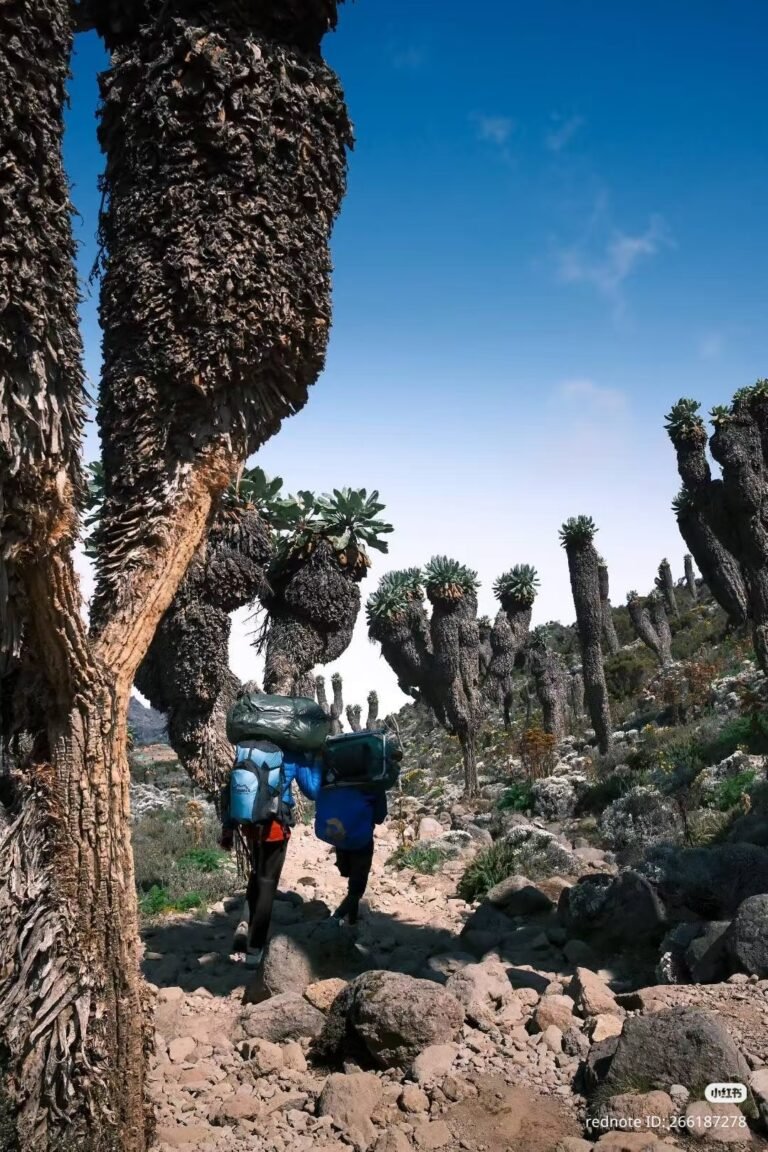
Kilimanjaro Christmas Climb And Tanzania Safari : Your Festive Adventure
Combine the magic of a Christmas ascent of Kilimanjaro with a thrilling Tanzania safari in 2026. Discover how to plan this dual adventure for a truly unique festive season.
View package detailsKilimanjaro And Mara River Crossing Safari August : Peak Season Adventure 2027
Combining the ultimate challenge of climbing Mount Kilimanjaro with the awe-inspiring spectacle of the Great Migration river crossing in the Maasai Mara offers an unparalleled African...
View package details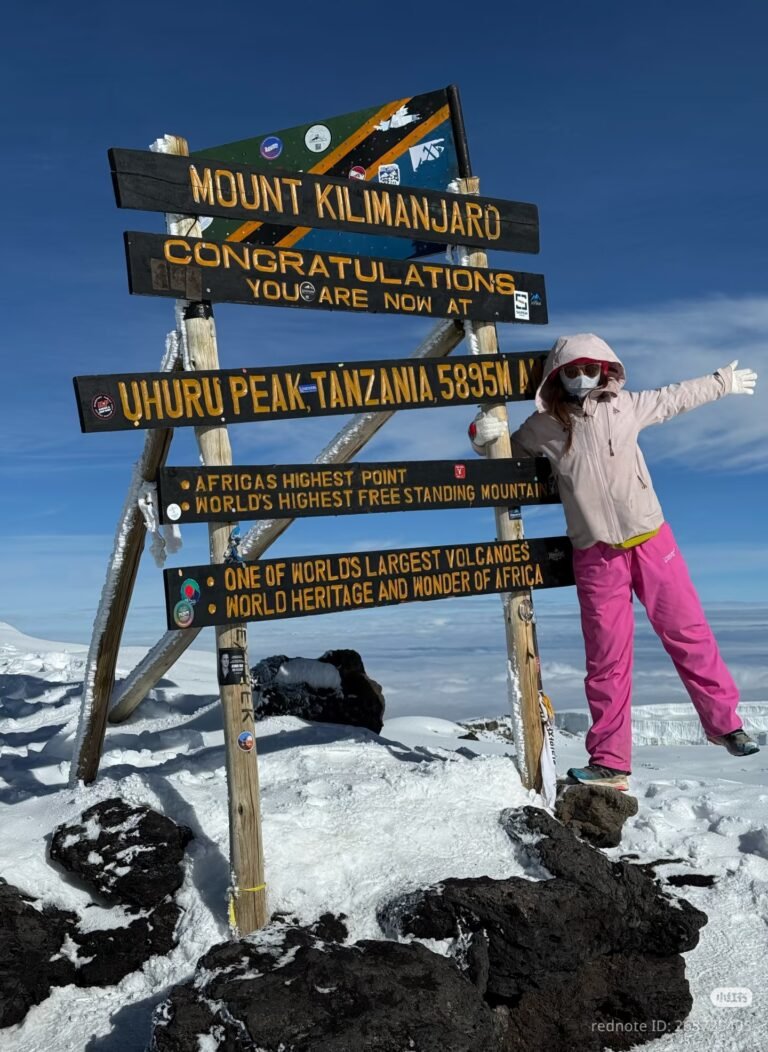
Kilimanjaro And Great Migration Safari August : Your Peak Season Adventure
Plan your ultimate Tanzanian adventure in August 2027, combining a Kilimanjaro climb with the spectacle of the Great Migration. This guide details the best timings, routes, and safari...
View package detailsKilimanjaro And Mara River Crossing Safari July 2027
Kilimanjaro and Mara River Crossing Safari July 2027 is explained with current 2027 planning, price, itinerary and booking information.
View package details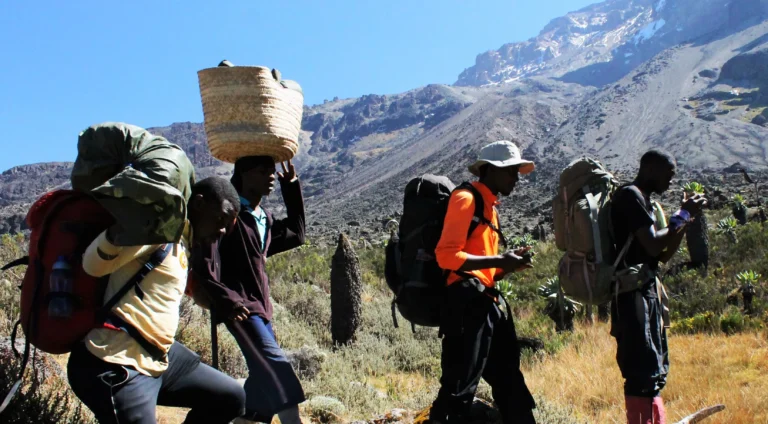
Best Kilimanjaro And Serengeti Calving Season Safari March 2027
Discover the magic of a March 2027 Kilimanjaro and Serengeti calving season safari. This guide explores the unique advantages and considerations for experiencing Tanzania's wildlife...
View package details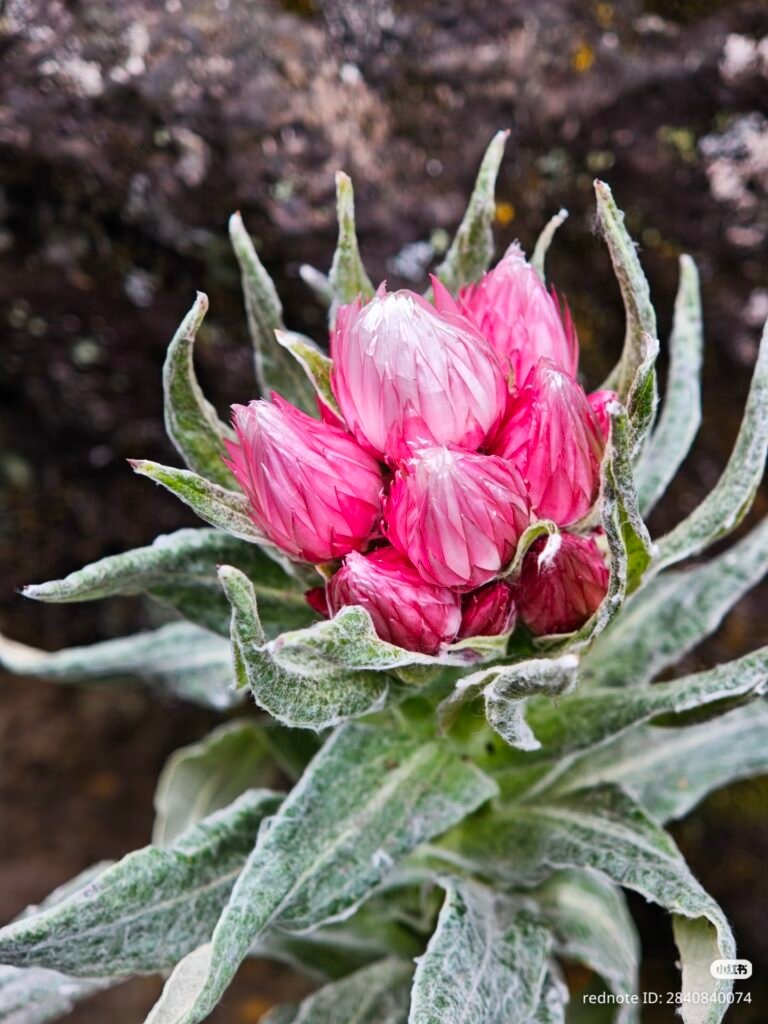
Kilimanjaro And Serengeti Calving Safari February : The Ultimate Planning
Combine the majesty of Mount Kilimanjaro with the impressive spectacle of the Serengeti's calving season in February 2027. This guide details how to plan this dual adventure, focusing on...
View package details
Kilimanjaro And Serengeti Calving Safari January 2026-2027
Kilimanjaro and Serengeti Calving Safari January 2027 is explained with current 2026-2027 planning, price, itinerary and booking information.
View package detailsNo related package matches those filters. Clear one or more filters to see the other topic-matched options.



