
Visiting Njombe, Tanzania, involves planning your journey to the Southern Highlands, typically by flight into Iringa or Mbeya followed by road transfer, or by a longer bus journey. The region is best explored during the dry seasons from June to October and December to February, offering opportunities for hiking in the Livingstone Mountains, experiencing local culture, and enjoying its cool climate and stunning landscapes. For travel in 2026-2027, booking accommodations and transport in advance is recommended, especially if you plan to visit during peak times.

Understanding Njombe: A Jewel of the Southern Highlands
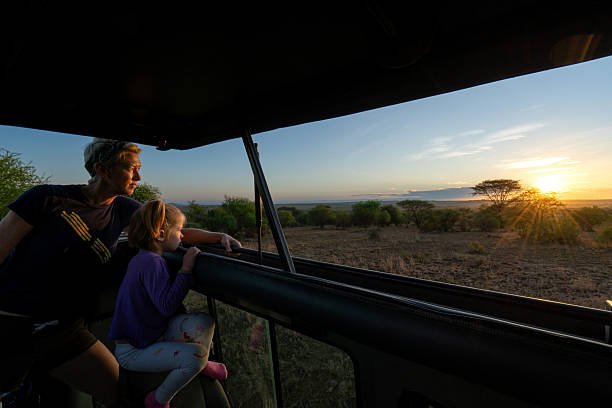
Njombe is a region in Tanzania that often flies under the radar for many international travelers, yet it holds immense appeal for those seeking an authentic Tanzanian experience away from the typical tourist trails. Situated in the southwestern part of the country, it forms a significant part of the Southern Highlands, an area renowned for its cooler climate, rolling hills, extensive tea and coffee plantations, and dramatic mountain ranges. Unlike the bustling northern safari circuits, Njombe offers a more tranquil and in-depth encounter with Tanzania’s natural beauty and its people.
The region’s capital, also named Njombe, serves as the administrative and commercial hub. However, the true essence of Njombe lies in its diverse landscapes, stretching from the fertile plateaus dotted with agricultural communities to the rugged peaks of the Livingstone Mountains, which form a natural border with Malawi. This geographical diversity translates into a wealth of activities, from trekking and exploring remote villages to birdwatching and simply soaking in the serene atmosphere.
For travelers looking to understand Tanzania beyond Kilimanjaro and Zanzibar, Njombe presents a unique opportunity. It’s a place where you can witness traditional farming practices, engage with local communities, and marvel at scenery that feels remarkably different from the rest of the country. The altitude contributes to a pleasant, temperate climate, making it a refreshing escape, particularly during the hotter months elsewhere in East Africa. As you plan for visits in 2026 and 2027, understanding Njombe’s character is the first step to crafting a memorable journey.
Getting to Njombe: Your Transport Options
Reaching Njombe requires a bit more planning than heading to more established tourist hubs like Arusha or Dar es Salaam. The region is not directly served by major international airports, meaning your journey will likely involve a combination of flights and road travel, or a more extensive overland experience.
### Flights to Njombe Region
While there isn’t a major international airport directly in Njombe town, the closest significant airports are in **Iringa (IRX)** and **Mbeya (MBI)**. Both are regional airports that receive domestic flights, primarily from Dar es Salaam (DAR) and occasionally from other Tanzanian cities. Flights are operated by airlines like Precision Air and potentially others, though schedules can be variable and should be checked well in advance.
* From Dar es Salaam to Iringa/Mbeya: This is the most common starting point for those opting for air travel. Flight durations are typically around 1 to 1.5 hours. Prices can vary significantly based on the airline, booking time, and season, but expect them to be a substantial portion of your travel budget for the 2026-2027 period.
* Transfer from Iringa/Mbeya to Njombe: Once you land in Iringa or Mbeya, you will need to arrange onward transport to Njombe town. The distance from Iringa to Njombe is approximately 200-250 kilometers, and the journey by road can take between 4 to 6 hours, depending on road conditions and the type of vehicle. From Mbeya, the distance is slightly longer, around 250-300 kilometers, also taking roughly 5 to 7 hours.
Recommendation: If your priority is to minimize travel time and you have the budget, flying into Iringa or Mbeya is the most efficient method. It’s crucial to book these domestic flights well in advance, especially for travel in 2026 and 2027, as capacity can be limited and prices tend to rise closer to the travel dates. You’ll need to arrange a reliable transfer from the airport to Njombe; this can often be coordinated through your accommodation in Njombe or a local tour operator.
### Bus Travel to Njombe
For the more adventurous traveler on a tighter budget, bus travel is a viable, albeit time-consuming, option. Njombe is well-connected by a network of bus services to major cities across Tanzania.
* From Dar es Salaam to Njombe: This is a long journey, typically taking anywhere from 10 to 14 hours, sometimes more, depending on stops and road conditions. Several bus companies operate this route, offering varying levels of comfort. You can expect basic seating, and overnight journeys are common.
* From Iringa or Mbeya to Njombe: If you’ve already traveled to these cities (perhaps by flight), local buses provide regular services to Njombe. These journeys are shorter than from Dar es Salaam, usually ranging from 4 to 7 hours.
Considerations for Bus Travel:
* Comfort: Buses can range from modern, air-conditioned coaches to more basic, local transport. It’s advisable to research reputable bus companies known for better service. Seats are usually pre-assigned, and booking tickets a day or two in advance is wise.
* Scenery: While long, the bus journey offers a chance to see more of Tanzania’s diverse landscapes unfold outside the windows, passing through rural areas and small towns.
* Flexibility: Buses run on set schedules, so you have less control over departure and arrival times compared to flights or private transfers.
* Cost: Bus travel is significantly cheaper than flying, making it an attractive option for backpackers and budget-conscious travelers planning their 2026-2027 trips.
### Private Transfers and Car Hire
For ultimate flexibility and convenience, particularly if you are traveling in a group or with significant luggage, private transfers or hiring a vehicle with a driver are excellent options.
* Private Transfers: You can arrange for a private vehicle and driver to pick you up from your arrival point (airport or bus station in Iringa/Mbeya) and take you directly to your accommodation in Njombe. This is the most comfortable and efficient way to travel, allowing you to make stops as needed.
* Car Hire: Renting a 4×4 vehicle with a driver is also possible, especially if you plan to explore beyond Njombe town and into the more remote areas of the Livingstone Mountains or national parks. This gives you the freedom to set your own pace and explore off-the-beaten-path locations.
Booking Private Transport:
It is highly recommended to book private transfers or car hire in advance, ideally through a reputable local tour operator or your accommodation provider. This ensures you get a reliable vehicle, a vetted driver, and a fair price. For trips in 2026-2027, securing these arrangements early will prevent last-minute complications. Contacting a local expert like Climb 4 Africa can simplify this process, as they have established networks for reliable transport solutions.
When to Visit Njombe: Weather and Seasons
Njombe’s location in the Southern Highlands means it enjoys a different climate from much of Tanzania. Situated at a higher altitude, it experiences cooler temperatures year-round, with distinct wet and dry seasons that influence travel plans. Understanding these patterns is key to making the most of your visit, whether you’re planning for the upcoming seasons or looking ahead to 2026-2027.
### The Dry Season (June – October)
This period is generally considered the **best time to visit Njombe** for outdoor activities and comfortable travel. The weather is characterized by sunny days, clear skies, and significantly lower humidity. Temperatures are mild, with daytime highs often in the low to mid-20s Celsius (around 70-77°F), while nights can get quite cool, sometimes dropping to single digits Celsius (below 50°F), especially at higher elevations.
* Advantages: Ideal for hiking in the Livingstone Mountains, exploring national parks, and enjoying scenic drives without the disruption of rain. Visibility is excellent for photography.
* Considerations: This is also the peak tourist season for many parts of Tanzania, though Njombe itself remains less crowded. Nights can be chilly, so packing warm layers is essential.
### The Short Rains (November)
November typically sees the onset of shorter rainy periods. These rains are usually brief and localized, often occurring in the afternoon or evening, leaving mornings and parts of the day clear and sunny. While they can sometimes affect outdoor plans, they also bring a refreshing change to the landscape, making it greener.
* Advantages: Fewer tourists, lush landscapes, and still plenty of sunshine for exploration.
* Considerations: Be prepared for occasional downpours, which might require flexibility in your itinerary.
### The Long Rains (December – May)
This is Njombe’s rainy season. December to February can still offer some sunny periods, but from March to May, expect more consistent and heavier rainfall. The landscape becomes incredibly verdant, but the rains can make roads impassable, especially in rural areas, and limit outdoor activities like trekking.
* Advantages: Very few tourists, lush green scenery, and often lower accommodation rates.
* Considerations: Travel can be challenging due to muddy roads and potential transport disruptions. Hiking may be difficult or impossible in certain areas. Many travelers choose to avoid this period for extensive exploration.
### Planning Your Visit for 2026-2027
When planning your trip for 2026 or 2027, consider these points:
* **For Hiking and Outdoor Adventures:** Aim for the dry season (June-October). This period offers the most reliable weather for exploring the Livingstone Mountains.
* **For Cultural Immersion and Fewer Crowds:** The shoulder months of November and potentially early December or late May can offer a good balance, with fewer people and manageable weather, though some rain is possible.
* **Budget Travelers:** Traveling during the long rains (March-May) might yield lower prices for accommodation, but be prepared for significant travel challenges and limited activity options.
Regardless of when you plan to visit Njombe in 2026-2027, it’s always wise to check local weather forecasts closer to your travel date and remain flexible with your plans.
Exploring Njombe: Activities and Attractions
Njombe’s appeal lies in its natural beauty and the opportunity to engage with a less-visited part of Tanzania. The region offers a refreshing contrast to the wildlife-centric safaris or beach holidays, focusing more on landscapes, culture, and adventure.
### Livingstone Mountains and Hiking Adventures
The **Livingstone Mountains** are a defining feature of the Njombe region, offering spectacular trekking opportunities. These mountains are part of the Great Rift Valley escarpment and provide impressive views over the surrounding highlands and, on clear days, towards Lake Malawi.
* Trekking Routes: Various trails cater to different fitness levels. Shorter day hikes can explore lower slopes and viewpoints, while multi-day treks can take you deeper into the mountains, passing through remote villages and pristine forests. A popular objective is reaching some of the higher peaks for panoramic vistas.
* Guides: Hiring a local guide is essential for any significant hiking. They possess invaluable knowledge of the terrain, weather patterns, and local culture, ensuring your safety and enhancing your experience. Guides can be arranged through local tour operators or sometimes through your accommodation.
* Scenery: Expect dramatic escarpments, lush montane forests, hidden waterfalls, and unique flora and fauna. The cooler climate makes hiking particularly pleasant, especially compared to treks at lower altitudes.
* Planning for 2026-2027: If hiking is a priority, the dry season (June-October) is the ideal time. Ensure you have sturdy hiking boots, warm clothing for the evenings, and waterproofs, just in case.
### Cultural Experiences and Local Life
Njombe offers genuine opportunities to connect with Tanzanian culture in a way that feels authentic and unscripted. The majority of the population here belongs to the **Bondei** and **Wahehe** ethnic groups, known for their agricultural practices and strong community ties.
* Village Visits: Arranging visits to local villages allows you to observe daily life, perhaps see traditional farming methods for tea, coffee, or maize, and interact with residents. Respectful engagement is key; a guide can facilitate introductions and cultural understanding.
* Local Markets: Visiting a bustling local market, especially in Njombe town or larger surrounding villages, is a sensory experience. You’ll find colorful displays of fresh produce, local crafts, clothing, and a lively atmosphere.
* Traditional Crafts: Look for opportunities to see or purchase local handicrafts, such as woven baskets, pottery, or wood carvings, which reflect the region’s artistic traditions.
### Waterfalls and Natural Wonders
The highlands are crisscrossed by rivers and streams, leading to several beautiful waterfalls that are worth seeking out.
* Mtorwi Falls: One of the most prominent waterfalls in the region, Mtorwi Falls is accessible and offers stunning photo opportunities. It’s a great destination for a half-day trip.
* **Kapolo Falls:** Another picturesque cascade that provides a serene natural escape. The surrounding area is often good for birdwatching.
* Scenic Views: Beyond specific attractions, simply driving or walking through the countryside reveals rolling hills, fertile valleys, and expansive vistas that are a constant source of natural beauty.
### Wildlife Viewing in Njombe
While Njombe is not a primary wildlife safari destination like the Serengeti or Ruaha, it does offer opportunities for nature enthusiasts.
* Birdwatching: The diverse habitats, from montane forests to grasslands, support a rich variety of birdlife. Bring binoculars and a field guide if this interests you.
* Smaller Mammals: You might encounter smaller mammals such as monkeys, various antelope species, and other forest-dwelling creatures, particularly in the more remote, less populated areas.
* Conservation Areas: While large national parks are absent, there are forest reserves and protected areas within the Livingstone Mountains where wildlife can be found. Exploring these with a knowledgeable guide is recommended.
For travelers planning their 2026-2027 adventures, Njombe provides a different pace and a deeper connection to Tanzania’s natural and cultural landscape. It’s an ideal complement to a northern safari or a destination in its own right for those seeking off-the-beaten-path experiences.
Accommodation Options in Njombe
Njombe offers a range of accommodation to suit different budgets and preferences, though it’s important to note that the options are more limited and perhaps less developed than in major tourist hubs. Travelers looking for extensive luxury resorts might be disappointed, but comfortable, clean, and characterful places are available.
### Budget-Friendly Stays
For travelers on a tight budget, Njombe provides basic but functional options. These are often found in Njombe town and surrounding smaller settlements.
* Local Guesthouses (Viumbe): These are the most affordable options. They offer simple rooms, often with shared bathrooms, and provide a glimpse into local living. Expect clean facilities but minimal amenities. They are a great way to save money for extended trips in 2026-2027.
* Basic Hotels: Some small hotels offer slightly more comfort than guesthouses, perhaps with private bathrooms and basic restaurant services. These are a good middle ground for budget-conscious travelers who still want a bit more comfort.
### Mid-Range Hotels and Guesthouses
Njombe town and its immediate surroundings feature several hotels that fall into the mid-range category. These typically offer more comfort and better amenities than budget options.
* Standard Hotels: Expect clean, en-suite rooms, often with TVs and Wi-Fi (though connectivity can be spotty). Many will have on-site restaurants serving local and some international dishes. These are suitable for most travelers seeking comfort without extravagant luxury.
* Comfortable Guesthouses: Some guesthouses have upgraded their facilities to offer a more comfortable stay, with well-appointed rooms and friendly service. These can sometimes offer a more personal touch than larger hotels.
### Luxury and Unique Lodges
While Njombe doesn’t boast five-star international chains, there are a few establishments that offer a higher level of comfort and unique experiences, often focusing on the natural environment.
* Boutique Lodges: You might find a few lodges or small hotels that emphasize charm and personalized service, perhaps set in scenic locations just outside of town. These often have well-designed rooms and good dining options.
* Eco-Lodges/Camps: In more remote areas, particularly closer to the Livingstone Mountains, eco-lodges or simple tented camps might be available. These are often geared towards hikers and nature lovers, offering a closer connection to the environment. Expect comfortable tents or basic chalets with essential amenities.
Booking Accommodation in Njombe:
* Advance Booking: It is highly recommended to book your accommodation in advance, especially if you are traveling during the peak dry season (June-October) or planning for specific dates in 2026 or 2027. Njombe is not a place where you can easily find walk-in availability, particularly for the better establishments.
* Local Expertise: Local tour operators, such as Climb 4 Africa, can be invaluable in recommending and booking suitable accommodation that matches your preferences and budget. They often have direct relationships with hotels and lodges, ensuring good service and fair rates.
* Check Reviews: Where possible, check recent reviews online, but be aware that smaller, more remote places might not have many online listings. Local recommendations are often the best source of information.
Planning Your Njombe Itinerary
Crafting an itinerary for Njombe depends heavily on your interests, time, and travel style. Whether you have a few days or a week, the region offers enough to create a memorable experience. Here are a couple of sample itineraries to inspire your planning for 2026-2027.
### Sample 3-Day Njombe Itinerary
This short itinerary focuses on experiencing the highlights of Njombe town and its immediate natural surroundings.
* Day 1: Arrival and Njombe Town Exploration
* Arrive in Njombe (via flight to Iringa/Mbeya and road transfer, or bus).
* Check into your chosen accommodation.
* Afternoon: Explore Njombe town. Visit the local market to get a feel for the region’s commerce and daily life. Perhaps visit the Njombe Catholic Cathedral.
* Evening: Enjoy dinner at a local restaurant, sampling regional dishes.
* Day 2: Waterfalls and Scenic Vistas
* Morning: start a trip to **Mtorwi Falls**. Hire a local guide and transport for a scenic drive and a short hike to the falls. Spend time enjoying the natural beauty and taking photos.
* Afternoon: Visit **Kapolo Falls** or explore other scenic viewpoints in the surrounding hills. Enjoy the cooler climate and picturesque landscapes.
* Evening: Relax and prepare for your departure.
* Day 3: Cultural Immersion and Departure
* Morning: Arrange a visit to a nearby village to experience local life and perhaps see agricultural activities (tea or coffee farms, depending on the location).
* Late Morning/Afternoon: Depart from Njombe, heading back to Iringa or Mbeya for your onward flight, or catch your bus connection.
### Sample 7-Day Njombe Itinerary
This longer itinerary allows for deeper exploration, including trekking in the Livingstone Mountains and more extensive cultural immersion.
* Day 1: Arrival in Njombe
* Arrive in Njombe and settle into your accommodation.
* Afternoon: Explore Njombe town and its market.
* Day 2: Mtorwi Falls and Highland Scenery
* Full Day: Day trip to **Mtorwi Falls**. Combine this with exploring scenic roads in the highlands, stopping at viewpoints and small villages along the way. A packed lunch is recommended.
* Day 3: Introduction to the Livingstone Mountains
* Morning: Travel towards the foothills of the Livingstone Mountains. Arrange a local guide.
* Afternoon: start a moderate day hike, perhaps to a viewpoint offering panoramic views. This is a good introduction to the trekking conditions for 2026-2027.
* Evening: Return to Njombe or stay in a basic lodge/homestay near the mountains if available.
* Day 4: Deeper Trekking in the Livingstone Mountains
* Full Day: Undertake a more challenging hike, potentially a section of a longer trail. This could involve ascending to a higher point for more dramatic vistas or exploring a remote valley.
* Note: For multi-day treks, you would need to arrange camping gear and provisions.
* Day 5: Cultural Village Experience
* Morning: Visit a rural village known for its agricultural practices. Learn about coffee or tea cultivation, or traditional farming.
* Afternoon: Engage with the local community, perhaps visiting a school or community project (with prior arrangement and respect).
* Evening: Enjoy a traditional meal prepared by a local family if possible.
* Day 6: Relaxation and Local Crafts
* Morning: Visit a local artisan workshop or a cooperative to see crafts being made. You might find opportunities to purchase unique souvenirs.
* Afternoon: Enjoy a leisurely walk in the countryside around Njombe, or revisit a favorite spot.
* Day 7: Departure
* Morning: Enjoy a final Tanzanian breakfast.
* Depart from Njombe for your onward journey.
### Customizing Your Trip for 2027
When planning for 2027, consider these customization options:
* **Combine with other regions:** Njombe can be a fantastic addition to a Southern Circuit safari (e.g., Ruaha National Park) or a trip to Lake Tanganyika. It offers a different perspective on Tanzania.
* **Focus on specific interests:** If you are passionate about coffee or tea, tailor your itinerary to visit plantations and learn about the production process. Birdwatchers can dedicate more time to specific habitats.
* **Accommodation style:** Decide whether you prefer the simplicity of local guesthouses, the comfort of mid-range hotels, or the unique charm of a boutique lodge. Your choice will influence the pace and feel of your trip.
* **Activity Level:** Be realistic about your fitness for hiking. The altitude and terrain can be challenging.
For personalized itinerary planning for your 2026 or 2027 adventure to Njombe, reaching out to local experts like Climb 4 Africa is highly recommended. They can help tailor an experience that perfectly matches your desires and logistical needs.
Practical Tips for Visiting Njombe
To ensure a smooth and enjoyable trip to Njombe, especially for your 2026-2027 travel plans, consider these practical tips. Njombe is a region that requires a bit more preparedness than more developed tourist destinations.
### Health and Safety
* **Vaccinations and Malaria:** Consult your doctor or a travel clinic well in advance of your trip regarding recommended vaccinations (e.g., Yellow Fever, Hepatitis A/B, Typhoid) and malaria prophylaxis. While Njombe is at a higher altitude, malaria risk can still exist in surrounding lower areas and during travel to/from the region.
* **Water:** Drink only bottled or purified water. Avoid ice in drinks unless you are sure it’s made from purified water.
* **Food:** Eat at reputable establishments. Be cautious with street food, especially if you have a sensitive stomach.
* **Sun Protection:** The sun can be intense at higher altitudes. Use sunscreen, wear a hat, and sunglasses.
* **Altitude Sickness:** While less common than on Kilimanjaro, the altitude (around 1,700-2,000 meters or more) can affect some people. Acclimatize gradually, stay hydrated, and avoid strenuous activity on your first day.
* **General Safety:** Njombe is generally a safe region, but standard precautions apply. Be aware of your surroundings, secure your valuables, and avoid walking alone at night in unfamiliar areas.
### Currency and Money
* **Currency:** The official currency is the Tanzanian Shilling (TZS).
* **ATMs:** ATMs are available in Njombe town, but they may not always be reliable or stocked. It’s advisable to carry a mix of cash and cards.
* **Cash:** It’s best to carry sufficient Tanzanian Shillings in cash for smaller purchases, local transport, market shopping, and tips. US Dollars are sometimes accepted for larger expenses or at more established hotels, but carrying local currency is essential.
* **Credit Cards:** Credit card acceptance is limited, mainly to larger hotels or tour operators. Always confirm beforehand if a place accepts cards.
* **Money Exchange:** You can exchange currency at banks in Njombe town, but rates might be better in larger cities like Dar es Salaam or Arusha.
### Packing Essentials
Given Njombe’s cooler climate and varied terrain, pack accordingly.
* **Clothing:** Layers are key. Pack t-shirts, long-sleeved shirts, sweaters or fleece jackets, and a warm, waterproof outer jacket. Evenings can be quite cold.
* **Footwear:** Comfortable walking shoes or hiking boots are essential if you plan to explore the mountains or countryside. Bring sandals or trainers for relaxing.
* **Rain Gear:** A waterproof jacket and possibly waterproof trousers, especially if traveling outside the main dry season.
* **Sun Protection:** Sunscreen, hat, sunglasses.
* **Insect Repellent:** Useful for evenings, especially if staying near water or in forested areas.
* **First-Aid Kit:** Include personal medications, pain relievers, antiseptic wipes, bandages, and any specific items you might need.
* **Camera and Power Bank:** For capturing the stunning scenery and ensuring your devices stay charged.
* **Headlamp or Torch:** Useful for navigating in the dark, especially in guesthouses or during power outages.
### Connectivity and Communication
* **Mobile Networks:** Mobile phone coverage is generally available in Njombe town and some surrounding areas, primarily through operators like Vodacom, Tigo, and Airtel. Purchasing a local SIM card upon arrival in Tanzania can be cost-effective for calls and data.
* **Wi-Fi:** Wi-Fi is available in some hotels and guesthouses, but it can be slow and unreliable. Do not expect smooth connectivity.
* **Power Outages:** Power outages can occur, so having a power bank is a good idea.
Planning ahead with these practical tips will significantly enhance your experience when you visit Njombe, ensuring you are well-prepared for its unique environment and opportunities. For tailored advice and support for your 2026-2027 travels, consider contacting local specialists.
Why Choose Climb 4 Africa for Your Njombe Adventure?
While Climb 4 Africa is primarily known for its expertise in Kilimanjaro climbs and Tanzania safaris, our deep understanding of Tanzania extends to regions like Njombe. We recognize that many travelers seek authentic experiences beyond the most popular destinations, and Njombe offers just that. Our commitment is to provide practical, local support that ensures your journey is safe, enjoyable, and enriching.
By choosing Climb 4 Africa, you benefit from:
* **Local Knowledge:** We have on-the-ground connections and a nuanced understanding of Tanzania’s diverse regions, including the Southern Highlands. This allows us to offer insightful advice and logistical support for visiting Njombe.
* **Tailored Itineraries:** We can help craft bespoke itineraries that align with your interests, whether you’re drawn to hiking the Livingstone Mountains, exploring local culture, or simply experiencing the unique climate and landscapes of Njombe.
* **Logistical Support:** From arranging reliable transportation (flights, transfers, or even local buses) to recommending and booking suitable accommodation, we handle the complexities so you can focus on your adventure.
* **Safety and Reliability:** Your safety is paramount. We work with vetted local partners to ensure all aspects of your trip, from transport to guiding, meet high standards.
* **Authentic Experiences:** We aim to connect you with genuine cultural encounters and natural wonders, moving beyond the superficial to offer meaningful interactions.
Planning a trip to a less-traveled destination like Njombe can seem daunting, but with the right support, it can be an incredibly rewarding experience. For your 2026-2027 travel plans to Njombe, let Climb 4 Africa be your guide. We can help you navigate the logistics and ensure you make the most of this beautiful, serene corner of Tanzania.
**Ready to plan your unique Njombe adventure for 2026 or 2027? Get in touch with our local experts today!**
**WhatsApp:** +255 747 477 898
**Email:** climb4africa@gmail.com
We look forward to helping you discover the magic of Njombe!
Check Availability for How To Visit Njombe: Your Ultimate Guide To Tanzanias Southern Highlands
Ready to compare dates, prices, and the best option for your group? Send the package name and travel month so the team can reply with a clear quote, availability, and what is included.



