Keeping your Tanzania safari under $2,000 per person for 2026-2027 is achievable by strategically selecting your safari duration, opting for shared group tours, traveling during the shoulder or low seasons, choosing mid-range accommodations, and focusing on parks that offer excellent wildlife viewing without excessive park fees. It requires careful planning, comparing tour operator inclusions, and understanding what drives safari costs.
Understanding the $2,000 Tanzania Safari Budget
Embarking on a Tanzanian safari is a dream for many, and the thought of keeping it under a $2,000 per person budget can seem daunting. However, with informed decisions and a clear understanding of what influences safari costs, this goal is well within reach for 2026-2027 travel. This budget typically covers core safari elements: park entrance fees, vehicle hire, guide services, accommodation, and meals during the safari itself. It generally excludes international flights, visas, travel insurance, tips, and personal expenses, which are crucial to factor in separately.
The key to a budget-friendly Tanzania safari lies in smart choices made well in advance. By understanding the trade-offs involved – for instance, choosing a slightly shorter trip or a different park circuit – you can significantly reduce expenses without compromising the core wildlife experience. This guide aims to demystify these costs and provide actionable strategies to help you plan your unforgettable adventure within your desired budget for 2026 or 2027.
Key Cost Drivers for Your Tanzania Safari
To successfully plan a Tanzania safari under $2,000 per person, it’s essential to understand where the majority of your budget will go. The primary cost drivers are quite specific and, once understood, can be managed effectively.
Park Entrance Fees
This is often the single largest component of a safari budget. Tanzania has some of the highest park fees in Africa. For example, the Serengeti National Park charges around $70.80 per person per 24 hours, plus a vehicle fee. The Ngorongoro Conservation Area has a crater service fee of $300 per vehicle and $60 per person per entry. These fees are non-negotiable and directly contribute to conservation efforts. For a 7-day safari hitting popular parks, these can easily add up to several hundred dollars per person.
Vehicle and Guide Costs
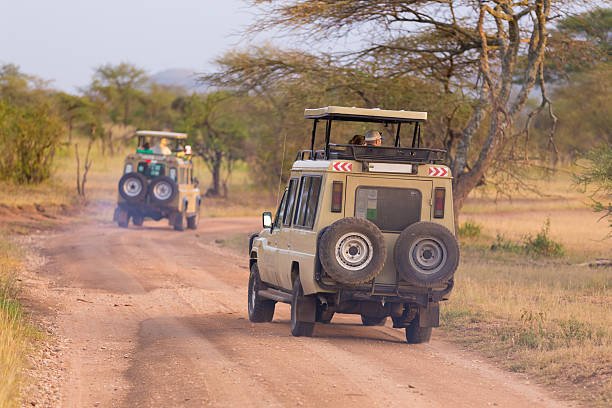
You’ll need a sturdy 4×4 safari vehicle equipped for off-road conditions and a knowledgeable guide. The cost includes fuel, vehicle maintenance, and the guide’s salary and expenses. While private safaris offer flexibility, they are more expensive. Shared safaris distribute these costs among more travelers, making them a cornerstone of budget travel.
Accommodation
Safari lodges and tented camps range from basic to ultra-luxury. Budget-friendly options include mid-range lodges, tented camps with shared facilities, or even designated campsites within or near the parks. The more amenities and the closer the accommodation is to the parks, the higher the price will be.
Duration of Safari
Naturally, the longer you stay on safari, the more park fees, accommodation, and guide costs you will incur. A typical budget safari might be 5-7 days. Extending this to 10 days, while offering more in-depth exploration, will push the cost higher. You’ll need to find a balance that allows for a fulfilling experience without exceeding your financial limit.
Number of People (Private vs. Group)
A private safari booked for two people will be significantly more expensive per person than a group safari for six or eight. The vehicle and guide costs are spread across more individuals in a group, making shared departures the most economical way to experience a Tanzanian safari within a $2,000 budget. This is why many operators offer fixed group departure dates.
Seasonality
Peak season (June to October, and December to February) sees higher demand and thus higher prices for accommodation and sometimes even tour packages. Traveling during the shoulder seasons (e.g., March-May, November) or even the green season can offer substantial savings.
Park Circuit Chosen
The Northern Circuit, encompassing Serengeti, Ngorongoro, Tarangire, and Lake Manyara, is the most popular but also the most expensive due to higher park fees and demand. While offering unparalleled wildlife viewing, exploring alternative circuits or focusing on specific parks within the Northern Circuit can reduce costs.
Timing Your Safari for Maximum Savings
The period you choose to visit Tanzania for your safari has a profound impact on costs. Understanding the seasons and their implications is crucial for keeping your Tanzania safari under $2,000 per person.
Peak Season (June – October & December – February)
This is the dry season, ideal for wildlife viewing as animals congregate around water sources, and the grass is shorter, making them easier to spot. The Great Migration river crossings in the Serengeti often occur around July-September. However, this is also the most expensive time to travel. Accommodation prices soar, and tour operators have high demand. Booking well in advance for 2026-2027 peak season is essential, but it will be challenging to meet the $2,000 per person threshold for a standard itinerary.
Shoulder Seasons (March – May & November)
These periods offer a fantastic balance between good wildlife viewing and more manageable prices. The landscape is greener, and there are fewer crowds. March to May can sometimes see longer rains, but often these are short, intense bursts followed by sunshine, particularly in April and early May. November is typically dry and pleasant. Traveling during these times can lead to savings of 10-20% on safari packages compared to peak season, making the $2,000 budget much more attainable.
Green Season / Low Season (Late November – March, excluding holidays)
This is the period with the highest chance of rain, though it’s not constant. The landscape is lush and beautiful, and it’s the birthing season for many plains animals, offering excellent opportunities to see young wildlife. The biggest advantage is the significant cost reduction. Accommodation prices can drop considerably, and tour operators may offer lower rates. The fewer crowds mean a more intimate safari experience. For a $2,000 per person Tanzania safari, targeting the green season is a highly recommended strategy, especially for 2026-2027 travel.
Pro Tip: Avoid major holiday periods like Christmas and New Year’s, as prices surge even within the low season. If you must travel then, book extremely early.
Choosing Your Itinerary Wisely
The parks you visit and the duration of your safari are fundamental to controlling costs. A well-planned itinerary can significantly impact whether you stay under the $2,000 per person safari budget.
Focusing on the Northern Circuit (with budget considerations)
The classic Northern Circuit includes Serengeti National Park, Ngorongoro Conservation Area, Tarangire National Park, and Lake Manyara National Park. While incredibly rewarding, these parks have the highest fees. To keep costs down:
- Limit Duration: A 5-day safari is often the minimum to experience 2-3 of these parks. A 6-day itinerary might fit the budget. Beyond 7 days, costs escalate quickly.
- Strategic Park Selection: Consider if you need to visit all four. Tarangire and Lake Manyara are often less expensive in terms of park fees than Serengeti and Ngorongoro. A 5-day trip focusing on Tarangire and Lake Manyara, with perhaps a day trip to Ngorongoro Crater, might be more budget-friendly than a full Serengeti immersion.
- Single Entry Park Fees: Understand how park fees are calculated. Some operators might include a single entry fee for Serengeti, while others might charge per 24-hour period, affecting costs.
Exploring Shorter Itineraries
A 5-day safari is often the sweet spot for a budget trip. This typically allows for visits to 2-3 key locations, such as Tarangire, Lake Manyara, and a day trip to the Ngorongoro Crater, or a brief experience in the Serengeti. While it might feel rushed to some, it provides a solid introduction to Tanzania’s wildlife and can be planned to fit within the $2,000 per person target.
Considering the Western or Southern Circuits (Less Common for Budget)
While the Northern Circuit is famous, Tanzania also offers other safari regions. However, these often involve more complex logistics and potentially higher internal travel costs (flights or longer drives), which can negate budget savings for a $2,000 goal. They are less common for first-time visitors and typically require more specialized planning. For a budget safari, sticking to the Northern Circuit’s accessible parks is usually more efficient.
Key Itinerary Planning Note for $2,000 Budget Safaris
For a Tanzania safari under $2,000 per person, a 5-7 day Northern Circuit itinerary focusing on 2-3 parks (e.g., Tarangire, Lake Manyara, and a Ngorongoro Crater day trip) is the most practical choice for 2026-2027 travel. This maximizes wildlife viewing opportunities while minimizing park fees and accommodation nights. Always confirm the exact parks and duration when requesting quotes.
Accommodation Choices on a Budget
Accommodation is another significant cost factor. To keep your Tanzania safari under $2,000 per person, you’ll need to be strategic about where you sleep.
Mid-Range Lodges and Tented Camps
These offer comfortable stays with private bathrooms, good food, and essential amenities without the luxury price tag of high-end lodges. They are often situated either inside or just outside the park boundaries. Many operators include these in their standard budget packages. Look for places that offer good value, clean facilities, and perhaps a scenic location.
Budget Tented Camps (Non-Luxury)
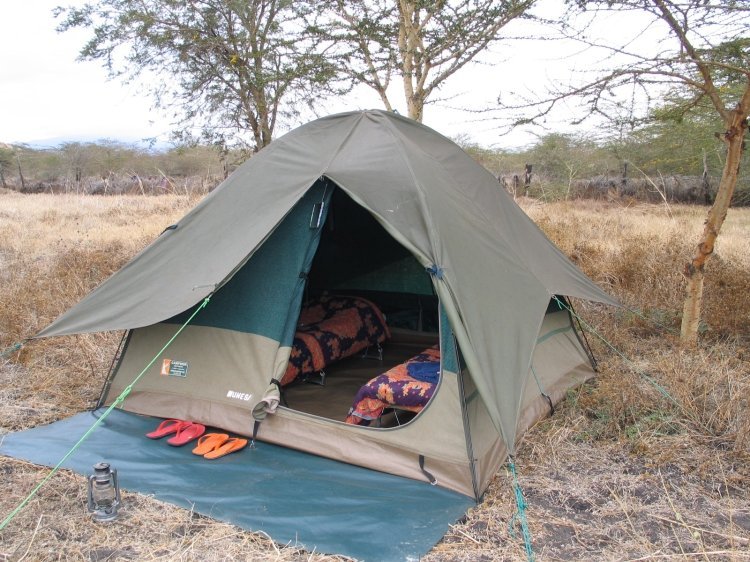
These are a step up from basic camping. You’ll typically stay in canvas tents with proper beds and often en-suite bathrooms, though facilities might be simpler. They provide a more rustic and closer-to-nature experience. These are excellent for budget-conscious travelers and are frequently included in packages aiming for the $2,000 per person mark.
Public Campsites
For the most budget-conscious traveler, staying at public campsites within or near the national parks is an option. This involves sleeping in tents provided by the tour operator, often with shared ablution facilities. While this offers the most authentic “bush” experience and significant cost savings, it means sacrificing comfort. It’s crucial to ensure the operator provides good quality camping gear and experienced camp staff. This option is very common for itineraries designed to stay well under the $2,000 per person limit.
What to Confirm About Accommodation
When comparing safari quotes for your 2026-2027 Tanzania safari, always clarify:
- Type of accommodation: Is it a lodge, mid-range tented camp, or public campsite?
- Location: Is it inside the park (more expensive, better game viewing access) or outside (less expensive, requires more driving to enter)?
- Inclusions: Are meals (breakfast, lunch, dinner) included at the accommodation?
- Single Supplement: If traveling solo, inquire about single supplement charges, which can significantly increase costs. Group tours are often better for solo budget travelers.
Accommodation Strategy for a $2,000 Safari
To keep your Tanzania safari under $2,000 per person, aim for mid-range tented camps or well-managed public campsites. These offer a good balance of comfort, experience, and cost. Always confirm the exact accommodation level included in any quote, especially when planning for 2026 or 2027.
Tour Operator Selection: The Crucial Factor
Choosing the right tour operator is paramount to securing a quality safari experience within your $2,000 per person budget. Not all operators are created equal, and their pricing structures, inclusions, and operational efficiencies vary widely.
Shared Group Safaris
This is the most effective strategy for achieving a $2,000 per person Tanzania safari. Operators offering fixed group departure dates allow you to join a pre-scheduled safari with other travelers. This spreads the cost of the vehicle, guide, and park fees across a larger group (typically 6-8 people), making it significantly cheaper than a private safari. Look for operators that specialize in or regularly offer these group tours for 2026-2027.
Comparing Inclusions
Operators often present packages with different inclusions. To compare apples to apples and ensure you’re getting the best value for your $2,000 budget, meticulously check what’s covered:
- Park fees: Are they included, or are they an extra cost? This is a major budget item.
- Accommodation: What type of lodging is specified (lodge, tented camp, campsite)?
- Meals: Are all meals included during the safari?
- Vehicle type: Is it a pop-top 4×4 Land Cruiser or Land Rover (standard for quality safaris)?
- Water: Is drinking water provided in the vehicle?
- Guide: Is an experienced, English-speaking guide included?
- Transfers: Are airport transfers included?
Local vs. International Operators
Local Tanzanian operators, like Climb 4 Africa, often have lower overheads than international agents. They have direct relationships with lodges, guides, and park authorities, allowing them to offer more competitive pricing. They also possess invaluable local knowledge. When budgeting for a 2026-2027 safari under $2,000, prioritizing reputable local operators is wise.
Research and Reviews
Always look for reviews on platforms like TripAdvisor. While not every review is a perfect indicator, a consistent pattern of positive feedback regarding value for money, guide quality, and overall experience is a good sign. Ensure the operator is properly registered and licensed.
Choosing the Right Operator for Your Budget Safari
For a Tanzania safari under $2,000 per person, focus on reputable local operators offering shared group departures. Carefully compare the inclusions of different quotes to ensure transparency and value. Planning for 2026-2027 means starting your search early to secure spots on popular group dates.
What is Typically Included (and Excluded) in a $2,000 Budget Safari?
Understanding the exact inclusions and exclusions is critical when aiming for a Tanzania safari under $2,000 per person. This transparency prevents unexpected costs and ensures your expectations align with the reality of your trip.
Common Inclusions for a $2,000 Budget Safari:
- Park Entrance Fees: For the specified parks and duration. This is a significant portion of the cost.
- Accommodation: Typically mid-range tented camps or public campsites for the safari nights.
- All Meals: Breakfast, lunch, and dinner during the safari days.
- Vehicle Hire: A 4×4 safari vehicle (Land Cruiser or Land Rover) with a pop-up roof.
- Guide Services: An experienced, English-speaking safari guide.
- Drinking Water: Provided in the vehicle during game drives.
- Game Drives: Scheduled game drives within the national parks.
- Airport Transfers: Often includes arrival and departure transfers from the nearest airport to your starting point (e.g., Arusha).
Common Exclusions from a $2,000 Budget Safari:
- International Flights: Flights to and from Tanzania (e.g., Kilimanjaro International Airport – JRO).
- Visa Fees: Cost of the Tanzanian visa, which varies by nationality.
- Travel Insurance: Essential for any international trip.
- Tips: Gratuities for your safari guide and any camp staff. This is customary and expected.
- Drinks (other than water): Alcoholic beverages, sodas, and juices are usually extra.
- Personal Expenses: Souvenirs, laundry, and any personal items.
- Optional Activities: Hot air balloon safaris, guided bush walks (if not specified), or cultural visits may incur additional costs.
- Pre/Post Safari Accommodation: Nights spent in Arusha or other locations before or after the safari.
- Ngorongoro Crater Service Fee: While park fees are included, sometimes the specific vehicle fee for the crater descent is listed separately or needs clarification. Always double-check this.
Budget Safari Inclusions vs. Exclusions: What to Verify
When planning your $2,000 per person Tanzania safari for 2026-2027, always request a detailed itinerary with a clear list of inclusions and exclusions. Pay special attention to park fees, accommodation types, and what extras you’ll need to budget for (like tips and drinks).
Planning Your 2026-2027 Budget Safari
Proactive planning is the cornerstone of a successful and affordable Tanzania safari under $2,000 per person. Starting early gives you the best options for group departures, accommodation availability, and potentially even slightly better rates, especially for travel in 2026 and 2027.
Book in Advance
For shared group departures, popular dates fill up quickly. Booking 6-12 months in advance is highly recommended, especially if you’re targeting specific months or have a fixed travel window for 2026 or 2027. This allows tour operators to secure guides and vehicles for their group tours and ensures you get a spot.
Flexibility with Dates
If your travel dates are flexible, you can often find better deals. Traveling outside of major holidays and peak seasons (as discussed in the timing section) will naturally reduce costs. If you can be flexible within the shoulder or green seasons, you’ll significantly increase your chances of staying within the $2,000 per person budget.
Consider Package Deals
Many tour operators offer packages that combine a safari with other Tanzanian experiences, like a Kilimanjaro climb or a Zanzibar beach holiday. While these might seem more expensive initially, they can sometimes offer better overall value. However, for a strict $2,000 safari budget, focusing solely on the safari component is usually more direct.
Communicate Your Budget Clearly
When contacting tour operators, be upfront about your budget. State clearly that you are looking for a Tanzania safari under $2,000 per person. This allows them to tailor proposals that genuinely fit your financial requirements, rather than sending you options that are far beyond your reach. They can then suggest the most suitable itineraries, accommodation types, and group departures for 2026-2027.
Understand Payment Schedules
Most tour operators require a deposit upon booking (often 20-50%) and the balance payment closer to the travel date (e.g., 30-60 days before departure). Ensure you understand these terms and can meet them. For budget trips, paying in installments might be a helpful strategy.
Early Bird Planning for 2026-2027 Safaris
To successfully book a Tanzania safari under $2,000 per person for 2026-2027, start your research and booking process at least 9-12 months in advance. Be flexible with your dates, clearly communicate your budget to operators, and inquire about group departures.
Exploring Budget-Friendly Park Alternatives
While Serengeti and Ngorongoro are iconic, their high park fees can make them prohibitive for a strict $2,000 per person safari budget. Tanzania has other incredible parks that offer fantastic wildlife viewing at a lower cost, or can be combined strategically.
Arusha National Park
This park is easily accessible from Arusha and offers diverse landscapes, including Mount Meru, Momella Lakes, and Ngurdoto Crater. It’s home to giraffes, zebras, buffalos, and a variety of antelopes. While it doesn’t have the Big Five (lions are rare), it’s a beautiful and affordable option for a day trip or a 1-2 day safari. Park fees are significantly lower than Serengeti.
Tarangire National Park
Known for its large elephant herds and baobab trees, Tarangire is a strong contender for budget safaris. Its park fees are moderate compared to Serengeti. It’s particularly spectacular during the dry season (June-October) when animals gather along the Tarangire River. Including Tarangire in a 5-day Northern Circuit itinerary is a cost-effective way to experience excellent wildlife viewing.
Lake Manyara National Park
Famous for its tree-climbing lions (though sightings are not guaranteed) and large bird population, Lake Manyara offers a compact and rewarding safari experience. Its fees are also more manageable than the larger, more famous parks. It’s often combined with Tarangire and Ngorongoro in shorter itineraries, making it a good budget choice.
Ruaha National Park & Selous Game Reserve (now Nyerere National Park)
These parks are in southern Tanzania. While offering spectacular, wilder safaris with fewer crowds, they typically involve domestic flights from Arusha or Dar es Salaam to reach them. These flights add considerable cost, often pushing a safari beyond the $2,000 per person limit unless you are on a very specific, well-planned itinerary that includes them from the start and leverages group flight deals.
Strategic Combinations
For a $2,000 budget Tanzania safari, the most practical approach is often to combine parks within the Northern Circuit that offer a good mix of wildlife and value. For instance:
- 5-Day Budget Itinerary Example: Day 1: Arrive, transfer to Arusha. Day 2: Drive to Tarangire, game drive. Day 3: Drive to Lake Manyara, game drive, overnight nearby. Day 4: Drive to Ngorongoro Conservation Area, descend into the crater for a game drive, overnight near the crater rim or in Karatu. Day 5: Drive back to Arusha, departure.
- Budget Serengeti Inclusion: If you are set on seeing Serengeti, a shorter 2-day visit within a 6 or 7-day itinerary might be feasible, but will push the budget closer to the $2,000 mark. This often means opting for public campsites within the Serengeti.
Park Selection for Budget Safaris
To keep your Tanzania safari under $2,000 per person, prioritize parks like Tarangire and Lake Manyara, and consider a Ngorongoro Crater day trip. While Serengeti is world-renowned, its inclusion will stretch your budget, often requiring camping or a shorter stay. Plan your 2026-2027 itinerary with these cost-effective park choices in mind.
Maximizing Value: Beyond the Price Tag
Achieving a Tanzania safari under $2,000 per person is about more than just cutting costs; it’s about maximizing the value you receive for your investment. This means ensuring the safari is still memorable, safe, and offers excellent wildlife viewing opportunities.
The Quality of the Guide
A good safari guide is invaluable. They possess deep knowledge of animal behavior, tracks, and the best locations for sightings. They can also enhance your understanding of the local culture and ecosystem. Even on a budget safari, ensure your operator provides experienced, English-speaking guides. A skilled guide can make the difference between seeing a few animals and having truly exceptional encounters, even if you’re staying at basic accommodation.
Vehicle Condition and Comfort
While you might not get a luxury vehicle, a well-maintained 4×4 safari vehicle with a pop-up roof is essential for good viewing and comfort. Ensure the vehicle is in good working order, has functioning suspension for bumpy roads, and that the pop-up roof allows for unobstructed photography and wildlife spotting. This is standard for most reputable operators, even on budget tours.
Safety and Reliability
Never compromise on safety for price. A reputable operator will have robust safety protocols, well-maintained vehicles, and experienced drivers. Researching reviews and ensuring the operator is licensed is crucial. A slightly higher price for a guaranteed safe and reliable experience is always worthwhile.
The Experience of Group Travel
Joining a group safari can be a fantastic way to meet like-minded travelers from around the world. Sharing sightings, stories, and experiences can enrich your safari. While you trade some privacy for cost savings, the camaraderie can be a highlight of the trip. This is a key aspect of keeping a Tanzania safari under $2,000 per person.
Focus on Wildlife Encounters
Remember the primary goal: seeing Tanzania’s incredible wildlife. A budget safari focused on the right parks, with a good guide, can deliver just as many, if not more, memorable wildlife sightings than a luxury trip. Prioritize game drives and time in the parks over opulent lodges. The sheer abundance of wildlife in places like Tarangire or the Serengeti, even from a basic campsite, is awe-inspiring.
Value Beyond Price for Your Safari
Maximizing value on a $2,000 per person Tanzania safari means prioritizing guide quality, vehicle reliability, and safety over luxury amenities. Focus on the incredible wildlife experiences that parks like Tarangire and Lake Manyara offer, and embrace the social aspect of group travel for your 2026-2027 adventure.
Booking Your Tanzania Safari Under $2,000
Finalizing your booking for a Tanzania safari under $2,000 per person requires careful consideration and clear communication with your chosen tour operator. Here’s how to proceed with confidence for your 2026-2027 trip.
Request Detailed Itineraries and Quotes
Once you’ve identified a few reputable operators that offer budget-friendly group tours, request detailed itineraries. Ensure each quote specifies:
- Exact parks visited and duration in each.
- Accommodation type for each night.
- All inclusions and exclusions (especially park fees, meals, water).
- The group size for the departure date you’re interested in.
- Total cost per person.
This allows for accurate comparison and helps you confirm that the total cost aligns with your $2,000 per person budget.
Confirm Group Departure Dates
If you’re aiming for the lowest cost, shared group departures are essential. Confirm available dates for your preferred travel window in 2026 or 2027. Be prepared that these dates might be fixed and require some flexibility on your part.
Understand Payment Terms
Typically, a deposit is required to secure your booking, with the balance due 30-60 days before departure. Clarify these terms and the accepted payment methods (e.g., bank transfer, credit card, though credit cards may incur a surcharge).
Ask About Customization
While aiming for a budget, you might still have specific preferences. Ask if minor adjustments can be made, such as swapping one park for another (if it doesn’t significantly alter costs) or adjusting the pace. However, extensive customization will likely increase the price.
Finalizing Your Booking with Climb 4 Africa
If you’re ready to plan your affordable Tanzania safari for 2026-2027, contacting Climb 4 Africa is a great next step. As experienced local operators, we specialize in creating memorable safari experiences within various budgets. We can help you craft an itinerary that maximizes wildlife viewing while keeping costs under $2,000 per person.
To get a personalized quote and discuss your options, please reach out to us. You can contact us via WhatsApp at +255 747 477 898 or send an email to climb4africa@gmail.com. When you contact us, please provide your preferred travel dates (or flexibility), the number of people traveling, and explicitly mention your goal of keeping the safari under $2,000 per person. This information will help us tailor the best possible safari plan for you.
Ready to Book Your Budget Tanzania Safari?
Planning a Tanzania safari under $2,000 per person is achievable with the right strategy and operator. For 2026-2027 travel, we recommend booking group departures and considering shoulder or green season travel. Focus on value-packed itineraries that prioritize wildlife encounters. Let Climb 4 Africa help you create an unforgettable adventure that fits your budget. Reach out to us today to start planning!
Contact Climb 4 Africa:
WhatsApp: +255 747 477 898
Email: climb4africa@gmail.com
“,
“faq_schema”: [
{
“question”: “What is the best time of year to go on a Tanzania safari to keep costs under $2,000 per person?”,
“answer”: “To keep your Tanzania safari under $2,000 per person for 2026-2027, the best times to travel are during the shoulder seasons (March-May, November) or the green season (late November to March, excluding holidays). These periods offer lower accommodation and tour prices compared to the peak dry season (June-October).”
},
{
“question”: “Can I see the Big Five on a budget safari under $2,000 per person?”,
“answer”: “Yes, it is possible to see the Big Five on a safari under $2,000 per person, especially if you focus on parks like Tarangire and Lake Manyara, and potentially include a shorter visit to the Serengeti or a day trip to the Ngorongoro Crater. The success depends on the specific itinerary, guide expertise, and timing, rather than just the budget itself.”
},
{
“question”: “What type of accommodation is typically included in a $2,000 per person safari package?”,
“answer”: “For a Tanzania safari under $2,000 per person, accommodation typically includes mid-range tented camps or well-managed public campsites within or near national parks. These offer basic comfort and a good connection to nature without the high cost of luxury lodges.”
},
{
“question”: “How do shared group safaris help keep costs down?”,
“answer”: “Shared group safaris are the most effective way to achieve a Tanzania safari under $2,000 per person. The costs for the safari vehicle, guide, and park entrance fees are divided among more travelers (usually 6-8 people), significantly reducing the per-person price compared to a private safari.”
},
{
“question”: “What is typically NOT included in a $2,000 budget safari package?”,
“answer”: “A $2,000 budget safari package typically excludes international flights, Tanzanian visas, travel insurance, tips for guides and staff, alcoholic beverages and sodas, and personal expenses. It’s essential to budget for these additional costs separately.”
},
{
“question”: “How long should a safari be to stay under $2,000 per person?”,
“answer”: “To keep your Tanzania safari under $2,000 per person for 2026-2027, a duration of 5 to 7 days is generally recommended. This allows for visits to 2-3 key parks within the Northern Circuit without accumulating excessive park fees and accommodation costs.”
}
]
}
“`
Check Availability for How Can I Keep My Tanzania Safari Under $2,000 Per Person? 2026-2027
Ready to compare dates, prices, and the best option for your group? Send the package name and travel month so the team can reply with a clear quote, availability, and what is included.
AFCON 2027 Safari Packages from Tanzania
Hitaji la safari ya kundoka ili kufurahia AFCON 2027? Chagua kutoka kwa mikakati ya safari nchini Tanzania inayoambatana na wildlife, mbuga maarufu, na uwekaji wa huduma ya kimataifa ya...
View package details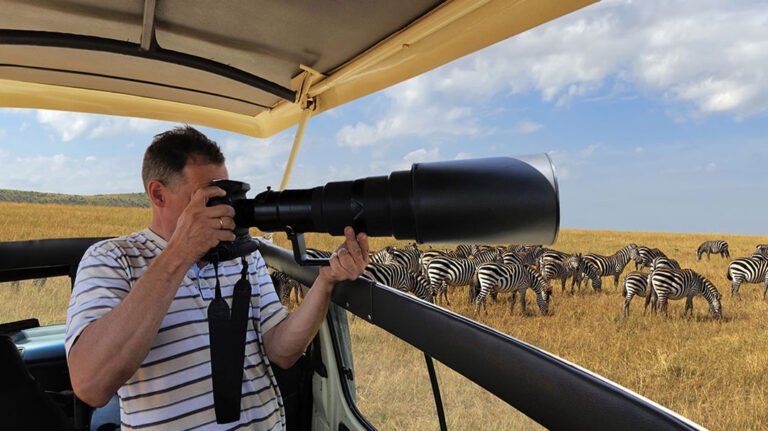
AFCON 2027 Mid Range Safari Packages Tanzania
Mwongozo wa safari ya kati ya AFCON 2027 Tanzania kutoka Climb 4 Africa: mipango ya njia, maeneo ya msitu wa serikali, na usalama wa wasafiri. Onyesha jinsi ya kuchagua kilima cha kati...
View package details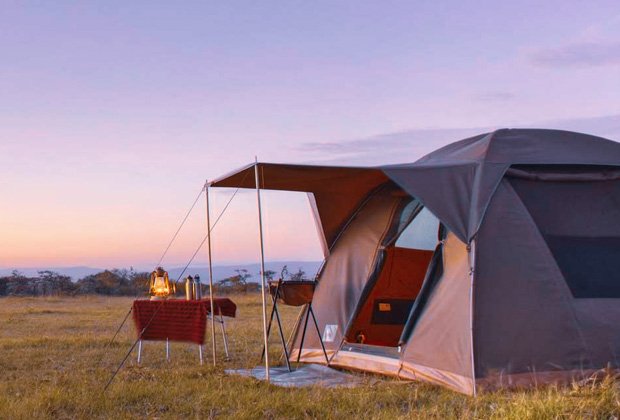
Best Tanzania Safari Before Afcon Final
Best Tanzania Safari Before AFCON 2027 Final.
View package detailsBest Tanzania Safari After Afcon Match
Best Tanzania Safari After AFCON 2027 Match.
View package details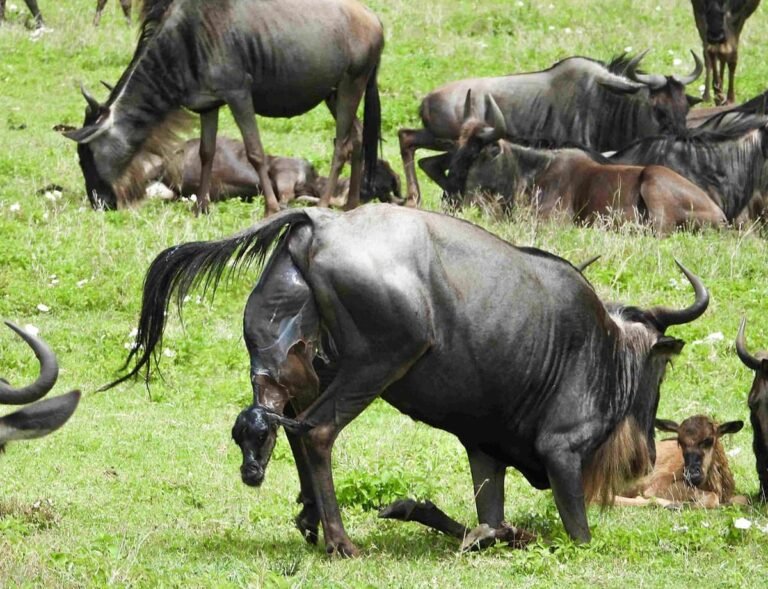
Five Day Tanzania Safari And Afcon Package
Five Day Tanzania Safari and AFCON Package.
View package details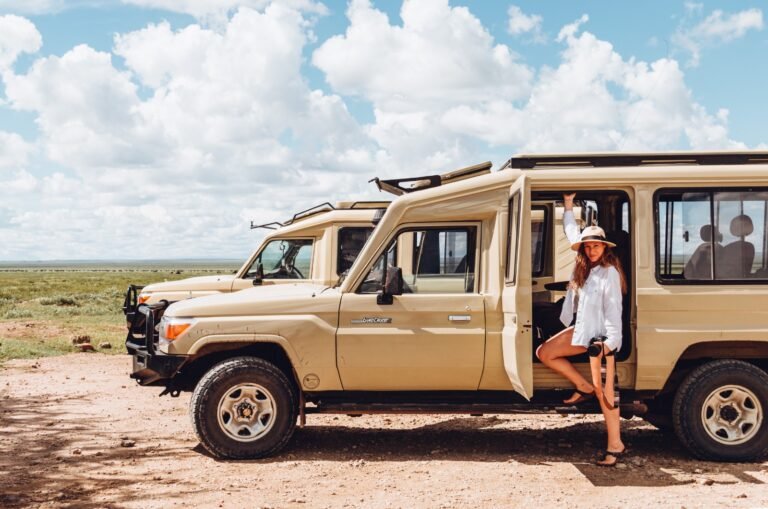
Afcon Northern Tanzania Safari Packages
AFCON 2027 Northern Tanzania Safari Packages.
View package detailsAfcon Tanzania Football Kilimanjaro And Safari Tour
AFCON 2027 Tanzania Football Kilimanjaro and Safari Tour.
View package details
Tanzania Safari Packages from Dar es Salaam During AFCON 2027
Mwongozo wa kina wa safari za Tanzania kuanzia Dar es Salaam wakati AFCON 2027: rasilimali, mipango ya siku, na hatua za uhakika za ziara za wanyama na mbuga maarufu.
View package detailsTanzania Safari Tours for AFCON 2027 Fans
Muhtasari wa safari za Tanzania kwa mashabiki wa AFCON 2027: maeneo ya hifadhi, mizunguko ya wildlife, usalama wa safari, na jinsi ya kupanga na kuhudumiwa na Climb 4 Africa.
View package details
Dec 20, – 10 Day Complete Tanzania Group Joining Safari
Dec 20, 2026 – 10 Day Complete Tanzania Group Joining Safari.
View package detailsHow Early Should I Book A Nov Or Dec Tanzania Group Safari?
How Early Should I Book a Nov or Dec Tanzania Group Safari?
View package detailsNo related package matches those filters. Clear one or more filters to see the other topic-matched options.