For travelers from the UK and Europe planning a safari in Tanzania, the most practical approach involves booking international flights to Kilimanjaro International Airport (JRO) or Julius Nyerere International Airport (DAR) and then arranging internal transfers or connecting flights to your specific safari starting point or lodge. When planning for 2026-2027, consider booking flights 6-12 months in advance, especially for peak safari seasons like June-October and December-February. Safari itineraries typically range from 3 to 10 days, with costs varying significantly based on accommodation style, vehicle type, and inclusions, generally falling between $2,000 to $8,000+ per person for mid-range to luxury experiences, excluding international airfare.
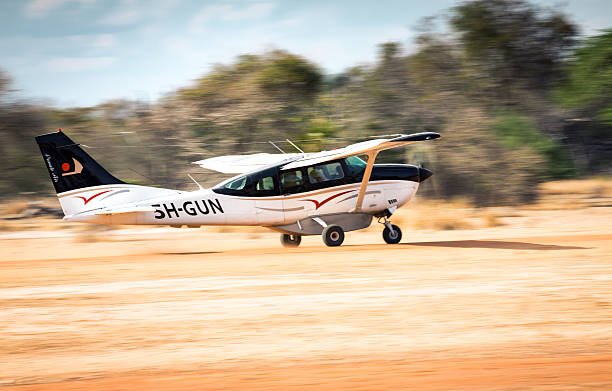

Understanding Your Journey: Flights from UK & Europe to Tanzania
Embarking on a Tanzanian safari from the UK or Europe is an exciting prospect, but it begins with a significant journey across continents. The primary gateway for most safari-goers is Kilimanjaro International Airport (JRO), ideally located near Arusha, the hub for Northern Circuit safaris. Alternatively, Julius Nyerere International Airport (DAR) in Dar es Salaam serves as the main international gateway for Southern Circuit safaris and Zanzibar. Choosing between JRO and DAR often depends on your planned safari route and whether Zanzibar is part of your itinerary.
International flights from major European hubs like London, Paris, Amsterdam, Frankfurt, and Rome typically involve one or two stops. Common layover cities include Doha, Dubai, Istanbul, Amsterdam, or Nairobi. Airlines such as Qatar Airways, Emirates, Turkish Airlines, KLM, and Ethiopian Airlines are frequent carriers. Direct flights are rare and often more expensive, making the one-stop options the most popular for balancing cost and travel time for UK & Europe to Tanzania flights.
When considering flights for 2026-2027, flexibility with your travel dates can lead to significant savings. Mid-week departures and arrivals are often cheaper than weekend ones. Booking well in advance, ideally 6 to 12 months out, is crucial for securing better fares and availability, especially if you’re targeting popular safari periods. The total flight time can range from 12 to 20+ hours, depending on the layover duration and destination airport in Tanzania.
Choosing Your Arrival Airport: JRO vs. DAR
Your decision on which airport to fly into, JRO or DAR, is a foundational planning step for your UK & Europe to Tanzania flights and safari. Each has distinct advantages:
- Kilimanjaro International Airport (JRO): This is the preferred arrival point for most safaris in Tanzania’s famous Northern Circuit. This circuit includes the Serengeti National Park, Ngorongoro Conservation Area, Tarangire National Park, and Lake Manyara National Park. Arriving at JRO means you are already close to Arusha, the safari capital, minimizing initial travel time within Tanzania. If your primary focus is Mount Kilimanjaro or the Northern Circuit parks, JRO is almost always the most efficient choice.
- Julius Nyerere International Airport (DAR): Located in Dar es Salaam, Tanzania’s largest city, DAR is the main gateway for Southern Circuit safaris, which include parks like Selous Game Reserve (now Nyerere National Park) and Ruaha National Park. It’s also the primary entry point for travelers heading directly to Zanzibar for beach holidays or combining a safari with island relaxation. If your itinerary leans towards the less crowded, wilder parks of the south, or if Zanzibar is a significant part of your trip, DAR might be more suitable.
Many travelers opt to fly into one and out of the other, especially for longer trips that cover both circuits or combine safari with Zanzibar. For instance, flying into JRO, undertaking a Northern Circuit safari, taking a domestic flight or overland transfer to Zanzibar, and then flying out of DAR is a common and logical flow. Understanding this geographical split is key to optimizing your UK & Europe to Tanzania flights and internal travel plans.
Key Airlines and Booking Strategies for 2026-2027
Securing the best flights for your 2026-2027 Tanzanian adventure requires a strategic approach. Several major international airlines offer routes from the UK and Europe to Tanzania, each with its own strengths:
- Qatar Airways: Known for its excellent service and convenient hub in Doha, Qatar Airways offers a comfortable journey with good connections to both JRO and DAR.
- Emirates: Flying via Dubai, Emirates provides a premium travel experience and is a popular choice for many travelers.
- Turkish Airlines: With Istanbul as its hub, Turkish Airlines offers competitive pricing and extensive network coverage, often providing good options for UK & Europe to Tanzania flights.
- KLM/Air France: These carriers offer connections through Amsterdam and Paris respectively, often with competitive fares and reliable service.
- Ethiopian Airlines: Utilizing Addis Ababa as its hub, Ethiopian Airlines is a significant player in African air travel and can offer good connectivity, particularly for those seeking to connect via East Africa.
- Kenya Airways: While often requiring a connection in Nairobi, Kenya Airways can sometimes present competitive options, especially if you plan to visit Kenya as well.
Booking tips for 2026-2027:
- Start Early: For travel in 2026 or 2027, begin your search at least 9-12 months in advance. This is especially true for peak seasons (July-October, December-February) and if you have fixed travel dates.
- Compare, Compare, Compare: Utilize flight comparison websites (e.g., Skyscanner, Google Flights, Kayak) to get an overview of available routes and prices. However, always check the airline’s direct website before booking, as sometimes direct booking can offer better deals or more flexibility.
- Consider Layovers: Longer layovers might reduce the ticket price but will increase your overall travel time. Factor this into your decision, especially if you have a tight schedule upon arrival.
- Be Flexible with Dates: If your schedule allows, shifting your travel dates by a few days can sometimes yield substantial savings. Use flexible date search tools to identify the cheapest periods.
- Sign up for Alerts: Many flight comparison sites and airlines offer fare alert services. Set these up for your desired routes to be notified of price drops.
When comparing options for UK & Europe to Tanzania flights, pay close attention to the total travel time, the number of stops, and the layover duration. A slightly longer journey with a more convenient layover might be preferable to a shorter flight with a lengthy or inconvenient stop.
Planning Your Tanzanian Safari: What to Expect
Once your flights are sorted, the real excitement of planning your Tanzanian safari begins. Tanzania is renowned for its diverse landscapes and incredible wildlife concentrations, offering experiences that cater to various interests and budgets. The core of any safari involves game drives, where you explore national parks and reserves in custom-built 4×4 safari vehicles, searching for the ‘Big Five’ (lion, leopard, elephant, rhino, buffalo) and a myriad of other fascinating creatures.
A typical safari itinerary from the UK & Europe to Tanzania will often start with an orientation in Arusha (if arriving at JRO) or Dar es Salaam (if arriving at DAR). From there, you’ll venture into the national parks. The duration of your safari is a key factor: short trips might focus on one or two parks, while longer safaris can cover multiple regions, offering a richer and more varied wildlife viewing experience. For 2026-2027, consider the migration patterns when choosing your safari dates and locations.
Key Safari Regions:
- Serengeti National Park: Famous for the Great Migration, vast plains, and exceptional predator sightings. It’s a must-visit for many.
- Ngorongoro Conservation Area: Home to the Ngorongoro Crater, a UNESCO World Heritage Site offering dense wildlife populations in a unique caldera setting.
- Tarangire National Park: Known for its large elephant herds and iconic baobab trees, especially prominent during the dry season.
- Lake Manyara National Park: Famous for its tree-climbing lions, large baboon troops, and diverse birdlife.
- Ruaha National Park: Tanzania’s largest park, offering a more remote and wild experience with significant predator numbers.
- Nyerere National Park (formerly Selous): The largest game reserve in Africa, offering boat safaris along the Rufiji River and walking safaris in addition to game drives.
The choice of accommodation significantly impacts the safari experience and cost. Options range from comfortable tented camps and lodges to ultra-luxury tented suites. When planning your 2026-2027 safari, remember that popular lodges and camps, especially in prime locations within the Serengeti or near the Ngorongoro Crater, get booked up months, even a year, in advance.
Safari Durations: Finding the Right Fit
The length of your safari is a critical decision that influences the depth of your experience, the number of parks you can visit, and the overall cost. For those traveling from the UK & Europe to Tanzania, understanding these durations is key to planning effectively for 2026-2027:
- 3-4 Day Safaris: These are typically introductory safaris, often focusing on the parks closest to Arusha, such as Lake Manyara and Tarangire, or a brief visit to the Ngorongoro Crater. They are suitable for travelers with limited time or those combining a safari with a Kilimanjaro climb or Zanzibar trip. While you’ll see wildlife, the experience will be less comprehensive.
- 5-7 Day Safaris: This is a popular duration that allows for a more in-depth exploration of the Northern Circuit. You can comfortably visit the Serengeti for at least two full days, along with Tarangire and the Ngorongoro Crater. This duration offers a good balance between wildlife viewing opportunities and travel time within Tanzania.
- 8-10 Day Safaris: For a truly in-depth experience, an 8-10 day safari is highly recommended. This allows for extended time in the Serengeti, potentially exploring different regions like the central plains, western corridor, or northern Serengeti depending on the season. You can also add other parks like Lake Manyara or even include a day trip to a Maasai village.
- 10+ Day Safaris: Longer safaris can incorporate both the Northern and Southern Circuits, or combine a comprehensive Northern Circuit safari with a few days on the coast or in Zanzibar. This is for the serious wildlife enthusiast who wants to experience the full diversity of Tanzania’s ecosystems and wildlife.
When planning your 2026-2027 safari, consider how much time you have for travel within Tanzania after your international flight. A 7-day safari might feel rushed if it includes 2 full days of travel to and from the parks. A 7-day safari typically means 5-6 days of actual game viewing. For most visitors from the UK & Europe, a minimum of 5 days on safari is recommended to truly appreciate the experience.
Accommodation Styles: From Tented Camps to Luxury Lodges
Your choice of accommodation will significantly shape your safari experience and budget. Tanzania offers a wide spectrum, from rustic to opulent:
- Budget/Mid-Range Lodges & Tented Camps: These offer comfortable, clean rooms or permanent tents with en-suite bathrooms. They provide essential amenities, good food, and a central location for game drives. They are an excellent choice for travelers seeking value without compromising on the safari experience. Expect to pay roughly $250-$500 per person per night in these accommodations.
- Luxury Tented Camps & Lodges: These offer a more refined experience with spacious tents or rooms, often featuring private verandas, high-quality linens, gourmet dining, and personalized service. Some may include amenities like swimming pools. These are ideal for those seeking comfort and a touch of indulgence. Prices typically range from $500-$1000+ per person per night.
- Exclusive/Ultra-Luxury Lodges: For the ultimate in comfort and exclusivity, these properties offer private plunge pools, butler service, fine dining, and often unique locations. They are designed for discerning travelers seeking a bespoke and high-end safari. Expect to pay $1000-$2500+ per person per night.
When booking for 2026-2027, it’s vital to understand what is included in your accommodation rate. Most safari lodges and camps operate on a full-board basis (breakfast, lunch, dinner). Some may include select drinks, while others charge extra. Always clarify this when getting quotes.
Accommodation Trade-offs:
Location vs. Luxury: Sometimes, the most exclusive lodges are in slightly less accessible areas, meaning more travel time. Lodges closer to park gates or central areas might be less secluded but offer more convenience for game drives.
Tented vs. Permanent: Tented camps can offer a more authentic ‘out in the bush’ feel, while lodges provide more permanent structures and amenities. Both can be equally luxurious.
All-Inclusive vs. Full Board: ‘All-inclusive’ on safari usually means all meals and most drinks are covered. This can be cost-effective if you enjoy a few drinks with your meals. Always check the specifics.
Cost Considerations for UK & Europe to Tanzania Safaris (2026-2027)
Understanding the costs involved in a Tanzanian safari is crucial for budgeting your trip, especially when planning for 2026-2027. The price of a safari is influenced by numerous factors, and it’s important to get a clear breakdown from your tour operator.
Key Cost Components:
- International Flights: As discussed, these are separate from safari costs. For 2026-2027, budget anywhere from £600 to £1,500+ per person for round-trip economy flights from the UK/Europe, depending on the season, airline, and booking time.
- Safari Package Costs: This is the core expense and includes accommodation, park fees, game drives (vehicle, guide, fuel), meals, and often internal transfers.
- Park Entrance Fees: These are significant and vary by park. For example, the Serengeti can cost around $70-$80 per person per day, and Ngorongoro Crater fees are substantial. These are usually included in tour operator quotes.
- Vehicle and Guide Hire: A private 4×4 safari vehicle with a dedicated guide is standard for most safari packages. The cost of this is a major component.
- Accommodation: As detailed above, this is a primary driver of safari cost.
- Internal Flights: If you opt for flights between parks or to Zanzibar instead of overland travel, these will add to the cost.
- Tanzania Visa: Currently around $50-$100 depending on nationality.
- Travel Insurance: Essential for any international trip.
- Tips: Gratuities for guides, camp staff, and drivers are customary.
- Personal Expenses: Souvenirs, extra drinks, laundry, etc.
General Safari Cost Ranges (per person, excluding international flights):
- Budget Safari: Expect around $200 – $300 per day. This usually involves more basic accommodation, potentially shared vehicles for longer durations, and less luxurious camps.
- Mid-Range Safari: Typically $350 – $600 per day. This offers comfortable lodges and tented camps, private 4×4 vehicles, and a good balance of quality and value. This is where most travelers find their sweet spot for UK & Europe to Tanzania flights and safaris.
- Luxury Safari: Ranging from $600 – $1,200+ per day. This includes high-end lodges, exclusive camps, private guides, and often internal flights.
For a typical 7-day safari for two people from the UK & Europe to Tanzania, a mid-range package could therefore cost approximately $2,450 – $4,200 per person, plus international flights. For 2026-2027, these figures are a good starting point, though inflation and currency fluctuations can occur.
What a Mid-Range Safari Quote Typically Includes:
- Airport transfers in Tanzania
- Private 4×4 safari vehicle with a professional English-speaking driver-guide
- Accommodation as per itinerary (mid-range lodges/tented camps)
- All meals during the safari (breakfast, lunch, dinner)
- Park entrance fees and conservation fees
- Crater service fee (Ngorongoro)
- Bottled drinking water in the safari vehicle
- One-way domestic flight if needed (e.g., Serengeti to Arusha, if applicable)
Exclusions often include: International flights, Tanzanian visa, travel insurance, tips, personal expenses, alcoholic and soft drinks (unless specified), optional activities (e.g., hot air balloon safari).
Optimizing Your Budget for 2026-2027
To make your UK & Europe to Tanzania flights and safari as cost-effective as possible for 2026-2027, consider these strategies:
- Travel in the Shoulder Seasons: The periods just before and after the peak seasons (e.g., March-May, September-October) often offer lower prices and fewer crowds, with still excellent wildlife viewing.
- Group Travel: Traveling with friends or family allows you to share the cost of a private vehicle and guide, making it more economical per person. Look for group departures if you are a solo traveler or couple.
- Consider Overland Travel: While internal flights save time, overland transfers between parks can be more budget-friendly, though they significantly increase travel time.
- Choose Your Parks Wisely: Some parks have higher daily fees than others. A well-designed itinerary can balance iconic parks with slightly less expensive ones.
- Book with Local Experts: Companies like Climb 4 Africa, based in Tanzania, often have lower overheads than overseas operators and a better understanding of local costs, potentially offering more competitive pricing for your safari package.
When you receive quotes for your 2026-2027 safari, scrutinize them carefully. Ensure you understand exactly what is included and what is not. A cheap quote might hide significant extra costs later on.
Best Time to Visit Tanzania for Safaris in 2026-2027
Tanzania offers fantastic safari opportunities year-round, but certain periods are considered optimal for wildlife viewing and general travel comfort. Understanding these nuances will help you choose the best time for your 2026-2027 adventure, especially when planning your UK & Europe to Tanzania flights and safari.
Peak Safari Seasons (Dry Season)
The dry season, generally from June to October, is considered the prime time for safari in Tanzania. During these months:
- Wildlife Concentration: Animals tend to congregate around permanent water sources, making them easier to spot.
- The Great Migration: This is the period when the vast herds of wildebeest and zebras are typically found in the Serengeti, often crossing the Mara River (usually July-September), a spectacular sight.
- Vegetation: The landscape is less dense, improving visibility for game viewing.
- Weather: Pleasant temperatures, sunny days, and minimal rainfall.
This is also the most popular and therefore most expensive time to visit. Lodges and flights will be in high demand, so booking for 2026-2027 well in advance is essential.
Green Season (Wet Season)
The wet season runs from approximately November to May. While often perceived as less ideal, it offers distinct advantages:
- Calving Season: The short rains (November-December) often coincide with the wildebeest calving season in the southern Serengeti, a magical time to witness new life and increased predator activity.
- Lush Landscapes: The scenery is vibrant and green, offering beautiful photographic opportunities.
- Birdwatching: Migratory birds arrive, making it an excellent time for ornithologists.
- Fewer Crowds & Lower Prices: This is the low season, meaning fewer tourists and often more competitive pricing for safaris and flights.
- Long Rains (March-May): This period can see heavy rainfall, making some park roads difficult to traverse and potentially impacting game viewing. Many lodges close or offer significant discounts during this time.
For 2026-2027, consider the shoulder months of June and November for a good balance of decent weather, wildlife activity, and potentially better value.
Specific Considerations for 2026-2027
When planning your 2026-2027 safari, keep these points in mind:
- Migration Timing: The exact location of the Great Migration can vary year to year. Consult with your tour operator closer to your travel dates for the most up-to-date information.
- Zanzibar: For beach holidays, avoid the main rainy seasons (March-May and November). The dry seasons (June-October and December-February) are best.
- Kilimanjaro Climbs: The best months for climbing Kilimanjaro are generally the dry seasons (January-March and June-October).
Ultimately, Tanzania is a year-round safari destination. Even during the wet season, wildlife is abundant, and the experience can be incredibly rewarding and more intimate.
Tailoring Your Safari: Private vs. Group Tours
A significant decision when planning your UK & Europe to Tanzania flights and safari is whether to opt for a private tour or join a group departure. Both have distinct advantages, catering to different traveler preferences and budgets.
Private Safaris
A private safari is fully customized to your interests, pace, and budget. You have your own dedicated safari vehicle and guide for the duration of your trip.
- Pros:
- Flexibility: You set the pace, decide when to stop for photos, where to spend more time, and what interests you most.
- Exclusivity: You share the vehicle only with your companions, offering a more intimate experience.
- Customization: Itineraries can be tailored precisely to your interests, whether it’s birdwatching, photography, or specific wildlife focus.
- Optimal for Families/Groups: Ideal for families or groups of friends traveling together, as you can share costs and have a trip designed around everyone’s needs.
- Cons:
- Higher Cost: Generally more expensive than group tours due to the dedicated vehicle and guide.
- Requires More Planning: You’ll need to work closely with your operator to design the perfect itinerary.
If you’re looking for a bespoke experience for your 2026-2027 safari, a private tour offers unparalleled control and personalization.
Group Safaris (Shared Departures)
Group safaris involve joining a pre-set itinerary with other travelers who have booked the same dates. These are often marketed as ‘scheduled’ or ‘group’ departures.
- Pros:
- Cost-Effective: The cost of the vehicle and guide is shared among multiple travelers, making it significantly cheaper per person.
- Social Experience: Great for solo travelers or couples looking to meet like-minded people.
- Hassle-Free Planning: The itinerary is fixed, and you just need to book your spot.
- Cons:
- Less Flexibility: You must adhere to the group’s schedule, stops, and pace.
- Shared Vehicle: You’ll be sharing with strangers, which might mean compromises on seating or photo opportunities.
- Fixed Itinerary: Limited ability to deviate from the planned route or schedule.
For UK & Europe to Tanzania flights and safari packages, operators like Climb 4 Africa offer fixed group departure dates for popular itineraries. These are excellent for budget-conscious travelers or those who enjoy a social travel experience. You can find group departure dates for safaris and Kilimanjaro climbs on their website.
Choosing Between Private and Group for 2026-2027:
Consider your priorities: If flexibility, privacy, and a tailor-made experience are paramount, a private safari is the way to go. If budget and a social atmosphere are more important, a group safari is ideal.
Group size matters: Some operators offer small group departures (e.g., maximum 6-7 people) which can be a good compromise, offering a more intimate feel than larger groups.
Communicate your needs: If considering a group safari, ask about the typical group size and whether there are any guarantees on the maximum number of people per vehicle.
Booking Your Tanzanian Adventure: Practical Steps for 2026-2027
Booking your safari from the UK & Europe to Tanzania involves several key steps. Doing this correctly ensures a smooth and memorable trip for 2026-2027.
Step 1: Research and Choose Your Operator
This is perhaps the most critical step. Look for reputable tour operators with a strong local presence in Tanzania. Companies like Climb 4 Africa, based in Moshi, offer deep local knowledge, practical support, and often better value than overseas-based agents who may mark up prices considerably.
What to look for:
- Local Expertise: A company that operates directly in Tanzania understands the ground realities, logistics, and local pricing.
- Reviews and Testimonials: Check independent review sites like TripAdvisor. For example, reviews for operators like Climb 4 Africa (associated with Climb 4 Africa) can provide insights into customer satisfaction.
- Clear Inclusions/Exclusions: Ensure you know exactly what your safari package covers.
- Responsiveness: How quickly and thoroughly do they answer your questions?
- Certifications and Affiliations: While not always present, some memberships can indicate professionalism.
Step 2: Define Your Itinerary and Budget
Based on your interests, available time, and budget, work with your chosen operator to craft an itinerary. Be clear about:
- Desired parks and duration
- Accommodation style (budget, mid-range, luxury)
- Travel dates (flexible or fixed)
- Type of safari (private or group)
For 2026-2027, start this process early. Popular dates and accommodations are in high demand.
Step 3: Request Quotes and Compare
Once you have a draft itinerary, ask for detailed quotes from 2-3 operators. Ensure the quotes are comparable in terms of inclusions and accommodation levels.
Step 4: Booking and Payment
Upon selecting an operator and itinerary:
- Deposit: Typically, a deposit of 20-50% is required to secure your booking and confirm your safari dates and accommodations for 2026-2027.
- Final Payment: The balance is usually due 30-60 days before your safari start date.
- Contracts: Read all booking terms and conditions carefully, especially regarding cancellations and amendments.
Payment methods often include bank transfers or credit card payments (which may incur a surcharge).
Step 5: Pre-Departure Preparations
After booking, focus on:
- Visas: Check visa requirements for Tanzania for your nationality. You can often apply online in advance.
- Vaccinations and Health: Consult your doctor or a travel clinic about recommended vaccinations (e.g., Yellow Fever, Hepatitis A/B, Typhoid) and malaria prophylaxis.
- Travel Insurance: Ensure it covers medical emergencies, trip cancellation, and evacuation.
- Packing: Prepare a packing list, focusing on neutral-colored clothing, layers, sun protection, insect repellent, and comfortable walking shoes.
- Flight Bookings: Confirm your international UK & Europe to Tanzania flights and any internal flights.
Final Booking Checklist for Your 2026-2027 Tanzania Safari:
- Confirmed Itinerary: All parks, activities, and durations are agreed upon.
- Accommodation Details: Specific lodges/camps booked.
- Vehicle & Guide: Type of vehicle and guide confirmed (private/shared).
- Inclusions/Exclusions: Clearly listed and understood.
- Total Cost: Breakdown provided.
- Deposit Paid: Confirmation received.
- Balance Due Date: Noted.
- Cancellation Policy: Understood.
- Contact Details: Operator’s emergency contact information.
By following these steps, you can confidently plan and book your incredible UK & Europe to Tanzania flights and safari for 2026-2027. For personalized assistance and to discuss tailor-made itineraries, feel free to reach out to Climb 4 Africa. Their local expertise ensures you get the most authentic and well-supported Tanzanian travel experience.
Frequently Asked Questions (FAQs) about UK & Europe to Tanzania Flights and Safaris
Can I fly directly from the UK to Tanzania?
Direct flights from the UK to Tanzania are very rare and often not the most cost-effective option. Most flights involve at least one stop, typically in hubs like Doha, Dubai, Istanbul, or Amsterdam.
What is the best time of year for a safari in Tanzania for 2026-2027?
The dry season from June to October is considered peak safari season due to excellent wildlife viewing and the Great Migration. However, the shoulder seasons (e.g., June, November) can offer a good balance of good weather, wildlife, and fewer crowds/better prices. For 2026-2027, consider these periods carefully.
How much does a Tanzanian safari typically cost for someone from Europe?
Excluding international flights, a mid-range Tanzanian safari can cost between $350 – $600 per person per day. This includes accommodation, park fees, a private vehicle, guide, and meals. Luxury safaris will be significantly higher.
What is the difference between a private and a group safari?
A private safari means you have your own vehicle and guide, offering maximum flexibility and customization. A group safari involves joining a pre-set itinerary with other travelers, sharing costs and the vehicle, making it more budget-friendly but less flexible.
Do I need a visa to enter Tanzania?
Yes, most nationalities require a visa to enter Tanzania. This can often be obtained online in advance (e-visa) or upon arrival at the airport, though applying in advance is recommended for a smoother process.
How far in advance should I book my 2026-2027 safari?
For travel in 2026 or 2027, it is highly recommended to book your safari and international flights at least 6-12 months in advance, especially if you plan to travel during peak seasons or wish to secure specific lodges or group departure dates.
Planning your journey from the UK & Europe to Tanzania for a safari adventure in 2026-2027 involves careful consideration of flights, safari itineraries, accommodation, and budget. By leveraging local expertise and starting your planning early, you can create an unforgettable experience. For bespoke safari planning and expert guidance, contacting Climb 4 Africa at WhatsApp +255 747 477 898 or Email climb4africa@gmail.com is an excellent next step. They specialize in creating tailor-made Tanzanian adventures that cater to individual needs and preferences, ensuring your trip is smooth from start to finish.
Check Availability for Uk & Europe To Tanzania Flights + Safari: Planning Your African Adventure
Ready to compare dates, prices, and the best option for your group? Send the package name and travel month so the team can reply with a clear quote, availability, and what is included.
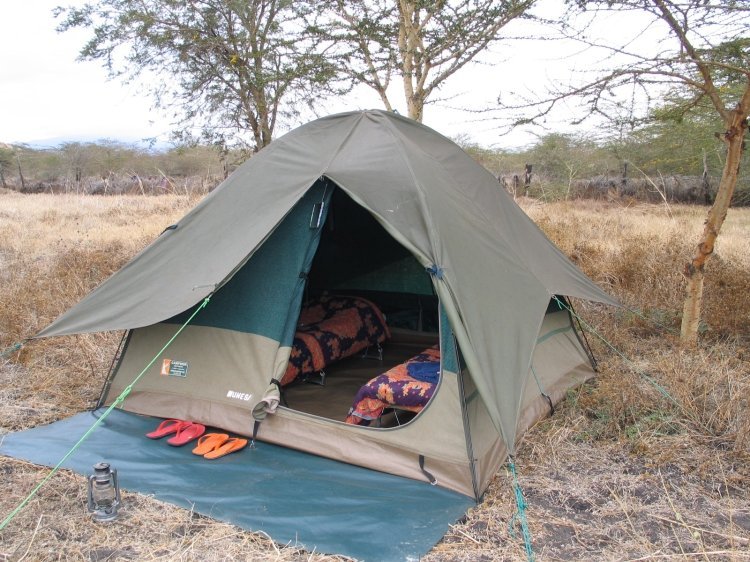
AFCON 2027 Safari Packages from Tanzania
Hitaji la safari ya kundoka ili kufurahia AFCON 2027? Chagua kutoka kwa mikakati ya safari nchini Tanzania inayoambatana na wildlife, mbuga maarufu, na uwekaji wa huduma ya kimataifa ya...
View package details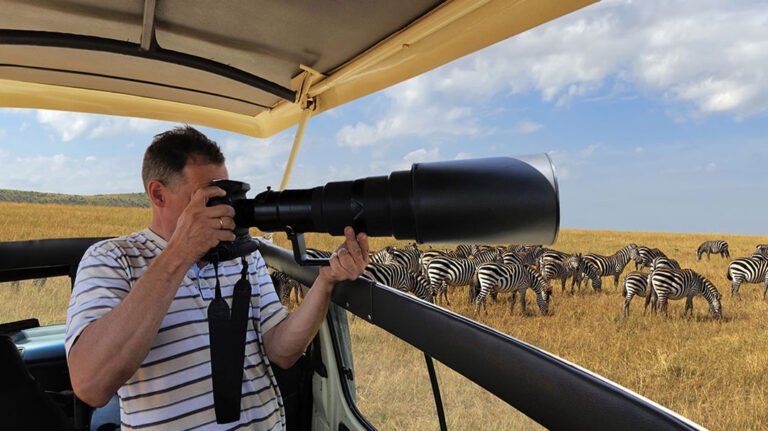
AFCON 2027 Mid Range Safari Packages Tanzania
Mwongozo wa safari ya kati ya AFCON 2027 Tanzania kutoka Climb 4 Africa: mipango ya njia, maeneo ya msitu wa serikali, na usalama wa wasafiri. Onyesha jinsi ya kuchagua kilima cha kati...
View package details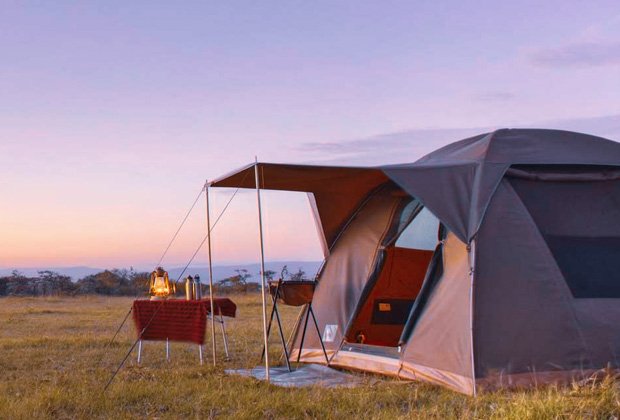
Best Tanzania Safari Before Afcon Final
Best Tanzania Safari Before AFCON 2027 Final.
View package detailsBest Tanzania Safari After Afcon Match
Best Tanzania Safari After AFCON 2027 Match.
View package details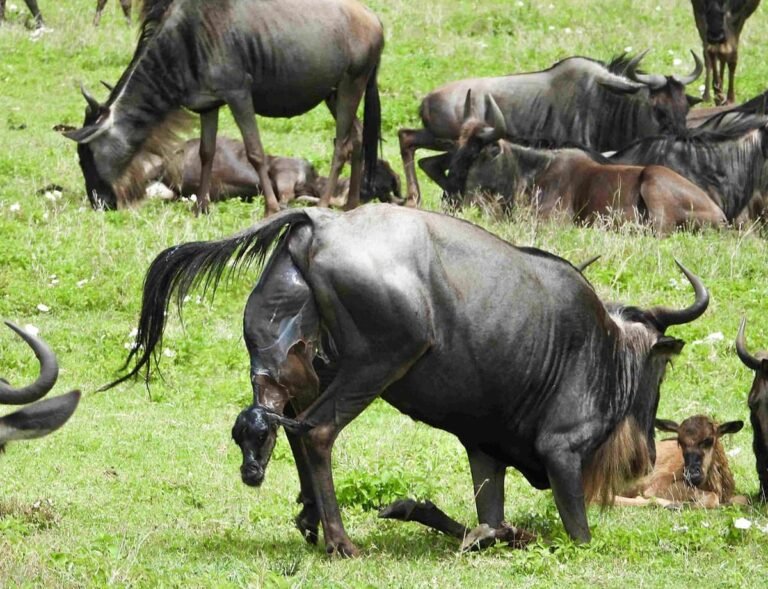
Five Day Tanzania Safari And Afcon Package
Five Day Tanzania Safari and AFCON Package.
View package details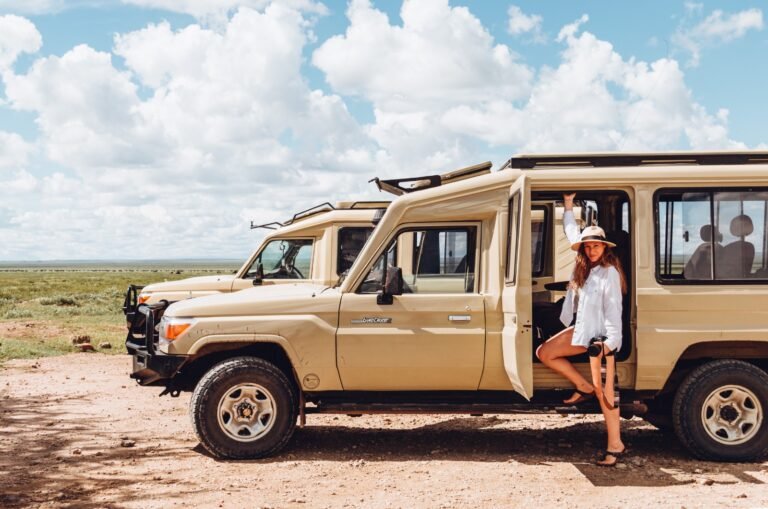
Afcon Northern Tanzania Safari Packages
AFCON 2027 Northern Tanzania Safari Packages.
View package detailsAfcon Tanzania Football Kilimanjaro And Safari Tour
AFCON 2027 Tanzania Football Kilimanjaro and Safari Tour.
View package details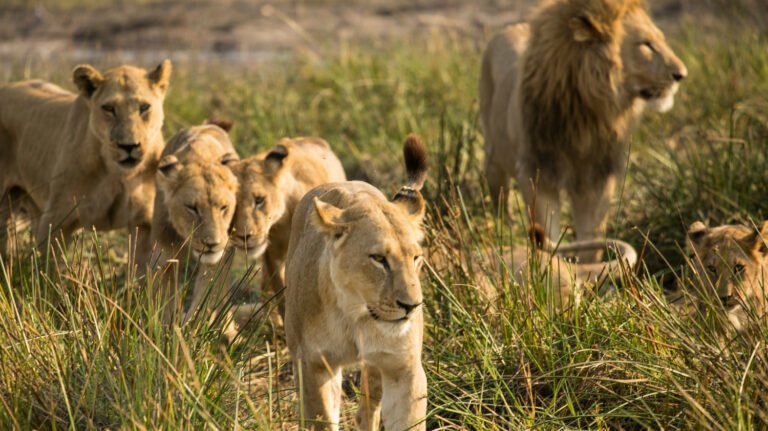
Tanzania Safari Packages from Dar es Salaam During AFCON 2027
Mwongozo wa kina wa safari za Tanzania kuanzia Dar es Salaam wakati AFCON 2027: rasilimali, mipango ya siku, na hatua za uhakika za ziara za wanyama na mbuga maarufu.
View package detailsTanzania Safari Tours for AFCON 2027 Fans
Muhtasari wa safari za Tanzania kwa mashabiki wa AFCON 2027: maeneo ya hifadhi, mizunguko ya wildlife, usalama wa safari, na jinsi ya kupanga na kuhudumiwa na Climb 4 Africa.
View package details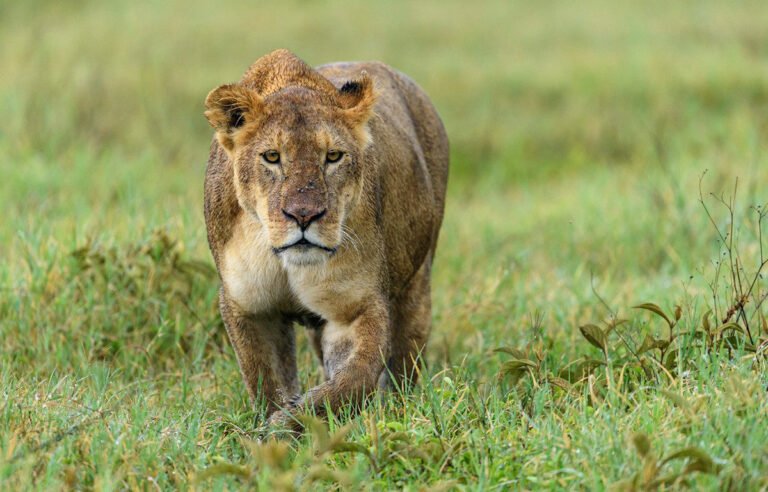
Dec 20, – 10 Day Complete Tanzania Group Joining Safari
Dec 20, 2026 – 10 Day Complete Tanzania Group Joining Safari.
View package detailsHow Early Should I Book A Nov Or Dec Tanzania Group Safari?
How Early Should I Book a Nov or Dec Tanzania Group Safari?
View package detailsNo related package matches those filters. Clear one or more filters to see the other topic-matched options.