Absolutely, you can stay in the Serengeti without opting for an expensive luxury lodge. While high-end lodges offer unparalleled comfort and amenities, numerous more affordable options exist, including mid-range lodges, tented camps, and even public campsites within or near the park. These alternatives still provide incredible access to wildlife and the Serengeti experience, allowing travelers to tailor their safari to their budget for trips planned in 2026 and 2027.
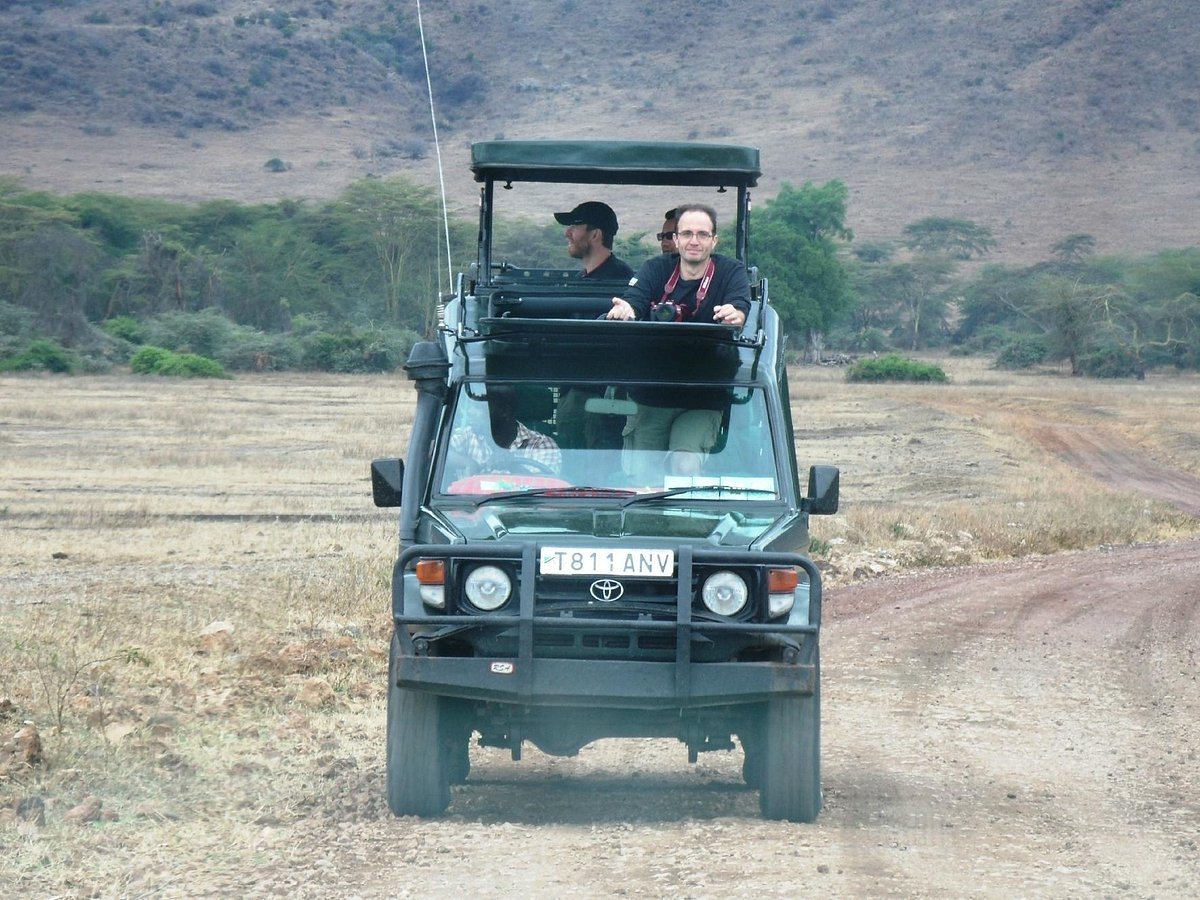

Understanding Your Serengeti Accommodation Choices
The Serengeti National Park is an iconic destination, synonymous with vast plains, incredible wildlife migrations, and the quintessential African safari. When planning a trip, especially for 2026 or 2027, the first thought often goes to luxurious lodges with infinity pools overlooking the savanna. However, this image doesn’t represent the full spectrum of possibilities. For many travelers, the primary concern is experiencing the Serengeti’s natural wonders, and the good news is that this goal is achievable without an exorbitant expense. The key lies in understanding the different tiers of accommodation and what each offers in terms of location, amenities, and, crucially, cost.
The decision between a luxury lodge and more budget-friendly options often hinges on a traveler’s priorities. Are you seeking five-star service, gourmet dining, and private plunge pools, or is your main objective to be as close to the wildlife as possible, with clean, safe, and comfortable lodging? The Serengeti caters to both desires. Recognizing this spectrum is the first step in planning a safari that fits your financial plan for your 2026-2027 adventure.
This guide will break down the various accommodation types available, detailing their pros and cons, typical locations, and what you can realistically expect. We’ll look at how to maximize your safari experience while minimizing costs, making the Serengeti accessible for a wider range of travelers. Planning ahead for 2026-2027 is crucial for securing the best options and rates, especially for the more sought-after budget-friendly spots.
Public Campsites: The Ultimate Budget Serengeti Experience
For the truly adventurous and budget-conscious traveler, public campsites within the Serengeti National Park offer the most direct and cost-effective way to stay inside the park’s boundaries. These are not your typical glamping sites; they are basic facilities designed for those who prioritize proximity to wildlife and a raw, authentic safari experience over creature comforts. Planning for 2026-2027, these sites are often booked up well in advance, especially during peak seasons.
What to Expect at Public Campsites
Public campsites, often referred to as ‘banda’ camps or designated camping areas, typically provide a cleared area for pitching tents, and sometimes basic ablution blocks with pit latrines and cold showers. You will need to bring your own camping gear or arrange for it to be provided by your tour operator. Electricity is usually non-existent, and amenities are minimal. You won’t find restaurants or bars here; meals are typically prepared by your safari cook, a common arrangement when booking a safari package that includes camping.
The primary advantage is unparalleled immersion. You are literally sleeping under the stars, with the sounds of the African bush surrounding you. Wildlife encounters can happen right outside your tent, offering a thrilling and unforgettable experience. The cost savings are significant compared to lodges and even many private tented camps. For a 2026-2027 safari, this is the most economical way to spend nights within the Serengeti itself.
Pros and Cons of Public Campsites
- Pros:
- Most Affordable: Significantly cheaper than any other accommodation type within the park.
- Prime Location: Offers direct access to wildlife viewing areas and is often strategically placed for migration viewing (depending on the season).
- Authentic Experience: Provides a genuine connection to the wilderness.
- Flexibility: Can be part of a self-drive itinerary or a budget-driven package tour.
- Cons:
- Basic Facilities: Minimal amenities, no luxury, and shared facilities.
- Requires Self-Sufficiency: You’ll need to bring or arrange for camping gear and food.
- Wildlife Proximity: While thrilling, it also means being very aware of your surroundings and taking precautions against animals, especially at night.
- Weather Dependent: Comfort levels can be significantly impacted by rain or extreme heat.
Popular Public Campsite Locations
The Serengeti has several designated public campsites. Some of the most popular and strategically located include:
- Seronera Public Campsite: Located near the Seronera River in the central Serengeti, an area known for its year-round resident wildlife, including large cat populations.
- Ndutu Public Campsite: Situated in the Ngorongoro Conservation Area bordering the Serengeti, this is a prime location during the calving season (December to March) when the wildebeest migration congregates here. While technically not within the Serengeti National Park itself, it offers a very similar experience and is often combined.
- Grumeti Public Campsite: Found in the western corridor, offering access to the Grumeti River and its resident wildlife, including crocodiles and hippos. This area is famous for the Grumeti River crossing during the migration (typically May-July).
- Kovak Public Campsite: Located in the north, offering access to the Mara River and the northern Serengeti plains. This is a key area for witnessing the dramatic river crossings of the migration (typically July-October).
When planning for 2026-2027, it’s essential to discuss with your tour operator which public campsites align best with the expected wildlife movements for the time of year you intend to travel. Booking these sites requires advance planning as they are allocated by the park authorities and have limited capacity.
Important Note on Public Campsites
Public campsites are often part of a larger safari package. Your tour operator will arrange for a safari vehicle, a driver-guide, and a cook who will manage your meals and ensure your safety at the campsite. This is not typically an option for independent travelers unless they have extensive experience with Tanzanian park regulations and logistics.
Mid-Range Tented Camps: Comfort Meets Authenticity
Moving up a notch from public campsites, mid-range tented camps strike an excellent balance between affordability and comfort. These camps offer a more ‘glamorous’ camping experience than public sites but are still considerably less expensive than the ultra-luxury lodges. They are a popular choice for travelers planning safaris in 2026 and 2027 who want a comfortable base with good amenities without the premium price tag.
What to Expect at Mid-Range Tented Camps
Mid-range tented camps typically feature spacious canvas tents, often with comfortable beds, en-suite bathrooms (sometimes with flushing toilets and hot showers), and a small private veranda. While they might not have air conditioning or swimming pools, they provide a cozy and well-equipped sanctuary after a day of game drives. Meals are usually served in a communal dining tent or mess hall, offering a chance to connect with other guests.
These camps are often located either inside the park boundaries (in areas with exclusive concessions or designated private campsites) or just outside the park gates, offering good access to wildlife viewing areas. Their locations are usually carefully chosen to maximize wildlife viewing opportunities and minimize driving times to key areas, especially during the migration seasons of 2026-2027.
Pros and Cons of Mid-Range Tented Camps
- Pros:
- Comfortable Accommodation: Offers a significant step up in comfort from public campsites, with proper beds and private bathrooms.
- Authentic Safari Feel: The tented structure provides a genuine connection to the bush without sacrificing essential comforts.
- Good Value for Money: Provides a high-quality safari experience at a more accessible price point than luxury lodges.
- Convenient Locations: Often situated in prime wildlife areas or with easy access to them.
- Managed Experience: Meals and camp services are typically handled by the camp staff.
- Cons:
- Less Luxurious Than High-End Lodges: Lacks the premium amenities and personalized service of top-tier lodges.
- Can Still Be Pricey: While more affordable than luxury, they are still a significant investment compared to public campsites.
- Shared Facilities (sometimes): While most have en-suite bathrooms, some might offer shared ablutions for certain tent configurations.
- Noise: Depending on the camp’s layout and proximity to wildlife, you might still hear animals at night.
Types of Mid-Range Tented Camps
Within the mid-range category, there’s variation:
- Permanent Tented Camps: These camps have more established structures, often with solid foundations and semi-permanent canvas walls. They offer more robust facilities and are less affected by weather.
- Mobile Tented Camps: These camps are designed to move seasonally to follow the Great Migration. They offer a very authentic experience and are often set up in more remote, exclusive locations. While still mid-range, they can sometimes be priced higher due to their mobility and exclusivity. For 2026-2027, booking these early is vital as their locations are highly sought after.
When looking for mid-range options for your 2026-2027 safari, consider what’s included. Most will cover accommodation, all meals, and often soft drinks. Some may include limited alcoholic beverages or park entry fees, but it’s crucial to clarify this before booking. Activities like guided walks or night drives might be extra.
Questions to Ask About Mid-Range Tented Camps:
- What type of tents are used? Are they en-suite?
- What is included in the price (meals, drinks, park fees, activities)?
- What is the camp’s location relative to key wildlife areas or migration routes for 2026-2027?
- Are there any age restrictions or specific safety protocols?
- What is the electricity availability (charging points, power hours)?
Budget Lodges and Inns: Strategic Locations Outside the Park
If staying *inside* the Serengeti feels too remote or expensive, even with mid-range options, then budget lodges and inns located just outside the park boundaries offer another viable alternative. These are often found in towns like Karatu, Arusha (though Arusha is quite far for a Serengeti stay, it’s a common starting point), or smaller settlements closer to park gates. While this means a daily drive into the park for game drives, it can significantly reduce accommodation costs for your 2026-2027 safari.
What to Expect at Budget Lodges and Inns
These establishments vary widely. Some might be simple guesthouses with basic rooms, private or shared bathrooms, and a communal dining area. Others could be small lodges with a few cottages or rooms, perhaps with a small restaurant and bar. They offer a comfortable place to sleep and eat, but they lack the in-depth safari atmosphere of being within the park. You’ll need to factor in the cost and time of driving into the park each day.
The key trade-off here is location versus cost. You save money on accommodation but spend more time and fuel (or park fees for multiple entries) getting to the wildlife. For travelers on a very tight budget who still want to experience the Serengeti, this can be a smart strategy, especially if combined with a longer overall trip duration.
Pros and Cons of Budget Lodges/Inns Outside the Park
- Pros:
- Lowest Cost Option (besides public camping): Generally more affordable than any accommodation inside the park.
- More Amenities: May offer more creature comforts than basic campsites, such as hot showers, electricity, and potentially Wi-Fi.
- Easier Access to Supplies: Located in towns where you can access shops and services.
- Less Wildlife Risk: Reduced immediate proximity to potentially dangerous wildlife at night.
- Cons:
- Daily Commute: Requires driving into the park each day, which consumes time and fuel.
- Less in-depth: You miss out on the experience of sleeping within the park and the sounds of the bush at night.
- Park Entry Fees: You will likely pay park entry fees daily, which can add up significantly for a multi-day safari.
- Limited Evening Experience: Once you leave the park, the safari experience ends for the day.
Strategic Locations for Budget Stays
When considering budget lodges or inns for your 2026-2027 safari, location is paramount:
- Near Arusha: While Arusha itself is a city and not ideal for daily Serengeti access, many lodges on the outskirts or en route to the park serve as good starting points or budget options for the first/last night.
- Karatu: This town is situated between Lake Manyara and the Ngorongoro Conservation Area, and it’s a common base for those visiting Ngorongoro Crater and also doing Serengeti trips. It’s a reasonable drive to the Serengeti’s southern and central areas.
- Near Serengeti Gates (e.g., Naabi Hill): Some very basic lodges or campsites might be found just outside the main park gates. These offer the shortest commute into the park but are often rudimentary.
For a 2026-2027 safari, if you choose this option, it’s crucial to work with a tour operator who can optimize your daily game drive routes to maximize your time in the park and minimize travel time from your external accommodation.
When Budget Lodges Outside the Park Make Sense:
This option is best for travelers who are extremely budget-conscious, perhaps on a longer trip where they need to save on accommodation costs. It also suits those who are less concerned with the “bush immersion” aspect of sleeping inside the park and are happy to focus their safari time on the actual game drives. It can be a good way to experience the Serengeti over several days without the daily cost of in-park accommodation.
Comparing Your Options: Which Fits Your 2026-2027 Safari?
Choosing the right accommodation type is pivotal to a successful and enjoyable Serengeti safari, especially when trying to avoid the high costs of luxury lodges. For trips planned in 2026 and 2027, understanding the trade-offs between public campsites, mid-range tented camps, and budget lodges outside the park is essential. Let’s break down how each option aligns with different traveler profiles and priorities.
Traveler Archetypes and Accommodation Fit
- The Adventurous Budget Backpacker: If your primary goal is to experience the raw wilderness of the Serengeti with minimal expense, and you’re comfortable with basic facilities and a hands-on approach, public campsites are your best bet. You’ll be sleeping where the wildlife is, under the stars, with all the essential elements of a safari in place. This is the most direct way to stay in the Serengeti without luxury.
- The Comfort-Seeking Explorer: You want an authentic safari experience but value comfort, good food, and a private bathroom after a long day. You’re willing to spend a bit more than a basic camper but want to avoid the premium price of top-tier lodges. Mid-range tented camps are ideal. They offer a great balance of comfort, immersion, and value, making them a very popular choice for 2026-2027 safaris.
- The Value-Conscious Planner: You want to see the Serengeti but need to keep overall costs down, perhaps by spending more days on safari or combining it with other Tanzanian experiences. You’re willing to compromise on sleeping inside the park for significant savings on accommodation and potentially daily park fees. Budget lodges and inns outside the park, like those in Karatu, can be a strategic choice. This requires careful planning to maximize game drive time.
Key Comparison Points for 2026-2027 Planning
| Feature | Public Campsites (In-Park) | Mid-Range Tented Camps (In/Near Park) | Budget Lodges/Inns (Outside Park) |
|---|---|---|---|
| Cost Level | Very Low | Moderate | Low to Moderate |
| Accommodation Type | Basic tent pitches, shared ablutions | Comfortable canvas tents, en-suite bathrooms (usually) | Basic rooms, private or shared bathrooms |
| Immersion Level | Highest (sleeping in the wild) | High (tented experience) | Low (daily commute required) |
| Amenities | Minimal (pit latrines, cold showers) | Good (hot showers, comfortable beds, dining) | Varies, often more conventional (electricity, Wi-Fi possible) |
| Location | Inside Serengeti NP | Inside or very near park boundaries | Towns and villages outside park gates |
| Daily Drive Time | Minimal to none (staying in park) | Minimal to none (staying near park) | Significant (daily commute into park) |
| Meal Arrangements | Safari cook (usually) | Camp kitchen (usually) | Camp/lodge restaurant |
| Best For | Extreme budget travelers, adventurers | Value-seekers wanting comfort & immersion | Budget travelers prioritizing savings over immersion |
| Booking for 2026-2027 | Book very early, often requires operator package | Book well in advance, especially mobile camps | More availability, but location matters |
When deciding for your 2026-2027 trip, consider not just the nightly cost but the total cost of the safari. For example, the daily park fees for Serengeti National Park are substantial. If you are staying outside and entering daily, these costs can quickly add up, potentially making a mid-range camp inside the park more cost-effective over several days. Always clarify what is included in your package.
Planning Your Budget Safari: Key Considerations
Successfully planning an affordable Serengeti safari for 2026-2027 requires more than just choosing a cheaper accommodation type. It involves strategic decisions about timing, itinerary, and what’s included in your safari package. As a local operator, Climb 4 Africa sees many travelers make common planning mistakes that inflate costs unnecessarily. Here’s how to plan smart.
Timing Your Safari for Affordability
The Serengeti experiences different seasons, and while wildlife is present year-round, some periods are more popular (and thus more expensive) than others. For budget-conscious travelers planning for 2026-2027:
- Shoulder Seasons: The periods just before and after the peak dry season (e.g., March-May and November) can offer lower prices for accommodation and sometimes even park fees. However, these months can also bring rain, which might affect game viewing and driving conditions.
- Low Season (Rainy Season): The main rainy season (typically April-May) sees fewer tourists and therefore lower prices. While game drives can be more challenging due to muddy roads, wildlife is still abundant, and the landscape is incredibly green and beautiful. The dramatic storms can also be spectacular.
- Avoid Peak Times for Budget Travel: The absolute peak seasons (June-October for the dry season and migration, and December-February for the calving season in Ndutu) generally command the highest prices for accommodation and tours. If budget is a primary concern for your 2026-2027 trip, try to avoid these months.
Optimizing Your Itinerary
A well-planned itinerary can save you money and maximize your experience:
- Duration: While longer safaris offer more chances for incredible sightings, they also increase costs. For budget travelers, focus on a shorter, well-paced itinerary that hits the highlights. 3-4 days in the Serengeti can be very rewarding.
- Combining Parks: If you’re on a tight budget, consider combining the Serengeti with less expensive parks or conservation areas. For instance, a trip to Lake Manyara or Tarangire National Parks might be more affordable for accommodation and park fees than Serengeti alone, and they offer fantastic wildlife viewing.
- Route Planning: Work with your tour operator to plan efficient routes that minimize driving time and maximize game viewing. If staying outside the park, ensure your itinerary accounts for daily park entry and travel time.
Understanding Safari Packages: Inclusions and Exclusions
The biggest cost factor in a safari, beyond accommodation, is what’s included in your package. When comparing quotes for your 2026-2027 trip, pay close attention to:
- Park Entry Fees: These are set by the Tanzanian government and are often the largest daily expense. Ensure you know if they are included in your quoted price. For Serengeti, expect to pay around $70-80 USD per person per 24 hours, plus vehicle entry fees.
- Meals: Most safaris include all meals (breakfast, lunch, dinner). Clarify if drinks (water, sodas, alcohol) are included or extra.
- Vehicle and Guide: The cost of a 4×4 safari vehicle and an experienced driver-guide is a significant part of the package. Ensure you’re getting a reliable vehicle and a knowledgeable guide.
- Accommodation Type: As discussed, this is a major differentiator. Be clear on whether your quote is for public campsites, mid-range camps, or lodges.
- Activities: Are guided bush walks, night drives, or cultural visits included? These often incur additional fees.
- Conservation Fees: Some areas, particularly around the Ngorongoro Conservation Area, have separate conservation fees.
DIY vs. Tour Operator for Budget Safaris
While it might seem tempting to book everything yourself to save money, for Serengeti safaris, using a reputable tour operator is often more cost-effective and less stressful, especially for budget options like camping. Operators have established relationships with campsites, cooks, and park authorities, and they can often secure better rates than individuals. They also handle the complex logistics of park entries, vehicle permits, and meal preparation, which are essential for public camping.
Booking Your Affordable Serengeti Stay
Securing an affordable yet memorable stay in the Serengeti for 2026-2027 requires careful planning and booking. The key is to engage with tour operators who specialize in creating tailored experiences that balance cost and quality. As Climb 4 Africa, we focus on providing practical, value-driven safaris that don’t compromise on the essential elements of an incredible wildlife adventure.
Working with a Local Tour Operator
Choosing a local operator like Climb 4 Africa has several advantages when you’re looking for budget-friendly options:
- Local Knowledge: We understand the nuances of the Serengeti, the best times to visit specific areas, and how to navigate park regulations efficiently to save you money and time.
- Negotiated Rates: We have established relationships with campsites, lodges, and service providers, allowing us to offer competitive pricing for our packages.
- Tailor-Made Itineraries: We can design a safari specifically around your budget and preferences, whether that means focusing on public campsites, selecting the best mid-range camps, or planning efficient routes from lodges outside the park.
- Logistical Support: For camping safaris, we handle all the arrangements for cooks, food supplies, and camping equipment, ensuring a smooth and safe experience.
What to Provide When Inquiring
To help us design the perfect affordable Serengeti safari for your 2026-2027 trip, please provide as much detail as possible when you contact us:
- Your Travel Dates: Specific dates or a general timeframe (e.g., July 2026, January 2027).
- Number of Travelers: Including adults and children.
- Accommodation Preference: Are you leaning towards public campsites, mid-range tented camps, or lodges outside the park?
- Safari Duration: How many days do you envision spending in the Serengeti?
- Budget Indication: A general idea of your budget per person or for the group helps us tailor options accordingly.
- Other Interests: Are you interested in specific wildlife (e.g., migration river crossings), other parks, or activities?
Next Steps for Booking
Once you reach out to us, we will:
- Consultation: Discuss your requirements and preferences in detail.
- Itinerary Proposal: Provide a customized itinerary with clear inclusions and pricing based on your chosen accommodation style.
- Refinement: Adjust the itinerary based on your feedback until it’s perfect for your 2026-2027 adventure.
- Booking: Once you’re happy, we’ll guide you through the booking process, including deposit payments and final arrangements.
Don’t let the perception of luxury lodges deter you from experiencing the magic of the Serengeti. With careful planning and the right partner, an unforgettable and affordable safari is well within reach for 2026-2027. We are here to help make that dream a reality.
Contact Climb 4 Africa today to start planning your budget-friendly Serengeti safari. Reach us via WhatsApp at +255 747 477 898 or email us at climb4africa@gmail.com.
“,
“faq_schema”: [
{
“question”: “What is the cheapest way to stay inside Serengeti National Park?”,
“answer”: “The cheapest way to stay inside Serengeti National Park is by utilizing the public campsites. These offer basic facilities like cleared tent pitches and pit latrines, and require you to bring or rent camping gear. Meals are typically prepared by a safari cook as part of a tour package. This option provides the most in-depth experience at the lowest cost for your 2026-2027 safari.”
},
{
“question”: “Are there mid-range accommodation options in Serengeti that are not luxury lodges?”,
“answer”: “Yes, absolutely. Mid-range tented camps are a popular alternative to luxury lodges. They offer comfortable canvas tents, often with en-suite bathrooms and comfortable beds, providing a good balance of comfort and authenticity without the premium price tag. These are excellent choices for travelers planning a 2026-2027 safari who want value and a true safari feel.”
},
{
“question”: “Can I stay outside Serengeti National Park to save money?”,
“answer”: “Yes, you can save money by staying in budget lodges or inns located outside the park boundaries, such as in towns like Karatu. This means you will have a daily commute into the park for game drives. While this reduces accommodation costs, be mindful of the added expense and time for daily park entry fees and travel, which can accumulate for your 2026-2027 trip.”
},
{
“question”: “What are the main costs to consider for a budget Serengeti safari in 2026-2027?”,
“answer”: “The main costs for a budget Serengeti safari include accommodation (public campsites being the cheapest), daily park entry fees (around $70-80 USD per person per 24 hours), vehicle and guide hire, meals, and potentially conservation fees. Understanding what’s included in your safari package is crucial for managing your budget effectively.”
},
{
“question”: “When is the best time to visit Serengeti on a budget?”,
“answer”: “For budget travelers planning a 2026-2027 safari, visiting during the shoulder seasons (e.g., March-May, November) or the low season (rainy season, April-May) can offer lower prices. While the peak dry season (June-October) and calving season (December-February) are popular, they typically come with higher costs for accommodation and tours.”
},
{
“question”: “How do I book an affordable Serengeti safari package?”,
“answer”: “The best way to book an affordable Serengeti safari is by working with a reputable local tour operator like Climb 4 Africa. We can help tailor itineraries around your budget, recommend suitable accommodation options like public campsites or mid-range camps, and manage all the logistics. Contact us with your dates, number of travelers, and budget for a personalized quote.”
}
]
}
“`
Check Availability for Can I Stay In Serengeti Without Choosing An Expensive Luxury Lodge?…
Ready to compare dates, prices, and the best option for your group? Send the package name and travel month so the team can reply with a clear quote, availability, and what is included.
Afcon Luxury Serengeti Safari Packages
AFCON 2027 Luxury Serengeti Safari Packages.
View package detailsAfcon Private Serengeti Safari With Lodges
AFCON 2027 Private Serengeti Safari with Lodges.
View package details
Serengeti Great Migration Safari During AFCON 2027
Mwongozo wa kina kwa safari ya Serengeti Great Migration wakati wa AFCON 2027, ukilenga kuelewa maeneo, kipindi cha mwendo wa mnyama, na mapendekezo ya mipango ya kiutendaji.
View package details
Four Day Serengeti na Ngorongoro Safari During AFCON 2027
Mwongozo wa safari ya siku 4 kwenye Serengeti na Ngorongoro wakati AFCON 2027; jinsi ya kupanga, nini cha kujali, na jinsi ya kuandaa,”
View package detailsThree Day Serengeti Safari During AFCON 2027
Mwongozo wa kiutendaji kwa safari ya siku tatu ya Serengeti wakati AFCON 2027, ukijumuisha mwelekeo wa maeneo, ratiba ya siku, na ushauri wa ubashiri wa kupanga pamoja na jinsi ya...
View package details
Afcon Mount Kilimanjaro And Serengeti Package
AFCON 2027 Mount Kilimanjaro and Serengeti Package.
View package details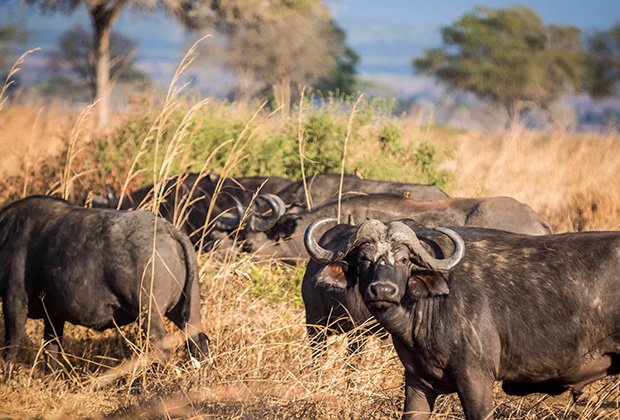
Dec 24, – 3 Day Christmas Serengeti And Ngorongoro Group Safari
Dec 24, 2026 – 3 Day Christmas Serengeti and Ngorongoro Group Safari.
View package details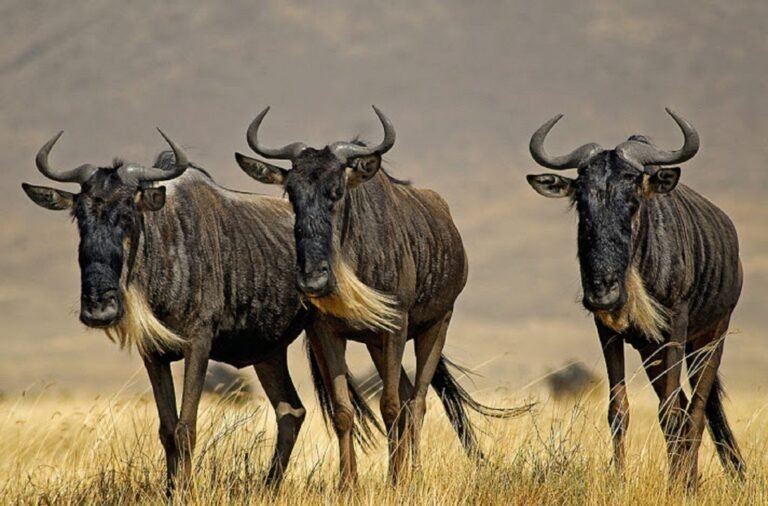
Nov 23, – 3 Day Serengeti And Ngorongoro Safari From Zanzibar
Nov 23, 2026 – 3 Day Serengeti and Ngorongoro Safari from Zanzibar.
View package details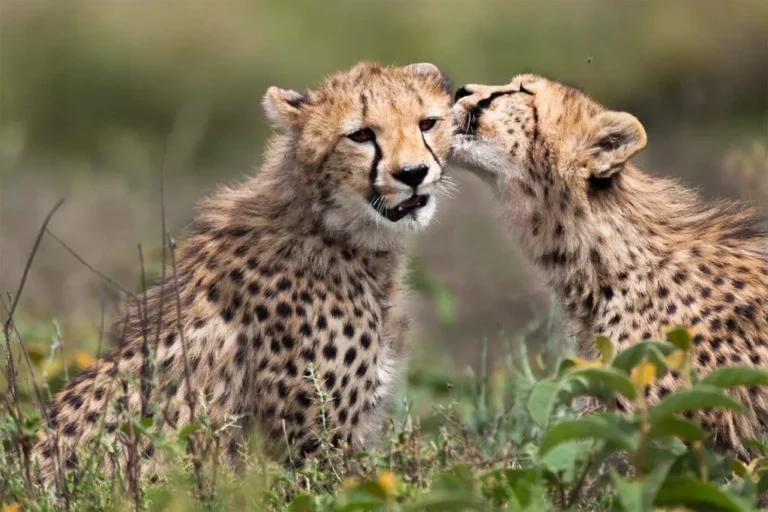
Dec 31, : New Year’s Eve Serengeti Group Safari Planning Guide
This guide provides essential planning details for a group safari trip to the Serengeti for New Year's Eve 2026, covering logistics, seasonal highlights, and what to expect.
View package details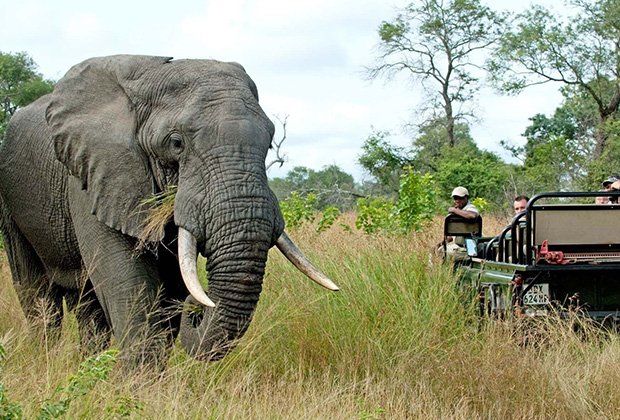
I Am On A Budget—What Is The Cheapest Serengeti Group Safari?
I Am on a Budget—What Is the Cheapest Serengeti Group Safari?
View package details
Dec 29, – 6 Day Ndutu, Serengeti And Ngorongoro Group Safari 2026
A detailed guide to our 6-day group safari departure on December 29, 2026, focusing on the Ndutu plains, the Serengeti, and the Ngorongoro Crater.
View package details8 Day Serengeti And Ngorongoro Group Safari – December 16, 2026
Planning your December 2026 Tanzanian adventure? Our 8-day group safari offers a deep, unhurried exploration of the Serengeti and Ngorongoro Crater.
View package detailsNo related package matches those filters. Clear one or more filters to see the other topic-matched options.