A Botswana and Tanzania safari combination itinerary offers two distinct, world-class wildlife experiences: Botswana’s water-based and land-based safaris in the Okavango Delta and Chobe, contrasted with Tanzania’s Great Migration and classic savannah parks like the Serengeti and Ngorongoro Crater. Such an itinerary typically spans 14 to 21 days, combining luxury tented camps and lodges, with travel between the two countries usually involving flights. Key considerations for a 2026-2027 trip include booking well in advance, especially for peak migration seasons, and choosing operators who can manage the complex logistics of inter-country travel and diverse safari activities.

Understanding the Appeal of a Botswana and Tanzania Safari Combination
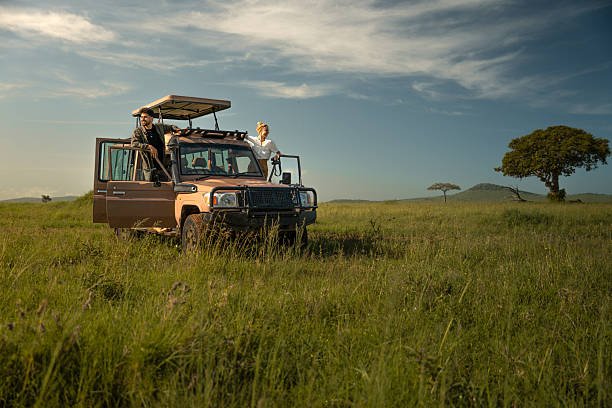
Combining Botswana and Tanzania for a safari is the ultimate ambition for many wildlife enthusiasts. It’s not just about seeing more animals; it’s about experiencing fundamentally different ecosystems and safari approaches, each offering unique strengths. Botswana is renowned for its exclusive, low-volume tourism model, which translates into incredibly intimate wildlife encounters, particularly in the Okavango Delta’s unique water-based activities like mokoro (dugout canoe) trips, and the vast, game-rich plains of Chobe National Park, famous for its enormous elephant herds. Tanzania, on the other hand, offers the drama of the Great Migration in the Serengeti, the geological wonder of the Ngorongoro Crater, and the classic, expansive African savannah. For travelers looking at 2026 or 2027, understanding these differences is the first step to crafting a truly unforgettable trip.
This dual-destination approach means you’re not just ticking off a bucket list; you’re gaining a comprehensive appreciation for the diversity of African wildlife and landscapes. Imagine gliding silently through the Okavango’s waterways one week, spotting hippos and crocodiles, and then witnessing thousands of wildebeest and zebras thundering across the Serengeti plains the next. It’s a journey that appeals to those seeking depth, variety, and the pinnacle of safari experiences.
The logistics of combining these two countries can seem daunting, but with expert planning, it becomes a smooth adventure. The primary method of travel between Botswana and Tanzania is by air, typically involving a flight from Maun or Kasane (Botswana) to Kilimanjaro International Airport (JRO) or Arusha (Tanzania), often with a stopover in a hub like Nairobi. This ensures you maximize your time on safari rather than spending it on lengthy overland journeys.
The Distinct Flavors: Botswana vs. Tanzania Safaris
To build the perfect Botswana and Tanzania safari combination itinerary, it’s crucial to appreciate what each country brings to the table. They are often considered the jewels of African wildlife tourism, but for very different reasons.
Botswana: Exclusive Wilderness and Waterways
Botswana’s safari philosophy is built around exclusivity and conservation. With a low-density tourism policy, you’ll find fewer vehicles and a more private experience. This means you can often have sightings all to yourself, allowing for unhurried observation of wildlife.
- Okavango Delta: This is Botswana’s crown jewel, a vast inland delta fed by the Angolan highlands. It’s a UNESCO World Heritage site and a unique ecosystem where water and land meet. Here, safaris are often a blend of game drives, walking safaris, and the iconic mokoro excursions. The water levels fluctuate seasonally, impacting the types of activities available and the concentration of wildlife in certain areas. During the dry season (roughly June to October), the Delta attracts a high concentration of animals seeking water.
- Chobe National Park: Famous for its immense elephant population, Chobe is a must-visit. The Savuti Marsh and the Linyanti region offer incredible predator sightings, while the Chobe Riverfront provides spectacular game viewing from both land and water (boat safaris are highly recommended here).
- Moremi Game Reserve: Often considered the ‘jewel of Botswana,’ Moremi offers a diverse landscape of lagoons, floodplains, and woodlands, supporting a rich variety of wildlife, including lions, leopards, wild dogs, and abundant birdlife.
- Travel Style: Botswana leans towards luxury tented camps and lodges, often with all-inclusive rates covering meals, drinks, and activities. The focus is on high-quality guiding and personalized service.
Tanzania: The Great Migration and Iconic Landscapes
Tanzania is synonymous with the Great Migration, the annual movement of over 1.5 million wildebeest and zebras across the Serengeti ecosystem. It also boasts the otherworldly Ngorongoro Crater and the vast plains of Tarangire National Park, known for its baobab trees and large elephant herds.
- Serengeti National Park: Stretching endlessly, the Serengeti is where the drama of the Migration unfolds. Depending on the time of year, you can witness river crossings, calving seasons, or the herds grazing on the open plains. Predator sightings are exceptional year-round.
- Ngorongoro Conservation Area: This is a natural wonder – a collapsed volcano caldera teeming with wildlife. It’s one of the best places in Africa to see the Big Five (lion, leopard, elephant, rhino, buffalo) in a single day, with the added bonus of seeing black rhinos, which are rare elsewhere.
- Tarangire National Park: Often visited en route to the Serengeti, Tarangire is famous for its large elephant herds and iconic baobab trees. It’s particularly rewarding during the dry season when animals congregate around the Tarangire River.
- Travel Style: Tanzania offers a wider range of accommodations, from comfortable mid-range lodges to ultra-luxury tented camps. Group safaris are common, as are private tours.
The Botswana and Tanzania safari combination itinerary allows you to experience the best of both worlds: the intimate, exclusive, and water-centric encounters of Botswana, followed by the sheer scale and iconic wildlife spectacles of Tanzania.
Designing Your Botswana and Tanzania Safari Combination Itinerary: Duration and Flow
The ideal duration for a Botswana and Tanzania safari combination is typically between 14 and 21 days. This allows sufficient time in each country to experience its highlights without feeling rushed, and also accounts for travel days between them.
Typical Itinerary Flow:
Most travelers prefer to start in either Botswana or Tanzania and then fly to the other. The order often depends on flight availability, seasonal wildlife movements, and personal preference.
Option 1: Botswana First, then Tanzania (Common for 2026-2027 bookings)
- Days 1-5: Okavango Delta, Botswana. Arrive in Maun (MUB), transfer to your lodge/camp. Experience mokoro excursions, game drives, and walking safaris. Focus on the unique water-based environment and diverse wildlife.
- Days 6-8: Chobe National Park/Linyanti, Botswana. Transfer to the Chobe Riverfront or Linyanti area. Enjoy boat safaris on the Chobe River and thrilling game drives, particularly for elephants and predators.
- Day 9: Travel Day. Fly from Kasane (BBK) or Maun (MUB) to a major East African hub (e.g., Nairobi, Kenya) and then connect to Kilimanjaro International Airport (JRO) or Arusha (ARK) in Tanzania. This is a full travel day.
- Days 10-13: Serengeti National Park, Tanzania. Fly from Arusha to a Serengeti airstrip. Experience game drives focused on the Great Migration (depending on the season) and predator action.
- Days 14-15: Ngorongoro Crater, Tanzania. Drive or fly to the Ngorongoro Conservation Area. Descend into the crater for a full day of game viewing, aiming to spot the Big Five.
- Day 16: Tarangire National Park or Lake Manyara. A final day of safari in one of these parks before returning to Arusha.
- Day 17: Departure. Depart from Kilimanjaro International Airport (JRO).
Option 2: Tanzania First, then Botswana
- Days 1-4: Arusha/Tarangire/Lake Manyara, Tanzania. Arrive at JRO, transfer to Arusha. Begin with safari in Tarangire or Lake Manyara.
- Days 5-8: Serengeti National Park, Tanzania. Fly to the Serengeti for game drives.
- Days 9-10: Ngorongoro Crater, Tanzania. Descend into the crater.
- Day 11: Travel Day. Fly from Arusha (ARK) to a major Southern African hub (e.g., Johannesburg, South Africa) and then connect to Maun (MUB) or Kasane (BBK) in Botswana.
- Days 12-15: Okavango Delta, Botswana. Transfer to your camp and enjoy water-based activities and game drives.
- Days 16-18: Chobe National Park, Botswana. Experience the elephant herds and river safaris.
- Day 19: Departure. Depart from Kasane (BBK) or Maun (MUB).
Why 14-21 days?
- Botswana: A minimum of 3-4 nights in the Delta and 2-3 nights in Chobe/Linyanti is recommended to truly appreciate the different environments and wildlife.
- Tanzania: 3-4 nights in the Serengeti and 1-2 nights for Ngorongoro are essential. Adding Tarangire or Lake Manyara adds another 1-2 nights.
- Travel: Inter-country flights and transfers can consume significant portions of travel days.
For travelers planning their Botswana and Tanzania safari combination itinerary for 2026 or 2027, booking at least 9-12 months in advance is highly advisable, especially if you aim for peak seasons like the Great Migration river crossings (July-September) or the Botswana dry season (June-October).
Key Wildlife Highlights to Expect in Your Combination
The sheer density and variety of wildlife are what make this combination so compelling. Each park and region offers unique spectacles:
Botswana’s Wildlife Encounters
- Okavango Delta: While the Delta is home to the Big Five, it’s particularly famous for its high density of predators like lions, leopards, and cheetahs, which thrive in the varied habitats. Wild dogs are also frequently sighted. Birdlife is phenomenal, with hundreds of species recorded. Mokoro excursions offer intimate encounters with smaller creatures, amphibians, and a different perspective on larger mammals as they come to drink.
- Chobe National Park: This park boasts one of the largest concentrations of wildlife in Africa, particularly elephants. During the dry season, up to 100,000 elephants can be found in the park. The Chobe Riverfront is a magnet for game viewing, with herds of buffalo, antelope species, and diverse birdlife. Savuti is known for its lion prides and hyena clans, often involved in dramatic territorial disputes.
- Moremi Game Reserve: A mosaic of forest, lagoon, and savanna, Moremi offers excellent chances to see leopards, wild dogs, lions, and a wide array of antelope. It’s a prime example of Botswana’s diverse ecosystems supporting a rich fauna.
Tanzania’s Wildlife Spectacles
- Serengeti National Park: The star attraction is the Great Migration – the constant movement of over 1.5 million wildebeest, 200,000 zebras, and 400,000 gazelles. Depending on the time of year, you could witness the calving season (January-March) in the southern Serengeti, dramatic river crossings (July-October) in the northern Serengeti, or the herds moving through the central plains. The Serengeti is also a predator haven, with large lion prides, cheetahs, and leopards often seen hunting.
- Ngorongoro Crater: This UNESCO World Heritage site is a natural amphitheater supporting an incredible density of wildlife. It’s one of the few places where you have a very good chance of seeing the endangered black rhino. Lions, hyenas, elephants, buffalos, and hippos are abundant. The birdlife is also spectacular.
- Tarangire National Park: Known for its massive baobab trees, Tarangire is home to large herds of elephants, often exceeding several hundred. It’s also a great place to spot lions, leopards, cheetahs, and a variety of antelope species, especially during the dry season when animals gather around the Tarangire River.
A Botswana and Tanzania safari combination itinerary ensures you witness both the intimate, varied wildlife experiences of Botswana and the grand, epic scale of Tanzania’s natural phenomena. For 2026-2027, understanding these seasonal movements, especially for the Migration, is key to maximizing your wildlife sightings.
Logistics and Travel Between Botswana and Tanzania
The logistical puzzle of combining Botswana and Tanzania is significant, but it’s precisely where expert tour operators shine. The primary method of travel between these two countries is by air, and this needs careful planning.
Inter-Country Flights: The Backbone of Your Itinerary
Direct flights between Botswana and Tanzania are rare. Most itineraries involve:
- Botswana Departure: You’ll typically fly out of Maun (MUB) or Kasane (BBK) in Botswana.
- Transit Hub: You will likely connect through a major East African hub like Nairobi (NBO) in Kenya, or sometimes through Johannesburg (JNB) in South Africa.
- Tanzania Arrival: You’ll arrive at Kilimanjaro International Airport (JRO) or Arusha Airport (ARK) in Tanzania.
These flights are usually operated by regional carriers. The total travel time, including layovers, can easily consume a full day. This is why a 14-day trip often means 12 days of actual safari activity, and a 21-day trip offers closer to 18 days on the ground.
Internal Flights within Tanzania and Botswana
Both countries rely heavily on small aircraft for accessing remote safari areas:
- Botswana: Flights from Maun or Kasane to bush airstrips in the Okavango Delta or Linyanti are standard. These are usually operated by light aircraft (e.g., Cessna Caravans) and are often included in lodge rates.
- Tanzania: Flights from Arusha to airstrips in the Serengeti, Selous (now Nyerere National Park), or other remote parks are common. These flights are crucial for saving time and avoiding long, dusty overland drives to distant parks.
Important Considerations for 2026-2027 Planning:
- Booking Lead Times: For flights, especially those connecting between countries, book as early as possible. The same applies to popular lodges and camps in Botswana, which have limited capacity.
- Luggage Restrictions: Light aircraft in both countries have strict luggage weight and size limits (typically 15-20 kg, soft-sided bags only). This is a critical detail to communicate to clients.
- Visa Requirements: Ensure you have the correct visas for both Botswana and Tanzania (and any transit countries). Check the latest regulations well in advance.
- Travel Insurance: Comprehensive travel insurance covering medical emergencies, trip cancellations, and lost luggage is non-negotiable.
- Health Precautions: Consult your doctor about necessary vaccinations and malaria prophylaxis well before your trip.
Navigating these complexities is where a specialist like Climb 4 Africa can be invaluable, ensuring your Botswana and Tanzania safari combination itinerary is smooth from start to finish.
Travel Tips for a Botswana and Tanzania Combination
- Pack Light: Soft-sided duffel bags are essential for internal flights.
- Layer Clothing: Mornings and evenings can be cool, while days are warm. Neutral colors are best for game viewing.
- Binoculars: A good pair is indispensable for spotting wildlife.
- Camera Gear: Bring extra batteries and memory cards.
- Sun Protection: High SPF sunscreen, wide-brimmed hat, and sunglasses are vital.
- Insect Repellent: Especially important for malaria-prone areas.
- Adapter: Universal travel adapter for charging electronics.
Choosing Your Safari Style: Luxury, Mid-Range, or Budget
Your Botswana and Tanzania safari combination itinerary can be tailored to various budget levels. Botswana generally leans towards the higher end due to its conservation model and exclusivity, while Tanzania offers a broader spectrum.
Botswana: Predominantly Luxury and High-End
Botswana’s commitment to low-volume, high-cost tourism means that most camps and lodges are in the luxury to upper-mid-range category. Expect:
- All-Inclusive Packages: Rates typically include accommodation, all meals, standard drinks (alcoholic and non-alcoholic), laundry, park fees, and most safari activities (game drives, mokoro, walking safaris).
- Exclusive Experience: Small camps with limited rooms ensure personalized service and fewer vehicles at sightings.
- Focus on Quality: High-quality guides, gourmet food, and comfortable, often tented, accommodations are standard.
- Cost Factors: The primary cost drivers are the remote locations requiring light aircraft transfers, the low-density tourism model, and the high standard of service. For 2026-2027, expect prices to reflect ongoing operational costs and conservation efforts.
Tanzania: A Wider Range of Options
Tanzania offers more flexibility across different price points:
- Luxury: High-end tented camps and lodges, often in prime locations, offering exceptional service, private guides, and exclusive concessions.
- Mid-Range: Comfortable lodges and permanent tented camps, often with good amenities and locations. These are ideal for many travelers seeking a balance of comfort and value. Shared safari vehicles and set departure dates are common here.
- Budget: While true budget safaris are less common for fly-in destinations like the Serengeti, overland camping safaris are an option for those visiting parks accessible by road. However, for a Botswana and Tanzania combination, overland travel between these countries is impractical, so flying is essential.
The Combination Factor
When combining Botswana and Tanzania:
- Botswana dictates the overall budget: Due to its higher operational costs and exclusivity, Botswana will likely be the more expensive part of your trip.
- Balancing Act: You can balance a luxury Botswana experience with a mid-range safari in Tanzania, or opt for luxury in both.
- Private vs. Group: Opting for private vehicles and guides in Tanzania can significantly increase costs but offers more flexibility. In Botswana, private guiding is often standard or an optional add-on.
Example Cost Considerations (Estimates for 2026-2027):
- Botswana: Expect USD $800 – $2,500+ per person per night for luxury camps.
- Tanzania: Expect USD $400 – $1,500+ per person per night for mid-range to luxury lodges/camps.
- Internal Flights: Can range from $300 – $600+ per person per leg.
- Inter-country Flights: Can range from $700 – $1,500+ per person.
These figures are indicative. A detailed quote for your specific Botswana and Tanzania safari combination itinerary from Climb 4 Africa will provide precise costs based on your chosen dates, accommodation, and inclusions for 2026 or 2027.
Factors Influencing Safari Costs for 2026-2027:
- Seasonality: Peak season (dry season in Botswana, Migration season in Tanzania) is most expensive.
- Accommodation Level: Luxury camps vs. mid-range lodges.
- Private vs. Shared: Private vehicles and guides are more costly.
- Number of Parks/Camps: More locations mean more transit costs.
- Inclusions: What’s covered (drinks, laundry, park fees, activities).
- Duration: Longer trips increase the overall cost.
Best Time to Travel for a Botswana and Tanzania Safari Combination
The optimal timing for a Botswana and Tanzania safari combination itinerary hinges on aligning the best wildlife viewing opportunities in both countries. This often means considering two distinct peak seasons.
Botswana’s Prime Time: The Dry Season (June to October)
This is when Botswana truly shines:
- Water Levels: The Okavango Delta is at its fullest, creating a stunning landscape and attracting animals to the receding water sources. Water-based activities like mokoro excursions are at their best.
- Wildlife Concentration: Animals congregate around permanent water sources, making game viewing more predictable.
- Vegetation: The bush thins out, improving visibility.
- Elephant Herds: Chobe Riverfront is exceptional for elephant sightings.
- Weather: Pleasant temperatures, with cool mornings and warm, sunny days. Little to no rain.
Tanzania’s Prime Time: The Great Migration (Year-Round Phenomenon, Peak Sightings Vary)
The Great Migration is a continuous cycle, but certain events are more spectacular at specific times:
- July to October: This is the prime time for witnessing the dramatic river crossings of the Mara River in the northern Serengeti. This is a truly iconic safari spectacle.
- January to March: The southern Serengeti plains are the calving grounds, where millions of wildebeest and zebras give birth. This is a fantastic time for predator sightings as lions, cheetahs, and hyenas capitalize on the vulnerable newborns.
- November to December: The herds are typically moving south from the northern Serengeti towards the central and southern plains, often following the rains.
Aligning for a Botswana and Tanzania Combination in 2026-2027
To get the best of both worlds, consider these combinations:
- June to October: This period offers the best of Botswana’s dry season and is also a good time for the Serengeti (especially for river crossings later in the season). You might miss the peak calving season in Tanzania, but you’ll get excellent general game viewing and predator action.
- July to September: This is arguably the *absolute best* window for a combination. You get the prime dry season in Botswana and the dramatic river crossings of the Great Migration in the northern Serengeti. This is also peak season for both destinations, so booking far in advance for 2026 or 2027 is crucial.
- January to March: This window provides the calving season in Tanzania and generally good game viewing in Botswana, though water levels in the Delta might be lower, and it’s the start of the rainy season in some Botswana areas (which can mean greener landscapes and better birding, but potentially more dispersed wildlife).
Off-Season Considerations:
- November to December: Can be a great time for value, with fewer crowds and lush green landscapes after the first rains. Game viewing is still excellent in both countries, though Botswana’s Delta might be experiencing higher water levels and more dispersed wildlife.
When planning your Botswana and Tanzania safari combination itinerary for 2026-2027, discuss your priorities with your tour operator. If witnessing the Migration river crossings is paramount, aim for July-September. If you prefer Botswana’s water-based activities at their peak, June-October is ideal. A skilled operator can help you find the best compromise for your preferred travel window.
Sample Botswana and Tanzania Safari Combination Itinerary (18 Days)
This sample itinerary is designed to give you a taste of the diverse experiences offered by a Botswana and Tanzania safari combination, focusing on key highlights. It’s a template that can be customized for 2026-2027 travel.
Days 1-4: Okavango Delta, Botswana (Water & Land Safaris)
- Day 1: Arrive in Maun (MUB), Botswana. Met by your guide and transfer by light aircraft to your lodge/camp in the Okavango Delta. Settle in and enjoy an afternoon game drive or mokoro excursion.
- Day 2-3: Full days exploring the Delta. Activities may include mokoro trips through channels, guided bush walks to learn about flora and fauna, and game drives in open 4×4 vehicles. Focus on diverse wildlife, from elephants and hippos to elusive predators and abundant birdlife.
- Day 4: Morning activity, then transfer by light aircraft back to Maun for your onward flight.
Days 4-6: Chobe National Park, Botswana (Elephants & River Safaris)
- Day 4 (cont.): Fly from Maun to Kasane (BBK), Botswana. Transfer to your lodge/camp overlooking the Chobe River. Afternoon boat safari on the Chobe River, famous for its massive elephant herds.
- Day 5: Morning game drive in Chobe National Park, focusing on the diverse wildlife along the riverfront and in the Savuti region (depending on camp location). Afternoon at leisure or another boat safari.
- Day 6: Morning activity, then transfer to Kasane Airport for your flight to Tanzania.
Day 6: Travel Day – Botswana to Tanzania
- Fly from Kasane (BBK) via a regional hub (e.g., Nairobi) to Kilimanjaro International Airport (JRO) or Arusha (ARK), Tanzania. Overnight in Arusha.
Days 7-10: Serengeti National Park, Tanzania (The Great Migration)
- Day 7: Fly from Arusha to a Serengeti airstrip. Transfer to your lodge/camp. Afternoon game drive in the Serengeti.
- Day 8-9: Full days exploring the Serengeti. Game drives will be focused on tracking wildlife, with a strong emphasis on the Great Migration (depending on season) and its associated predators (lions, cheetahs, leopards, hyenas).
- Day 10: Morning game drive. Fly from the Serengeti to the Manyara airstrip or drive towards the Ngorongoro Conservation Area.
Days 10-12: Ngorongoro Crater, Tanzania (The Big Five & Crater Floor)
- Day 10 (cont.): Arrive at your lodge on the Ngorongoro Crater rim. Enjoy stunning views.
- Day 11: Descend into the Ngorongoro Crater for a full day of game viewing. This is an excellent opportunity to see the Big Five, including black rhinos, in a relatively compact area. Picnic lunch on the crater floor.
- Day 12: Morning activity or scenic drive. Transfer to Tarangire National Park.
Days 12-14: Tarangire National Park, Tanzania (Elephants & Baobabs)
- Day 12 (cont.): Arrive at your lodge/camp in Tarangire. Afternoon game drive, focusing on the park’s large elephant herds and iconic baobab trees.
- Day 13: Full day of game drives in Tarangire, exploring different areas of the park.
- Day 14: Morning game drive. Transfer back to Arusha.
Day 15: Departure
- Transfer to Kilimanjaro International Airport (JRO) for your international flight home.
Note: This is a 15-day itinerary. To make it 18 days, you could add an extra day in the Okavango Delta, an extra day in the Serengeti to explore a different region, or add a visit to Lake Manyara National Park for its tree-climbing lions.
This sample Botswana and Tanzania safari combination itinerary can be fully customized for your 2026 or 2027 adventure. Contact Climb 4 Africa to discuss your preferences.
Booking Your Botswana and Tanzania Safari Combination: What to Expect
Securing your dream Botswana and Tanzania safari combination itinerary for 2026 or 2027 requires careful planning and choosing the right partner. Here’s a breakdown of the booking process and what you should expect.
Why Choose a Specialist Operator?
Combining two distinct countries with different logistical requirements, flight networks, and visa regulations is complex. A specialist tour operator like Climb 4 Africa brings:
- Expertise: Deep knowledge of both Botswana and Tanzania, including the best times to visit, optimal routes, and recommended camps/lodges.
- Logistical Management: Handling all inter-country flights, internal flights, transfers, park fees, and accommodation bookings.
- Customization: Tailoring itineraries to your interests, budget, and travel style.
- Local Support: Providing on-the-ground assistance and a direct line of communication for any issues that may arise.
- Value: Leveraging relationships with suppliers to offer competitive pricing and ensure you get the best value for your investment.
The Booking Process: A Step-by-Step Guide
1. Initial Inquiry: Contact Climb 4 Africa with your broad ideas: desired travel dates (e.g., summer 2026), duration, number of travelers, and general interests (e.g., Great Migration, elephants, luxury, photography). You can reach us via WhatsApp at +255 747 477 898 or email at climb4africa@gmail.com.
2. Consultation: We’ll discuss your preferences in detail. This is where we’ll guide you on the best timing for your Botswana and Tanzania safari combination, suggest specific parks and camps, and outline potential itinerary flows.
3. Proposal and Quote: Based on our discussion, we will create a detailed, customized itinerary with a clear quote. This document will outline daily activities, accommodation details, inclusions, exclusions, and estimated costs for 2026 or 2027. We will clearly state what is included, such as park fees, accommodation, meals, most drinks, and safari activities, and what is not, such as international flights, visas, travel insurance, and personal expenses.
4. Refinement: You’ll have the opportunity to review the proposal and request adjustments. We can swap camps, change durations in certain areas, or modify activities to better suit your needs.
5. Confirmation and Deposit: Once you are happy with the itinerary and quote, you’ll confirm your booking. A deposit (typically 20-50%) will be required to secure your reservations, especially for lodges with limited availability.
6. Pre-Trip Planning: After the deposit, we’ll provide you with a comprehensive pre-departure pack. This includes visa information, packing lists, health advice, luggage restrictions, and details about your flights. We’ll also confirm any specific requirements for your 2026-2027 safari.
7. Final Payment: The remaining balance will be due a specified number of days before your departure (often 60-90 days).
8. On Safari: You’ll be met by representatives at each point of transfer, and your journey will be managed smoothly. Our team remains available throughout your trip for any support you may need.
What to Clarify Before Booking
- Inclusions/Exclusions: Ensure you understand exactly what the price covers. Are drinks, laundry, park fees, and activities included?
- Luggage Allowance: This is critical for light aircraft flights in both countries.
- Cancellation Policy: Understand the terms for cancellations and amendments.
- Payment Schedule: Know when deposits and final payments are due.
- Travel Insurance: Confirm it covers all aspects of your trip, including medical evacuation.
- Guide Qualifications: Especially for private tours, inquire about the experience of your guides.
- Dietary Requirements: Communicate any allergies or dietary needs well in advance.
Planning a Botswana and Tanzania safari combination itinerary is an investment in an unparalleled adventure. By working with experienced professionals like Climb 4 Africa, you ensure that the complexities of travel are managed, allowing you to focus on the incredible wildlife and landscapes awaiting you in 2026 or 2027.
Frequently Asked Questions About Botswana and Tanzania Safaris
Can I realistically combine Botswana and Tanzania in 10 days?
While technically possible, a 10-day Botswana and Tanzania safari combination itinerary would be very rushed. It would likely involve spending only 3-4 days in each country, with significant time dedicated to travel between them. We strongly recommend a minimum of 14 days to truly appreciate the distinct experiences each country offers without feeling hurried. For 2026-2027, aiming for 14-18 days will provide a much more rewarding journey.
What is the best time of year for a Botswana and Tanzania safari combination?
The period from July to September is often considered optimal. This aligns the dry season in Botswana (peak for wildlife concentration and water activities) with the Great Migration river crossings in the northern Serengeti, Tanzania. However, other times like June-October for Botswana and January-March for Tanzania’s calving season also offer incredible experiences, depending on your priorities for your 2026-2027 trip.
How much does a Botswana and Tanzania safari combination typically cost?
Costs vary significantly based on accommodation level, duration, and season. A mid-range to luxury 14-day Botswana and Tanzania safari combination itinerary for 2026-2027 can range from USD $8,000 to $15,000+ per person, excluding international flights. Botswana is generally more expensive due to its conservation model and the necessity of light aircraft transfers. Tanzania offers more flexibility in pricing.
What are the visa requirements for Botswana and Tanzania?
Visa requirements can change. Generally, many nationalities can obtain visas on arrival for both Botswana and Tanzania, or apply in advance online. It’s crucial to check the latest requirements for your specific nationality with the respective embassies or consulates well before your 2026-2027 travel dates. Always ensure your passport is valid for at least six months beyond your intended stay.
What kind of wildlife can I expect to see on this combination safari?
You can expect an incredible diversity. In Botswana, look for massive elephant herds in Chobe, unique water-dwelling creatures and predators in the Okavango Delta, and a variety of antelope and predators. In Tanzania, the Serengeti offers the Great Migration spectacle (wildebeest, zebras) and abundant predators, while the Ngorongoro Crater provides chances to see the Big Five, including rhinos, in a concentrated area. Tarangire is known for its elephants and baobab trees.
Embarking on a Botswana and Tanzania safari combination itinerary is a journey of a lifetime. It offers an unparalleled opportunity to witness the vastness and diversity of African wildlife in two of the continent’s most iconic destinations. Whether you are planning for 2026 or 2027, the key to a successful trip lies in meticulous planning, understanding the unique offerings of each country, and partnering with experts who can navigate the complexities of travel logistics. Climb 4 Africa is dedicated to crafting bespoke safari experiences that meet your every expectation. To start designing your personalized adventure, reach out to us today.
Contact Climb 4 Africa:
- WhatsApp: +255 747 477 898
- Email: climb4africa@gmail.com
Let us help you create an unforgettable Botswana and Tanzania safari combination itinerary for 2026 or 2027.
Check Availability for Botswana And Tanzania Safari Combination Itinerary: Ultimate Guide 2026-2027
Ready to compare dates, prices, and the best option for your group? Send the package name and travel month so the team can reply with a clear quote, availability, and what is included.
AFCON 2027 Safari Packages from Tanzania
Hitaji la safari ya kundoka ili kufurahia AFCON 2027? Chagua kutoka kwa mikakati ya safari nchini Tanzania inayoambatana na wildlife, mbuga maarufu, na uwekaji wa huduma ya kimataifa ya...
View package details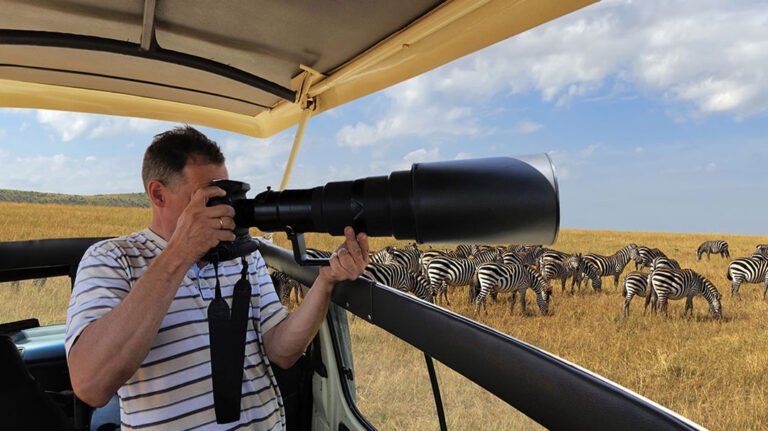
AFCON 2027 Mid Range Safari Packages Tanzania
Mwongozo wa safari ya kati ya AFCON 2027 Tanzania kutoka Climb 4 Africa: mipango ya njia, maeneo ya msitu wa serikali, na usalama wa wasafiri. Onyesha jinsi ya kuchagua kilima cha kati...
View package details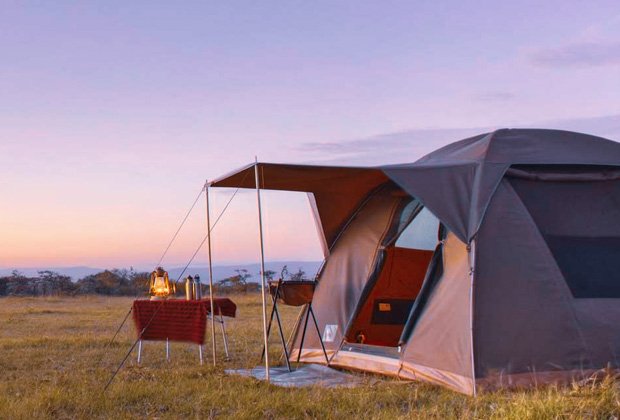
Best Tanzania Safari Before Afcon Final
Best Tanzania Safari Before AFCON 2027 Final.
View package detailsBest Tanzania Safari After Afcon Match
Best Tanzania Safari After AFCON 2027 Match.
View package details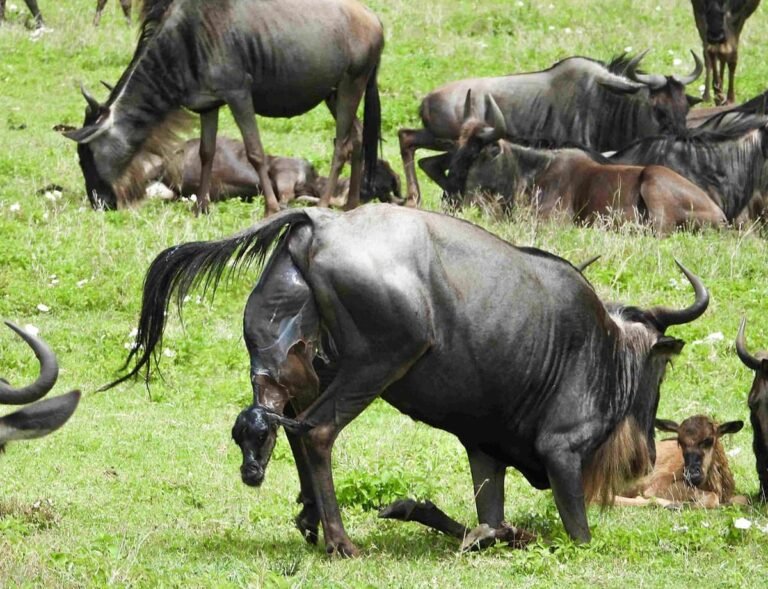
Five Day Tanzania Safari And Afcon Package
Five Day Tanzania Safari and AFCON Package.
View package details
Afcon Northern Tanzania Safari Packages
AFCON 2027 Northern Tanzania Safari Packages.
View package detailsAfcon Tanzania Football Kilimanjaro And Safari Tour
AFCON 2027 Tanzania Football Kilimanjaro and Safari Tour.
View package details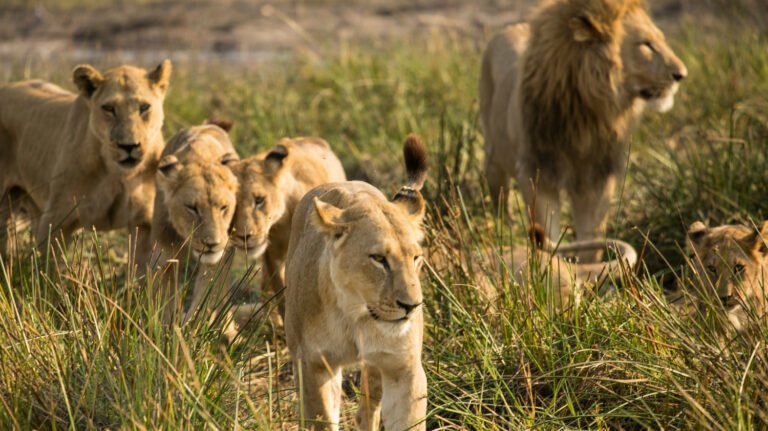
Tanzania Safari Packages from Dar es Salaam During AFCON 2027
Mwongozo wa kina wa safari za Tanzania kuanzia Dar es Salaam wakati AFCON 2027: rasilimali, mipango ya siku, na hatua za uhakika za ziara za wanyama na mbuga maarufu.
View package detailsTanzania Safari Tours for AFCON 2027 Fans
Muhtasari wa safari za Tanzania kwa mashabiki wa AFCON 2027: maeneo ya hifadhi, mizunguko ya wildlife, usalama wa safari, na jinsi ya kupanga na kuhudumiwa na Climb 4 Africa.
View package details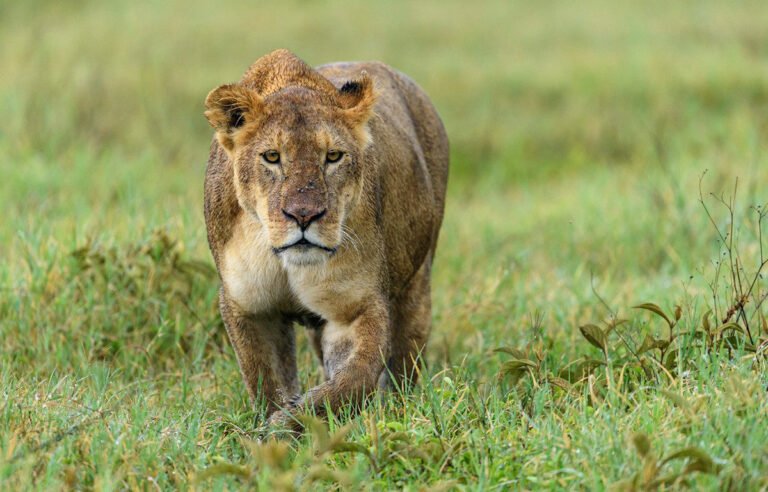
Dec 20, – 10 Day Complete Tanzania Group Joining Safari
Dec 20, 2026 – 10 Day Complete Tanzania Group Joining Safari.
View package detailsHow Early Should I Book A Nov Or Dec Tanzania Group Safari?
How Early Should I Book a Nov or Dec Tanzania Group Safari?
View package detailsNo related package matches those filters. Clear one or more filters to see the other topic-matched options.