An Amboseli Serengeti Ngorongoro and Zanzibar safari itinerary typically spans 10-14 days, combining wildlife viewing in Kenya’s Amboseli National Park with Tanzania’s Serengeti National Park and the Ngorongoro Crater, followed by relaxation on Zanzibar’s beaches. This route offers a classic East African safari experience, showcasing diverse landscapes and abundant wildlife, with Zanzibar providing a perfect cultural and tropical conclusion to your 2026-2027 adventure.
Introduction to the Amboseli Serengeti Ngorongoro-Zanzibar Safari
Embarking on an Amboseli Serengeti Ngorongoro and Zanzibar safari itinerary is the quintessential East African experience, a journey that weaves together the raw, untamed beauty of iconic wildlife reserves with the serene allure of tropical beaches. This adventure is designed for travelers who want to witness the continent’s most spectacular natural phenomena – from the vast plains of the Serengeti to the impressive caldera of Ngorongoro and the elephant-rich landscapes of Amboseli – before unwinding on the spice-scented shores of Zanzibar. It’s a multi-faceted trip that caters to a deep appreciation for wildlife, diverse ecosystems, and cultural immersion, offering a profound connection with Africa. Planning such a trip requires careful consideration of logistics, timing, and personal preferences, ensuring every element contributes to an unforgettable expedition. For 2026 and 2027, understanding the nuances of this combined journey is key to maximizing your experience.
Why Combine Amboseli, Serengeti, Ngorongoro, and Zanzibar?
The appeal of an Amboseli Serengeti Ngorongoro and Zanzibar safari itinerary lies in its unparalleled diversity. Each destination brings something unique to the table, creating a rich mix of experiences that few other itineraries can match:
- Amboseli National Park, Kenya: Famous for its large elephant herds and the iconic backdrop of Mount Kilimanjaro, Amboseli offers stunning photographic opportunities and a chance to see these gentle giants in their natural habitat. It’s a perfect introduction to East African wildlife, providing a different perspective than the Tanzanian parks.
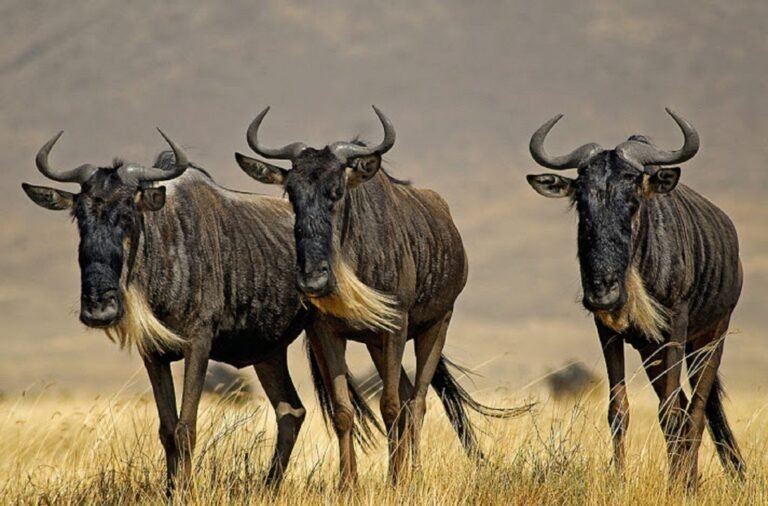
- Serengeti National Park, Tanzania: The name itself evokes images of endless plains and the Great Migration. The Serengeti is the heart of African safari, renowned for its sheer density of predators and prey, and the dramatic spectacle of millions of wildebeest and zebras on the move (depending on the season).
- Ngorongoro Conservation Area, Tanzania: A UNESCO World Heritage Site, the Ngorongoro Crater is a geological marvel, a self-contained ecosystem within a massive volcanic caldera. It boasts an exceptionally high concentration of wildlife, including the rare black rhino, and offers an unparalleled density of animal sightings in a confined, impressive setting.
- Zanzibar: Following days of thrilling game drives, Zanzibar provides a welcome contrast. Its historical Stone Town offers a rich cultural experience with Swahili and Arab influences, while its pristine white-sand beaches and turquoise waters invite relaxation, snorkeling, diving, and exploring spice farms.
Combining these destinations allows travelers to experience the best of both Kenya and Tanzania’s wildlife offerings, culminating in a relaxing tropical escape. This comprehensive safari is ideal for those seeking a well-rounded East African adventure, covering iconic landscapes, diverse wildlife, and cultural encounters.
Typical Itinerary Overview (10-14 Days)
A standard Amboseli Serengeti Ngorongoro and Zanzibar safari itinerary is carefully structured to maximize wildlife viewing opportunities while minimizing travel time between locations. While durations can vary, a common timeframe is 10 to 14 days. Here’s a general flow:
Sample Itinerary Flow:
- Day 1: Arrive in Nairobi, Kenya. Overnight and prepare for safari.
- Days 2-4: Fly or drive to Amboseli National Park. Focus on elephants and Kilimanjaro views.
- Day 5: Transfer to the Kenya-Tanzania border, then proceed to the Serengeti.
- Days 6-7: Explore the Serengeti, potentially following the Great Migration.
- Day 8: Descend into the Ngorongoro Crater for a full-day game drive.
- Day 9: Drive to Arusha, Tanzania. Prepare for your flight to Zanzibar.
- Days 10-12: Fly to Zanzibar. Enjoy beaches, Stone Town, and spice tours.
- Day 13: Depart from Zanzibar.
This itinerary can be adjusted. For instance, some travelers might opt for a shorter Serengeti visit or extend their stay in Zanzibar. The key is to balance the safari intensity with the relaxation period. For 2026 and 2027 travel, booking well in advance is recommended, especially for peak seasons.
Am I Ready for an Amboseli-Serengeti-Ngorongoro-Zanzibar Safari?
This type of comprehensive safari is a significant undertaking, and it’s important to assess if it aligns with your travel style and expectations. Consider these points:
- Physical Fitness: While not strenuous, safaris involve early mornings, potentially long game drives in 4×4 vehicles, and getting in and out of vehicles. Zanzibar offers opportunities for swimming and walking. Generally, moderate fitness is sufficient.
- Patience and Flexibility: Wildlife viewing is unpredictable. You need patience to wait for sightings and flexibility to adapt to changing conditions, especially concerning the Great Migration.
- Comfort with Remote Areas: You’ll be in national parks and conservation areas, which are wild and remote. Accommodations range from luxury lodges to comfortable tented camps, but expect limited connectivity in some areas.
- Interest in Wildlife and Nature: A deep interest in animals, birds, and diverse landscapes is essential to fully appreciate the experience.
- Budget: This is a premium travel experience, combining multiple countries, park fees, internal flights, and diverse accommodations. It requires a significant investment.
- Travel Style: Are you comfortable with early mornings for optimal game viewing? Do you prefer luxury lodges, comfortable mid-range camps, or more rustic tented experiences? Do you want a private safari or to join a small group?
If these points resonate positively, then an Amboseli Serengeti Ngorongoro and Zanzibar safari itinerary is likely an excellent fit for your 2026-2027 travel plans.
Detailed Itinerary Breakdown & Traveler Choices
Let’s dive deeper into a potential Amboseli Serengeti Ngorongoro and Zanzibar safari itinerary, highlighting the decisions you’ll make along the way. This breakdown assumes a 13-day trip, a popular choice for balancing safari and beach time.
Day 1: Arrival in Nairobi, Kenya
Your journey begins in Nairobi, the vibrant capital of Kenya. Upon arrival at Jomo Kenyatta International Airport (NBO), you’ll be met by your local guide or a representative who will assist with your transfer to your hotel. This day is for resting, acclimatizing, and perhaps a brief city orientation if time permits. Depending on your flight schedule, you might have time for an optional visit to the David Sheldrick Wildlife Trust elephant orphanage or the Karen Blixen Museum.
Traveler Choice: Accommodation in Nairobi can range from international business hotels to charming boutique guesthouses. Your choice might depend on your budget and preference for city amenities versus a quieter retreat.
Days 2-4: Amboseli National Park, Kenya
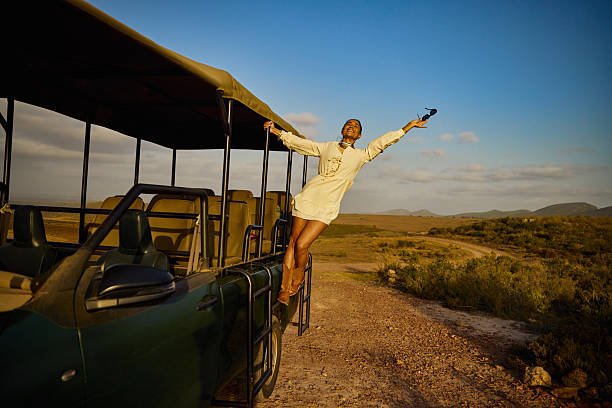
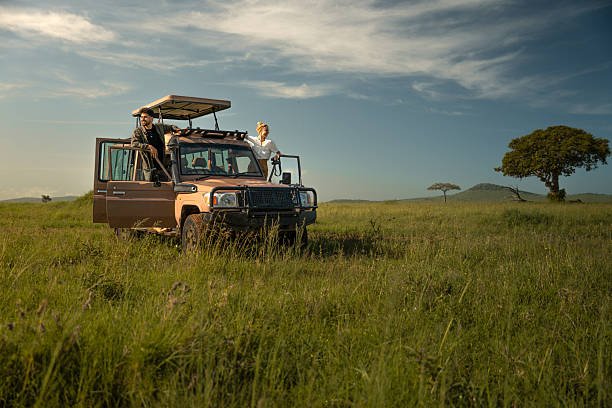
After breakfast, you’ll take a scenic flight or drive to Amboseli National Park. The park is renowned for its large elephant populations, offering incredible opportunities to observe them at close range, often with the majestic Mount Kilimanjaro providing a impressive backdrop. Other wildlife includes lions, cheetahs, giraffes, zebras, wildebeest, and a variety of birdlife. Game drives are conducted in open-top 4×4 safari vehicles.
Key Activities: Morning and afternoon game drives, photography, guided walks (in some conservancies), sundowners with Kilimanjaro views.
Traveler Choice: Accommodation in Amboseli ranges from luxury lodges with private plunge pools and Kilimanjaro views to comfortable tented camps that offer a more in-depth wilderness experience. Lodges often provide excellent vantage points for wildlife viewing right from your room or the main lodge area.
Booking Consideration for 2026-2027: Amboseli is popular year-round, but the dry seasons (June-October, December-February) offer the best chances for clear Kilimanjaro views and concentrated wildlife around water sources. Booking your preferred accommodation early for 2026 or 2027 is crucial.
Crossing the Border into Tanzania
On Day 5, your safari transitions from Kenya to Tanzania. This usually involves a drive to the Namanga border crossing. After completing immigration and customs procedures, you’ll meet your Tanzanian guide and vehicle. The drive from the border to your Serengeti accommodation can be long (several hours), often with a stop in a small town for lunch. Some travelers opt for a flight from Nairobi directly to the Serengeti to save time, though this increases costs.
Traveler Choice: The method of transfer (driving vs. flying) significantly impacts time and cost. Driving offers a glimpse of rural landscapes, while flying allows for more time on safari.
Days 5-6: Serengeti National Park, Tanzania
The Serengeti is arguably the most famous national park in Africa. Its name means ‘endless plains’ in the Maasai language, and it lives up to its name with vast, sweeping grasslands stretching to the horizon. The park is home to the Great Migration, a spectacular natural phenomenon where millions of wildebeest, zebras, and gazelles traverse the plains in search of fresh pastures. The timing of your visit in 2026 or 2027 will determine where the herds are located. The Serengeti also boasts a high density of predators, including lions, leopards, cheetahs, hyenas, and wild dogs.
Key Activities: Full-day game drives, tracking predators, witnessing the Great Migration (seasonal), bird watching, hot air balloon safaris (optional, highly recommended for a unique perspective).
Traveler Choice: The Serengeti is vast, and choosing where to stay impacts your wildlife viewing. Central Serengeti (Seronera) offers year-round game viewing. The Western Corridor is excellent during the river crossing season (May-July), and the Northern Serengeti is prime for migration river crossings (July-October). Accommodation ranges from luxury tented camps to permanent lodges, offering varying levels of comfort and immersion.
Booking Consideration for 2026-2027: The Great Migration is a major draw. If witnessing it is a priority, consult with your tour operator about the expected locations for your 2026-2027 travel dates. Hot air balloon safaris are popular and should be booked in advance.
Day 7: Ngorongoro Conservation Area
After a final morning game drive in the Serengeti, you’ll drive towards the Ngorongoro Conservation Area. The landscape changes dramatically as you approach the crater rim, offering dramatic views. You’ll descend about 600 meters (2,000 feet) into the caldera for a full-day game drive. The Ngorongoro Crater is often called ‘Africa’s Eden’ or ‘the eighth wonder of the world’ due to its sheer concentration of wildlife within a relatively small area. It is one of the best places in Africa to spot the endangered black rhinoceros, as well as lions, elephants, buffalo, hippos, and flamingos.
Key Activities: Full-day game drive within the crater, bird watching, photography.
Traveler Choice: Accommodation can be either on the crater rim, offering spectacular views and convenience, or slightly further away within the conservation area. Crater rim lodges are highly sought after and book up quickly, especially for prime dates in 2026 and 2027.
Important Note: Time spent inside the crater is strictly limited (typically 6 hours) to manage tourism impact and ensure conservation efforts. You will need to ascend and descend the crater walls, which are steep.
Day 8: Tarangire or Lake Manyara (Optional Extension)
While not strictly part of the core Amboseli Serengeti Ngorongoro and Zanzibar safari itinerary, many travelers choose to add a day to visit either Tarangire National Park or Lake Manyara National Park on their way back towards Arusha. Tarangire is famous for its large elephant herds, baobab trees, and diverse birdlife, particularly during the dry season when animals congregate around the Tarangire River. Lake Manyara is known for its tree-climbing lions, diverse habitats including groundwater forests and a soda lake, and significant bird populations.
Traveler Choice: Tarangire offers a more expansive landscape and is particularly good for elephants. Lake Manyara is smaller but offers diverse ecosystems and is known for unique lion behavior.
Booking Consideration for 2026-2027: Adding one of these parks provides further wildlife diversity and breaks up the drive back to Arusha. It’s a popular addition for those with 12-14 days.
Day 9: Arusha and Flight to Zanzibar
After your final morning game drive or a leisurely breakfast, you’ll drive to Arusha, the safari capital of Tanzania. Here, you’ll likely have some time for souvenir shopping or lunch before heading to Arusha Airport (ARK) for your domestic flight to the exotic island of Zanzibar. The flight is typically around 1 to 1.5 hours. Upon arrival at Zanzibar International Airport (ZNZ), you will be met and transferred to your chosen accommodation.
Traveler Choice: Your accommodation in Zanzibar can be in the historic Stone Town for cultural immersion or directly on one of the island’s stunning beaches (e.g., Nungwi, Kendwa, Paje, Matemwe).
Days 10-12: Zanzibar Tropical Escape
These days are dedicated to relaxation and exploration on Zanzibar. Whether you choose to stay on the north coast with its powdery white sands and vibrant sunsets, the east coast known for its kite-surfing and tidal variations, or the south for a more tranquil experience, Zanzibar offers a perfect post-safari retreat. Activities can include:
- Relaxing on the beach, swimming in the Indian Ocean.
- Snorkeling or diving in crystal-clear waters, exploring coral reefs.
- Visiting Stone Town, a UNESCO World Heritage site, to explore its narrow alleys, historic buildings, markets, and vibrant culture.
- Taking a spice tour to learn about the island’s history as a major spice producer.
- Enjoying fresh seafood dinners.
Traveler Choice: The choice of beach location significantly impacts the vibe – Nungwi/Kendwa are lively, Paje is popular for kitesurfing, and Matemwe offers a quieter, more upscale experience. For Stone Town, boutique hotels within the historic core are recommended.
Booking Consideration for 2026-2027: Zanzibar is a year-round destination, but the dry seasons (June-October, December-February) are often preferred for beach activities. Consider booking popular resorts or boutique hotels in Stone Town well in advance for 2026-2027.
Day 13: Departure
Enjoy a final breakfast on Zanzibar, perhaps with some last-minute souvenir shopping or a walk along the beach. You will then be transferred to Zanzibar International Airport (ZNZ) for your onward flight home or to your next destination.
Customizing Your Amboseli-Serengeti-Ngorongoro-Zanzibar Safari
The beauty of planning an Amboseli Serengeti Ngorongoro and Zanzibar safari itinerary with a local operator is the ability to tailor it to your specific interests, budget, and time constraints. Here are key areas where customization is possible:
Duration: Extensions and Reductions
The 10-14 day framework is a guideline. You can:
- Shorten: A 7-day trip might focus on just one park in Tanzania (e.g., Serengeti and Ngorongoro) and a quick Zanzibar stop, skipping Amboseli. This would be a more budget-conscious and time-efficient option.
- Extend: Add days to explore more of the Serengeti, visit Tarangire or Lake Manyara more thoroughly, add a cultural visit to a Maasai village, or spend more time enjoying Zanzibar’s activities and beaches. You could also extend your safari to include other Tanzanian parks like Ruaha or Selous (though this significantly increases travel time and cost).
Traveler Choice: Decide what’s most important – seeing as much as possible, deep immersion in fewer locations, or a perfect balance between safari and relaxation. For 2026-2027, start planning extensions early.
Accommodation Styles
This is a major factor influencing both experience and cost:
- Luxury Lodges & Camps: High-end amenities, gourmet dining, private plunge pools, exceptional service. Ideal for honeymooners or those seeking ultimate comfort.
- Mid-Range Lodges & Camps: Comfortable rooms or tents, good food, reliable service, often with beautiful locations. A great balance of value and experience.
- Budget/Tented Camps: More basic facilities, often canvas tents with shared bathrooms or simpler en-suite facilities. Offers a more rustic, adventurous feel.
- Zanzibar: From luxury beachfront resorts and stylish boutique hotels in Stone Town to more affordable guesthouses and beach bungalows.
Traveler Choice: Consider your comfort needs and budget. For example, a luxury lodge in the Serengeti might cost significantly more per night than a mid-range tented camp, impacting the overall cost of your 2026-2027 safari.
Transportation Options
How you move between locations affects your budget and experience:
- Driving: Using a 4×4 safari vehicle with a pop-up roof is standard for game drives. For inter-park travel, you’ll use these vehicles. This is the most common and often most cost-effective method for safaris within Tanzania.
- Flying: Internal flights (e.g., Nairobi to Amboseli, Serengeti to Zanzibar, or even within Tanzania) save significant travel time but add considerably to the cost. Small bush planes are used for these routes.
- Border Crossing: You’ll typically drive to the border and switch vehicles and guides, or have a guide who can manage both sides (less common for full itineraries).
Traveler Choice: If time is limited or you dislike long drives, flying is an option. If you prefer to see the landscapes unfold and are on a tighter budget, driving is preferable.
Group Tours vs. Private Safaris
This is a crucial decision for your Amboseli Serengeti Ngorongoro and Zanzibar safari itinerary:
- Group Tours: You join a small group of travelers (typically 4-7 people) in a shared 4×4 vehicle. This is the most budget-friendly option. You share costs for the vehicle, guide, and sometimes accommodation. However, you have less flexibility with game drive timings and routes, as decisions are made collectively.
- Private Safaris: You have a dedicated 4×4 vehicle and guide solely for your party. This offers maximum flexibility, allowing you to customize game drive times, spend more time at sightings you find interesting, and choose your own pace. This is more expensive but offers a more personalized experience.
Traveler Choice: For budget-conscious travelers or those who enjoy social interaction, group tours are excellent. For those seeking a more exclusive, flexible, and personalized experience, a private safari is the way to go. Climb 4 Africa specializes in tailor-made private safaris but can also arrange group departures. When planning for 2026-2027, decide this early.
Adding Other Destinations
While this itinerary is packed, you could enhance it further:
- Northern Tanzania Parks: Add days for Tarangire, Lake Manyara, or Lake Natron for unique landscapes and wildlife.
- Mount Kilimanjaro Climb: For the truly adventurous, a Kilimanjaro climb can be added before or after the safari. This requires a significant time commitment (5-9 days).
- Rwanda or Uganda: For gorilla trekking, which would require significant travel time and a much longer itinerary.
Traveler Choice: Be realistic about time and budget. Adding too much can make the trip rushed and expensive. Focusing on the core Amboseli Serengeti Ngorongoro and Zanzibar safari itinerary ensures a well-paced experience.
Best Time to Travel: 2026-2027 Considerations
The ideal time for your Amboseli Serengeti Ngorongoro and Zanzibar safari itinerary depends on your priorities, especially regarding wildlife and weather. East Africa has two main seasons:
- Dry Season (June to October, December to February): This is generally considered the best time for safaris. Wildlife congregates around permanent water sources, making sightings easier. Amboseli offers clear views of Kilimanjaro and good elephant sightings. The Serengeti plains are drier, and the Great Migration river crossings are typically seen from July to October. Zanzibar enjoys pleasant, sunny weather, though it can be busy. This is peak season, so expect higher prices and more crowds. Booking for 2026-2027 during these periods is highly recommended at least 9-12 months in advance.
- Wet Season (March to May, November): This is the ‘green season’ or ‘low season.’ Landscapes are lush and beautiful, birdlife is abundant, and there are fewer tourists. Prices can be lower. However, game viewing can be more challenging as animals disperse, and rain can sometimes disrupt travel plans. Zanzibar experiences more rain during the ‘long rains’ (April-May).
Specific Considerations for the Great Migration in 2026-2027:
- January-March: Calving season in the southern Serengeti.
- April-May: Herds begin moving north.
- June-July: Herds gather in the western corridor, preparing for river crossings.
- July-October: River crossings in the northern Serengeti.
Zanzibar Weather: The driest and most pleasant months are generally July to October and December to February. March to May sees the ‘long rains’, and November can be showery.
Traveler Choice: For the best wildlife and weather combination, aim for the dry season. If you are budget-conscious or prefer fewer crowds and don’t mind occasional rain, the wet season can be rewarding. Always check with your operator about the specific conditions for your chosen dates in 2026 or 2027.
Wildlife Highlights Across the Parks
Each park in your Amboseli Serengeti Ngorongoro and Zanzibar safari itinerary offers unique wildlife encounters:
Amboseli National Park, Kenya
Amboseli is synonymous with elephants. You’ll find some of the largest elephant bulls in Africa here, often in large family groups. The open plains make for excellent viewing. Beyond elephants, look for:
- Lions, cheetahs, hyenas.
- Giraffes, zebras, wildebeest, buffalos.
- Over 400 species of birds.
- Smaller mammals like dik-diks, warthogs, and baboons.
The iconic view of elephants with Mount Kilimanjaro in the background is a photographer’s dream.
Serengeti National Park, Tanzania
The Serengeti is a predator’s paradise and the stage for the Great Migration. Its highlights include:
- The Big Five: Lion, leopard, elephant, buffalo, and rhino (though rhinos are more elusive here than in Ngorongoro).
- Great Migration: Millions of wildebeest and zebras, their movements dictating the ecosystem’s rhythm.
- Predators: High populations of lions, cheetahs, leopards, hyenas, and wild dogs.
- Vast Plains: Home to a huge diversity of antelope species, giraffes, hippos, crocodiles, and over 500 bird species.
The sheer scale of wildlife is impressive.
Ngorongoro Conservation Area
The Ngorongoro Crater is a natural amphitheater teeming with life:
- Black Rhinos: One of the best places in Africa to spot this endangered species.
- High Predator Density: Excellent chances to see lions (some with distinctive black manes), hyenas, jackals, and potentially leopards.
- Abundant Herbivores: Large herds of wildebeest, zebras, gazelles, buffalos, and elephants reside within the crater.
- Flamingos: The crater lake is often dotted with thousands of flamingos.
- Hippos: A large hippo pool is a popular viewing spot.
The concentration of animals within the 610 sq km crater floor is remarkable.
Zanzibar Marine Life
While not a safari destination in the traditional sense, Zanzibar offers incredible marine biodiversity:
- Coral Reefs: Rich in colorful fish, sea turtles, and other marine life, perfect for snorkeling and diving. Mnemba Atoll is a prime spot.
- Dolphins: Dolphin tours, particularly from Kizimkazi, offer chances to see and swim with dolphins (though ethical considerations are important here).
- Whale Sharks: Seasonal sightings can occur, especially around the southern coast.
- Other Marine Creatures: Starfish, sea urchins, and a variety of crustaceans inhabit the reefs and shorelines.
Zanzibar’s marine parks offer a refreshing change of pace and a different kind of natural wonder.
Logistics and Practicalities
Successfully navigating an Amboseli Serengeti Ngorongoro and Zanzibar safari itinerary requires attention to logistical details. Proper planning ensures a smooth and enjoyable trip for 2026-2027.
Border Crossing: Kenya to Tanzania
The most common border crossing for this route is Namanga, which is located on the main road between Nairobi and Arusha. The process involves:
- Vehicle Change: You will typically switch from a Kenyan safari vehicle and driver to a Tanzanian one.
- Immigration: You’ll need to clear immigration on the Kenyan side and then enter Tanzania. Ensure you have the correct visas or that they are pre-arranged if required.
- Customs: For your personal belongings, this is usually straightforward.
- Time: Allow at least 1-2 hours for the border crossing process, which can sometimes be longer depending on queues and efficiency.
Traveler Choice: Some operators arrange for a guide to meet you on the Tanzanian side, while others might have a guide who can facilitate the entire process. Clarify this with your operator.
Flights and Internal Transport
Internal travel is a significant part of this itinerary:
- International Flights: Fly into Nairobi (NBO) and out of Zanzibar (ZNZ).
- Kenya-Tanzania Transfer: Options include driving (Nairobi-Amboseli-Namanga-Serengeti) or flying (Nairobi-Serengeti). Driving is more economical but time-consuming.
- Within Tanzania: Flights are common between Serengeti airstrips and Arusha (ARK), and then Arusha to Zanzibar (ZNZ). This is the most efficient way to cover ground.
- Safari Vehicles: Dedicated 4×4 safari vehicles with pop-up roofs are used for game drives in Amboseli, Serengeti, and Ngorongoro.
Booking Consideration for 2026-2027: Internal flight schedules can change, and seats fill up quickly, especially during peak seasons. Book these flights as early as possible, ideally when confirming your safari package.
Visas and Entry Requirements
Visa requirements can change, so always check the latest information for your nationality:
- Kenya: Most nationalities require a visa, which can often be obtained online in advance (e-Visa).
- Tanzania: Similar to Kenya, most nationalities need a visa. These can also often be obtained online or upon arrival at the airport.
- East Africa Tourist Visa: Some nationalities may be eligible for a joint tourist visa that covers Kenya, Uganda, and Rwanda. Check if this is applicable and beneficial for your specific itinerary, though it typically wouldn’t cover Tanzania for this specific safari combination.
- Passport Validity: Ensure your passport has at least six months of validity beyond your intended stay and sufficient blank pages.
Traveler Choice: Research visa requirements for your specific nationality well in advance of your 2026-2027 trip. Some prefer to handle visas themselves, while others opt for their tour operator to assist.
Health and Vaccinations
Consult your doctor or a travel clinic 4-6 weeks before your trip:
- Yellow Fever: A vaccination certificate is often required for entry into Tanzania if you are arriving from or transiting through a country with a risk of Yellow Fever. This is strictly enforced at borders and airports.
- Malaria: Both Kenya and Tanzania are malaria-endemic areas. Antimalarial medication is strongly recommended for safari destinations and Zanzibar. Consult your doctor for the best prophylaxis.
- Other Vaccinations: Routine vaccinations should be up-to-date. Hepatitis A, Typhoid, and Tetanus are often recommended.
- COVID-19: Requirements can change. Stay updated on testing and vaccination mandates.
- Travel Insurance: Comprehensive travel insurance, including medical evacuation, is essential.
Booking Consideration for 2026-2027: Prioritize your health. Discuss antimalarials and other preventative measures with your healthcare provider early in your planning.
Packing Essentials
Pack light, practical clothing and gear:
- Clothing: Neutral-colored, lightweight, breathable fabrics (khaki, olive green, beige). Avoid bright colors and dark colors like blue/black (can attract tsetse flies). Pack layers for cooler mornings/evenings.
- Footwear: Comfortable walking shoes or hiking boots for any optional walks, plus sandals or flip-flops for relaxing.
- Sun Protection: Wide-brimmed hat, sunglasses, high SPF sunscreen.
- Insect Repellent: With DEET or Picaridin.
- Camera Gear: Extra batteries, memory cards, telephoto lens, and a good zoom. Binoculars are highly recommended.
- Personal Items: Small backpack for day trips, reusable water bottle, personal first-aid kit, hand sanitizer, wet wipes.
- Adapter: For charging electronics (Type G in Kenya, Type D/G in Tanzania).
Traveler Choice: Most lodges and camps offer laundry services, so you can pack fewer items. Ensure you have a comfortable bag for transit.
Budgeting for Your Amboseli-Serengeti-Ngorongoro-Zanzibar Safari
This comprehensive Amboseli Serengeti Ngorongoro and Zanzibar safari itinerary is a significant investment. Understanding the cost factors is crucial for planning your 2026-2027 trip.
Cost Factors to Consider
The overall cost is influenced by several variables:
- Duration: Longer trips naturally cost more.
- Accommodation Level: Luxury lodges are substantially more expensive than mid-range or budget camps.
- Transportation: Opting for internal flights instead of driving significantly increases costs.
- Vehicle Type: Private safaris are more expensive than group tours.
- Park Fees: These are fixed daily rates per person per park, and they are a substantial component of the safari cost.
- Time of Year: Peak seasons (dry months) are more expensive than the low season.
- Inclusions: What is covered? Full board, drinks, park fees, activities, internal flights, guides, tips, insurance?
- Optional Activities: Hot air balloon safaris, guided walks, cultural visits, and diving/snorkeling excursions add to the expense.
Typical Price Ranges for 2026-2027
Exact pricing depends heavily on the factors above and the specific operator. However, for a 10-14 day Amboseli Serengeti Ngorongoro and Zanzibar safari itinerary, you can expect the following approximate ranges per person, based on double occupancy:
Estimated Price Ranges (Per Person, Mid-2026 to Early 2027):
- Mid-Range: $4,500 – $7,500 USD. This typically includes comfortable tented camps and lodges, most meals, park fees, ground transport, and internal flights.
- Luxury: $8,000 – $15,000+ USD. This includes high-end lodges and camps, premium services, all meals and select drinks, internal flights, and potentially more exclusive experiences.
- Budget: It’s challenging to create a budget itinerary for this multi-country, multi-destination trip. Group tours can bring costs down, potentially starting from $3,500 – $5,000 USD, but compromises will be made on accommodation and exclusivity.
Note: These figures are estimates. Park fees alone can add up to $80-100+ per person per day in Tanzania and $70-80+ in Kenya. Zanzibar accommodation and activities are separate from the safari portion.
Traveler Choice: Clearly define your budget and discuss it with your tour operator. They can help tailor an itinerary that meets your financial expectations while delivering an incredible experience. For 2026-2027, factor in potential inflation and currency fluctuations.
Booking Your Amboseli-Serengeti-Ngorongoro-Zanzibar Safari
Securing your Amboseli Serengeti Ngorongoro and Zanzibar safari itinerary for 2026 or 2027 requires careful selection of a tour operator. Look for companies with:
- Local Expertise: Operators based in Tanzania or Kenya have invaluable local knowledge of logistics, wildlife, and current conditions.
- Customization Options: The ability to tailor the itinerary to your needs is crucial for such a complex trip.
- Good Reviews: Check platforms like TripAdvisor and ask for references.
- Clear Inclusions/Exclusions: Understand exactly what your safari package covers to avoid surprises.
- Responsive Communication: A good operator will be prompt and clear in their communication.
When you’re ready to plan your unforgettable journey, consider contacting Climb 4 Africa. As a local Tanzanian company with expertise in Kilimanjaro climbs and safaris, they can help craft a bespoke Amboseli Serengeti Ngorongoro and Zanzibar safari itinerary that perfectly matches your dreams for 2026-2027. To get started, send your specific dates, desired accommodation level, number of travelers, and any special interests to climb4africa@gmail.com or reach out
Check Availability for Amboseli Serengeti Ngorongoro And Zanzibar Safari Itinerary 2026-2027
Ready to compare dates, prices, and the best option for your group? Send the package name and travel month so the team can reply with a clear quote, availability, and what is included.
Nov 23, – 3 Day Serengeti And Ngorongoro Safari From Zanzibar
Nov 23, 2026 – 3 Day Serengeti and Ngorongoro Safari from Zanzibar.
View package details
3-Day Serengeti & Ngorongoro Safari From Zanzibar By Flight 2027
3-Day Serengeti & Ngorongoro Safari From Zanzibar by Flight is explained with current 2027 planning, price, itinerary and booking information.
View package details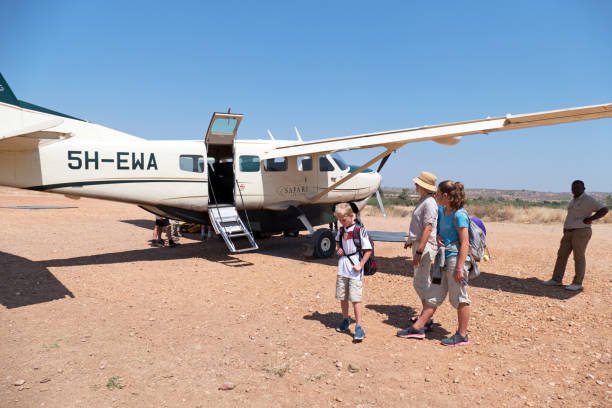
1-Day Serengeti Safari From Zanzibar By Flight: Cost & Itinerary 2026-2027
Is a 1-day Serengeti safari from Zanzibar feasible? Get the expert breakdown on the flight logistics, cost factors, and how to manage your expectations for this intense, one-day wildlife...
View package details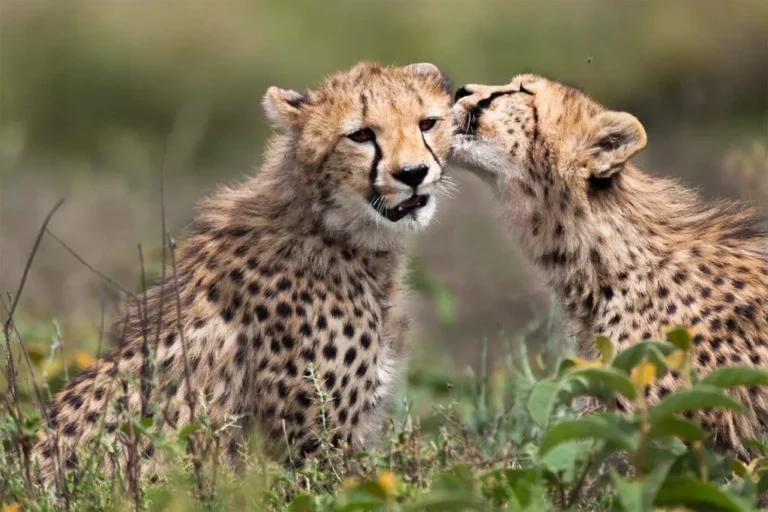
Nov 28, – 3 Day Fly-In Serengeti Group Safari From Zanzibar 2026
A detailed look at the 3-day fly-in Serengeti group safari departing November 28, 2026, including logistics, itinerary highlights, and travel tips for your Tanzania adventure.
View package details2-Day Serengeti Safari From Zanzibar By Flight: Price & Booking Guide
A practical guide to booking a 2-day Serengeti safari from Zanzibar by flight, covering itinerary logistics, cost considerations, and how to maximize your short time in the bush.
View package details2-Day Tarangire & Ngorongoro Safari From Zanzibar: Flight Package Cost 2026
A detailed guide on the logistics, cost factors, and itinerary realities for a 2-day fly-in safari from Zanzibar to Tarangire National Park and the Ngorongoro Crater.
View package details4-Day Serengeti Safari From Zanzibar With Return Flights: A Planning Guide
A deep look at planning a 4-day fly-in safari from Zanzibar to the Serengeti, covering flight logistics, itinerary structures, and the critical decisions needed for a successful 2026 or...
View package detailsZanzibar To Serengeti Safari By Flight: Prices & Packages 2026-2027
A practical guide to booking a Zanzibar to Serengeti safari by flight in 2027, covering route options, baggage logistics, and how to choose the right itinerary length.
View package detailsZanzibar To Ngorongoro Crater Safari By Flight: Price & Travel Options 2027
A deep look at the logistics, costs, and planning decisions required for flying from Zanzibar to start your Ngorongoro Crater Safari, designed for the experienced traveler.
View package details_1_John_from-rednote-web-768x1024.jpg)
3-Day Serengeti Fly-In Safari From Zanzibar: All-Inclusive Package Prices 2027
Plan your ultimate Tanzanian adventure, combining Zanzibar's beaches with the Serengeti's wildlife. This guide details all-inclusive package pricing and logistics for a 3-day fly-in safari...
View package detailsSerengeti To Zanzibar Vs Arusha To Which Is Better After Safari? 2027
Choosing the right transfer to Zanzibar after a safari—Serengeti to Zanzibar or Arusha to Zanzibar—depends entirely on your safari route, time constraints, and budget. This guide breaks...
View package details
Zanzibar To Serengeti Flight Price –: Planning Your Safari Transfer 2027
Navigate the complex flight and transfer options between Zanzibar and the Serengeti. This deep guide breaks down expected costs, seasonal variables, and optimal routing for 2026 and 2027...
View package detailsNo related package matches those filters. Clear one or more filters to see the other topic-matched options.