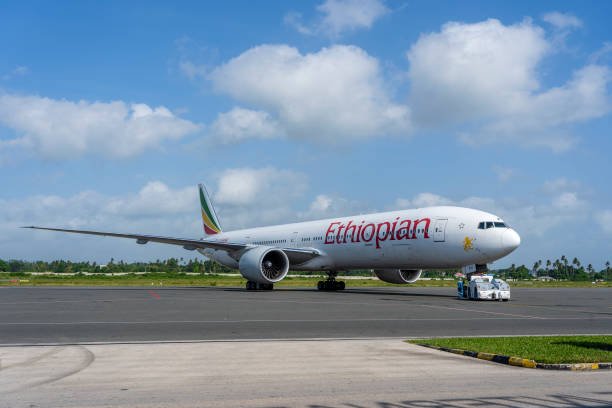
African safari packages from the UK typically involve flying into major East African hubs like Kilimanjaro International Airport (JRO) or Nairobi’s Jomo Kenyatta International Airport (NBO), with itineraries ranging from 3-day short trips to multi-week expeditions across Tanzania’s northern circuit parks (Serengeti, Ngorongoro, Tarangire, Lake Manyara) or Kenya’s Maasai Mara, often combining wildlife viewing with cultural experiences or Kilimanjaro climbs. Popular options for 2026-2027 include private or small group tours, with costs influenced by accommodation level, duration, and specific park fees, generally starting from around £2,000-£3,000 per person for mid-range, 7-day safaris excluding international flights from the UK.

Understanding Your African Safari Package from the UK
When you’re looking for African safari packages from the UK, you’re essentially seeking a curated travel experience that handles the complexities of planning a trip to a continent far from home. This means finding a tour operator that understands the specific needs of UK travelers, from flight connections and visa requirements to dietary preferences and acclimatization if a Kilimanjaro climb is part of the plan. For 2026-2027, the demand for authentic, well-supported safari adventures remains high, and understanding what constitutes a good package is the first step.
A ‘package’ can mean many things. At its core, it’s about convenience. It bundles key elements: accommodation, transportation within the safari destination, park entry fees, and often meals and guiding services. The real value lies in how these are put together, the quality of the guides, the choice of lodges or camps, and the logistical support provided. For UK travelers, this often means finding operators who can arrange international flights from major UK airports like London Heathrow, Manchester, or Gatwick, or at least provide clear advice on the best routes and airlines to consider for arrival in Tanzania or Kenya.
Key components of a typical African safari package from the UK include:
- International Flights: Usually booked separately but often with guidance from the operator.
- Internal Transfers: From the airport to your lodge/camp, and between parks.
- Accommodation: Lodges, tented camps, or even luxury permanent tented suites.
- Park Entrance Fees: These are significant costs and vary by park and duration.
- Game Drives: Daily excursions in 4×4 safari vehicles with experienced guides.
- Meals: Typically full board (breakfast, lunch, dinner) is included.
- Guiding Services: Professional, knowledgeable safari guides.
- Sometimes: Cultural visits, hot air balloon safaris, or porter services for Kilimanjaro climbs.
When comparing African safari packages from the UK for 2026-2027, scrutinize what’s included. Are park fees truly covered, or are they an ‘extra’? Is it a shared vehicle or a private one? What level of accommodation are you getting? These details significantly impact the overall experience and cost.
Choosing Your Safari Destination: Tanzania vs. Kenya for UK Travelers
For many UK travelers embarking on their first African safari, Tanzania and Kenya are the most popular and well-established destinations, offering incredible wildlife viewing and diverse landscapes. Both countries are accessible from the UK and provide world-class safari experiences, but they have distinct characteristics that might sway your decision for your 2026-2027 adventure.
Tanzania: The Great Migration and Diverse Ecosystems
Tanzania is often synonymous with the Great Migration, a spectacular natural phenomenon where millions of wildebeest, zebras, and gazelles traverse the plains of the Serengeti and Maasai Mara (which extends into Tanzania as the Serengeti National Park) in search of greener pastures. This event, which peaks at different times in different areas, is a major draw for safari-goers. Beyond the migration, Tanzania boasts:
- Serengeti National Park: Vast, iconic plains teeming with predators and prey.
- Ngorongoro Conservation Area: A UNESCO World Heritage Site featuring the Ngorongoro Crater, a caldera with a remarkably high concentration of wildlife, including the Big Five. It’s often described as a natural zoo.
- Tarangire National Park: Famous for its large elephant herds and baobab trees, especially vibrant during the dry season.
- Lake Manyara National Park: Known for its tree-climbing lions and diverse birdlife.
- Mount Kilimanjaro: Africa’s highest peak, offering a challenging but rewarding climb.
- Zanzibar: For those seeking a beach extension after their safari, the spice islands offer a tropical paradise.
Tanzania’s infrastructure for tourism is robust, with a range of accommodation from budget camps to ultra-luxury lodges. For UK travelers, it offers a classic safari experience that many dream of. Safari packages from the UK to Tanzania often focus on the ‘Northern Circuit’ – Serengeti, Ngorongoro, Tarangire, and Manyara – due to its concentrated wildlife and accessibility. Given its popularity, booking your 2026 or 2027 safari well in advance is advisable.
Kenya: The Maasai Mara and Diverse Cultures
Kenya is the birthplace of safari and is renowned for its vast savannas and the iconic Maasai Mara National Reserve. Like Tanzania, Kenya experiences the Great Migration, with the Maasai Mara being a prime location to witness the river crossings (typically July-October). Kenya offers:
- Maasai Mara National Reserve: Arguably the most famous wildlife reserve in Africa, offering unparalleled predator sightings.
- Amboseli National Park: Known for its large elephant herds against the stunning backdrop of Mount Kilimanjaro.
- Tsavo East and West National Parks: Vast, rugged landscapes offering a more remote safari experience.
- Samburu National Reserve: Unique wildlife like the Grevy’s zebra, reticulated giraffe, and Somali ostrich.
- Lake Nakuru National Park: Famous for its flamingos (though numbers fluctuate) and rhinos.
Kenya often provides slightly more budget-friendly options for safari packages compared to Tanzania, especially if focusing on public campsites or mid-range lodges. The cultural interactions, particularly with the Maasai people, are also a significant highlight. Many African safari packages from the UK can be tailored to include visits to Maasai villages.
Decision Point: If the Great Migration is your primary focus, both countries offer it. For a more concentrated experience with the Ngorongoro Crater and the possibility of combining with Kilimanjaro or Zanzibar, Tanzania is often preferred. For a slightly more diverse range of landscapes and perhaps a marginally more accessible price point for some packages, Kenya is an excellent choice.
Tailoring Your African Safari Package from the UK: Key Decisions
Once you’ve chosen a country, the real customization begins. African safari packages from the UK can be tailored to fit diverse interests, budgets, and travel styles. Understanding these options will help you make informed choices for your 2026-2027 trip.
Duration: How Long Should Your Safari Be?
The length of your safari directly impacts what you can see and how in-depth the experience will be. For UK travelers, factoring in travel time is crucial.
- Short Safaris (3-4 Days): Typically focus on one or two parks close to Kilimanjaro Airport (JRO) or Nairobi (NBO), such as Lake Manyara and Ngorongoro Crater, or Amboseli. These are good for a taste of safari or if time is limited.
- Standard Safaris (5-7 Days): The most popular length. This allows for a good exploration of the Northern Circuit in Tanzania (e.g., Tarangire, Ngorongoro, Serengeti) or a combination of parks in Kenya (e.g., Maasai Mara, Lake Nakuru). It balances seeing key sights with travel time.
- Extended Safaris (8-14+ Days): For the dedicated wildlife enthusiast. This allows for deeper exploration of the Serengeti, visiting different regions to track the migration, or combining multiple Kenyan parks, potentially adding a bush flight or a beach extension.
Traveler Choice: For a first-time safari from the UK, a 5-7 day safari is often the sweet spot. It provides a comprehensive introduction without feeling rushed, and accounts for the two travel days typically needed for international flights.
Accommodation Style: Budget, Mid-Range, or Luxury?
Your accommodation choice is one of the biggest factors influencing the cost and feel of your safari package. For 2026-2027, expect a wide spectrum:
- Budget/Camping Safaris: These involve staying in public campsites or basic park bandas (huts), often with shared facilities. Meals are prepared by a cook. This is the most economical option, offering a raw, close-to-nature experience.
- Mid-Range Safaris: The most common choice. This typically means staying in comfortable lodges or permanent tented camps with en-suite bathrooms, private facilities, and often swimming pools. Meals are usually at the lodge restaurant. This balances comfort and cost effectively.
- Luxury Safaris: High-end lodges and exclusive tented camps offering gourmet dining, exceptional service, private verandas, and often unique locations. This provides a premium, pampered safari experience.
- Tented Camps: These can range from basic to ultra-luxury. Permanent tented camps offer canvas walls but with solid floors, comfortable beds, and en-suite bathrooms. Mobile tented camps follow the migration, offering a more authentic, though often still luxurious, experience.
Trade-off: Budget safaris offer value but less comfort and fewer amenities. Luxury safaris provide unparalleled comfort and service but come at a significantly higher price. Mid-range often hits the sweet spot for many UK travelers seeking a balance.
Private vs. Shared Safaris
This decision impacts your flexibility, exclusivity, and cost.
- Shared Safaris (Group Tours): You join a pre-set itinerary with other travelers. This is the most cost-effective way to experience a safari, especially for solo travelers or couples. Departures are often fixed for specific dates in 2026 and 2027.
- Private Safaris: You have a dedicated vehicle and guide for your group only. This offers maximum flexibility in terms of timing, pace, and where you spend your time. You can stop for photos as long as you wish, or spend extra time observing a particular animal. This is ideal for families, groups of friends, or those with specific interests.
Cost Factor: Private safaris are more expensive per person than shared ones, but for a group, the cost per person might become comparable, especially when factoring in the enhanced experience and flexibility. Operators like Climb 4 Africa specialize in crafting both group departures and highly personalized private African safari packages from the UK.
Vehicle Type: Open-Top 4×4 is Standard
For game drives, a 4×4 safari vehicle is essential for navigating varied terrain. Most reputable operators use custom-built, open-top (or pop-up roof) Land Cruisers or Land Rovers. This allows for unobstructed 360-degree views and excellent photography opportunities.
- Standard: Pop-up roof vehicles are the norm for most safari packages.
- Specialty: Some high-end packages might offer more exclusive vehicles or arrangements, but the 4×4 remains king.
What to confirm: Ensure the vehicle is spacious enough for your group and has large windows or a pop-up roof for optimal viewing. The availability of charging ports for cameras and phones is also a plus.
Popular Itinerary Examples for African Safari Packages from the UK (2026-2027)
To give you a clearer picture, here are a few common itinerary structures that form the basis of many African safari packages from the UK.
Example 1: Classic Northern Tanzania Safari (7 Days)
This is a highly sought-after itinerary for UK travelers, covering the jewels of northern Tanzania. Departures are available throughout 2026 and 2027.
Day 1: Arrival in Arusha/Kilimanjaro
Arrive at Kilimanjaro International Airport (JRO), meet your guide, and transfer to your lodge in Arusha. Briefing for the safari ahead.
Day 2: Tarangire National Park
Drive to Tarangire, known for its massive elephant herds and baobab trees. Full day game drive.
Day 3: Ngorongoro Crater
Descend into the Ngorongoro Crater, a UNESCO World Heritage site, for a full day game drive. High chances of seeing the Big Five.
Day 4: Serengeti National Park (Central)
Drive to the Serengeti, stopping at Olduvai Gorge if time permits. Afternoon game drive in the central Serengeti.
Day 5: Serengeti National Park (Full Day)
Full day exploring the Serengeti, tracking wildlife and potentially witnessing predator-prey interactions. Depending on the season, you might head towards the migration.
Day 6: Serengeti to Lake Manyara / Arusha
Morning game drive in Serengeti, then drive towards Lake Manyara for an afternoon game drive, or head back towards Arusha for relaxation and souvenir shopping.
Day 7: Departure
Transfer to JRO for your international flight back to the UK.
Ideal for: First-time safari-goers, those interested in a concentrated wildlife experience, and combining with a Kilimanjaro climb or Zanzibar trip.
Example 2: Kenya’s Maasai Mara & Amboseli Explorer (6 Days)
This itinerary offers iconic Kenyan landscapes and wildlife, with the possibility of Mount Kilimanjaro views. Suitable for 2026-2027 bookings.
Day 1: Arrival in Nairobi
Arrive at Jomo Kenyatta International Airport (NBO), transfer to your Nairobi hotel.
Day 2: Amboseli National Park
Fly or drive to Amboseli, famous for its large elephant herds and views of Kilimanjaro. Afternoon game drive.
Day 3: Amboseli to Maasai Mara
Morning game drive in Amboseli, then transfer to the airstrip for a flight to the Maasai Mara. Afternoon game drive in the Mara.
Day 4: Maasai Mara National Reserve
Full day exploring the Maasai Mara, renowned for its predator sightings and the Great Migration (seasonal).
Day 5: Maasai Mara / Nairobi
Optional morning game drive or cultural visit. Fly back to Nairobi in the afternoon.
Day 6: Departure
Transfer to NBO for your flight back to the UK.
Ideal for: Those prioritizing iconic landscapes, excellent predator sightings, and potential cultural immersion. This can be a great standalone trip or an add-on.
Example 3: Combined Tanzania Safari & Zanzibar (10 Days)
A perfect blend of thrilling wildlife encounters and relaxing tropical beaches, a popular choice for honeymooners and couples from the UK for 2026-2027.
Day 1: Arrival in Arusha
Arrive at JRO, transfer to Arusha.
Day 2: Tarangire National Park
Game drive in Tarangire.
Day 3: Ngorongoro Crater
Full day game drive in the Ngorongoro Crater.
Day 4: Serengeti National Park
Drive to the Serengeti, afternoon game drive.
Day 5: Serengeti National Park
Full day game drive in the Serengeti.
Day 6: Serengeti to Zanzibar
Morning game drive, then fly from the Serengeti airstrip to Zanzibar. Transfer to your beach resort.
Day 7-9: Zanzibar Relaxation
Enjoy the beaches, explore Stone Town, go snorkeling, or visit spice plantations.
Day 10: Departure
Transfer to Zanzibar International Airport (ZNZ) for your flight home, possibly connecting via Dar es Salaam or Nairobi.
Ideal for: Those seeking a complete East African experience – adventure followed by relaxation. This type of package from the UK is highly recommended for a comprehensive holiday.
Planning Your 2026-2027 Safari from the UK: Practicalities
Successful African safari packages from the UK are built on solid planning. Here are key considerations:
Best Time to Travel
While safaris are possible year-round, certain periods offer distinct advantages:
- Dry Season (June – October): This is the peak season for many parks. Vegetation is thinner, making wildlife spotting easier. Animals congregate around water sources. This is also the best time for the Great Migration river crossings in the Maasai Mara/Serengeti (July-October). Expect higher prices and more crowds.
- Short Rains (November – December): A less crowded period with lush landscapes and newborn animals. Wildlife viewing is still good.
- Long Rains (March – May): This is the low season. Landscapes are green and beautiful, but some roads can be challenging, and wildlife may disperse. Accommodation prices are often lower. Birdwatching is excellent during this time.
For 2026-2027: If witnessing the Great Migration river crossings is paramount, aim for July-October. For excellent game viewing with fewer crowds and potentially better prices, consider June or November. For budget-conscious travelers, the shoulder months of April-May (avoiding the heaviest rains) can be attractive.
Visa and Passport Requirements
UK citizens typically need a visa for Tanzania and Kenya. These can often be obtained online in advance (e-visa) or upon arrival, but applying in advance is recommended to avoid any last-minute issues. Your passport must be valid for at least six months beyond your intended stay and have sufficient blank pages.
Health and Vaccinations
Consult your GP or a travel clinic at least 6-8 weeks before your departure for 2026-2027. Recommended vaccinations often include Hepatitis A, Typhoid, Tetanus, and Polio. Malaria prophylaxis is usually advised for most safari destinations. Yellow Fever vaccination may be required, especially if traveling from or transiting through a country with a risk of Yellow Fever transmission. Always carry a Yellow Fever vaccination certificate.
Travel Insurance
Comprehensive travel insurance is non-negotiable. Ensure it covers:
- Medical emergencies and evacuation (including air ambulance).
- Trip cancellation and interruption.
- Lost or stolen baggage.
- Activities like game drives and, if applicable, Kilimanjaro trekking.
Packing Essentials
Pack light, neutral-colored clothing (khaki, beige, green). Avoid bright colors and dark colors like black or blue, which can attract insects. Key items include:
- Lightweight long-sleeved shirts and trousers.
- A warm fleece or jacket for cool mornings and evenings.
- Comfortable walking shoes or hiking boots (if trekking).
- Sandals or flip-flops for lodges.
- Sun hat, sunglasses, and high SPF sunscreen.
- Insect repellent (with DEET).
- Binoculars (essential for wildlife spotting!).
- Camera with extra batteries and memory cards.
- A small backpack for day trips.
- Personal first-aid kit.
Note: Many lodges have laundry services, so you don’t need to pack for every single day.
The Role of a Local Operator for African Safari Packages from the UK
Choosing an operator with a strong local presence and understanding of the destination is crucial for smooth African safari packages from the UK. Climb 4 Africa, based in Tanzania, offers distinct advantages:
- Local Expertise: Deep knowledge of parks, wildlife behavior, best times to visit specific areas, and local conditions.
- On-the-Ground Support: Immediate assistance should any issues arise during your trip.
- Cost Efficiency: By cutting out intermediaries, local operators can often offer better value without compromising on quality.
- Authentic Experiences: Connections with local communities and guides who can offer genuine cultural insights.
- Flexibility: Ability to tailor itineraries precisely to your wishes, whether for a 2026 family safari or a 2027 honeymoon.
For UK travelers, partnering with a company like Climb 4 Africa means you’re not just booking a trip; you’re gaining a local partner dedicated to making your safari exceptional. They understand the nuances of international travel from the UK and can advise on everything from flight bookings to the best lodges for spotting specific animals.
Understanding Safari Costs for 2026-2027
The cost of African safari packages from the UK can vary significantly. While international flights from the UK are a major component, the safari package itself is determined by several factors:
Factors Influencing Safari Costs:
- Duration: Longer safaris naturally cost more.
- Accommodation Level: Budget camping is cheapest, luxury lodges are most expensive.
- Number of Parks Visited: More parks mean more driving/flying and higher park fees.
- Private vs. Shared: Private safaris are more expensive per day than shared ones.
- Time of Year: Peak season (June-October) is generally more expensive than the low season.
- Inclusions: What meals, activities (e.g., hot air balloon rides), and transfers are included?
- Park Fees: These are substantial and vary by park and country. For Tanzania’s Northern Circuit, expect daily fees of $60-$80+ per person per park.
- Vehicle and Guide: A dedicated private vehicle and experienced guide add to the cost but enhance the experience.
Estimated Safari Package Costs (Per Person, Excluding International Flights from UK):
- Budget Camping: £150 – £250 per day.
- Mid-Range Lodges/Tented Camps: £250 – £500 per day.
- Luxury Lodges/Tented Camps: £500 – £1,000+ per day.
For a 7-day mid-range safari package from the UK, a realistic estimate excluding international flights would be around £1,750 – £3,500 per person.
Important Note for 2026-2027: Park fees and operating costs can change annually. Always confirm the latest pricing with your chosen operator. Operators like Climb 4 Africa provide detailed quotes based on your specific requirements.
Booking Your African Safari Package from the UK: The Next Steps
Ready to plan your 2026 or 2027 adventure? Here’s how to proceed:
- Define Your Priorities: What do you most want to see or experience? Is it the Great Migration, Big Five, cultural interactions, Kilimanjaro, or beach relaxation?
- Set Your Budget: Have a clear idea of what you’re comfortable spending, remembering to factor in international flights from the UK.
- Choose Your Timing: Consider the best season for your priorities and tolerance for crowds/weather.
- Research Operators: Look for experienced, reputable operators with strong local ties, like Climb 4 Africa. Check reviews and testimonials.
- Request Custom Quotes: Provide potential operators with your desired dates, duration, accommodation style, and any specific interests.
- Review Itineraries and Inclusions: Carefully compare quotes. Ensure all major costs like park fees are clearly stated.
- Ask Questions: Don’t hesitate to ask about guide experience, vehicle types, meal arrangements, and emergency protocols.
- Book Well in Advance: Especially for peak season 2026-2027 travel, booking 6-12 months ahead is recommended to secure preferred lodges and dates.
When you’re ready to take the next step for your African safari package from the UK, contacting a specialist like Climb 4 Africa is highly recommended. They can help you navigate all these decisions, offering tailored advice and crafting a journey that perfectly matches your dreams. To start planning your unforgettable 2026-2027 safari, reach out via WhatsApp at +255 747 477 898 or email them at climb4africa@gmail.com. They are experts in creating bespoke Kilimanjaro climbs and Tanzanian wildlife safaris, ensuring a smooth and enriching experience from the UK to the heart of Africa.
Check Availability for African Safari Packages From The Uk: Your Comprehensive Guide 2026-2027
Ready to compare dates, prices, and the best option for your group? Send the package name and travel month so the team can reply with a clear quote, availability, and what is included.