
Can I join a safari group directly from Kilimanjaro Airport? The short answer is yes, you can absolutely begin your safari journey directly from Kilimanjaro International Airport (JRO), but this is not a “walk-in” service where you can simply show up and find a seat. Because group safaris operate on pre-determined itineraries with specific vehicle capacity and park permit allocations, your spot must be confirmed, paid for, and coordinated with the operator’s logistics team well before your plane touches down. You aren’t joining the group *at* the airport; you are being met by your operator at the airport to be transported to the group’s starting point or directly into the first day of the safari.
For many travelers arriving in Tanzania, Kilimanjaro Airport (JRO) is the primary gateway to the Northern Circuit. It is centrally located between the major hubs of Arusha and Moshi, making it the most efficient entry point for a wildlife safari. However, the misconception that you can “jump into” a group upon arrival often stems from how local travel logistics are organized. Understanding how this process works—and the specific planning required—is the difference between a smooth start to your trip and a stressful logistical hurdle.
The Logistical Reality of Joining a Safari from JRO
When you book a group joining safari, you are essentially buying a seat on a pre-planned vehicle with a set itinerary. The operator has already secured the lodge bookings, park entry permits, and the driver-guide for that specific vehicle. When you ask to join directly from the airport, you are asking for a “meet and greet” service that links you to that pre-established group.
This means your arrival time is critical. If your flight lands at 2:00 PM and the group is scheduled to depart for the Serengeti at 7:00 AM the following morning, you are perfectly positioned. However, if your flight is delayed or arrives late, you may miss the departure, which complicates the entire group’s schedule. As local operators, we typically advise that travelers joining a group from the airport land at least one day before the safari start date, or very early in the morning of the start date, provided the group’s departure time allows for it.
Why Pre-Booking is Non-Negotiable
You cannot arrive at the airport and expect to find an open seat on a safari vehicle. Every seat in a 4×4 Land Cruiser is accounted for, and park permits are issued by the Tanzania National Parks Authority (TANAPA) with your specific passport details provided in advance. These permits are not transferable, and park entry fees must be paid to the authorities before you enter the gate. When you book a group safari, you are registering your presence in the national park system. Without this pre-registration, you physically cannot enter the park with the group, even if there is an empty seat in the vehicle.
Coordinating Your Arrival with the Safari Schedule
The success of joining a group safari from Kilimanjaro Airport hinges on timing. Most group departures are fixed, meaning the itinerary, the route, and the lodges are already locked in. When you contact a team like Climb 4 Africa, we look at the specific group departure dates you are interested in and match them against your flight schedule.
If you are looking for guidance on choosing the right itinerary, it helps to read our analysis on Which Tanzania Group Safari Includes All Northern Circuit Parks?. Knowing which parks are included helps you understand the pace of the trip and whether you need to be at the airport at a specific time.
The “Meet and Greet” Process
When you have a confirmed booking, the process is straightforward:
- Flight Details: We collect your flight number and arrival time.
- Driver Assignment: Your assigned driver-guide monitors your flight status.
- Airport Pickup: Upon exiting the arrivals hall at JRO, your driver will be waiting with a sign.
- Transfer: You are either taken directly to the group’s accommodation if the safari starts the next day, or if the safari starts immediately, you are transferred to the meeting point or directly to the vehicle.
This level of coordination ensures that you aren’t left navigating local transport, which can be confusing for first-time visitors to Tanzania. By pre-arranging your arrival, the airport transfer becomes a stress-free transition into your holiday.
Comparing Private vs. Group Safari Arrivals
It is helpful to weigh the benefits of a group joining experience against a private safari, particularly regarding arrival logistics. Many travelers assume private safaris are easier to arrange, but group safaris offer a distinct advantage for those who want a structured, cost-effective, and social experience. If you are debating the logistics, consider the differences below:
| Feature | Group Joining Safari | Private Safari |
|---|---|---|
| Arrival Logistics | Requires strict adherence to the group’s start time and location. | Flexible; the itinerary is built around your specific flight arrival. |
| Airport Pickup | Coordinated by the operator to align with your group’s schedule. | Fully customized to your flight arrival and preferred lodge. |
| Cost Efficiency | Shared costs make this a budget-friendly option. | Higher cost per person as you bear all vehicle and guide fees. |
| Social Aspect | Meet other travelers from around the world. | Exclusive to your friends or family. |
If you find that the group joining schedule does not align with your flight, a private option might be necessary, or you may need to adjust your flight dates. For those specifically looking to manage their budget, you can read more in our guide: Is a Group Joining Safari Cheaper Than a Private Safari?
What Happens if My Flight is Delayed?
Flight delays are an unfortunate reality of international travel. When you join a group safari, you are part of a larger machine. If your flight is significantly delayed, the group may not be able to wait for you, as they have strict park permit windows and booked accommodation schedules. This is why we always recommend arriving at least 24 hours before the safari begins.
If you land in the morning and the safari departs in the morning, a delay could mean missing the first day of the game drive. In such cases, our local team works to arrange a private transfer to catch up with the group at their first lodge. While this incurs an additional cost, it ensures you don’t lose the entire trip. If you are concerned about this, it is best to discuss your travel insurance and arrival buffer time with us via WhatsApp at +255 747 477 898.
Planning Your Next Steps
To successfully join a safari from Kilimanjaro Airport, your planning should follow a clear sequence:
- Identify Your Preferred Dates: Check the availability of group departures for your travel window.
- Consult on Flights: Before booking your international flight, share your intended arrival times with us. We can advise if those times align with specific group departures.
- Confirm the Itinerary: Ensure the parks visited (such as Serengeti, Ngorongoro, or Tarangire) match your expectations. You can explore options like our 5 Day Ndutu Migration and Ngorongoro Group Safari to see how these itineraries are structured.
- Booking and Confirmation: Once you book, we finalize the logistics, including the airport transfer, which is usually included in the package price.
If you are a solo traveler and are worried about being the only one in the group, or if you simply want to know more about the social dynamics, our article on Can I Join a Tanzania Safari Group Without Travelling With Friends? provides helpful context on what to expect.
Why Work with a Local Specialist?
Choosing a local tour operator like Climb 4 Africa isn’t just about booking a tour; it’s about having boots-on-the-ground support when you land at JRO. We understand the local road conditions, the nuances of park entrance rules, and the importance of timely pickups. We don’t just sell a safari; we manage the logistical chain from the moment you step out of the terminal.
Whether you are arriving for a Kilimanjaro climb followed by a safari, or just flying in for the wildlife, we can coordinate your transfers to ensure a smooth transition. If you have questions about specific departures for 2026 or 2027, or if you need help matching your flight arrival with an existing group, reach out to us directly.
You can email us at climb4africa@gmail.com or our backup address at info@climb-4-africa.com. For faster communication regarding last-minute adjustments or checking real-time availability, feel free to contact us via WhatsApp at +255 747 477 898. Let us handle the logistics so you can focus on the experience of the Tanzanian wilderness.
The “Staging” Period: What Happens Between Landing and Your First Game Drive?
A common misunderstanding among first-time safari-goers is that the wildlife experience begins the moment you step out of the Kilimanjaro International Airport (JRO) terminal. In reality, JRO serves as a transit hub located in the plains between Moshi and Arusha, rather than inside a protected game reserve. When you join a group safari, your arrival at the airport is merely the first step of a “staging” process that typically concludes in a nearby city before the actual safari adventure commences.
Once you are picked up at JRO, your driver will usually transport you to your accommodation in Arusha or Moshi. This transition is essential for several logistical reasons. First, it allows the group to coalesce. If you are joining a group that has already spent a night in the city, you will likely participate in a pre-safari briefing. This meeting is non-negotiable; it is where your driver-guide confirms your passport details for park entry permits, reviews the dietary requirements for the group, and outlines the day-by-day expectations of the route. If you arrive just hours before the group departs, you risk missing this vital orientation, which can lead to confusion regarding game drive timings and lodge protocols.
Furthermore, this staging period is the ideal time to address luggage logistics. Safari vehicles, while spacious, have limited storage capacity compared to the luggage holds of large coaches. You will be sharing space with other travelers, meaning you cannot bring oversized hard-shell suitcases into the cabin. During this pre-safari window, your operator will help you separate your gear: you will keep a “day bag” with your camera, binoculars, layers, and personal documents for the safari, while your main luggage is either stored securely at the hotel or packed in a way that fits the vehicle’s specific storage limitations. Attempting to manage this at the airport arrival curb is chaotic and often results in misplaced items or delayed departures.
Finally, consider the social aspect of the staging phase. Joining a group means integrating into a pre-existing dynamic. Using your first night in Arusha or Moshi to meet your fellow travelers—whether over dinner or during the orientation—helps break the ice. It allows you to align on simple but important group expectations, such as wake-up times, preference for photography stops, and vehicle seating rotations. Viewing this time not as a delay, but as an essential part of your preparation, ensures that when your vehicle finally enters the gates of Tarangire, Ngorongoro, or the Serengeti, you are fully prepared to focus on the wildlife rather than managing logistics.
How to Verify Seat Availability for Your Chosen Dates
Because you cannot simply walk up to a vehicle at the airport, verifying that a seat is actually available for your specific travel window requires a proactive approach. Most reputable operators maintain a live internal calendar, but this is rarely a public-facing, real-time booking engine due to the complexities of permit allocations and vehicle maintenance schedules. Instead, the verification process relies on direct communication with the operator’s sales team.
To confirm your spot, you should provide your travel dates along with your “flexibility window.” A flexible traveler—someone willing to shift their arrival by one or two days—has a significantly higher chance of securing a spot in an existing group. When you inquire, ask specifically about the minimum and maximum group size for that vehicle. A standard safari 4×4 typically accommodates four to six passengers. Knowing whether you are joining a group of three or a full group of six helps you understand the social dynamic and the amount of personal space you will have for camera gear and movement during game drives. Always request written confirmation that includes the specific tour code or departure date, which ensures that your payment is being applied to the correct logistics chain, rather than just a general reservation.
Inquiry Checklist for Prospective Group Joiners
- Departure Window: Provide your earliest possible arrival and latest possible departure dates to maximize matching options.
- Group Capacity: Ask how many people are already confirmed on the vehicle to gauge the comfort level.
- Permit Status: Confirm that the operator has the capacity to secure TANAPA park permits for your dates, which is the true bottleneck for joining a group.
- Itinerary Alignment: Request the specific route map to ensure the group’s planned parks (e.g., Serengeti vs. Tarangire) match your wildlife interests.
Check Availability for Can I Join A Safari Group Directly From Kilimanjaro Airport? Logistical…
Ready to compare dates, prices, and the best option for your group? Send the package name and travel month so the team can reply with a clear quote, availability, and what is included.
I Land At Kilimanjaro Airport—Can I Join A Safari The Next Day? ( Planning
A practical guide to the logistics of starting your Tanzania safari immediately after landing at Kilimanjaro International Airport, including arrival times, visa tips, and itinerary...
View package details
AFCON 2027 Safari from Kilimanjaro Airport
Mwongozo wa kina wa AFCON 2027 Safari starting from Kilimanjaro Airport, ukiruhusu kupanga ratiba, usafiri, mapumziko ya kambi, na maeneo ya kuzunguka ili kuonyesha wanyama na mandhari ya...
View package detailsAfcon Kilimanjaro Safari And Zanzibar Package: Expert Planning Guide
A comprehensive guide to coordinating your AFCON 2027 travel, including Kilimanjaro trekking, Northern Circuit safaris, and Zanzibar relaxation, with expert logistical advice.
View package detailsKilimanjaro Safari And Afcon Final Package
Kilimanjaro Safari and AFCON Final Package.
View package details
Afcon Tanzania Football Kilimanjaro And Safari Tour
AFCON 2027 Tanzania Football Kilimanjaro and Safari Tour.
View package details
Kilimanjaro to Nairobi AFCON Travel Package
Mpango wa safari wa Kilimanjaro hadi Nairobi kwa AFCON unaowezesha kushuhudia milima na miji miwili mikubwa ya Afrika pamoja na mechi za AFCON kwa njia salama na ya kipekee.
View package details
AFCON 2027 Safari from Moshi: Safari ya Afrika Mashariki kwa Mashabiki wa Soka
Safari ya kipekee ya AFCON 2027 inayochukua mji wa Moshi kuwa kituo cha kuanzia kwa mbuga ya wanyamapori na milima ya Kilimanjaro, ikijumuisha uhifadhi wa ndani na mwongozo wa kiusimamizi...
View package details
Afcon Kilimanjaro Ngorongoro And Zanzibar Holiday
AFCON 2027 Kilimanjaro Ngorongoro and Zanzibar Holiday.
View package details
Afcon Mount Kilimanjaro And Serengeti Package
AFCON 2027 Mount Kilimanjaro and Serengeti Package.
View package details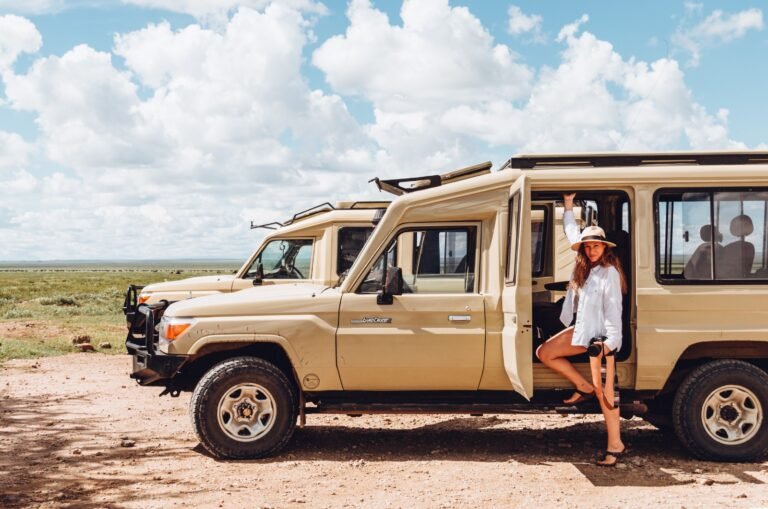
Nov 2, – 1 Day Lake Manyara Group Joining Safari: Plan & Logistics 2026
A practical guide to the November 2, 2026, group-joining safari to Lake Manyara. Learn about the logistics, the benefits of shared transport, and how to book your spot with Climb 4 Africa.
View package details
Kilimanjaroo Airport to AFCON Host City Transfer
Katika ukurasa huu wa kina, tunakuletea mwongozo wa kina juu ya jinsi ya kuhamisha kutoka Uwanja wa Kilimanjaro kwenda mjini litakalohudhuria AFCON 2027, pamoja na mapendekezo ya usafiri...
View package details
No related package matches those filters. Clear one or more filters to see the other topic-matched options.



