
While traditional “Black Friday” retail discounts are rarely applied to the operational costs of a Tanzania safari, the most effective way to secure a “deal” for travel in 2027 is by booking a Group Joining Safari. These departures effectively distribute the fixed costs of vehicle hire, park fees, and guide services across multiple travelers, offering a significantly lower price point than private tours while maintaining the same high standard of service and wildlife access. By booking your 2027 adventure during the late November 2026 period, you secure availability for peak travel windows and benefit from early-planning logistics.
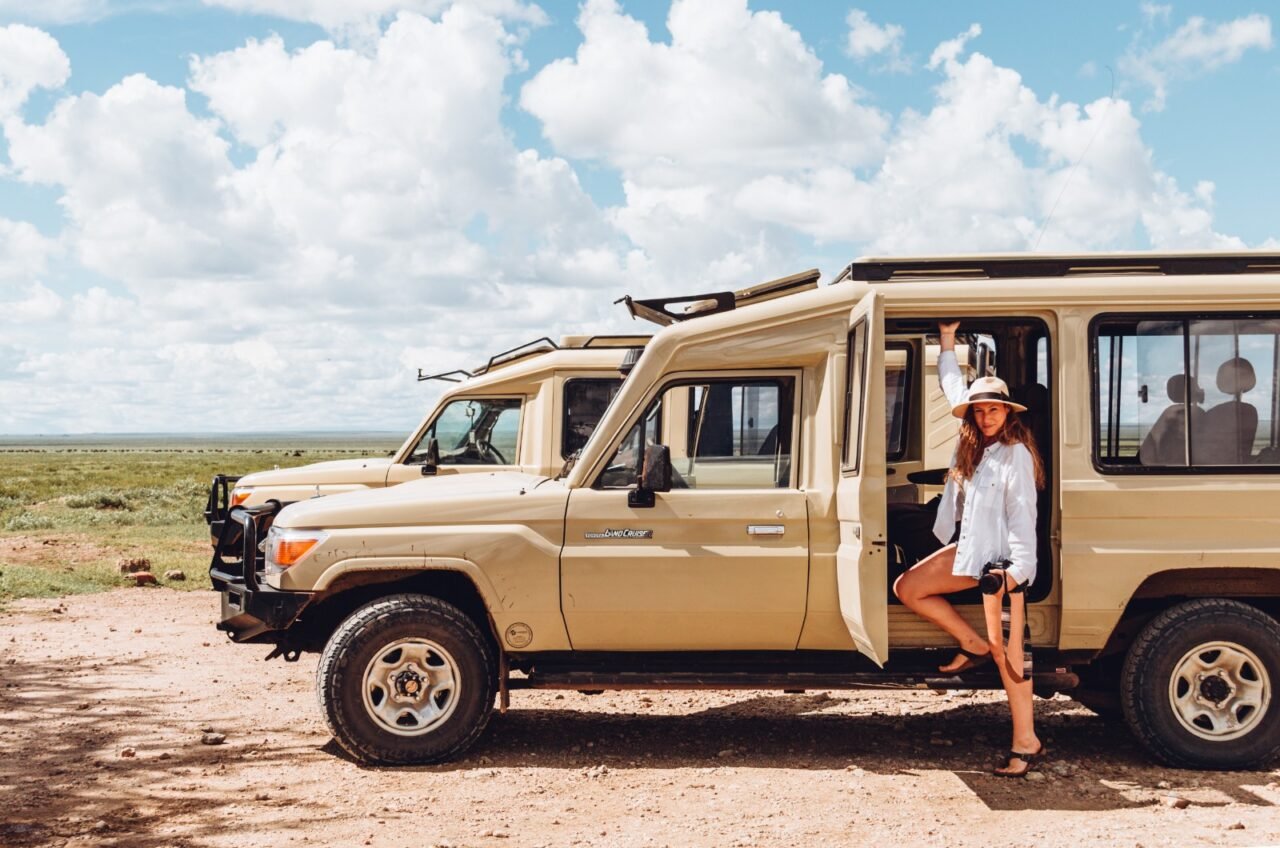
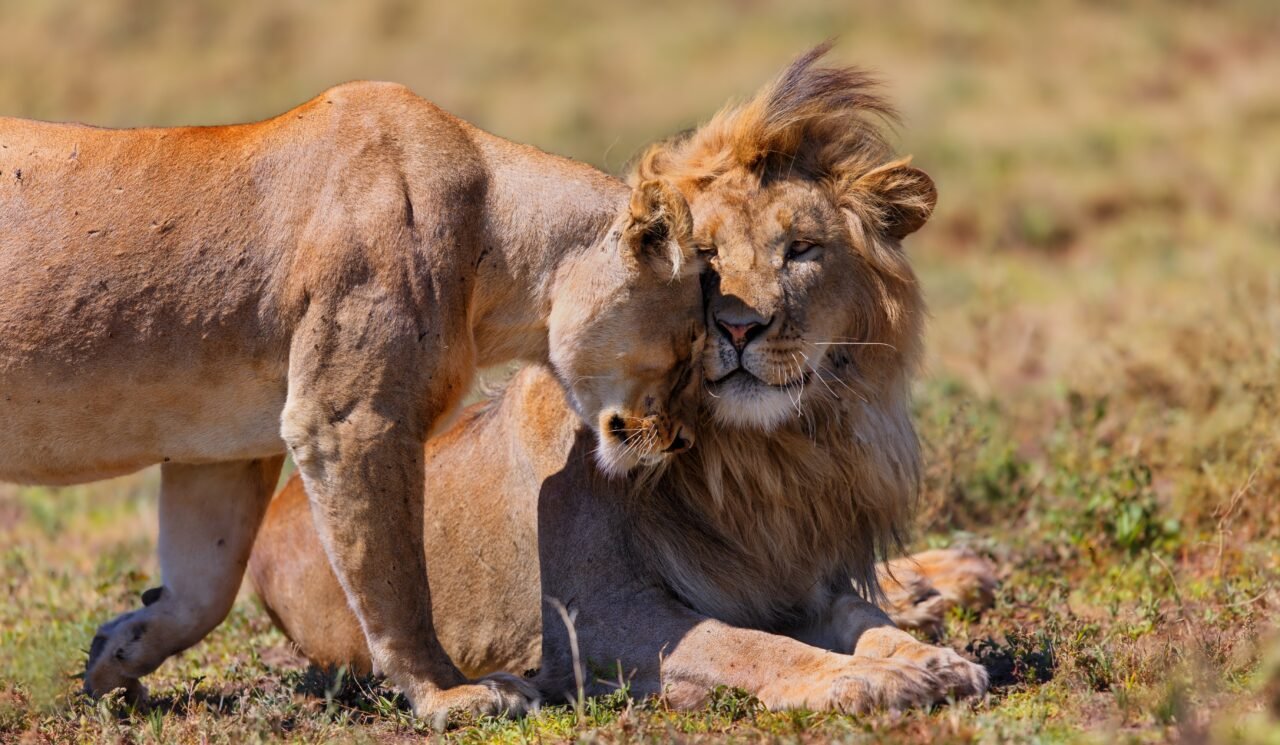
When travelers search for “Black Friday” deals in the context of African travel, they are often looking for a way to maximize their budget without compromising the quality of the experience. In the world of Tanzania safari operations, true “discount” culture doesn’t function like it does in retail. Safari costs are tied to non-negotiable park fees, fuel, vehicle maintenance, and fair wages for local guides. However, the mechanism of the Group Joining Safari provides the exact value proposition that savvy travelers seek during the November shopping season.
By joining a pre-scheduled group, you are essentially splitting the overhead of a private expedition. This is not just a seasonal promotion; it is a structural efficiency that makes world-class wildlife viewing accessible. For those planning their 2027 travel, the window around November 27, 2026, is an ideal time to lock in your itinerary, as it allows for better coordination of international flights and domestic logistics.
The Strategic Advantage of Group Joining Safaris
The primary reason to choose a group joining departure is the economy of scale. In a private safari, one or two people bear the entire cost of the 4×4 Land Cruiser, the driver-guide, and the logistics coordination. In a group setting, these costs are shared among 4 to 6 travelers. This is the most consistent “deal” you will find in Tanzania, far more reliable than a flash-sale coupon.
Beyond the cost, there is a social dynamic that many travelers enjoy. Sharing the experience of a Serengeti sunset or the thrill of a leopard sighting with like-minded travelers often enhances the journey. It creates a camaraderie that is unique to the group environment. For those who are concerned about the “shared” aspect, our operations prioritize small, intimate group sizes to ensure that the vehicle remains comfortable and the game viewing experience remains personalized.
Key Planning Decisions for 2027
Before you commit to a date, consider the duration of your trip. We often find that travelers who book too short of a trip (e.g., 2 or 3 days) spend too much time in transit and not enough time in the parks. For a comprehensive experience, we recommend looking at:
- 7 Day Serengeti and Ngorongoro Group Joining Safari: This is widely considered the “sweet spot” for a first-time visitor, allowing sufficient time to explore the diverse landscapes without feeling rushed.
- 8 Day Complete Northern Tanzania Group Safari: Ideal for those who want to include cultural visits or more remote areas of the Serengeti.
- 6 Day Tanzania Northern Circuit Group Safari: A balanced option that hits all the major highlights, including Tarangire and Manyara.
Northern vs. Southern Circuit: Making the Right Choice
One of the most common points of confusion for travelers is deciding between the Northern and Southern circuits. Your choice here will impact your budget and your wildlife expectations more than any “Black Friday” discount ever could.
The Northern Circuit (Serengeti, Ngorongoro, Tarangire, Manyara) is the classic safari experience. It is where you find the iconic landscapes and the highest density of wildlife. Because of the infrastructure, it is also where the majority of group joining safaris operate. If you want to see the Big Five in a single trip, this is your primary choice. It is highly efficient for group departures because the route is well-traveled and the logistics are predictable.
The Southern Circuit (Nyerere/Selous, Mikumi, Udzungwa) offers a different, more rugged experience. It is less crowded and offers a more “wild” feel. For travelers specifically looking for something different, we offer specialized departures such as the 4 Day Nyerere and Mikumi Group Joining Safari or the 3 Day Mikumi and Udzungwa Group Safari. These are excellent for travelers who have already “done” the North or who prefer a faster-paced, more adventurous trip.
Logistical Realities of 2027 Planning
When you are looking at dates in late 2026 for a 2027 trip, you are in the perfect position to secure your preferred accommodation and vehicle. The biggest mistake travelers make is waiting until the last minute to book, which often forces them into less desirable lodges or forces them to accept a private tour at a much higher cost simply because they couldn’t find an open group departure.
By booking early, you also have the advantage of aligning your safari with the best flight deals. Since Tanzania is a destination where international flights can fluctuate wildly in price, having your safari dates fixed early allows you to monitor flight costs effectively.
What to Confirm Before Booking
When you contact an operator like Climb 4 Africa, do not just ask for a price. Ask about the specifics of the “group” aspect. A responsible operator will be transparent about:
- Group Size: How many people will be in the vehicle? (We prioritize keeping groups small enough to ensure window seats for everyone).
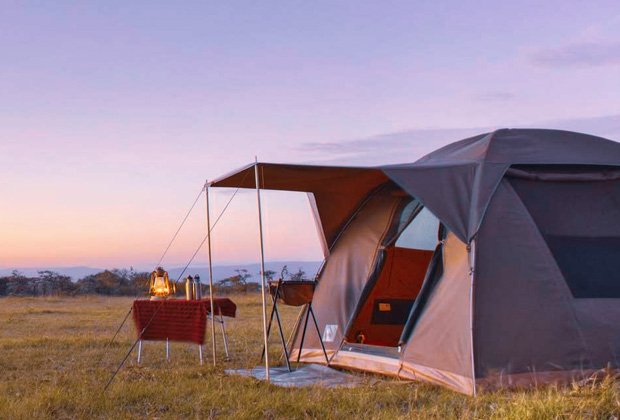
- Accommodation Type: Are you staying in mid-range lodges, luxury tented camps, or budget camping? Ensure the quote reflects the style you actually want.
- Inclusions/Exclusions: Are park fees, camping fees, and water included? Are there hidden costs for airport transfers?
- Vehicle Maintenance: Do they have a dedicated mechanic and backup vehicle protocol?
If you are interested in a specific, shorter trip, we have options like the 5 Day Tanzania Budget Camping Group Joining Safari which is fantastic for younger travelers or those who want to be closer to nature without the lodge price tag.
The Human Element: Why Local Support Matters
Climb 4 Africa is built on local support. When you book a group tour with us, you are not just booking a seat in a vehicle; you are engaging with a team that lives and breathes these parks. Our drivers are local experts who understand animal behavior and park dynamics. They know when to leave a crowded sighting to find something more exclusive, and they know how to navigate the complexities of park permits and gate timings.
This local expertise is the difference between a good trip and a great one. It is especially important in group settings, where the guide must balance the interests of different passengers. A skilled guide is the key to ensuring everyone feels heard and satisfied.
How to Initiate Your 2027 Safari Booking
If you are ready to plan your trip, the best approach is to reach out directly to us with your travel window and preferences. We do not use automated booking bots because every traveler has different needs—some want photography-focused trips, while others want family-friendly itineraries.
To get the most accurate information:
- Email us at climb4africa@gmail.com or our backup at info@climb-4-africa.com.
- Message us on WhatsApp at +255 747 477 898.
When you contact us, please specify: the approximate dates you are looking at, the number of people in your party, and whether you have a preference between the Northern or Southern circuit. This allows us to check our current group availability and provide you with a tailored recommendation that fits your timeframe.
Frequently Asked Questions
Is November a good time to book a safari?
Yes. November is a transitional month in Tanzania. While it can see short rains, it is also a time of lush greenery and lower tourist density, making it a fantastic time for game viewing. Booking in November for the following year is also a strategic move to secure early-bird availability.
Are group joining safaris always available?
They operate on a schedule. We maintain a robust calendar of departures, but they do fill up. This is why we encourage travelers to contact us as early as possible.
Can I customize a group joining safari?
A group joining safari follows a set itinerary to keep costs low and efficiency high. If you require a fully customized route, a private safari is the better option. However, our group itineraries are designed to cover the most requested highlights, so they often satisfy the needs of 90% of travelers.
How do I handle international flights?
We recommend booking your flights into Kilimanjaro International Airport (JRO) for Northern circuit safaris and Dar es Salaam (DAR) for Southern circuit safaris. We provide all necessary transfer information once your safari is booked.
Whether you are looking for a short 4 Day Serengeti, Ngorongoro and Tarangire Group Safari or a more extensive adventure, the key is to move from “searching” to “planning.” The inventory for 2027 is open, and securing your spot now is the most effective way to ensure your Tanzania experience is exactly what you envisioned.
Navigating the Group Dynamic: Etiquette and Expectations in a Shared Vehicle
While the financial savings of a group joining safari are the primary motivation for many travelers exploring options around November 27, 2026, the success of the trip often hinges on the social dynamics within the 4×4 vehicle. When you commit to a group departure for your 2027 adventure, you are agreeing to share a confined space with fellow travelers for several hours each day. Understanding the implicit etiquette of this shared environment is essential for a harmonious experience.
The most critical element is the rotation of seating. On a standard 6-seater or 7-seater Land Cruiser, the window seats are the most coveted for wildlife photography and viewing. To ensure fairness, professional operators typically implement a rotation policy. If your group does not have one, it is perfectly acceptable—and encouraged—to suggest a daily rotation. This simple act of consideration prevents resentment and ensures that every participant, regardless of where they sit, gets equal time observing the landscape and wildlife from different angles.
Furthermore, consider the “photography footprint.” In a group setting, patience is a virtue. If one member of the group is an avid photographer with a long lens, be mindful of how your gear impacts the space and view of others. Conversely, if you are not a photographer, be patient with those who are; waiting a few extra minutes for a lion to yawn or a leopard to emerge from the brush is part of the safari experience. Communication is key: discuss your interests with your group on day one. If everyone knows that the group contains a mix of birdwatchers, big-game seekers, and landscape photographers, the driver can better balance the itinerary to accommodate everyone’s priorities.
Securing Your 2027 Lodging Slots During the Late-November Booking Window
When you focus your search on late November 2026, you are operating within a crucial administrative window for the African travel industry. While the consumer-facing “Black Friday” marketing is often superficial, the underlying reality for safari operators is that November marks the period when many lodges and tented camps finalize their allocations and rates for the upcoming year. By initiating your booking during this specific timeframe, you gain a logistical advantage that far outweighs a generic discount.
The inventory for the best-located lodges—those positioned inside or on the immediate borders of the Serengeti and Ngorongoro—is finite. These properties often prioritize block bookings from larger tour operators. By booking your group joining safari in late 2026, you are essentially “piggybacking” on these secured allocations. If you wait until the spring of 2027 to book, you are far more likely to be relegated to properties located outside the park gates. This change in location may seem minor on a map, but it significantly impacts your daily routine: staying outside the park often adds an hour or more of transit time to your mornings and evenings, meaning you lose the critical “golden hour” of wildlife activity.
Therefore, the most valuable “deal” you can secure in November 2026 is not a price reduction, but the guarantee of proximity. When you confirm your booking now, you are ensuring that your group is prioritized for the lodges that offer the shortest drive times to the game-viewing areas. This efficiency allows for more time in the field, less time on dusty transit roads, and a higher probability of witnessing the wildlife encounters that justified your trip in the first place.
Dissecting the “All-Inclusive” Safari Quote: Transparency and Hidden Fees
When searching for a safari deal during the late-November window, the term “all-inclusive” can be dangerously ambiguous. In the Tanzanian safari industry, the difference between a high-value group joining departure and a low-cost trap often lies in the fine print of the quote. Because you are planning for 2027, you have the luxury of time to scrutinize these details, which is the single most effective way to protect your budget.
The most common “hidden” cost in safari quotes involves the distinction between government-mandated fees and operational costs. Park fees in Tanzania—specifically for the Serengeti National Park and the Ngorongoro Conservation Area—are significant. They are charged per person, per 24-hour period. A “cheap” quote often omits these fees, presenting them as “payable on arrival” or “subject to change.” When comparing quotes, ensure that your operator provides a clear, itemized breakdown. If an operator quotes a price that seems significantly lower than others, check if they have included the 18% Value Added Tax (VAT), which is mandatory for tourism services in Tanzania. A quote that excludes VAT is not a deal; it is a future invoice waiting to surprise you.
Furthermore, pay close attention to the distinction between “Full Board” and “Half Board” in your accommodation. A group joining safari typically operates on a full-board basis, meaning three meals a day are included. However, some operators may quote a lower rate by excluding lunches, assuming you will purchase them at roadside stops or park picnic sites. This not only increases your out-of-pocket expenses during the trip but also disrupts the group dynamic, as the vehicle must stop to accommodate those who need to source their own food. Always confirm that your package includes all meals from dinner on the day of arrival to breakfast on the day of departure.
Finally, consider the “Excluded” section of your quote. Reputable operators will explicitly state what is not covered. If this section is missing or vague, it is a red flag. Typically, international flights, travel insurance, visa fees (which are often $50 to $100 depending on your nationality), and tips for your driver-guide are excluded. Regarding gratuities, be wary of operators who mandate a “tipping fee” in advance. While tipping is standard practice in Tanzania, it should be a reflection of the service quality you received, not a pre-billed operational cost. A transparent operator will provide you with a suggested daily tipping range, allowing you to budget accordingly without forcing a fixed, non-negotiable fee into your initial contract.
Protecting Your Investment: Booking Terms and Financial Safeguards
Securing a spot on a 2027 group joining safari during the November 2026 window requires a financial commitment, usually in the form of a deposit. Because you are booking months in advance, understanding the cancellation and amendment policies is just as important as the price itself. When you are comparing “Black Friday” offers, prioritize operators who provide clear, written documentation regarding their financial safeguards.
Ask specifically about the deposit structure. A standard, reasonable deposit typically ranges from 20% to 30% of the total trip cost. This deposit is used to secure the vehicle, the guide, and the lodging allocations mentioned earlier. If an operator demands full payment upfront months in advance, pause and re-evaluate. A professional operator understands that travel plans can change and will have a tiered cancellation policy. Look for terms that offer a full refund (minus administrative costs) if cancellation occurs 90 days or more before the departure date, with a sliding scale as the date approaches.
It is also vital to discuss “force majeure” clauses. While the pandemic brought this to the forefront, it remains a standard element of any robust travel contract. What happens if park closures, political instability, or severe weather conditions prevent the safari from proceeding? A trustworthy operator will have a policy in place that allows for the transfer of your deposit to a future date or a partial refund, rather than a total loss of your funds. If the operator cannot provide a clear answer to this question, it is a sign that their logistics are not as stable as they claim.
Finally, ensure that your booking is tied to a specific itinerary number or booking reference. As you finalize your 2027 plans, request a confirmation document that explicitly lists the lodges, the type of vehicle (e.g., 4×4 Land Cruiser with pop-up roof), and the inclusion of an English-speaking driver-guide. Do not accept a vague “confirmation email” as the final word. By securing a formal booking contract in late 2026, you move from being a “potential lead” to a confirmed traveler, ensuring that your group joining safari is fully prepared to accommodate you when you arrive in Tanzania the following year.
Bridging the Gap: From Booking Confirmation to Arrival Day
Once you have secured your spot on a group joining safari during the late-November 2026 booking window, the period between your confirmation and your actual departure in 2027 can feel like a logistical void. Many travelers assume that once the deposit is paid and the itinerary is in their inbox, the work is done. However, for those participating in a group joining model, the months leading up to your arrival are the ideal time to refine your preparation. The transition from being a ‘confirmed booking’ to an ‘active participant’ on the ground in Tanzania is where the most successful safaris are defined.
The Pre-Safari Briefing: Why It Is Non-Negotiable
A hallmark of a professional Tanzanian safari operator is the pre-safari briefing. Whether this takes place via a video call a week before you depart or in person at your hotel in Arusha the evening before your safari starts, this meeting is your most important tool for ensuring a smooth experience. If you booked your trip during a promotional window, you might be tempted to view the trip as a ‘packaged commodity,’ but the briefing is where you personalize that experience.
During this session, you should expect to cover specific operational details that go beyond the itinerary. Ask your operator to confirm the exact vehicle specifications—specifically, verify that the 4×4 Land Cruiser is fitted with a pop-up roof and that every seat has a window view. In a group joining environment, the seating arrangement is often rotated daily to ensure everyone gets a fair perspective of the wildlife. Clarifying this policy during the briefing prevents any awkwardness or conflict once the drive begins. Additionally, this is the time to review the ‘Day 0’ logistics: confirm your pickup time, the location of your hotel, and the contact details for your driver-guide. Never head into the bush without the direct mobile number of your guide or a 24-hour emergency support line for the operator.
Managing Arrival Day: Logistics for the Solo or Small-Group Traveler
Most international flights arrive at Kilimanjaro International Airport (JRO). Because you are joining a group, your arrival timing is critical. While some travelers try to schedule their flight to land in the morning and head straight to the park, this is a recipe for fatigue and, in the event of a flight delay, a missed safari start. We strongly advise planning your arrival for at least 24 hours before your safari departure date. This buffer allows you to clear customs, settle into your accommodation in Arusha or Moshi, and participate in the mandatory briefing mentioned above.
When booking your airport transfer, ensure it is integrated into your safari package. Relying on ad-hoc taxis at the airport can be stressful after a long-haul flight. A reputable operator will have a driver waiting for you with a clear sign, familiar with the specific hotel drop-off locations. This transfer is not just a ride; it is your introduction to the local environment. Use this time to ask your driver about the current road conditions or recent wildlife sightings, which can help build rapport and set the tone for your upcoming adventure.
The Luggage Reality: Why Soft-Sided Bags Matter
A frequently overlooked aspect of group safari planning is luggage management. Unlike a private tour where you might have the entire vehicle to yourself, a group joining safari involves sharing the storage space of a 4×4 Land Cruiser with three to five other travelers. The physical constraints of these vehicles are significant. Hard-shell suitcases, which are standard for international air travel, are notoriously difficult to pack into the rear compartments of safari vehicles. They do not compress, and they often prevent the rear door from closing properly, or worse, they take up space meant for other passengers’ gear.
To ensure you remain in good standing with your group, invest in high-quality, soft-sided duffel bags. These are collapsible and can be easily tucked into the nooks and crannies of the vehicle’s storage area. Furthermore, keep your ‘day bag’—the one you keep with you in the cabin—compact. You will need space for your camera gear, binoculars, a light jacket, and water, but avoid bringing excessive equipment into the vehicle. The cabin space is shared; keeping your personal items contained within your immediate seating area is a core rule of safari etiquette that makes the long days on the road significantly more comfortable for everyone involved.
Navigating the ‘Day 0’ Transition
The day before your safari officially begins—often called ‘Day 0’—is the time to handle the final administrative tasks. Ensure your passport is easily accessible, as you will need it for park registration. If you have any dietary restrictions or specific medical needs, reiterate these to your operator during the final check-in. Even if you included these in your initial booking form back in November 2026, a quick reminder during your final briefing ensures that the kitchen staff at the lodges you will be visiting are fully prepared. By treating the time between your booking and your arrival as an active planning phase rather than a passive waiting period, you ensure that when you finally climb into that Land Cruiser, you are ready to focus entirely on the Serengeti, the Ngorongoro Crater, and the experience you have worked to secure.
Understanding the Tipping Culture and Gratuity Expectations on Group Safaris
One of the most frequent questions that arises after a traveler has secured their group safari slot during the late-November booking window concerns the “hidden” costs of daily operations—specifically, tipping. While your booking fee covers the major operational costs like vehicle hire, park entry fees, and lodge accommodations, the standard of service in Tanzania is deeply rooted in a gratuity-based appreciation system. For travelers joining a group, this can be slightly confusing: how do you manage tipping when you are sharing a vehicle with strangers, and what are the industry standards for 2027?
First, it is vital to decouple the concept of a “tip” from the idea of a mandatory service charge. In the Tanzanian safari industry, tipping is a gesture of gratitude for the driver-guide’s expertise, safety awareness, and ability to navigate the complex dynamics of the bush. Because you are in a group, you should discuss this as a collective during your ‘Day 0’ briefing or on the first morning of the safari. While individual tipping is always a personal choice, group travelers often find it most efficient to pool their gratuities. This prevents the awkwardness of disparate tipping levels and ensures that the guide is rewarded fairly for the collective effort of the group.
The standard guideline for a high-quality, professional safari guide is typically between $20 and $30 USD per day, per vehicle—not per person. When you are in a group of four to six people, this amount becomes very manageable when shared. If you are part of a group of six, for example, contributing $5 per person per day is a generous and appropriate way to show appreciation for a guide who has spent the day tracking wildlife, managing vehicle logistics, and keeping the group informed about the ecosystem. It is recommended to bring this cash in small denominations (USD bills printed after 2009 are generally required for exchange in Tanzania) so that you can easily contribute your portion without needing change.
Beyond the driver-guide, there is a secondary tier of tipping that often catches new safari-goers off guard: lodge and camp staff. Most lodges have a communal “tip box” at the reception. This is the most professional and equitable way to ensure that the behind-the-scenes staff—the chefs, the housekeeping team, and the groundskeepers—receive their share of the gratitude. A common practice is to contribute $5 to $10 USD per person, per night, to this communal box. If you choose to tip individual staff members directly, that is also acceptable, but the communal box is the industry-standard method for ensuring the entire lodge team is recognized for their hard work.
Ultimately, tipping should be viewed as a final component of your safari budget that you plan for well in advance. Do not leave this to the last minute or assume it is included in your “all-inclusive” quote. By preparing your gratuity envelopes before you leave home, you remove the stress of scrambling for cash at the end of the trip. This allows you to focus on the final days of your safari, knowing that you have honored the hard work of the local professionals who made your 2027 adventure possible.
The Dynamics of Solo Travel within Group Safaris: Maximizing Value and Comfort
One of the most significant, yet frequently misunderstood, aspects of booking a group joining safari during the late-November window is the experience of the solo traveler. Many people assume that “group joining” implies you must travel with a friend or partner to make the economics work. In reality, the group joining model is arguably the most efficient and cost-effective way for a solo traveler to experience Tanzania. However, moving from a solo booking to a shared vehicle environment requires a specific mindset and a clear understanding of how the industry handles “single supplements” and rooming arrangements.
When you book as a solo traveler, the primary cost barrier is usually the accommodation. Safari lodges and tented camps operate on a per-person, per-night basis, but their pricing structures are inherently built for double occupancy. If you book a private safari, you would typically be liable for a “single supplement” fee, which essentially covers the cost of the empty bed in a double room. In a group joining safari, operators often have strategies to mitigate this. When you inquire about your 2027 trip in November 2026, explicitly ask your operator if they offer “guaranteed share” options. This is a specific arrangement where the operator pairs you with another solo traveler of the same gender for the duration of the trip. This eliminates the single supplement entirely, allowing you to pay the same per-person rate as a couple or a pair of friends.
If you prefer not to share a room, you must accept that the single supplement is a non-negotiable industry standard. Because lodges have limited inventory, they cannot afford to sell a room designed for two people at the price of one. However, during the November booking window, you have more leverage. Because you are booking well in advance, some operators may be more willing to negotiate a reduced single supplement or offer a “room share” waiver if they have other solo travelers already confirmed for your requested dates. Always frame your inquiry around your flexibility; if you are open to shifting your travel dates by a day or two, an operator can often match you with an existing group, which is the most effective way to avoid single-traveler surcharges.
Beyond the financial aspect, consider the social logistics. A group joining safari is a highly intimate environment. You will spend 6 to 10 hours a day in a 4×4 vehicle with the same people for several days. For a solo traveler, this is an incredible opportunity to meet like-minded adventurers from around the world. However, it also means you are part of a team. Your success as a participant relies on your ability to balance your individual needs—such as wanting to stop for a specific photograph—with the group’s collective pace. The most successful solo travelers in group settings are those who communicate their interests early. If you are a photographer, mention this during the pre-safari briefing. Your driver-guide can then manage the group’s expectations, ensuring that everyone understands why the vehicle might be stationary for longer periods.
Lastly, be mindful of the “Day 0” transition as a solo traveler. If you are arriving alone, you are solely responsible for your own transit from Kilimanjaro International Airport (JRO) to your hotel in Arusha. Do not assume your group safari operator will meet you at the airport unless it is explicitly stated in your booking confirmation. Most operators offer airport transfers as an add-on service. For a solo traveler, it is strongly recommended to pre-book this transfer. Navigating JRO alone, especially after a long-haul flight, can be overwhelming due to the density of taxi touts and the logistical confusion of the arrival hall. Having a driver with a sign bearing your name waiting for you is not just a luxury; it is a critical safety and stress-reduction measure that sets the tone for the rest of your trip.
Managing Expectations: The Reality of Shared Vehicle Wildlife Viewing
When you are one of several solo travelers in a group, the competition for the “best” seat in the vehicle can sometimes create friction. In a 4×4 Land Cruiser used for group joining safaris, there are typically three rows of seating behind the driver. The seats near the windows are the most coveted because they offer the best visibility for photography and wildlife spotting. To maintain harmony, professional operators almost always implement a seat-rotation policy. This is a simple but effective system where travelers rotate positions after each game drive or each full day.
As a solo traveler, you should clarify this policy before you pay your deposit. A transparent operator will confirm that they enforce a rotation system. If they do not, you may find yourself stuck in a middle seat for the duration of a multi-day trip, which significantly diminishes the value of your safari. During the November booking window, when you are vetting operators for your 2027 trip, ask specifically: “What is your policy on seat rotation for group joining safaris?” If an operator seems vague or suggests that it is up to the guests to “work it out among themselves,” consider this a red flag. A well-managed group safari has clear, pre-defined rules that prevent social conflict before it even begins.

The Crucial Role of Dietary and Medical Disclosure in Group Settings
While the administrative and logistical aspects of booking a group joining safari are often prioritized during the November booking window, one critical detail frequently relegated to an afterthought is the formal disclosure of dietary requirements and medical conditions. In a private safari, your guide can easily adapt to individual needs on the fly. In a group setting, however, the logistics are rigid. When you share a vehicle and, often, a lodge itinerary with strangers, the operator must coordinate these needs across multiple third-party suppliers, including bush camps, lodges, and even the catering staff at lunch stops in the national parks.
It is a common misconception that dietary needs can be communicated upon arrival in Arusha. By then, food supplies for remote camps—which often require days of transport to reach—are already packed and in transit. If you have severe allergies (such as to nuts, shellfish, or specific grains) or strict dietary requirements (such as vegan, gluten-free, or Halal), these must be explicitly included in your initial booking agreement. During the late-November planning window for your 2027 trip, ensure that these requirements are not just mentioned in a casual email, but are formally logged in your booking contract. Ask your operator for a written confirmation that these needs have been communicated to all lodge partners and the camp kitchen teams. Do not assume that the “general” information provided by a booking agent will filter down to the remote bush camp chef who will be preparing your meals in the Serengeti.
Similarly, medical disclosure is a non-negotiable safety requirement for group travel. If you have mobility issues, chronic conditions that require specific medication storage, or any health concerns that could impact the group’s itinerary, you are ethically and practically obligated to inform your operator. This is not about exclusion; it is about safety. For instance, if you require a CPAP machine for sleep apnea, the operator needs to know this months in advance to ensure your assigned lodges have 24-hour electricity or the capacity to provide a power inverter. Many remote lodges rely on solar power or generators that shut down at night; if you do not disclose your equipment needs, you may find yourself without power, which can be both a health risk and a significant disruption to your sleep—and by extension, the group’s morning departure time.
Finally, consider the “group” impact of your medical needs. If you require frequent stops for mobility assistance or specific health monitoring, this will inherently affect the pace of the game drives. While professional operators are accommodating, it is better to be transparent during the booking phase. This allows the operator to place you in a group with similar requirements or, if necessary, advise you on whether a private vehicle option might be a safer and more comfortable choice for your specific needs. Transparency at the point of booking is the best way to ensure that your 2027 safari remains a smooth, enjoyable experience rather than a series of logistical hurdles.
Mastering Wildlife Photography in a Shared Safari Vehicle
For many travelers, the primary motivation for booking a group joining safari—especially during the advantageous late-November 2026 booking window—is the promise of witnessing the Great Migration or the predator-prey dynamics of the Serengeti. However, a significant subset of these travelers are amateur or semi-professional photographers. While the economy of scale offered by a group joining safari is undeniable, the physical reality of sharing a 4×4 Land Cruiser introduces specific challenges for those hoping to return home with National Geographic-quality portfolios. Understanding these constraints before you finalize your booking is essential to managing your own expectations and maintaining harmony with your fellow travelers.
The Physical Constraints of the 4×4
The standard vehicle for a Tanzanian group safari is a modified 4×4 Land Cruiser with a pop-up roof. While these vehicles are designed for off-road durability, they are not mobile studios. If you are accustomed to shooting from a private vehicle where you can sprawl your equipment across the entire back row, the group dynamic will require a significant adjustment. In a shared vehicle, you are typically limited to your specific seat and the immediate window space. Tripods are almost universally impractical and often forbidden in shared vehicles; the floor space is occupied by luggage, water coolers, and the feet of your fellow travelers, and the vibration of the vehicle makes tripod stability negligible. Instead, you must rely on beanbags—which you should bring empty and fill with beans or rice upon arrival in Arusha—or window-mounted monopods. Planning to use a tripod will only result in frustration and friction with your seatmates.
The Protocol of the Lens
Wildlife photography in a shared environment is a test of social grace as much as technical skill. When a pride of lions is spotted, the entire vehicle will lean toward the windows. If you are using a long telephoto lens, you must be hyper-aware of your lens hood and the personal space of the person sitting next to you. The ‘lens-creep’—where your equipment drifts into your neighbor’s field of view—is a primary source of conflict in group safaris. Establish a verbal agreement with your seatmate early on: rotate who gets the ‘best’ angle for the shot, or agree to take turns being the primary shooter. Professional photographers often suggest that if you are in a group of four or more, you should prioritize ‘environmental’ shots that capture the scene rather than attempting to force a tight portrait that requires the vehicle to be positioned at a specific, exclusive angle that inconveniences others.
The Driver-Guide Communication Loop
Your driver-guide is the most important element of your photographic success, but in a group setting, they are balancing the needs of four to six different people. If you are the only photographer in the group, you cannot expect the driver to stop for 20 minutes to wait for a bird to take flight. During your pre-safari briefing, be honest about your photographic goals. Ask the operator if they can place you in a group of like-minded enthusiasts. If that is not possible, acknowledge that you will need to be concise in your requests. When you spot a subject, use clear, non-aggressive language: ‘Can we hold here for a moment for a photo?’ is far more effective than shouting ‘Stop!’ or ‘Back up!’ which can alarm the wildlife and annoy your vehicle-mates who may just want to observe the animal behavior without the pressure of a camera lens.
Mitigating the Dust Factor
Tanzania’s safari circuits, particularly the Serengeti and Tarangire, are notoriously dusty. This is a technical, not just a social, challenge. In a shared vehicle, the dust kicked up by your own car and others on the track will circulate through the open windows and pop-top roof. If you are frequently changing lenses, you are essentially inviting the fine, volcanic soil of the plains into your camera sensor. The most successful photographers on group safaris use a ‘two-body’ system: one camera with a wide-angle lens for landscapes and one with a telephoto zoom for wildlife. This eliminates the need to change lenses in the field. Additionally, bring a high-quality, weather-sealed dry bag to store your camera when it is not in use. Even if your camera is weather-sealed, the fine dust in Tanzania can infiltrate mechanical zooms and focus rings. Never leave your gear on the seat while the vehicle is moving; the vibration and the dust will degrade your equipment faster than the actual photography.
Balancing Itinerary with Photographic Goals
Finally, recognize that group joining safaris operate on a schedule designed to maximize game viewing for the average traveler. This often means moving between parks to see the diversity of the ecosystem, rather than spending three days at a single waterhole waiting for the perfect light. If your heart is set on ‘golden hour’ photography—the time just after sunrise or just before sunset—you must communicate this before booking. Some group departures are ‘photography-focused’ and prioritize these hours, while standard group itineraries prioritize covering distance to see more parks. By aligning your expectations with the specific type of group departure you book during the November window, you ensure that your photographic ambitions do not clash with the reality of the itinerary.
The Ethics of Wildlife Encounters: Collective Responsibility in a Group Setting
When you book a safari during a promotional window like the late-November “Black Friday” period, it is natural to focus on the transactional value of the deal. However, this consumer-centric mindset can inadvertently spill over into the safari experience itself, manifesting as a sense of entitlement regarding wildlife sightings. In a shared vehicle, the dynamic between the guests and the driver-guide is fragile. When one passenger demands that the driver break park rules to get a better shot, they put the guide’s career, the operator’s license, and the welfare of the wildlife at risk.
The Pressure to ‘Perform’
The most significant ethical challenge in a group safari is the pressure placed on the driver to “perform.” Some travelers, having paid a price for their experience, may feel that the driver is an employee whose primary job is to satisfy every photographic whim, regardless of the consequences. This often manifests as requests to drive off-road, approach predators too closely, or stay past the strictly enforced park gate closing times. It is essential to recognize that your driver-guide is not just a chauffeur; they are a trained professional who is intimately aware of the park’s regulations and the behavior of the animals. If your guide refuses a request to move closer to a cheetah or to chase a leopard into the bush, it is almost certainly because they are following the rules set by the Tanzania National Parks Authority (TANAPA) or because they know that aggressive positioning will cause the animal to flee, ruining the sighting for everyone.
Understanding TANAPA Regulations as a Safety Net
The regulations governing Tanzanian national parks are not suggestions; they are strictly enforced laws designed to protect both the visitor and the ecosystem. Off-roading, for example, is prohibited in most areas of the Serengeti to prevent soil erosion and the destruction of sensitive habitats. When a guest insists that the driver “just go a little bit off the track,” they are asking the driver to potentially face heavy fines, suspension of their guiding license, or even the loss of the operator’s vehicle permit. In a group setting, one vocal guest can create a toxic environment by questioning the guide’s competence. As a fellow passenger, the most responsible action is to support the guide’s decision. If you notice a guest pushing for unethical behavior, a calm, supportive comment like, “I think the guide knows what they are doing, let’s respect the park rules,” can de-escalate the situation and relieve the immense pressure on the driver.
The Role of the Informed Passenger
Being an informed passenger means understanding that wildlife viewing is a game of patience, not aggression. The best sightings often happen when the vehicle is stationary, the engine is off, and the animals are allowed to go about their business undisturbed. When you see other vehicles crowding a sighting, it is often a sign of poor etiquette by those operators. By choosing to stay back or wait for a turn, your guide is demonstrating the highest level of professionalism. During your 2027 trip, remember that the value you secured in November 2026 covered the cost of a safe, legal, and ethical expedition. Protecting the integrity of that expedition is a shared responsibility. When the group respects the guide’s authority and the park’s boundaries, the quality of the wildlife sightings invariably improves, as the animals remain calm and natural in their behavior, rather than stressed and defensive.
Digital Connectivity and Power Management in the Wilderness
While the allure of a safari is often the promise of a digital detox, the reality for the modern traveler is that staying connected—both for safety and for sharing the experience—is a significant logistical consideration. When you are on a group joining safari, the challenge of connectivity is compounded by the fact that you are moving through remote ecosystems where cellular infrastructure is minimal and shared resources are limited. Understanding how to manage your digital footprint before you leave Arusha is essential to avoiding frustration once you reach the Serengeti or Ngorongoro.
The Reality of Safari Wi-Fi
Many travelers operate under the assumption that the lodges and tented camps included in their package will offer reliable, high-speed Wi-Fi. While most mid-range and luxury properties in Tanzania do offer internet access, it is almost exclusively confined to the main public areas—the lounge, the dining room, or the bar. You should not expect a signal inside your individual tent or cabin. Furthermore, because these lodges often rely on satellite internet or microwave links, bandwidth is extremely limited. Attempting to upload high-resolution video files or participate in video calls is often impossible. For the most reliable connectivity, the best strategy is to purchase a local SIM card (such as Vodacom or Airtel) at Kilimanjaro International Airport or in Arusha before your safari begins. A local SIM allows you to utilize cellular data, which, while spotty in deep wilderness areas, often provides a more consistent connection than lodge Wi-Fi when you are near park entrances or major transit routes.
Power Dynamics in a Shared Vehicle
In a private safari vehicle, you might have the luxury of monopolizing the cigarette lighter adapter or the inverter to charge your gear. In a group joining safari, this is a social negotiation. Most modified 4×4 Land Cruisers are equipped with a limited number of charging points, and these are often reserved for the driver’s communication equipment or the vehicle’s own electrical needs. If the vehicle has an inverter, it is a shared resource. You must be prepared for the reality that you cannot keep a laptop, a tablet, and multiple camera batteries charging simultaneously. The most experienced travelers bring a high-capacity power bank—at least 20,000mAh—that can be charged at the lodge overnight and then used to top up your devices during the day. This removes the need to rely on the vehicle’s limited power supply and prevents the friction that can arise when four or five passengers are competing for the same charging port.
The Etiquette of Digital Usage
Finally, remember that the group dynamic is heavily influenced by the atmosphere within the vehicle. While you may be eager to check emails or post updates, constant screen time can disconnect you from the shared experience. The “informed passenger” mentioned in earlier sections is also an “engaged passenger.” When you are in the vehicle, your primary focus should be the landscape and the wildlife. If you must use your phone, do so with the screen brightness turned down and the sound muted. If you are using a camera, ensure your batteries are charged the night before at your lodge. If you find yourself in a position where you absolutely must charge a device in the vehicle, ask the driver for permission first, and check with your fellow passengers to ensure you aren’t displacing someone else who may have a more urgent need. By managing your power and connectivity needs independently, you contribute to a smoother, more harmonious group dynamic, ensuring that everyone’s focus remains on the horizon rather than on their cables.
Navigating the Post-Safari Transition: Managing the Exit Logistics
While the focus of your late-November 2026 booking window is rightfully on the logistics of arrival and the safari itself, the conclusion of your group journey requires just as much strategic foresight. Many travelers, exhausted by the intensity of the Serengeti or the Ngorongoro Crater, treat the final day as an afterthought, failing to account for the specific operational bottlenecks that occur when a group of travelers departs from the bush simultaneously. Understanding the transition from your final game drive back to the urban centers of Arusha or Kilimanjaro International Airport (JRO) is the final, essential step in your 2026-2027 planning cycle.
The Late-Afternoon Departure Paradox
In a group joining safari, the final day often involves a morning game drive followed by a drive back to Arusha. If your international flight departs late in the evening, you face a significant “dead time” gap. Unlike a private tour where you could potentially pay for a late-check-out or a private day-room at a hotel, group joining logistics are generally fixed. Your operator will likely drop you at a pre-arranged location—often a hotel or a designated transit point—several hours before your flight. Knowing this in advance allows you to book a “day-use” room at an Arusha-based lodge. These rooms are typically available at a fraction of the cost of a full night’s stay and provide a secure, quiet space to shower, repack your luggage, and organize your gear before the long journey home. Failing to secure this space often results in travelers spending their final afternoon in the lobby of a hotel or, worse, at the airport, which lacks the amenities for a comfortable pre-flight transition.
Reconciling the Final Tipping Protocol
As discussed in previous sections regarding tipping culture, the final day is when the financial appreciation for your driver-guide is finalized. In a group setting, this can be logistically awkward. If your group is splitting up—some heading to the airport, others to different hotels, and some continuing on to other destinations—the coordinated tipping effort can fall apart. To avoid this, it is professional and courteous to have a brief, private “huddle” with your fellow passengers on the evening before the final day. Discuss the collective gratuity amount and designate one person to handle the physical handover to the guide. This prevents the guide from receiving fragmented, confusing tips and ensures that the group’s collective appreciation is presented in a unified, dignified manner.
Managing the ‘Exit’ Customs and Export Regulations
If you have purchased souvenirs during your safari—particularly wood carvings, paintings, or traditional textiles—the exit process requires a bit of awareness. While most reputable souvenir shops in tourist hubs provide the necessary export permits, you must ensure you have these documents physically in your hand before you leave the shop. Do not assume your guide will handle this at the airport. When you reach JRO, security checkpoints are thorough. If you are carrying items that could be misconstrued as protected wildlife products, having your receipt and export documentation readily accessible in your carry-on luggage—not your checked bags—is vital. This prevents unnecessary delays at the airport security gate, where the pressure of a looming international flight departure can quickly turn a peaceful exit into a stressful ordeal.
Navigating Interpersonal Friction in the Shared Safari Vehicle
While the economic efficiency of booking a group joining safari—especially during the competitive November promotional windows—is undeniable, the social reality of sharing a 4×4 Land Cruiser with strangers for several days requires a specific set of interpersonal skills. When you are confined to a vehicle for eight to ten hours a day, minor personality clashes can quickly escalate into significant disruptions. Understanding how to manage these dynamics is just as important as choosing the right itinerary.
The Psychology of the ‘Deal’ and Entitlement
A frequent source of friction in group joining safaris stems from the “transactional mindset” that often accompanies a discounted booking. Because travelers have secured their spot at a competitive rate, there is occasionally an unconscious shift toward a consumer-centric attitude, where passengers feel entitled to dictate the vehicle’s pace, temperature, or route based on their personal preferences. When multiple passengers in a single vehicle operate under this assumption, conflict is inevitable. Recognize that your fellow travelers have paid for the same experience; the “deal” you secured does not grant you seniority over the vehicle’s operations or the driver’s attention.
Establishing a ‘Group Charter’ on Day One
The most effective way to mitigate conflict is to address it before the engine is even started. During your initial meeting with your group—whether at the pre-safari briefing or the moment you board the vehicle on the first morning—propose a brief, collaborative discussion to set ground rules. This is not about rigid scheduling, but about establishing basic operating parameters. Discuss preferences for window usage (dust versus airflow), the frequency of stops for restroom breaks versus wildlife viewing, and the general volume of conversation. By explicitly agreeing to these norms early on, you create a “group charter” that makes it easier to gently correct behavior later without it feeling like a personal attack.
Managing the ‘Guide-in-the-Middle’ Trap
One of the most critical rules of group safari etiquette is to avoid placing your driver-guide in the position of arbiter. Your guide’s primary responsibility is the safety of the vehicle and the success of the game viewing; they are not trained mediators for social disputes. If you have an issue with another passenger—perhaps they are consistently late, overly loud, or monopolizing the guide’s time—do not vent your frustrations to the driver. This forces the guide to take sides, which disrupts the professional dynamic and can negatively impact the quality of the safari for everyone. Address interpersonal issues directly with the passenger involved, using “I” statements rather than accusatory language, or wait until the end of the day to have a calm, private conversation away from the vehicle.
When to Engage the Operator
There is a distinct line between a personality clash and a genuine breach of conduct. If a fellow passenger is engaging in behavior that compromises the safety of the group—such as ignoring park regulations, harassing wildlife, or becoming verbally abusive—you have a responsibility to intervene. If the behavior persists after you have addressed it, contact your safari operator’s head office immediately. Do not wait until the end of the trip. The operator has the authority to move passengers between vehicles if space allows or to issue a formal warning. While this is a rare occurrence, having the contact information of your booking agent readily available ensures that you are not forced to endure a compromised experience due to the actions of another traveler.
The ‘Guaranteed Departure’ Clause: Navigating Operational Certainty in Promotional Bookings
When you secure a safari booking during the promotional window of late November 2026, you are often participating in a high-volume planning cycle where operators are attempting to finalize their fleet schedules for the upcoming year. While the “Black Friday” marketing label suggests a standard retail transaction, the underlying operational reality is far more complex. The most critical, yet frequently overlooked, element of your booking contract is the “Guaranteed Departure” clause. Understanding this is essential, as the economic model of a group joining safari relies entirely on reaching a minimum number of passengers to cover the fixed costs of vehicle hire, fuel, and guide salaries.
The Economics of the Minimum Load
Most group joining safaris require a minimum of two to four passengers to be financially viable. When you book a discounted slot during a promotional window, you are essentially betting that the operator will attract enough additional travelers to fill the remaining seats on your chosen date. If the operator fails to reach this minimum threshold, the “deal” can quickly unravel. Without a guaranteed departure clause, you risk having your trip cancelled, postponed, or being asked to pay a significant “supplement” to cover the missing passengers—a scenario that can derail your travel plans just weeks before departure.
Identifying the ‘Guaranteed’ Status in Your Booking Contract
Before you transfer your deposit, you must explicitly clarify the departure status of your chosen date. Do not rely on verbal assurances or vague marketing language. Scrutinize the booking terms for phrases like “subject to minimum numbers” or “contingent upon group size.” If a date is not marked as “Guaranteed Departure,” ask the operator directly: “What is the minimum number of passengers required to run this specific departure, and what happens if that number is not met?” A reputable operator will have a clear, written policy regarding this, often providing a deadline (usually 30 to 60 days before the start date) by which they must confirm whether the trip is proceeding.
The ‘Consolidation’ Clause: A Necessary Industry Practice
Many travelers are surprised to find that their safari group might be “consolidated” with passengers from other tour operators. This is a standard industry practice in Tanzania. If Operator A has two guests and Operator B has two guests, they may combine their bookings into a single vehicle to ensure the trip runs for everyone. While this is generally a positive outcome because it guarantees the departure, it does introduce a variable: you may be sharing a vehicle with people who booked through a different agency at a different price point. Ensure that your contract allows for this consolidation and confirms that the level of service, vehicle quality, and accommodation standards will remain consistent with your original booking.
Vetting Financial Safeguards During High-Volume Booking Windows
The late-November booking window is a peak period for administrative activity, and it is during these times that the risk of “ghost bookings” or administrative errors can increase. When you confirm your 2027 safari, ensure that your financial safeguards are robust. Verify that your deposit is held in a protected account and that the cancellation policy clearly outlines what happens if the operator cancels the trip due to lack of numbers. If an operator cancels a non-guaranteed departure, you should be entitled to a full refund, not just a credit note. If the operator refuses to offer a full refund in the event that they cannot meet their own minimum passenger requirements, view this as a red flag regarding their financial stability and operational transparency.
The Endurance Factor: Managing Physical Comfort in a High-Intensity Itinerary
While the promotional focus of your late-November booking often centers on the financial savings of a group joining safari, the physical reality of the experience is frequently underestimated by first-time travelers. A group safari is not a passive sightseeing tour; it is a high-intensity, multi-day endurance event. The constant vibration of a 4×4 Land Cruiser on unpaved Tanzanian roads, combined with long hours of exposure to direct sunlight and fluctuating cabin temperatures, can lead to what is commonly termed “safari fatigue.” Understanding that you are booking a structured, high-paced itinerary is essential, as these deals are designed to maximize park time, leaving little room for unscheduled recovery periods.
The Hydration-Logistics Paradox
One of the most delicate social negotiations in a shared vehicle involves the management of hydration versus the logistics of rest stops. Because you are traveling in a group, your driver-guide must adhere to a strict game-viewing schedule that optimizes the limited time available in the parks. Frequent, unscheduled stops for bathroom breaks disrupt the flow of the group and can cause the vehicle to miss critical wildlife sightings or fail to reach the next camp before park gates close. However, dehydration is a genuine risk given the high-altitude sun and the dry, dusty environment of the Northern Circuit. The solution is proactive, not reactive. Establish a “shared rhythm” for hydration. If you are prone to needing frequent breaks, communicate this to the group during your initial “Day Zero” meeting. Agree on designated intervals—typically aligned with game viewing transitions or lunch breaks—rather than requesting stops on an ad-hoc basis. This creates a predictable framework that respects the group’s collective goals while ensuring your physical needs are met without triggering interpersonal friction.
Thermal Regulation and Sensory Overload
The interior of a safari vehicle is a dynamic, often polarized environment regarding thermal comfort. In the early morning, the air can be biting, particularly when driving with the pop-top roof open or the windows down. By midday, the cabin temperature can rise significantly, intensified by the greenhouse effect of the vehicle windows. In a group setting, one passenger’s preference for an open window to capture a photograph may conflict with another’s need for warmth or protection from the wind. This is a common source of unspoken tension. To navigate this, adopt a strategy of “layered readiness.” Do not rely on the vehicle’s climate control, which is often ineffective in the open-air design of a safari 4×4. Instead, ensure you have accessible layers—a fleece for the morning, a lightweight, long-sleeved shirt for sun protection at midday, and a buff or scarf to manage dust and wind. By being self-sufficient in your thermal regulation, you reduce the need to constantly adjust the vehicle’s configuration, thereby minimizing disruptions to the group’s shared experience and maintaining the guide’s focus on the terrain ahead.
Check Availability for Nov 27, – Black Friday Tanzania Group Safari Deals 2026
Ready to compare dates, prices, and the best option for your group? Send the package name and travel month so the team can reply with a clear quote, availability, and what is included.
Nov 20, – 8 Day Complete Northern Tanzania Group Safari: Planning Your Trip
A comprehensive guide to the 8-day Northern Tanzania group safari departing November 20, 2026, covering logistics, route advantages, and planning essentials.
View package detailsNov 16, – 6 Day Tanzania Northern Circuit Group Safari 2026
Planning for November 2026? Join our 6-day group safari covering Tanzania's premier Northern Circuit parks. Expert-led, social, and cost-effective wildlife viewing.
View package detailsNov 14, – 5 Day Tanzania Lodge Group Joining Safari 2026
Join our November 14, 2026, 5-day Tanzania lodge safari. This group-joining itinerary offers a balanced, cost-effective way to explore the Northern Circuit.
View package detailsNov 12, – 5 Day Tanzania Budget Camping Group Joining Safari 2026
A detailed guide to the November 12, 2026, 5-day budget camping group joining safari in Tanzania, covering route logistics, group dynamics, and planning essentials.
View package detailsOct 30, – 5 Day Tanzania Northern Circuit Group Joining Safari 2026
Oct 30, 2026 – 5 Day Tanzania Northern Circuit Group Joining Safari.
View package detailsConfirmed Tanzania Group Safari Departures From Arusha And Moshi: How To Join
A practical guide to joining confirmed Tanzania safari departures from Arusha and Moshi. Understand the shared-cost model, route options, and how to coordinate your 2026-2027 travel dates.
View package detailsOctober To December Tanzania Group Safari Departure Calendar 2026
A comprehensive guide to planning your Tanzania group safari between October and December 2026, focusing on wildlife migration patterns, weather considerations, and group joining logistics.
View package detailsChristmas And New Year Tanzania Group Joining Safaris –: Planning Guide 2026
A guide for planning your Christmas and New Year Tanzania safari in 2026–2027, focusing on group joining logistics, cost savings, and the best time to book.
View package detailsDecember Tanzania Group Joining Safari Dates And Prices: Best Guide 2026
A detailed guide on planning your December 2026 Tanzania safari, covering group joining logistics, cost considerations, and how to prepare for this peak travel window.
View package detailsNovember Tanzania Group Joining Safari Dates And Prices: Expert Planning Guide
A practical guide to planning a shared safari in November 2026, covering seasonality, cost-saving benefits, and how to coordinate your trip dates with Climb 4 Africa.
View package details24–31 October Tanzania Group Joining Safari Departures: 2026
A detailed guide to navigating group-joining safari departures in Tanzania for late October 2026, focusing on wildlife patterns, logistical planning, and booking best practices.
View package detailsNov 30, – 1 Day Nyerere Fly-In Group Safari From Zanzibar 2026
Join our Nov 30, 2026, 1-Day Nyerere Fly-In Group Safari from Zanzibar. Experience the best of Nyerere National Park with efficient logistics. Book your spot today.
View package detailsNo related package matches those filters. Clear one or more filters to see the other topic-matched options.



