
The 8-day Complete Northern Tanzania Group Safari departing on November 20, 2026, is a structured, cost-efficient travel package designed to cover the major highlights of the Northern Circuit—including Tarangire, Lake Manyara, the Serengeti, and the Ngorongoro Crater—within a single, cohesive itinerary. By joining a group, you share the logistical costs of the vehicle, guide, and park fees, making this the most practical way to experience these diverse ecosystems in one week without the higher price tag of a private, custom-tailored tour.
When planning a safari in Northern Tanzania, the duration of your trip dictates how much of the landscape you can actually see. Many travelers feel rushed on 3-day or 4-day trips, where the focus is entirely on transit. The 8-day itinerary is widely considered the “sweet spot” for a comprehensive wildlife experience. It allows for slower travel, deeper exploration of the Serengeti plains, and less time spent sitting in a vehicle trying to cover long distances in a single day.
The 8-Day Advantage: Why This Itinerary Works
Choosing an 8-day safari over shorter alternatives provides a fundamental shift in your travel quality. On a 4-day trip, your schedule is dictated by the need to reach the park gate, drive to the lodge, and return to Arusha almost immediately. With an 8-day schedule, you gain the luxury of time. This extra buffer is critical in the Serengeti, where the best wildlife sightings often occur away from the main thoroughfares.
For the specific departure on November 20, 2026, the itinerary is crafted to maximize the transition between ecosystems. You aren’t just ticking off parks; you are moving from the baobab-studded landscapes of Tarangire to the lush, bird-rich environment of Lake Manyara, and finally into the vast, open savannahs of the Serengeti. This pace prevents “safari fatigue,” a common issue where travelers feel exhausted by early morning starts and long drives by the end of the trip.
What to Expect: The Logistical Flow
While specific daily activities can shift based on wildlife migrations and road conditions, the 8-day “Complete Northern Tanzania” structure follows a proven logical progression. Understanding this flow helps you prepare for the physical and environmental changes you will encounter.
- Days 1-2: The Entry Point & Tarangire. We start with a briefing in Arusha, ensuring all equipment and documents are ready. Moving immediately into Tarangire National Park allows you to adjust to the bush environment. Tarangire is famous for its large elephant herds and iconic baobab trees.
- Day 3: Lake Manyara. Often visited as a shorter stop, spending a full day here allows you to explore the groundwater forest, which is distinct from the dry plains of the other parks.
- Days 4-6: Deep Serengeti. This is the core of your 8-day trip. By dedicating three days to the Serengeti, we move beyond the Seronera Valley and can explore different sectors of the park, depending on where the wildlife is concentrated during late November.
- Day 7: The Ngorongoro Crater. Saving the Crater for the end provides a dramatic finale. It is a contained ecosystem, and the density of animals here is unparalleled.
- Day 8: Departure. A final morning drive or cultural stop before returning to Arusha or your onward connection.
For those looking for slightly shorter variations or different timing, we also manage departures like the 6-day Northern Circuit group safari, which offers a more compressed version of this route.
Logistics for November 2026
Traveling in late November places you in the “short rains” season in Tanzania. This is a nuanced time to visit, and it is important to manage expectations. The landscape is transforming from the dry, dusty conditions of October into a lush, green environment. The rains are typically brief, afternoon thundershowers, rather than all-day washouts.
Why this is a strategic time to travel:
- Lower Crowds: You will find fewer vehicles in the parks compared to the peak summer months. This makes for a more intimate wildlife viewing experience.
- Birdlife: The arrival of migratory birds makes this a fantastic time for birdwatching.
- Dust Reduction: The light rains settle the dust, which improves visibility and makes the photography conditions excellent.
If you are concerned about the weather, we recommend being flexible with your itinerary. Our guides are experts at navigating the “short rains” and will adjust the route if specific roads become challenging. If you are comparing this to other dates, you might look at our December group joining options, which offer a slightly different wildlife perspective.
Group Joining Dynamics: Is It Right for You?
The 8-day complete group safari is built on a “joining” model. This means you are part of a small group of like-minded travelers who share the costs of the vehicle, the professional guide, and the park entry fees. This is fundamentally different from a private safari.
Pros of the Group Joining Model:
- Cost Efficiency: By sharing the daily vehicle hire and guide costs among 4 to 6 people, the individual price is significantly lower than a private tour.
- Social Experience: You meet travelers from around the world. The shared experience of a morning sighting or a campfire discussion is a core part of the group safari appeal.
- Safety and Support: Being part of a group provides an extra layer of comfort for solo travelers or those new to Africa.
If you prefer total control over your schedule—such as deciding exactly when to wake up or how long to stay at a specific sighting—a private tour might be a better fit. However, for most, the group dynamic is a highlight. We keep our groups small to ensure everyone has a window seat and a good view of the wildlife.
Packing and Preparation for the Northern Circuit
The 8-day duration requires a smart approach to packing. You are moving between different altitudes—the Ngorongoro Crater rim is significantly cooler than the Serengeti plains—so layering is your best strategy.
Essential Packing Items
- Layers: A light jacket or fleece for the early morning game drives and the cooler evenings at the Crater rim.
- Neutral Colors: Stick to khaki, beige, or olive green. Avoid bright colors and dark blue/black, which can attract tsetse flies.
- Binoculars: While your guide will have a pair, having your own means you don’t have to share when you spot something interesting.
- Power Banks: While our vehicles are equipped with charging ports, having your own backup for cameras and phones is a smart precaution.
- Comfortable Footwear: You won’t be doing heavy hiking, but sturdy, comfortable shoes are needed for walking around the lodges or during cultural stops.
Regarding health and safety, ensure you have consulted your local travel clinic regarding malaria prophylaxis. Tanzania is a tropical environment, and while we use lodges that provide mosquito netting, taking preventative medication is standard advice for international travelers.
How to Book Your 2026 Northern Tanzania Safari
Booking a group safari for November 2026 requires early planning, especially if you want to secure a spot in a small, well-managed group. We do not use automated, instant-payment systems for these trips because we believe in confirming the details and ensuring the group dynamic is a good fit for all participants.
Steps to secure your place:
- Inquiry: Contact us via WhatsApp at +255 747 477 898 or email us at climb4africa@gmail.com or our backup address info@climb-4-africa.com.
- Consultation: Let us know if you are traveling solo, as a couple, or in a group. We will confirm the current availability for the November 20, 2026 departure.
- Documentation: We will send you the formal itinerary, inclusions/exclusions, and the deposit requirements.
- Confirmation: Once your deposit is received, your spot is held, and we begin the logistical arrangements for your arrival in Arusha.
If you are still weighing your options, consider reading about our other group departure dates to see if a different timeframe suits your schedule better. We also have specialized options for those interested in Kilimanjaro climbing, which many of our clients combine with their safari.
Common Traveler Questions
What is included in the group safari price? Generally, our packages cover all accommodation (based on double occupancy), park entrance fees, vehicle hire, fuel, a professional English-speaking guide, and all meals during the safari. Exclusions typically include international flights, visa fees, tips for the guide/staff, and personal items like alcohol or laundry. We provide a full breakdown with your personalized quote.
How many people are in the group? We aim for small groups, typically between 4 to 6 people per vehicle. This ensures everyone has a window seat and a comfortable experience. If the group size changes, we always prioritize comfort over filling every seat.
Can I customize the 8-day itinerary? While the group safari follows a set route to keep costs down and logistics smooth, we can occasionally accommodate specific requests if they don’t impact the overall group schedule. For complete customization, a private safari is the recommended path.
Do I need a visa for Tanzania? Most international travelers require a visa to enter Tanzania. You can usually obtain this online (e-visa) or upon arrival at the airport. We strongly recommend checking the current requirements for your specific nationality at least three months before your departure.
By choosing the 8-day Northern Tanzania group safari, you are opting for a balanced, in-depth, and social travel experience. It removes the stress of planning every logistical detail while ensuring you see the absolute best that the Northern Circuit has to offer. Whether you are a solo traveler looking to meet new people or a couple seeking an efficient way to see the Serengeti, this November 20, 2026 departure provides the perfect structure. Contact us today to begin your planning process.
The Day-by-Day Route: Mapping Your 8-Day Circuit
While every safari operator manages specific lodge bookings differently, the 8-day Northern Circuit route is standard due to the geographic layout of Tanzania’s parks. This sequence is designed to minimize backtracking and maximize wildlife exposure. For a November 20 departure, this flow balances the transition from the lower-altitude bushveld to the high-altitude volcanic landscapes.
Day 1: Arrival and Acclimatization in Arusha
Your journey begins in Arusha, the gateway to the Northern Circuit. Most travelers arrive at Kilimanjaro International Airport (JRO). This first day is purely for recovery from international flights and pre-safari briefings. Use this time to check your gear, meet your guide, and ensure your camera batteries are fully charged. Arusha sits at the base of Mount Meru, offering a cooler, greener climate that serves as a gentle introduction to the Tanzanian environment.
Day 2: Tarangire National Park
Leaving Arusha, you head southwest to Tarangire. In late November, the park is beginning its transformation. The iconic baobab trees stand out against a landscape that is slowly turning from dry gold to vibrant green. Tarangire is famous for its massive elephant herds, which remain concentrated here even as the short rains arrive, providing excellent photography opportunities against the dramatic, cloudy skies typical of the season.
Day 3: Lake Manyara National Park
A short drive brings you to Lake Manyara. This park is a study in contrasts: a narrow band of groundwater forest sits between the rift valley wall and the lake itself. November is an exceptional time for birdwatchers, as migratory species begin to arrive. You will spend the day driving through the forest canopy, looking for the park’s famous tree-climbing lions and troops of baboons, before heading toward the Karatu highlands for the night.
Day 4-5: The Serengeti Plains
These two days are the heart of your safari. You will enter the Serengeti via the Naabi Hill Gate. The vastness of the Serengeti is difficult to overstate; these plains offer the quintessential African savanna experience. In late November, the herds are often moving toward the southern plains, following the scent of fresh rain. Your time here is spent exploring the Seronera Valley, known for its high concentration of big cats—leopards, lions, and cheetahs—who utilize the rocky outcrops, or kopjes, as vantage points.
Day 6: Transition to Ngorongoro
You will depart the Serengeti and begin the drive toward the Ngorongoro Conservation Area. This is a day of scenic transit, often including a stop at Olduvai Gorge, a significant archaeological site. As you ascend the outer slopes of the Ngorongoro Crater, the temperature drops noticeably. You will stay at a lodge on the Crater rim, where the evening mist often rolls in, providing a stark, atmospheric contrast to the heat of the Serengeti plains you left behind.
Day 7: The Ngorongoro Crater Floor
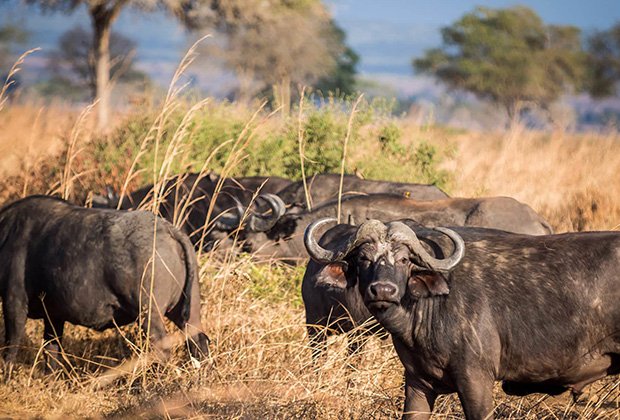
This is the highlight of the circuit. You descend 600 meters into the caldera of a dormant volcano. The Crater acts as a natural enclosure, supporting a dense, year-round population of wildlife. Because of the enclosed ecosystem, your chances of seeing the “Big Five”—lion, leopard, elephant, buffalo, and rhino—in a single day are exceptionally high. The morning light on the crater floor is perfect for wildlife photography, and the sheer density of animals makes this a high-energy conclusion to your game viewing.
Day 8: Return to Arusha
After a final morning view from the crater rim, you begin the drive back to Arusha. This route takes you through the bustling town of Mto wa Mbu, where you can see local markets and agricultural life. You will arrive back in Arusha by late afternoon, typically in time for evening flights out of Kilimanjaro International Airport or for an additional night in the city if your flight schedule requires it.
Navigating the Social Dynamics and Etiquette of Your Group Safari
Sharing an 8-day itinerary with fellow travelers requires more than just physical packing; it demands a clear understanding of the social and practical etiquette necessary to keep the group dynamic positive. Because you will be spending significant time confined within the same vehicle, the unspoken rules of the road are as important as the wildlife sightings themselves.
Vehicle Etiquette and Seat Rotation
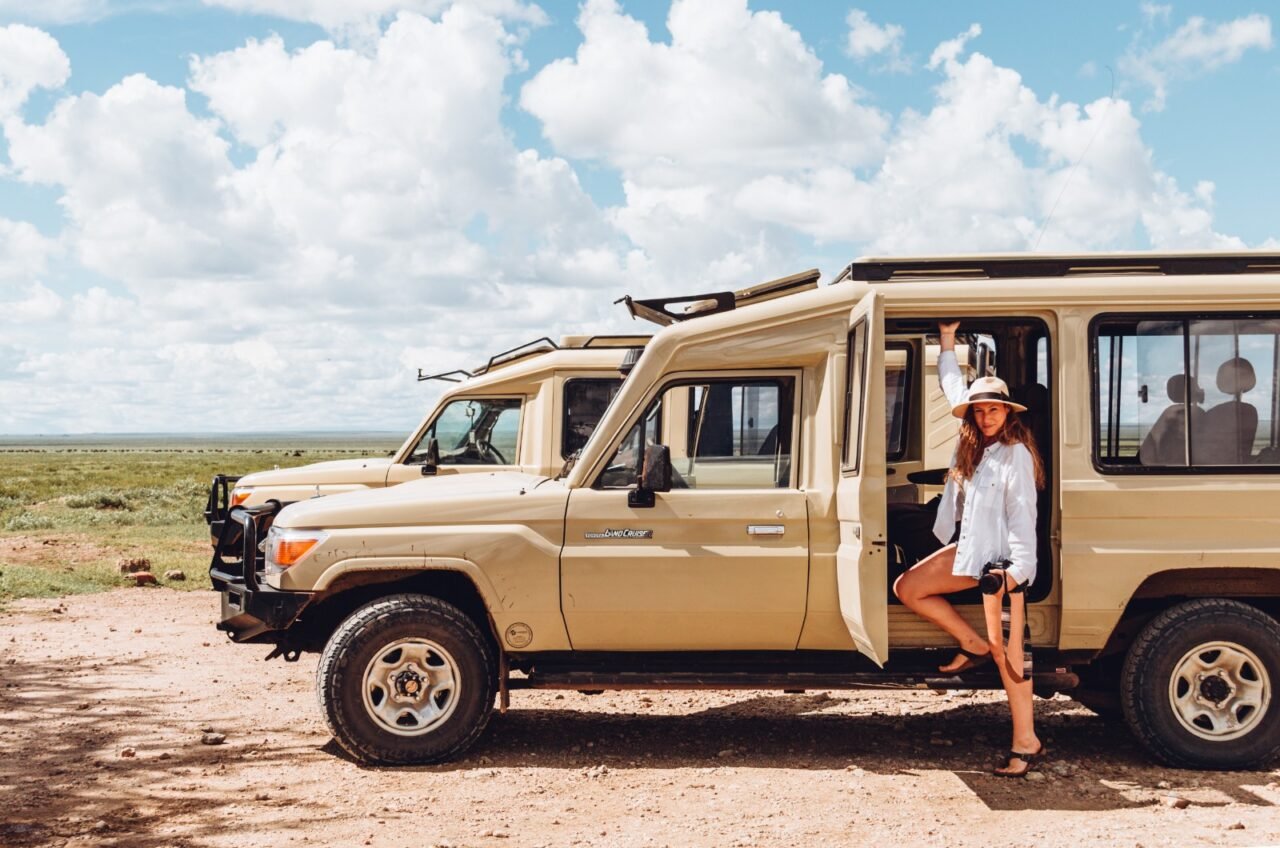
On a standard group safari vehicle—typically a 4×4 Land Cruiser—not all seats offer the same view. The window seats are highly coveted, and the pop-up roof hatch is the primary location for photography. To ensure fairness, most professional group safari operators enforce a daily rotation policy. This means that if you sit in a middle seat or a less-than-ideal position one day, you will move to a window seat the next. Do not wait for the guide to assign seats; proactive, polite coordination with your fellow travelers on the first morning establishes a harmonious environment for the rest of the week.
Photography Patience
The 8-day circuit is a marathon, not a sprint, and the Serengeti plains provide endless opportunities for photography. However, when a lion pride or leopard sighting occurs, the vehicle will become a flurry of activity. Etiquette dictates that you must be mindful of your fellow passengers. Avoid hogging the roof hatch or blocking the view of others for extended periods. If you are using a long lens, be conscious of the physical space it occupies. Remember that everyone in the group has paid for the same experience; taking turns and communicating clearly with your group members ensures everyone gets the shot they need without frustration.
Tipping and Currency Logistics
Tipping is a standard, expected component of the Tanzanian tourism economy, and it is a key way to show appreciation for the service provided by your driver-guide and, if applicable, the camp staff. While the “complete” package price covers your major costs, gratuities are separate. It is advisable to carry a supply of clean, crisp USD bills, specifically printed in the year 2009 or later, as many local banks and businesses in Tanzania will not accept older currency. While you can pay in Tanzanian Shillings (TZS), USD is widely accepted and preferred for tips. It is helpful to have a mix of smaller denominations ($5, $10, and $20) to make tipping easier throughout the trip. Discussing the collective group tip with your fellow travelers toward the end of the 8-day circuit is common, as it allows the group to provide a single, meaningful gratuity to the guide for their service throughout the week.
Health, Connectivity, and Power: Practical Realities of the 8-Day Circuit
While the primary focus of your 8-day group safari is wildlife observation, the logistical reality of spending eight consecutive days in the Northern Circuit requires attention to your personal well-being and the maintenance of your digital gear. As you travel through late November—the onset of the short rains—your physical and technical preparations must account for the unique environment of the Tanzanian bush, which differs significantly from the arid conditions of the peak dry season.
Managing Health and Hydration in the Short Rains
The “short rains” of November bring a lush, green landscape, but they also create conditions where mosquito activity increases compared to the dry peak season. Malaria prophylaxis is essential for all travelers on this circuit. Consult your medical provider well before your departure date to discuss the most appropriate medication for your specific health history. Beyond chemical prevention, adopt a proactive daily routine: wear long sleeves and trousers during the early morning and late evening hours when mosquito activity peaks, and apply a high-quality, DEET-based insect repellent consistently. Because you are traveling in a group, being mindful of your fellow passengers’ comfort regarding scent-heavy sprays is appreciated; consider unscented or low-odor formulas to maintain a pleasant environment inside the vehicle.
Dehydration is a subtle but persistent risk, even when temperatures feel moderate due to the rain. The combination of high altitude, low humidity, and long hours spent in a 4×4 vehicle can quickly deplete your fluid levels. Do not rely solely on the sensation of thirst to prompt you to drink. Ensure you have a reusable water bottle that you can refill at your lodges. Most reputable safari operators provide ample bottled water in the vehicle, but having your own vessel allows you to maintain intake during game drives when stopping for a bathroom break is not always possible.
Physical Endurance and the 8-Day Pace
An 8-day safari is a test of endurance as much as it is a vacation. You will be spending an average of 6 to 8 hours per day in a vehicle on roads that range from smooth tarmac to extremely bumpy, corrugated dirt tracks. This physical toll is cumulative. By day four, as you move deeper into the Serengeti, you may feel significant fatigue. Listen to your body. If you feel motion sickness or excessive strain from the constant vibration, communicate this to your guide immediately. They can often adjust the driving speed or choose smoother routes where possible. Stretching your legs during scheduled stops—even if you aren’t ready to get out—is vital for circulation, particularly for those prone to stiffness after long periods of sitting.
The Reality of Connectivity and Power
For many, the 8-day safari is an opportunity to disconnect, but the modern traveler often needs to keep devices charged for photography and essential communication. It is important to temper your expectations regarding internet access. While many lodges in the Northern Circuit now offer Wi-Fi, it is typically restricted to common areas like the main lounge or bar, and data speeds are often insufficient for streaming video or uploading large batches of high-resolution photos. Treat connectivity as a luxury rather than a guarantee; download any necessary offline maps or documents before leaving Arusha.
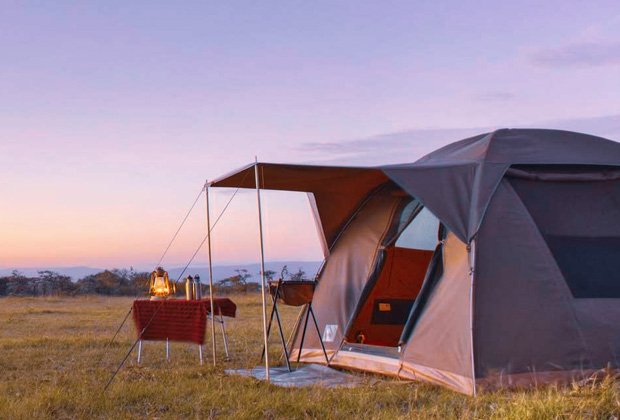
Power availability is similarly variable. Inside the safari vehicle, your driver-guide will typically have access to a 12V cigarette lighter socket. To ensure you can charge your phone or camera batteries while in transit between parks—such as the long drive from the Serengeti to the Ngorongoro Conservation Area—bring a multi-port USB car charger. This prevents the need to compete for the single power source in the vehicle. At the lodges, power is generally reliable, but it is wise to carry a universal travel adapter. Tanzania primarily uses the British-style Type G, three-pronged plug. If you are staying at remote tented camps, be aware that power might be generated by solar systems or generators, which may be switched off at night. Plan your charging schedule to occur during the day or the early evening when the generators are active, and always carry a portable power bank as a fail-safe for emergencies.
Dining and Dietary Logistics: Managing Sustenance on the Circuit
For many travelers, the 8-day safari experience is as much about the culinary rhythm of the Tanzanian bush as it is about the wildlife. Because you are part of a group joining a pre-set itinerary, the dining logistics are highly structured. Understanding how this system works is essential for managing your health and your expectations over the course of the week.
The Rhythm of Meals: From Breakfast to Bush Lunches
Your 8-day schedule is built around the daily movement of the wildlife, which dictates that you will rarely return to your lodge or camp for lunch. Instead, your daily meal structure is distinct. Breakfast is typically served early at your lodge—often between 6:00 AM and 7:00 AM—to ensure you are on the road before the heat of the day sets in. Dinner is consistently served at your accommodation, usually as a buffet or a set menu, allowing the lodge to cater to a large number of guests simultaneously.
The centerpiece of your daily logistics is the “packed lunch.” On game drive days, particularly in the Serengeti and Tarangire, your driver-guide will carry a cooler box containing a prepared lunch. This is a necessity of the 8-day circuit; returning to the lodge for a midday meal would cost you three to four hours of valuable game viewing time. These packed lunches are designed to be shelf-stable and easy to consume in the field, often consisting of sandwiches, fruit, a hard-boiled egg, juice, and perhaps a piece of fried chicken or a samosa. Because these are prepared in bulk for the group, they are not customizable on a day-by-day basis. If you have specific dietary needs, this is the area that requires the most pre-trip coordination.
Navigating Dietary Restrictions in a Group Setting
In a group joining safari, the kitchen staff at the lodges will be alerted to your dietary requirements by your tour operator, but you must ensure this communication happens weeks before your November 20 departure. Do not wait until you arrive at the lodge to inform the staff of a severe allergy or a strict dietary preference. While major lodges in the Northern Circuit are accustomed to handling vegetarian, vegan, gluten-free, and lactose-free requests, they operate in remote locations where sourcing specific ingredients can be difficult on short notice.
If you have life-threatening allergies, bring written documentation in English—and, ideally, Swahili—that clearly states your requirements. When you arrive at each lodge, take a moment to introduce yourself to the dining room manager. While your guide handles the primary communication, a brief, polite confirmation with the staff ensures that your meal is prioritized during the busy dinner service. Remember that “group dining” often means you will be eating at the same time as your fellow travelers; if the kitchen is informed in advance, they will have your specific meal ready when you sit down, rather than forcing you to wait for a custom order to be prepared from scratch.
Food Safety and Hydration Standards
The Northern Circuit has high standards for hygiene, but the change in environment during your 8-day journey requires vigilance. The most critical rule is to stick exclusively to bottled water. Your safari vehicle will be stocked with a supply of bottled water; take more than you think you need, especially on the longer transit days like the drive from the Serengeti to the Ngorongoro Crater. Avoid tap water entirely, even for brushing your teeth, if you have a sensitive stomach. When dining, focus on cooked foods. Hot, freshly prepared dishes are generally safe and are the standard at reputable lodges. While fruit and vegetables are usually washed in treated water, if you are prone to traveler’s diarrhea, you may prefer to stick to fruits that you can peel yourself, such as bananas or oranges, during the first few days of the trip as your system acclimatizes.
Finally, consider the timing of your intake. Because you are in a vehicle for long stretches, it is tempting to limit water consumption to avoid the need for bathroom breaks. This is a mistake. The dry, dusty air of the Serengeti, combined with the high altitude of the Ngorongoro Crater, can lead to rapid dehydration. Maintain a steady intake of water throughout the day, and use the designated stop points—such as park gates, picnic sites, and visitor centers—as mandatory opportunities to hydrate and use the facilities, regardless of whether you feel the immediate need.
Post-Safari Transitions: Extending Your Journey or Returning Home
While the 8-day circuit concludes with your return to Arusha on the eighth day, the logistical reality of international travel often requires a buffer before your departure flight. Many travelers, exhausted from the intensity of the safari, find themselves unprepared for the transition from the bush back to the urban pace of Arusha or the long-haul transit home. Planning your departure timing is as critical as planning the safari itself.
Timing Your Departure from Kilimanjaro International Airport (JRO)
Most international flights departing from JRO leave in the late evening, often between 8:00 PM and 11:00 PM. On your eighth day, you will typically arrive back in Arusha by late afternoon. This creates a tight window. If you are flying out the same evening, ensure your safari operator is fully aware of your flight time during the booking process. While the drive from the Ngorongoro Conservation Area to Arusha is standard, unexpected road conditions or vehicle issues can occur. Most reputable operators will prioritize getting you back to Arusha or JRO in time, but having a flight that departs before 7:00 PM on day eight is generally discouraged, as it risks cutting your final game drive short or forcing a rushed transit.
The Case for an Extra Night in Arusha
Consider the benefits of booking an extra night in Arusha after your safari concludes. This “buffer day” serves several practical purposes. First, it allows for a proper shower and a change of clothes in a stationary hotel room, which is a welcome luxury after eight days of rotating lodges. Second, it provides a safety net for any delays encountered on the final day. Third, it offers time to visit local markets or the Cultural Heritage Centre in Arusha, which are excellent spots for purchasing high-quality souvenirs that you might not find within the national parks. If you are exhausted, this extra night transforms a frantic travel day into a restful conclusion, allowing you to process the experiences of the Northern Circuit before returning to your home routine.
Post-Safari Extensions: Zanzibar and Beyond
If your schedule permits, the most common extension for travelers on the Northern Circuit is a flight to Zanzibar. Because the safari is physically demanding, many travelers choose to follow it with three to four days of relaxation on the beaches of Nungwi or Paje. If you plan to do this, book your internal flight from Arusha (ARK) or Kilimanjaro (JRO) to Zanzibar (ZNZ) well in advance. Keep in mind that moving from the cool, high-altitude environment of the Ngorongoro Crater to the tropical, humid climate of the coast requires a change in gear; ensure you have lightweight, breathable clothing accessible in your luggage. If you are not flying to the coast, consider a day trip to the coffee plantations surrounding Arusha or a visit to the Meserani Snake Park if you have a few hours to kill before an evening flight.
The Anatomy of Your Safari Vehicle: Operational Realities
While much of the pre-safari focus is placed on the itinerary and the wildlife, the 4×4 Land Cruiser serves as your home, office, and viewing platform for the vast majority of your 8-day journey. Understanding the mechanical and spatial constraints of this vehicle is essential for managing your comfort and expectations. These vehicles are not luxury tour buses; they are highly modified off-road machines engineered for ground clearance, torque, and stability on the corrugated, unpredictable tracks of the Serengeti and Ngorongoro. Because you are sharing this space with a group, the vehicle becomes a micro-environment where the physics of space and the realities of the Tanzanian terrain dictate your daily experience.
The “Soft-Bag” Imperative and Vehicle Storage
One of the most common friction points in group safaris arises from luggage management. Standard safari vehicles have limited storage capacity, typically located in the rear or on the roof rack. Hard-shell suitcases, which are rigid and bulky, are notoriously difficult to stow in these configurations. They do not compress, and they often fail to fit into the specialized storage compartments designed to protect luggage from the intense dust of the bush. For your 8-day Northern Circuit trip, the use of soft-sided duffel bags is not merely a recommendation; it is a functional requirement. Soft bags can be squeezed, stacked, and molded into the available space, ensuring that your belongings remain secure and that the vehicle’s interior remains free of unnecessary clutter. If you arrive with a hard-shell suitcase, you may find that the driver struggles to secure it properly, potentially forcing you to keep it inside the cabin, which drastically reduces your legroom and overall comfort for the duration of the trip.
Navigating the Dust and the Pop-Up Roof
The defining feature of the safari vehicle is the pop-up roof hatch, which allows for 360-degree viewing and photography. However, the use of this hatch comes with specific environmental trade-offs. The Northern Circuit, particularly in the Serengeti, is characterized by fine, volcanic soil that becomes airborne with the slightest movement. When the vehicle is moving between locations, the roof hatch must be latched closed to prevent dust accumulation inside the cabin and to protect the vehicle’s frame. While this may feel restrictive, it is a necessary protocol. Inside the vehicle, the fine dust will penetrate even closed windows and doors. Managing this requires a “dust-mitigation” mindset: keep your camera gear in sealed bags when not in use, and be prepared to wipe down surfaces. The vehicle is a semi-open environment; accepting that you will be dusty by the end of each day is part of the authentic safari experience.
Power Management and Connectivity in the Bush
Modern safari vehicles are equipped with charging points, but they operate under the constraints of the vehicle’s battery and alternator system. Most vehicles feature standard cigarette-lighter style 12V sockets or USB ports. It is important to realize that these are intended for low-draw devices—such as mobile phones, tablets, and camera batteries. They are not designed to support high-wattage electronics like hair dryers, electric shavers, or heavy-duty laptop chargers. Because you are sharing the vehicle with others, the available power slots are a communal resource. If you have multiple devices that require charging, consider bringing a small, portable power bank that you can charge at your lodge in the evenings. This allows you to keep your primary devices topped up during the day without constantly competing for the vehicle’s limited power supply. Furthermore, the vehicle’s power is generally only active when the engine is running. When the engine is off—which is the case during extended game viewing stops—power access may be intermittent or unavailable to preserve the starter battery.
The Reality of Seating and Visibility
In a group joining safari, the seating arrangement is often rotated daily, as discussed in vehicle etiquette. However, it is helpful to understand the physical reality of the seating layout. The middle seats are often situated over the wheel wells, which can be the most jarring locations during travel on rough terrain. The rear seats offer a higher vantage point but are also subject to more swaying motion. Regardless of your seat, the vehicle is designed for observation, not transit comfort. The suspension on these Land Cruisers is stiff to handle the weight and the terrain; you will feel the bumps, the ruts, and the washboard roads. This physical sensation is part of the 8-day experience. Being aware that the vehicle’s design prioritizes off-road capability over passenger luxury will help you adjust your posture and expectations, ensuring that the transit time between parks remains a manageable part of the adventure rather than a source of frustration.
The Mechanics of Wildlife Viewing: Understanding Sightings and Behavior
While the itinerary provides the structure, the actual wildlife viewing on an 8-day circuit is a dynamic, unpredictable process. Many first-time safari-goers arrive with the expectation that wildlife will be constantly visible in high density, but the reality of the Northern Circuit is one of patience and interpretation. Understanding how your guide operates, and why they make specific decisions, will significantly improve your experience and reduce frustration during the slow hours of the day.
The Role of the Guide as a Field Interpreter
Your driver-guide is not merely a chauffeur; they are a trained naturalist and a vital link to the environment. In a group setting, the guide must balance the diverse interests of the passengers—some may want to focus exclusively on the “Big Five,” while others may have a keen interest in birdlife, botany, or photography. The guide’s primary responsibility is to read the terrain and the animal behavior. You will notice that they often stop the vehicle to scan the horizon or listen for specific alarm calls—such as the sharp bark of a zebra or the frantic chirping of birds—which often signal the presence of a predator nearby. When you are in the vehicle, trust these cues. A guide who stops for 15 minutes to watch a seemingly empty patch of tall grass is often tracking subtle signs that suggest a leopard or lion is resting just out of sight.
Managing Expectations: The “Hotspot” Phenomenon
It is important to understand the phenomenon of “radio silence” versus “radio chatter” among safari vehicles. In the Serengeti and Ngorongoro, guides maintain constant communication via radio to share the locations of significant sightings, particularly rare animals like rhinos or cheetahs. This is why you will sometimes see a sudden convoy of vehicles converging on a single spot. While this can feel crowded, it is the standard way that groups ensure everyone gets a chance to see rare wildlife. However, there are times when your guide may choose to ignore the radio chatter to seek out a quieter, more solitary experience. This is a deliberate choice. If you find yourself in a quieter area, appreciate the solitude; the lack of other vehicles often means the wildlife is less skittish and more likely to engage in natural behaviors, such as hunting, grooming, or nursing, which you would miss in a crowded, high-traffic sighting.
The Ethics of Wildlife Proximity
Tanzania enforces strict park regulations regarding off-road driving and proximity to wildlife. You may occasionally see a vehicle driving off the designated track, but professional, reputable operators will strictly adhere to the rules, staying on established roads. This is not just a matter of park fines; it is about conservation. Driving off-road destroys the fragile root systems of the savanna grasses and creates erosion gullies that can persist for years. Furthermore, approaching animals too closely can stress them, causing them to abandon a hunt or move away from a water source. A good guide will position the vehicle at an optimal angle for viewing while respecting the animal’s “flight distance.” If an animal begins to move away or shows signs of agitation—such as flicking its ears, tail-swishing, or staring intently at the vehicle—the guide will move on. Respecting these boundaries ensures that you are an observer of nature, not a disruptor of it.
Understanding Seasonal Wildlife Movements
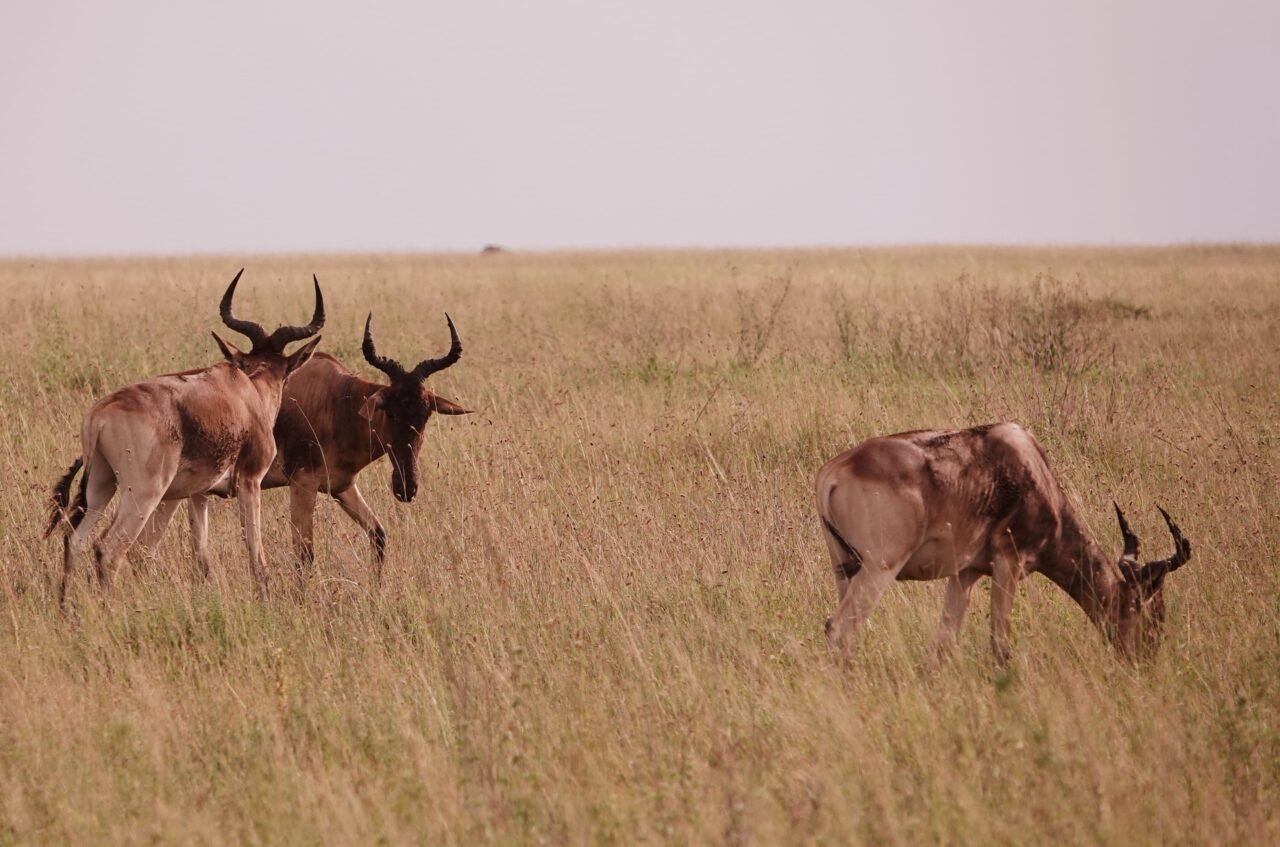
Because your departure is set for November 20, you are traveling during the onset of the short rains. This timing fundamentally changes the “viewing strategy” compared to the dry season. In the dry months, wildlife concentrates heavily around permanent water holes, making them very easy to find. In late November, as the rains arrive, the landscape transforms. Water becomes available in smaller, scattered pools across the plains, and the grass begins to grow rapidly. This means animals are no longer forced to congregate in a few predictable locations; they disperse. You may find that you need to drive longer distances to find herds. Do not interpret this as a lack of wildlife; rather, it is a sign of a healthy, recovering ecosystem. The presence of migratory birds returning to the region and the birth of new calves in certain species are highlights unique to this time of year, provided you are willing to look beyond the “Big Five” checklist.
The Geography of the Northern Circuit: Understanding Transit Times
A common point of confusion for travelers embarking on an 8-day Northern Tanzania safari is the distinction between “days in the park” and “days on the itinerary.” While your package spans eight days, it is critical to recognize that a significant portion of this time is dedicated to transit between the distinct ecosystems of the Northern Circuit. The geography of Northern Tanzania is shaped like a wedge, with Arusha serving as the base. As you move from Arusha to Tarangire, then to Lake Manyara, and finally into the Serengeti, you are essentially moving further away from civilization and deeper into the wilderness. This transit is not merely ‘dead time’—it is a vital component of the safari experience that allows you to witness the changing topography of the Great Rift Valley.
The longest transit day typically occurs when moving from the Ngorongoro region or Lake Manyara into the heart of the Serengeti. While the distance on a map may appear manageable, the reality of the Northern Circuit involves transitioning from smooth, paved highways to corrugated, dusty dirt roads once you cross the park gates. Your driver-guide will often refer to these long travel days as “game drives en route.” This means that the journey itself is treated as a wildlife viewing opportunity. You will likely stop frequently for sightings along the main transit roads, which effectively breaks up the journey and ensures that you are technically on safari from the moment you leave your lodge until you arrive at the next.
Understanding this geographical reality helps manage expectations regarding the “active” versus “passive” hours of your trip. On transit days, you may find yourself in the vehicle for longer stretches without the ability to leave the cabin, as you are traversing protected areas where walking is prohibited. This is particularly relevant for the drive back from the Serengeti to Arusha on the final days of your itinerary. It is a full-day commitment that requires patience. Recognizing that the transit is a necessary bridge between these high-density wildlife zones—rather than an inconvenience—allows you to better appreciate the vastness of the Tanzanian landscape and the logistical complexity required to connect these world-class parks into a single, smooth 8-day circuit.
The Operational Realities of the Short Rains: Navigating Mud and Access
Because your departure is set for November 20, you are entering the Northern Circuit during the “short rains.” While this season is celebrated for its lush greenery and the arrival of migratory birds, it introduces a significant operational variable: the transformation of the region’s soil. Much of the Serengeti and the surrounding plains are characterized by “black cotton” soil, a type of vertisol that expands when wet and becomes exceptionally sticky and slick. For the traveler, this is not merely an aesthetic detail; it dictates the logistical reality of your movement across the park.
When the short rains arrive, even a moderate downpour can turn a dry, dusty track into a challenging quagmire within minutes. Your driver-guide is constantly assessing the “go/no-go” status of specific secondary roads. You may find that your vehicle takes a longer, more circuitous route to reach a specific landmark, or that a previously planned game drive loop is abandoned in favor of a more stable, higher-ground track. This is not a failure of planning or a deviation from the itinerary; it is a calculated safety and efficiency measure. Professional guides are trained to read the soil texture and the depth of puddles, knowing exactly where the risk of becoming bogged down is highest.
It is important to understand that “getting stuck” is a distinct possibility during this season. In the context of a November safari, this should be viewed as a standard, albeit inconvenient, part of the bush experience rather than a breakdown of service. Your vehicle is equipped with essential recovery gear—typically including high-lift jacks, shovels, and potentially a winch—and your guide is experienced in the mechanics of extraction. If your group does encounter a delay due to mud, it is common for other safari vehicles in the vicinity to assist. This collaborative environment is a hallmark of the Northern Circuit’s professional community. Patience during these moments is vital; while you may lose an hour of game viewing, you are observing the raw, unpredictable nature of the ecosystem that you have traveled to witness.
Furthermore, the short rains can lead to the temporary closure of certain low-lying river crossings or flood-prone areas. Reputable operators maintain constant radio contact with rangers and other guides to receive real-time updates on road conditions. If a primary route is impassable, your guide will pivot to an alternative, which may change the sequence of your sightings but will ultimately ensure that you remain mobile and safe. Trusting your guide’s assessment of the road conditions is the single most important factor in maintaining a smooth, stress-free experience during the November shoulder season.
The Operational and Contractual Nuances of Group Joining Safaris
While the logistical benefits of a group-joining safari—cost-sharing, pre-defined schedules, and the camaraderie of a shared experience—are well-documented, the contractual and operational realities of these packages require careful scrutiny. Unlike a private safari where you dictate the terms, a group-joining arrangement places you within a pre-existing structure. Understanding the mechanics of how these groups are formed and managed is essential for ensuring your November 2026 trip proceeds as expected.
Decoding the "Guaranteed Departure" Clause
The most critical element of your booking is the distinction between a "scheduled departure" and a "minimum-number departure." Many tour operators advertise group-joining dates, but these are often subject to a minimum occupancy threshold—typically requiring four or more travelers to make the vehicle operationally viable. If your specific November 20, 2026, departure date fails to meet this threshold, you may face a last-minute cancellation, a forced upgrade to a private safari at a significantly higher cost, or the consolidation of your group with another operator’s group, which can lead to logistical confusion.
When reviewing your booking contract, look for the term "Guaranteed Departure." A true guaranteed departure means the operator commits to running the safari regardless of the final group size, even if they must absorb the loss on an under-booked vehicle. If an operator cannot provide written confirmation that your date is guaranteed, you are effectively accepting the risk that the itinerary might be altered or cancelled. For international travelers flying into Kilimanjaro International Airport (JRO), this is a high-stakes variable; ensure your contract explicitly states the conditions under which the trip is confirmed.
The "Per-Seat" Cost Structure and Financial Transparency
Group-joining safaris operate on a "per-seat" pricing model, which fundamentally differs from the "per-vehicle" model of private tours. In a group setting, the operator must balance the fixed costs of the vehicle, the driver-guide’s salary, and fuel against the revenue generated by the number of passengers. This model is why group safaris are significantly more affordable, but it also creates a rigid financial environment. You should verify that your quoted price is all-inclusive, covering park entry fees, accommodation, and vehicle costs. Some less transparent operators may list a low "base price" but add surcharges for "fuel adjustments" or "park fee increases" after you have already booked. In the context of the Northern Circuit, where park fees are substantial and subject to change, a fixed-price contract that protects you against future fee hikes is a mark of a professional, established operator.
Evaluating Operator Reliability for Shared Itineraries
Not all operators are created equal when it comes to managing shared groups. A common pitfall is the "brokerage model," where an operator sells you a seat on a safari but does not actually own the vehicle or employ the guide. They act as a middleman, passing your booking to a third-party provider. This creates a disconnect: if there is an issue with your vehicle or guide, the company you paid may have limited influence over the actual on-the-ground experience. When vetting operators for your November 2026 safari, prioritize companies that own and maintain their own fleet of Land Cruisers and employ their own staff. This ensures that the person you correspond with regarding your booking has direct, real-time oversight of the vehicle and guide assigned to your group.
The Reality of Group Homogeneity and Social Compatibility
A frequently overlooked aspect of the group-joining experience is the lack of control over your travel companions. When you book a private safari, you choose your group; when you book a joining safari, you are assigned a group. This means you may be sharing a vehicle for eight days with individuals whose interests, fitness levels, and photography habits differ drastically from your own. While most travelers on the Northern Circuit share a common interest in wildlife, friction can arise regarding the pace of the day—some passengers may want to maximize game viewing hours, while others may prioritize comfort and downtime at the lodge. Reputable operators often attempt to group travelers with similar itineraries or interests, but this is not guaranteed. Entering the safari with the mindset that you are part of a shared, dynamic social unit—rather than a private tour—is key to maintaining a positive experience throughout the eight-day journey.
The Final Transition: Navigating the Last Day’s Logistics
The final day of your 8-day Northern Circuit safari is fundamentally different from the preceding seven days. While the first week is defined by the rhythm of the bush—early wake-up calls, game drives, and wildlife observation—the eighth day is defined by the transition back to urban infrastructure. Understanding the operational reality of this final day is essential for managing your expectations, particularly if you are heading directly to Kilimanjaro International Airport (JRO) or settling into an Arusha hotel for a post-safari recovery night.
The Drive Back to Arusha
The journey from the Ngorongoro Conservation Area or the Serengeti back to Arusha is a significant drive, often spanning four to six hours depending on your starting location and traffic conditions near the city. This drive is not merely a transit; it is a shift in environment. You will transition from the rugged, remote tracks of the bush onto the paved roads of the Northern Circuit. It is common for travelers to experience a sense of “safari withdrawal” during this time. The vehicle, which has been your primary environment for a week, will feel different as it hits tarmac. Expect the drive to be slower than anticipated; the transition from park roads to the busier, more populated areas approaching Arusha involves navigating local traffic, speed bumps, and potential road construction, all of which can affect your arrival time.
The Curio Shop Dynamic
A standard, often unspoken, element of the return journey to Arusha is the scheduled stop at a “curio shop” or cultural heritage center. These stops are a routine part of many group-joining safaris. It is important to understand the operational context: these stops are often integrated into the guide’s route to allow for a restroom break, a coffee, and an opportunity for guests to purchase souvenirs. While these centers offer a wide range of crafts, from wood carvings to Tanzanite jewelry, they are commercial enterprises. If you have no interest in shopping, it is perfectly acceptable to use this time to stretch your legs, access the facility’s Wi-Fi, or simply wait in the vehicle. Do not feel pressured to purchase items; your guide is likely following a standard itinerary protocol, and a polite but firm “no thank you” is sufficient if you are approached by sales staff.
The Final Debrief and Vehicle Handover
The final hour of your safari, usually upon reaching your drop-off point in Arusha, is the time for the administrative “close-out” of your trip. This is when you settle your final relationship with your guide. While tipping is a personal decision, the end of the journey is the appropriate time to handle this, as well as any final feedback you wish to provide. If you have any concerns regarding the service provided, the vehicle’s condition, or the group experience, it is professional and constructive to share this feedback directly with your guide before you part ways. Many operators also provide a digital feedback form; if you have specific praise or constructive criticism, providing it in writing is the most effective way to help the operator improve future group-joining departures. Ensure you have gathered all your personal belongings from the vehicle—including charging cables, sunglasses, and travel documents—as the vehicle will likely be prepared for the next group of passengers immediately after your departure.
The Photography-Safari Interface: Managing Gear and Expectations
While the broader article touches on vehicle etiquette and the mechanics of wildlife viewing, the intersection of photography and the group-joining format is a specific, often overlooked friction point. On an 8-day itinerary, you are not just a passenger; you are a participant in a shared mobile studio. Understanding how to manage your gear within the spatial constraints of a shared Land Cruiser is essential to maintaining group harmony and securing the shots you desire.
The Gear Footprint: Balancing Capability and Courtesy
In a group-joining setting, space is the most valuable commodity. A common mistake is bringing oversized camera bags that occupy footwell space or prevent your neighbor from shifting their position. Opt for a structured, soft-sided camera backpack that can be easily tucked under your seat or placed on your lap without spilling over into the adjacent seat. Avoid hard-shell roller cases entirely; they are impossible to manage in a moving vehicle where floor space is shared. If you are bringing multiple lenses, use a modular insert system that allows you to access gear quickly without unpacking your entire bag in the limited confines of the vehicle.
The Beanbag vs. Tripod Dilemma
Many first-time safari photographers arrive with full-sized tripods, only to realize they are virtually useless inside a safari vehicle. The floor is vibrating, the vehicle is rocking, and there is no room to extend legs. Instead, prioritize a high-quality beanbag. Most reputable group-joining operators will have them available, but bringing your own—empty, to be filled with rice or beans upon arrival in Arusha—is a pro move. A beanbag draped over the edge of the pop-up roof hatch provides a stable, flexible platform for heavy lenses that a monopod or tripod simply cannot match. If you insist on a monopod, ensure it is compact enough to be used while seated, but understand that your ability to pan effectively will be restricted by the other passengers around you.
Managing the “Shoot-Through” and Lens Cleaning
The Northern Circuit, particularly in the Serengeti and Tarangire, is notoriously dusty. With the pop-up roof open, your gear will be exposed to fine, abrasive grit. Do not leave your camera sitting on the seat or the floor when not in use. Carry a dedicated, large microfiber cloth or a small hand-blower to clear dust from your lens elements between sightings. Never wipe your lens with a standard cloth if it is covered in dust; the grit will scratch the glass. Instead, use the blower first. Furthermore, be conscious of your “shooting profile.” If you are using a long telephoto lens, be aware of the barrel length extending outside the vehicle. It is easy to accidentally bump the vehicle frame or, worse, a fellow passenger’s gear. Always retract your lens when the vehicle is in motion between sightings to prevent damage to your equipment from low-hanging acacia branches.
The Social Contract of the Shutter
In a group setting, your camera can inadvertently become a barrier to the experience. If you spend the entire 8 days looking through a viewfinder, you may miss the subtle behavioral cues your guide is explaining. Agree with your group on “camera-down” moments. If a particularly rare sighting occurs, such as a cheetah hunt or a leopard in a tree, establish a rotation. If you are at the optimal angle, take your shots, then physically move your body to allow the person next to you access to the same vantage point. This “shoot-and-scoot” etiquette is the hallmark of a seasoned safari traveler and prevents the resentment that builds when one person hogs the best viewing position for an extended period.
The Psychological Transition: Re-entering the Urban Rhythm
After eight days of immersion in the Northern Circuit, the transition back to Arusha is not merely a logistical shift; it is a psychological one. You have spent over a week operating on a “safari clock”—a rhythm dictated by sunrise, animal movement, and the physical demands of the terrain. Returning to the urban environment of Arusha, with its traffic, connectivity, and noise, can be jarring. This phenomenon, sometimes called “safari withdrawal,” is a common experience for travelers concluding a circuit as in-depth as an 8-day group safari.
During your time in the Serengeti and Ngorongoro, your sensory input was curated by the wilderness. The silence of the plains, the specific, earthy smell of the savannah, and the lack of digital distraction created a heightened state of awareness. Upon arrival back in Arusha, you will likely experience a sudden influx of stimuli. It is advisable to plan for a “buffer zone” of a few hours between your vehicle drop-off and your next commitment, whether that is a flight or a hotel check-in. Avoid scheduling a flight immediately upon arrival in the city; traffic patterns on the outskirts of Arusha can be unpredictable, and the mental shift from the bush requires a decompression period.
Navigating Post-Safari “Re-entry”
The first few hours after leaving the safari vehicle are often when travelers realize they have been operating in a bubble. You will likely feel a sense of fatigue that isn’t physical exhaustion but rather a cognitive “let-down.” This is the moment to prioritize low-stress environments. If you are staying in Arusha for an extra night, choose a location with a garden or quiet outdoor space rather than a bustling city-center hotel. This allows for a gradual acclimation to the pace of human activity, which, after the Serengeti, can feel unnervingly fast.
Another aspect of this transition is the sudden return of constant digital connectivity. After days of intermittent signals and limited power, checking your phone and being hit with a flood of notifications can be overwhelming. Many seasoned travelers find it beneficial to maintain a “safari mindset” for at least the first evening back, limiting screen time and focusing on processing the experience. Use this time to organize your digital photos or jot down notes about the trip while the memories are still vivid, rather than immediately jumping back into work emails or social media.
The Social Aftermath: Maintaining Connections
Because you have shared an intense, confined, and unique experience with your group, the final day often brings a sense of camaraderie that is difficult to replicate. You have navigated dust, mechanical delays, and the thrill of wildlife sightings together. It is standard practice to exchange contact information during the final drive back to Arusha. However, be mindful that everyone processes the end of a trip differently. Some travelers are eager to debrief and share photos, while others are ready to retreat into solitude. Be respectful of these varying needs; a simple, low-pressure group message or email thread is usually the best way to stay in touch without forcing further social interaction.
Remember that the “safari bond” is situational. While you may have felt incredibly close to your group members during the week, the return to individual travel plans or home lives often leads to a natural dissipation of that intensity. This is normal. Focusing on your own reflection and the personal growth you experienced during the 8-day circuit is more valuable than trying to artificially maintain the group dynamic once you have returned to your separate paths.
Navigating the Financial Mechanics of Park Fees and Entry Permits
While your group-joining safari package is sold as an all-inclusive price, the most significant component of that cost—and often the least understood—is the structure of government park fees. For an 8-day itinerary covering Tarangire, Lake Manyara, the Serengeti, and the Ngorongoro Conservation Area, a substantial portion of your payment is essentially a pass-through cost that your operator collects and remits directly to the Tanzania National Parks Authority (TANAPA) and the Ngorongoro Conservation Area Authority (NCAA). Understanding this structure is vital for transparency, especially when comparing quotes or evaluating why prices fluctuate for specific dates like November 2026.
These fees are not static; they are calculated on a per-person, per-24-hour basis. This is why the timing of your entry and exit from each park is not just a matter of convenience but a financial calculation. If your itinerary dictates that you enter the Serengeti at 3:00 PM on Day 4, your entry permit is valid until 3:00 PM on Day 5. If you exit the park at 4:00 PM on Day 5, you have technically triggered a second 24-hour cycle, which can result in an additional day’s fee being levied by the authorities. Reputable operators plan their drive times meticulously to ensure you maximize your time within these windows without inadvertently triggering additional costs that would either be absorbed by the operator or passed on to you as an unexpected surcharge.
Furthermore, the Ngorongoro Conservation Area operates under a distinct fee structure compared to the national parks. In addition to the standard entry fees, there is a specific “Crater Service Fee” for every vehicle that descends onto the crater floor. In a group-joining scenario, this fee is divided among the passengers, which is a key reason why group sizes are strictly capped—usually at six or seven travelers. If the group size is smaller than expected, the per-person share of these fixed vehicle costs increases. This is a critical nuance of the “per-seat” model: you are essentially underwriting the vehicle’s access, and the operator’s ability to fill that vehicle directly impacts the final operational efficiency of the tour.
Finally, be aware that park fees are subject to change by government decree. While you may have booked your November 2026 trip well in advance, operators typically include a clause in their terms and conditions stating that any government-imposed increases in park fees or taxes will be passed on to the traveler. This is a standard industry practice in Tanzania. Always ensure your booking confirmation explicitly breaks down which fees are included in your quote, specifically verifying that the “concession fees” (for lodges located inside park boundaries) and the “crater service fees” are covered. Transparency here is the hallmark of a professional operator; if an operator is vague about whether these specific levies are included, it is a red flag that you may face surprise costs upon arrival.
Related Guides and Packages
Check Availability for Nov 20, – 8 Day Complete Northern Tanzania Group Safari: Planning Your Trip
Ready to compare dates, prices, and the best option for your group? Send the package name and travel month so the team can reply with a clear quote, availability, and what is included.

Nov 16, – 6 Day Tanzania Northern Circuit Group Safari 2026
Planning for November 2026? Join our 6-day group safari covering Tanzania's premier Northern Circuit parks. Expert-led, social, and cost-effective wildlife viewing.
View package detailsOct 30, – 5 Day Tanzania Northern Circuit Group Joining Safari 2026
Oct 30, 2026 – 5 Day Tanzania Northern Circuit Group Joining Safari.
View package detailsNov 18, – 7 Day Serengeti And Ngorongoro Group Joining Safari 2026
A detailed guide to the 7-day group joining safari departing November 18, 2026, covering Serengeti, Ngorongoro, and the logistical advantages of shared travel.
View package detailsNov 27, – Black Friday Tanzania Group Safari Deals 2026
Discover why group joining safaris are the best way to secure value for your 2027 Tanzania adventure, plus expert advice on route planning and booking.
View package detailsNov 14, – 5 Day Tanzania Lodge Group Joining Safari 2026
Join our November 14, 2026, 5-day Tanzania lodge safari. This group-joining itinerary offers a balanced, cost-effective way to explore the Northern Circuit.
View package detailsNov 12, – 5 Day Tanzania Budget Camping Group Joining Safari 2026
A detailed guide to the November 12, 2026, 5-day budget camping group joining safari in Tanzania, covering route logistics, group dynamics, and planning essentials.
View package detailsConfirmed Tanzania Group Safari Departures From Arusha And Moshi: How To Join
A practical guide to joining confirmed Tanzania safari departures from Arusha and Moshi. Understand the shared-cost model, route options, and how to coordinate your 2026-2027 travel dates.
View package detailsOctober To December Tanzania Group Safari Departure Calendar 2026
A comprehensive guide to planning your Tanzania group safari between October and December 2026, focusing on wildlife migration patterns, weather considerations, and group joining logistics.
View package detailsChristmas And New Year Tanzania Group Joining Safaris –: Planning Guide 2026
A guide for planning your Christmas and New Year Tanzania safari in 2026–2027, focusing on group joining logistics, cost savings, and the best time to book.
View package detailsDecember Tanzania Group Joining Safari Dates And Prices: Best Guide 2026
A detailed guide on planning your December 2026 Tanzania safari, covering group joining logistics, cost considerations, and how to prepare for this peak travel window.
View package detailsNovember Tanzania Group Joining Safari Dates And Prices: Expert Planning Guide
A practical guide to planning a shared safari in November 2026, covering seasonality, cost-saving benefits, and how to coordinate your trip dates with Climb 4 Africa.
View package details24–31 October Tanzania Group Joining Safari Departures: 2026
A detailed guide to navigating group-joining safari departures in Tanzania for late October 2026, focusing on wildlife patterns, logistical planning, and booking best practices.
View package detailsNo related package matches those filters. Clear one or more filters to see the other topic-matched options.



