
Zanzibar to Lake Manyara is a popular transit route connecting the coastal island with the Northern Circuit safari region of Tanzania. There are currently no direct, scheduled commercial flights connecting Zanzibar (ZNZ) directly to Lake Manyara Airstrip (LKY). Most travelers fly from Zanzibar to Arusha Airport (ARK) or Kilimanjaro International Airport (JRO) and complete the journey to Lake Manyara via a pre-arranged road transfer. Private charter flights directly to the Lake Manyara airstrip are possible for those seeking efficiency, though these require specific booking coordination.
Many travelers planning a trip to Tanzania imagine a smooth transition from the white sands of Zanzibar to the dusty plains of the bush. While the distance is significant, the logistics of moving between the coast and the Northern Circuit are well-established. However, the lack of a direct, scheduled commercial flight to Lake Manyara often catches first-time visitors by surprise. Understanding how to navigate this gap is the difference between a smooth safari start and a day lost to airport logistics.
At Climb 4 Africa, we frequently help travelers bridge this gap. Because Lake Manyara is a gateway to the Ngorongoro Crater and the Serengeti, getting your transfer right sets the tone for the entire trip. Whether you are looking for the most cost-effective way to reach the park or the fastest route to maximize your time, the following breakdown explains how to manage this specific leg of your journey in 2026 and 2027.
Primary Route Options: Flight vs. Road
When you start looking at maps, the journey from Zanzibar to Lake Manyara seems like a straight line. In practice, you are dealing with two distinct regions: the island (Zanzibar) and the mainland interior. You have two primary strategies to make this connection work.
The Commercial Flight Strategy (Most Common)
The vast majority of travelers fly from Zanzibar (ZNZ) to Arusha (ARK). Arusha is the hub for all Northern Circuit safaris. Once you land at Arusha Airport, you are positioned for a road transfer to Lake Manyara. This route is favored because it utilizes scheduled regional airlines, which are generally more affordable and reliable than private charters.
- Flight Duration: Approximately 1 hour and 30 minutes to 2 hours.
- Road Transfer: From Arusha Airport to the Lake Manyara National Park gate, expect a drive of roughly 2 to 3 hours, depending on traffic and your specific lodge location.
The Private Charter Strategy (Efficiency Focused)
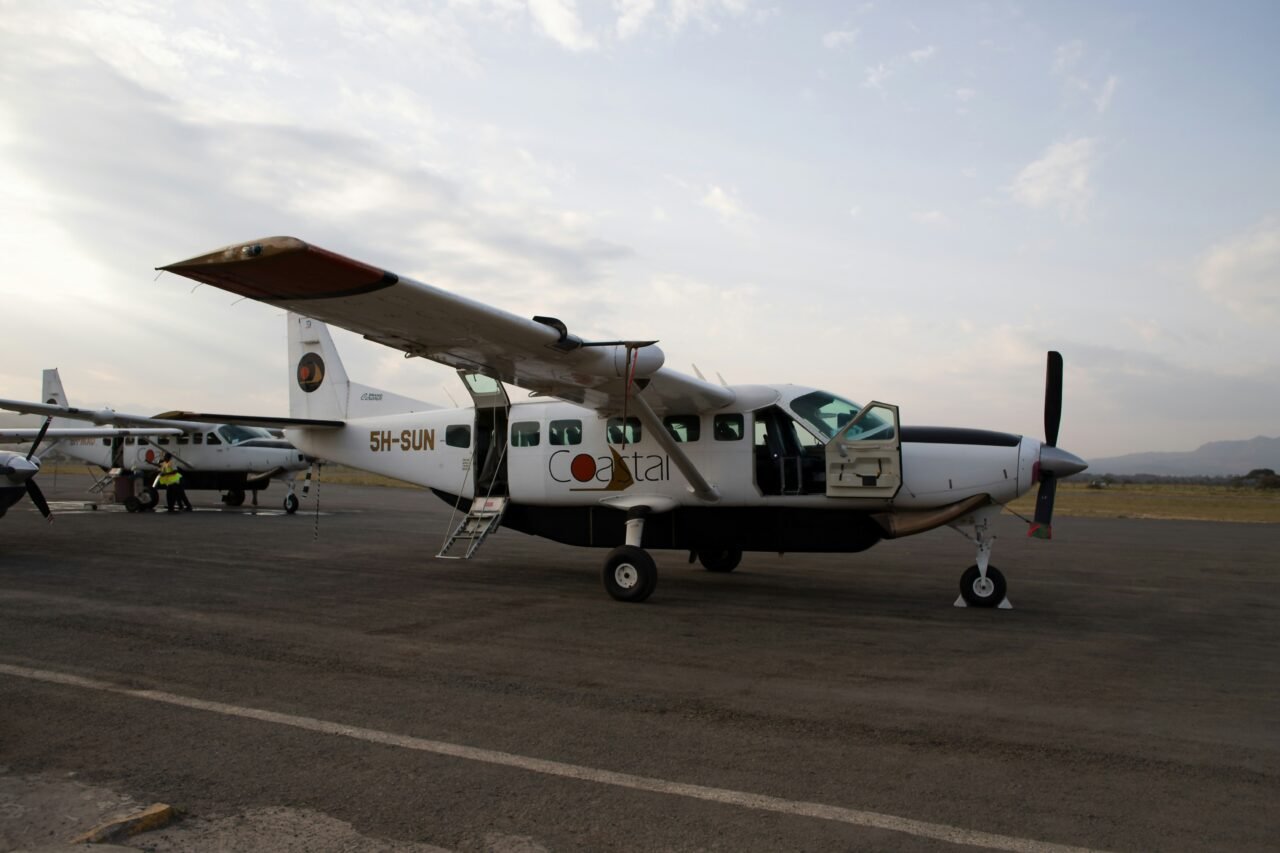
If your budget allows and time is your most precious commodity, you can charter a small aircraft to fly directly from Zanzibar to the Lake Manyara Airstrip (LKY). This eliminates the need for the long road transfer from Arusha. However, this is rarely a scheduled public service; it is almost always a private charter. It requires coordination with a local operator who can manage the landing permissions and the aircraft availability.
| Travel Method | Typical Logistics | Best For |
|---|---|---|
| Flight to Arusha (ARK) + Road Transfer | Commercial flight to ARK, then 2-3 hour drive to Manyara. | Travelers seeking a balanced budget and standard comfort. |
| Private Charter to Manyara Airstrip (LKY) | Direct flight to the airstrip near the park gate. | Luxury travelers or those with very limited time. |
| Flight to Kilimanjaro (JRO) + Road Transfer | Flight to JRO, then 3-4 hour drive to Manyara. | Travelers arriving internationally who want to combine Manyara with a Kilimanjaro climb or Arusha stay. |
Understanding Your Safari Transfer
The term “Safari Transfer” is often misunderstood. It is not merely a taxi ride; it is a critical part of your safari experience. When you book a trip from Zanzibar to Lake Manyara, the transfer is the bridge between the airport and your lodge. We often find that travelers underestimate the importance of this specific component.
When you land at Arusha Airport, you aren’t just looking for a vehicle; you need a safari-equipped vehicle and a driver-guide who knows the route. The road to Lake Manyara passes through rural Tanzanian towns and eventually climbs toward the Great Rift Valley escarpment. It is a scenic route, but it requires a vehicle capable of handling the transition from tarmac to park roads.
If you have already booked a 3-day Serengeti or Ngorongoro safari from Zanzibar, your operator will typically handle this transfer as part of your package. If you are planning independently, you must ensure your transfer is confirmed before you land. Arusha Airport can be chaotic during peak arrival times, and finding a reputable, pre-booked driver is significantly safer and more reliable than trying to arrange transport upon arrival.
Planning for 2026-2027
Travel patterns in Tanzania are cyclical and weather-dependent. Planning for 2026 or 2027 requires an understanding of how these seasons affect flight schedules and road conditions.
During the heavy rains (usually April and May), some of the smaller bush airstrips in the Northern Circuit can become muddy or inaccessible, though this is less of an issue for the main Lake Manyara airstrip. However, road conditions between Arusha and Manyara can be affected by heavy rainfall, making the drive longer. We generally advise travelers to build a buffer day into their itinerary when connecting from the coast to the bush. If a flight is delayed—which can happen due to weather in Zanzibar—you do not want that delay to eat into your precious safari time.
For those looking at flights to Tanzania in 2027, booking early is essential, especially if you are traveling during the peak season (July through September and January through February). Regional airlines have limited capacity, and the best time slots for connecting flights to Arusha often sell out months in advance.
Why Lake Manyara Matters
It is easy to get caught up in the logistics of how to get there and forget why you are going. Lake Manyara is not just a transit point; it is a distinct ecosystem. Before you worry about the flight, consider what you want to see. Are you interested in the tree-climbing lions, the massive flamingo populations, or the dense groundwater forests?
If you are debating between locations, you might find our guide on visiting Tarangire or Lake Manyara on a short safari helpful. Both are excellent, but they offer different experiences. Lake Manyara is often chosen for its convenience as a stopover on the way to the Ngorongoro Crater, but it stands on its own as a unique birding and primate destination.
If you find that your flight schedule forces a choice, remember that the “best” safari is the one that gives you enough time to breathe. Rushing from a Zanzibar flight directly into a full-day game drive can be exhausting. Many travelers prefer to arrive in the Arusha/Manyara area in the afternoon, spend the night at a lodge, and start their game drive fresh the next morning.
Booking and Practical Support
Navigating these connections does not have to be a solo effort. At Climb 4 Africa, we specialize in building itineraries that make sense of these complex logistics. Whether you are trying to coordinate a flight from Zanzibar to connect with a specific safari departure, or you need to organize a private transfer from Arusha to Lake Manyara, we provide the ground support to make it happen.
If you are ready to start planning your 2026 or 2027 Tanzanian adventure, we recommend reaching out with your travel dates and the number of people in your group. This allows us to provide accurate, up-to-date guidance on flight availability and transfer options that fit your specific route.
You can contact us via WhatsApp at +255 747 477 898 or email us at climb4africa@gmail.com. For detailed inquiries, you can also reach our team at info@climb-4-africa.com. Let us know if you are looking for an all-inclusive package or if you simply need help with the logistical puzzle of connecting your Zanzibar holiday to the wonders of Lake Manyara.
“,
“faq_schema”: [
{
“question”: “Are there direct flights from Zanzibar to Lake Manyara?”,
“answer”: “No, there are no scheduled commercial flights that fly directly from Zanzibar (ZNZ) to Lake Manyara Airstrip (LKY). Travelers typically fly from Zanzibar to Arusha (ARK) or Kilimanjaro (JRO) and then travel to Lake Manyara by road.”
},
{
“question”: “How long is the transfer from Arusha to Lake Manyara?”,
“answer”: “The road transfer from Arusha Airport to Lake Manyara National Park typically takes between 2 and 3 hours, depending on traffic and the location of your specific lodge.”
},
{
“question”: “Can I charter a plane to Lake Manyara from Zanzibar?”,
“answer”: “Yes, private charter flights are available and can fly directly to the Lake Manyara airstrip. This is the fastest way to travel but requires advance coordination with a local operator.”
},
{
“question”: “Should I book my safari transfer in advance?”,
“answer”: “Absolutely. It is highly recommended to pre-book your safari transfer to ensure a reliable, safari-equipped vehicle and driver are waiting for you upon arrival at the airport.
The Geography of the Transfer: What to Expect on the Ground
The transition from the coastal humidity of Zanzibar to the dramatic rift valley escarpment of Lake Manyara is not merely a change in scenery; it is a shift across two distinct geological and climatic zones of Tanzania. Understanding the landscape you will traverse during the final leg of your journey—the road transfer from Arusha or Kilimanjaro to Lake Manyara—is crucial for managing your expectations. Many travelers, weary from the morning flight, underestimate the sensory experience of this drive, viewing it only as a logistical hurdle rather than the first chapter of their safari.
The drive from Arusha to the Lake Manyara region typically takes between two and three hours, depending on the specific location of your lodge. As you depart the Arusha municipal area, the urban sprawl quickly gives way to the bustling semi-urban centers of the Arusha region, where the pace of life remains vibrant and market-driven. You will pass through areas characterized by small-scale agriculture, where roadside stalls display the produce of the fertile volcanic soil—avocados, bananas, and maize. This is the agricultural heartland of the Northern Circuit, and the road conditions vary significantly. While the main tarmac roads are generally well-maintained, the final approach to many lodges near Lake Manyara involves navigating secondary gravel or dirt tracks, which can be dusty during the dry season or challenging during the rains.
Navigating the Rift Valley Escarpment
The most dramatic moment of this transfer occurs as you approach the Mto wa Mbu area. You are traveling along the floor of the Great Rift Valley, a massive geological trench that stretches across East Africa. As you near Lake Manyara, the landscape changes abruptly. To your left, the sheer, imposing wall of the Rift Valley Escarpment rises sharply, draped in lush, groundwater forest vegetation. This escarpment serves as a natural barrier and a dramatic backdrop to the park itself. The road here often winds through the bustling town of Mto wa Mbu, a unique cultural melting pot where more than 120 tribes coexist. This town serves as the literal gateway to the Lake Manyara National Park gate.
For visitors, this transit is an opportunity to adjust to the altitude and the pace of the safari circuit. Unlike the flat, sandy terrain of Zanzibar, the air here is thinner and often cooler, especially in the evenings. The vegetation shifts from the coastal palms to the dense, green canopy of the groundwater forests that feed the lake. It is common to see baboons congregating near the roadside or even elephants crossing the tracks in the areas adjacent to the park boundaries, even before you officially enter the national park. Your driver will often pause or slow down during this transit, not just for traffic, but to point out these initial wildlife sightings, which serve as a prelude to the game viewing ahead.
The Role of Safari-Equipped Vehicles
It is important to emphasize that the vehicle you choose for this transfer matters. While standard taxis or private cars can technically make the drive from Arusha to Manyara, they lack the suspension, clearance, and visibility required for a true safari environment. When coordinating your transfer, ensure that the vehicle provided is a 4×4 safari-modified Toyota Land Cruiser. These vehicles are designed to handle the transition from tarmac to the rougher terrain found near the park gates and within the park itself.
A safari-equipped vehicle offers several distinct advantages during this transfer:
- Suspension and Comfort: The corrugated road surfaces can be jarring in a standard sedan. Safari vehicles are built with heavy-duty suspension systems specifically designed to absorb these impacts, significantly reducing fatigue.
- Elevated Viewpoints: Many safari vehicles feature pop-up roofs. Even if you are just transiting to your lodge, having a vehicle that allows you to stand and look out over the landscape provides a superior vantage point for spotting wildlife in the scrubland before you even reach the park gate.
- Reliability: Professional safari operators maintain these vehicles specifically for the rigors of the Northern Circuit. They are equipped with communication radios, extra tires, and recovery gear—necessities that a standard airport taxi simply does not carry.
- Knowledgeable Drivers: Your transfer driver is often a professional safari guide. This means the “transfer” is actually an informal guided introduction to the region. They can provide context on the geography, the local communities, and the wildlife behavior you might expect to see, turning a two-hour drive into a valuable educational experience.
Timing Your Arrival: The Afternoon Window
Most commercial flights from Zanzibar arrive in the Arusha region around midday. This timing is intentional and highly beneficial. It allows you to complete the road transfer during the afternoon hours, arriving at your lodge or camp in time for a late afternoon sundowner or a relaxed dinner. Arriving in the late afternoon allows you to settle into the unique environment of the Manyara region—where the temperature drops as the sun dips behind the escarpment—without the rush of trying to squeeze in a game drive on the same day you traveled. This “buffer” time is essential for acclimation. The transition from the coastal heat to the Rift Valley climate can be physically taxing, and allowing yourself an evening to rest ensures you are fully energized for your first full day of game drives the following morning.
Strategic Accommodation Placement: The Geography of Your Arrival
The final hour of your transfer from Arusha to Lake Manyara is defined entirely by where you have chosen to base yourself. While the general route takes you toward the park, the specific location of your lodge or camp creates a distinct trade-off between accessibility and atmosphere. Understanding these geographical nuances allows you to tailor the end of your travel day to match your personal energy levels and safari goals.
The Mto wa Mbu Hub: Proximity and Community
Mto wa Mbu is the vibrant town located at the base of the Great Rift Valley, serving as the primary gateway to Lake Manyara National Park. Choosing accommodation in or immediately adjacent to this area prioritizes efficiency. If your primary goal is to minimize the time spent in a vehicle after your flight, Mto wa Mbu is the optimal choice. The transfer from the airstrip or regional airport to these lodges is generally the shortest possible transit time, allowing you to reach your destination with minimal fatigue.
Beyond logistics, this location offers a unique cultural immersion. Mto wa Mbu is a melting pot of Tanzanian tribes, and lodges in this vicinity often integrate local community interaction into their guest experience. If you prefer to hit the ground running with a walking tour of the local banana plantations, a visit to a local market, or an introduction to traditional farming practices, staying near the park entrance allows you to transition seamlessly from travel to activity without the need for additional, time-consuming transfers.
The Escarpment Advantage: Elevation and Rift Valley Vistas
Conversely, many travelers prioritize the dramatic landscape of the Rift Valley escarpment. Lodges perched atop the wall offer sweeping, panoramic views of Lake Manyara and the surrounding plains below. Opting for an escarpment location adds a specific logistical layer to your transfer: the ascent. After arriving in the Manyara basin, your vehicle must navigate the winding roads up the escarpment wall to reach these properties. This adds significant time to the final leg of your journey, often involving a steep, winding climb that requires a capable, well-maintained 4×4 vehicle.
However, the reward for this extra transit time is immediate environmental acclimation. The air at the top of the escarpment is noticeably cooler than the humid basin floor, providing a refreshing relief after a day of travel. For those who value privacy, silence, and the ability to look out over the entire Northern Circuit from their private deck, the extra hour of driving is rarely viewed as a burden, but rather a scenic ascent into the clouds.
Curating Your Arrival Experience
Regardless of where you stay, viewing the arrival afternoon as a purposeful part of your itinerary—rather than “dead time” between transit and sleep—maximizes the value of your safari. Because you are likely arriving after a flight, your energy levels will be the primary constraint.
If you are staying in the basin, consider a low-impact activity such as a birding walk near the lake’s edge. The Manyara region is world-renowned for its avian diversity, and even a short, guided walk within the lodge grounds can yield sightings of flamingos, pelicans, and various raptors. This allows you to engage with the environment without the physical strain of a full game drive.
If you are staying on the escarpment, the best arrival activity is often passive observation. Use the late afternoon to settle into your lodge’s viewing deck. The light over the Rift Valley during the “golden hour” is spectacular for photography, and it provides a perfect, low-stress introduction to the scale of the landscape you will be exploring in the coming days. By choosing a location that aligns with your desired arrival experience—whether that is immediate cultural engagement or elevated seclusion—you transform a simple logistical transfer into a meaningful start to your Northern Circuit adventure.
The Zanzibar Departure Zone: Aligning Your Location with Flight Logistics
The journey from the Zanzibar coastline to the Northern Circuit safari region is often treated as two separate vacations: the beach portion and the safari portion. However, the logistical bridge between the two—your departure from your final Zanzibar accommodation to the Abeid Amani Karume International Airport (ZNZ)—is where many itineraries fail to account for the island’s geography. Because your flight to Arusha (ARK) or Kilimanjaro (JRO) is the catalyst for your Lake Manyara transfer, the location of your final night on the island significantly dictates the stress levels of your travel day.
Zanzibar is not a small island, and road conditions vary. While the airport is centrally located, the drive times from popular tourist hubs are non-trivial. If your flight to the mainland is scheduled for the early morning—which is standard for safari connections to maximize game viewing time—your choice of where to spend your final night should be dictated by your tolerance for early wake-up calls and the reliability of your transfer service.
Regional Transit Implications: North vs. East vs. Central
Travelers often choose their Zanzibar base based on the beach experience, but this choice has direct consequences for your safari departure strategy. Understanding these zones is critical for ensuring you reach the airport with enough time for security and check-in procedures.
- The North (Nungwi and Kendwa): Known for having the most consistent swimming beaches due to less tidal variation, this region is a favorite for families and social travelers. However, it is the furthest point from the airport. Transfers from Nungwi to ZNZ typically take between 75 and 90 minutes. If you have an 8:00 AM flight to Arusha, you are looking at a departure from your hotel as early as 5:00 AM. For those who prioritize a late night or a leisurely morning, this can feel rushed.
- The East Coast (Matemwe, Paje, Bwejuu): These areas are favored by kitesurfers, active couples, and those seeking expansive, dramatic landscapes. The beaches are highly tidal, meaning the ocean retreats significantly, which is a major factor for swimmers. Logistically, this region is roughly 60 to 75 minutes from the airport. While slightly closer than the North, it still requires a significant early-morning commute.
- Stone Town and Surroundings: Often overlooked by beach-first travelers, Stone Town is the most strategic location for the night before a safari. Being within 15 to 20 minutes of the airport allows for a much more relaxed morning. This is an ideal base for travelers who want to minimize transit fatigue or who are prone to motion sickness on the winding island roads.
The Psychological Transition: Island Rhythm to Safari Pace
Beyond the physical logistics, there is a psychological shift that occurs when moving from Zanzibar to Lake Manyara. Zanzibar operates on “pole pole” (slowly, slowly) time, where the primary objective is relaxation, water-based activity, or cultural immersion in the winding alleys of Stone Town. In contrast, the Northern Circuit safari requires a more disciplined adherence to schedules to maximize wildlife sightings.
To facilitate this transition, consider using your final night on the island to organize your gear. Safari luggage requirements often differ from beach travel. If you are flying via a light aircraft charter to Lake Manyara, your baggage allowance will be strictly limited to soft-sided bags, usually with a weight cap of 15 kilograms (33 lbs). Use your final night in Zanzibar to consolidate your gear, separating your safari essentials from the “beach” items you might be leaving behind or storing. This simple preparation prevents the frantic repacking that often occurs at the airport terminal, ensuring you arrive at the Manyara airstrip ready to engage with the landscape immediately, rather than burdened by logistical disarray.
Strategic Timing for the “Beach-First” Traveler
If you are committed to staying on the North or East coasts until the very last moment, you must treat your transfer as a scheduled activity rather than a casual taxi ride. We recommend booking a private transfer with a driver who is experienced in the specific route to ZNZ. Relying on ad-hoc transport or hotel-arranged shuttles can introduce variables—such as vehicle maintenance or driver availability—that are risky when you have a connecting flight to catch. By viewing your departure from the coast as the first “leg” of your safari, rather than the final “leg” of your holiday, you ensure that the transition to the bush remains smooth and stress-free.
The Mechanics of the Arusha-to-Manyara Road Transfer
Once you land at Arusha Airport (ARK) or Kilimanjaro International Airport (JRO), the final leg of your journey to Lake Manyara is almost exclusively a road transfer. This is a critical segment that travelers often underestimate. The distance between Arusha and the Lake Manyara region is not merely about kilometers; it is about managing the transition from the bustling urban environment of Arusha to the rugged, rural topography of the Great Rift Valley. Understanding the mechanics of this transfer is essential for setting realistic expectations regarding travel time and comfort.
The drive from Arusha town to the Lake Manyara entrance typically spans between two and a half to three and a half hours, depending on traffic density, road conditions, and your specific lodge location. The route takes travelers along the main thoroughfare toward the Ngorongoro Conservation Area. Initially, the road is paved and relatively straightforward, but as you move further west, the character of the journey shifts. You will pass through the outskirts of Arusha, where the infrastructure changes from urban gridlock to semi-industrial zones, before eventually opening up into the vast, semi-arid landscapes typical of the Maasai Steppe.
Managing Road Conditions and Transit Variables
It is vital to recognize that ‘traffic’ in this context is not limited to passenger vehicles. The route to Lake Manyara is a major artery for commercial transport, including heavy trucks moving goods between Tanzania and neighboring countries like Kenya, Rwanda, and Uganda. Consequently, road conditions can be unpredictable. During the rainy seasons—typically the long rains in April and May and the shorter rains in November—unpaved sections or roadwork zones can significantly impede progress. A journey that takes two and a half hours on a clear, dry day can easily stretch to four hours or more if weather conditions deteriorate or if there is heavy freight traffic.
Furthermore, the driving culture here requires a specific type of operator. We strongly advise against attempting this transfer with a generic taxi service or a ride-hailing app driver who lacks experience with long-distance safari transfers. Safari-equipped vehicles are designed with high ground clearance and suspension systems built to handle prolonged exposure to uneven surfaces. More importantly, professional safari drivers understand the ‘rhythm’ of the road—knowing when to overtake, when to hold back, and how to navigate the steep, winding descent of the Rift Valley Escarpment safely. This is not just a transit; it is the beginning of your safari experience, and the driver’s ability to provide context about the passing landscapes, local agriculture, and regional geography adds immense value to what would otherwise be a tedious commute.
The Escarpment Descent: A Geographical Milestone
The most dramatic moment of your road transfer occurs when you approach the Mto wa Mbu area and begin the descent into the Rift Valley floor. This is where the landscape changes abruptly. As you crest the escarpment, the view opens up to reveal the shimmering alkaline waters of Lake Manyara, located against the base of the towering cliffs. This vantage point is a significant psychological marker for many travelers; it is the moment you leave the highlands and enter the safari ecosystem.
Drivers will often pause at designated viewpoints along the escarpment road, provided traffic and safety permit. These stops are not just for photography; they are essential for acclimating to the change in elevation and temperature. The air on the escarpment is cooler and often misty, while the valley floor is significantly warmer and drier. Having a vehicle that allows for a brief, safe stop to appreciate this transition is a luxury that private, pre-arranged transfers provide, whereas a hurried taxi ride might bypass these opportunities entirely. Ensure your transfer provider is briefed that you value these ‘soft’ stops, as it transforms a logistical necessity into a scenic introduction to the region.
Logistical Considerations for Large Groups and Families
For families or groups of four or more, the road transfer requires more meticulous coordination than it does for solo travelers. Luggage capacity is the primary constraint. While standard safari vehicles (such as Toyota Land Cruisers) are spacious, they are not designed for excessive, oversized baggage. If your group is arriving with multiple hard-shell suitcases, you may find that the vehicle’s storage space is insufficient, particularly if you are also transporting camera equipment or specialized gear. This is why we emphasize the importance of soft-sided luggage. It is far more malleable and easier for drivers to secure within the vehicle’s rear compartment or roof rack.
Additionally, consider the ‘comfort break’ strategy. If you are traveling with children or elderly passengers, the three-hour drive can be taxing. Mto wa Mbu, the town situated at the base of the escarpment, acts as a natural hub for these stops. It offers access to basic amenities, local markets, and a chance to stretch your legs before the final push to your lodge. Planning this stop in advance with your driver—rather than waiting until everyone is fatigued—is a hallmark of a well-organized safari itinerary. It keeps the energy levels high and ensures that the arrival at your lodge feels like a rewarding conclusion to the journey, rather than an exhausting ordeal.
Pacing Your Transit: The Relaxed vs. Activity-Packed Approach
Choosing how to navigate the transfer from Zanzibar to Lake Manyara often dictates the energy levels for your entire Northern Circuit experience. Because this transit day acts as a bridge between two distinct biomes—the coastal, humid, low-altitude environment of Zanzibar and the semi-arid, high-altitude rift valley landscape—the speed at which you traverse this distance impacts your physiological and mental readiness for safari. Travelers generally fall into two categories: those who prioritize a “soft landing” and those who aim to “maximize the footprint.” Understanding which traveler profile you fit will help you decide whether to prioritize direct, high-speed connections or a slower, more in-depth transit day.
The Relaxed Transit: Prioritizing Acclimatization
The relaxed transit strategy is designed for travelers who view the journey itself as part of the holiday, rather than a hurdle to be cleared. This approach typically involves an early morning flight from Zanzibar (ZNZ) to Arusha (ARK), followed by a leisurely road transfer to a lodge located near the town of Mto wa Mbu or on the Manyara escarpment. The primary benefit here is the ability to absorb the transition. By avoiding the rush to reach the park gates by midday, you allow yourself time to adjust to the change in elevation and the distinct shift in climate.
This pace is highly recommended for families with young children, older travelers, or those who have spent several days diving or deep-sea fishing in Zanzibar. The fatigue associated with switching between coastal humidity and the dry, dusty air of the Rift Valley can be significant. A relaxed arrival allows you to check into your lodge, enjoy a late lunch overlooking the valley, and spend the afternoon on a low-impact activity, such as a guided nature walk around the lodge grounds or a visit to a local cultural project. By the time the sun sets, you are fully acclimated and ready for an early start the following morning, rather than nursing the headache that often accompanies rapid altitude changes and long, rushed travel days.
The Activity-Packed Transit: Maximizing Safari Hours
Conversely, the activity-packed approach is tailored for the time-constrained traveler—often those on a shorter five-to-seven-day safari itinerary who cannot afford to lose half a day to transit. This strategy demands military-like precision: the earliest possible flight out of Zanzibar, a pre-arranged vehicle waiting on the tarmac at Arusha, and a direct, non-stop drive to the Lake Manyara park entrance. The goal is to reach the park by early afternoon, allowing for a half-day game drive before the sun dips below the horizon.
This approach is best suited for experienced travelers or those with high stamina who have already factored the travel fatigue into their schedule. The primary benefit is the immediate immersion into the wildlife ecosystem. For those who have flown halfway across the world, the sight of a tree-climbing lion or a troop of baboons within hours of leaving the beach provides an immediate psychological reward that justifies the logistical intensity. However, this method carries risks: flight delays on the coastal leg can cascade, leaving you with only an hour of daylight in the park or, worse, arriving at your lodge after dark, effectively negating the benefit of the rush.
Comparing the Logistical Requirements
| Feature | Relaxed Transit | Activity-Packed Transit |
|---|---|---|
| Primary Goal | Acclimatization and comfort | Maximizing wildlife viewing time |
| Flight Choice | Mid-morning (flexible) | First flight of the day (non-negotiable) |
| Road Strategy | Scenic stops, lunch in Mto wa Mbu | Direct drive, minimal stops |
| Best For | Families, seniors, photographers | Time-poor adventurers, wildlife enthusiasts |
| Risk Factor | Lower (buffer time built-in) | Higher (delays impact the itinerary) |
The Middle Path: Choosing Your Rhythm
Most successful itineraries find a middle ground. If you are leaning toward an activity-packed arrival, ensure your transfer provider has a contingency plan. If your flight from Zanzibar is delayed—a common occurrence due to coastal weather patterns—your driver should be empowered to skip the scenic stops and head directly to the park gate. Conversely, if you are planning a relaxed arrival, do not feel compelled to fill the afternoon with activities. The beauty of the Lake Manyara region lies in its vistas; sometimes, the most valuable part of the journey is sitting on your lodge’s veranda, watching the light change over the escarpment. When communicating with your safari operator, be explicit about your energy levels. A good operator will not force an afternoon game drive if you have had a long morning of transit; they will offer it as an option, knowing that for many, the best start to a safari is a quiet evening under the African sky.


Vetting Your Ground Transfer: The Crucial Handoff
The transition from a bush flight to a ground transfer is the most vulnerable point in your itinerary. When you land at the Lake Manyara airstrip, you are essentially moving from a highly regulated aviation environment to a decentralized ground transport network. Before finalizing your booking, you must verify the specific nature of the ‘handoff.’ Ask your operator, ‘Who is the specific individual meeting me at the airstrip, and how will they be identified?’
A professional operator should be able to provide the name of the driver and, ideally, their direct contact number. Do not settle for a vague promise that ‘a driver will be there.’ In the remote airstrips of the Northern Circuit, signage is often minimal or non-existent. Confirm that your driver will be holding a sign with your name or the name of your lodge. Furthermore, ensure that the ground transfer provider has access to real-time flight tracking. While pilots communicate with ground crews, a breakdown in communication between the airline and the transport company can lead to long, unnecessary waits on a hot, exposed airstrip.
Technical Specifications of Your Transfer Vehicle
Travelers often make the mistake of assuming all ‘safari vehicles’ are identical. When booking your transfer from the airstrip to your accommodation, clarify the exact vehicle specifications. If you intend to start your game viewing immediately upon arrival, ensure the vehicle is a ‘safari-ready’ 4×4, not a standard minivan or a basic sedan. A true safari vehicle must feature a pop-top roof or large, unobstructed windows for photography. If the vehicle is a closed-top van, your ability to view wildlife on the drive from the airstrip to the lodge will be severely compromised.
Additionally, discuss luggage capacity. Bush flights from Zanzibar often impose strict weight and size limits (typically soft-sided bags only). If you are traveling with rigid, hard-shell suitcases, your transfer vehicle must be large enough to accommodate them, or you must arrange for secure storage of excess luggage at the airstrip or a partner facility. Never assume that a standard Land Cruiser can accommodate four large, hard-shell suitcases plus four passengers; the logistics of packing a safari vehicle are precise, and space is always at a premium.
Financial Transparency and Hidden Inclusions
When reviewing the quote for your transfer, scrutinize the inclusions. The most common point of friction is the ‘park entry fee.’ Some transfer routes from the airstrip to specific lodges may traverse sections of the Lake Manyara National Park or the Ngorongoro Conservation Area. If your transfer crosses these boundaries, you are technically entering a protected area, and park fees may apply. Verify with your operator whether the quoted transfer price includes these mandatory government levies. An operator who fails to mention these fees upfront is either inexperienced or setting you up for an uncomfortable ‘surprise’ payment at the park gate.
Furthermore, clarify the policy on gratuities. While tipping is standard practice in Tanzania, some high-end safari packages include service charges in the initial quote, while others do not. Asking, ‘Is a gratuity for the driver included in this transfer fee, or should I budget for a separate cash tip?’ clears the air and avoids awkward interactions at the end of your journey.
Managing Contingencies: The ‘What If’ Protocol
The Zanzibar-to-Manyara route is susceptible to the ‘cascade effect,’ where a delay in the coastal leg ripples into your afternoon plans. Before paying, request a written contingency plan for flight delays. If your flight arrives two hours late, does the driver wait? Is there an additional ‘waiting fee’? A reputable operator will have a grace period built into their service agreement. If they do not, you should explicitly ask what happens if you miss your scheduled pickup time. This is not about expecting failure; it is about establishing a protocol so that if a delay occurs, you are not left stranded without a plan, trying to negotiate terms with a driver while standing on a remote airstrip.
The Communication Chain: Establishing Direct Contact
Avoid relying solely on email or third-party booking platforms for your transfer logistics. As your travel date approaches—ideally 48 to 72 hours before departure—request the direct WhatsApp number for your driver or the local operations manager. The ability to send a quick, direct message saying, ‘We have just taken off from Zanzibar, estimated arrival in 45 minutes,’ provides immense peace of mind and allows the driver to adjust their positioning. If your operator refuses to provide direct contact details for the on-the-ground team, it may indicate a lack of operational control over the transfer, which should be a red flag for a traveler seeking a smooth experience.
Navigating Seasonal Variability in the Zanzibar-to-Manyara Transit
The logistical ease of your transfer from Zanzibar to Lake Manyara is inextricably linked to the Tanzanian seasons. While travelers often focus on the “Big Five” wildlife sightings when selecting travel dates, the operational reality of the transfer—specifically the road segment between Arusha or Kilimanjaro and the Lake Manyara region—changes dramatically between the dry and wet seasons. Understanding these seasonal nuances is essential for managing expectations regarding transit times, road conditions, and the potential for spontaneous itinerary adjustments.
The Dry Season Transit: Reliability and Dust
During the primary dry seasons—typically from June to October and again in January and February—the transfer route is at its most predictable. The roads leading toward the Great Rift Valley, particularly the stretches connecting Arusha to the Mto wa Mbu area, are generally well-maintained and free of the mud-related complications that define the wet season. For the traveler, this means that your estimated time of arrival (ETA) is highly reliable. You can confidently schedule mid-afternoon activities, such as a local village walk or a late-afternoon birding excursion, knowing that your vehicle is unlikely to be delayed by environmental factors.
However, the dry season introduces a different set of considerations: particulate matter and comfort. The roads leading into the Lake Manyara basin can become exceptionally dusty. If you are utilizing a vehicle with open windows or a pop-up roof for the final leg of your journey, be prepared for significant dust infiltration. Ensure that your luggage is stored in hard-shell cases or, at the very least, wrapped in protective covers. While this is a minor logistical hurdle, failing to prepare for it can result in arrival at your lodge with dusty clothing and electronics, which is an unnecessary frustration after a flight from the coast.
The Green Season Challenges: Mud and Transit Fluidity
The “Green Season”—which generally encompasses the long rains (March to May) and the short rains (November to December)—requires a shift in your planning mindset. The roads leading to Lake Manyara, while major thoroughfares, can experience localized flooding or severe degradation. This is not to suggest that the route becomes impassable, but rather that the margin for error shrinks. A transfer that takes three hours in August may take four or five hours in April due to road conditions, construction delays caused by washouts, or the need for more cautious driving speeds.
During these months, it is critical to prioritize flexibility. If your flight from Zanzibar arrives in the late afternoon, you risk arriving at your accommodation after dark. In the Green Season, this is particularly risky as wildlife—such as elephants—often move closer to the roads, and visibility is significantly reduced. Experienced operators will often suggest an earlier flight from Zanzibar during these months to build in a ‘buffer’ of daylight. If your schedule is rigid, discuss the possibility of a 4×4 upgrade for your transfer vehicle; while standard minivans are sufficient for dry-season roads, the added traction and clearance of a dedicated safari land cruiser provide a significant safety and comfort advantage when navigating muddy terrain.
Activity Trade-offs: The ‘Arrival Day’ Dilemma
The time of year you travel dictates what you can realistically achieve on the day you arrive at Lake Manyara. In the dry season, the landscape is open, and visibility is high. Arriving by 3:00 PM often allows for a late-afternoon game drive or a guided mountain bike tour along the escarpment edge. The daylight hours are long, and the weather is generally favorable for outdoor activity immediately upon arrival. This allows you to maximize your safari investment from the very first afternoon.
Conversely, in the wetter months, the landscape is lush and vibrant, but the weather can be unpredictable. Heavy afternoon rain showers are common. If your transfer is delayed, you may find that your planned activities are washed out or that your lodge prefers guests to stay indoors for safety. In these months, it is often wiser to treat your arrival day as a ‘recovery’ day. Rather than booking high-intensity activities, focus on accommodation that offers excellent views, such as lodges perched on the Rift Valley escarpment. This allows you to experience the beauty of the region—the dramatic clouds, the lush greenery, and the Rift Valley vistas—without the stress of trying to stick to a rigid, activity-heavy schedule that may be compromised by the weather.
Strategic Equipment for Seasonal Transitions
Regardless of the season, the transition from the humid, tropical climate of Zanzibar to the higher altitude of the Lake Manyara region involves a noticeable temperature drop. As you ascend the Rift Valley escarpment, the air thins and cools. Travelers often make the mistake of keeping their warm layers packed deep within their main luggage. Keep a light jacket or fleece accessible in your carry-on luggage for the road transfer. The temperature difference between the Zanzibar airport and the Manyara airstrip or road entry point can be substantial, especially if you arrive in the late evening or during the cooler months of June and July.
Navigating the Customs and Gear Transition: The Airport-to-Bush Handoff
The logistical shift from Zanzibar’s tropical island environment to the semi-arid, high-altitude safari plains of Lake Manyara is not merely a change in geography; it is a fundamental shift in how you must manage your personal belongings and travel documentation. Because the transition often involves a domestic flight from Zanzibar (ZNZ) to either Arusha (ARK) or Kilimanjaro (JRO) followed by a ground transfer, you are essentially performing a ‘mini-clearance’ of your own gear twice in one day. Understanding the nuances of this handoff prevents the frustration of losing essential items in the shuffle between a light aircraft, a transfer vehicle, and your final lodge.
Managing Luggage Constraints: The Weight and Shape Factor
The most critical logistical friction point between Zanzibar and Lake Manyara is the difference in luggage requirements between regional commercial flights and the safari vehicle that will meet you at the airport. Regional airlines operating between Zanzibar and the Arusha hubs are notoriously strict about weight limits—often capped at 15kg or 20kg per passenger—and, more importantly, they frequently mandate the use of soft-sided duffel bags. Hard-shell suitcases, which are perfectly acceptable for international flights into Zanzibar, become a significant liability during the final leg of your journey.
When your transfer vehicle arrives at the airport to pick you up, the driver will likely be operating a 4×4 Land Cruiser or a custom safari minivan. These vehicles have specific storage capacities. If you arrive with massive, rigid hard-shell suitcases, you may find that they do not fit into the rear storage compartments of the safari vehicle, or they may take up valuable legroom inside the cabin. Experienced travelers often pack a foldable, soft-sided duffel bag inside their hard-shell suitcase for the international flight. Upon landing at the Arusha or Kilimanjaro hub, they transfer their essential gear into the soft bag and leave the hard case with a secure storage provider or in the trunk of the transfer vehicle if it is large enough. This simple step ensures that your transition into the smaller, more agile safari vehicle is smooth and does not compromise the comfort of your transit.
The ‘Day-Bag’ Strategy for Transit
The road transfer from Arusha or Kilimanjaro to Lake Manyara can take anywhere from three to five hours, depending on traffic conditions around the Arusha urban center and the specific location of your lodge near the park. Because you are essentially “in transit” for a significant portion of the day, you must treat your carry-on bag as a self-contained survival kit. Do not pack your camera, binoculars, charging cables, or daily medication in the luggage that is loaded into the back of the transfer vehicle. Once the vehicle is loaded and the dust covers are secured, accessing the main trunk is often a hassle that you want to avoid until you reach your destination.
Your day-bag should contain everything you need to remain comfortable during the drive: a hydration pack, high-SPF sunscreen, polarized sunglasses for the glare of the Rift Valley floor, and an external power bank. Because the road from Arusha to Manyara passes through the bustling town of Mto wa Mbu, you may find yourself sitting in traffic or navigating slow-moving trucks. Having your essentials accessible allows you to enjoy the changing scenery—from the urban sprawl of Arusha to the lush coffee plantations and eventually the dramatic drop of the escarpment—without the agitation of needing to stop the vehicle to retrieve items.
Documentation Readiness at the Handoff
While Tanzania has streamlined many of its entry requirements, the transit between the coast and the northern safari circuit occasionally involves spot checks by local authorities, particularly when moving between districts or entering protected conservation areas. Keep your passport, yellow fever vaccination certificate, and your park entry permit or lodge booking confirmation in a dedicated, waterproof folder. When you meet your driver at the airport, confirm that they have the necessary documentation for your park entry before you leave the terminal area. If you have booked through a reputable operator, they will have handled the permits, but verifying that your driver has the physical copies on hand saves time at the park gates. If you are arriving late in the day, having these documents ready ensures that you can breeze through the gate and reach your lodge before nightfall, which is vital in regions where wildlife movement increases after dark.
The ‘Transition’ Mindset: From Island to Bush
Finally, prepare for the psychological shift. Zanzibar is defined by the ‘pole pole’ (slowly, slowly) pace of island life, where schedules are fluid and the ocean dictates the rhythm. The safari circuit, particularly the Lake Manyara region, operates on a stricter timetable dictated by daylight, animal behavior, and park gate closing times. As you move from the airport into your transfer vehicle, shift your expectations. The road to Manyara is not just a transfer; it is your first safari game drive. Keep your camera ready. It is not uncommon to spot giraffes, baboons, or even elephants near the roadside long before you reach the official park entrance. By treating the drive as part of the adventure rather than a chore to be endured, you mitigate the fatigue of travel and arrive at your destination ready to engage with the environment immediately.
Cultural Etiquette and Local Interactions During the Transit
The journey from the Arusha region to the Lake Manyara area is more than just a logistical transfer; it is a passage through some of Tanzania’s most culturally significant landscapes. As you transition from the coastal, Swahili-influenced culture of Zanzibar to the interior regions of the Manyara Escarpment, your interactions with local communities—whether at a roadside market in Mto wa Mbu, a petrol station stop, or the entrance gate to the national park—will be enhanced by a basic understanding of local etiquette. Tanzanian culture is deeply rooted in respect, patience, and a communal approach to social interactions, and observing these norms can transform a standard transfer into a more meaningful cultural exchange.
The Art of the Greeting
In Tanzania, the greeting is the most important part of any interaction. Whether you are shaking hands with your safari driver, purchasing a bottle of water from a roadside vendor, or speaking with a park ranger, never launch directly into a request or a transactional question. A simple, polite greeting is not just a pleasantry; it is a crucial social lubricant. Start with “Jambo” (a common greeting for tourists) or, to show more respect, “Habari” followed by the time of day (e.g., “Habari za asubuhi” for morning). Taking a few seconds to ask “Habari yako?” (How are you?) before asking about directions or logistics demonstrates that you value the person you are interacting with as an individual, not just a service provider. This small gesture often changes the dynamic of the conversation, fostering a more helpful and friendly atmosphere.
Navigating Mto wa Mbu: Respectful Engagement
The town of Mto wa Mbu, which you will likely pass through on the final leg of your journey to Lake Manyara, is a cultural melting pot where more than 120 tribes coexist. It is a vibrant, bustling hub known for its fresh produce, wood carvings, and agricultural output. If your transfer includes a scheduled stop here to stretch your legs or purchase supplies, remember that this is a living, working town, not a theme park. When photographing, always ask permission first. While the colorful fruit stands and the lively street scenes are visually compelling, capturing images of people without their consent can be perceived as intrusive. A simple “Naweza kupiga picha?” (May I take a photo?) goes a long way. Furthermore, when bargaining for crafts or produce, maintain a lighthearted and respectful tone. While negotiation is part of the local marketplace culture, it should remain a friendly interaction rather than a confrontational negotiation.
Dress Codes and Modesty
While the safari environment is generally casual and practical, the communities surrounding Lake Manyara tend to be conservative, particularly in rural villages and smaller towns. When you stop for fuel or supplies during your transfer, it is advisable to keep your shoulders and knees covered. Wearing a light sarong (kanga or kitenge) is a versatile and culturally respectful way to cover up quickly when exiting your vehicle. This is particularly relevant if your route takes you through residential areas or near local places of worship. By showing sensitivity to local dress standards, you signal respect for the community’s values, which is deeply appreciated by the local population and often leads to warmer, more open interactions.
The Role of the ‘Pole Pole’ Philosophy in Transit
You will often hear the phrase “pole pole” (slowly, slowly) in Tanzania. While this is often used to describe the pace of hiking Mount Kilimanjaro, it is a philosophy that applies to the entire transit process. If your driver encounters a minor delay—such as a herd of cattle crossing the road, a slow-moving truck on the escarpment, or a brief stop to check a vehicle tire—the best approach is to embrace the pace. Expressing frustration or rushing your driver is counterproductive and inconsistent with the local rhythm of life. Tanzanian drivers are highly experienced in navigating the unpredictable nature of these roads; their caution is a safety feature, not a lack of efficiency. By adopting a patient mindset, you reduce your own stress levels and allow yourself to observe the nuances of the landscape that you would otherwise miss if you were solely focused on the arrival time.
Tipping and Financial Interaction Etiquette
Financial interactions can sometimes be awkward, but clarity and politeness are key. When tipping your driver at the end of the transfer, it is standard practice to do so in person and with a direct expression of gratitude. If you are paying for small items, such as snacks or water at a local kiosk, having small denominations of Tanzanian Shillings is highly recommended. Expecting change for a large note on a small purchase can be difficult for vendors and may inadvertently create a logistical headache. Keeping a supply of smaller notes in a dedicated pocket makes these brief transactions smoother and more respectful of the vendor’s cash flow.
Environmental Stewardship
Finally, your transit route from the Arusha area toward Lake Manyara passes through fragile ecosystems. The Rift Valley is a delicate environment, and the local communities take great pride in the cleanliness of their surroundings. Never discard trash out of the vehicle window. Even items that seem minor, like plastic wrappers or fruit peels, can have an impact on local livestock or wildlife. Use the bin provided inside your safari vehicle, or hold onto your waste until you reach your lodge. This commitment to environmental stewardship is a fundamental part of the “safari ethics” that guides responsible tourism in Tanzania. By adhering to these simple practices, you contribute to the preservation of the very landscapes you have traveled so far to experience.
The Multi-Modal Transit Strategy: Integrating Air and Ground Logistics
For travelers attempting to optimize their transit from Zanzibar to Lake Manyara, the most sophisticated approach involves a “multi-modal” strategy. This is not merely about choosing between a plane or a car; it is about synthesizing the different strengths of Tanzania’s transport network to minimize fatigue and maximize safari time. The primary challenge remains the disconnect between the coastal flight network and the interior road network. Successful travelers view the journey not as a single transfer, but as a two-phase operation: the Aerial Phase (Zanzibar to the mainland hub) and the Tactical Phase (the ground transit to the park gate).
The Aerial Phase: Selecting the Right Hub
The choice between Arusha Airport (ARK) and Kilimanjaro International Airport (JRO) is often treated as interchangeable, but they offer distinct logistical advantages. Arusha Airport is significantly closer to the western edge of the city, which acts as the gateway to the road toward Lake Manyara. Choosing a flight that lands in Arusha can shave forty-five minutes to an hour off your total transit time compared to arriving at Kilimanjaro, which is located further east. However, Arusha Airport has shorter runways and more stringent weight restrictions on luggage, often requiring smaller, propeller-driven aircraft. If your luggage volume is substantial—perhaps you are carrying specialized photography gear or extended-stay equipment—the larger aircraft serving Kilimanjaro International might be a safer, albeit slightly slower, option.
Furthermore, timing your flight arrival is critical. Flights from Zanzibar to the northern hubs typically run in the morning and early afternoon. Aiming for an arrival before 1:00 PM is the “golden window.” This allows your ground transfer team to clear the outskirts of Arusha before the late afternoon traffic congestion peaks. Arriving later in the day increases the likelihood of navigating the final stretch of the road to Lake Manyara in the dark, which is generally discouraged due to reduced visibility of pedestrians, livestock, and road hazards.
The Tactical Phase: Ground Transfer Variations
Once you are on the ground, the choice of vehicle and the specific routing your driver takes can significantly alter the quality of your experience. Most transfers utilize standard 4×4 safari-equipped Land Cruisers. However, there are nuances in how these transfers are executed. You should inquire whether your transfer is “direct” or “scenic.” A direct transfer prioritizes the fastest route, often staying on the main tarmac highway through Mto wa Mbu. This is the most efficient way to reach your lodge, especially if you are arriving late in the day.
Conversely, a “scenic” or “integrated” transfer might involve a slight detour through local agricultural zones or areas with specific viewpoints of the Rift Valley escarpment. While this adds time to the journey, it serves as a soft introduction to the Tanzanian landscape, allowing you to acclimatize to the environment before entering the national park. Discussing these options with your ground handler prior to your arrival allows them to adjust the vehicle type and driver schedule accordingly. If you are traveling with children or elderly family members, prioritize the direct, paved route to minimize motion sickness and physical fatigue.
The “Buffer Day” Strategy for Complex Itineraries
If your itinerary involves a complex combination of flights—for example, flying from an international destination to Zanzibar, then immediately connecting to the northern circuit—you are highly susceptible to delays. A single mechanical issue or weather-related ground stop in Zanzibar can cascade into a missed transfer in Arusha. For travelers with tight schedules, we strongly advocate for a “buffer day” in Arusha. By spending one night in the Arusha area before proceeding to Lake Manyara, you insulate your safari schedule from the unpredictability of regional aviation. This extra night allows for a smooth transition, a chance to rest after the coast, and the opportunity to organize your safari gear without the pressure of an impending game drive. It transforms the transit from a stressful race against the clock into a relaxed, manageable component of your holiday.
Technical Considerations for Large Groups
For groups of four or more, the logistics of the Zanzibar-to-Manyara transit become more complex. You cannot simply squeeze into a standard transfer vehicle. You will require a larger, custom-fitted safari vehicle that can accommodate both your group and your luggage comfortably. This requires coordination with your ground operator to ensure the vehicle is staged at the airport well in advance of your flight’s arrival. Furthermore, large groups often find that splitting their transit into two vehicles is more efficient than utilizing one massive bus, which may struggle with the steeper inclines and narrower roads leading into the Lake Manyara region. When booking, clarify the vehicle capacity not just for passengers, but for the specific dimensions of your luggage, as standard safari vehicles often have limited storage space once the roof is popped or the interior is configured for comfort.
Adapting to Unforeseen Transit Variables: The Art of Flexibility
While meticulous planning is the backbone of any successful safari, the transit from the Zanzibar archipelago to Lake Manyara is inherently susceptible to variables beyond a traveler’s control. Understanding how to pivot when plans change is as important as the initial itinerary design. Weather patterns in Tanzania are dynamic; the coastal breeze that makes Zanzibar pleasant can occasionally manifest as localized storms that delay light aircraft departures, while heavy rainfall in the interior can render certain secondary roads impassable, requiring immediate rerouting of your ground transfer.
The most resilient travelers are those who build ‘flexibility buffers’ into their expectations. If a flight from Zanzibar to Arusha is delayed by three hours, your pre-booked driver might have already departed or been reassigned to another airport run. Establish a communication protocol with your ground handler that goes beyond a single email confirmation. Ensure you have a direct WhatsApp or mobile contact for the operations manager, not just the sales agent. This allows for real-time adjustments—such as having the driver wait, switching to a different vehicle if the original breaks down, or coordinating a late-evening arrival at the lodge gate, which often requires pre-notification to ensure staff are available to receive you.
Managing Equipment and Vehicle Comfort During Delays
When transit times extend due to unforeseen circumstances, the comfort of your vehicle becomes paramount. A standard transfer vehicle is often a 4×4 Land Cruiser or a customized safari minibus. If you find yourself spending unexpected hours on the road due to a missed connection or a flight diversion, the physical configuration of your transport matters significantly. Ensure that your ground handler confirms the availability of charging ports, adequate legroom, and, crucially, a cooler box stocked with water and snacks. These small amenities transform a stressful, prolonged transit into a manageable, albeit extended, travel day.
Furthermore, if weather conditions dictate a change in route—such as taking a longer, paved highway path instead of a more direct, unpaved scenic route—do not view this as a loss of safari time. Rather, view it as a necessary adjustment for safety. Experienced safari drivers prioritize the integrity of the vehicle and the comfort of the passengers over rigid adherence to a schedule. If a driver advises against a specific route due to recent heavy rains or mud, defer to their local knowledge. They are balancing the risk of getting stuck in the bush with the goal of getting you to your lodge safely.
The Psychological Shift: Embracing ‘Pole Pole’ in Transit
The Swahili phrase pole pole (slowly, slowly) is often applied to hiking Mount Kilimanjaro, but it is equally relevant to the Zanzibar-to-Manyara transit. Many travelers arrive in Tanzania with a high-stress, productivity-oriented mindset common in Western travel. This can lead to frustration when regional transit logistics do not operate with the precision of a Swiss train network. Accepting that the transit is part of the safari experience—rather than just a hurdle to clear—is essential for mental well-being.
Use the transit time to observe the shifting landscapes: the transition from the humid, palm-fringed coast to the arid, acacia-dotted plains of the northern interior. This is a profound geographical and cultural shift that is best appreciated when one is not frantically checking a watch. By letting go of the need for perfect timing, you become more observant of the small details: the changing architecture of the villages, the shift in local agriculture, and the subtle variations in the color of the soil. This mindset shift does not negate the need for good logistics, but it ensures that when the inevitable minor delay occurs, it does not derail your enjoyment of the safari.
Related Guides and Packages
Check Availability for Zanzibar To Lake Manyara Flights: Prices & Safari Transfers 2026-2027
Ready to compare dates, prices, and the best option for your group? Send the package name and travel month so the team can reply with a clear quote, availability, and what is included.
Zanzibar To Tarangire Safari By Flight: Prices & Travel Options 2026-2027
A detailed breakdown of the logistics, flight connections, and road transfers required to travel from Zanzibar to Tarangire National Park for a safari.
View package details
3-Day Serengeti Fly-In Safari From Zanzibar: All-Inclusive Package Prices 2027
Plan your ultimate Tanzanian adventure, combining Zanzibar's beaches with the Serengeti's wildlife. This guide details all-inclusive package pricing and logistics for a 3-day fly-in safari...
View package detailsZanzibar To Arusha Same-Day Flights For Safari Travellers 2027
Zanzibar to Arusha Same-Day Flights for Safari Travellers is explained with current 2027 planning, price, itinerary and booking information.
View package detailsBest Flights From Arusha To Zanzibar After Safari In 2027
A comprehensive guide to selecting the optimal flight from Arusha to Zanzibar, detailing route options, timing considerations, and practical tips for maximizing your transition from safari...
View package detailsBest Flights To Tanzania For Safari And Zanzibar Holidays In 2027
Planning your dream safari and Zanzibar getaway in Tanzania involves securing the best flights. This guide covers everything from choosing the right airport and airline to timing your...
View package details
3-Day Serengeti & Ngorongoro Safari From Zanzibar By Flight 2027
3-Day Serengeti & Ngorongoro Safari From Zanzibar by Flight is explained with current 2027 planning, price, itinerary and booking information.
View package detailsZanzibar To Ngorongoro Crater Safari By Flight: Price & Travel Options 2027
A deep look at the logistics, costs, and planning decisions required for flying from Zanzibar to start your Ngorongoro Crater Safari, designed for the experienced traveler.
View package detailsSerengeti To Zanzibar Vs Arusha To Which Is Better After Safari? 2027
Choosing the right transfer to Zanzibar after a safari—Serengeti to Zanzibar or Arusha to Zanzibar—depends entirely on your safari route, time constraints, and budget. This guide breaks...
View package details
Zanzibar To Serengeti Flight Price –: Planning Your Safari Transfer 2027
Navigate the complex flight and transfer options between Zanzibar and the Serengeti. This deep guide breaks down expected costs, seasonal variables, and optimal routing for 2026 and 2027...
View package details
Direct Flights To Tanzania: Airlines, Airports & Ticket Prices For 2027
Planning a trip to Tanzania in 2027? Discover the most convenient ways to get there with direct flight options, key airports, and insights into ticket prices. Learn which airlines serve...
View package detailsIs It Cheaper To Book A Tanzania Safari From Arusha Or Zanzibar? 2027
Is It Cheaper to Book a Tanzania Safari from Arusha or Zanzibar? is explained with current 2027 planning, price, itinerary and booking information.
View package detailsIs Mikumi Or Nyerere Better For A Safari From Zanzibar? 2027
Is Mikumi or Nyerere Better for a Safari from Zanzibar? is explained with current 2027 planning, price, itinerary and booking information.
View package detailsNo related package matches those filters. Clear one or more filters to see the other topic-matched options.



