
A Kilimanjaro and Serengeti Safari Holiday in 2027 is the quintessential Tanzanian adventure, pairing the physical achievement of climbing Africa’s highest peak with the unparalleled wildlife spectacle of the Serengeti National Park. The practical direct answer involves planning a sequential trip: first, dedicating sufficient time (typically 6 to 8 days) for the Kilimanjaro climb, allowing adequate acclimatization; followed by a separate period (usually 5 to 8 days) for the Serengeti safari, which offers flexibility depending on the migratory season. Successful planning requires balancing the physical demands of the mountain with the logistical flow between Arusha, the climb, and the safari hubs like Ngorongoro and the Serengeti.
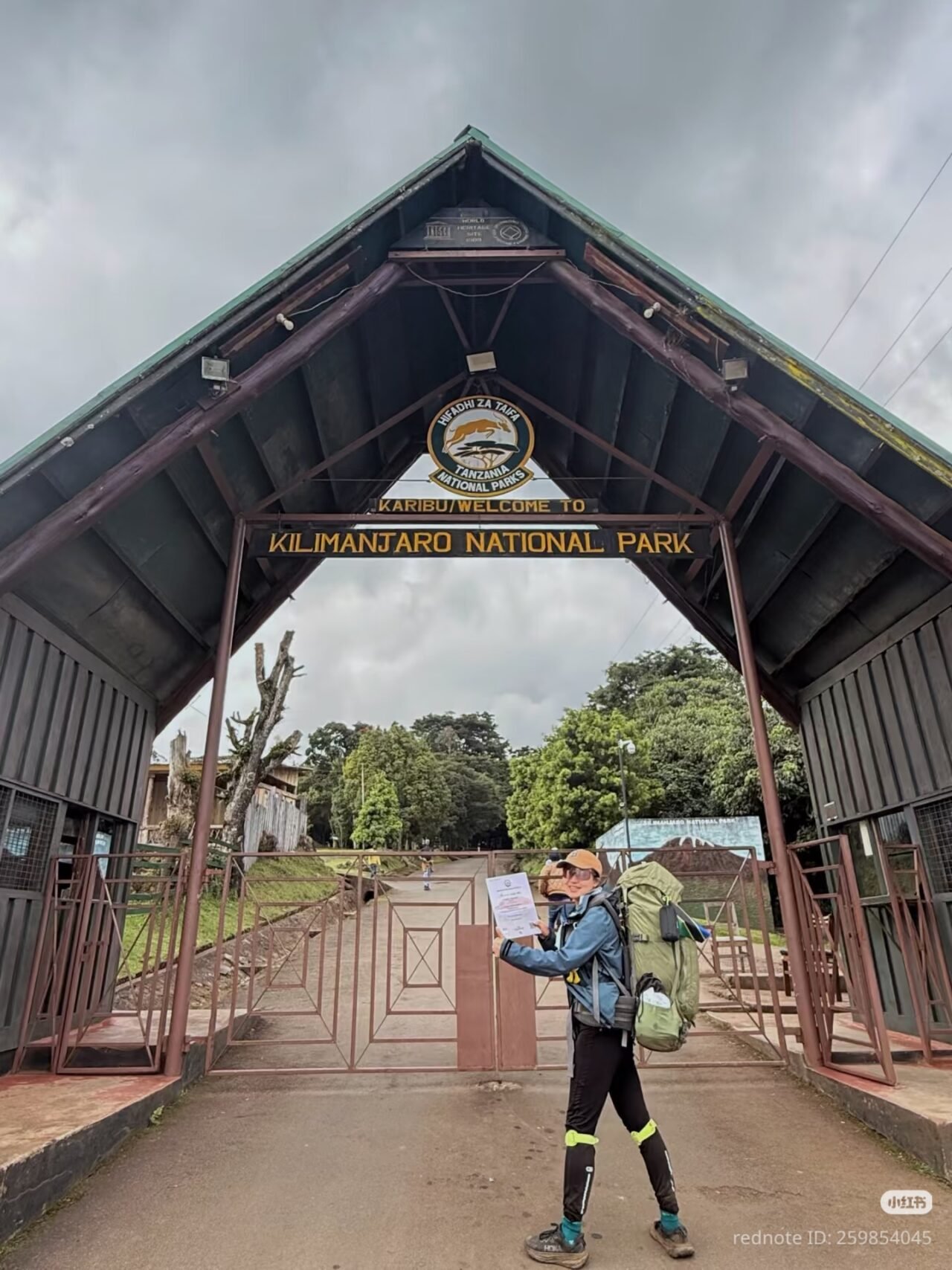
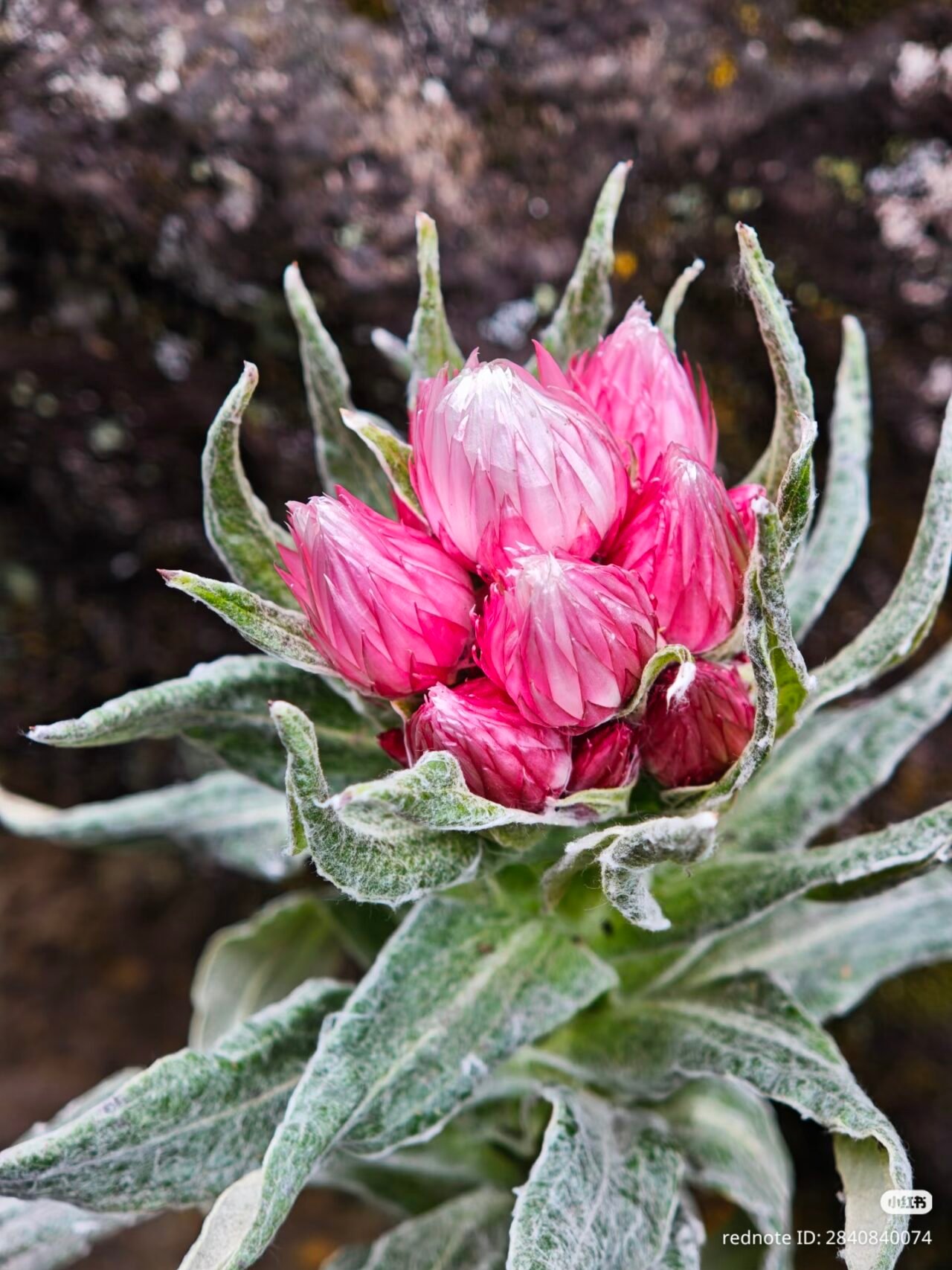
Understanding the Kilimanjaro and Serengeti Combination
Why combine these two monumental experiences? Because they represent the duality of Tanzania itself: the immense, rugged grandeur of the mountain, and the vast, dynamic life of the plains. For many travelers, the Kilimanjaro trek is a goal in itself, a personal challenge; the Serengeti is a cultural and natural immersion. Pairing them creates a holistic adventure that satisfies both the desire for physical accomplishment and the craving for wild, expansive beauty. It’s not merely two trips back-to-back; it’s a structured journey that demands careful sequencing to maximize both the mountain experience and the wildlife viewing.
The primary consideration when planning this joint holiday is the energy expenditure and the necessary recovery time. A major ascent like Kilimanjaro is physically taxing. Jumping straight into a high-paced safari after descending the mountain is possible, but it’s generally not recommended for travelers looking to fully enjoy the safari without lingering fatigue. A smart itinerary incorporates a brief recovery or transition period, or ensures the safari begins after the body has had a few days to re-regulate.
Structuring Your 2027 Holiday: Itinerary Options
The length of the overall holiday—Kilimanjaro plus Serengeti—is highly variable, depending on the chosen ascent route and the desired depth of the safari. Because the goal is a genuinely substantial, comprehensive experience, we look at two primary structural models:
The Classic Explorer (16-20 Days)
This model dedicates the necessary time for a proper Kilimanjaro ascent (e.g., 7-8 days for a longer route like Lemosho or Machame) and allocates a substantial chunk of time for the safari (e.g., 8-12 days, covering Serengeti and Ngorongoro). This provides a balanced pace, allowing for a meaningful acclimatization period on the mountain and ample time to witness the Serengeti’s incredible wildlife migrations. This structure suits the traveler who wants the full spectrum of Tanzanian life without rushing.
The Focused Adventurer (12-15 Days)
For travelers with less time, this structure requires careful trade-offs. It typically involves a shorter, yet still effective, Kilimanjaro route (e.g., 6 days) paired with a focused, intensive safari (e.g., 5-7 days, often concentrating on a specific region of the Serengeti, such as the Northern Serengeti during peak migration). This is ideal for those who prioritize the high-intensity experience but must adhere to a tighter schedule. However, this option demands meticulous planning regarding flight transfers to minimize lost time.
The Kilimanjaro Trekking Deep Dive: Choosing Your Ascent
The mountain is not monolithic. The choice of route dictates the pace, the difficulty, and crucially, the acclimatization profile. For a Kilimanjaro and Serengeti Safari Holiday 2027, the route selection should be guided by your physical condition and your desire for a manageable climb. Rushing the ascent is the single greatest risk to a successful summit attempt.
Route Comparison: Pace and Profile
While many routes exist, two often stand out for balancing success rate and experience: Machame and Lemosho. These are generally considered longer, more gradual routes compared to faster options. Machame, for example, offers varied scenery and a steady climb, while Lemosho provides a more remote, diverse landscape. Both are often recommended for first-time trekkers who want a higher probability of reaching Uhuru Peak.
The most critical factor is not the name of the route, but the pace you maintain. A slow, steady ascent allows your body to adapt to the rapidly thinning atmosphere. This is why selecting a 7-day or 8-day itinerary is generally superior to a 6-day attempt, even if the 6-day option seems more convenient logistically. The marginal extra time significantly increases the chances of a successful and enjoyable climb.
- Physical Assessment: Be honest about your fitness level. A mountain climb is not a casual hike.
- Acclimatization Time: Ensure your chosen route provides sufficient days at varying altitudes.
- Weather Buffer: Understand that mountain weather is unpredictable. Plan for flexibility in your schedule.
- Gear Check: Invest in high-quality, appropriate gear for extreme cold and altitude.
Understanding Altitude and Acclimatization
Altitude sickness (Acute Mountain Sickness or AMS) is the most serious risk. The concept of ‘climb high, sleep low’ is central to successful trekking. The best operators build this concept into the daily itinerary, ensuring that the sleeping altitude doesn’t increase too rapidly. When discussing your Kilimanjaro component with Climb 4 Africa, ask specifically about their acclimatization strategy for the chosen route. This is where local expertise makes all the difference.
The Serengeti Safari Deep Dive: Timing and Wildlife
The Serengeti is a vast, living entity, and its most spectacular sights are seasonal. The wildlife viewing experience is fundamentally tied to the Great Migration, which follows the rains and the availability of grazing land. Therefore, the timing of your safari portion of the Kilimanjaro and Serengeti Safari Holiday 2027 is as important as the climb itself.
The Great Migration: A Seasonal Guide
The timing of the migration dictates where you will see the wildebeest and zebra herds. Generally speaking, the Serengeti experience can be broken down by season:
- Dry Season (June to October): Often features herds concentrated near permanent water sources, particularly in the Southern Serengeti. This period is excellent for viewing predator activity.
- Wet Season (March to May): The migration is often moving into the Northern Serengeti as fresh grazing becomes available. The landscape is lush, and the experience is vibrant.
- Shoulder Seasons (November, December, January, February): These months offer a mix of migratory activity and excellent wildlife viewing opportunities. December and January are often prime months for accessing the Northern Serengeti where the migration is active.
If the migration is your primary focus, you must align your safari dates precisely with the migratory patterns for 2027. This is a detail only an experienced local operator can help confirm through up-to-date ecological knowledge. If you prefer a more relaxed, consistent wildlife viewing experience without the pressure of tracking the migration, the Central Serengeti remains a phenomenal choice year-round.
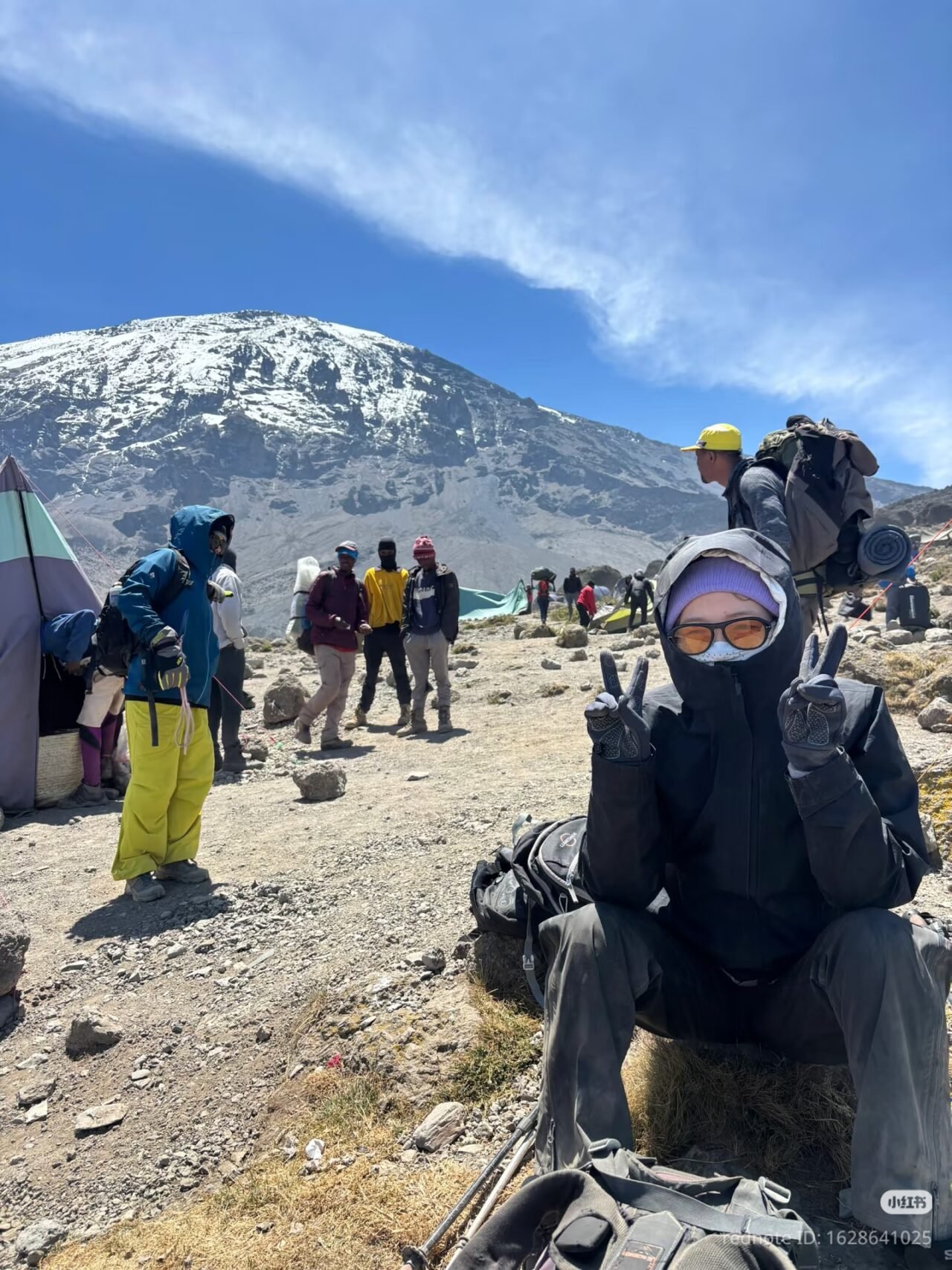
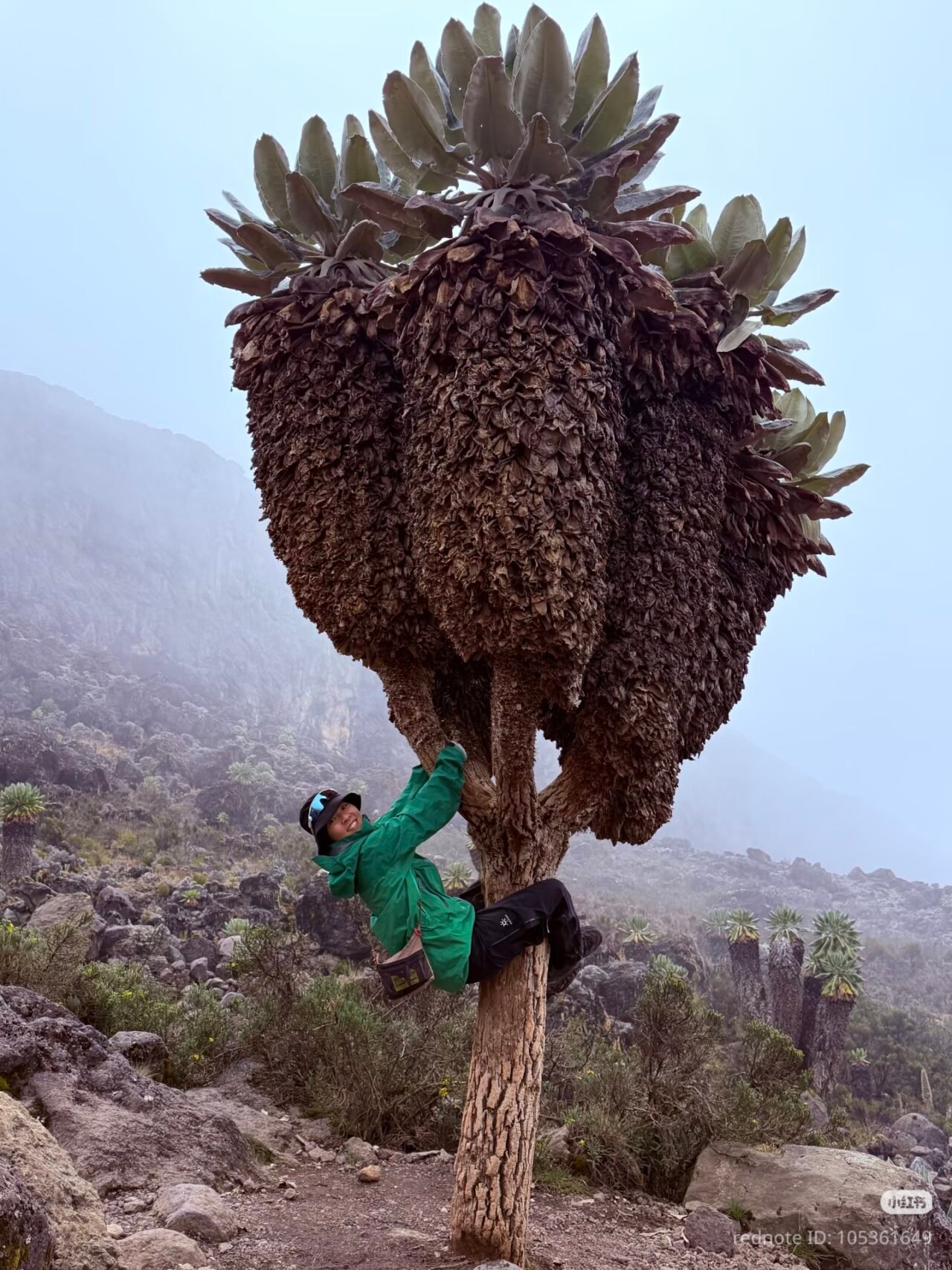
Navigating the Logistics: From Summit to Savannah
The transition between the mountain and the plains requires meticulous logistical planning. The typical flow involves flying into Arusha, the gateway city for both Kilimanjaro and the safari. After the trek, you will transition from the high-altitude environment to the lower plains. This change is significant, both physically and environmentally.
The Transfer Pathway
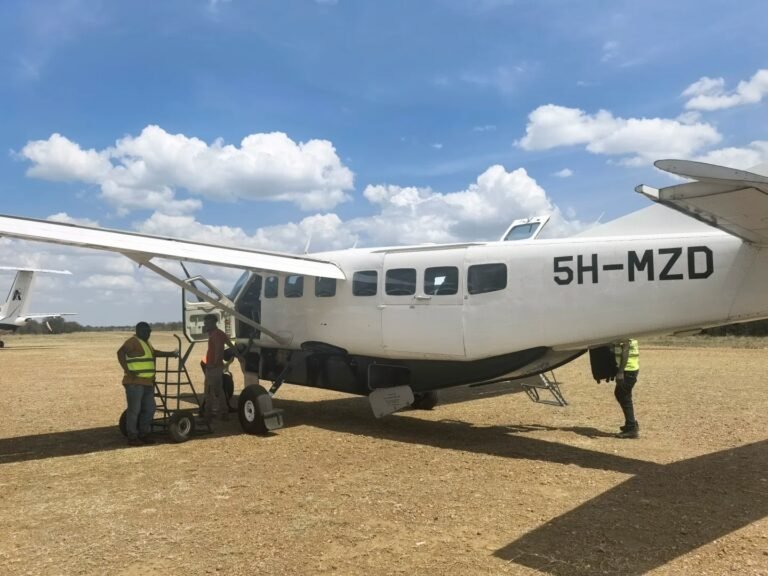
A standard itinerary usually sees the Kilimanjaro trek ending near the base of the mountain. From there, you are transferred back to Arusha. From Arusha, the safari component begins. Depending on the region of the Serengeti you wish to explore, you may fly into a specific airstrip (such as Kogatende for the Northern Serengeti, or a regional airstrip near Ngorongoro). The choice between flying and road safari depends heavily on the budget, the time available, and the specific area of the park you wish to access. For maximum efficiency and to maximize viewing time, a mix of flying and ground transfers is often the most effective method.
Which Holiday Suits Which Traveler? A Decision Guide
The Kilimanjaro and Serengeti Safari Holiday 2027 is not a one-size-fits-all package. Its complexity demands that the traveler clearly defines their priorities. Are they a mountaineer first, or a wildlife enthusiast first? The answer dictates the structure of the trip.
For the Dedicated Mountaineer
If the ultimate goal is the summit of Kilimanjaro, the safari component should be viewed as a rewarding extension. The focus should be on a longer, more measured ascent (7+ days). The safari portion can be shorter, perhaps a 5-day loop focusing on the Ngorongoro Crater and a core section of the Serengeti, ensuring the peak experience remains the priority. This traveler prioritizes physical achievement and the mountain landscape.
For the Wildlife Purist
If the greatest draw is the raw, expansive life of the Serengeti, the safari portion should be prioritized. This traveler might opt for a slightly shorter, but still well-acclimatized, Kilimanjaro trek (6-7 days) to free up more time for extended safari stays, allowing them to follow the migration or spend more time observing the diverse ecosystems. They are willing to sacrifice a few days on the mountain to gain more time tracking big cats.
For the Balanced Explorer
This traveler seeks the perfect equilibrium. They want a successful, non-rushed climb and a comprehensive safari. This aligns best with the Classic Explorer model (16-20 days). They are prepared to manage the logistical complexities but desire a full, rich experience of both the towering peak and the infinite plains.
Essential Planning Checklist for Your 2027 Trip
Booking a complex, multi-component journey like this requires a detailed checklist. Planning for 2027 means taking advantage of lead time to secure the best logistical arrangements, especially regarding park permits and specialized flights.
- Define Your Priority: Decide whether the mountain or the safari is the primary focus.
- Set Your Window: Determine your ideal month(s) in 2027, keeping migration timing in mind.
- Choose Your Route/Duration: Select the Kilimanjaro route based on your fitness and desired climb length (e.g., Machame 7D/8D).
- Determine Safari Style: Decide between a road safari (more budget-friendly, allows for greater flexibility) or a flying safari (faster transfers, better access to remote migration areas).
- Budget Allocation: Understand that Kilimanjaro permits, guides, and lodging, combined with Serengeti lodging and internal flights, create a high-end adventure package.
- Consult Local Experts: Engage with a specialist operator like Climb 4 Africa to map out the exact flow, managing the transitions and confirming permit availability for 2027.
Cost and Value Considerations
The cost of a Kilimanjaro and Serengeti Safari Holiday 2027 is highly variable. It is driven by several factors: the chosen Kilimanjaro route and duration, the quality of the safari accommodation (camping vs. luxury lodge), the number of internal flights required, and the season (peak migration months command a premium). Generally, a shared, mid-range package will offer significant value, while a private, luxury package will command a substantially higher price. Instead of focusing on a fixed number, consider the value proposition: are you paying for a slower, more successful climb, or are you paying for proximity to the migration hotspots?
Making the Decision: Why Local Expertise Matters
The complexity of this dual adventure—combining high-altitude trekking permits with intricate park logistics and seasonal migratory tracking—is precisely why working with a specialized local operator is invaluable. A general travel agent may not have the up-to-date knowledge of which specific Kilimanjaro route is performing best in a given year, nor will they have the real-time knowledge of where the Serengeti herds will be in 2027. A local specialist manages these micro-decisions for you.
When reaching out to Climb 4 Africa, don’t just ask for a price. Provide them with your ideal dates, your fitness level, and your primary goal (mountain challenge vs. wildlife observation). This allows them to design a truly customized itinerary that manages the physical and logistical trade-offs intelligently. For initial queries and detailed planning discussions, you can connect via WhatsApp at +255 747 477 898 or email them directly at climb4africa@gmail.com. They are positioned to craft the perfect journey for your 2027 adventure.
Related Guides and Packages
Check Availability for Kilimanjaro And Serengeti Safari Holiday : Your Ultimate Tanzania Adventure
Ready to compare dates, prices, and the best option for your group? Send the package name and travel month so the team can reply with a clear quote, availability, and what is included.
Tanzania Flight Costs By Month: Cheapest And Most Expensive Seasons 2027
Planning your trip to Tanzania involves understanding the ebb and flow of flight prices throughout the year. Knowing when to book can significantly impact your budget for adventures in...
View package details
Tanzania Kilimanjaro And Safari Holiday Packages 2027
An expert, long-form guide to combining Kilimanjaro treks with Tanzania safaris and Zanzibar experiences, with practical planning and booking guidance for 2027.
View package details
Kilimanjaro And Tanzania Safari Packages – Canadian Travel Guide 2027
- Kilimanjaro and Tanzania Safari Packages – Canadian Travel Guide is explained with current 2027 planning, price, itinerary and booking information.
View package details
Best Airport To Fly Into Tanzania For Safari, Kilimanjaro & Zanzibar 2027
Planning a Tanzanian adventure combining wildlife safaris, the iconic Mount Kilimanjaro, and the tropical paradise of Zanzibar requires choosing the right entry point. This guide clarifies...
View package details
Kilimanjaro And Mara River Crossing Safari August : Peak Season Adventure 2027
Combining the ultimate challenge of climbing Mount Kilimanjaro with the awe-inspiring spectacle of the Great Migration river crossing in the Maasai Mara offers an unparalleled African...
View package details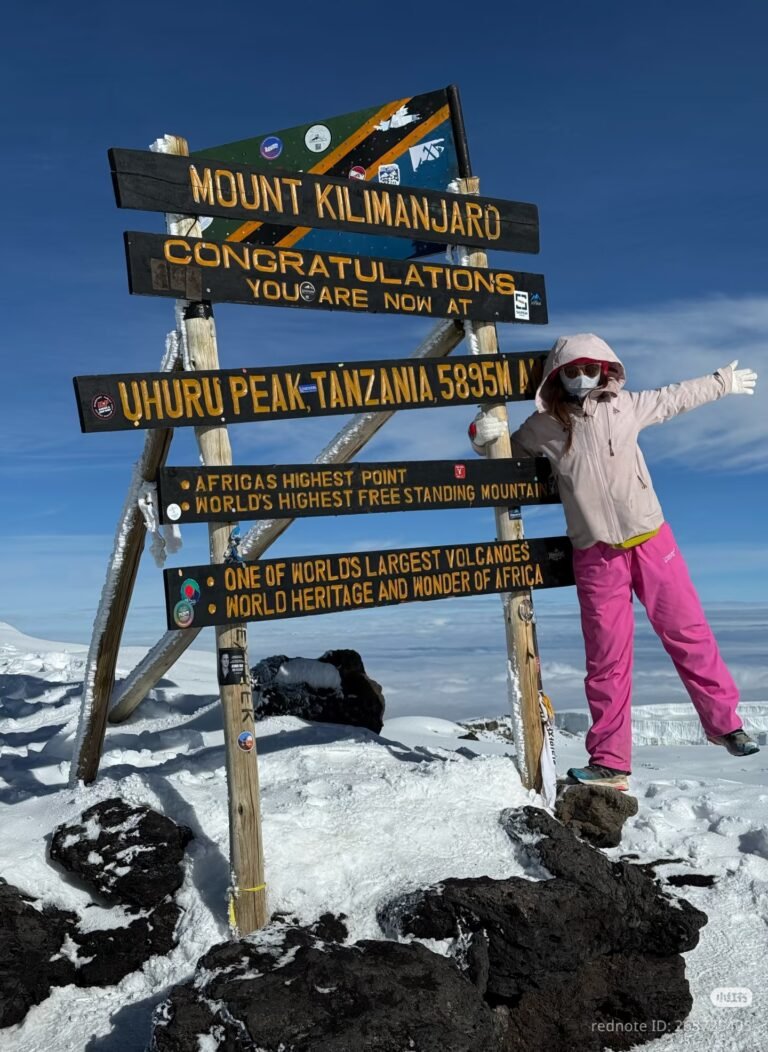
Kilimanjaro And Great Migration Safari August : Your Peak Season Adventure
Plan your ultimate Tanzanian adventure in August 2027, combining a Kilimanjaro climb with the spectacle of the Great Migration. This guide details the best timings, routes, and safari...
View package detailsArusha To Zanzibar Flight Price : Airlines, Tickets & Booking Guide 2027
Essential guide for booking flights from Arusha to Zanzibar in 2027. Learn about typical prices, available airlines, how to find the best tickets, and essential booking advice for a smooth...
View package details
Direct Flights To Tanzania: Airlines, Airports & Ticket Prices For 2027
Planning a trip to Tanzania in 2027? Discover the most convenient ways to get there with direct flight options, key airports, and insights into ticket prices. Learn which airlines serve...
View package details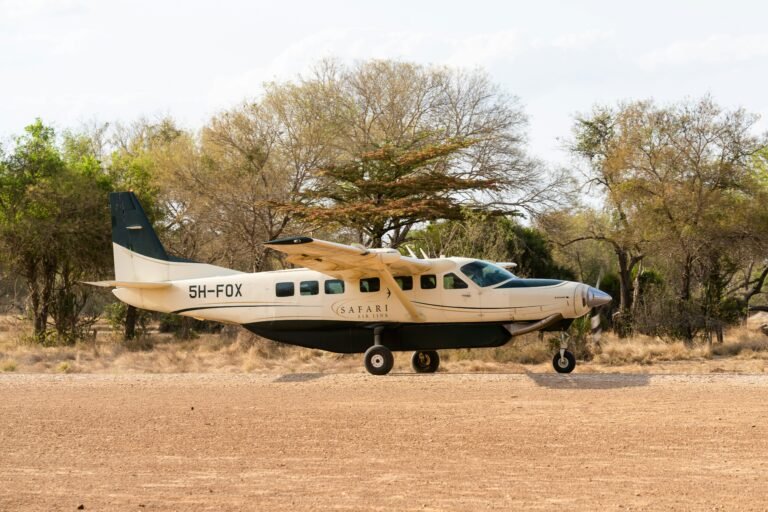
One-Way Flights To Tanzania: Your Guide To Prices And Airlines 2027
Navigating one-way flights to Tanzania requires understanding airline options, potential costs, and strategic booking. This guide breaks down what to expect for your 2027 travels, whether...
View package detailsCheap Flights To Tanzania: Best Airlines, Routes & Ticket Deals For 2027
Securing affordable airfare is key to planning a memorable Tanzanian adventure. This guide reveals the best airlines, routes, and strategies for finding cheap flights to Tanzania in 2027...
View package details
Lake Manyara To Serengeti Flight Price & Safari Connections 2026-2027
A practical guide to connecting Lake Manyara and the Serengeti by air, covering flight pricing factors, logistical trade-offs, and how to optimize your safari schedule.
View package detailsFly-In Safari To Ngorongoro And Serengeti: Flights & Transfer Costs 2026-2027
Discover the logistics and cost breakdown for a fly-in safari to Ngorongoro and the Serengeti, including airstrip transfers, baggage limits, and vehicle positioning.
View package detailsNo related package matches those filters. Clear one or more filters to see the other topic-matched options.



