
International return economy airfare to Tanzania generally ranges between $850 and $1,600 from major European hubs, and between $1,100 and $2,200 from North America for the 2026–2027 travel seasons. Premium cabins and peak holiday windows (July–August and late December) sit significantly higher, whereas booking six to nine months ahead for shoulder periods like late May or November unlocks the lowest base fares across primary gateways like Kilimanjaro International (JRO) and Dar es Salaam (DAR).
International Airfare to Tanzania: Route & Price Snapshot for 2026–2027
When calculating your total expedition budget, your airfare to East Africa will often represent one of the single largest upfront cash outlays. Air ticket pricing is notoriously dynamic, but reviewing carrier schedules, capacity trends, and historical fuel fluctuations provides a solid baseline for travelers organizing their schedules for 2026 and 2027.
Standard round-trip economy fares from the United States or Canada typically settle in the $1,100 to $1,800 range during standard operating months, climbing above $2,200 during the busy summer months of July and August or over the Christmas and New Year holidays. Travelers flying out of European hubs—such as Amsterdam, Frankfurt, Istanbul, or London—benefit from shorter flight paths, seeing average economy returns between $850 and $1,500. Departures out of Australia and New Zealand require long-haul connections through the Gulf or Southeast Asia, routinely landing between $1,400 and $2,400 AUD.
| Departure Region | Primary Gateway Hubs | Average Economy Return (Standard Season) | Peak Season Economy Return (Jul–Aug / Dec) | Approximate Flight Duration |
|---|---|---|---|---|
| North America (East Coast) | JFK, IAD, ORD, ATL | $1,100 – $1,550 | $1,650 – $2,300 | 17 – 22 hours (1 stop) |
| North America (West Coast) | LAX, SFO, SEA | $1,300 – $1,800 | $1,850 – $2,500 | 21 – 26 hours (1–2 stops) |
| Western Europe & UK | LHR, AMS, FRA, CDG | $850 – $1,250 | $1,300 – $1,750 | 10 – 14 hours (direct or 1 stop) |
| Middle East | DXB, DOH | $550 – $850 | $850 – $1,200 | 5.5 – 7 hours (direct) |
| Australia & NZ | SYD, MEL, AKL | $1,450 – $2,100 | $2,200 – $2,900 | 20 – 26 hours (1–2 stops) |
Selecting Your Gateway: Kilimanjaro (JRO) vs. Dar es Salaam (DAR) vs. Zanzibar (ZNZ)
One of the most frequent mistakes made by first-time visitors is booking an arrival ticket into Dar es Salaam simply because the headline flight fare appears $150 cheaper. Tanzania spans vast distances, and an ill-considered landing point creates logistical delays and additional domestic ticket expenses that quickly erase any initial savings.
For visitors heading directly to the Northern Safari Circuit or climbing Mount Kilimanjaro, Kilimanjaro International Airport (JRO) is by far the most practical arrival point. Located roughly 45 minutes from Moshi and an hour from Arusha, flying directly into JRO removes the necessity of booking domestic transfers, hotel stopovers in secondary cities, or cumbersome morning connector flights. If you are joining scheduled adventures such as a Machame Route climb or a scheduled wilderness exploration, landing at JRO places you right at the base of the action.
Dar es Salaam (DAR), on the other hand, is the primary commercial transit hub. While international flight frequencies are higher, flying into DAR requires you to factor in a domestic flight up to Arusha or out to the national parks, which typically adds $150 to $300 per person each way. DAR is the sensible gateway if your itinerary focuses on southern reserves like Nyerere National Park or Ruaha, but rarely makes sense for travelers targeting the classic northern routes.
If your journey concludes with a beach extension on the Indian Ocean, Abeid Amani Karume International Airport (ZNZ) in Zanzibar serves multiple intercontinental and regional carriers. Many strategic travelers book open-jaw tickets: flying inbound into Kilimanjaro (JRO) and departing outbound straight from Zanzibar (ZNZ) back to their home country, avoiding an unnecessary transit back across mainland Tanzania.
High Season vs. Shoulder Season: Understanding the Price Swings
Airline revenue algorithms target international holiday patterns as well as regional wildlife phenomena. The dry months of July, August, and September command the highest airfares because they coincide with the dry season trekking window and peak river crossings. If you are comparing timing, our review of Kilimanjaro June vs. July weather, crowds, and prices illustrates how rapidly tourism activity accelerates as the dry season establishes itself.
Travelers targeting itineraries such as a Kilimanjaro and Great Migration Safari in July 2027 or a Kilimanjaro and Great Migration Safari in August 2027 must account for peak season airfare surcharges. During these months, airlines sell out their lower fare classes months ahead, leaving only flex tickets and elevated cabin tiers.
Conversely, early June, October, and early November present attractive pricing windows. Fares during these transition periods often drop by 20% to 35%. Travelers exploring a Kilimanjaro and Grumeti Migration Safari in June 2027 regularly secure substantially better flight pricing simply by arriving before the global school holiday surge takes off in late June.
Airlines and Optimal Transit Hubs Serving Tanzania
Direct intercontinental flights directly into Kilimanjaro (JRO) are primarily operated by a handful of established international airlines:
- KLM Royal Dutch Airlines: Operates daily flights from Amsterdam (AMS) directly to Kilimanjaro (JRO), usually continuing onward to Dar es Salaam or Zanzibar before turning back. This remains one of the most reliable routes for travelers originating anywhere across the United States or Europe.
- Qatar Airways: Connects global networks via Doha (DOH) into Kilimanjaro (JRO) and Dar es Salaam (DAR). This route is especially convenient for travelers traveling from the US East Coast, Australia, and Asia.
- Ethiopian Airlines: Routinely offers the most competitive ticket pricing into Kilimanjaro, routing through its hub in Addis Ababa (ADD). It serves broad networks across the Americas, Europe, and Asia.
- Turkish Airlines: Provides frequent connections through Istanbul (IST) directly into JRO, offering competitive luggage allowances and reliable service across European and American gateways.
- flydubai / Emirates: Flies directly into Dar es Salaam (DAR) and Zanzibar (ZNZ) through Dubai (DXB), making it an effective choice for southern routes and beach itineraries.
When selecting your ticket, evaluate the layover duration carefully. A cheap ticket with a 14-hour overnight layover in a middle-tier transit airport often costs more in meals, transit visas, and hotel rooms than a slightly higher direct connection with a tight 2-to-3-hour turn.

The Hidden Airfare Cost: Budgeting for Bush Flights and Regional Connections
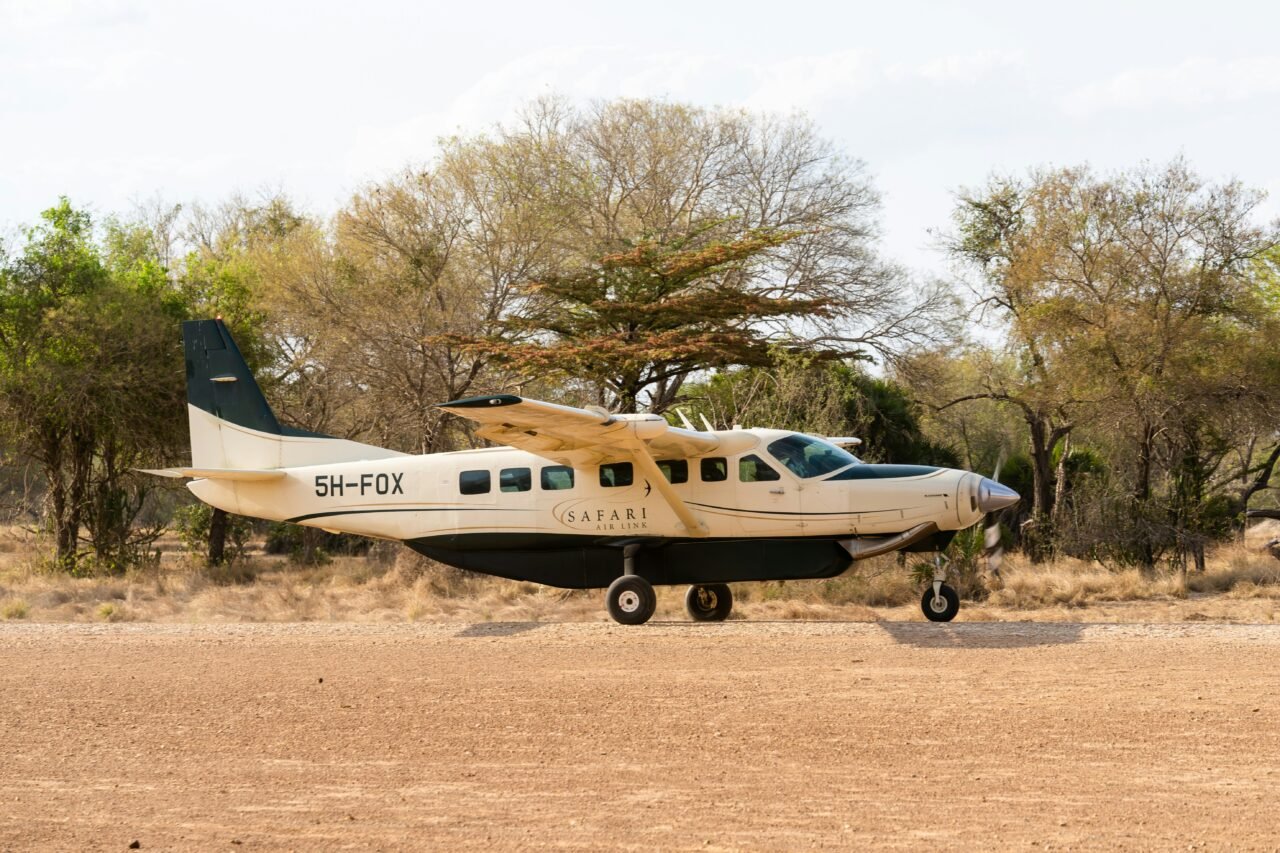
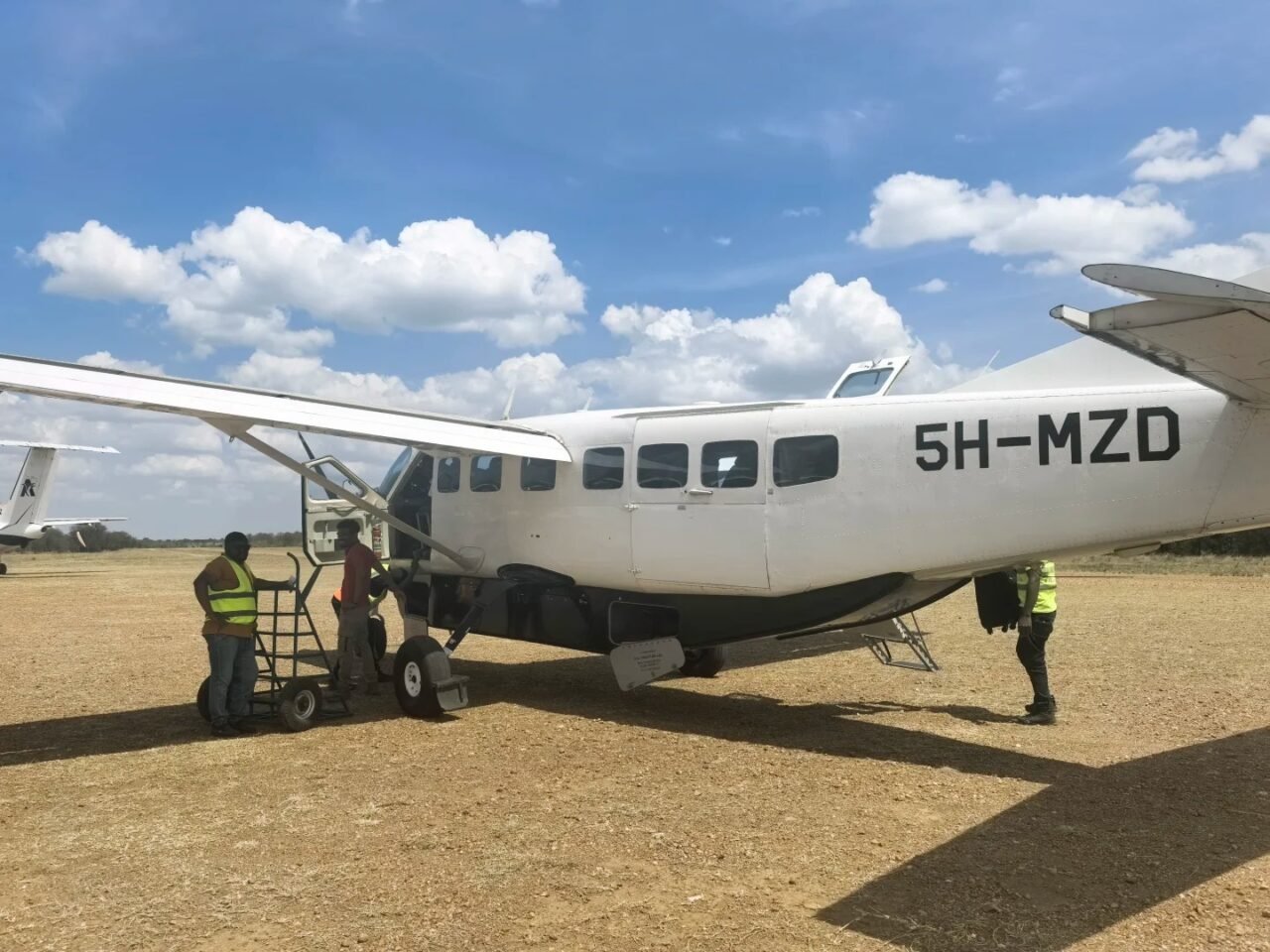
International long-haul tickets get you onto Tanzanian soil, but internal park connections require separate logistical planning. Safari circuits often rely on light aircraft bush flights operated by carriers like Coastal Aviation, Auric Air, or Safari Air Link.
Typical Domestic and Bush Flight Rates (One Way):
- Arusha (ARK) or Kilimanjaro (JRO) to Serengeti Bush Airstrips (Seronera, Kogatende): $280 – $450 per passenger
- Serengeti to Zanzibar (ZNZ): $350 – $550 per passenger
- Dar es Salaam (DAR) to Zanzibar (ZNZ): $45 – $110 per passenger
- Arusha (ARK) to Dar es Salaam (DAR): $90 – $180 per passenger
Keep in mind that internal bush flights enforce strict baggage restrictions. Most light aircraft allow a total of 15 kg (33 lbs) per passenger, including carry-on items, and require soft-sided duffel bags rather than rigid, wheeled suitcases. If your international ticket permits two 23 kg check-in bags, you will need to arrange luggage storage at your base hotel in Arusha or pay for excess freight space on regional planes.
When to Book Your Flights for 2026 and 2027 Expeditions
Airlines typically publish schedules and seat inventory approximately 330 to 350 days before departure. For travel in 2026 and 2027, the standard rule of booking three to four months in advance does not work well for East Africa.
Because seat inventory into secondary airports like Kilimanjaro (JRO) is finite, the most cost-effective fare buckets evaporate quickly. For high-season travel between July and September, you should ideally lock in your long-haul tickets 7 to 10 months ahead. If you are targeting travel in early or late 2027, begin tracking published flight paths as soon as the 11-month booking window opens.
Set fare notifications on Google Flights or Kayak using multi-city route options. Rather than searching for standard round trips, run searches for “Open-Jaw” configurations: Home City to JRO, returning ZNZ to Home City. Booking this on a single ticket avoids the hassle of ticketing two separate one-ways, protecting your luggage check-through and transit liability under a single itinerary.
Aligning Flight Arrival Times with Trek Briefings and Safari Departures
Flight delays, missed connections, and misplaced baggage happen. For this reason, we consistently advise clients never to schedule a mountain trek or an extensive safari departure on the exact morning of their arrival.
Plan your schedule so that you land at Kilimanjaro International Airport at least 24 to 36 hours before you step onto the trail. This arrival cushion gives your body time to recover from time-zone shifts, ensures you can attend your pre-climb equipment check, and leaves adequate time for luggage recovery if an airline fails to transfer your duffel bag during a tight European or Middle Eastern connection.
To explore comprehensive route timelines, safari vehicle schedules, or group departure windows for your upcoming travel, review our wide range of all Tanzania safaris group departures and best shared tours to match your dates efficiently.
Planning your 2026 or 2027 journey? Before you finalize and pay for non-refundable international airfare, connect with our local Tanzanian team at Climb 4 Africa. We can review your provisional flight schedule to confirm your landing times line up with vehicle transfers, national park gates, and acclimatization days. Reach us directly on WhatsApp at +255 747 477 898 or by email at climb4africa@gmail.com with your preferred travel dates.
Check Availability for How Much Are Flights To Tanzania? International Airfare Prices 2027
Ready to compare dates, prices, and the best option for your group? Send the package name and travel month so the team can reply with a clear quote, availability, and what is included.
Flights To Tanzania : Ticket Prices, Airlines & Booking Guide 2027
A complete 2027 airfare and route guide for travelers heading to Tanzania, covering expected ticket prices, gateway airports, airline options, and strategic booking windows for Kilimanjaro...
View package detailsNo related package matches those filters. Clear one or more filters to see the other topic-matched options.



