
The 8 Day Lemosho route in January 2027 is indeed the best choice for first-time high-altitude climbers due to its excellent acclimatization profile and high success rates, offering a gradual ascent through diverse landscapes. For those planning a climb during this period, focusing on booking with an experienced operator like Climb 4 Africa, understanding the specific weather patterns of January, and preparing physically and mentally are paramount to a successful summit bid.
Why the 8-Day Lemosho Route is Ideal for First-Timers in January 2027
When embarking on your first high-altitude mountain challenge, choosing the right path is crucial. For Kilimanjaro, and specifically for a January 2027 expedition, the 8-day Lemosho route consistently emerges as the top recommendation for novice climbers. This isn’t by accident. The Lemosho route is celebrated for its scenic beauty, ecological diversity, and, most importantly, its gradual ascent profile which significantly enhances acclimatization. For first-time high-altitude adventurers, this means a higher probability of reaching Uhuru Peak safely and a more enjoyable journey overall. January, falling within Kilimanjaro’s dry season, offers relatively stable weather, making it an attractive window for this ambitious undertaking.
This article will guide you through why the 8-day Lemosho route is your best bet for a January 2027 climb, detailing its itinerary, the advantages of climbing in January, crucial preparation steps, and how to ensure your expedition is managed by experts like Climb 4 Africa.
Understanding the 8-Day Lemosho Route Itinerary
The 8-day Lemosho route is designed to maximize acclimatization and enjoyment by spreading the ascent over a longer period compared to shorter routes. This extended duration allows your body more time to adjust to the decreasing oxygen levels as you gain altitude.
Here’s a typical breakdown of the 8-day Lemosho itinerary, which forms the backbone of a successful first-time Kilimanjaro climb:
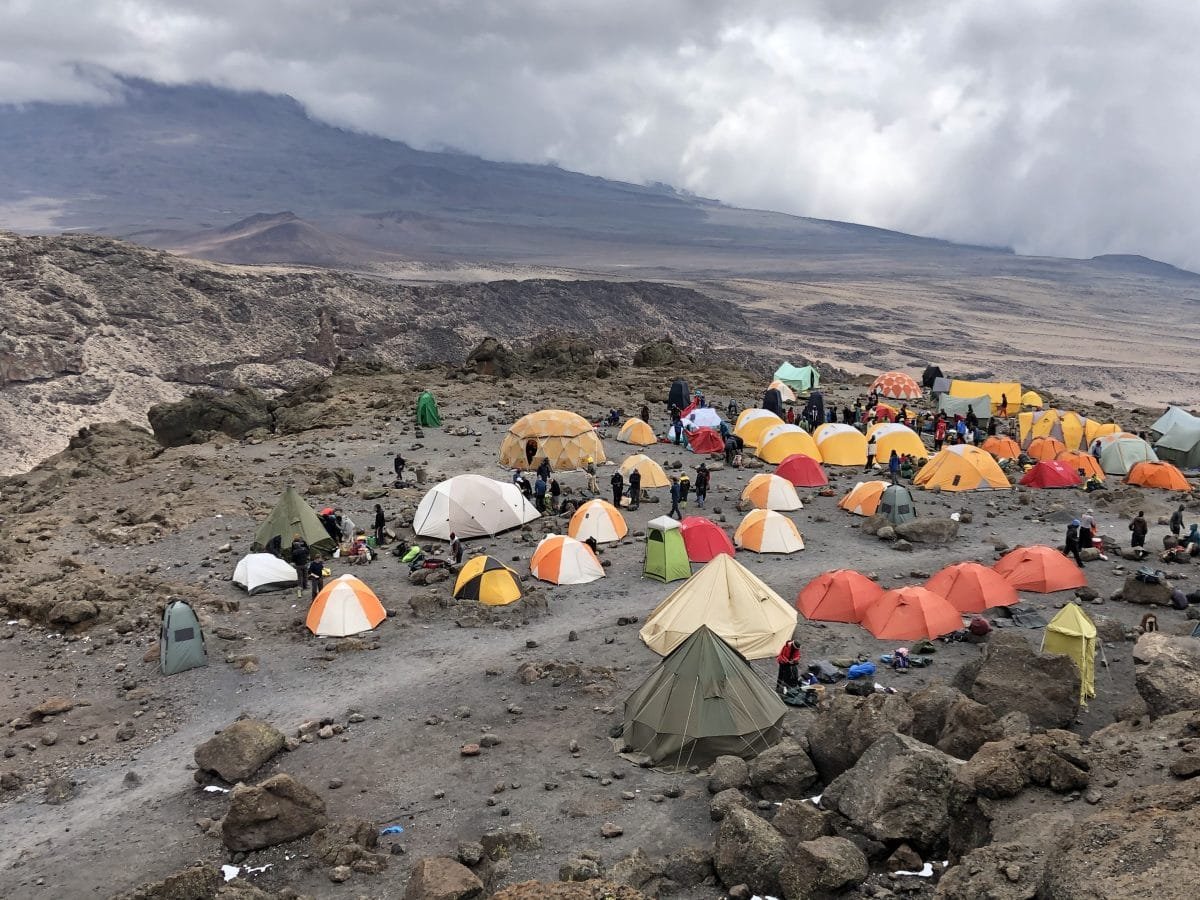
- Day 1: Machame Gate to Machame Camp (via Shira Plateau): The trek begins with a drive to Machame Gate, followed by registration and a hike through the rainforest to Machame Camp. This initial day is at a lower altitude, allowing for a gentle introduction.
- Day 2: Machame Camp to Shira 2 Camp: The route continues through moorland, offering stunning views. The higher camp tonight aids in acclimatization.
- Day 3: Shira 2 Camp to Lava Tower to Barranco Camp: This day involves climbing to Lava Tower (4,600m), a significant altitude gain, before descending to Barranco Camp (3,950m). This ‘climb high, sleep low’ strategy is fundamental to effective acclimatization.
- Day 4: Barranco Camp to Karanga Camp: A challenging but rewarding day involving the famous Barranco Wall scramble, followed by a shorter hike to Karanga Camp.
- Day 5: Karanga Camp to Barafu Camp: The landscape becomes more alpine as you trek towards Barafu Camp, the base camp for the summit push. This is another critical ‘climb high, sleep low’ day, as you’ll ascend to a higher point before descending to Barafu.
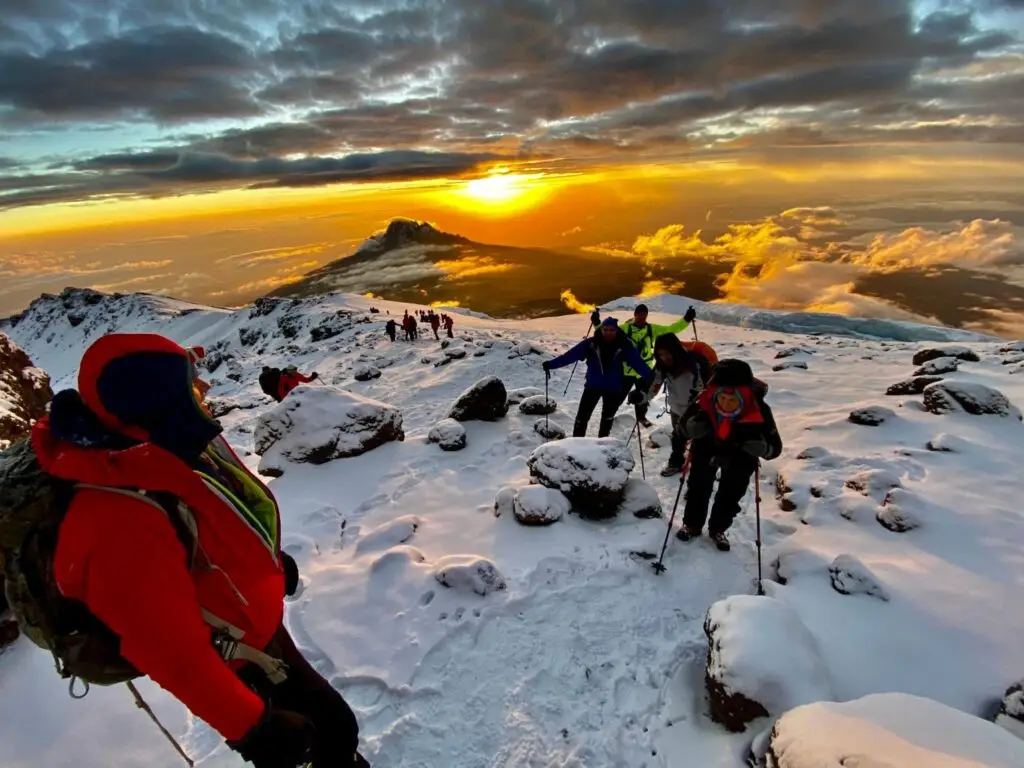
- Day 6: Summit Day (Barafu Camp to Uhuru Peak and descent to Mweka Camp): The most demanding day. Starting in the early hours of the morning, you ascend to Stella Point and then to Uhuru Peak (5,895m). After celebrating at the summit, you begin the long descent to Mweka Camp.
- Day 7: Mweka Camp to Mweka Gate: A final, shorter descent through the rainforest to Mweka Gate, where you’ll be met by your transport.
- Day 8: Departure: Transfer from Mweka Gate to your hotel in Moshi or Arusha.
This 8-day structure provides ample time for the body to adapt, significantly increasing your chances of a successful summit and reducing the risk of altitude sickness. For a January 2027 expedition, this route offers a balance of challenge and comfort.
January Conditions: Weather and Why It’s a Prime Climbing Month
January sits squarely within Kilimanjaro’s main dry season, which typically runs from late December to February. This makes it a highly sought-after period for climbing. While “dry” doesn’t mean guaranteed sunshine and warmth, it signifies a lower probability of prolonged rain or heavy cloud cover compared to the rainy seasons.
Expect:
- Clearer Skies: Mornings and evenings are often clear, offering spectacular views of the mountain and surrounding plains.
- Moderate Temperatures: Daytime temperatures can be pleasant, especially on the lower slopes. However, as you ascend, temperatures will drop dramatically, particularly at night and on summit day. Expect freezing temperatures above the tree line, and well below zero Celsius on the summit.
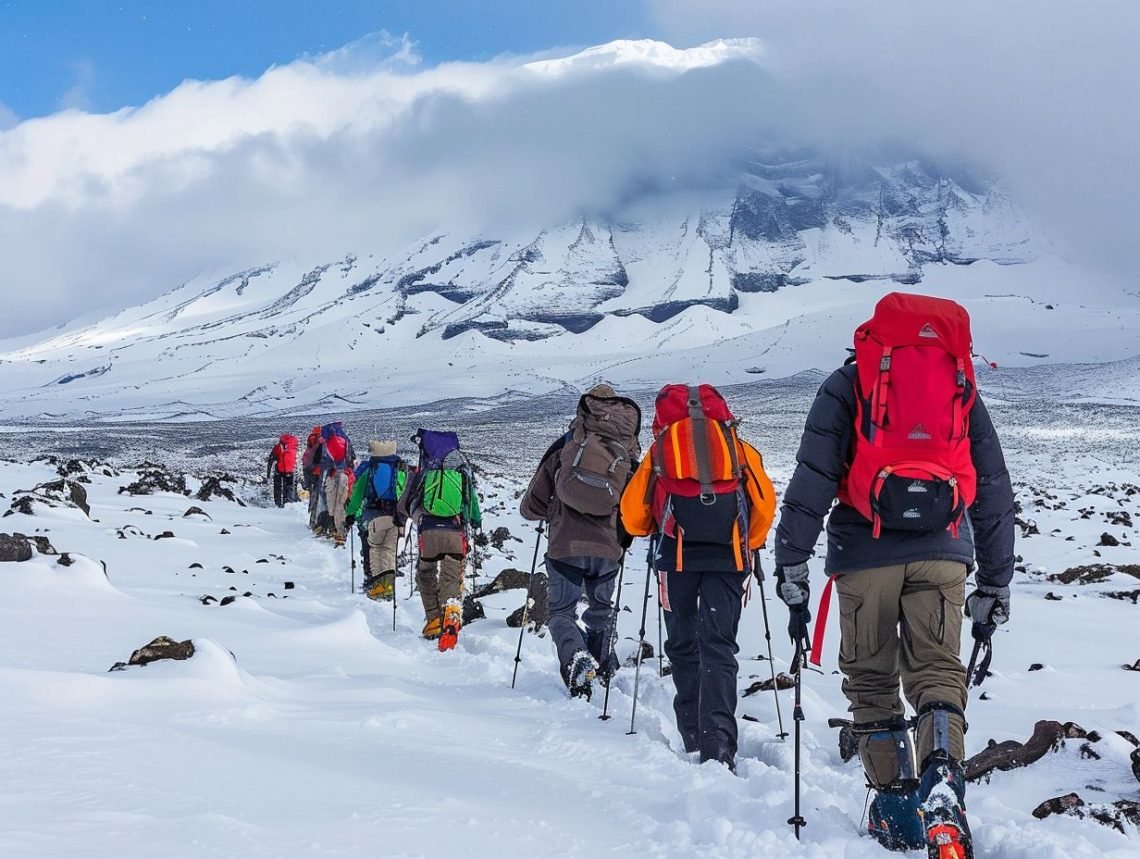
- Snow on the Summit: The summit crater and glacial remnants will likely be covered in snow and ice, adding to the dramatic scenery.
- Potential for Cold Winds: While dry, January can still bring biting winds, especially at higher altitudes. Proper layering is essential.
Climbing Kilimanjaro in January 2027 offers a fantastic opportunity to experience the mountain in its drier guise, with good visibility and a generally more predictable weather window. This is a significant advantage for first-time climbers who might be more sensitive to challenging weather conditions.
Superior Acclimatization: The Key to Success on Lemosho
Acclimatization is the single most critical factor for a successful Kilimanjaro climb, especially for those new to high altitudes. The Lemosho route, particularly its 8-day variation, is renowned for its superior acclimatization profile. This is achieved through:
- Gradual Altitude Gain: The route spends more days ascending slowly, allowing your body to produce more red blood cells to carry oxygen.
- “Climb High, Sleep Low” Strategy: As seen in the itinerary (Day 3 is a prime example), the route often involves climbing to a higher altitude during the day and then descending to a lower camp to sleep. This is incredibly effective for stimulating acclimatization without overexerting the body.
- Longer Duration: The 8-day itinerary provides an extra day compared to the 7-day Lemosho or other shorter routes. This additional day is invaluable for resting and allowing your body to adapt further, particularly after the challenging days leading up to the summit push.
- Diverse Terrain: The route traverses varied ecosystems, from lush rainforest to alpine desert and arctic zones, which can make the trek more engaging and less monotonous, helping to keep morale high.
For a first-time high-altitude climber heading to Kilimanjaro in January 2027, the 8-day Lemosho route offers the best chance to adapt to the altitude safely and comfortably, maximizing your chances of reaching the summit.
Essential Preparations for First-Time High-Altitude Climbers
Successfully summiting Kilimanjaro is as much about preparation as it is about the trek itself. For first-time high-altitude climbers planning an 8-day Lemosho expedition in January 2027, consider these key areas:
Physical Training
Your training should focus on cardiovascular fitness and endurance. Hiking with a weighted backpack on varied terrain is ideal. Include hills and stairs in your routine. Aim for at least 3-4 days of training per week in the months leading up to your climb. Focus on long, steady efforts rather than short, intense bursts.
Mental Preparation
High altitude can be mentally taxing. Understand that there will be challenging moments, fatigue, and potentially discomfort. Developing mental resilience, a positive attitude, and the ability to push through difficult periods is vital. Remind yourself of your goals and the incredible experience awaiting you. Trust your guides; they are trained to manage your pace and well-being.
Altitude Sickness Awareness
Familiarize yourself with the symptoms of Acute Mountain Sickness (AMS), including headaches, nausea, dizziness, and fatigue. Recognize that these can affect anyone, regardless of fitness level. The 8-day Lemosho route is designed to minimize risk, but vigilance is key. Communicate any symptoms immediately to your guide.
Travel Insurance
Ensure your travel insurance covers high-altitude trekking up to 6,000 meters and includes emergency medical evacuation. This is non-negotiable for a Kilimanjaro climb.
Visa and Vaccinations
Check visa requirements for Tanzania well in advance of your January 2027 trip. Consult your doctor about recommended vaccinations and malaria prophylaxis.
Selecting the Right Operator for Your January 2027 Climb
Your choice of tour operator significantly impacts your safety, enjoyment, and success rate. For an 8-day Lemosho route climb in January 2027, look for operators with:
- Proven Safety Record: This is paramount. A good operator will have clear safety protocols, well-trained guides (certified in Wilderness First Aid and CPR), and adequate emergency equipment.
- Experienced Guides: Kilimanjaro guides are invaluable. They manage your pace, monitor your health, advise on acclimatization, and are your primary resource on the mountain. Look for operators who invest in their guides’ training and welfare.
- Ethical Treatment of Porters: Ensure the operator adheres to ethical porter treatment guidelines. This includes fair wages, adequate food, and appropriate gear for the support crew. Climbers often find that operators committed to their staff also provide a higher level of service overall.
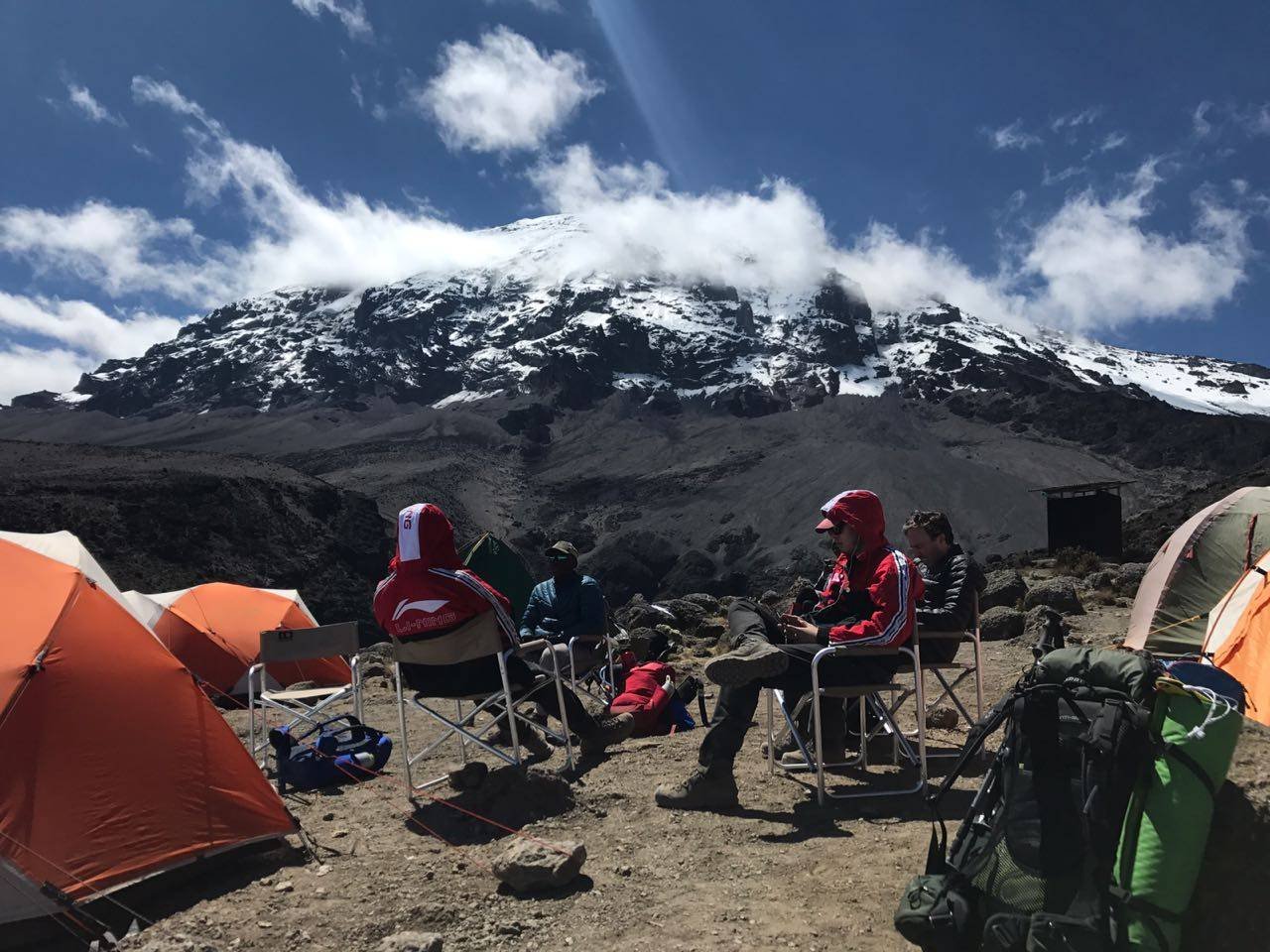
- Quality Equipment and Food: Proper tents, sleeping mats, and delicious, nutritious meals are essential for comfort and energy.
- Good Acclimatization Itineraries: As discussed, the 8-day Lemosho is ideal. A reputable operator will offer this specific itinerary for first-timers.
Climb 4 Africa specializes in Kilimanjaro expeditions and understands the nuances of operating safely and effectively in January. We prioritize client safety, guide expertise, and ethical practices, making us a reliable choice for your 8-day Lemosho January 2027 adventure. We can help you plan every detail, from route selection to pre-climb logistics.
What to Pack for an 8-Day Lemosho Trek in January
Packing correctly is crucial for comfort and safety, especially during Kilimanjaro’s dry but cold January conditions. Layering is the key principle.
Clothing
- Base Layers: Moisture-wicking thermal tops and bottoms (merino wool or synthetic).
- Mid Layers: Fleece jacket or insulated jacket for warmth.
- Outer Layer: Waterproof and windproof jacket and trousers (Gore-Tex or similar).
- Insulated Parka: A heavy-duty, down or synthetic insulated jacket for summit night and cold evenings.
- Trekking Trousers: Quick-drying, comfortable trousers (avoid denim).
- Headwear: Warm wool hat, sun hat with a wide brim, balaclava or neck gaiter for summit night.
- Gloves: Liner gloves, warm waterproof outer gloves or mittens.
- Socks: Several pairs of warm wool or synthetic hiking socks.
Footwear
- Hiking Boots: Well broken-in, waterproof, sturdy hiking boots with good ankle support.
- Camp Shoes: Comfortable shoes or sandals for wearing at camp.
Gear
- Backpack: A comfortable daypack (30-40 liters) for essentials.
- Duffel Bag: A large, waterproof duffel bag (80-100 liters) for your main gear, carried by porters.
- Sleeping Bag: A four-season sleeping bag rated to at least -15°C (0°F).
- Sleeping Pad: For added insulation and comfort (often provided, but check with your operator).
- Trekking Poles: Highly recommended for stability and reducing strain on knees.
- Headlamp: With extra batteries.
- Water Bottles/Hydration Reservoir: Capacity for at least 3 liters. Insulated sleeves are useful in cold weather.
- Sunglasses: With UV protection.
- Sunscreen and Lip Balm: High SPF.
- Personal First-Aid Kit: Including blister treatment, pain relievers, and any personal medications.
- Toiletries: Biodegradable soap, toothbrush, toothpaste, wet wipes.
- Camera and Power Bank.
Remember to pack light for your daypack, carrying only essentials like water, snacks, extra layers, sun protection, and your camera. Your porters will carry the bulk of your gear in the duffel bag.
Lemosho vs. Other Routes for First-Timers in January
While the 8-day Lemosho is our top pick, it’s useful to understand how it compares to other popular routes for first-time climbers, especially in January 2027.
| Route | Duration (Typical) | Acclimatization | Scenery | January Suitability for First-Timers | Pros | Cons |
|---|---|---|---|---|---|---|
| 8-Day Lemosho | 8 days | Excellent | Diverse, scenic, starts in rainforest, crosses Shira Plateau | Excellent | Best acclimatization, high success rate, scenic, less crowded start | Longer duration means higher cost than shorter routes |
| Machame Route | 6-7 days | Good (especially 7-day) | Varied, rainforest to alpine desert, iconic Barranco Wall | Good (7-day recommended) | Popular, good scenery, good acclimatization on longer options | Can be very crowded, 6-day option has lower success rates |
| Marangu Route | 5-6 days | Fair to Good | Rainforest, moorland, alpine desert; unique hut accommodation | Fair (5-day has low success rate) | Hut accommodation offers comfort, shortest duration | Lowest success rate due to rapid ascent, less scenic than Lemosho/Machame |
| Northern Circuit | 9-10 days | Excellent | Circumnavigates the mountain, expansive views, varied landscapes | Excellent (if time permits) | Highest success rate, most scenic, least crowded, best acclimatization | Longest and most expensive option |
For a first-time climber prioritizing success and acclimatization for their January 2027 trip, the 8-day Lemosho route provides the optimal balance. While the 7-day Machame is also popular, the extra day on Lemosho offers a significant advantage. The Northern Circuit is superb but longer and more costly. Marangu, while offering hut comfort, is generally not recommended for first-timers due to its lower success rate.
Booking Your 8-Day Lemosho January 2027 Expedition
Securing your spot for an 8-day Lemosho climb in January 2027 is a significant step towards achieving your Kilimanjaro dream. As January is a popular dry season month, booking in advance is highly recommended, especially if you have specific date preferences. Early booking allows operators to secure permits and logistics, and it gives you ample time for preparation.
When you are ready to book your 8 Day Lemosho January 2027 expedition, consider the expertise of Climb 4 Africa. We offer expertly crafted itineraries, experienced guides, and a commitment to client safety and satisfaction. We can help tailor your trip to your specific needs and ensure all logistical details are handled seamlessly.
To get started or to discuss your options for an 8-day Lemosho climb in January 2027, please reach out to us:
- WhatsApp: +255 747 477 898
- Email: climb4africa@gmail.com
We are here to answer all your questions and guide you through the booking process, ensuring your first high-altitude climb is a memorable and successful adventure. Don’t hesitate to contact us for a personalized quote or to confirm availability for your preferred dates in January 2027. Planning your Kilimanjaro adventure with a trusted partner like Climb 4 Africa is the first step to a safe and rewarding summit experience.”,
“faq_schema”: [
{
“question”: “Is the 8-day Lemosho route truly the best for first-time high-altitude climbers?”,
“answer”: “Yes, the 8-day Lemosho route is widely regarded as the best for first-time high-altitude climbers. Its gradual ascent and longer duration (8 days) provide superior acclimatization compared to shorter routes, significantly increasing success rates and reducing the risk of altitude sickness.”
},
{
“question”: “What is the weather like on Kilimanjaro in January 2027?”,
“answer”: “January falls within Kilimanjaro’s main dry season. Expect clearer skies and generally stable weather, though temperatures will be cold, especially at higher altitudes and on summit night. Snow is likely on the summit. While dry, it’s essential to be prepared for cold winds.”
},
{
“question”: “How does the 8-day Lemosho route differ from the 7-day Machame route for first-timers?”,
“answer”: “The primary difference is the extra day on the 8-day Lemosho. This additional day allows for even better acclimatization and a more relaxed pace, which is highly beneficial for first-time high-altitude climbers. Both routes traverse the scenic Barranco Wall, but Lemosho offers a slightly less crowded start and often better overall acclimatization.”
},
{
“question”: “What are the key preparations for climbing Kilimanjaro as a first-timer?”,
“answer”: “Key preparations include rigorous physical training focusing on endurance, mental preparation to handle challenges, understanding altitude sickness symptoms, ensuring you have comprehensive travel insurance covering high-altitude trekking and evacuation, and consulting your doctor for vaccinations and visa requirements. Proper packing is also essential.”
},
{
“question”: “Why should I choose Climb 4 Africa for my January 2027 Kilimanjaro climb?”,
“answer”: “Climb 4 Africa is an experienced Kilimanjaro operator committed to safety, client success, and ethical practices. We offer expert guides, well-planned itineraries like the 8-day Lemosho, and comprehensive support to ensure a memorable and safe climb. We can assist with booking and logistics for your January 2027 expedition.”
}
]
}
“`
Related Reading
Check Availability for 8 Day Lemosho January – Best Route For First-Time High-Altitude Climbers…
Ready to compare dates, prices, and the best option for your group? Send the package name and travel month so the team can reply with a clear quote, availability, and what is included.
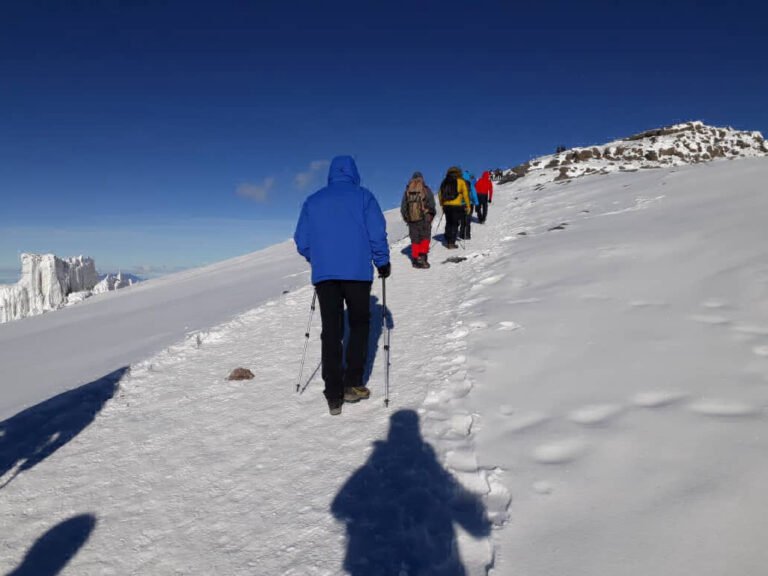
Lemosho Route – 16 January Group Joining Kilimanjaro Climb 2026-2027
This page details the Lemosho Route Kilimanjaro climb scheduled for January 16, 2027. It's an 8-day group joining departure, ideal for trekkers seeking a balance of scenic beauty, excellent...
View package details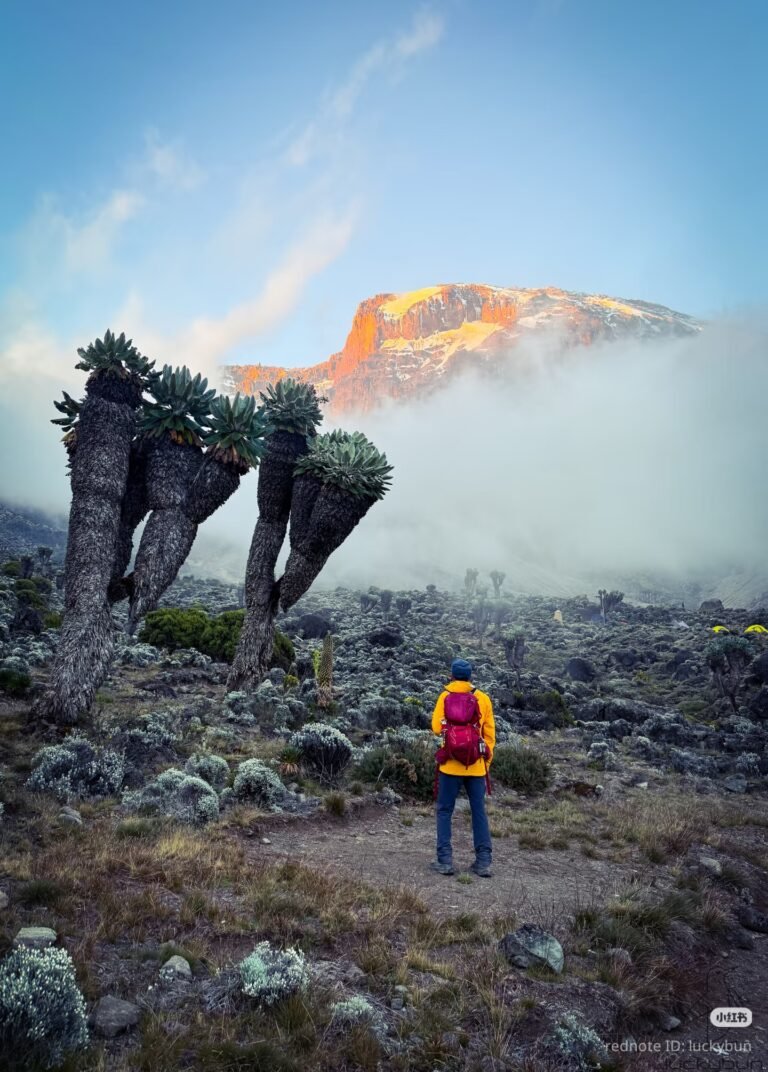
8 Day Lemosho Route – 2 January Group Climb: Your Ultimate Kilimanjaro
start the scenic 8 Day Lemosho Route on January 2, 2027, a group climb designed for optimal acclimatization and summit success on Mount Kilimanjaro. This guide details the itinerary...
View package details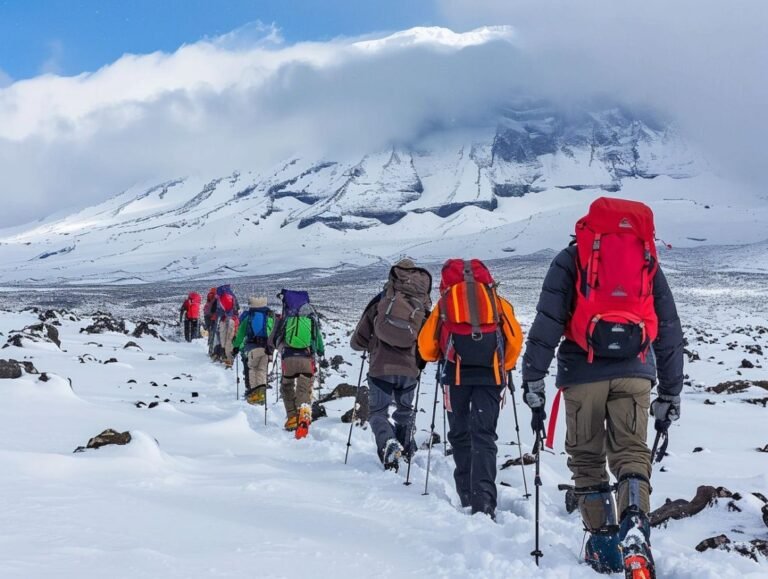
8 Day Lemosho Route – 20 February Kilimanjaro Departure With Climb 4 Africa
This article details the 8-day Lemosho Route Kilimanjaro climb scheduled for February 20, 2027, focusing on planning, itinerary, and what makes this departure a unique opportunity with...
View package details8 Day Lemosho Route – 1 August Kilimanjaro Group 2027
8 Day Lemosho Route – 1 August 2027 Kilimanjaro Group is explained with current 2027 planning, price, itinerary and booking information.
View package details8 Day Lemosho Route – 12 July Kilimanjaro Group 2027
8 Day Lemosho Route – 12 July 2027 Kilimanjaro Group is explained with current 2027 planning, price, itinerary and booking information.
View package details8 Day Lemosho Route – 7 July Group Departure Kilimanjaro Climb 2027
start an incredible 8-day Lemosho Route trek up Mount Kilimanjaro with the Climb 4 Africa group departure on July 7, 2027. This itinerary offers a fantastic balance of acclimatization...
View package details
8 Day Lemosho Route – 6 March Kilimanjaro Climb 2027
8 Day Lemosho Route – 6 March 2027 Kilimanjaro Climb is explained with current 2027 planning, price, itinerary and booking information.
View package details8 Day Lemosho Route – 4 February Group Climb: Your Definitive Guide 2027
Plan your ascent of Kilimanjaro via the Lemosho Route on our scheduled group climb departing February 4, 2027. This guide details the itinerary, advantages, and what to expect.
View package details
8 Day Lemosho Route – 26 December New Year Kilimanjaro Climb 2026-2027
8 Day Lemosho Route – 26 December 2026 New Year Kilimanjaro Climb is explained with current 2026-2027 planning, price, itinerary and booking information.
View package details8 Day Lemosho Route – 5 December Kilimanjaro Group Climb 2026
Plan your 8-day Lemosho Route Kilimanjaro group climb for December 5, 2026. Discover why Lemosho is a top choice for success rates and scenery, with practical advice from Climb 4 Africa.
View package details
Lemosho Route 25 January – Late Kilimanjaro Trek 2026-2027
Lemosho Route 25 January 2027 – Late January Kilimanjaro Trek is explained with current 2026-2027 planning, price, itinerary and booking information.
View package details
7 Day Machame Route – 19 June Kilimanjaro Group Departure 2027
Planning to climb Kilimanjaro on the Machame Route in a group setting? This 7-day departure on June 19, 2027, offers a balanced approach to acclimatization and scenery. Learn what to...
View package detailsNo related package matches those filters. Clear one or more filters to see the other topic-matched options.



