
Embarking on the Marangu Route for a New Year’s Eve group trek on December 28, 2026, offers a unique opportunity to celebrate the turn of the year at high altitude, potentially on Kilimanjaro’s summit. This departure is ideal for those seeking a shared experience with a group, the familiar comfort of the Marangu’s hut accommodation, and a dramatic start to 2027.
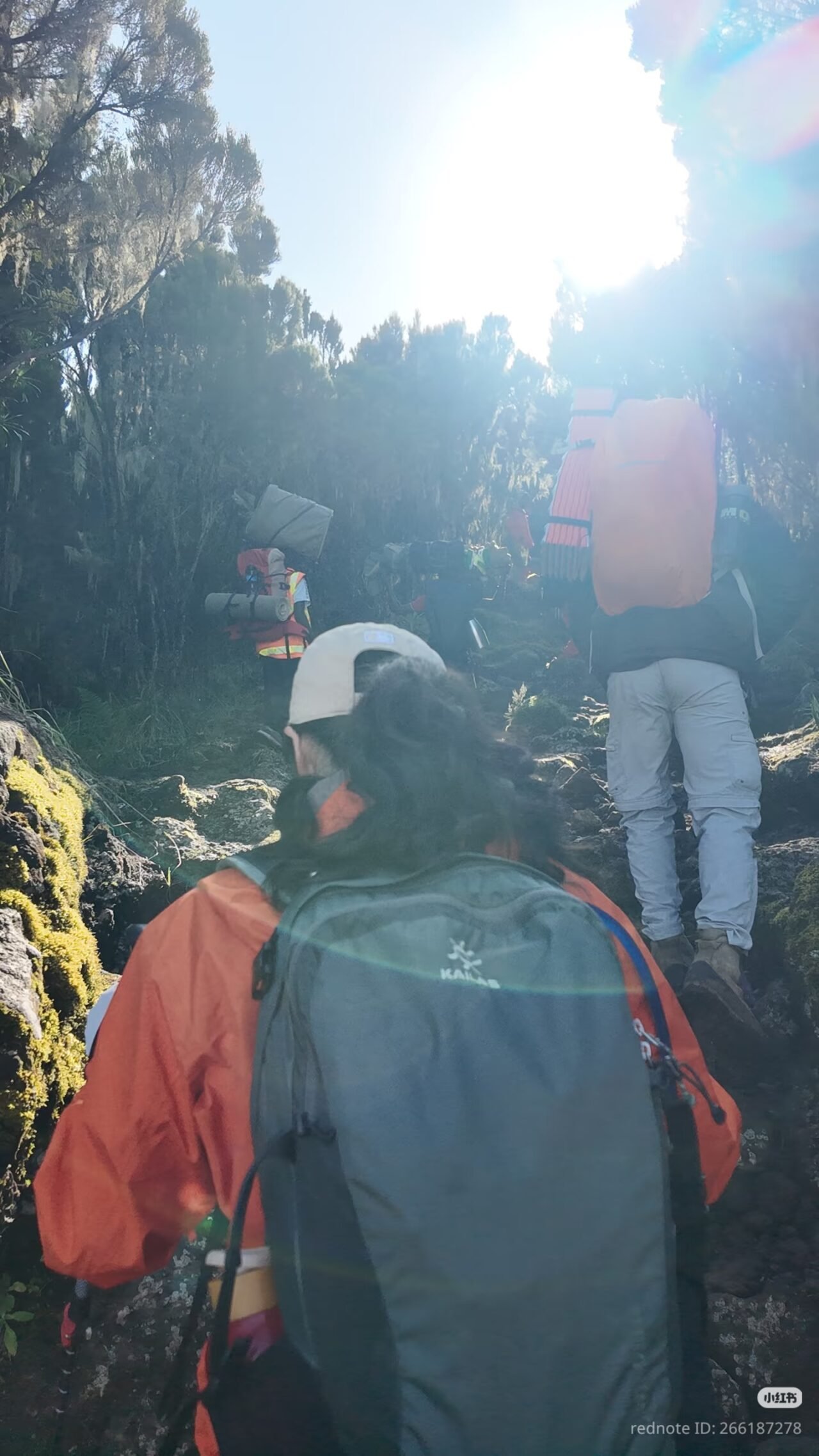
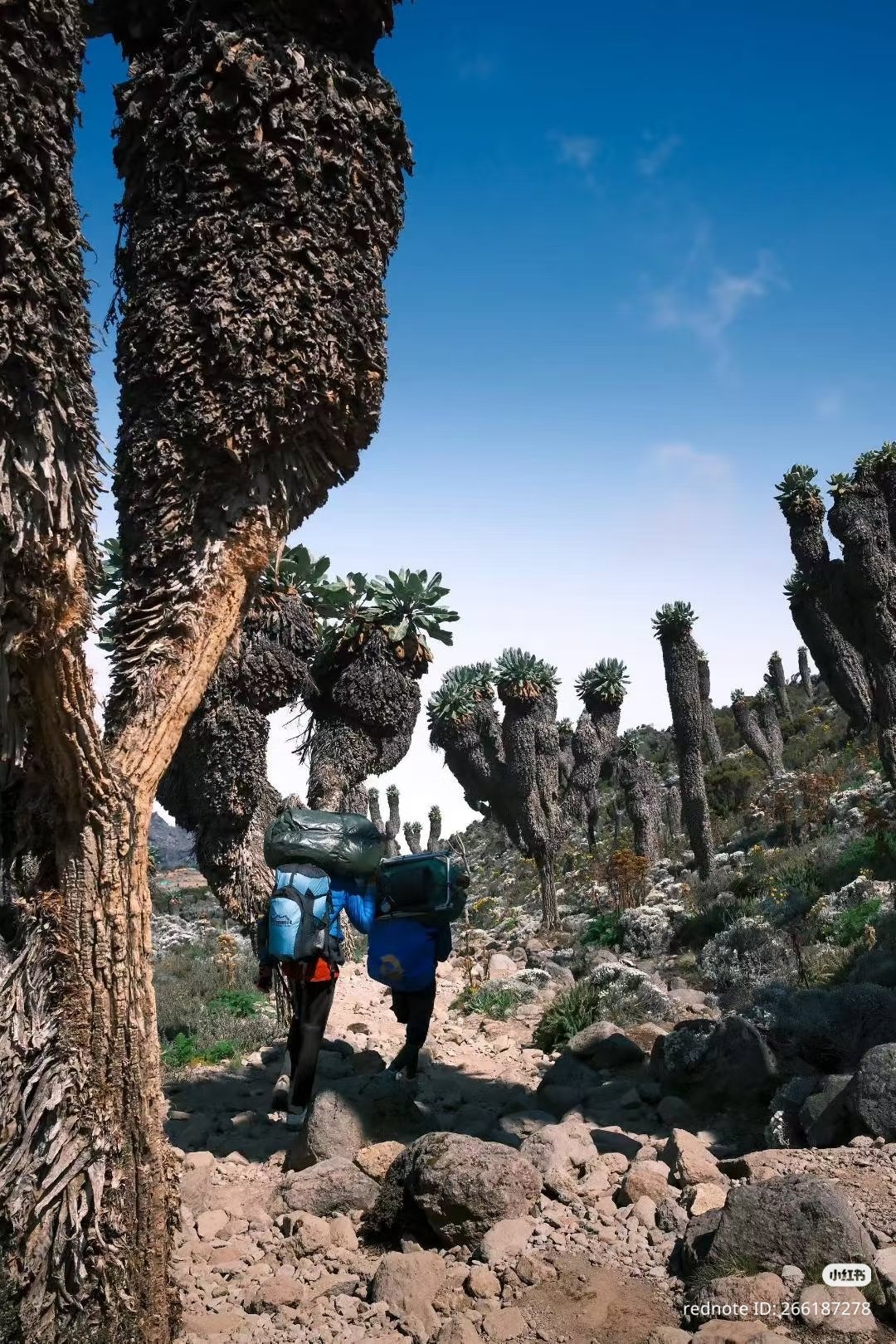
Why Choose New Year’s Eve on Kilimanjaro?
The idea of welcoming the new year from the Roof of Africa is undeniably compelling. A December 28, 2026 departure on the Marangu Route positions you perfectly to experience this unique celebration. The holiday season on Kilimanjaro offers a festive atmosphere, albeit a quiet one at altitude, and the chance to witness a spectacular sunrise on January 1st, 2027, is a memory few can claim. While many opt for climbs around Christmas, a New Year’s Eve ascent provides a distinct sense of achievement as you leave the old year behind and greet the new one from an extraordinary vantage point.
Beyond the symbolic significance, climbing during this period means joining a departure that is likely to be a group trek. This can enhance the experience for solo travelers or those who enjoy the camaraderie of shared challenges. The Marangu Route, often called the ‘Coca-Cola’ route due to its popularity and accessibility, is also known for its pleasant weather patterns in December and January, offering clearer skies and generally drier conditions compared to the rainy seasons. This makes it a strategically sound choice for a significant personal goal like reaching Uhuru Peak.
Understanding the Marangu Route
The Marangu Route is the oldest and perhaps most recognized path up Kilimanjaro. It’s often chosen for its perceived ease, primarily due to its gradual ascent profile and the availability of dormitory-style hut accommodation instead of camping. This means you’ll sleep in basic but solid huts, often sharing a room with fellow trekkers. This aspect can be a significant draw for those who prefer a more comfortable trekking experience, especially during the colder nights of the holiday season. The route also offers a unique feature: it’s the only route where descent is made via the same path as the ascent, making it a 5-day or 6-day trek option.
For a New Year’s trek, the December 28, 2026 departure is typically structured as a 6-day itinerary. This longer duration allows for better acclimatization, which is crucial for summit success and minimizing the risk of altitude sickness. While a 5-day option exists, it is generally not recommended, especially for inexperienced trekkers or during challenging times like New Year’s Eve, when the mental and physical demands can be heightened by the celebratory context. The 6-day Marangu Route offers a more balanced approach to acclimatization, increasing your chances of reaching the summit comfortably.
Planning Your 28 December 2026 Departure
Securing your spot on a Marangu Route 28 December 2026 New Year group trek requires thoughtful planning. Booking well in advance is essential, especially for popular holiday dates. Operators often fill their group departures months, sometimes even a year, ahead of time. Understanding the specifics of group treks and preparing adequately are key to a successful and enjoyable experience.
Group Trekking Dynamics
Joining a group trek means you’ll be sharing the experience with other climbers. This can be a fantastic way to meet new people, share the challenges and triumphs, and benefit from a shared support system. The pace of the group is generally dictated by the slowest member, and guides are adept at managing group dynamics to ensure everyone progresses safely. For a New Year’s departure, the group might comprise individuals from various backgrounds, all drawn by the same goal of celebrating the new year on Kilimanjaro. It’s important to be prepared for this communal aspect, maintaining a positive attitude and respecting the needs of fellow trekkers.
When considering a group departure like the one on December 28, 2026, it’s wise to inquire about the typical group size. While some operators guarantee small groups, others might have larger ones. This can influence the overall atmosphere and the level of personal attention you might receive from guides. For instance, smaller groups can sometimes offer more flexibility, while larger groups might provide a more robust social dynamic.
Essential Gear and Packing
Packing appropriately for Kilimanjaro is non-negotiable. The weather can change dramatically from the tropical base to the arctic summit. For a December trek, expect cold temperatures, especially at higher altitudes. Your packing list should include:
- Layering System: Moisture-wicking base layers, insulating mid-layers (fleece or down), and a waterproof/windproof outer shell.
- Footwear: Well-worn-in hiking boots are crucial, along with warm socks (wool or synthetic).
- Headwear: A warm hat, sun hat, and balaclava or neck gaiter are essential.
- Handwear: Warm gloves and liner gloves.
- Sleeping Gear: A warm sleeping bag (rated to at least 0°F/-18°C) is vital, even though Marangu offers huts.
- Accessories: Sunglasses, sunscreen, lip balm, headlamp with extra batteries, water bottles or a hydration reservoir, and trekking poles.
For the Marangu Route, you’ll also need comfortable clothing for evenings in the huts. Given that this is a New Year’s trek, consider packing a small, lightweight item to signify the celebration, perhaps a festive hat or scarf for summit night, if you wish. Remember that porters will carry your main luggage on most routes, but on Marangu, you’ll carry your daypack, so pack efficiently.
Physical Preparation and Training
Kilimanjaro is a challenging trek, and physical preparation is paramount, especially for a New Year’s climb when the holiday season might interfere with training. Aim for a consistent fitness regimen for at least 2-3 months prior to your departure. Focus on:
- Cardiovascular Endurance: Activities like hiking (with a backpack), running, cycling, or swimming will build stamina.
- Leg Strength: Squats, lunges, and step-ups will prepare your legs for sustained ascents and descents.
- Hiking Practice: Frequent hikes, ideally on varied terrain and with inclines, are the best preparation. Practice hiking for several hours at a time.
The key is to simulate the demands of climbing. This means carrying a weighted backpack on your training hikes and gradually increasing the duration and intensity. Proper physical conditioning not only increases your chances of summiting but also significantly enhances your overall enjoyment of the trek.
Altitude Sickness and Acclimatization
Altitude sickness (Acute Mountain Sickness – AMS) is a significant concern on Kilimanjaro. The Marangu Route, particularly the 6-day option, is designed with acclimatization in mind. The principle of ‘climb high, sleep low’ is vital, though less pronounced on Marangu than some other routes due to its direct ascent. The best defense against AMS is a slow, steady ascent, allowing your body time to adapt to the lower oxygen levels.
Key strategies include:
- Ascend Slowly: Follow your guide’s pace; it’s rarely a race.
- Hydrate: Drink plenty of water (3-4 liters per day).
- Avoid Alcohol and Smoking: These hinder acclimatization.
- Eat Well: Maintain energy levels with nutritious food.
- Communicate: Inform your guide immediately if you feel any symptoms of AMS (headache, nausea, dizziness).
The December 28, 2026 departure on the 6-day Marangu Route provides an extra day compared to the shorter 5-day version, which is crucial for better acclimatization. This extra day spent at Horombo Huts allows your body to adjust more effectively before the push to Kibo Hut and the summit.
The Marangu Route in Detail
The Marangu Route is known for its distinct stages, each presenting different ecological zones and challenges. Here’s a typical breakdown for a 6-day trek, which is recommended for the December 28, 2026 New Year group trek:
Day 1: Arrival and Preparation
Most trekkers arrive at Kilimanjaro International Airport (JRO) and are transferred to a hotel in Moshi or Arusha. This day is for rest, last-minute gear checks, and a pre-climb briefing with your tour operator. This is your chance to meet your guides, ask any remaining questions, and ensure all logistical arrangements are in order. For a December 28, 2026 departure, this pre-climb briefing would typically occur on December 27th.
Day 2: Marangu Gate to Mandara Huts
- Distance: 8 km (5 miles)
- Time: 4-5 hours
- Altitude Gain: 1,100 meters (3,600 feet)
- Zone: Rainforest
After breakfast, you’ll be driven to Marangu Gate (1,860m / 6,100ft). Here, you’ll complete registration formalities before starting your trek. The path winds through lush rainforest, often shaded by tall trees. You might spot colobus monkeys and various bird species. The destination is Mandara Huts (2,700m / 8,860ft), a cluster of comfortable bandas located within the forest. The air is usually moist and warm.
Day 3: Mandara Huts to Horombo Huts
- Distance: 12 km (7.5 miles)
- Time: 5-6 hours
- Altitude Gain: 1,000 meters (3,280 feet)
- Zone: Moorland
Today, you’ll ascend out of the rainforest into the moorland zone. The vegetation changes to heather, giant groundsels, and lobelias. The landscape becomes more open, offering glimpses of Kilimanjaro’s peak. You’ll arrive at Horombo Huts (3,700m / 12,140ft), which offer stunning views, especially on clear days. This is a significant altitude gain, and it’s important to hydrate well and move slowly.
Day 4: Horombo Huts to Kibo Huts
- Distance: 10 km (6 miles)
- Time: 5-6 hours
- Altitude Gain: 1,000 meters (3,280 feet)
- Zone: Alpine Desert
This is a challenging day as you traverse the alpine desert, a stark, rocky landscape. The air becomes thin and cold. You’ll pass the last water source at Mandara and begin to feel the effects of the altitude more acutely. The destination is Kibo Hut (4,700m / 15,400ft), located at the base of the Kibo cone. You’ll rest here in preparation for the summit attempt, which begins late this night.
Day 5: Summit Night and Descent to Horombo
- Distance: 6 km (3.7 miles) ascent, 16 km (10 miles) descent
- Time: 7-8 hours ascent, 4-5 hours descent
- Altitude Gain: 1,200 meters (3,900 feet) to summit, then 2,500 meters (8,200 feet) descent
- Zone: Arctic Summit, Alpine Desert, Moorland
Your summit attempt begins around midnight. You’ll trek up steep scree slopes, often in the dark, guided by your headlamp. The goal is to reach Stella Point (5,756m / 18,885ft) by sunrise, followed by the final push to Uhuru Peak (5,895m / 19,341ft), the highest point in Africa. After celebrating briefly at the summit, you’ll begin the long descent back to Kibo Hut for a short rest, and then continue down to Horombo Huts. This is a physically and mentally demanding day.
Day 6: Descent to Marangu Gate
- Distance: 20 km (12.5 miles)
- Time: 5-7 hours
- Altitude Loss: 1,900 meters (6,240 feet)
- Zone: Moorland, Rainforest
The final day involves a continuous descent from Horombo Huts back through the moorland and rainforest to Marangu Gate. You’ll likely experience warmer temperatures and a return to more familiar vegetation. Upon arrival at the gate, you’ll be greeted by your drivers and receive your climbing certificates. This marks the end of your Kilimanjaro adventure, with a transfer back to your hotel.
New Year Celebrations on the Mountain
A December 28, 2026 departure is strategically timed for New Year’s Eve. While you won’t find champagne and fireworks at 4,700 meters at Kibo Hut, the experience is profoundly unique. Guides often try to mark the occasion. If your group is large enough and conditions permit, there might be a small, shared moment of reflection or quiet celebration as midnight strikes. The sheer accomplishment of being on Kilimanjaro during this transition period is often celebration enough. Waking up on January 1st, 2027, potentially having just summited or being on your way down, is an unforgettable way to start the year.
The camaraderie of a group trek is amplified during the holidays. Sharing stories, encouragement, and the silent understanding of the challenge creates a special bond. Many trekkers find the quiet solitude and the immense scale of the mountain offer a more meaningful way to reflect on the past year and set intentions for the new one, far from the usual festive distractions. It’s a chance for a true reset, high above the world.
Choosing Your Operator for December 2026
Selecting the right tour operator is crucial for a successful and safe Kilimanjaro climb, especially for a New Year’s departure. For a Marangu Route 28 December 2026 New Year Group Trek, consider operators with:
- Experience with Holiday Departures: They understand the logistics and potential challenges of operating during peak season.
- Qualified Guides: Guides trained in wilderness first aid and experienced with altitude.
- Safety Protocols: Reliable equipment, oxygen supplies, and evacuation plans.
- Ethical Treatment of Staff: Ensuring porters and guides are well-paid and cared for.
- Group Size Transparency: Knowing what to expect regarding group dynamics.
Climb 4 Africa specializes in Kilimanjaro treks and offers expert local support. They have a strong understanding of the mountain and can provide guidance on the best practices for acclimatization and safety. Their team can help tailor the experience to ensure your New Year’s trek is both memorable and successful. For detailed information on their group departures, including any specific New Year’s options, it’s best to contact them directly.
Booking Your New Year Trek
To secure your place on the Marangu Route 28 December 2026 New Year group trek, prompt action is advised. Holiday departures, particularly around Christmas and New Year, are highly sought after. Early booking ensures availability and allows ample time for preparation. When you’re ready to commit, reaching out to a reputable operator like Climb 4 Africa is the next step. They can confirm departure dates, provide detailed itineraries, and answer specific questions about what’s included in their packages, such as park fees, meals, guide and porter services, and accommodation before and after the climb.
When contacting Climb 4 Africa, be sure to mention your interest in the December 28, 2026 Marangu Route New Year group trek. They can then provide you with the most relevant information, including current availability and booking procedures. You can reach them via WhatsApp at +255 747 477 898 or by email at climb4africa@gmail.com. Discussing your plans with them will help ensure you have all the necessary details for a well-prepared and exciting New Year’s adventure on Kilimanjaro.
Check Availability for Marangu Route 28 December : Your New Year Kilimanjaro Group Trek 2026-2027
Ready to compare dates, prices, and the best option for your group? Send the package name and travel month so the team can reply with a clear quote, availability, and what is included.
7 Day Machame Route – 7 December Group Departure | Your Kilimanjaro Climb
Plan your Kilimanjaro ascent on the popular 7-day Machame Route with a group departure on December 7, 2026. This guide covers the trek's highlights, challenges, and what to expect when...
View package details
8 Day Lemosho Route – 5 December Kilimanjaro Group Climb 2026
Plan your 8-day Lemosho Route Kilimanjaro group climb for December 5, 2026. Discover why Lemosho is a top choice for success rates and scenery, with practical advice from Climb 4 Africa.
View package details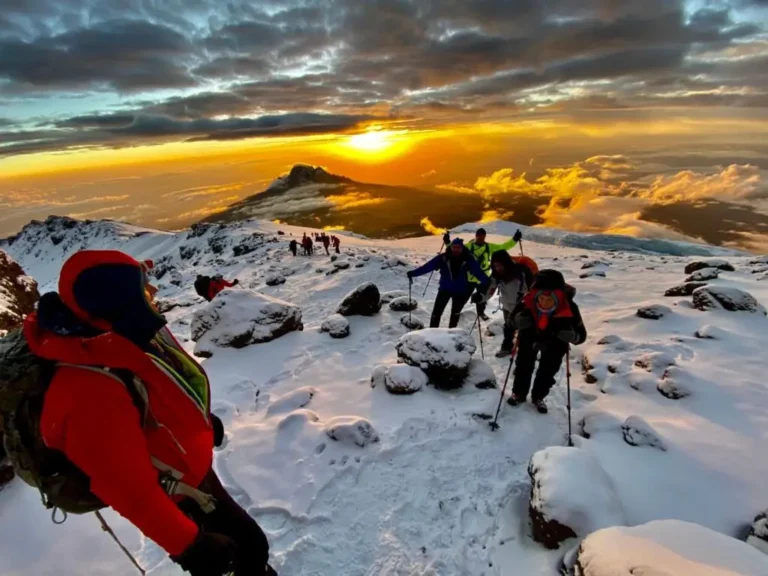
Marangu Route – 26 June Kilimanjaro Group Climb 2027
Marangu Route – 26 June 2027 Kilimanjaro Group Climb is explained with current 2027 planning, price, itinerary and booking information.
View package details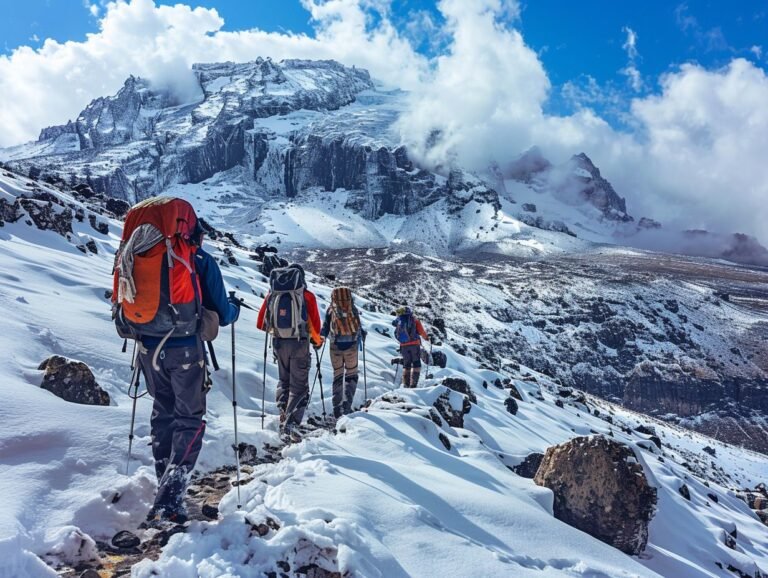
Kilimanjaro 22 May : Your Late-Rainy-Season Group Trek 2027
Planning a Kilimanjaro trek for May 22, 2027? This late-rainy-season group departure offers a different perspective on Africa's highest peak, often with fewer crowds and lush landscapes...
View package details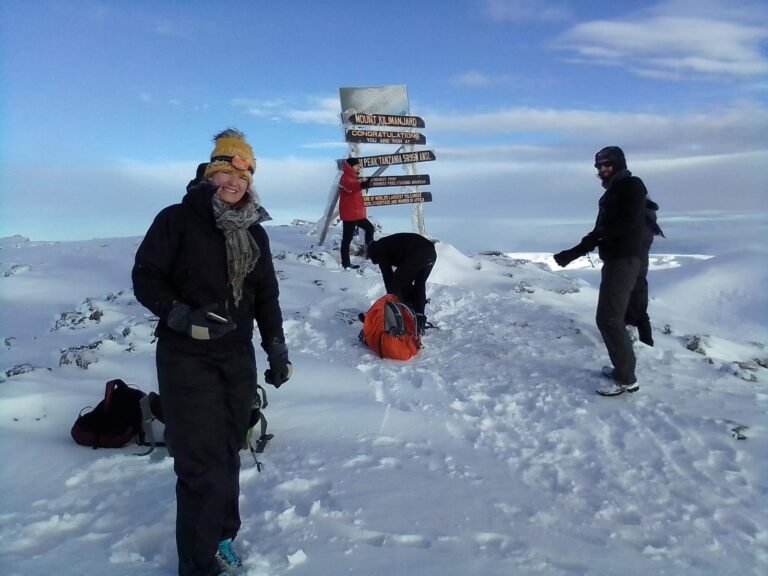
Kilimanjaro 8 May : Experience A Low-Crowd Group Trek 2027
Discover the unique advantages of joining a low-crowd group trek on Kilimanjaro on May 8, 2027. This departure offers a more intimate climbing experience, focusing on safety...
View package detailsKilimanjaro 1 March – Early Group Trek 2027
Kilimanjaro 1 March 2027 – Early March Group Trek is explained with current 2027 planning, price, itinerary and booking information.
View package details
Rongai Route – 7 January Dry Season Group Trek 2026-2027
Rongai Route – 7 January 2027 Dry Season Group Trek is explained with current 2026-2027 planning, price, itinerary and booking information.
View package detailsKilimanjaro 12 December – Weekend Group Climb Availability 2026-2027
Planning a Kilimanjaro trek for December 12, 2026? This guide focuses on a weekend group climb, detailing route options, essential preparation, and how to secure your spot for this specific...
View package details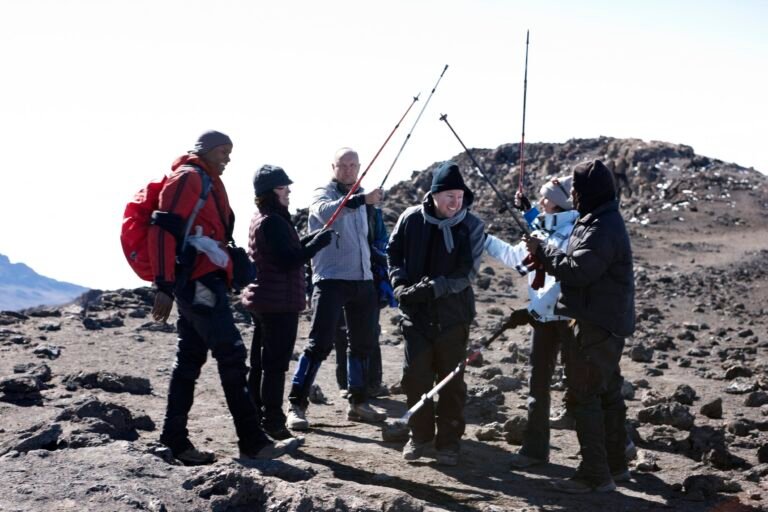
Kilimanjaro 26 November : Thanksgiving Week Group Trek 2026-2027
Plan your Kilimanjaro climb for the unique 26 November 2026 departure, coinciding with Thanksgiving week. This group trek offers a special opportunity to summit Africa's highest peak while...
View package details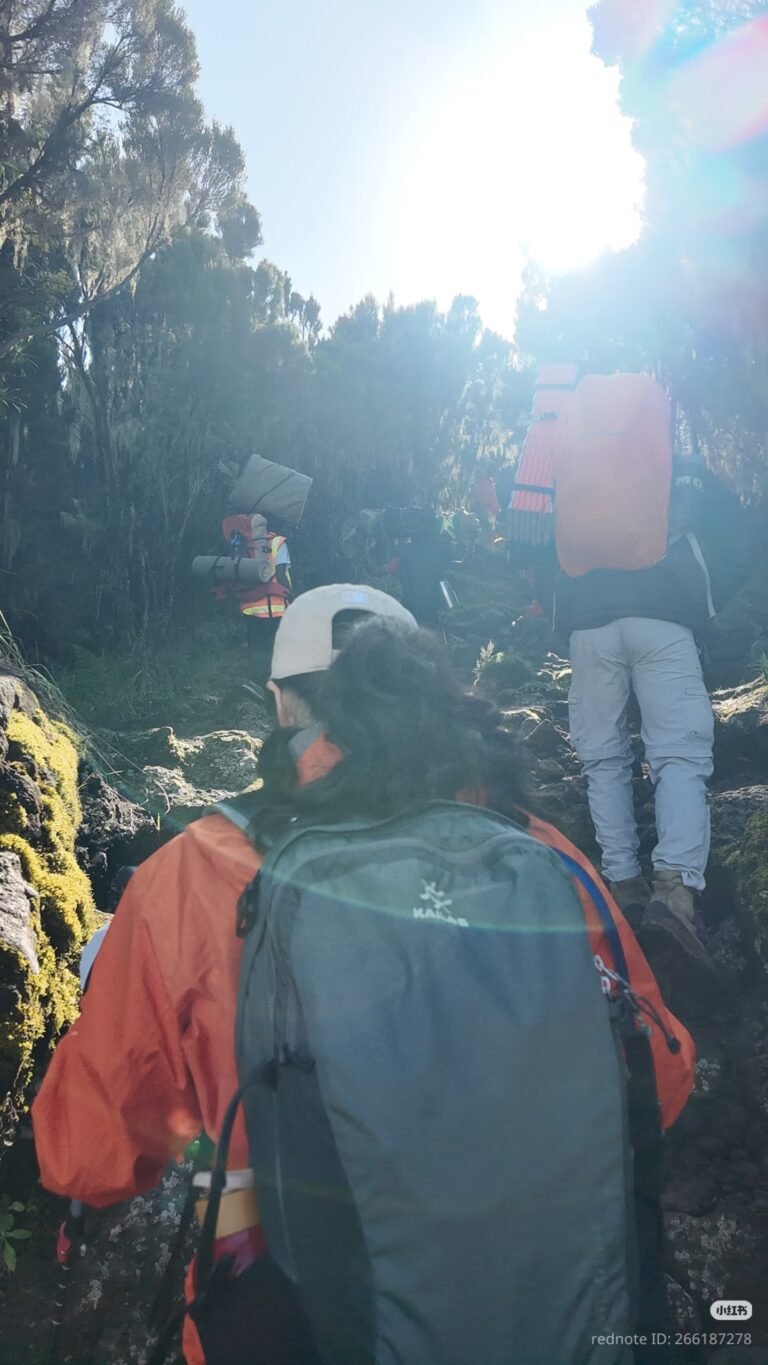
Rongai Route 30 December – Your New Year Kilimanjaro Expedition 2026-2027
start an unforgettable New Year's Eve Kilimanjaro climb via the Rongai Route, departing December 30, 2026. Discover why this route and timing offer a special experience, along with...
View package details8 Day Lemosho Route – 26 December New Year Kilimanjaro Climb 2026-2027
8 Day Lemosho Route – 26 December 2026 New Year Kilimanjaro Climb is explained with current 2026-2027 planning, price, itinerary and booking information.
View package details7 Day Machame Route – 19 June Kilimanjaro Group Departure 2027
Planning to climb Kilimanjaro on the Machame Route in a group setting? This 7-day departure on June 19, 2027, offers a balanced approach to acclimatization and scenery. Learn what to...
View package detailsNo related package matches those filters. Clear one or more filters to see the other topic-matched options.



