
Climbing Kilimanjaro via the Machame Route on November 14, 2026, means you will likely encounter the short rains season. Expect cooler temperatures, increased precipitation (mostly rain lower down, snow higher up), potentially muddy trails, and reduced visibility. However, it also means fewer crowds than in the peak dry seasons, potentially more dramatic cloud formations, and a unique, often rewarding, trekking experience if you come prepared with the right gear and mindset.
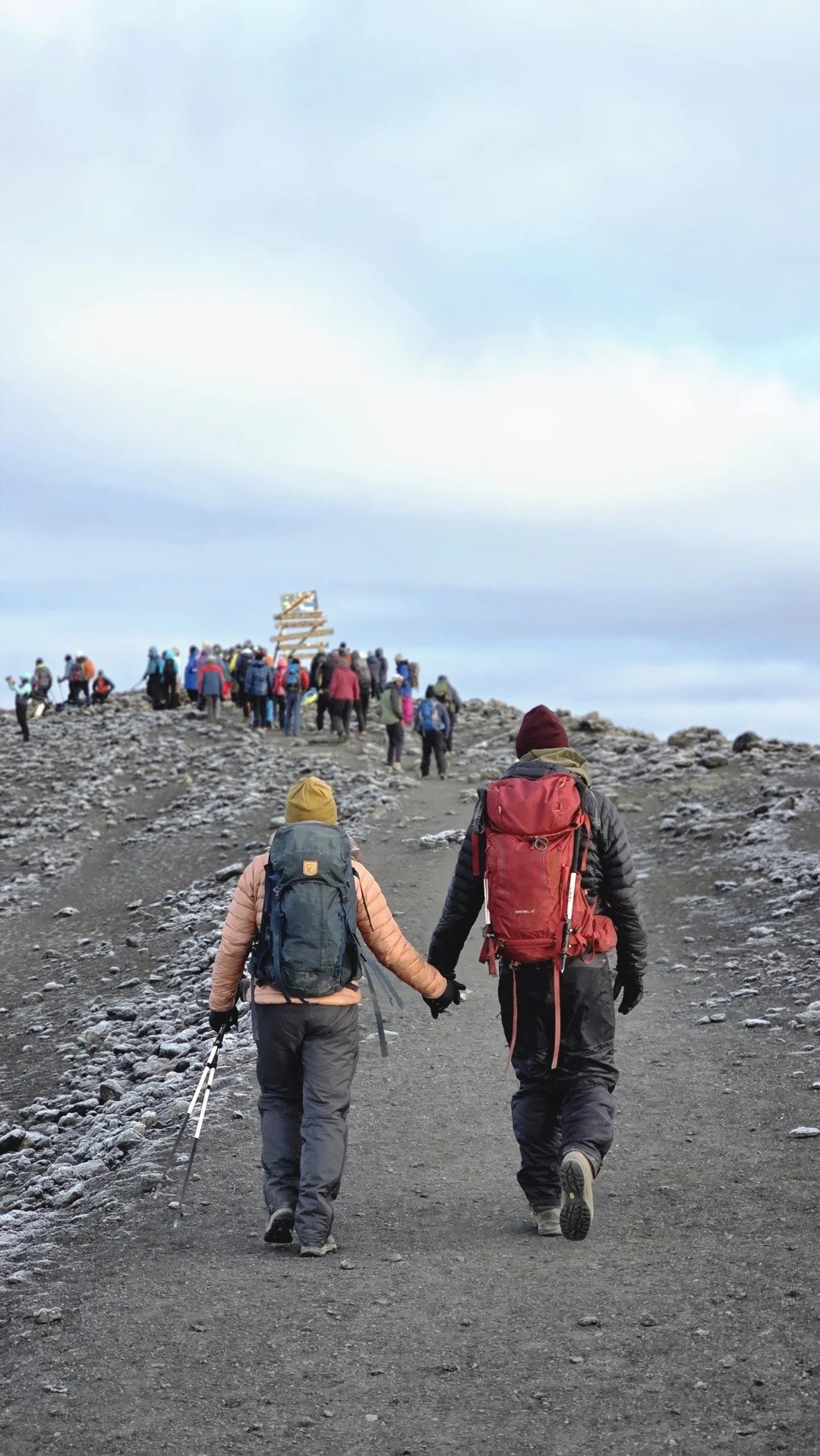
Understanding Kilimanjaro’s Seasons: The November Context
Kilimanjaro experiences distinct wet and dry seasons, influenced by its massive size and altitude. While the main dry seasons (June to October and December to February) are often considered ideal for trekking, the transitional periods and shorter rainy spells offer a different, yet equally valid, trekking experience. November falls squarely within the period known as the ‘short rains’. This season typically runs from late October through December. It’s characterized by less intense rainfall compared to the ‘long rains’ of March to May, but precipitation is still a significant factor. For trekkers aiming for a Machame Route 14 November 2026 expedition, understanding these seasonal nuances is crucial for preparation.
The short rains are a mixed bag. On one hand, they can bring about atmospheric beauty – dramatic cloudscapes, vibrant green landscapes, and a sense of solitude due to fewer trekkers. On the other hand, they necessitate robust gear, careful planning, and a flexible attitude towards weather. The Machame Route, being one of the more scenic and challenging routes, presents its own set of considerations during this time. Its varied terrain, from rainforest to alpine desert, means you’ll encounter different types of weather and trail conditions as you ascend. Unlike the peak dry season, where trails are dusty and views are often crystal clear, November can offer a more dynamic and sometimes demanding environment. Knowing that you’re trekking during this period allows you to pack appropriately, mentally prepare for potential challenges, and appreciate the unique aspects of Kilimanjaro during its less-visited months. This proactive approach is key to turning a potentially difficult trek into a successful and memorable adventure, especially when planning for a specific date like November 14, 2026.
Machame Route Specifics in November
The Machame Route, often lauded for its scenic beauty and excellent acclimatization profile, presents specific characteristics when trekked during the November short rains. It’s a popular choice, and even in the shoulder seasons, it offers a compelling journey through diverse ecological zones. Understanding how the weather impacts this particular route is vital for anyone booked for a Machame Route 14 November 2026 climb.
Trail Conditions and Mud
Lower on the Machame Route, particularly within the montane forest zone (roughly 1,800m to 2,800m), the trails can become very muddy during the short rains. Heavy downpours can transform well-trodden paths into slippery, waterlogged tracks. This requires careful footing and can slow down progress. Trekking poles become invaluable for stability, helping to distribute weight and provide balance. As you ascend through the moorland and alpine desert zones, the ground becomes rockier, and mud is less of an issue, though you may encounter wet scree or boggy patches. The higher you go, especially above the Lava Tower, the terrain is more exposed rock and scree, which can be slippery when wet but less prone to deep mud. The key takeaway for November 2026 trekkers is to expect and prepare for muddy sections, especially in the initial days of the trek.
Visibility and Views
November’s weather means visibility can be variable. Mornings might offer clear skies and stunning vistas of the surrounding plains, but cloud cover can roll in quickly, obscuring panoramic views. The Machame Route is celebrated for its sweeping landscapes, from the Shira Plateau to the Barranco Wall. During the short rains, these views might be intermittently shrouded in mist or clouds. However, this doesn’t mean a lack of beauty. Mist can create a mystical, atmospheric quality, highlighting the rugged contours of the mountain. Sunrises and sunsets, when visible through breaks in the clouds, can be particularly dramatic. Summit day (Kibo’s crater rim) is often the most affected by visibility. While clear views of Uhuru Peak and the glaciers might be less frequent than in the dry season, the sense of accomplishment remains the same. For a Machame Route 14 November 2026 climb, manage expectations regarding constant, sweeping vistas, but embrace the unique visual character the weather brings.
Wildlife and Vegetation
The moisture from the short rains brings Kilimanjaro’s lower slopes to life. The montane forest, teeming with colobus monkeys and other primates, becomes lusher and greener. Birdlife can also be more active. As you climb higher, the vegetation transitions through heath and moorland, characterized by giant heathers, groundsels, and lobelias. These plants will appear vibrant and well-watered. While large wildlife is rare on the upper mountain slopes, the abundance of plant life is a testament to the life-giving (and trekking-challenging) nature of the rains. Seeing Kilimanjaro’s ecosystems thrive under the November conditions can be a rewarding aspect of the trek, adding a layer of natural appreciation beyond just the summit goal.
Weather Patterns for a November 14, 2026 Trek
Forecasting Kilimanjaro’s weather with absolute certainty is impossible, even for specific dates like November 14, 2026. However, understanding the general patterns of the short rains season provides a reliable framework for preparation. The mountain’s weather is dictated by altitude, aspect, and the prevailing atmospheric conditions, which are particularly dynamic in November.
Temperature Fluctuations
Temperatures on Kilimanjaro vary dramatically with altitude and time of day. In November, expect the following approximate ranges:
* Lower Slopes (Rainforest): Daytime temperatures might range from 15°C to 25°C (59°F to 77°F). Nights can be cooler, dropping to 10°C to 15°C (50°F to 59°F).
* Middle Slopes (Moorland/Alpine Desert): Daytime temperatures can be between 5°C to 15°C (41°F to 59°F). Nights will be significantly colder, often dropping below freezing, from -5°C to 5°C (23°F to 41°F).
* Summit Area (Arctic Zone): Daytime temperatures are typically below freezing, around -5°C to 5°C (23°F to 41°F). Summit night is the coldest, with temperatures potentially plunging to -15°C or even -20°C (-4°F to -4°F), especially with wind chill. The short rains can make these already cold temperatures feel even more biting due to increased humidity and wind.
For your Machame Route 14 November 2026 trek, pack for a wide range of temperatures, with a strong emphasis on staying warm during the colder periods, particularly at night and on summit day. Layering is essential to manage these fluctuations.
Precipitation Types and Frequency
November sees a mix of precipitation. As mentioned, the lower rainforest zone will primarily experience rain. This can range from light drizzles to heavier downpours, often occurring in the afternoon or evening. As you gain altitude, the rain transitions to sleet and then snow. The higher moorland and alpine desert zones can receive snowfall, especially overnight or during periods of unsettled weather. Above the glaciers, precipitation is almost always snow. While the short rains are generally less intense and shorter-lived than the long rains, they can still be persistent. Expect to encounter wet conditions on most days of your trek, with the possibility of heavier showers. Frequent rain means the ground will be damp, and you should be prepared for wet gear if not properly protected. The frequency can mean several hours of rain or drizzle per day, interspersed with periods of clearer, albeit still cool, weather.
Wind and Humidity
Wind is a significant factor on Kilimanjaro, particularly at higher altitudes and on exposed ridges. In November, increased cloud cover and precipitation often go hand-in-hand with stronger winds. Wind chill can drastically lower the perceived temperature, making cold conditions feel much harsher. The summit area is particularly exposed to high winds. Humidity levels will also be higher during the short rains season, which can make the air feel damp and colder. This increased humidity also means that any clothing that gets wet will take longer to dry, making a good waterproof and windproof outer shell absolutely critical for your Machame Route 14 November 2026 expedition.
Packing Essentials for the Short Rains Machame Trek
Successfully navigating the Machame Route during the November short rains hinges on meticulous packing. Your gear needs to protect you from rain, wind, and cold, while also being comfortable and functional. Investing in quality gear is paramount for a Machame Route 14 November 2026 trek during this season.
Waterproof and Windproof Outerwear
This is your first line of defense. You’ll need a high-quality, breathable waterproof jacket (hardshell) and waterproof trousers. Look for Gore-Tex or similar materials with taped seams. These should be comfortable enough to wear over your insulating layers. A waterproof hood that can be adjusted to fit snugly is essential for protecting your head and face.
Footwear and Gaiters
Waterproof, broken-in hiking boots are non-negotiable. Ensure they offer good ankle support. You’ll also need waterproof gaiters. These fit over your boots and lower legs, preventing water, mud, and debris from entering your boots, which is crucial for comfort and preventing blisters on wet, muddy trails. Consider bringing a second pair of comfortable shoes or sandals for camp.
Layering System for Clothing
This is the most effective way to manage temperature changes. Aim for three main layers:
* Base Layer: Moisture-wicking thermal tops and bottoms (merino wool or synthetic). Avoid cotton, as it holds moisture and chills you.
* Mid Layer: Insulating layers like fleece jackets or down/synthetic insulated jackets. Bring a couple of different weights to adjust as needed.
* Outer Layer: Your waterproof and windproof hardshell jacket and trousers, as described above. This layer should be roomy enough to fit over your other layers.
Bring several pairs of wool or synthetic hiking socks. Warm gloves or mittens (waterproof outer, insulated inner) are also essential.
Accessories for Rainy Conditions
* Waterproof Backpack Cover: Essential to keep your main pack dry. Even with a cover, consider using dry bags inside your pack for electronics, sleeping bag, and spare clothes.
* Trekking Poles: Highly recommended for stability on slippery and muddy trails.
* Headlamp: With extra batteries. Essential for summit night and early morning starts, especially as daylight hours might be shorter and visibility reduced.
* Sun Protection: Even in the short rains, the sun at altitude can be intense, especially when reflected off snow or clouds. Bring sunglasses, a wide-brimmed hat, and high SPF sunscreen.
* Warm Hat and Buff/Scarf: For protecting your head, ears, and neck from cold and wind.
Gear Protection
Protecting your sleeping bag is paramount. Use a waterproof compression sack or a dedicated dry bag. Ensure your tent is well-pitched and that you have a groundsheet. Keep electronics in waterproof cases or dry bags. Your operator should provide high-quality tents, but it’s wise to be prepared. For your Machame Route 14 November 2026 trek, ensure all your critical gear is protected from moisture.
Acclimatization and Health Considerations
Climbing Kilimanjaro is a serious undertaking, and proper acclimatization is key to success, regardless of the season. During the short rains of November, certain health and acclimatization factors require extra attention.
Managing Hypothermia Risks
Hypothermia, a dangerous drop in body temperature, is a significant risk on Kilimanjaro, especially during the wet and cold conditions of November. The combination of rain, wind, and cold temperatures can quickly lead to heat loss. Symptoms include shivering, confusion, slurred speech, and drowsiness. Prevention is crucial:
* Stay Dry: Your waterproof gear is your primary defense. Change out of wet clothes as soon as possible.
* Layer Up: Add insulating layers when you feel a chill, even if it’s not actively raining.
* Stay Hydrated and Fed: Your body needs fuel to generate heat.
* Keep Moving: Activity generates body heat. On summit night, if you stop for too long, you can cool down rapidly.
* Communicate: Inform your guide immediately if you feel unusually cold or start shivering uncontrollably.
Your guides are trained to monitor for signs of hypothermia and will take appropriate action. For a Machame Route 14 November 2026 climb, vigilance regarding these risks is vital.
Hydration and Nutrition
Staying well-hydrated is critical for acclimatization and overall health. The cold air and exertion can lead to dehydration if you’re not careful. Drink plenty of water throughout the day – aim for 3-4 liters. Herbal teas and clear broths are also beneficial. High-energy, easily digestible foods are important. While appetite can decrease at altitude, try to eat well at every meal. Your trekking operator will provide meals, but carrying high-energy snacks like nuts, dried fruit, and energy bars is a good idea. The damp conditions might make some foods less appealing, so choose snacks you genuinely enjoy. Proper nutrition fuels your body’s ability to cope with the altitude and cold.
Dealing with Wet Conditions
Wet conditions can impact morale and increase the risk of issues like trench foot (prolonged exposure of feet to dampness).
* Foot Care: Change socks frequently, especially if they become damp. Ensure your boots are waterproof and dry them out at night if possible (stuff them with newspaper).
* Morale: It’s natural for morale to dip when it’s raining constantly. Positive attitude, good company, and focusing on small milestones can help. Remind yourself of the unique beauty of Kilimanjaro in the rain.
* Hygiene: Maintaining hygiene in wet conditions can be challenging. Use hand sanitizer frequently, especially before eating.
For your Machame Route 14 November 2026 trek, a proactive approach to these health considerations, supported by an experienced guide team, will significantly contribute to your success.
Crowds and Trekking Experience in November 2026
One of the most significant advantages of trekking Kilimanjaro during the short rains, such as in November, is the reduced number of fellow climbers. This can profoundly influence your overall experience, offering a more intimate and serene journey up Africa’s highest peak.
Comparative Crowd Levels
November is considered a shoulder season for Kilimanjaro. While not as empty as the peak of the long rains (April-May), it is considerably less crowded than the popular dry months of July-October and December-February. You can expect to see other groups on the Machame Route, but they will be fewer and farther between than during peak season. This means less competition for space on the trails and at campsites. For trekkers who value solitude and a more personal connection with the mountain environment, November offers a distinct advantage. Planning your Machame Route 14 November 2026 climb during this period allows for a more peaceful ascent.
Impact on Campsites and Trails
Fewer trekkers translate to less impact on the mountain’s fragile ecosystems. Campsites will be less congested, allowing for a more relaxed atmosphere. You might find it easier to get good spots within the designated camping areas. Trails will also be less worn, although the mud from the rains can make them more challenging to navigate. The reduced foot traffic means you’re more likely to feel like you have the mountain to yourself at times, especially on sections of the Machame Route that are less trafficked than others. This serenity can significantly enhance the trekking experience, allowing for better appreciation of the natural surroundings.
The Psychological Aspect of Trekking in Rain
Trekking in the rain, especially for multiple days, can be mentally demanding. It requires a shift in mindset from focusing solely on the views to appreciating the journey itself. The challenge of navigating muddy paths, the need to constantly manage your layers, and the reduced visibility can test your resilience. However, overcoming these challenges can be incredibly rewarding. The camaraderie within your group and with your guides often strengthens in adverse conditions. The feeling of accomplishment after completing a tough day in the rain is profound. For a Machame Route 14 November 2026 trek, embracing the potential for challenging weather with a positive outlook is key to a fulfilling experience.
Choosing Your Operator for a November Climb
Selecting the right tour operator is critical for any Kilimanjaro climb, but it becomes even more important when trekking during a season with variable weather like the short rains. An experienced operator with robust safety protocols and high-quality equipment can make all the difference for your Machame Route 14 November 2026 expedition.
Importance of Experienced Guides
Guides are your lifeline on Kilimanjaro. For a November trek, you need guides who are not only skilled in navigation and acclimatization but also adept at managing weather-related challenges. They should be trained in first aid, knowledgeable about hypothermia symptoms, and experienced in handling difficult trail conditions. Look for operators who employ local guides with extensive experience on Kilimanjaro, particularly during the shoulder and rainy seasons. Their expertise in reading the weather, assessing trail conditions, and making crucial decisions regarding safety is invaluable.
Equipment Quality and Maintenance
In the short rains, the quality of tents, sleeping bags, and cooking equipment provided by your operator is paramount. Tents must be waterproof and wind-resistant to withstand potential downpours and gusts. Sleeping bags should be rated for sub-zero temperatures and kept dry. Ensure your operator has a system for maintaining their gear, ensuring it’s in good repair before each trek. A reliable operator will also provide good quality rain gear for their porters and guides, ensuring everyone on the team is protected.
Safety Protocols in Adverse Weather
An operator’s safety protocols are a key differentiator, especially during challenging weather. This includes:
* Emergency Evacuation Plans: What is their plan for medical emergencies or evacuations? Do they have oxygen on standby?
* Communication Systems: How do guides communicate with each other and with base operations?
* Guide-to-Client Ratios: Lower ratios often mean more personalized attention and better monitoring of client well-being.
* Decision-Making Authority: Ensure guides have the ultimate authority to alter itineraries or turn back clients if safety is compromised.
When booking your Machame Route 14 November 2026 trek, inquire about these specific safety measures. Climb 4 Africa, with its deep local knowledge and commitment to safety, is well-equipped to guide you through the short rains. You can reach them via Email climb4africa@gmail.com or WhatsApp +255 747 477 898 to discuss your specific needs and ensure you are paired with the right team and equipment.
Comparing Machame in November to Other Months and Routes
Understanding how a November trek on the Machame Route compares to other times of year and other Kilimanjaro routes provides valuable context for decision-making, especially when planning for a specific date like November 14, 2026.
Machame vs. Other Routes in Short Rains
During the November short rains, the Machame Route remains a strong contender. Its ‘climb high, sleep low’ profile aids acclimatization, which is always beneficial, but particularly so when weather might slow your pace or increase fatigue. Routes like Lemosho and Shira also offer good acclimatization and scenic beauty, but might be more exposed to wind. The Rongai Route, approaching from the north, is generally drier and less affected by rain, making it a popular choice during wetter periods. However, Rongai lacks the dramatic rainforest descent and varied scenery of Machame. Marangu, the only route with hut accommodation, offers comfort from the elements but is less scenic and has a poorer acclimatization profile. For a balance of scenery, challenge, and acclimatization in November, Machame is often preferred over Marangu or even Lemosho, though Rongai might be considered if prioritizing drier conditions above all else.
November vs. December-January Dry Season
The primary difference between November and the subsequent dry season (December-February) is weather certainty and crowd levels. December, January, and February offer the highest probability of clear skies, dry trails, and excellent visibility. This typically means easier trekking conditions and more consistent panoramic views. However, these months are also peak season, leading to significantly more trekkers on the mountain, especially on popular routes like Machame. Campsites can be crowded, and the trails busier. While the weather is more predictable, the experience can be less intimate. If your priority is the highest chance of perfect weather and you don’t mind sharing the mountain with more people, then the December-February dry season is preferable. For a Machame Route 14 November 2026 trek, you trade some weather certainty and solitude for potentially more dramatic cloud formations and fewer fellow climbers.
November vs. March-April Long Rains
The ‘long rains’ season from March to May is generally considered the wettest period on Kilimanjaro. While November also has rain, the March-May period often sees more persistent, heavier rainfall, particularly at lower and middle altitudes. Trails can become extremely muddy and treacherous. Visibility is frequently poor, and snow can be heavier and more prolonged at higher elevations. March can sometimes still offer decent conditions early in the month, but April and May are typically the most challenging months for trekking. The short rains of November are generally less severe and shorter-lived than the long rains, making them a more manageable, though still wet, option. If you’re choosing between November and April for a rainy season trek, November typically presents fewer obstacles.
Planning Your Machame Trek for Late 2026
With a specific date like November 14, 2026, in mind, detailed planning is essential. The lead time allows for securing your preferred operator, preparing physically, and gathering the right gear. Effective planning ensures you are well-prepared for the conditions of the short rains.
Booking Windows and Availability
While November is not peak season, it’s still advisable to book your Machame Route 14 November 2026 trek several months in advance, ideally 6-12 months. This ensures you secure your desired dates and your preferred reputable tour operator. Operators like Climb 4 Africa offer group departures and private climbs, and booking early guarantees your spot, especially if you have a specific date. Group departures, like those advertised for the Machame Route, often have set dates, and while November departures are usually available, early booking is always recommended. For private climbs, you have more flexibility, but popular operators still fill up. Checking availability for late 2026 departures is a prudent step.
Itinerary Considerations for Short Rains
The standard 6-day Machame Route itinerary is generally suitable for November. However, being flexible is key. The 7-day itinerary offers an extra day for acclimatization, which can be particularly beneficial during the short rains when progress might be slower due to trail conditions or weather. Regardless of the itinerary length, your guides will monitor conditions and client well-being closely. They may adjust the pace or daily distances if necessary. For a Machame Route 14 November 2026 climb, ensure your operator offers a robust itinerary that prioritizes acclimatization and safety, with the flexibility to adapt to conditions.
Fitness and Training for Wet Conditions
Physical fitness is crucial for any Kilimanjaro climb. For a November trek, focus on building cardiovascular endurance and leg strength. Incorporate hiking with a weighted backpack on varied terrain, including hills and stairs, into your training routine. Since you’ll be dealing with potentially wet and muddy conditions, practice hiking in the rain if possible to get accustomed to the discomfort and learn how to manage your gear. Strengthening your core will also help with stability on slippery trails. Aim for consistent training sessions for at least 3-6 months leading up to your Machame Route 14 November 2026 expedition. Remember that mental resilience is as important as physical fitness, especially when facing adverse weather.
The 2027 Outlook for Short Rains Climbs
Looking ahead to 2027, the general patterns for the short rains season are expected to remain consistent with previous years. Kilimanjaro’s climate is influenced by global weather patterns, but the seasonal shifts are generally reliable. Therefore, planning a Machame Route trek in November 2027 will likely present similar conditions to those anticipated for November 2026. You can expect the same mix of rain, cooler temperatures, potentially muddy trails, and fewer crowds. The advice regarding packing, acclimatization, and choosing an experienced operator remains equally relevant for 2027. If you’re considering a trek in late 2027, it’s wise to start your planning and booking process well in advance, as popular operators and dates can fill up quickly. The same considerations for a successful climb during the short rains in 2026 apply to 2027, emphasizing preparation, appropriate gear, and a positive attitude.
Making the Most of Your Machame Route Trek in November 2026
Embarking on the Machame Route on November 14, 2026, during the short rains offers a unique and often profoundly rewarding experience. While it demands thorough preparation and a resilient spirit, the trade-offs – fewer crowds, vibrant landscapes, and a more intimate connection with the mountain – are significant. By focusing on the right gear, understanding the potential weather, prioritizing acclimatization and health, and choosing a reputable operator, you can set yourself up for success. Remember that Kilimanjaro is a wild and majestic place, and experiencing it during its less-visited seasons can offer a deeper appreciation for its raw beauty and your own capabilities. Embrace the challenge, stay positive, and enjoy the journey. For expert advice and to ensure your Machame Route 14 November 2026 climb is managed with the highest standards of safety and support, consider reaching out to Climb 4 Africa. Their local expertise is invaluable for planning Kilimanjaro adventures. Contact them via Email climb4africa@gmail.com or WhatsApp +255 747 477 898 to discuss your climb.
Check Availability for Machame Route 14 November : Navigating The Short Rains On Kilimanjaro
Ready to compare dates, prices, and the best option for your group? Send the package name and travel month so the team can reply with a clear quote, availability, and what is included.
Machame Route Mid-March : Weather, Crowds & Trail Conditions Explained 2027
This guide provides a detailed look at the Machame Route in mid-March 2027, covering weather patterns, typical crowd sizes, and essential trail conditions to help you plan your Kilimanjaro...
View package details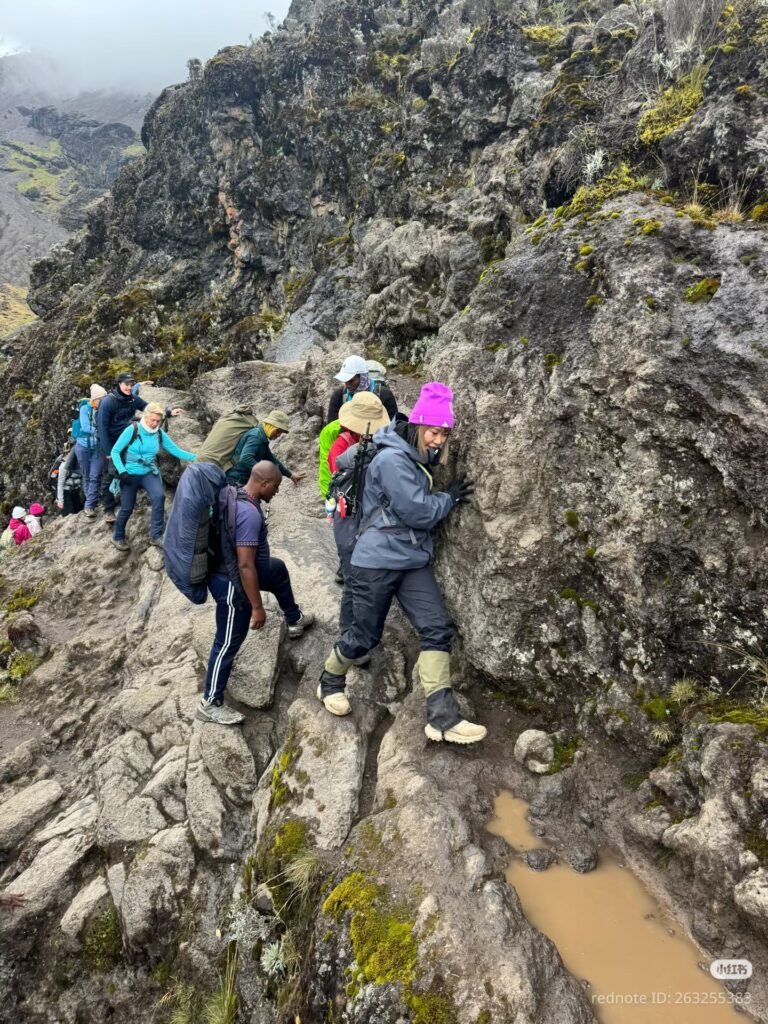
Machame Route Kilimanjaro – 14 December Pre-Christmas Climb 2026-2027
start a memorable Machame Route Kilimanjaro climb, aiming for a December 14, 2026 departure. This guide covers route specifics, seasonal advantages, essential preparation, and what makes...
View package details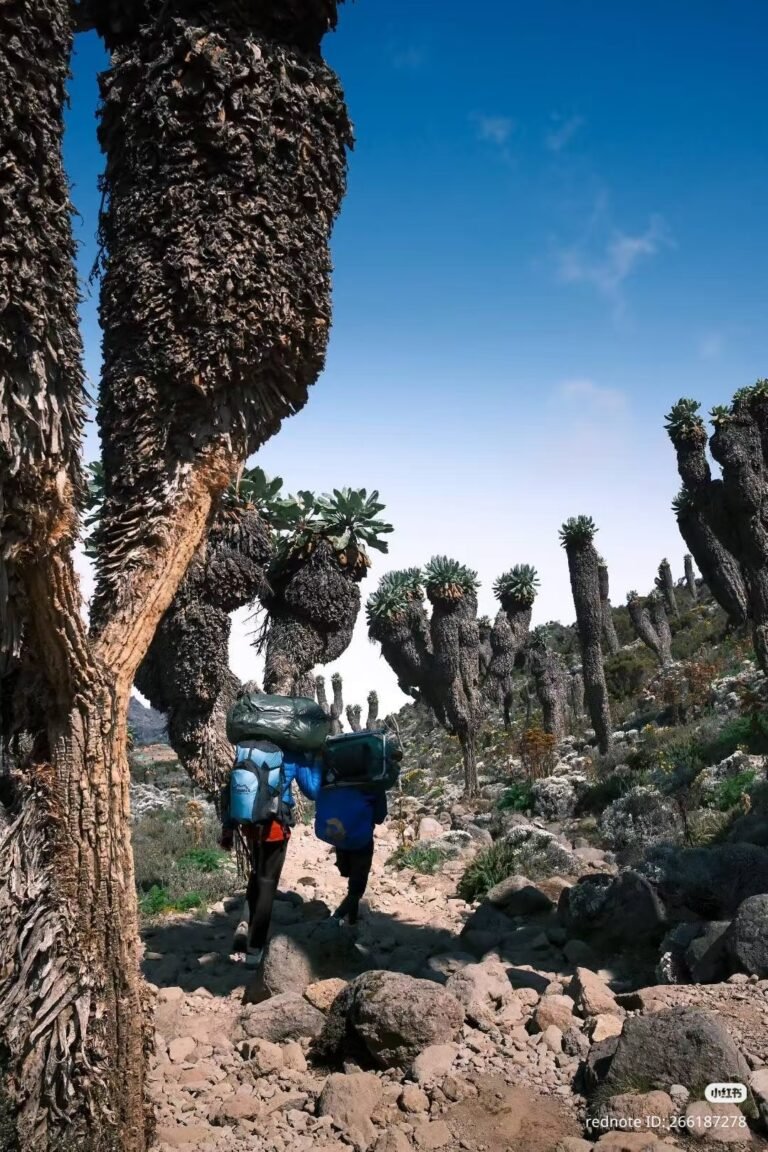
7 Day Machame Route – 7 December Group Departure | Your Kilimanjaro Climb
Plan your Kilimanjaro ascent on the popular 7-day Machame Route with a group departure on December 7, 2026. This guide covers the trek's highlights, challenges, and what to expect when...
View package details
Kilimanjaro Mid-October – Best Routes Before The Short Rains 2026-2027
Kilimanjaro Mid-October 2026 – Best Routes Before the Short Rains is explained with current 2026-2027 planning, price, itinerary and booking information.
View package details7 Day Machame Route – 19 June Kilimanjaro Group Departure 2027
Planning to climb Kilimanjaro on the Machame Route in a group setting? This 7-day departure on June 19, 2027, offers a balanced approach to acclimatization and scenery. Learn what to...
View package details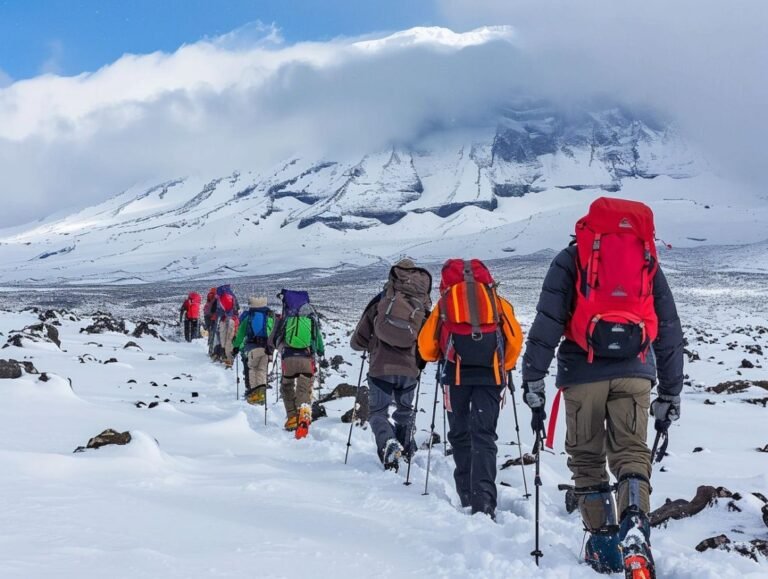
Machame Route – 14 August Peak-Season Group Climb 2027
Discover the details of a Machame Route group climb on Kilimanjaro scheduled for August 14, 2027. This peak season departure offers an excellent opportunity to trek one of Kilimanjaro's...
View package details7 Day Machame Route – 3 August Group Departure For Kilimanjaro 2027
Secure your spot on the 7 Day Machame Route Kilimanjaro group trek departing on August 3, 2027. This popular route offers a fantastic balance of scenic beauty and acclimatization for a...
View package details
7 Day Machame Route – 17 July Group Joining Climb 2027
7 Day Machame Route – 17 July 2027 Group Joining Climb is explained with current 2027 planning, price, itinerary and booking information.
View package detailsMachame Route – 9 July Kilimanjaro Group Climb 2027
Machame Route – 9 July 2027 Kilimanjaro Group Climb is explained with current 2027 planning, price, itinerary and booking information.
View package detailsMachame Route – 3 July Kilimanjaro Summer Climb 2027
The Machame Route offers a popular and scenic path to the summit of Kilimanjaro, especially for a summer climb on July 3, 2027. This guide details the 2027 expedition, covering route...
View package details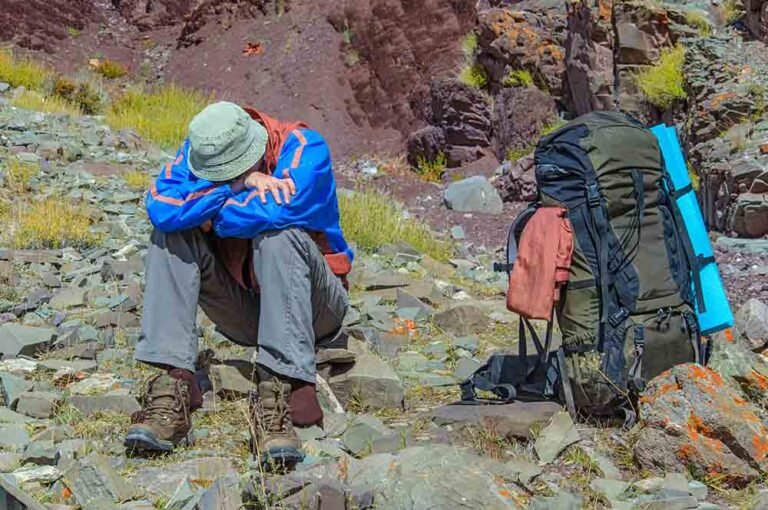
Rongai Route Kilimanjaro May : Your Guide To A Quiet Northern Trail 2027
The Rongai Route presents a unique opportunity for a less crowded Kilimanjaro ascent, especially in May 2027. This guide details its northern approach, advantages, and what to expect.
View package details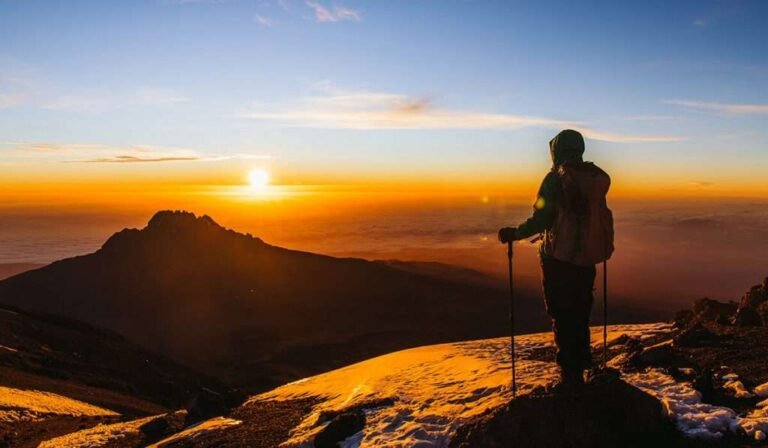
Kilimanjaro April Gear Guide: Essential Packing For Heavy Rain 2027
Climbing Kilimanjaro in April 2027 means preparing for potential heavy rains. This guide provides essential packing advice to ensure your comfort, safety, and success on the mountain...
View package detailsNo related package matches those filters. Clear one or more filters to see the other topic-matched options.



