
A Kilimanjaro group climb departing on November 7, 2026, offers a unique opportunity to ascend the mountain during a quieter season, potentially providing a more serene trekking experience and clearer views. This specific departure date allows for careful planning and preparation throughout 2025 and 2026, leveraging Climb 4 Africa’s expertise for a well-supported journey.

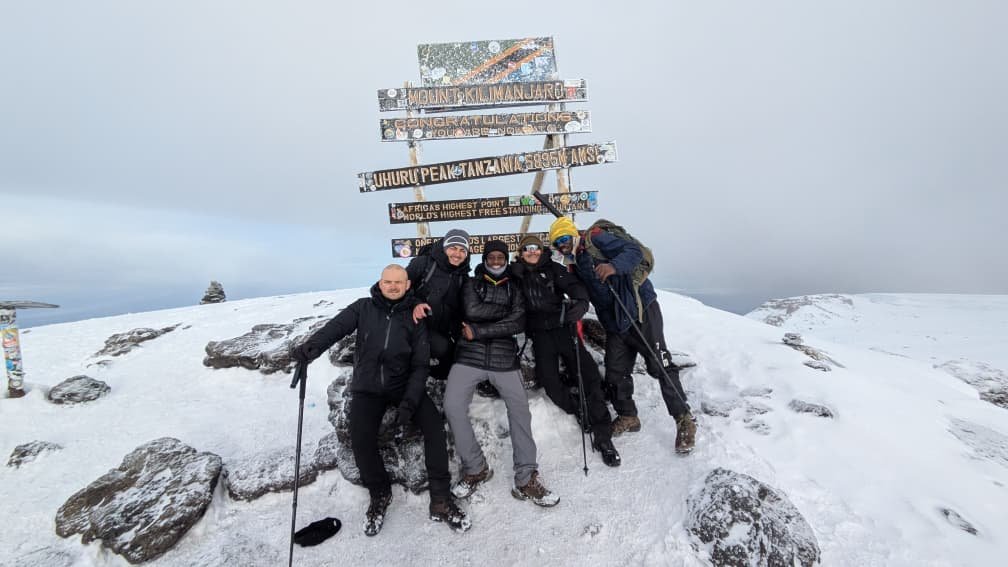
Understanding the Quiet Season Departure
Kilimanjaro experiences distinct weather patterns throughout the year, often categorized into peak climbing seasons and shoulder or quieter seasons. The period from June to October is typically considered a dry season, characterized by clear skies and cooler temperatures. Following this, the months of November and December, along with March and April, often fall into the shoulder or wetter periods. However, the term “wet season” on Kilimanjaro doesn’t always mean continuous, torrential rain. Instead, it often translates to increased cloud cover, occasional showers (particularly in the afternoons or at lower elevations), and potentially more challenging trail conditions in specific sections. For a Kilimanjaro group climb on November 7, 2026, this quiet season timing presents distinct advantages that many trekkers find appealing.
The primary allure of a quiet season departure is the reduced number of climbers on the mountain. While Kilimanjaro is a popular destination year-round, peak seasons can see hundreds of people on the trails and at the campsites each day. During November, you’re likely to encounter fewer fellow trekkers, leading to a more personal and less crowded experience. This can foster a stronger sense of camaraderie within your own group and allow for more meaningful interactions with guides and porters. The tranquility of having larger stretches of trail to yourselves, or enjoying the summit views with fewer people, can significantly enhance the overall journey.
Another benefit is the potential for more flexible booking and, in some instances, more competitive pricing from operators. While Climb 4 Africa focuses on providing exceptional value and support year-round, operators often adjust their offerings during less popular periods. Furthermore, the scenery, though potentially cloudier at times, can be incredibly dramatic. Lush vegetation at lower altitudes often thrives after rains, and the mist can add an ethereal beauty to the lower and middle slopes. The key is understanding that “quiet season” does not equate to an un-climbable mountain; it simply means adjusting expectations regarding weather and embracing the unique atmosphere it offers.
For a Kilimanjaro group climb, November 7, 2026, is a specific date that allows for a focused planning window. By booking in advance, you give yourself ample time to prepare physically and mentally, gather the necessary gear, and make all logistical arrangements without feeling rushed. Climb 4 Africa specializes in guiding trekkers through this preparation phase, ensuring you are well-equipped for the conditions you might encounter in late 2026.
Why November for Kilimanjaro?
November on Kilimanjaro sits between two distinct weather patterns: the end of the shorter rainy season (which typically runs from March to May) and the beginning of the dry season (June to October). This transitional period, along with December, often offers a mixed bag of weather, but it’s far from a washout. Understanding the nuances of November’s climate is crucial for setting expectations for your Kilimanjaro group climb, November 7, 2026 departure.
**Typical November Weather:**
* Lower Slopes (Rainforest Zone): Expect warmer temperatures and a higher chance of rainfall, especially in the afternoons. These showers are often brief but can be intense, contributing to the lush, vibrant environment of this zone. The trails can become muddy and slippery, requiring good waterproof gear and sturdy footwear.
* Middle Slopes (Moorland & Alpine Desert): As you ascend, temperatures will drop significantly. While showers are still possible, they tend to be less frequent than at lower altitudes. Cloud cover can be a factor, sometimes obscuring views, but it also means fewer harsh sun conditions. You might experience mist, fog, and even the occasional snowflake as you approach the alpine desert and arctic zones.
* Summit Zone (Arctic Zone): Conditions here are consistently cold, regardless of the season. Temperatures will be below freezing, with the wind chill factor making it feel much colder. The main difference in November compared to the dry season might be increased wind and a higher chance of precipitation (which could be snow or sleet), though clear summit bids are still very achievable.
**Advantages of a November Climb:**
1. **Fewer Crowds:** This is the most significant advantage. With fewer climbers, you’ll experience a more intimate connection with the mountain. Campsites are less crowded, trails are quieter, and the overall atmosphere is more peaceful. This is ideal for those who prefer a less congested trekking experience.
2. **Lush Scenery:** The rains of the preceding season (and occasional showers in November) keep the lower rainforest zone exceptionally green and vibrant. The vegetation appears particularly lush and alive.
3. **Potentially More Flexible Availability:** During quieter periods, you might find more flexibility with booking dates and potentially with accommodation options in Moshi or Arusha before and after the climb.
4. **Unique Atmospheric Conditions:** While clear skies are ideal, mist and clouds can create dramatic, moody landscapes. Sunrise or sunset viewed through a layer of clouds can be spectacular in its own right.
**Considerations for November:**
* **Rain Gear is Essential:** High-quality waterproof and windproof outer layers are non-negotiable. You’ll need them for your jacket, trousers, and potentially even a waterproof cover for your backpack.
* **Layering is Key:** The temperature fluctuations are significant. You’ll need a robust layering system, including thermal base layers, insulating mid-layers (fleece or down), and a protective outer shell.
* **Trail Conditions:** Be prepared for muddy, slippery sections, especially in the rainforest and moorland zones. Good grip on your hiking boots is paramount.
* **Summit Night:** Summit night is always challenging due to altitude and cold. In November, you might face stronger winds or light precipitation, making warm, waterproof gear even more critical.
For your Kilimanjaro group climb, November 7, 2026, Climb 4 Africa ensures that guides and porters are fully equipped and experienced in managing the conditions typical of this month. They understand how to navigate trails safely and how to best prepare clients for the variable weather.
The Advantages of a Group Climb
Opting for a group departure for your Kilimanjaro group climb, November 7, 2026, offers a blend of shared experience, cost-effectiveness, and inherent support that solo or private treks might not provide. These group departures are carefully scheduled to coincide with favorable trekking windows or, as in this case, specific thematic departures like a “quiet season” experience. The dynamics of climbing with others, especially strangers who quickly become companions, add a unique dimension to the journey.
**Key Benefits of a Group Climb:**
1. **Shared Costs and Value:** Group departures often allow operators to offer more competitive pricing. By pooling resources and filling a larger group, fixed costs (like park fees and guide salaries) are spread across more participants. This can make a Kilimanjaro trek more accessible financially without compromising on the quality of service or safety standards. Climb 4 Africa aims to provide excellent value, ensuring that group climbers receive comprehensive support and high-quality logistics.
2. **Built-in Camaraderie and Motivation:** Trekking Kilimanjaro is a physically and mentally demanding endeavor. Having a group of like-minded individuals around you provides a powerful source of motivation. You’ll share the challenges, celebrate milestones, and encourage each other through difficult moments. The shared experience of reaching the summit together creates lasting bonds.
3. **Enhanced Safety and Support:** A group setting naturally increases the level of vigilance and support. Your guides and porters are trained to monitor everyone in the group, ensuring no one is left behind or struggling unnoticed. In a group, there’s always someone to assist or alert the lead guide if a problem arises.
4. **Diverse Perspectives and Experiences:** You’ll meet people from different backgrounds and with varied motivations for climbing Kilimanjaro. This diversity enriches the experience, offering different perspectives on the journey, the culture, and the natural environment. Conversations around the campfire and during rest stops can be as enlightening as the trek itself.
5. **Easier Logistics for Solo Travelers:** For individuals who wish to climb but don’t have a group of friends or family to join them, a group departure is an ideal solution. It removes the need to organize a private trek, which can be more expensive and logistically complex for a single person.
**Considerations for Group Dynamics:**
While the benefits are substantial, it’s also wise to consider the nature of group travel. Your group on the Kilimanjaro group climb, November 7, 2026, will consist of individuals with potentially different paces, fitness levels, and expectations. However, professional guides are adept at managing these variations. They will ensure the group stays together, taking breaks as needed and allowing faster climbers to wait at designated points. The emphasis is always on the collective success and safety of the entire group.
Climb 4 Africa’s group departures are managed by experienced guides who understand how to foster a positive group dynamic. They encourage mutual respect, shared responsibility, and a collaborative spirit, all essential for a successful and enjoyable ascent. When you book your Kilimanjaro group climb, November 7, 2026, you’re not just joining a trek; you’re becoming part of a temporary expeditionary family.
Choosing the Right Route for Your 2026 Climb
Selecting the appropriate route is one of the most critical decisions for any Kilimanjaro trekker, and it’s no different for a Kilimanjaro group climb on November 7, 2026. While the goal is the same – Uhuru Peak – the routes vary significantly in terms of difficulty, scenery, acclimatization profile, and camping experience. For a November departure, considering the potential for varied weather, some routes might offer more advantages.
Climb 4 Africa recommends specific routes for group departures, balancing popularity, success rates, and the overall trekking experience. The Machame Route and the Lemosho Route are often favored for their excellent acclimatization profiles and stunning scenery, which are crucial for increasing your chances of reaching the summit safely.
**Popular Routes and Their Suitability for November 2026:**
1. **Machame Route (7 Days):**
* Pros: Highly popular, good acclimatization profile, diverse scenery, good success rates. It’s often chosen for group treks due to its balance of challenge and reward.
* Cons: Can be crowded, especially in peak season. Steep ascents and descents in certain sections.
* November Suitability: Generally good. The varied terrain means you’ll experience different conditions as you ascend. The camping experience is excellent.
2. **Lemosho Route (8 Days):
* Pros: Considered one of the most scenic routes, excellent acclimatization profile, starts in a remote wilderness area, higher success rates due to its longer duration.
* Cons: More expensive than Machame, can be more crowded in its initial sections as it joins Machame.
* November Suitability: Excellent. The extra day significantly aids acclimatization, which is always beneficial, especially during shoulder seasons when weather can be less predictable. The remote start offers a more wild feel.
3. **Marangu Route (5 or 6 Days):
* Pros: “Coca-Cola” route, only route with hut accommodation (no camping), considered the easiest in terms of physical difficulty (though acclimatization is poorer).
* Cons: Poorest acclimatization profile, lower success rates, less scenic than others, can be very crowded.
* November Suitability: Less recommended for a group aiming for summit success and a comfortable experience. The lack of camping means less immersion, and the faster ascent profile is risky for acclimatization, particularly if weather adds challenges.
4. **Northern Circuit (9 Days):
* Pros: Longest route, highest success rates due to excellent acclimatization, circumnavigates the mountain offering unique views, very few crowds.
* Cons: Most expensive, requires more time.
* November Suitability: Excellent, if time and budget permit. The extended duration is ideal for acclimatization, and the remote nature means fewer people, which is a bonus in November.
**Recommendation for the November 7, 2026 Departure:**
For a Kilimanjaro group climb, November 7, 2026, the 7-day Machame Route or the 8-day Lemosho Route are typically the best choices offered by Climb 4 Africa. The 8-day Lemosho offers a superior acclimatization profile, which is always a priority for summit success, especially during a less predictable month like November. The additional day allows for slower ascent and more time to adjust to the altitude. The Machame Route, while potentially busier in its initial stages, is a well-trodden path with proven success rates and offers a fantastic trekking experience.
When you inquire about the Kilimanjaro group climb, November 7, 2026, Climb 4 Africa can provide detailed itineraries for each recommended route, helping you make an informed decision based on your fitness, available time, and desired experience. They will guide you on which route best suits the group dynamic and maximizes your chances of a successful summit.
Preparing for Your November 2026 Trek
Embarking on a Kilimanjaro group climb on November 7, 2026, requires dedicated preparation, especially considering the timing during a shoulder season. Proper physical conditioning, appropriate gear selection, and mental readiness are paramount. Climb 4 Africa emphasizes a holistic approach to preparation, ensuring clients are well-equipped for the journey ahead.
1. Physical Training:
* Cardiovascular Fitness: Focus on activities like hiking (with a backpack), running, cycling, and swimming. Aim for at least 3-4 sessions per week. Include at least one long hike (4-6 hours) per week, ideally with significant elevation gain, to simulate mountain conditions.
* Strength Training: Concentrate on leg strength (squats, lunges, calf raises) and core stability. Carrying a backpack uphill is strenuous, so building foundational strength is crucial.
* Endurance: The key is to build endurance for long days. Practice hiking for extended periods, gradually increasing the duration and difficulty of your training hikes.
* Acclimatization Practice: While not directly trainable, being generally fit helps your body cope better with altitude. Focus on consistency in your training leading up to November 2026.
2. Gear Selection:
Choosing the right gear is critical for comfort and safety, particularly for a November climb where weather can be variable. Layering is the golden rule.
* Base Layers: Moisture-wicking thermal tops and bottoms (merino wool or synthetic).
* Mid Layers: Fleece jackets or vests, down or synthetic insulated jacket for warmth.
* Outer Shell: Waterproof and windproof jacket and trousers (Gore-Tex or similar). Essential for November.
* Footwear: Broken-in, waterproof hiking boots with good ankle support and grip. Camp shoes or trainers for evenings.
* Headwear: Warm, insulated hat; sun hat with a wide brim; balaclava or warm scarf for summit night.
* Gloves: Warm, waterproof outer gloves and thinner liner gloves.
* Socks: Several pairs of warm, moisture-wicking hiking socks (wool or synthetic).
* Backpack: A comfortable daypack (30-40 liters) for essentials carried during the day, and a larger duffel bag (80-100 liters) for porters to carry. Ensure the duffel is waterproof or use dry bags.
* Sleeping Bag: A 4-season sleeping bag rated to at least -10°C (0°F) is recommended. Climb 4 Africa can provide rental options.
* Trekking Poles: Highly recommended for reducing strain on knees and improving balance, especially on descents and slippery sections.
* Headlamp: With extra batteries. Essential for night ascents and navigating camps after dark.
* Sun Protection: High SPF sunscreen, lip balm with SPF, sunglasses.
* Hydration: Water bottles or hydration reservoir (ensure it’s insulated to prevent freezing). Water purification tablets or a filter are also useful.
3. Health and Vaccinations:
* Consult your doctor or a travel clinic 6-8 weeks before your trip regarding recommended vaccinations and malaria prophylaxis. While Kilimanjaro itself is malaria-free, precautions may be advised for areas you visit before and after the climb.
* **Diamox (Acetazolamide):** Discuss altitude sickness medication with your doctor. It can help prevent or alleviate symptoms of Acute Mountain Sickness (AMS).
* **Travel Insurance:** Ensure your insurance covers high-altitude trekking and emergency medical evacuation. This is non-negotiable.
4. Mental Preparation:
* Understand the challenges of altitude, cold, and physical exertion. Positive self-talk and visualizing success are powerful tools.
* Be prepared for basic camp conditions. Embrace the simplicity and focus on the journey.
* Familiarize yourself with the symptoms of AMS and be honest with your guides about how you are feeling.
Climb 4 Africa provides detailed packing lists and training advice to all clients booking their Kilimanjaro group climb, November 7, 2026. They can also advise on gear rental options for items like sleeping bags and jackets, which can be convenient for international travelers.
What to Expect on the Mountain in 2026
Your Kilimanjaro group climb, November 7, 2026, will be an adventure characterized by stunning landscapes, challenging ascents, and the unique camaraderie of a group trek. Understanding the daily rhythm and the environmental conditions you’ll encounter will help you prepare mentally and physically.
Daily Trekking Rhythm:
* Mornings: Wake-up calls are usually around 6:30-7:00 AM. After a quick wash and dressing, breakfast is served. You’ll then pack your daypack with essentials and your main duffel bag for the porters.
* Trekking: The day’s trek typically begins around 8:00-8:30 AM. You’ll hike at a slow, steady pace (often referred to as “pole pole” – slowly, slowly) to conserve energy and aid acclimatization. Guides will lead the way, and assistants will follow at the rear to ensure no one falls behind.
* Lunch: Midday meals are usually packed lunches or hot meals prepared by the crew at a scenic spot along the trail.
* Afternoons: Trekking continues until you reach the next campsite, typically between 2:00 PM and 4:00 PM. This allows time to rest and acclimatize before dinner.
* Evenings: Upon arrival, you’ll be shown to your tents. You can then relax, hydrate, and perhaps enjoy some hot drinks. Dinner is served around 6:30-7:00 PM, followed by a briefing from the lead guide about the next day’s itinerary.
* Sleep: Lights out is usually around 9:00 PM. Sleep can be challenging due to altitude, cold, and unfamiliar surroundings, but rest is crucial.
Environmental Conditions in November:
* Temperature: Expect significant variation. Lower altitudes (rainforest) can be warm and humid (15-25°C / 59-77°F). Mid-altitudes will be cooler (5-15°C / 41-59°F). Above the tree line, temperatures drop sharply, with evenings and summit night often well below freezing (-5 to -15°C / 23 to 5°F), exacerbated by wind chill.
* Precipitation: While not the peak rainy season, November can bring showers, especially in the afternoons and at lower elevations. These can range from light drizzles to heavier downpours. Snow is possible at higher altitudes, particularly on summit night, though it usually doesn’t accumulate significantly.
* Trails: Expect muddy and potentially slippery sections, particularly in the rainforest and moorland zones. The scree slopes higher up can also be challenging.
* Visibility: Cloud cover is common. While this can obscure panoramic views, it also means less harsh sun exposure. Misty conditions can create dramatic and beautiful scenery.
* Wildlife: While you won’t encounter large dangerous animals on the trekking routes, you’ll see diverse birdlife in the rainforest and unique flora like giant groundsels and lobelias in the alpine zones.
Summit Night (The Final Ascent):
Summit night is the most demanding part of the climb. For your Kilimanjaro group climb, November 7, 2026, this will likely occur on Day 6 or 7, depending on your chosen route. You’ll start around midnight, trekking in the dark with headlamps. The pace will be extremely slow. Temperatures will be at their lowest, and the wind can be fierce. Acclimatization is key; listen to your body and communicate any symptoms to your guides immediately. Reaching Stella Point on the crater rim by sunrise is a significant achievement, and the final push to Uhuru Peak (the true summit) is often less physically demanding but requires mental fortitude.
Post-Summit and Descent:
After celebrating at Uhuru Peak, the descent is often faster than the ascent. You’ll trek back to Barafu Camp or an intermediate camp for a short rest before continuing down to Mweka or Millennium Camp. The descent can be tough on the knees and requires careful footing, especially on loose scree and muddy trails.
Climb 4 Africa’s experienced guides are adept at managing the unpredictable conditions of November. They prioritize safety and acclimatization, making informed decisions about the group’s progress and well-being throughout the trek.
Booking Your Kilimanjaro Group Climb in 2026
Securing your spot for the Kilimanjaro group climb, November 7, 2026, is a straightforward process with Climb 4 Africa. As an experienced local operator, they provide direct support and expertise, ensuring a well-organized and memorable expedition. Booking well in advance is highly recommended, especially for specific dates like this quiet season departure.
Why Book with Climb 4 Africa:
* **Local Expertise:** Being a Tanzanian-based company, Climb 4 Africa has an intimate understanding of Kilimanjaro, its routes, its crew, and the best practices for a safe and successful climb. This local insight is invaluable.
* **Experienced Crew:** They employ highly trained and certified guides who are not only skilled mountaineers but also knowledgeable about local culture and ecology. Porters and cooks are well-compensated and treated ethically.
* **Comprehensive Support:** From initial inquiry to post-climb celebrations, Climb 4 Africa offers dedicated support. They can assist with itinerary planning, gear advice, pre- and post-climb accommodation, and airport transfers.
* **Value for Money:** They focus on providing high-quality services, including good food, reliable equipment, and a well-managed logistics chain, at competitive prices. The November 7, 2026 departure is priced to offer excellent value for a quiet season experience.
* **Safety First:** Safety is paramount. They adhere to strict safety protocols, including carrying comprehensive medical kits, ensuring guides are trained in first aid, and having emergency evacuation plans in place.
The Booking Process:
1. **Inquire:** Reach out to Climb 4 Africa to express your interest in the Kilimanjaro group climb, November 7, 2026. You can do this via their website, email, or WhatsApp.
* WhatsApp: +255 747 477 898
* Email: climb4africa@gmail.com
2. **Consultation:** A Climb 4 Africa representative will discuss the specifics of the November 7, 2026 departure. This includes confirming the chosen route (likely Machame or Lemosho for group departures), duration, inclusions, exclusions, and pricing. They will answer all your questions regarding the trek, preparation, and what to expect.
3. **Deposit and Confirmation:** Once you decide to proceed, a deposit will be required to secure your place on the group climb. This deposit helps confirm your booking and allows Climb 4 Africa to finalize arrangements for your expedition. The exact deposit amount and payment schedule will be provided during the consultation.
4. **Preparation Guidance:** After booking, you will receive detailed pre-departure information, including a comprehensive packing list, training recommendations, and travel advice. Climb 4 Africa will be available to support you throughout your preparation period leading up to November 2026.
5. **Final Payment and Pre-Trek Briefing:** The remaining balance for your climb will be due closer to the departure date. A pre-trek briefing will be held in Moshi or Arusha shortly before you begin your ascent, where you’ll meet your guides and fellow climbers.
Booking your Kilimanjaro group climb, November 7, 2026, with Climb 4 Africa means you are partnering with a dedicated team committed to providing an exceptional mountain experience. Their proactive support and local knowledge are key assets for any trekker aiming for the Roof of Africa during this unique quiet season departure.
For detailed itineraries, specific inclusions/exclusions, and current pricing for the Kilimanjaro group climb, November 7, 2026, it is best to contact Climb 4 Africa directly. They can tailor information to your needs and provide the most accurate guidance for your 2026 adventure. You can also explore general group departure information at their group departures page or learn more about specific routes like the Machame Route at Machame Route details.
Check Availability for Kilimanjaro Group Climb 7 November : Quiet Season Departure Details…
Ready to compare dates, prices, and the best option for your group? Send the package name and travel month so the team can reply with a clear quote, availability, and what is included.
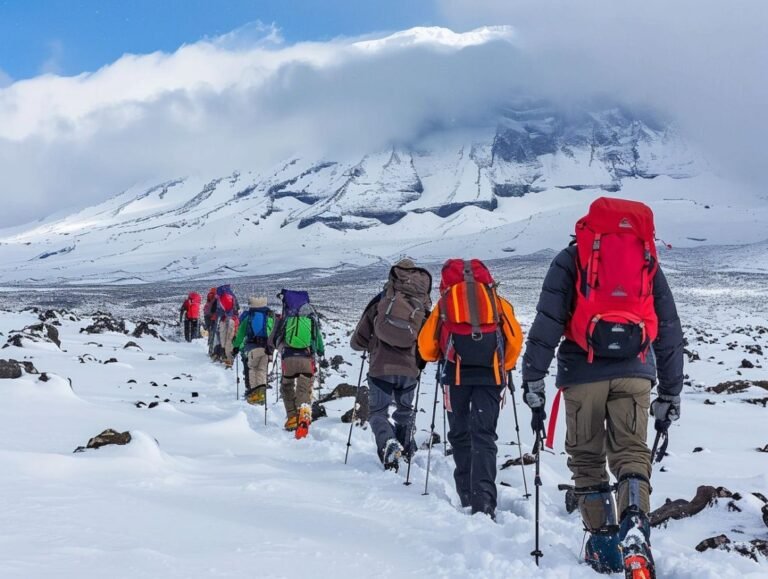
Kilimanjaro Climb July – Peak Dry-Season Group Departures 2027
Kilimanjaro Climb July 2027 – Peak Dry-Season Group Departures is explained with current 2027 planning, price, itinerary and booking information.
View package details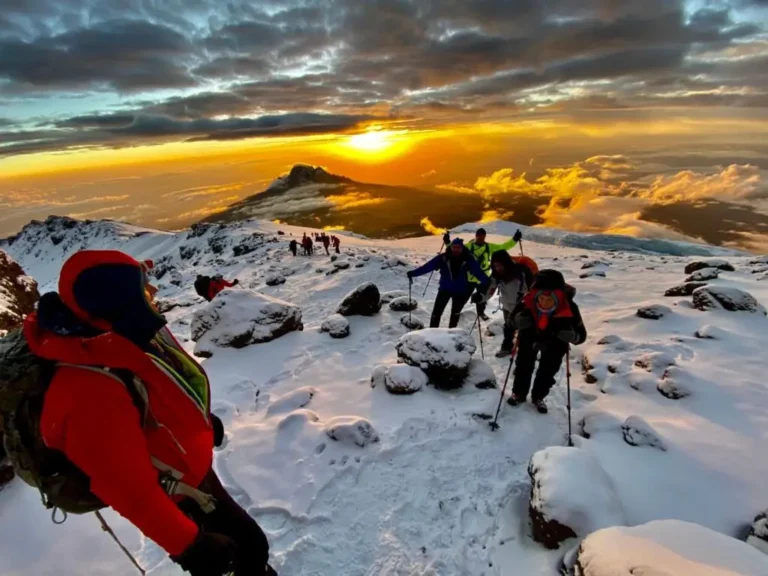
Kilimanjaro 17 April – Small Group Rainy-Season Adventure With Climb 4 Africa
start a unique Kilimanjaro climb on April 17, 2027, as part of a small group during the rainy season. This adventure offers a different perspective of the mountain, with fewer crowds and...
View package details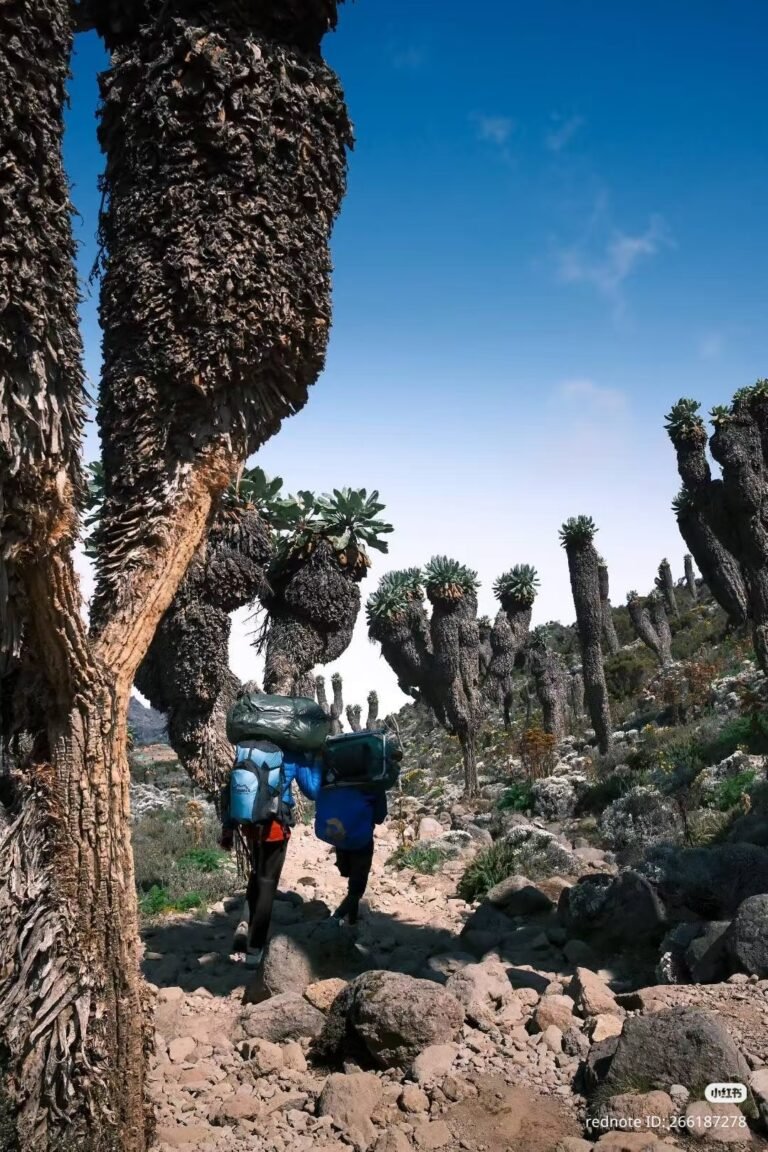
7 Day Machame Route – 7 December Group Departure | Your Kilimanjaro Climb
Plan your Kilimanjaro ascent on the popular 7-day Machame Route with a group departure on December 7, 2026. This guide covers the trek's highlights, challenges, and what to expect when...
View package details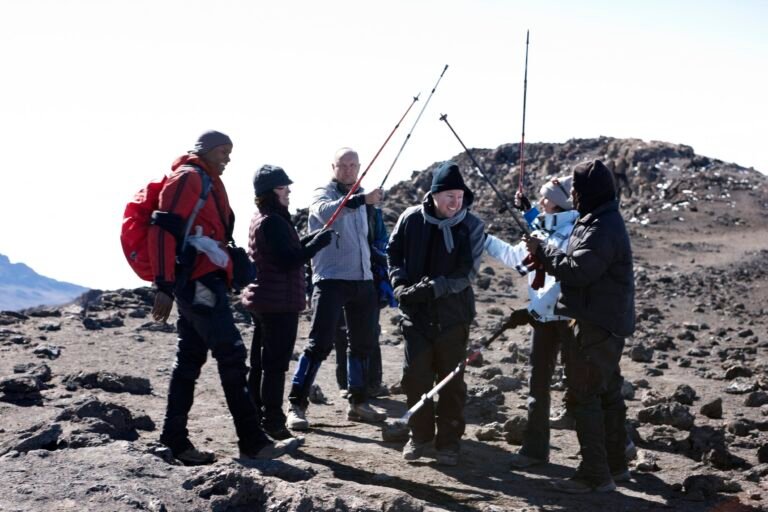
Kilimanjaro 26 November : Thanksgiving Week Group Trek 2026-2027
Plan your Kilimanjaro climb for the unique 26 November 2026 departure, coinciding with Thanksgiving week. This group trek offers a special opportunity to summit Africa's highest peak while...
View package details8 Day Lemosho Route – 7 July Group Departure Kilimanjaro Climb 2027
start an incredible 8-day Lemosho Route trek up Mount Kilimanjaro with the Climb 4 Africa group departure on July 7, 2027. This itinerary offers a fantastic balance of acclimatization...
View package detailsKilimanjaro 5 June : Your Early Dry-Season Group Departure Adventure 2027
Planning a Kilimanjaro climb for June 2027? This departure on June 5th offers a prime opportunity to tackle Africa's highest peak at the beginning of the dry season. Discover why this...
View package details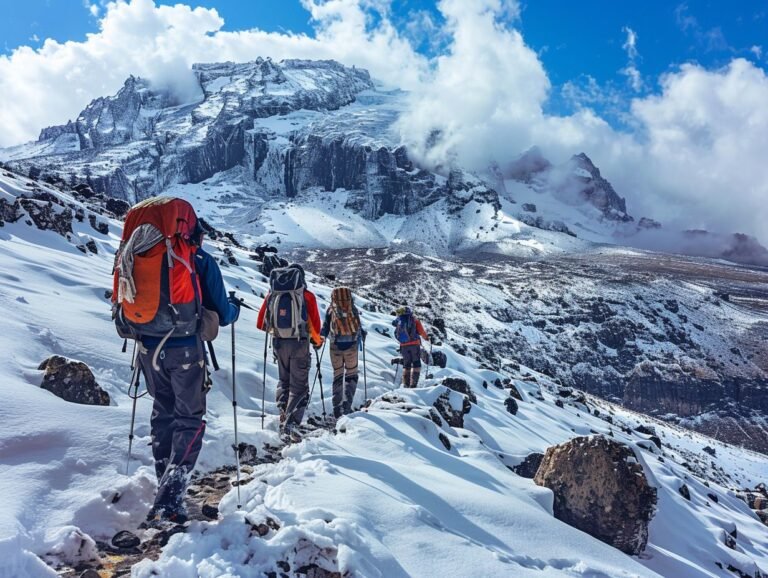
Kilimanjaro 22 May : Your Late-Rainy-Season Group Trek 2027
Planning a Kilimanjaro trek for May 22, 2027? This late-rainy-season group departure offers a different perspective on Africa's highest peak, often with fewer crowds and lush landscapes...
View package details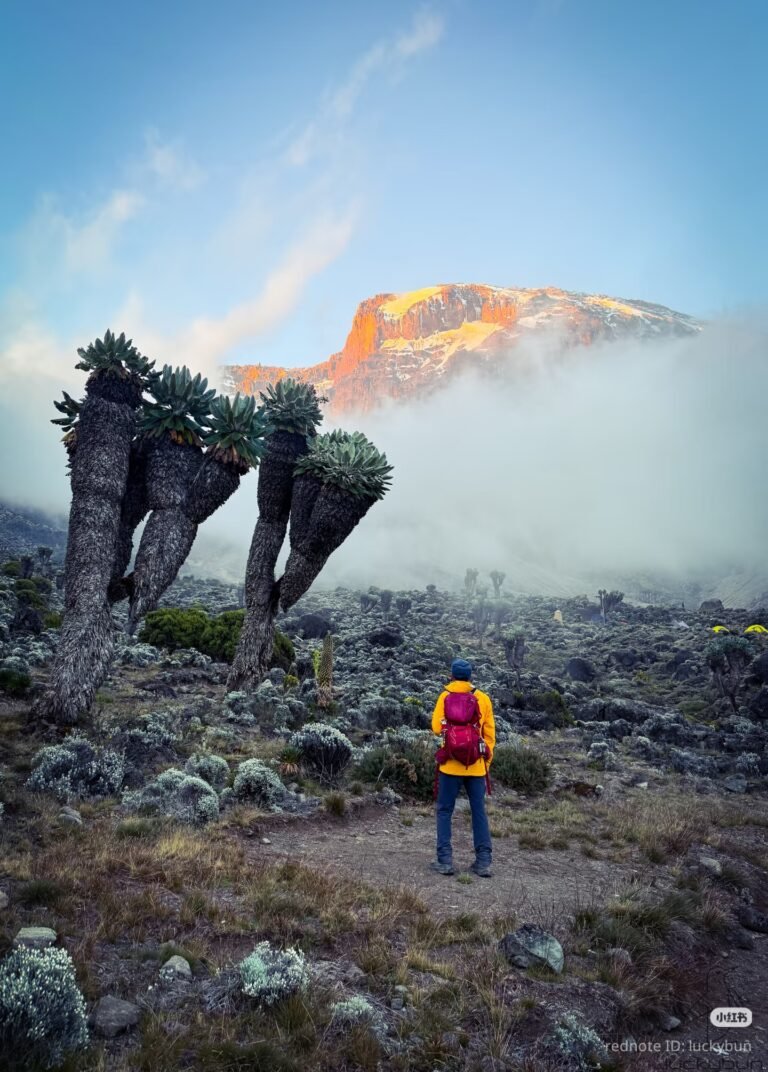
Kilimanjaro Climb January : Group Departures, Weather, And Pricing Guide
start your Kilimanjaro adventure in January 2027! This guide covers everything you need to know about group departures, the favorable January weather, typical pricing, essential...
View package details
Kilimanjaro 12 December – Weekend Group Climb Availability 2026-2027
Planning a Kilimanjaro trek for December 12, 2026? This guide focuses on a weekend group climb, detailing route options, essential preparation, and how to secure your spot for this specific...
View package details
8 Day Lemosho Route – 5 December Kilimanjaro Group Climb 2026
Plan your 8-day Lemosho Route Kilimanjaro group climb for December 5, 2026. Discover why Lemosho is a top choice for success rates and scenery, with practical advice from Climb 4 Africa.
View package detailsMarangu Route – 26 June Kilimanjaro Group Climb 2027
Marangu Route – 26 June 2027 Kilimanjaro Group Climb is explained with current 2027 planning, price, itinerary and booking information.
View package details7 Day Machame Route – 19 June Kilimanjaro Group Departure 2027
Planning to climb Kilimanjaro on the Machame Route in a group setting? This 7-day departure on June 19, 2027, offers a balanced approach to acclimatization and scenery. Learn what to...
View package detailsNo related package matches those filters. Clear one or more filters to see the other topic-matched options.



