
For solo travellers seeking a Kilimanjaro scenic route during the dry season (typically June to October and December to February), the Machame Route and the Lemosho Route are often recommended due to their excellent acclimatisation profiles, stunning scenery, and reliable success rates, especially when combined with expert local support for safety and logistics. These routes offer a balance of challenge and beauty, making them well-suited for individuals, providing opportunities for group camaraderie while maintaining a sense of personal achievement. Planning for 2026-2027 involves understanding these routes’ specific conditions, booking well in advance, and ensuring your chosen operator prioritizes solo traveller needs.
Why Kilimanjaro for Solo Travellers?
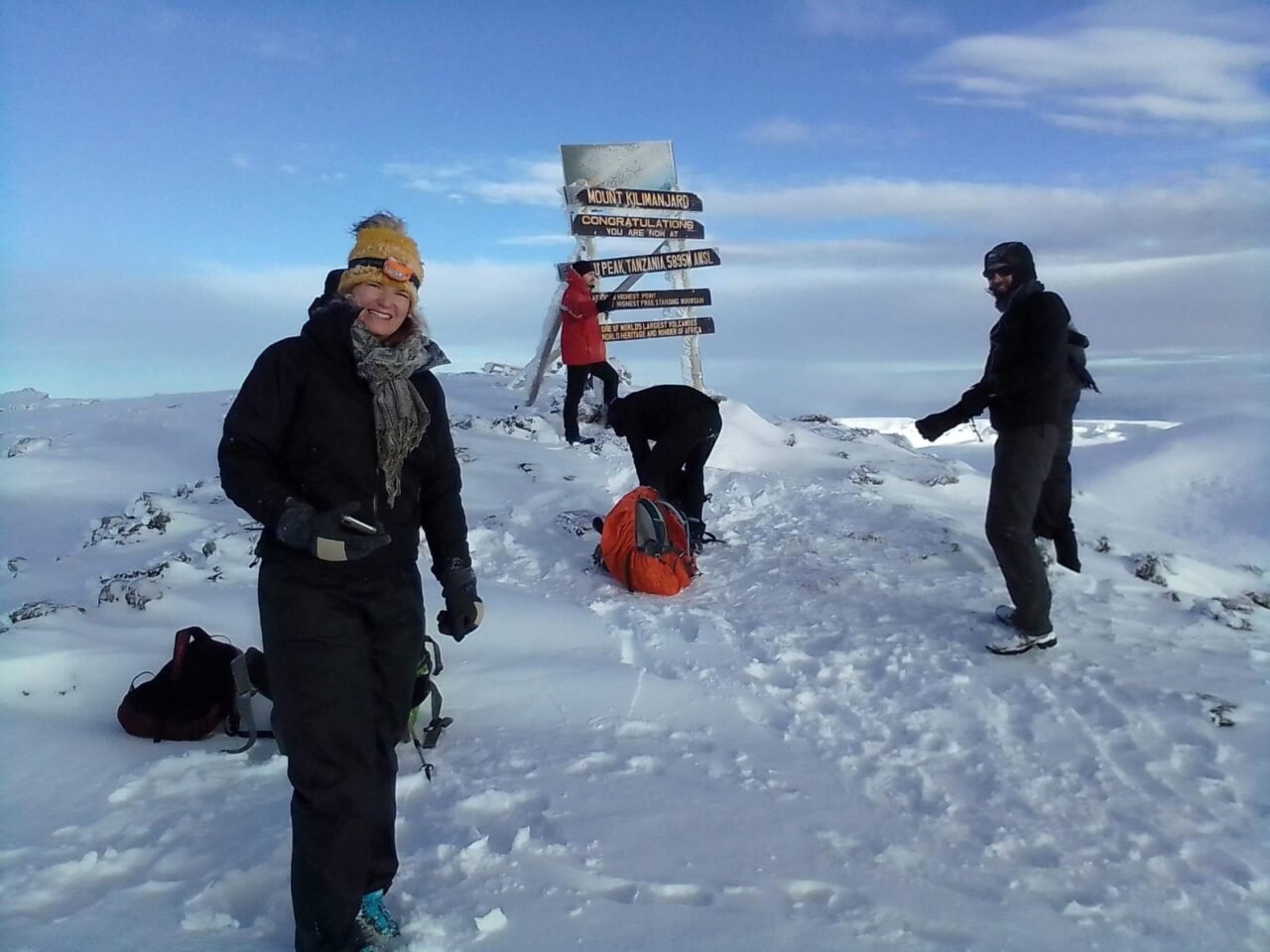
Climbing Kilimanjaro offers a profound sense of accomplishment, and for solo travellers, it presents a unique opportunity for self-discovery and connection. The mountain itself is a non-technical climb, meaning it’s accessible to individuals with a good level of fitness and a strong mental resolve, rather than requiring advanced mountaineering skills. This accessibility is a significant draw for solo adventurers looking for a significant physical and mental challenge without extreme technical difficulty.
Beyond the personal achievement, Kilimanjaro treks are typically organised in groups. This inherently provides a social environment, which can be reassuring for those travelling alone. You’ll be part of a team comprising guides, porters, a cook, and fellow climbers. This creates a built-in community, fostering camaraderie and shared experiences, which can enhance the journey for solo travellers. You’re never truly alone on the mountain; the support system is robust and designed to ensure everyone reaches the summit safely.
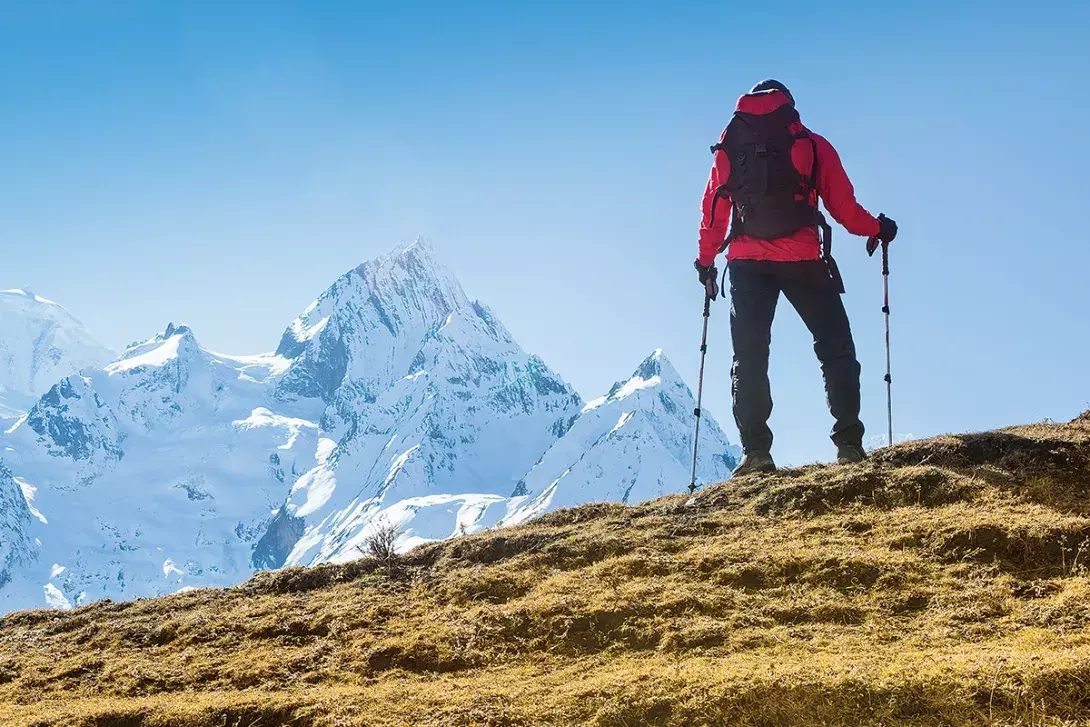
Furthermore, Kilimanjaro is a gateway to experiencing the natural beauty and cultural richness of Tanzania. The ascent traverses diverse ecological zones, from lush rainforests at the base to alpine deserts and the arctic summit. This journey through changing landscapes is visually spectacular and offers a deep connection with nature. For solo travellers, this immersion is often more intense and rewarding.
When planning for a solo Kilimanjaro climb, especially for the upcoming seasons of 2026-2027, choosing the right route and operator is paramount. The goal is to balance the desire for a scenic and challenging experience with the need for safety, effective acclimatisation, and a supportive group environment. Many solo travellers find that the well-established routes, particularly those known for their scenic beauty and higher success rates, offer the best overall experience. These routes often cater to a mix of group and solo travellers, ensuring a dynamic and engaging atmosphere.
This guide aims to provide a comprehensive overview for solo travellers considering a Kilimanjaro trek, with a specific focus on the optimal dry season conditions and how to make informed decisions for your 2026 or 2027 adventure. We’ll explore the best scenic routes, critical safety considerations, practical planning steps, and what to expect on the mountain, ensuring you are well-prepared for an unforgettable journey.
Understanding Kilimanjaro Dry Season Conditions (2026-2027)
Kilimanjaro experiences two distinct dry seasons each year, offering the most favourable conditions for climbing. Understanding these periods is crucial for planning a successful trek, especially for solo travellers who benefit from stable weather for acclimatisation and summit attempts. The dry seasons generally mean less rainfall, clearer skies, and more predictable weather patterns, although mountain weather can always be unpredictable.
June to October: The Main Dry Season
This is Kilimanjaro’s longest and most popular dry season. It typically offers clear skies, very little rain, and cooler temperatures. During this period, days are usually sunny and pleasant, though nights can be quite cold, especially at higher altitudes. The landscape is often drier, with vegetation appearing more subdued.
* Temperatures: Daytime temperatures can range from 15°C to 25°C (59°F to 77°F) in the lower regions, dropping significantly at higher elevations. Nights can fall to -10°C to -20°C (14°F to -4°F) near the summit.
* Precipitation: Rainfall is minimal. You might encounter occasional light showers, but prolonged or heavy rain is uncommon.
* Visibility: Skies are generally clear, offering excellent panoramic views of the surrounding plains and Mount Meru. This is ideal for appreciating the scenic routes.
* Crowds: Due to the favourable conditions, this is the peak climbing season. Solo travellers might find themselves in larger groups, which can be a benefit for social interaction but may mean more competition for resources or campsites.
For planning a trek in 2026 or 2027, booking during this window is advisable for those prioritising stable weather. However, early booking is essential due to high demand.
December to February: The Short Dry Season
This is the second dry season, offering a good alternative to the June-October window. The weather is generally stable, with sunny days and cold nights. It’s often warmer than the main dry season, particularly at the start. This period often coincides with the festive season, making it a popular time for many.
* Temperatures: Similar to the main dry season, but can be slightly warmer. Daytime temperatures are pleasant, while summit nights remain extremely cold.
* Precipitation: Rainfall is low, though occasional showers can occur, particularly in December. January and February are usually the driest months within this period.
* Visibility: Good to excellent. The skies are typically clear, offering fantastic views.
* Crowds: This period is also popular, especially around Christmas and New Year. Solo travellers can expect a lively atmosphere.
This short dry season is also a prime time for 2026-2027 treks. The slightly warmer conditions can be appealing, but it’s still essential to prepare for sub-zero temperatures at altitude.
Impact on Routes and Experience
The dry season significantly impacts the trekking experience:
* Trail Conditions: Trails are generally dry and firm, making for easier walking. Muddy or slippery sections are rare, which is a significant advantage for solo travellers who might not have a trekking partner to assist.
* Water Sources: While streams may be lower, reliable water points are usually available. However, always carry enough water and purification methods.
* Scenery: The landscapes are drier, with golden grasses in the moorland zones. The clear skies enhance the panoramic views, making the scenic aspects of routes like Machame and Lemosho particularly striking.
* Summit Night: The dry conditions reduce the chance of snow obscuring the path on summit night, but the cold remains the primary challenge. Clear skies on summit night offer an unparalleled stargazing opportunity.
* Acclimatisation: Stable weather aids in consistent trekking and sleeping, which are vital for effective acclimatisation. This is especially important for solo travellers who need to be self-aware of their body’s response to altitude.
When booking a Kilimanjaro scenic route for solo travellers in 2026-2027, selecting a date within these dry periods is highly recommended for the best chance of success and an enjoyable experience.
Best Scenic Routes for Solo Adventurers
Choosing the right route is critical for a solo traveller aiming for both a scenic journey and a high summit success rate. Several routes stand out for their beauty, acclimatisation profiles, and the support they offer, particularly for individuals. The key is to find a balance between challenge, visual appeal, and sufficient time for the body to adapt to the altitude.
The Machame Route: The ‘Whiskey Route’
Often dubbed the ‘Whiskey Route’ (as opposed to the ‘Beer Route’, which is Marangu), Machame is a popular choice for its excellent scenery and relatively good acclimatisation profile. It’s a trekker’s route, meaning it’s more challenging and rugged than Marangu, but this often appeals to those seeking a more adventurous climb.
* Duration: Typically 6 or 7 days. The 7-day option is highly recommended for solo travellers to improve acclimatisation and success rates.
* Scenery: Machame offers diverse landscapes, traversing through rainforest, moorland, alpine desert, and arctic zones. It provides stunning views of the Shira Plateau, Lava Tower, and the Barranco Wall.
* Acclimatisation: The ‘climb high, sleep low’ principle is well-applied on the 7-day Machame itinerary, which is crucial for solo travellers to manage altitude sickness.
* Crowds: It’s a popular route, so you’ll likely be in a group with other trekkers, including other solo travellers. This can foster a good sense of community.
* Summit Success Rate: Generally high, especially with the 7-day option and good operator support.
* Why it suits solo travellers: It’s well-supported, offers a good social environment within the trekking group, and its scenic diversity makes the journey engaging.
The Lemosho Route: A Premium Experience
The Lemosho Route is often considered one of the most beautiful and rewarding routes on Kilimanjaro. It starts in the west and crosses the Shira Plateau, offering spectacular panoramic views and a more remote trekking experience in its early stages.
* Duration: Typically 7 or 8 days. The longer duration is highly beneficial for acclimatisation, making it an excellent choice for solo travellers concerned about altitude.
* Scenery: Arguably the most scenic route, Lemosho boasts incredible views of the Western Breach, the crater, and the vast plains below. The initial days through the rainforest and moorland are particularly picturesque.
* Acclimatisation: The longer duration allows for gradual ascent and excellent ‘climb high, sleep low’ opportunities, significantly increasing acclimatisation success. This is a major advantage for solo climbers who need to be especially vigilant about their health.
* Crowds: Less crowded than Machame, especially in the first few days. As it joins the Machame route, you’ll encounter more trekkers later on.
* Summit Success Rate: Very high, attributed to its excellent acclimatisation profile and longer duration.
* Why it suits solo travellers: The extended duration provides a more relaxed pace, better acclimatisation, and a more in-depth scenic experience. The initial remoteness can appeal to those seeking solitude, while later joining the Machame group offers social interaction.
The Northern Circuit: For Extended Views
This is the longest and arguably most scenic route, circumnavigating the mountain from north to west. It offers the highest success rates due to its extended duration and excellent acclimatisation.
* Duration: 9 days.
* Scenery: Provides unique views of the northern slopes and the quieter side of Kilimanjaro. It offers the most comprehensive scenic tour of the mountain.
* Acclimatisation: The 9-day itinerary is the gold standard for acclimatisation, making it the safest option for all trekkers, including solo adventurers.
* Crowds: It is the least crowded route, offering a more tranquil experience, especially in the early days.
* Summit Success Rate: The highest among all routes.
* Why it suits solo travellers: If budget and time allow, this route offers unparalleled acclimatisation and views, minimising altitude sickness risk and maximising the scenic enjoyment. It’s ideal for those who want a more relaxed, less crowded, and highly scenic climb.
Comparing Routes for Solo Travellers
| Feature | Machame (7 days) | Lemosho (8 days) | Northern Circuit (9 days) |
| :————— | :———————————————- | :———————————————— | :———————————————— |
| Scenery | Excellent, diverse landscapes, Shira Plateau | Outstanding, remote start, crater views | Superior, full circumnavigation, northern slopes |
| Duration | 7 days | 8 days | 9 days |
| Acclimatisation | Good (7-day itinerary) | Excellent (8-day itinerary) | Exceptional (9-day itinerary) |
| Success Rate | High | Very High | Highest |
| Crowds | Moderate to High | Moderate (quieter start) | Low |
| Cost | Mid-range | Mid-to-High range | High |
| Best for Solo | Balance of cost, scenery, and social interaction | Enhanced scenery, better acclimatisation | Ultimate acclimatisation, tranquility, and views |
For solo travellers planning for 2026-2027, the choice often comes down to budget, time, and personal preference for solitude versus social interaction. The Lemosho and Northern Circuit routes offer superior acclimatisation and scenery, which can be invaluable for solo climbers. However, the Machame route provides a fantastic experience at a slightly lower cost and is still an excellent option for those seeking a scenic and successful climb.
Solo Traveller Considerations: Safety and Support
When embarking on a solo Kilimanjaro trek, particularly during the dry seasons of 2026-2027, safety and reliable support are paramount. Unlike travelling with friends or family, solo travellers must place extra emphasis on choosing an operator that prioritizes individual well-being and provides a robust support system. This includes everything from experienced guides to emergency protocols and ensuring a positive group dynamic.
Choosing the Right Operator for Solo Trekkers
This is arguably the most critical decision for a solo traveller. Not all operators are created equal, and some are far better equipped to handle solo clients. Look for:
* Reputation and Experience: Choose a well-established company with a proven track record, especially for solo expeditions. Climb 4 Africa, for instance, has extensive experience in tailoring treks for solo adventurers.
* Safety Protocols: Ensure the operator has comprehensive safety measures, including well-trained guides (certified in wilderness first aid), a reliable communication system (satellite phones), and clear emergency evacuation plans. They should also have access to oxygen and medical kits.
* Guide-to-Client Ratio: A lower ratio means more individual attention. For solo travellers, having a dedicated guide who can monitor their progress closely is invaluable.
* Group Size and Solo Supplement Policy: Some operators charge a significant ‘single supplement’ for solo travellers. Others offer options for solo travellers to join existing groups without exorbitant fees, which is ideal for budget-conscious solo adventurers. It’s important to clarify how solo travellers are integrated into groups.
* Local Expertise: An operator with strong local ties, like Climb 4 Africa, often provides better logistical support, employs experienced local guides and porters, and understands the mountain and its conditions intimately. This local insight is crucial.
Group Dynamics on a Solo Trek
While travelling solo, you’ll join a group. Understanding and navigating group dynamics is key to an enjoyable experience:
* Joining an Existing Group: Most solo travellers opt to join scheduled group departures. This is cost-effective and provides immediate social interaction. Be open to meeting new people from diverse backgrounds.
* Pace Yourself: You may trek at a different pace than others. Communicate with your guide; they will ensure you don’t get left behind and can help you find a comfortable rhythm. Sometimes, you might find other solo travellers with a similar pace.
* Respect and Teamwork: The mountain environment fosters a sense of shared purpose. Respecting your fellow trekkers and the crew is essential. Offering encouragement can go a long way.
* Communication: Don’t hesitate to talk to your guides and fellow trekkers. Sharing experiences, challenges, and even quiet moments can strengthen the group bond.
Essential Gear for Kilimanjaro Dry Season
Proper gear is vital for comfort and safety, especially in the dry season’s variable conditions:
* Layering System: Essential for managing temperature fluctuations. This includes base layers (thermals), mid-layers (fleece or down jacket), and an outer shell (waterproof and windproof jacket and trousers).
* Footwear: Sturdy, broken-in hiking boots are non-negotiable. Bring good quality hiking socks (wool or synthetic) to prevent blisters.
* Headwear: A warm hat for cold nights and summit, and a sun hat for daytime. Sunglasses are crucial for high altitude glare.
* Handwear: Warm gloves or mittens are essential, especially for summit night. Consider liner gloves for dexterity.
* Sleeping Bag: A 4-season sleeping bag is recommended, as temperatures at altitude can drop well below freezing.
* Headlamp: Crucial for navigating in the dark, especially on summit night. Carry spare batteries.
* Sun Protection: High SPF sunscreen, lip balm, and goggles/sunglasses are vital due to intense UV radiation at altitude.
* Hydration: Water bottles or a hydration reservoir. Insulated covers for reservoirs can prevent freezing on summit night.
Health and Acclimatisation for Solo Climbers
* Pre-Trip Medical Check: Consult your doctor about high-altitude trekking and necessary vaccinations. Discuss Diamox (acetazolamide) as a preventative measure for altitude sickness.
* Listen to Your Body: This is paramount for solo travellers. Pay close attention to any symptoms of altitude sickness (headache, nausea, dizziness, fatigue). Report them immediately to your guide.
* Hydration and Nutrition: Drink plenty of water (3-4 litres per day) and eat well, even if you don’t feel hungry. High-energy foods are crucial.
* Pacing: ‘Pole pole’ (slowly, slowly) is the mantra. Avoid overexertion. The guides are trained to manage the group’s pace for optimal acclimatisation.
* Emergency Contact: Ensure your operator has your emergency contact details and that you have theirs. Provide them with your travel insurance information, which should cover high-altitude trekking and emergency evacuation.
By carefully selecting an operator like Climb 4 Africa and being diligent about gear, health, and communication, solo travellers can ensure a safe and rewarding Kilimanjaro experience during the dry seasons of 2026-2027.
Planning Your Kilimanjaro Solo Trek for 2026-2027
Successful planning is the bedrock of a memorable Kilimanjaro trek, especially for solo travellers. The dry seasons of 2026-2027 are ideal, but securing your spot and understanding the financial aspects requires foresight. This involves booking in advance, considering various cost factors, and choosing an itinerary that aligns with your goals and physical capabilities.
Booking Windows and Availability
Kilimanjaro is a popular destination year-round, but the dry seasons (June-October and December-February) see the highest demand. For solo travellers aiming for these peak times in 2026-2027, booking well in advance is essential.
* Peak Season: For June-October 2026 or 2027, aim to book at least 6-9 months in advance. For the December-February 2026/2027 period, the same applies.
* Off-Peak/Shoulder Seasons: The shoulder seasons (March-May, November) are wetter but can offer fewer crowds and potentially lower prices. However, for solo travellers prioritizing a scenic route and stable conditions, the dry seasons are usually preferred.
* Solo Traveller Availability: While operators generally welcome solo travellers, joining a pre-scheduled group departure is the most common and cost-effective way. These groups fill up, so early booking ensures you get your preferred dates.
* Operator Capacity: Reputable operators, like Climb 4 Africa, manage their group sizes to ensure quality and safety. Popular dates can book out months in advance, particularly for routes like Lemosho and Machame.
Cost Factors for Solo Climbers
Understanding the cost is crucial for budgeting. While Kilimanjaro treks are typically priced per person, solo travellers might encounter specific considerations:
* Park Fees and Permits: These are mandatory and usually included in the overall package price. They are non-negotiable and contribute to conservation efforts.
* Route Choice: Longer routes like Lemosho and Northern Circuit are generally more expensive due to more days on the mountain, requiring more staff, food, and resources.
* Duration: A 7-day trek will cost less than an 8 or 9-day trek.
* Operator Tier: Budget operators may cut corners on safety or porter welfare. Mid-range and premium operators, like Climb 4 Africa, invest in experienced guides, better equipment, fair wages for staff, and comprehensive safety measures, leading to higher but more justifiable costs.
* Single Supplement: Some operators charge an additional fee for solo travellers occupying a tent alone. Reputable operators often offer to pair solo travellers of the same gender in a tent to avoid this fee, or they may have a policy of not charging single supplements for group treks.
* Inclusions: Always clarify what’s included. Typically, this covers park fees, guide and porter salaries, food on the mountain, tents, and basic equipment. Exclusions often include tips, personal gear, flights, visas, and travel insurance.
For 2026-2027, expect prices for a reputable operator for a 7-day Machame or Lemosho route to range from approximately $2,000 to $3,500 USD per person. Longer routes or premium services will be higher. It’s vital to compare what’s included and the operator’s safety standards rather than choosing solely on price.
Itinerary Planning and Duration
While the mountain itself dictates much of the itinerary, choosing the right duration is a key planning decision for solo travellers, especially concerning acclimatisation.
* Minimum Duration: For a scenic route like Machame or Lemosho, a minimum of 7 days is recommended. This allows for a more gradual ascent and better acclimatisation.
* Recommended Duration: 8 days for Lemosho or 9 days for the Northern Circuit offer superior acclimatisation and significantly higher success rates. For solo travellers, the added time reduces stress and the risk of altitude sickness, allowing for a more enjoyable and scenic experience.
* Pace: The itinerary is designed to maintain a slow, steady pace (‘pole pole’). This is non-negotiable for acclimatisation. Solo travellers should embrace this rhythm.
* Pre- and Post-Trek Arrangements: Factor in time for arrival, acclimatisation in Moshi or Arusha, the climb itself, and post-climb relaxation, perhaps on Zanzibar or a safari. For 2026-2027 trips, planning these contiguous elements ensures a complete Tanzanian adventure.
When you’re ready to plan your specific dates and itinerary for 2026-2027, reaching out to an expert operator like Climb 4 Africa is the best next step. They can provide detailed itineraries, clarify cost factors, and help you choose the route and duration that best suits your solo travel goals and safety needs. You can contact them via WhatsApp at +255 747 477 898 or email at climb4africa@gmail.com.
What to Expect on the Mountain During Dry Season
Climbing Kilimanjaro during the dry season offers a predictable yet exhilarating experience, with distinct characteristics that influence the journey. For solo travellers, understanding these conditions helps set realistic expectations and prepare adequately for the adventure ahead, whether planning for 2026 or 2027.
Weather Patterns and Temperatures
The dry seasons are defined by clear skies and minimal precipitation, but this doesn’t mean uniform weather. Kilimanjaro’s altitude creates microclimates, and temperatures can fluctuate dramatically.
* Daytime: Expect sunny and pleasant conditions during the day, especially in the lower to mid-altitudes. Temperatures can range from 15°C to 25°C (59°F to 77°F). However, the sun is intense at altitude, and UV radiation is high, so sun protection is crucial.
* Nighttime: As soon as the sun sets, temperatures plummet. At higher camps (e.g., Kibo Hut, Barafu Camp), temperatures regularly drop to -10°C to -20°C (14°F to -4°F). On summit night, it can feel even colder due to wind chill.
* Wind: Wind can be a significant factor, especially at higher elevations and on the exposed summit path. It can make the cold feel much more severe.
* Precipitation: While rare, light showers can occur, particularly in June and December. Snow is possible at the summit, even in dry season, but it typically doesn’t accumulate heavily on the trails.
Trail Conditions and Terrain
The dry season generally ensures more stable and easier-to-navigate trails.
* Lower Slopes: Trails through the rainforest are typically well-trodden and can be dusty. They might be a bit uneven but are generally not muddy.
* Moorland and Alpine Desert: These zones feature rocky paths, scree, and open moorland. The ground is usually firm and dry, making for good hiking. However, sections of scree can be loose, requiring careful footing.
* Summit Area: The final ascent from Barafu Camp to Stella Point and Uhuru Peak involves trekking on volcanic scree and rocky paths. In the dry season, these are usually clear of snow, but the surface can be challenging and steep.
* Campsites: Campsites are generally set up on relatively flat ground, often cleared for tents. They are typically dusty or rocky in the dry season.
Wildlife and Scenery Highlights
While wildlife is less abundant at higher altitudes, the scenery is the main draw during the dry season.
* Rainforest Zone: You might spot various bird species and perhaps monkeys (like the Colobus monkey) or even glimpses of larger mammals in the dense vegetation. The lushness, though drier than in the wet season, is still impressive.
* Moorland and Alpine Desert: These zones offer vast, open landscapes. You’ll see unique high-altitude plants like giant heathers, groundsels, and lobelias. The views across the plains and towards Mount Meru are often spectacular due to clear skies.
* Glacial Zones: The upper reaches are home to Kilimanjaro’s remaining glaciers and ice fields. While shrinking, they are still a remarkable sight.
* Sunrise/Sunset: The clear skies of the dry season provide impressive sunrises and sunsets, particularly from higher vantage points. Summit night offers an unforgettable sunrise experience above the clouds.
* Stars: With minimal light pollution and clear skies, the stargazing on Kilimanjaro is phenomenal. The Milky Way is often visible in its full glory.
For solo travellers, the consistent conditions of the dry season contribute to a more predictable and potentially safer climb. The clear views enhance the appreciation of the mountain’s diverse ecosystems and the surrounding Tanzanian landscape, making the journey visually rewarding. When planning for 2026-2027, these elements should be part of your mental preparation for an in-depth experience.
Making Your Kilimanjaro Solo Journey a Success
A solo trek up Kilimanjaro is more than just a physical challenge; it’s a personal expedition. Success is measured not only by reaching the summit but also by the overall experience – the journey, the lessons learned, and the memories made. For solo travellers planning their climb for 2026-2027, particularly during the dry season, a few key strategies can ensure a fulfilling and triumphant adventure.
* Embrace the Group: While you are travelling solo, you are part of a team. Engage with your guides, porters, and fellow climbers. Share stories, offer support, and be open to new friendships. This camaraderie is a unique aspect of Kilimanjaro treks and can significantly enhance your experience.
* Focus on Acclimatisation: This cannot be stressed enough. Listen to your body, ascend slowly (‘pole pole’), stay hydrated, and report any symptoms of altitude sickness immediately to your guide. Choosing a longer route (7-9 days) is the best investment in your acclimatisation and overall success.
* Mental Preparation: Kilimanjaro is as much a mental challenge as a physical one. There will be moments of fatigue, doubt, and discomfort. Remind yourself why you embarked on this journey. Visualise your success and break down the climb into manageable stages.
* Trust Your Guides: Your guides are experienced professionals. They know the mountain, the weather, and the signs of altitude sickness. Follow their instructions implicitly, especially on summit night.
* Stay Flexible: While meticulous planning is essential, be prepared for the unexpected. Weather can change, and sometimes itineraries need slight adjustments. A flexible attitude will help you navigate any challenges with grace.
For solo travellers seeking the best possible experience on a Kilimanjaro scenic route during the dry season, partnering with an expert operator like Climb 4 Africa is invaluable. They understand the nuances of solo travel on Kilimanjaro, from ensuring you join a compatible group to providing the highest standards of safety and support. Their local expertise and commitment to client well-being make them an ideal choice for your 2026-2027 adventure.
Don’t hesitate to reach out to Climb 4 Africa to discuss your solo Kilimanjaro trek. Their team is ready to answer your questions and help you craft an unforgettable journey. You can connect with them via WhatsApp at +255 747 477 898 or send an email to climb4africa@gmail.com. They can assist with route selection, best timing for the dry season, and tailoring your itinerary to your specific needs as a solo traveller, ensuring your climb in 2026 or 2027 is safe, scenic, and successful.”,
“faq_schema”: []
}
“`
Check Availability for ?? Kilimanjaro Scenic Route, Solo Travellers, Dry-Season Conditions…
Ready to compare dates, prices, and the best option for your group? Send the package name and travel month so the team can reply with a clear quote, availability, and what is included.
Solo Traveller Kilimanjaro August – Join A Peak-Season Group 2027
Solo Traveller Kilimanjaro August 2027 – Join a Peak-Season Group is explained with current 2027 planning, price, itinerary and booking information.
View package details
Kilimanjaro Mid-July : Best Routes For Summer Climbers 2027
Embarking on a Kilimanjaro adventure in mid-July 2027 offers a unique window of opportunity for trekkers. This period falls within the drier, cooler season, generally providing stable...
View package details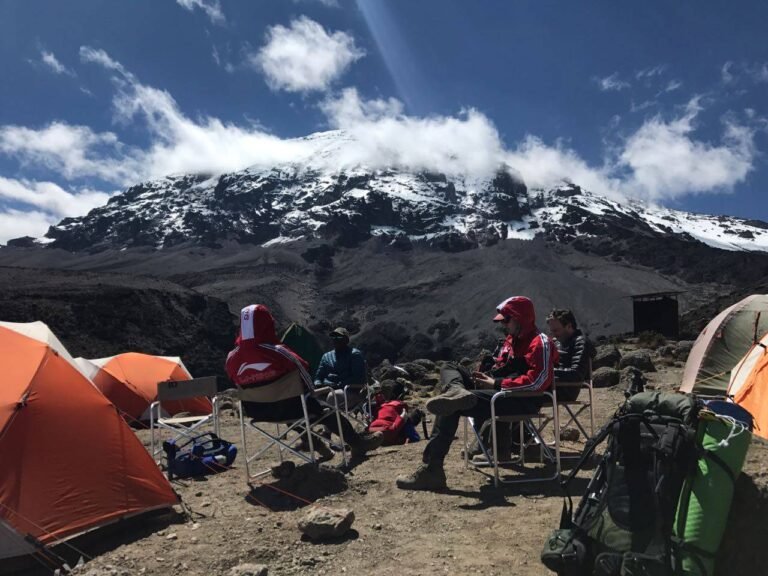
Rongai Route Kilimanjaro April : Your Northern-Side Rainy Season Trek 2027
start your Kilimanjaro adventure via the Rongai Route in April 2027. This guide details the northern-side experience during the shoulder rainy season, offering practical insights for...
View package details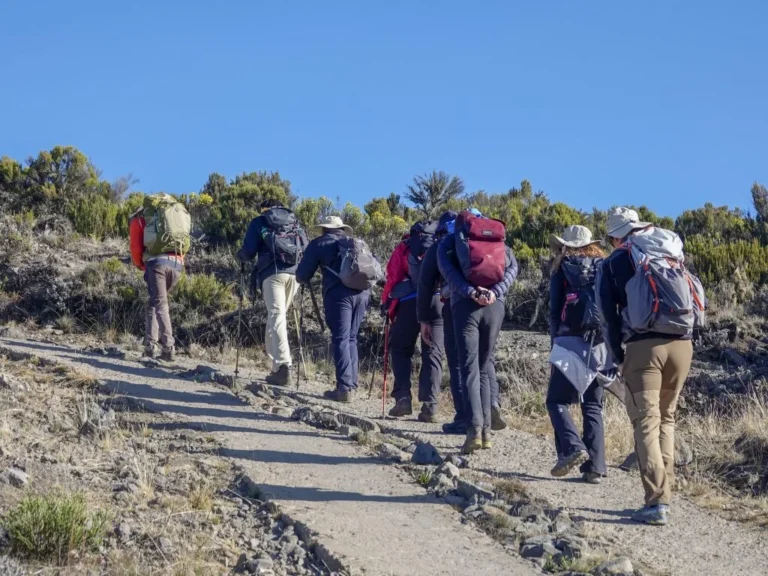
Late March Kilimanjaro – Rainy-Season Route Choices 2027
Late March Kilimanjaro 2027 – Rainy-Season Route Choices is explained with current 2027 planning, price, itinerary and booking information.
View package details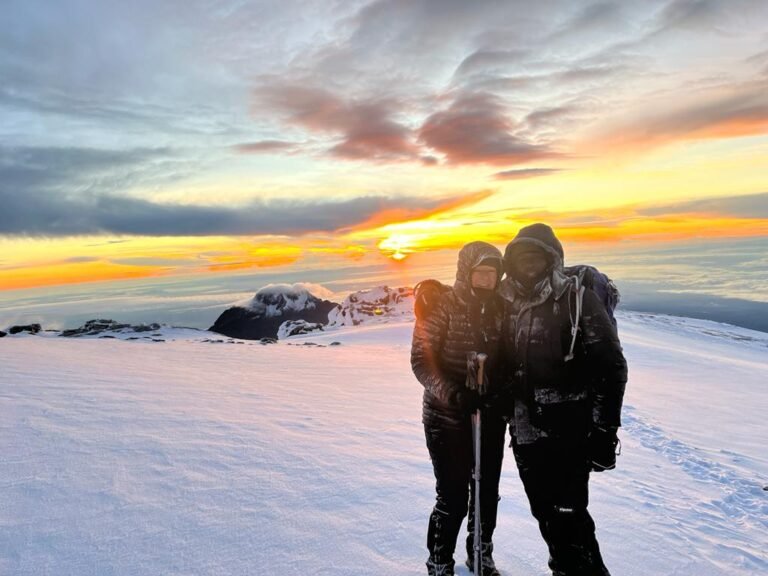
Solo Traveller Kilimanjaro July – Groups With Available Seats 2027
Solo Traveller Kilimanjaro July 2027 – Groups With Available Seats is explained with current 2027 planning, price, itinerary and booking information.
View package details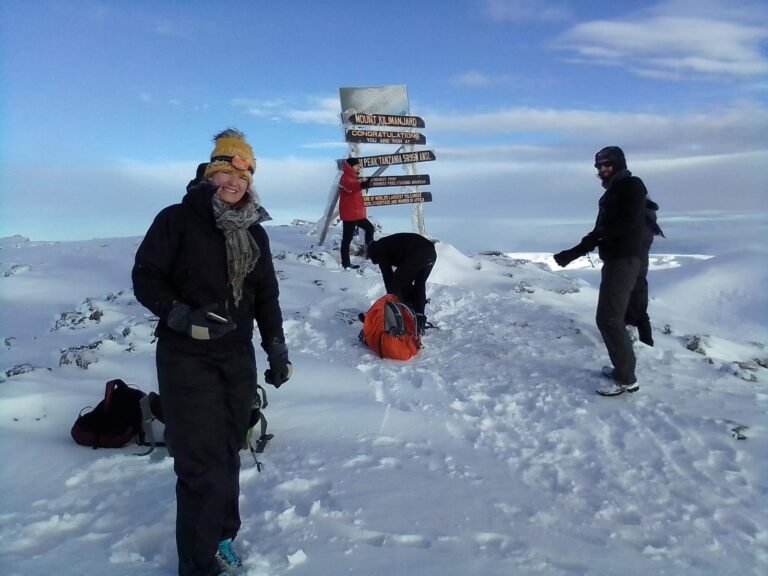
Solo Traveller Kilimanjaro February : Join International Groups For Your Climb
start your solo Kilimanjaro adventure in February 2027 by joining an international group. This guide helps solo travelers find suitable expeditions, understand the benefits of group climbs...
View package detailsSolo Traveller Kilimanjaro January – Confirmed Groups To Join 2026-2027
Solo Traveller Kilimanjaro January 2027 – Confirmed Groups to Join is explained with current 2026-2027 planning, price, itinerary and booking information.
View package details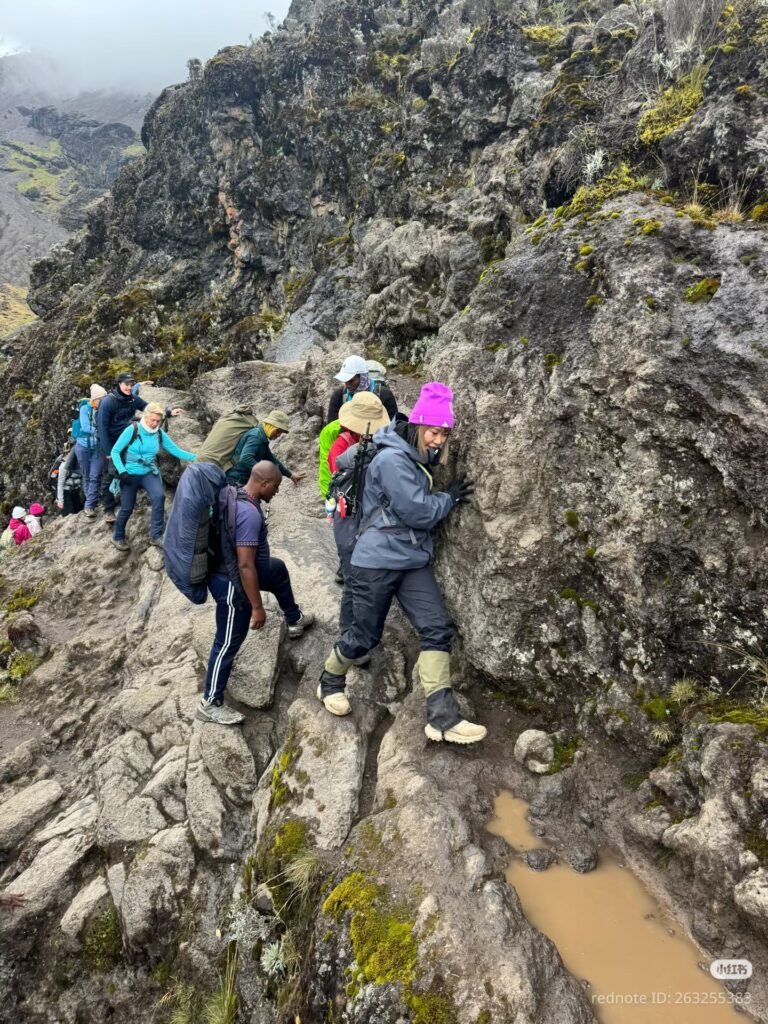
Solo Traveller Kilimanjaro Christmas : How To Join A Group Climb 2026-2027
Embarking on a solo Kilimanjaro climb during Christmas 2026 offers a unique festive experience. This guide helps solo travelers find and join suitable groups for a safe and memorable...
View package details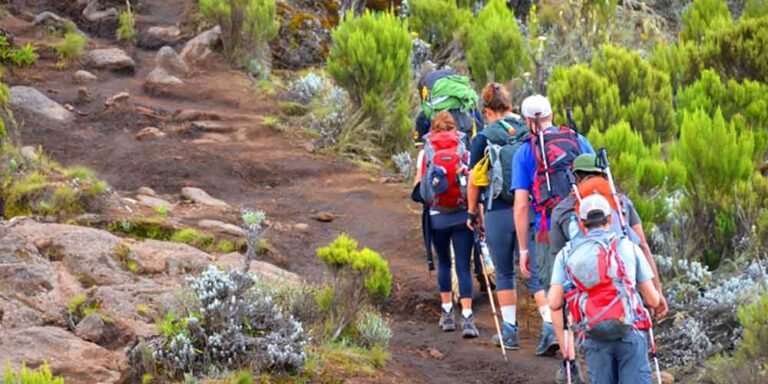
Northern Circuit – 10 July Dry-Season Expedition: Your Ultimate Kilimanjaro
Plan your Northern Circuit expedition for July 10, 2027. This dry-season adventure offers the most scenic and gradual ascent on Kilimanjaro, maximizing acclimatization and success rates.
View package detailsKilimanjaro Climb July – Peak Dry-Season Group Departures 2027
Kilimanjaro Climb July 2027 – Peak Dry-Season Group Departures is explained with current 2027 planning, price, itinerary and booking information.
View package details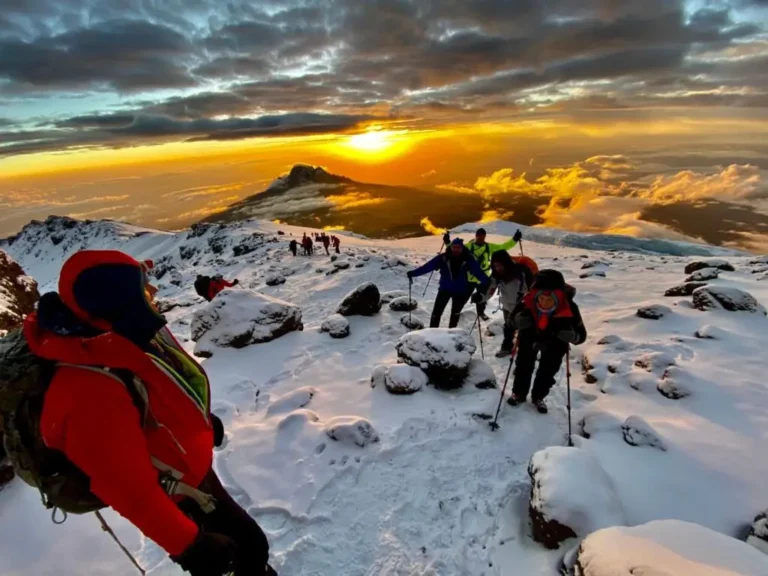
Marangu Route – 26 June Kilimanjaro Group Climb 2027
Marangu Route – 26 June 2027 Kilimanjaro Group Climb is explained with current 2027 planning, price, itinerary and booking information.
View package details7 Day Machame Route – 19 June Kilimanjaro Group Departure 2027
Planning to climb Kilimanjaro on the Machame Route in a group setting? This 7-day departure on June 19, 2027, offers a balanced approach to acclimatization and scenery. Learn what to...
View package detailsNo related package matches those filters. Clear one or more filters to see the other topic-matched options.



