
A Southern Serengeti Conservation Safari focuses on experiencing the vast, open plains of the Serengeti National Park’s southern sector, renowned for its predator-prey dynamics, significant birdlife, and crucial role in the Great Migration, while actively supporting conservation initiatives through responsible tourism practices. These safaris are ideal for travelers seeking an authentic wildlife encounter during the calving season (typically December to March) or the build-up to the migration’s return north, offering opportunities to witness large herds and observe critical ecological processes with a mindful approach to minimizing impact and contributing to local conservation efforts, especially as planning for 2026 and 2027 safaris becomes more detailed.

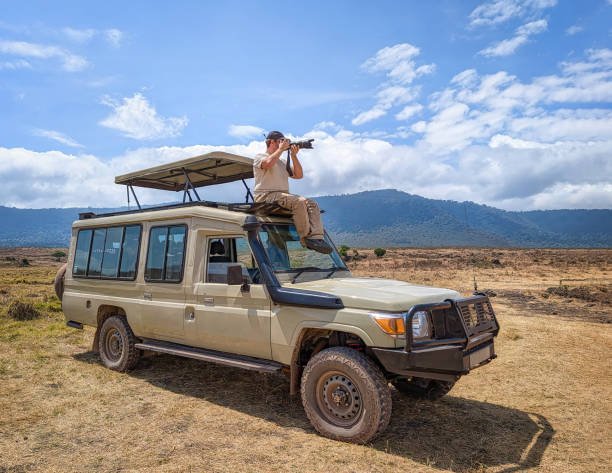
Understanding the Southern Serengeti Conservation Safari
The Southern Serengeti Conservation Safari is more than just a wildlife viewing trip; it’s an opportunity to engage with one of Africa’s most vital ecosystems in a way that benefits its long-term health and the communities that depend on it. Unlike safaris focused purely on ticking off sightings, this approach emphasizes understanding the delicate balance of nature, the challenges of wildlife protection, and the role of tourism in supporting these efforts. The southern plains, often less crowded than the central or northern regions, offer a more intimate and profound connection with the landscape and its inhabitants.
This type of safari typically involves staying in eco-lodges or tented camps that have strong environmental policies, employing local guides who possess deep knowledge of the area’s ecology and conservation issues, and often contributing a portion of your tour cost directly to local conservation projects. For travelers planning their adventures for 2026 and 2027, understanding these nuances is key to selecting an experience that aligns with their values and provides a truly meaningful journey. It’s about witnessing the raw beauty of the Serengeti while being an active participant in its preservation.
Why Choose the Southern Serengeti for Conservation?
The southern Serengeti is a natural choice for a conservation-focused safari due to its unique ecological characteristics and its critical role in the broader Serengeti-Mara ecosystem. This region is a dynamic stage for some of the most dramatic wildlife events on the planet, providing a living laboratory for conservationists and an unforgettable spectacle for visitors.
### Seasonal Highlights and Wildlife Encounters
The southern plains are most famous for hosting the dramatic calving season of the wildebeest and zebra migration, usually from late December through March. This period is a magnet for predators, making it an exceptional time for observing lion prides, cheetahs, and hyenas in action. The lush, short-grass plains provide ample grazing, supporting vast numbers of herbivores. Beyond the migration, the southern Serengeti is a year-round haven for resident wildlife, including elephants, giraffes, buffaloes, and a staggering variety of birdlife. The open landscapes offer excellent visibility, enhancing the thrill of spotting game.
### Conservation Focus and Impact
Choosing the southern Serengeti for a conservation safari means directly engaging with areas where conservation efforts are most critical. The Serengeti National Park is a UNESCO World Heritage Site, and its management involves continuous monitoring, anti-poaching patrols, and research into wildlife behavior and habitat health. Many lodges and tour operators in this region partner with conservation organizations, contribute to anti-poaching units, or fund community development projects. By selecting a safari that emphasizes these aspects, travelers can feel confident that their visit is contributing positively to the protection of this iconic wilderness.
### The Great Migration in the South
The southern Serengeti is the heart of the Great Migration’s life-giving cycle for a significant portion of the year. From roughly December to March, millions of wildebeest, zebras, and gazelles gather here to give birth. This phenomenon, known as the calving season, is an astonishing display of nature’s abundance and vulnerability. Witnessing thousands of newborn calves taking their first steps on these ancient plains, with predators lurking nearby, is a profound experience. For those interested in the mechanics of this natural wonder and its conservation implications, the southern Serengeti is unparalleled. Planning for 2026 and 2027 trips during these months offers the best chance to witness this spectacle.
Planning Your Southern Serengeti Conservation Safari
Planning a conservation safari to the Southern Serengeti requires careful consideration of timing, logistics, and the type of experience you seek. The goal is to maximize wildlife viewing opportunities while ensuring your travel choices support conservation goals.
### Best Time to Visit: 2026-2027 Considerations
The optimal time for a Southern Serengeti Conservation Safari largely depends on what you wish to see. For the iconic calving season and the associated predator activity, the period from **December to March** is unparalleled. This is when the wildebeest herds are concentrated in the south, giving birth. This period is also within the ‘green season,’ meaning lush landscapes and potentially fewer crowds than the peak dry season, though occasional rain showers are common.
If your interest lies more in observing resident wildlife and experiencing the vastness of the plains with the possibility of seeing the migration’s early movements or late departures, the shoulder months like **April, May, and November** can also be excellent. These periods often offer good game viewing, fewer visitors, and potentially better rates for accommodation. For those planning ahead for 2026 and 2027, booking well in advance for the December-March period is highly recommended due to its popularity, especially for lodges with strong conservation ties.
### Itinerary Options and Duration
A typical Southern Serengeti Conservation Safari might range from **3 to 7 days**. A shorter trip (3-4 days) allows for a focused experience on the southern plains, often based around a single lodge or camp. A longer itinerary (5-7 days or more) provides the opportunity to explore different areas within the southern sector, perhaps including nearby regions like the Ngorongoro Conservation Area or the vast Selous Game Reserve (now Nyerere National Park) for a broader Tanzanian conservation experience. For a truly in-depth exploration, combining the southern Serengeti with other parts of the park or nearby conservation areas is a popular choice for travelers in 2026-2027.
Itineraries often include game drives in open-sided 4×4 safari vehicles, guided bush walks (where permitted and safe, offering a different perspective on the environment), and sundowners in scenic locations. Some operators may also include visits to local communities or conservation project sites, adding an educational dimension.
### Accommodation Styles and Conservation Ties
Accommodation is a crucial element of a conservation safari. You’ll find a range of options, from luxurious tented camps to more rustic, eco-friendly lodges. The key is to look for properties that demonstrate a genuine commitment to sustainability. This includes:
* Waste Management: How do they handle waste, especially plastic?
* Energy Use: Are they using solar power or other renewable energy sources?
* Water Conservation: What measures are in place to reduce water consumption?
* Local Employment: Do they hire and train staff from local communities?
* Conservation Contributions: Do they partner with or donate to local conservation organizations?
Many high-end lodges in the Southern Serengeti are built with minimal environmental impact and actively fund conservation initiatives. For instance, lodges operating in or near protected areas often work closely with park authorities on anti-poaching patrols or wildlife monitoring. When booking for 2026 or 2027, inquire specifically about these practices.
### Logistics and Transport
Accessing the Southern Serengeti typically involves flying into Kilimanjaro International Airport (JRO) or Arusha Airport (ARK). From there, you’ll usually take a light aircraft flight directly to a local airstrip within or near the southern Serengeti (e.g., Seronera Airstrip, although closer options to the south exist). These flights are scenic and save considerable travel time compared to driving.
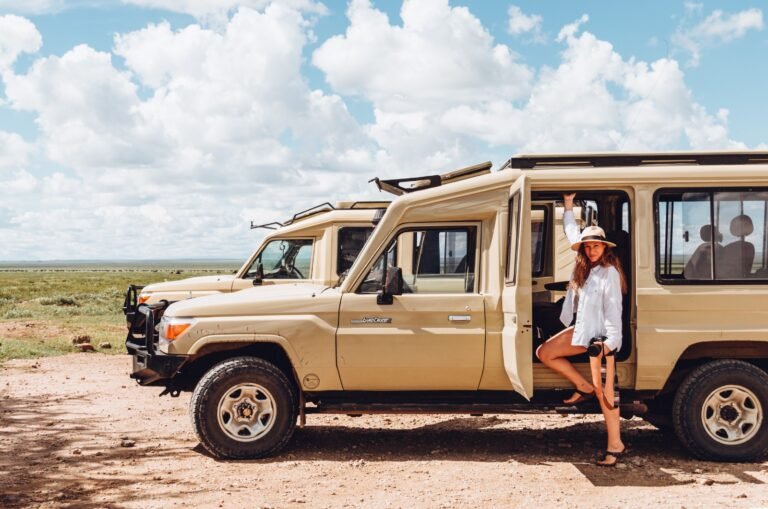
Once you land, your chosen safari operator will meet you for game drives in custom-built 4×4 safari vehicles. These vehicles are essential for navigating the terrain and offering excellent viewing opportunities. The expertise of your driver-guide is paramount; they are not just drivers but knowledgeable naturalists who understand wildlife behavior and the best locations for sightings. Ensure your operator uses well-maintained vehicles and experienced, certified guides. For 2026-2027 travel, booking these internal flights and vehicle arrangements with your tour operator simplifies the process significantly.
### What to Pack for a Conservation Safari
Packing for a conservation safari is similar to any Serengeti trip, with an emphasis on practicality and minimizing your environmental footprint.
* Clothing: Neutral-colored, lightweight, breathable clothing is best. Think khaki, olive green, or beige. Avoid bright colors and dark blue/black, which can attract insects. Layers are essential as mornings and evenings can be cool, while midday can be warm.
* Footwear: Comfortable walking shoes or hiking boots are useful, though most game viewing is done from vehicles. Sandals are good for camp.
* Sun Protection: A wide-brimmed hat, sunglasses, and high SPF sunscreen are vital.
* Insect Repellent: Especially important for evenings and early mornings.
* Binoculars: Essential for spotting distant wildlife and birds. High-quality optics make a significant difference.
* Camera: With extra batteries and memory cards. A telephoto lens is highly recommended.
* Reusable Water Bottle: To minimize plastic waste.
* Headlamp or Torch: Useful for navigating camp at night.
* Personal First-Aid Kit: With any personal medications.
Many lodges provide amenities, but it’s always wise to check in advance. Consider packing light, as most internal flights have strict baggage weight limits (typically 15kg in soft bags).
Ethical Wildlife Viewing and Conservation Etiquette
Ethical wildlife viewing is the cornerstone of a conservation safari. It’s about ensuring that our presence does not disturb wildlife or their habitat and that we contribute positively to their protection.
### Minimizing Your Footprint
* Stay on Designated Tracks: Off-road driving can damage fragile vegetation and disturb animals. Always follow your guide’s instructions.
* Respect Wildlife Distance: Maintain a safe and respectful distance from all animals. Never feed wildlife, as it disrupts their natural behavior and can make them dependent or aggressive.
* Keep Noise Levels Down: Loud noises can stress animals. Enjoy the natural sounds of the bush.
* Avoid Littering: Pack out everything you pack in. Even organic waste can take a long time to decompose in some environments.
* Choose Eco-Conscious Lodges: As mentioned, select accommodations with proven sustainability practices.
### Supporting Local Communities and Research
A true conservation safari extends beyond wildlife to encompass the human element. Supporting local communities is vital for the long-term success of conservation efforts. This can involve:
* Purchasing Local Crafts: Buy souvenirs directly from artisans, ensuring fair prices.
* Visiting Community Projects: If your itinerary includes community visits, engage respectfully and learn about their lives.
* Supporting Lodges that Employ Locally: Choose operators and accommodations that prioritize hiring and training local Tanzanians.
* Contributing to Research: Some safaris may offer opportunities to learn about or even participate in ongoing research projects, such as wildlife monitoring or data collection.
### Choosing a Responsible Tour Operator
Selecting a tour operator like Climb 4 Africa is crucial for ensuring your safari aligns with conservation principles. Look for operators who:
* Are locally based: They often have a deeper understanding of local conservation challenges and community needs.
* Have clear environmental policies: Ask about their sustainability practices.
* Employ knowledgeable, certified guides: Guides are your educators and gatekeepers of ethical practices.
* Partner with conservation organizations: This demonstrates a tangible commitment.
* Offer transparent pricing: Understand what your money is contributing to.
For your 2026 or 2027 safari, engaging with operators who can detail their conservation partnerships and practices will ensure a more impactful trip. You can reach Climb 4 Africa at WhatsApp +255 747 477 898 or Email climb4africa@gmail.com to discuss your conservation safari plans.
Key Wildlife Species and Ecosystems of the South
The Southern Serengeti is a mosaic of habitats that support an incredible diversity of life. Understanding these ecosystems and their inhabitants is key to appreciating the conservation efforts underway.
### Predators of the Plains
The southern plains are a prime hunting ground for Africa’s big cats. Lion prides are abundant, often found resting under acacia trees or stalking herds on the open grasslands. Cheetahs, the fastest land animals, are frequently seen on the open plains, using their speed to hunt gazelles. Hyena clans are also a significant presence, playing a crucial role as scavengers and predators. Leopards, though more elusive, can be found in wooded areas.
### Herbivores and the Migration
During the calving season (December-March), the southern Serengeti teems with millions of wildebeest, zebras, and Thomson’s gazelles. These vast herds are the lifeblood of the ecosystem, their grazing shaping the landscape and providing sustenance for predators. Other herbivores like buffaloes, giraffes, and various antelope species are resident year-round, adapting to the seasonal changes in vegetation and water availability.
### Avian Treasures
The southern Serengeti is a birdwatcher’s paradise. Its diverse habitats support over 500 species of birds. Look out for ostriches, secretary birds, kori bustards (among the heaviest flying birds), various eagles, vultures, and numerous smaller species like weaver birds and sunbirds. The presence of diverse birdlife is often an indicator of a healthy ecosystem.
### Unique Habitats and Vegetation
The southern Serengeti is characterized by vast, treeless grasslands, interspersed with kopjes (rocky outcrops) and scattered acacia trees. These short-grass plains are ideal for the grazing animals, particularly during the wet season when the grass is lush and nutritious. The kopjes provide essential elevated vantage points for predators and shelter for smaller animals. The seasonal rivers and waterholes are critical, especially during drier periods, concentrating wildlife and creating focal points for observation.
Making a Difference Through Your Safari
A Southern Serengeti Conservation Safari offers tangible ways to contribute to wildlife protection and community well-being. It’s about making informed choices that have a positive ripple effect.
### Conservation Partnerships and Contributions
Many reputable tour operators and lodges in the Serengeti actively partner with conservation organizations. These partnerships can take many forms:
* Financial Support: A portion of your safari cost may be donated directly to projects focused on anti-poaching, habitat restoration, or wildlife research.
* In-Kind Support: Lodges might provide logistical support to rangers, contribute to the maintenance of park roads, or assist with research initiatives.
* Awareness Campaigns: Educating visitors about conservation issues is a key component.
When planning for 2026-2027, ask your tour operator about their specific conservation partnerships. Climb 4 Africa, for example, is committed to supporting local conservation efforts and can guide you toward experiences that align with these values. You can inquire further via WhatsApp +255 747 477 898 or Email climb4africa@gmail.com.
### Citizen Science and Volunteer Opportunities
While full-scale volunteer programs might require longer commitments, some safaris offer opportunities for ‘citizen science.’ This can include:
* Wildlife Identification: Assisting guides in identifying and recording sightings of specific animals.
* Camera Trap Monitoring: Learning about how camera traps are used for research.
* Habitat Assessment: Observing and noting changes in vegetation or water sources.
These activities add an educational layer to your trip and contribute valuable data to ongoing conservation efforts. Even simply being an observant and informed traveler helps raise awareness.
### Understanding Conservation Challenges
During your safari, take the opportunity to learn about the challenges facing the Serengeti. These include:
* Poaching: While significant efforts are made, poaching remains a threat.
* Human-Wildlife Conflict: As human populations grow, interactions between people and wildlife can become problematic.
* Habitat Degradation: Overgrazing in surrounding areas and climate change can impact the ecosystem.
* Tourism Impact: Managing the influx of tourists sustainably is an ongoing challenge.
An informed traveler is a more responsible traveler. By understanding these issues, you can better appreciate the work being done and make choices that support long-term solutions.
Booking Your 2026-2027 Southern Serengeti Safari
Booking a Southern Serengeti Conservation Safari for 2026 or 2027 requires proactive planning, especially if you aim for peak seasons like the calving period. Early booking is essential to secure preferred accommodations and flights, as the most sought-after eco-lodges and camps tend to fill up months, sometimes even a year, in advance. When contacting operators, be clear about your interest in conservation and ask specific questions about their practices, partnerships, and how your safari contributes to the region’s protection.
Climb 4 Africa specializes in creating tailor-made Tanzanian travel experiences that emphasize responsible tourism and authentic wildlife encounters. Their local expertise ensures that your itinerary is not only spectacular but also ethically sound. To discuss your ideal Southern Serengeti Conservation Safari for 2026-2027, including specific conservation elements you wish to support, or to explore custom itineraries, reach out to their team. You can connect with them directly via WhatsApp at +255 747 477 898 or send an email to climb4africa@gmail.com. They can help craft an unforgettable journey that aligns with your passion for wildlife and conservation.
Check Availability for Southern Serengeti Conservation Safari: A Deeper Dive For 2026-2027
Ready to compare dates, prices, and the best option for your group? Send the package name and travel month so the team can reply with a clear quote, availability, and what is included.
Afcon Private Serengeti Safari With Lodges
AFCON 2027 Private Serengeti Safari with Lodges.
View package detailsAfcon Luxury Serengeti Safari Packages
AFCON 2027 Luxury Serengeti Safari Packages.
View package details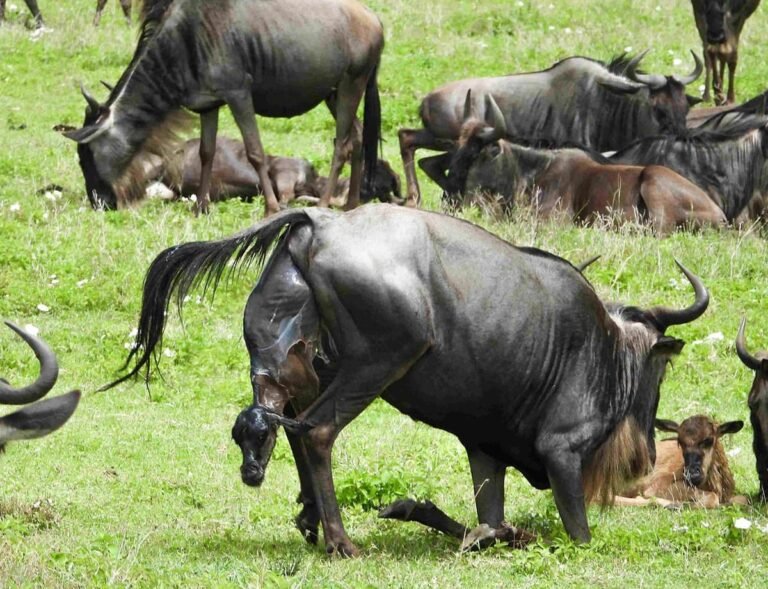
Serengeti Great Migration Safari During AFCON 2027
Mwongozo wa kina kwa safari ya Serengeti Great Migration wakati wa AFCON 2027, ukilenga kuelewa maeneo, kipindi cha mwendo wa mnyama, na mapendekezo ya mipango ya kiutendaji.
View package details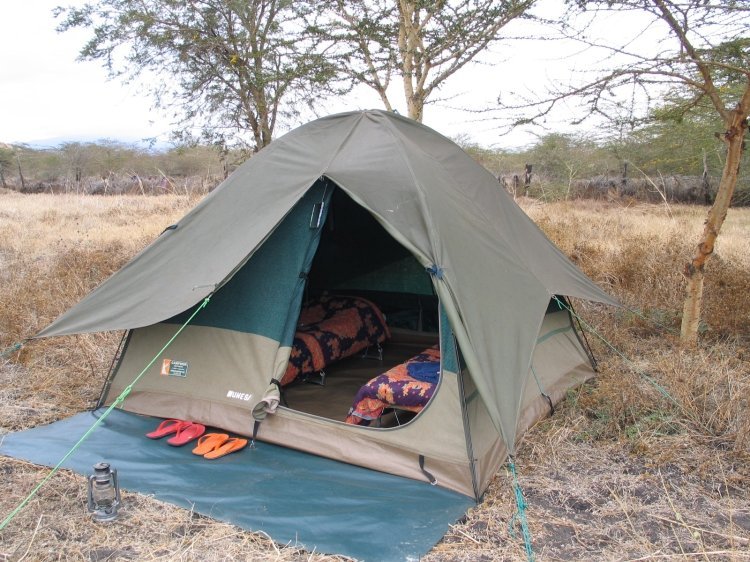
Four Day Serengeti na Ngorongoro Safari During AFCON 2027
Mwongozo wa safari ya siku 4 kwenye Serengeti na Ngorongoro wakati AFCON 2027; jinsi ya kupanga, nini cha kujali, na jinsi ya kuandaa,”
View package detailsThree Day Serengeti Safari During AFCON 2027
Mwongozo wa kiutendaji kwa safari ya siku tatu ya Serengeti wakati AFCON 2027, ukijumuisha mwelekeo wa maeneo, ratiba ya siku, na ushauri wa ubashiri wa kupanga pamoja na jinsi ya...
View package details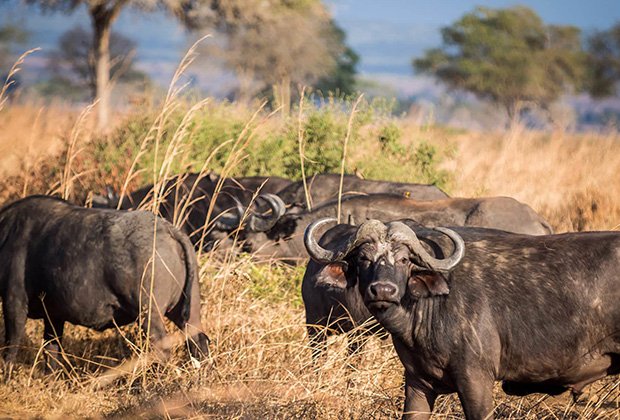
Dec 24, – 3 Day Christmas Serengeti And Ngorongoro Group Safari
Dec 24, 2026 – 3 Day Christmas Serengeti and Ngorongoro Group Safari.
View package details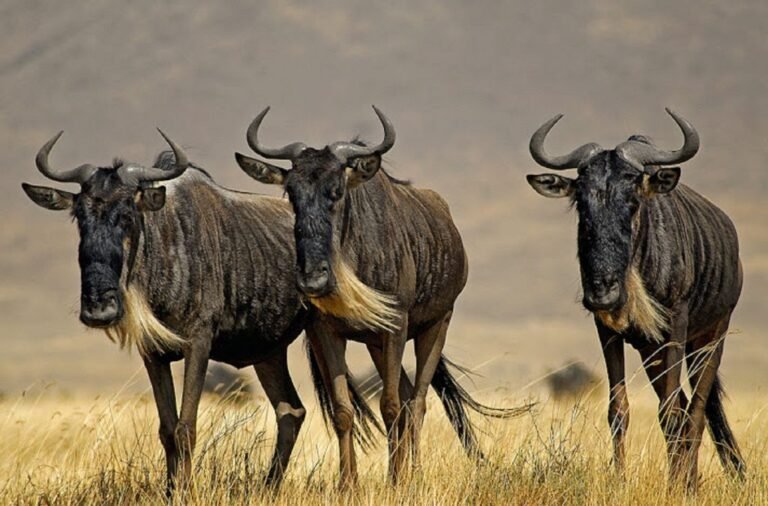
Nov 23, – 3 Day Serengeti And Ngorongoro Safari From Zanzibar
Nov 23, 2026 – 3 Day Serengeti and Ngorongoro Safari from Zanzibar.
View package details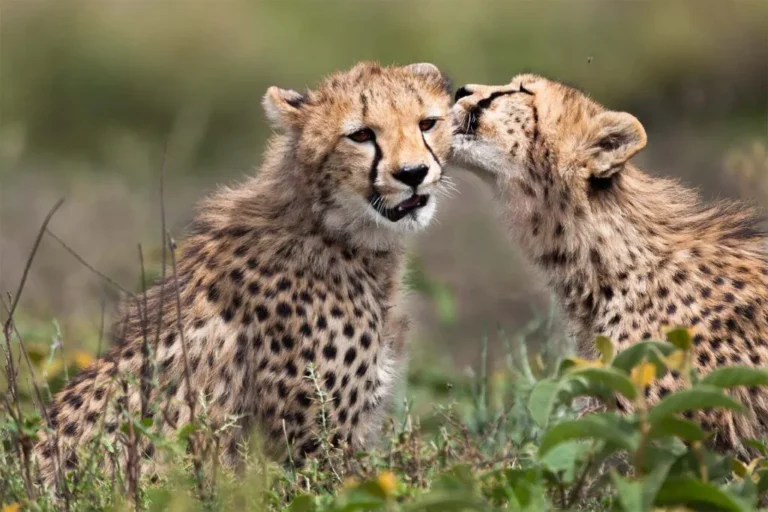
Dec 31, : New Year’s Eve Serengeti Group Safari Planning Guide
This guide provides essential planning details for a group safari trip to the Serengeti for New Year's Eve 2026, covering logistics, seasonal highlights, and what to expect.
View package details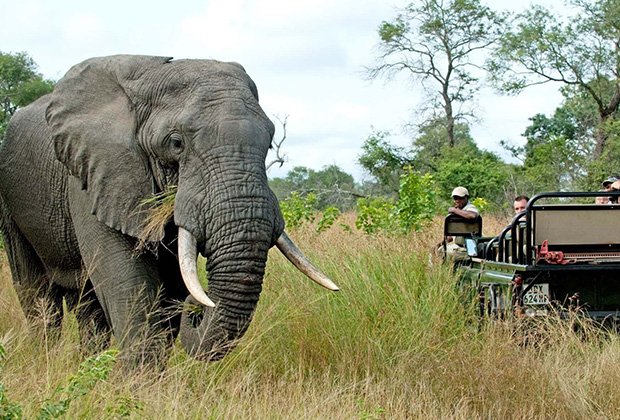
I Am On A Budget—What Is The Cheapest Serengeti Group Safari?
I Am on a Budget—What Is the Cheapest Serengeti Group Safari?
View package details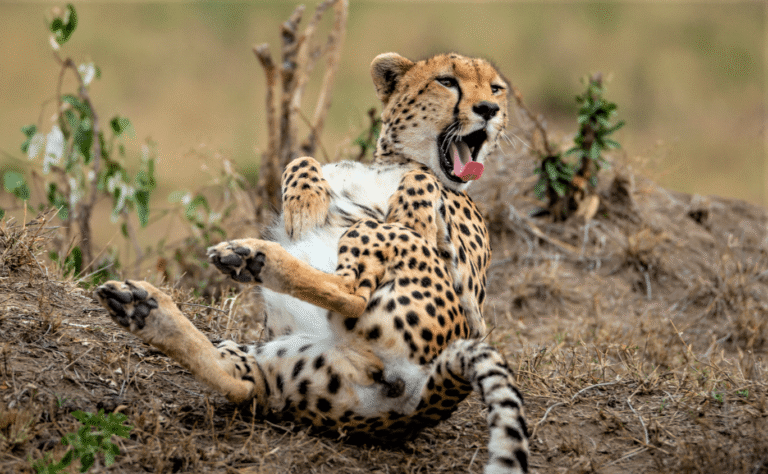
Dec 29, – 6 Day Ndutu, Serengeti And Ngorongoro Group Safari 2026
A detailed guide to our 6-day group safari departure on December 29, 2026, focusing on the Ndutu plains, the Serengeti, and the Ngorongoro Crater.
View package details8 Day Serengeti And Ngorongoro Group Safari – December 16, 2026
Planning your December 2026 Tanzanian adventure? Our 8-day group safari offers a deep, unhurried exploration of the Serengeti and Ngorongoro Crater.
View package detailsDec 12, – 6 Day Serengeti, Ngorongoro, Tarangire And Manyara Group Safari 2026
Dec 12, 2026 – 6 Day Serengeti, Ngorongoro, Tarangire and Manyara Group Safari.
View package detailsNo related package matches those filters. Clear one or more filters to see the other topic-matched options.



