
A Central Western Tanzania safari offers an unparalleled adventure into some of Africa’s most remote and biodiverse wilderness, primarily focusing on Katavi National Park for its vast plains teeming with wildlife and Mahale Mountains National Park for its iconic chimpanzee trekking. These destinations provide a stark contrast to the more frequented northern circuit, appealing to travelers seeking exclusivity, raw nature, and profound wildlife experiences, with optimal planning for 2026-2027 involving careful consideration of flight logistics, seasonal access, and unique accommodation options.
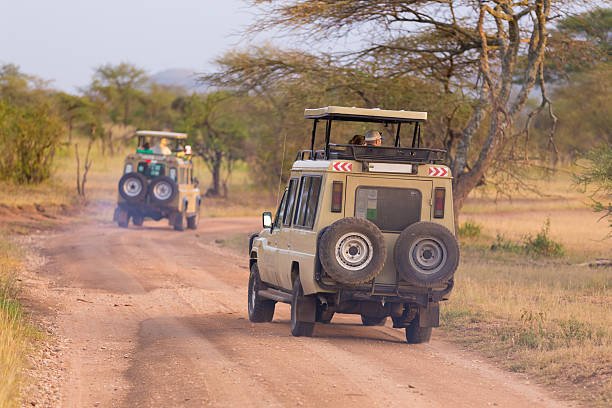
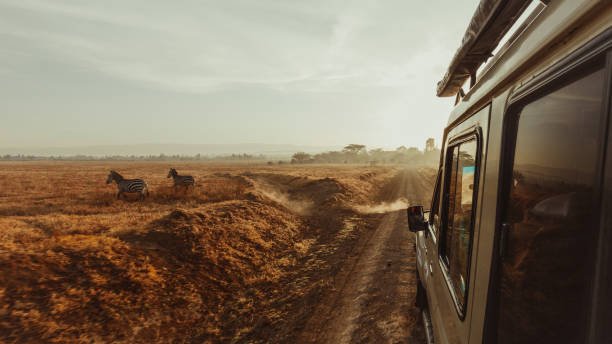
Understanding Central Western Tanzania Safaris
When most travelers envision a Tanzanian safari, their minds often go straight to the famous Northern Circuit: Serengeti, Ngorongoro Crater, Tarangire, and Lake Manyara. These parks are undeniably spectacular and offer incredible wildlife viewing. However, for the seasoned traveler or those seeking an experience that feels truly wild, untouched, and exclusive, the western and central-western regions of Tanzania beckon. This is where the concept of a Central Western Tanzania Safari comes into play. It’s not a single park or a defined circuit in the same way the north is, but rather a designation for safaris that explore the less-visited, remote wilderness areas of Tanzania, predominantly Katavi National Park and Mahale Mountains National Park, and sometimes extending to parks like Ruaha or Selous (though these are often considered Southern Tanzania).
These western parks offer a different kind of magic. They are characterized by their vast, untamed landscapes, lower visitor numbers, and unique wildlife concentrations that can be mind-blowing, especially during the dry season. A safari here is an investment in a truly authentic African wilderness experience, demanding more intricate planning due to their remoteness but rewarding visitors with a profound sense of discovery and solitude. For 2026 and 2027, planning for these destinations requires early booking and a keen eye on seasonal accessibility, as they are best visited during specific months.
Why Choose Central Western Tanzania for Your Safari?
Opting for a Central Western Tanzania safari is a deliberate choice for travelers who want to step beyond the well-trodden paths. It’s about trading high-volume tourism for high-quality, intimate encounters with nature. The allure lies in several key factors that set these regions apart:
Unrivaled Remoteness and Exclusivity
Unlike the Northern Circuit, which can see significant tourist traffic, especially during peak seasons, Central Western Tanzania’s parks are sparsely visited. This means you’re likely to have vast stretches of wilderness all to yourself, or share them with only a handful of other vehicles. The sense of being in a truly wild and untouched environment is palpable. This exclusivity is a major draw for those seeking peace, quiet, and a genuine connection with nature, without the constant presence of other safari-goers. For a 2026 or 2027 trip, this remoteness is a significant factor in the planning, as it dictates travel methods and the need for specialized operators.
Extraordinary Wildlife Sightings
While the Serengeti is famed for the Great Migration, Katavi National Park boasts some of the largest buffalo herds in Tanzania, often numbering in the thousands. It’s also a prime location for seeing elephants, hippos (in staggering numbers), lions, leopards, cheetahs, and a variety of antelopes. Mahale Mountains National Park is, of course, world-renowned for its habituated chimpanzee populations, offering an incredible opportunity for primate tracking. Beyond the headline acts, both parks are rich in birdlife and host a fascinating array of smaller mammals and reptiles. The density of animals in certain areas, particularly around waterholes during the dry season in Katavi, can be astonishing.
Unique Ecosystems and Landscapes
Central Western Tanzania presents a diverse mix of landscapes. Katavi is characterized by its expansive floodplains, miombo woodlands, and seasonal swamps that transform dramatically between the wet and dry seasons. The park’s iconic ‘baobab plains’ are a sight to behold. Mahale, on the other hand, is a dramatic mountainous rainforest that plunges down to the shores of Lake Tanganyika. The contrast between these two parks, and their distinct environments, offers a varied and rich safari experience. This geographical diversity means different wildlife viewing opportunities and requires varied approaches to exploration.
Authentic Off-the-Beaten-Path Experience
A safari in this region is an adventure in the truest sense. It requires a willingness to embrace the journey, which often involves light aircraft flights to remote airstrips, followed by game drives in less developed park areas. The lodges and camps here are typically smaller, more intimate, and designed to blend seamlessly with their environment. This is not a package-tour destination; it’s for those who appreciate rugged beauty, raw wildlife, and a sense of pioneering exploration. For 2026-2027 bookings, understanding this adventurous spirit is key to enjoying the experience.
Exploring the Gems: Katavi and Mahale National Parks
When we talk about a Central Western Tanzania Safari, the conversation almost always centers on two crown jewels: Katavi National Park and Mahale Mountains National Park. These parks, while geographically in the same general region, offer vastly different, yet equally compelling, safari experiences.
Katavi National Park: The Wild Heart
Often described as Tanzania’s most wild and remote park, Katavi National Park is a true wilderness haven. Its sheer size and isolation mean that visitor numbers are extremely low, preserving its raw, untamed character. The park is dominated by vast floodplains, acacia woodlands, and a network of seasonal rivers and lakes that become vital gathering points for wildlife as the dry season progresses.
Katavi Wildlife Highlights
Katavi is renowned for its staggering concentrations of wildlife, particularly during the dry season (roughly June to October). The floodplains of the Ikuu Plains and the Katuma River area become magnets for herbivores.
- Buffalo: Expect to see enormous herds, sometimes numbering in the thousands. It’s a truly awe-inspiring sight.
- Hippos: Katavi is famous for its hippo ‘baths,’ where hundreds, even thousands, of hippos congregate in the few remaining pools, often engaging in territorial disputes.
- Elephants: Large herds are common, especially near water sources.
- Lions: Katavi boasts a healthy lion population, and they are often seen hunting or resting on the plains. Tree-climbing lions are also a possibility here, though less common than in Lake Manyara.
- Leopards & Cheetahs: While more elusive than lions, they are present and sightings are possible, especially during dawn and dusk.
- Other Mammals: Giraffes, zebras, wildebeest, hartebeest, topi, impala, waterbuck, roan antelope, sable antelope, and wild dogs (though rare) are all found here.
- Birdlife: Katavi is a paradise for birdwatchers, with over 400 species recorded.
The drama of predator-prey interactions is a common spectacle in Katavi, making it a photographer’s dream and a wildlife enthusiast’s paradise. The sheer scale of animal movements is often overwhelming.
Best Time to Visit Katavi
The prime time for a Central Western Tanzania safari in Katavi is during the dry season, from June to October. During these months:
- Water sources diminish, concentrating animals in large numbers around the remaining rivers and lakes.
- Vegetation thins out, making wildlife easier to spot.
- Game drives are more accessible as roads dry out.
The shoulder months of May and November can also offer good viewing with fewer crowds, but expect some rain and potentially more challenging road conditions. The green season (roughly December to April) sees the park transform into a lush paradise, but wildlife disperses, and many camps close due to inaccessibility.
Katavi Accommodation Options
Accommodation in Katavi is limited, reflecting its remote nature. Options are typically high-end, fly-in lodges designed for exclusivity and comfort in a wild setting:
- Luxury Tented Camps: These offer spacious canvas tents with en-suite bathrooms, comfortable beds, and excellent service, providing a true ‘out of Africa’ feel. Examples include Chada Katavi or similar high-standard tented camps.
- Permanent Lodges: Some lodges offer more permanent structures with similar amenities, focusing on immersion in the environment.
All camps in Katavi are accessed by light aircraft, usually landing at the Katavi airstrip, followed by a short game drive to the lodge. Booking well in advance for 2026 or 2027 is crucial due to the limited availability of these exclusive properties.
Getting to Katavi
Reaching Katavi is part of the adventure. The most practical and common method is via a scheduled light aircraft charter flight from Arusha or Dar es Salaam, or connecting flights from other safari hubs like the Serengeti or Zanzibar. These flights typically land at the Katavi airstrip (KKT), from where your lodge will arrange a transfer. Driving to Katavi is possible but extremely time-consuming and challenging, requiring a 4×4 vehicle and significant off-road driving experience, making it impractical for most tourists.
Mahale Mountains National Park: Chimpanzee Paradise
located on the shores of the magnificent Lake Tanganyika, Mahale Mountains National Park is a world-renowned destination for chimpanzee trekking and impressive natural beauty. It’s a place where lush rainforests meet crystal-clear waters, offering a unique safari experience that combines primate encounters with lakeside relaxation.
Mahale Wildlife Highlights: Chimps and More
The star attraction in Mahale is undoubtedly the wild chimpanzees. The park is home to several habituated groups, allowing for intimate trekking experiences to observe their social dynamics, feeding habits, and playful interactions.
- Chimpanzees: Trekking for chimps is the primary activity. You’ll hike through the forest with experienced guides to find habituated groups. Up to 60 minutes is usually allowed for observation.
- Other Primates: You might also encounter red colobus monkeys, Angolan colobus, blue monkeys, and yellow baboons.
- Mammals: While not a traditional game-viewing park for large mammals like Katavi, Mahale does host small populations of elephants, buffalo, and antelopes, though sightings are rare and usually occur in the lower foothills.
- Birdlife: The park is rich in avian species, with many endemic birds found in the montane forests.
- Lake Tanganyika: The lake itself is a biodiversity hotspot, particularly for its cichlid fish. Boat trips offer opportunities for swimming, snorkeling, and enjoying the stunning sunsets over the water.
Mahale offers a profoundly different wildlife experience compared to Katavi, focusing on the incredible human-like behavior of chimpanzees in their natural habitat.
Best Time to Visit Mahale
The best time to visit Mahale for chimpanzee trekking and comfortable weather is during the dry season, from June to October. During these months:
- The forest trails are less muddy and easier to navigate.
- Humidity is lower, making trekking more pleasant.
- The lake is calmer, ideal for boat activities.
However, chimpanzees can be found year-round. The shoulder months of May and November can offer good experiences with fewer visitors. The rainy season (roughly December to April) can make trekking challenging due to muddy conditions and increased humidity, and some camps may have limited operations.
Mahale Accommodation Options
Mahale’s accommodation is as unique as its location, with camps often situated directly on the shores of Lake Tanganyika.
- Luxury Lodges/Camps: These typically offer comfortable chalets or bungalows with stunning lake views and direct beach access. Think of places like Greystoke Mahale or Kungwe Beach Lodge, known for their exceptional locations and service.
- Mid-Range Options: While luxury is dominant, some camps might offer slightly more rustic but still comfortable accommodations.
Similar to Katavi, accommodation in Mahale is limited and requires booking far in advance, especially for prime dates in 2026 and 2027.
Getting to Mahale
Access to Mahale is primarily by light aircraft charter flights. Most flights depart from Arusha or Dar es Salaam, often with a stopover in Kigoma (the nearest major town). Some itineraries might include flights from Katavi or other safari airstrips. Upon landing at the Mahale airstrip, you’ll typically be transferred to your lodge by boat across the lake, a beautiful introduction to the park’s setting.
Planning Your Central Western Tanzania Safari (2026-2027)
Organizing a safari to Central Western Tanzania requires a different approach than planning for the more established Northern Circuit. The remoteness and specialized nature of these destinations mean that meticulous planning is essential. Here’s what you need to consider for your 2026 or 2027 adventure:
Logistics and Accessibility: The Main Challenge
This is the most significant hurdle. Unlike the Northern Circuit, where road travel between parks is common, Central Western Tanzania relies heavily on light aircraft flights.
- Flight Schedules: Flights are often scheduled on specific days of the week and are weather-dependent. This dictates your itinerary’s flow and flexibility.
- Connecting Flights: You’ll likely need to fly from major hubs like Arusha or Dar es Salaam. Sometimes, it’s possible to fly between Katavi and Mahale, but this needs careful coordination and can be costly.
- Airstrip Transfers: Once you land, your lodge will arrange a transfer, usually a game drive or a boat transfer, to reach your accommodation.
- Time and Cost: Flights add significant cost and travel time to your safari, but they are indispensable for accessing these remote areas efficiently.
For 2026-2027 travel, booking these flights early is paramount, as seats are limited. Climb 4 Africa specializes in managing these complex flight logistics.
Safari Duration and Itinerary Ideas
Given the travel time and remoteness, it’s advisable to allocate a substantial amount of time for a Central Western Tanzania safari.
- Minimum Duration: A minimum of 7-10 days is recommended to experience both Katavi and Mahale comfortably, including travel time.
- Sample Itinerary (10 Days):
- Day 1: Arrive Kilimanjaro International Airport (JRO), transfer to Arusha.
- Day 2: Fly from Arusha to Katavi airstrip, transfer to lodge, afternoon game drive.
- Day 3-4: Full days exploring Katavi National Park (game drives).
- Day 5: Fly from Katavi to Mahale airstrip, transfer to lodge (boat), afternoon lake activity.
- Day 6-8: Chimpanzee trekking, hiking, lake activities in Mahale.
- Day 9: Fly from Mahale to Arusha/Dar es Salaam, overnight.
- Day 10: Depart.
- Focusing on One Park: If time or budget is a constraint, dedicating 4-5 days to either Katavi or Mahale can still provide an incredible experience. For instance, a 5-day Katavi safari focuses purely on its vast wildlife plains, while a 5-day Mahale trip allows for in-depth chimpanzee encounters and lake exploration.
Customizing itineraries for 2026 or 2027 is key, and working with an expert operator ensures you maximize your time and experience.
Accommodation Styles and Considerations
Accommodation in Central Western Tanzania is typically of a high standard, focusing on luxury and immersion.
- Fly-in Lodges: Expect well-appointed tents or bandas (bungalows) with en-suite facilities, comfortable furnishings, and often spectacular views.
- All-Inclusive: Most lodges operate on an all-inclusive basis, covering meals, local drinks, and scheduled activities (game drives, walks, boat trips, chimpanzee trekking permits).
- Exclusivity: Lodges are generally small, ensuring a private and intimate atmosphere.
- Environmental Integration: Camps are designed to minimize their environmental impact and blend with the natural surroundings.
When booking for 2026-2027, consider what level of comfort and service you prefer. The unique setting of each lodge often provides an experience in itself.
What to Pack for a Remote Safari
Packing for a Central Western Tanzania safari requires careful consideration, especially given the light aircraft travel (which has strict luggage weight limits, usually 15-20kg per person in soft-sided bags).
- Clothing: Neutral-colored, lightweight clothing (khaki, beige, green) is best for game drives. Include long-sleeved shirts and trousers for sun and insect protection, especially for trekking in Mahale. Pack layers for cooler mornings and evenings.
- Footwear: Comfortable, broken-in walking shoes or hiking boots are essential for Mahale. For game drives, sturdy trainers or walking shoes are sufficient.
- Sun Protection: High SPF sunscreen, a wide-brimmed hat, and sunglasses are vital.
- Insect Repellent: Especially important for evenings and in Mahale.
- Camera Gear: Extra batteries, memory cards, and a good zoom lens are recommended. Consider a waterproof bag for protection.
- Binoculars: Essential for spotting wildlife at a distance.
- Personal Items: Basic first-aid kit, any personal medications, hand sanitizer, and a headlamp or flashlight.
- Documents: Passport, visa, flight details, insurance information, and vaccination records.
Always check with your tour operator for specific packing recommendations tailored to your chosen lodges and activities for 2026-2027 trips.
Health and Safety Precautions
Health and safety are paramount when traveling to remote areas.
- Malaria: Both Katavi and Mahale are in malaria-endemic areas. Consult your doctor about malaria prophylaxis and take precautions against mosquito bites (repellent, long sleeves/trousers).
- Yellow Fever: Vaccination is often required for entry into Tanzania, especially if arriving from a country with a risk of yellow fever. Carry your vaccination certificate.
- Other Vaccinations: Discuss recommended vaccinations (e.g., Hepatitis A, Typhoid) with your doctor.
- Water: Drink only bottled or purified water.
- Sunburn: The African sun is intense. Stay hydrated and protect your skin.
- Chimpanzee Trekking Safety: Maintain a safe distance from chimps (usually at least 7-10 meters) as advised by your guide to avoid disease transmission and potential aggression. Follow all guide instructions meticulously.
- Wildlife Safety: Always stay in your vehicle or with your guide during game drives. Do not approach wildlife.
For 2026-2027 travel, ensure you are up-to-date with the latest health advisories and consult your travel physician well in advance.
Budgeting for a Central Western Tanzania Safari
A safari to Central Western Tanzania is generally more expensive than a Northern Circuit trip due to the logistics involved.
- Key Cost Drivers: The primary costs include:
- Light Aircraft Flights: These are a significant component, often costing several hundred dollars per person per leg.
- Accommodation: Lodges in these remote areas are typically high-end, all-inclusive properties. Expect prices in the range of $700 – $1500+ per person per night, covering accommodation, meals, drinks, and activities.
- Park Fees: National Park entrance fees are separate and apply daily.
- Chimpanzee Permits: Mahale has specific permits for chimpanzee trekking.
- Operator Fees: Your tour operator’s services for planning, booking, and support.
Therefore, a rough estimate for a 7-10 day Central Western Tanzania safari, excluding international flights, could range from $5,000 to $10,000+ per person. The exact cost depends heavily on the lodges chosen, the number of flights required, and the duration of your stay. Planning for 2026-2027 means understanding these cost components and budgeting accordingly. It’s an investment in an exclusive, unparalleled wilderness experience.
The Climb 4 Africa Advantage for Central Western Tanzania
Navigating the complexities of a Central Western Tanzania safari – from booking scarce lodge availability to coordinating intricate flight schedules and ensuring smooth transfers – requires expertise. This is where Climb 4 Africa excels. We understand the unique challenges and rewards of these remote destinations.
- Local Expertise: As a Tanzania-based company, we have firsthand knowledge of Katavi and Mahale, including the best times to visit, optimal lodge choices, and current conditions.
- Logistical Mastery: We specialize in handling the detailed logistics, including securing the best light aircraft charter options and managing flight schedules to optimize your itinerary for 2026-2027.
- Tailor-Made Safaris: We craft personalized itineraries that match your interests, pace, and budget, whether you’re focusing on Katavi’s wildlife spectacle or Mahale’s primate encounters, or a combination of both.
- Access to Exclusive Properties: We maintain strong relationships with the top lodges in these remote areas, helping you secure bookings even during peak seasons.
- Comprehensive Support: From initial planning to your departure, we provide dedicated support, ensuring a smooth and memorable safari experience.
For an unforgettable Central Western Tanzania safari in 2026 or 2027, let our local knowledge and planning prowess guide you. Contact us to begin crafting your adventure:
Ready to Plan Your Central Western Tanzania Safari?
For expert advice, personalized itinerary planning, and smooth booking for your 2026-2027 adventure to Katavi and Mahale, get in touch with the Climb 4 Africa team. We’re here to help you experience the wild heart of Tanzania.
WhatsApp: +255 747 477 898
Email: climb4africa@gmail.com
Frequently Asked Questions About Central Western Tanzania Safaris
Q1: Is Central Western Tanzania suitable for first-time safari-goers?
While Central Western Tanzania offers incredible experiences, it’s generally recommended for travelers who have some safari experience or are seeking a more adventurous, less-structured trip. The remoteness, reliance on flights, and unique focus (like primate trekking) might be overwhelming for a complete novice. The Northern Circuit is often a more accessible introduction to Tanzanian safaris for first-timers. However, with expert guidance from operators like Climb 4 Africa, even first-time visitors can undertake a successful Central Western Tanzania safari if they prioritize remoteness and exclusivity.
Q2: How do I combine Central Western Tanzania with other regions?
Combining Central Western Tanzania with the Northern Circuit or Zanzibar is possible but requires careful planning due to flight logistics. Often, travelers fly into Arusha (for Northern Circuit access or onward flights west), spend time in the north, then take a flight to Katavi or Mahale, and finally fly back to Arusha or Dar es Salaam for their international departure or a trip to Zanzibar. Alternatively, one might fly directly to the west from Dar es Salaam, then connect to the north. Given the limited flight options and time involved, it’s best to allow at least 10-14 days for a combined trip. For 2026-2027, booking these multi-region trips early is essential.
Q3: What are the chances of seeing chimpanzees in Mahale?
The chances of seeing chimpanzees in Mahale are very high, often exceeding 90-95%. This is due to the presence of habituated chimpanzee groups that are accustomed to human presence. Your guides are highly skilled in tracking them. While sightings are almost guaranteed, the exact duration and proximity of the encounter can vary depending on the chimps’ movements. It’s a natural encounter, and the trek itself is a rewarding experience through the beautiful rainforest.
Q4: Are there any road access options for these parks?
Road access to Katavi and Mahale is extremely challenging and time-consuming, often taking several days of arduous driving over very rough terrain. It is generally not a practical option for tourists and is only undertaken by a few specialized overland expeditions. For virtually all visitors, light aircraft flights are the only viable means of reaching these parks in a reasonable timeframe. This is a critical factor when planning your 2026-2027 safari budget and itinerary.
Q5: What is the difference between Katavi and Mahale?
The primary difference lies in their ecosystems and main attractions. Katavi is a vast, open savannah and woodland park famous for its large herds of buffalo, elephants, and hippos, offering a classic large-mammal safari experience. Mahale is a mountainous rainforest park bordering Lake Tanganyika, renowned for its chimpanzee trekking and primate encounters, with stunning lake scenery. While Katavi is about the plains and large game, Mahale is about the forests, primates, and the lake.
Q6: Can I visit both parks in one trip?
Yes, it is possible and highly recommended to visit both Katavi and Mahale in one trip to experience the diverse beauty of Central Western Tanzania. This typically involves flying between the two parks, often with a stopover in Kigoma or connecting flights. A combined trip offers a fantastic contrast between the savanna wildlife of Katavi and the chimpanzee encounters and lake beauty of Mahale. For 2026-2027 travel, planning for this combination is best done with an experienced operator to manage the inter-park flights seamlessly.
Q7: What are the luggage restrictions for flights to these parks?
Light aircraft flights to Katavi and Mahale have strict luggage weight limits, usually around 15-20 kg (33-44 lbs) per person, and this must be in a soft-sided duffel bag. Hard suitcases are generally not permitted. This restriction is due to the aircraft’s payload capacity and the limited space in the baggage holds. It’s crucial to pack efficiently and adhere to these limits, which is a key part of pre-trip advice from operators like Climb 4 Africa for your 2026-2027 travel plans.
Check Availability for Central Western Tanzania Safari: Your Ultimate Guide To Katavi & Mahale
Ready to compare dates, prices, and the best option for your group? Send the package name and travel month so the team can reply with a clear quote, availability, and what is included.
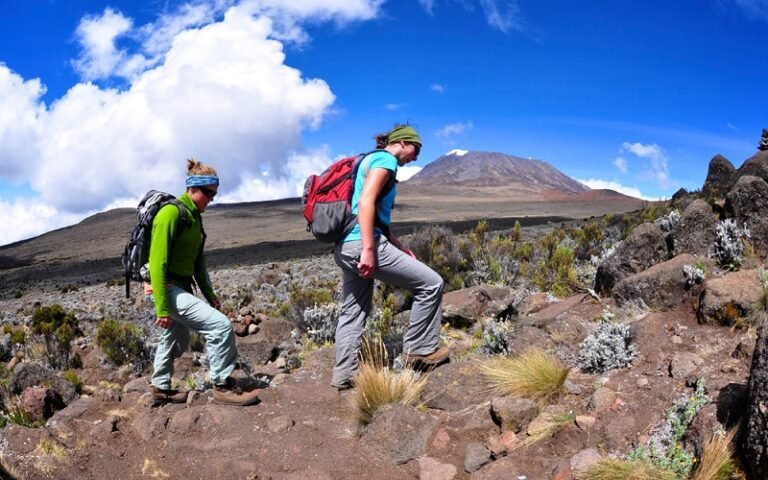
Kilimanjaro And Great Migration Safari July : Your Ultimate Tanzanian
Combining a Kilimanjaro climb with a Great Migration safari in July 2027 offers a spectacular Tanzanian adventure. This guide helps you plan your ideal itinerary, considering the best...
View package details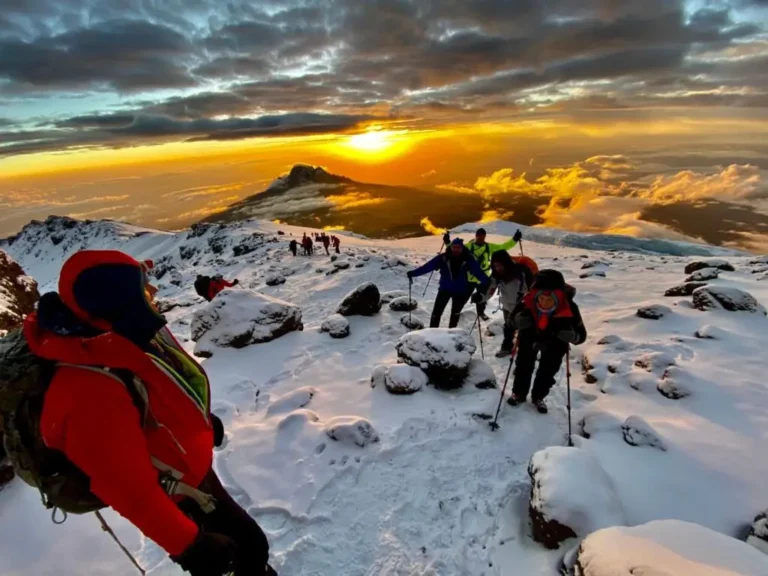
Kilimanjaro And Grumeti Migration Safari June : The Ultimate Tanzanian
Plan your unforgettable Kilimanjaro and Grumeti Migration safari for June 2027. This comprehensive guide details how to combine the challenge of summiting Africa's highest peak with the...
View package details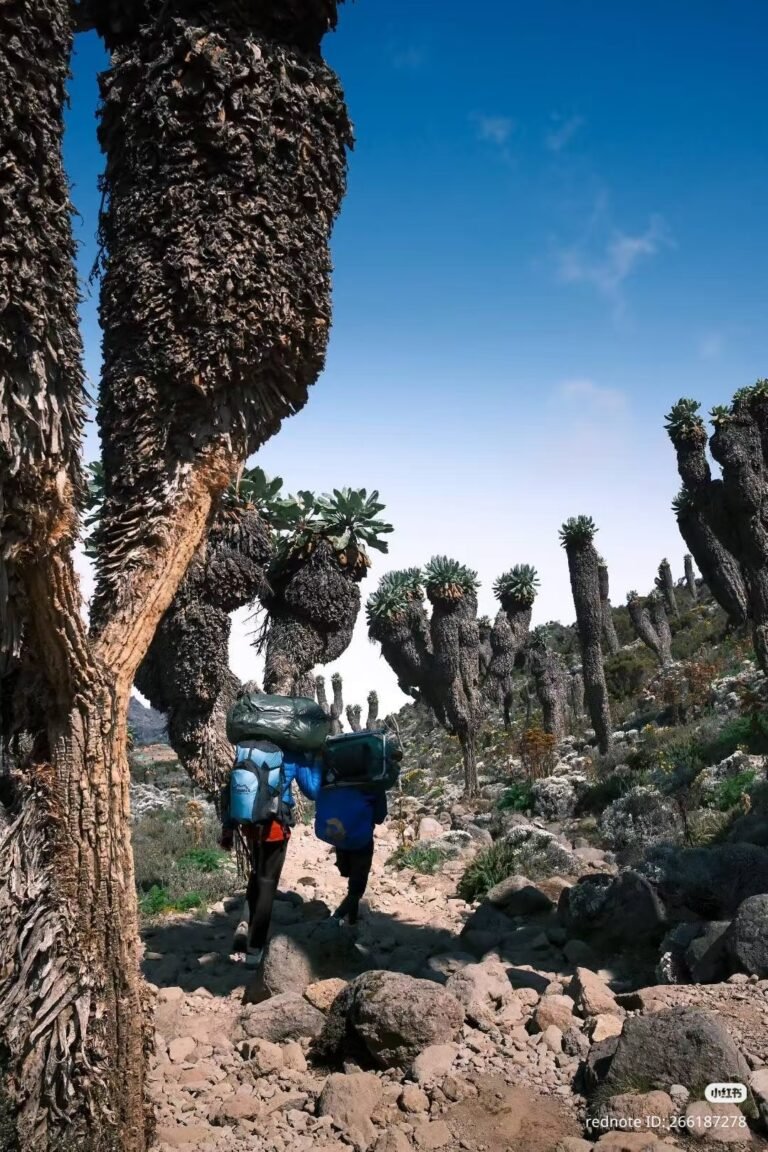
Kilimanjaro Christmas Climb And Tanzania Safari : Your Festive Adventure
Combine the magic of a Christmas ascent of Kilimanjaro with a thrilling Tanzania safari in 2026. Discover how to plan this dual adventure for a truly unique festive season.
View package detailsKilimanjaro And Mara River Crossing Safari August : Peak Season Adventure 2027
Combining the ultimate challenge of climbing Mount Kilimanjaro with the awe-inspiring spectacle of the Great Migration river crossing in the Maasai Mara offers an unparalleled African...
View package details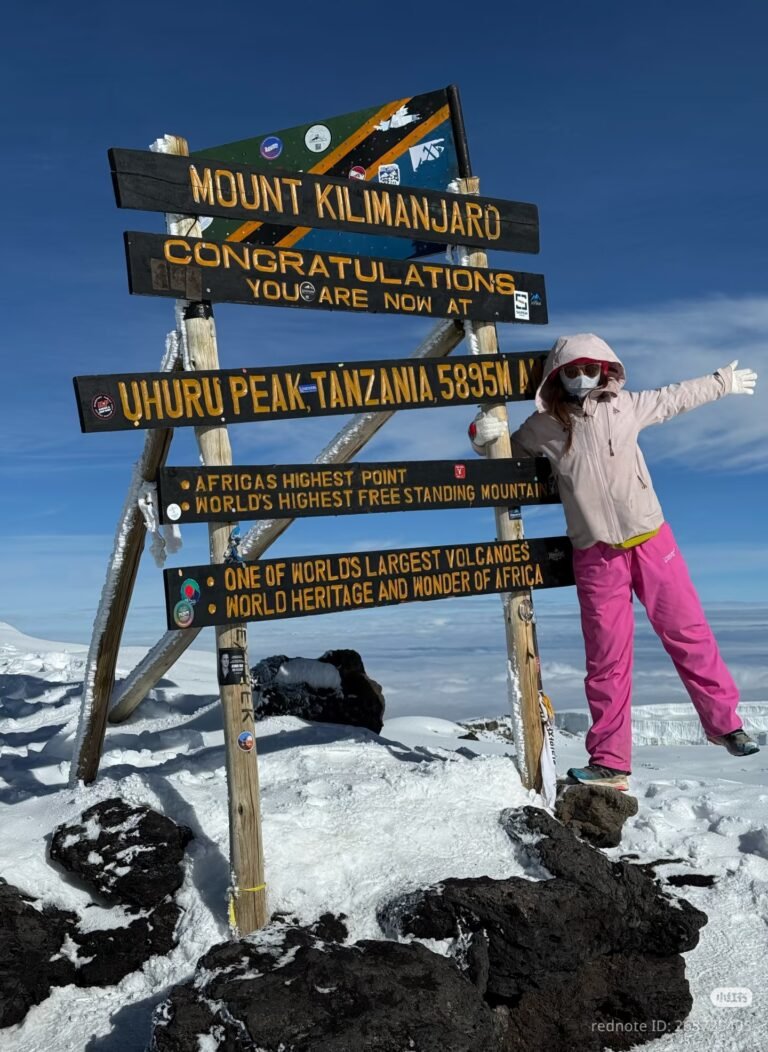
Kilimanjaro And Great Migration Safari August : Your Peak Season Adventure
Plan your ultimate Tanzanian adventure in August 2027, combining a Kilimanjaro climb with the spectacle of the Great Migration. This guide details the best timings, routes, and safari...
View package detailsKilimanjaro And Mara River Crossing Safari July 2027
Kilimanjaro and Mara River Crossing Safari July 2027 is explained with current 2027 planning, price, itinerary and booking information.
View package details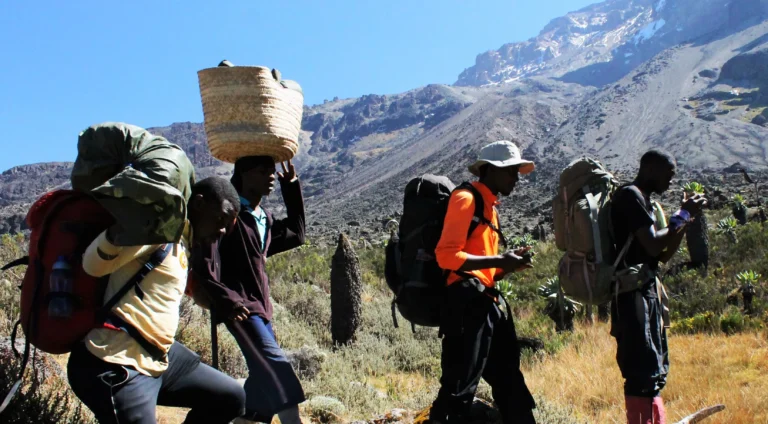
Best Kilimanjaro And Serengeti Calving Season Safari March 2027
Discover the magic of a March 2027 Kilimanjaro and Serengeti calving season safari. This guide explores the unique advantages and considerations for experiencing Tanzania's wildlife...
View package details
Kilimanjaro And Serengeti Calving Safari February : The Ultimate Planning
Combine the majesty of Mount Kilimanjaro with the impressive spectacle of the Serengeti's calving season in February 2027. This guide details how to plan this dual adventure, focusing on...
View package details
Kilimanjaro And Serengeti Calving Safari January 2026-2027
Kilimanjaro and Serengeti Calving Safari January 2027 is explained with current 2026-2027 planning, price, itinerary and booking information.
View package detailsNo related package matches those filters. Clear one or more filters to see the other topic-matched options.



