
Traveling to Rukwa, Tanzania, primarily involves flying into the regional capital, Sumbawanga, from major Tanzanian hubs like Dar es Salaam or Mwanza, as road access is challenging and time-consuming. Rukwa is renowned for its vast, undeveloped wilderness, including Lake Rukwa National Park and the Katavi National Park buffer zones, offering exceptional opportunities for authentic wildlife viewing and cultural immersion, especially for those seeking experiences away from typical tourist paths in 2026 and 2027.
Understanding Rukwa’s Appeal
Rukwa Region, situated in southwestern Tanzania, remains one of the country’s most pristine and least-visited areas. Its allure lies not in polished tourist infrastructure but in its raw, untamed wilderness, vast open spaces, and the profound sense of discovery it offers. Unlike the more frequented northern safari circuits, Rukwa presents an opportunity to experience Tanzania’s natural beauty and cultural heritage with a genuine sense of solitude and authenticity. This is a destination for the intrepid traveler, someone who appreciates the quiet majesty of nature and the rich mix of local life, far from the crowds.
The region is dominated by Lake Rukwa, a large, shallow alkaline lake that is a vital ecosystem for diverse birdlife and supports a unique aquatic environment. Surrounding this are expansive savannas, woodlands, and acacia-dotted plains that form crucial wildlife corridors. While Katavi National Park is its most famous natural asset, much of Rukwa’s potential lies in its extensive, less-explored game-controlled areas and the potential for unique expeditions that venture beyond the park boundaries. For travelers looking for an off-the-beaten-path adventure in 2026 or 2027, Rukwa offers an unparalleled glimpse into a wild Africa that is rapidly disappearing elsewhere.
The appeal of Rukwa is multifaceted. For wildlife enthusiasts, it’s the chance to see large herds of buffalo, elephants, zebras, and numerous antelope species in environments where they are rarely disturbed by human presence. Birdwatchers will find a paradise, with Lake Rukwa and its surroundings hosting thousands of migratory and resident birds. For cultural explorers, the region is home to several ethnic groups, including the Pimbwe, Nyambo, and Sukuma peoples, offering opportunities for respectful interaction and learning about traditional ways of life. The journey itself, though challenging, becomes part of the adventure, rewarding those who undertake it with unforgettable memories and a deep appreciation for Tanzania’s hidden gems.
Getting to Rukwa: The Logistics
Reaching Rukwa is the primary logistical hurdle for most travelers, primarily due to its remote inland location. Unlike the easily accessible northern circuit parks, Rukwa requires more deliberate planning. The most practical and recommended method for international and most domestic travelers is to fly into the region’s main airport.
Flights to Sumbawanga
The gateway to Rukwa is Sumbawanga Airport (SVS). Currently, direct flights to Sumbawanga are limited and typically operate from Dar es Salaam (DAR) and occasionally Mwanza (MWZ). These flights are usually operated by small domestic carriers like Precision Air or Coastal Aviation. The frequency can vary, and schedules are subject to change, especially depending on the season and demand. It’s crucial to book these flights well in advance, particularly if you plan to travel during peak seasons in 2026 or 2027.
The flight from Dar es Salaam to Sumbawanga typically takes around 1.5 to 2 hours. While more expensive than overland travel, flying is by far the most time-efficient and comfortable way to reach Rukwa, allowing you to maximize your time exploring the region. Upon arrival at Sumbawanga, you will typically be met by your pre-arranged safari operator or driver who will transfer you to your accommodation or the starting point of your safari or expedition. Ensure your tour operator handles all flight bookings or provides clear instructions on how to book them yourself.
It’s also worth noting that flight availability can be impacted by weather, especially during the rainy season. Therefore, building some flexibility into your itinerary is always a wise precaution. If flying from overseas, you’ll first need to fly into Julius Nyerere International Airport (DAR) in Dar es Salaam, or possibly Kilimanjaro International Airport (JRO) if combining with a Kilimanjaro climb or northern safari, and then connect to Sumbawanga.
Road Travel Considerations
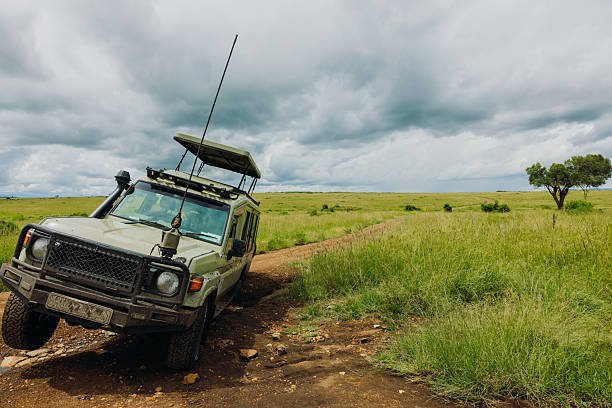
While technically possible, road travel to Rukwa is generally discouraged for most tourists due to its arduous nature. The journey from Dar es Salaam or Arusha can take multiple days, involving long stretches of unpaved, rough roads that are prone to becoming impassable during the rainy season (typically November to May). The roads can be deeply rutted, dusty in the dry season, and muddy and flooded in the wet season.
If you are an exceptionally adventurous traveler with ample time and a specific interest in experiencing the overland journey, it might be considered. However, this type of travel requires a robust 4×4 vehicle, experienced local drivers familiar with the terrain, and significant preparedness for potential delays, breakdowns, and limited facilities along the way. For a standard tourist visit focused on experiencing Rukwa’s wildlife and landscapes, road travel is not a practical option and would detract significantly from the enjoyment of the trip. It is generally more efficient and comfortable to fly into Sumbawanga and then utilize 4×4 safari vehicles for local exploration within the Rukwa region.
Essential Travel Documentation
Before embarking on your journey to Rukwa, ensure all your travel documents are in order. This includes:
- Valid Passport: Your passport must be valid for at least six months beyond your intended stay and have sufficient blank pages for entry and exit stamps.
- Tanzanian Visa: Depending on your nationality, you will need a visa for Tanzania. These can often be obtained in advance online or upon arrival at major entry points, but it’s best to check the latest requirements for your country of citizenship. For 2026-2027 travel, verify the most current visa regulations.
- Yellow Fever Vaccination Certificate: This is often required for entry into Tanzania, especially if arriving from or transiting through a country with a risk of yellow fever.
- Other Vaccinations and Health Precautions: Consult your doctor or a travel clinic well in advance of your trip regarding recommended vaccinations (e.g., Hepatitis A, Typhoid) and malaria prophylaxis.
- Travel Insurance: Comprehensive travel insurance covering medical emergencies, evacuation, trip cancellation, and lost luggage is highly recommended for any trip to Tanzania, especially to a remote region like Rukwa.
Having all your paperwork meticulously organized will ensure a smooth entry into Tanzania and your subsequent travel within the country.
When to Visit Rukwa: Timing Your Adventure
The best time to visit Rukwa, Tanzania, largely depends on your priorities, particularly regarding wildlife viewing and comfortable weather. Like much of East Africa, Rukwa experiences distinct wet and dry seasons, each offering a different perspective on its landscapes and wildlife.
Dry Season (June – October)
The dry season is generally considered the prime time for visiting Rukwa, especially for wildlife viewing. During these months, the vegetation thins out, making animals more visible against the landscape. Water sources become scarcer, concentrating wildlife around the remaining rivers and waterholes, which makes for excellent game viewing opportunities. The weather is typically pleasant, with sunny days and cooler evenings, making it comfortable for game drives and outdoor activities. This period is also ideal for trekking and walking safaris, as the ground is firm and accessible.
Expect clear skies and minimal rainfall, which is perfect for photography. However, this is also the peak tourist season for Tanzania as a whole, though Rukwa’s remoteness means it will never feel crowded. Accommodation and flights might be in higher demand and potentially more expensive for travel in 2026 and 2027.
Wet Season (November – May)
The wet season, particularly from November to May, brings lush green landscapes as the rains replenish the land. While this can make wildlife spotting slightly more challenging due to thicker vegetation, it is a spectacular time for birdwatching, as resident birds are in breeding plumage and migratory birds from Europe and Asia are present. The landscapes are incredibly beautiful and vibrant during this period.
The rains can be unpredictable, with short, heavy downpours often occurring in the afternoons, though full-day rains are also possible. This season can impact road conditions, potentially making some areas inaccessible, especially in the months of March, April, and May when the rains are heaviest. However, for travelers seeking a more secluded experience, fewer visitors, and vibrant green scenery, the wet season can be very rewarding. Prices for accommodation and safaris might be lower during this period.
Seasonal Wildlife Highlights
Throughout the year, Rukwa offers unique wildlife experiences:
- Dry Season (June-October): Excellent for spotting large mammals like elephants, buffalo, lions, and various antelopes. Animals congregate around permanent water sources, making them easier to find. It’s also a good time for walking safaris.
- Early Wet Season (November-December): The first rains bring new life to the landscape. Wildlife begins to disperse from concentrated waterholes as smaller pools form. Birdlife starts to become more active.
- Peak Wet Season (January-May): Lush green scenery, ideal for birdwatching, especially for migratory species. Newborn animals may start appearing. Some roads can become difficult to traverse, requiring sturdy 4×4 vehicles. This period is generally less ideal for general game viewing due to vegetation density.
When planning for 2026 or 2027, consider that the shoulder months – the transition periods between wet and dry seasons (e.g., late October/November or late April/May) – can offer a good balance of decent wildlife viewing, fewer crowds, and more manageable weather and road conditions.
What to Do in Rukwa: Experiences and Attractions
Rukwa’s primary draw is its wild, untamed nature. The region offers a more intimate and less commercialized safari experience compared to Tanzania’s northern parks. Travelers here seek raw beauty, abundant wildlife, and a deep connection with the natural world.
Lake Rukwa National Park
Although officially gazetted as a National Park, Lake Rukwa is less developed and visited than its northern counterparts. The park’s core attraction is Lake Rukwa itself, a vast alkaline lake that is a crucial habitat for a significant population of hippos and crocodiles. The surrounding plains and woodlands support large herds of buffalo, wildebeest, zebras, and various antelopes. The birdlife here is exceptional, with pelicans, cormorants, and numerous waterbirds congregating in large numbers. Game drives are the primary activity, offering opportunities to explore the diverse landscapes and observe wildlife in a relatively undisturbed setting.
Due to its alkaline nature, the lake’s shores can be starkly beautiful, with salt pans and sparse vegetation. Wildlife viewing is often best during the dry season when animals are drawn to the few permanent water sources. Exploring the edges of the lake and the surrounding grasslands provides a unique safari experience, emphasizing the sheer scale and wildness of the ecosystem.
Katavi National Park Buffer Zones
While Katavi National Park itself is a star destination in western Tanzania, Rukwa Region encompasses significant buffer zones and areas adjacent to Katavi. These areas offer excellent wildlife viewing opportunities, often with fewer tourists than inside the park’s main areas. These less-explored zones are crucial for the park’s ecological integrity and provide a chance to see the same iconic wildlife – elephants, lions, leopards, cheetahs, hippos, crocodiles, and vast herds of buffalo – in a more remote and exclusive setting. Guided walking safaris are particularly rewarding in these areas, allowing for a more intimate encounter with the bush.
These buffer zones are where true wilderness exploration happens. You might encounter large prides of lions, large hippo pods in the rivers, and impressive elephant herds. The sheer density of wildlife, especially during the dry season when animals gather in large numbers, is remarkable. Planning a trip that includes these peripheral areas of Katavi through Rukwa can offer a deeper immersion into the western Tanzanian wilderness.
Cultural Encounters
Rukwa is home to a diverse mix of ethnic groups, including the Pimbwe, Nyambo, Sukuma, and others. Traveling through the region offers opportunities for authentic cultural interactions, provided they are arranged respectfully and ethically through your tour operator. Visiting local villages can provide insights into traditional farming practices, daily life, and the unique customs of these communities. These encounters are not staged performances but genuine glimpses into rural Tanzanian life.
It’s important to approach these interactions with sensitivity and respect. Your tour operator should facilitate these visits, ensuring they are beneficial for both the visitors and the local communities. Learning about local crafts, agricultural methods, and social structures can be a profoundly enriching part of a Rukwa journey, adding a human dimension to the wilderness experience.
Birdwatching Opportunities
Rukwa is a paradise for birdwatchers. Lake Rukwa National Park and the surrounding wetlands, rivers, and woodlands host an astonishing diversity of avian life. The lake itself attracts large numbers of waterbirds, including:
- Pelicans
- Cormorants
- Egrets
- Herons
- Storks
- Flamingos (at certain times)
The savannas and woodlands are home to numerous terrestrial species, including various raptors, hornbills, bee-eaters, rollers, and ground birds. The wet season, from November to May, is particularly exciting as migratory birds from the Northern Hemisphere arrive, augmenting the resident populations. Guided birdwatching walks and game drives are excellent ways to explore the diverse habitats and spot a wide array of species.
Fishing and Water Activities
While not the primary focus for most visitors, Lake Rukwa and its tributaries offer opportunities for fishing, often as part of a more extensive expedition. Traditional fishing methods are still practiced by local communities, and a well-organized safari might include opportunities for responsible, catch-and-release fishing. Boat trips on the calmer sections of Lake Rukwa or on the rivers can also provide unique perspectives for wildlife viewing and photography, particularly for observing hippos and crocodiles from a safe distance.
These activities are more common in areas where lodges or camps offer them as part of their service. It’s essential to confirm the availability and regulations for any water-based activities you are interested in when booking your trip for 2026 or 2027.
Accommodation in Rukwa
Accommodation options in Rukwa are limited and reflect the region’s remote and less-developed nature. Unlike the well-established tourist hubs, visitors will find a range of basic to comfortable facilities, focusing on providing essential services in the wilderness.
Lodges and Camps
There are a few safari lodges and tented camps located within or on the fringes of Rukwa’s wildlife areas, particularly near Lake Rukwa National Park and the buffer zones of Katavi. These accommodations are typically designed to blend with the natural environment and offer an in-depth safari experience. Expect comfortable en-suite tents or bandas (huts) with basic amenities, often featuring solar power for lighting and charging devices. Meals are usually served in a central dining area.
These lodges and camps are the best option for travelers seeking comfort and convenience while being close to wildlife viewing areas. They often arrange game drives, walking safaris, and cultural visits. Booking in advance is essential, as capacity is usually limited. For 2026-2027 travel, it’s wise to secure your preferred lodge or camp early.
Guesthouses and Homestays
In Sumbawanga town and other smaller settlements within Rukwa, you can find more basic guesthouses. These offer a glimpse into local life and are suitable for travelers on a tighter budget or those who prefer a more authentic, less tourist-oriented experience. Facilities can be very simple, and amenities may be shared. Homestays are less common for organized tourism but might be arranged through local contacts for a deeply in-depth cultural experience. These options require a flexible attitude and an appreciation for simplicity.
Booking Accommodation
It is highly recommended to book your accommodation in Rukwa through a reputable tour operator. They have established relationships with the lodges and camps, understand the logistical challenges, and can often secure better rates or availability. They can also advise on the best locations based on your interests and the time of year you plan to visit. For remote camps, booking well in advance is critical, as some may only operate seasonally or have very limited capacity. Ensure your chosen operator confirms all booking details, including meals, activities, and transfers, especially for travel in 2026 or 2027.
Planning Your Rukwa Safari: Itinerary and Support
A successful trip to Rukwa hinges on meticulous planning and reliable local support. Given its remoteness, working with an experienced tour operator is not just beneficial; it’s essential for a safe, enjoyable, and logistically sound adventure.
Sample Rukwa Itinerary Ideas
While specific itineraries are best customized, here are a couple of ideas to illustrate the possibilities for 2026-2027:
Option 1: Classic Rukwa Wildlife Focus (7-10 days)
- Day 1-2: Arrive in Sumbawanga, transfer to a lodge near Lake Rukwa. Game drives focusing on the lake’s birdlife and surrounding plains.
- Day 3-5: Explore the southern buffer zones of Katavi National Park. Focus on large mammal viewing, walking safaris, and experiencing the wilderness. Stay in a tented camp.
- Day 6-7: Visit a local Pimbwe village for a cultural exchange. Explore different habitats within the Rukwa ecosystem.
- Day 8: Return to Sumbawanga for departure.
Option 2: Extended Rukwa Expedition (12-14 days)
- Day 1-2: Fly into Sumbawanga, transfer to a comfortable lodge. Acclimatize and explore local markets.
- Day 3-6: Full exploration of Lake Rukwa National Park, including boat trips (if available) and extended game drives.
- Day 7-10: Journey into the remote buffer zones of Katavi, focusing on deep wilderness immersion, tracking wildlife, and enjoying photographic opportunities. Stay in mobile or semi-permanent camps.
- Day 11-12: Cultural immersion with a different local community, perhaps learning about traditional crafts or agriculture.
- Day 13: Return drive to Sumbawanga, perhaps stopping at scenic points.
- Day 14: Depart from Sumbawanga.
These are just frameworks. A tailor-made trip in 2026 or 2027 would be designed around your specific interests, fitness levels (for walking safaris), and desired pace.
Choosing a Tour Operator
For Rukwa, selecting the right tour operator is paramount. Look for companies with:
- Local Expertise: Deep knowledge of Rukwa’s geography, wildlife, and cultural nuances.
- Logistical Capabilities: Proven ability to manage remote travel, including flight bookings, vehicle arrangements, and accommodation in less-developed areas.
- Safety Record: A strong commitment to safety protocols, including emergency evacuation plans.
- Responsible Tourism Practices: A focus on sustainable tourism that benefits local communities and conserves the environment.
Climb 4 Africa specializes in creating authentic Tanzanian travel experiences, including journeys to less-explored regions like Rukwa. With their practical local support and established network, they can help craft a smooth and unforgettable adventure for 2026-2027. They understand the intricacies of traveling to areas like Rukwa and can tailor an itinerary that meets your expectations.
Packing Essentials for Rukwa
Given the remote nature and varied activities, packing thoughtfully is key:
- Clothing: Lightweight, neutral-colored clothing for game drives (long-sleeved shirts and trousers for sun and insect protection). Warmer layers for cool mornings and evenings. A waterproof jacket is essential, especially during the wet season.
- Footwear: Comfortable walking shoes or hiking boots for walking safaris. Sandals or flip-flops for relaxing at camp.
- Sun Protection: High SPF sunscreen, a wide-brimmed hat, and sunglasses.
- Insect Repellent: A strong repellent containing DEET is recommended.
- Health Kit: Personal medications, basic first-aid supplies, antiseptic wipes, and any prescribed malaria prophylaxis.
- Optics: Binoculars are essential for wildlife viewing. A good camera with a zoom lens will enhance your photography.
- Power: Portable power bank for charging devices, as electricity can be intermittent or unavailable in remote camps. Universal travel adapter.
- Documents: Copies of passport, visa, insurance, and flight details, kept separate from originals.
- Cash: Some USD for tips and small purchases, though credit card facilities are rare outside Sumbawanga.
Always check with your tour operator for specific packing recommendations tailored to your itinerary and the season of travel in 2026 or 2027.
Health and Safety in Rukwa
Health and safety are paramount when traveling to remote areas. Key considerations include:
- Malaria: Rukwa is a malaria-endemic area. Take prescribed antimalarial medication and use insect repellent diligently. Sleep under mosquito nets where provided.
- Water: Drink only bottled or purified water. Avoid ice in drinks unless you are certain it’s made from purified water.
- Food: Eat food that is well-cooked and served hot. Be cautious with raw fruits and vegetables unless you can peel them yourself.
- Wildlife: Maintain a safe distance from all wildlife. Never approach or feed animals. Follow your guide’s instructions at all times, especially during walking safaris.
- Road Safety: Travel with experienced drivers in well-maintained 4×4 vehicles. Be aware that road conditions can be poor.
- Emergency Evacuation: Ensure your travel insurance includes emergency medical evacuation. Your tour operator should have a plan in place for this.
For the latest health advisories and vaccination recommendations for Tanzania, consult your doctor or a travel health clinic well before your trip in 2026 or 2027.
Rukwa vs. Other Tanzania Destinations
When considering a trip to Tanzania, many travelers first think of the Northern Circuit – Serengeti, Ngorongoro Crater, Tarangire, and Mount Kilimanjaro. Rukwa offers a distinctly different experience:
- Crowds: Rukwa is significantly less crowded than the Northern Circuit. You’ll often have vast landscapes and wildlife sightings almost entirely to yourself, offering a more intimate and authentic connection with nature.
- Infrastructure: The Northern Circuit boasts well-developed lodges, roads, and tourist facilities. Rukwa is much more basic, requiring a greater tolerance for rustic conditions and a willingness to embrace the adventure of undeveloped wilderness.
- Wildlife Focus: While the Northern Circuit is famous for its big cat sightings and the Great Migration, Rukwa excels in its large herds of buffalo, diverse birdlife, and the sheer scale of its untamed landscapes. It’s ideal for those seeking a wilder, less predictable safari.
- Accessibility: The Northern Circuit is easily accessible via Kilimanjaro International Airport (JRO) and a network of internal flights and roads. Rukwa requires flying into Sumbawanga, making it a more challenging destination to reach but rewarding in its exclusivity.
- Cost: While both can range from budget to luxury, the logistical complexities of reaching and operating in Rukwa can sometimes make it more expensive, especially for custom trips. However, the exclusivity and unique experience often justify the cost for discerning travelers.
If you desire a classic, well-trodden safari path with abundant amenities, the Northern Circuit is ideal. If you seek raw wilderness, solitude, and an off-the-beaten-path adventure that few travelers experience, Rukwa is the unparalleled choice for your 2026-2027 Tanzanian exploration.
Future of Travel to Rukwa (2026-2027)
The outlook for travel to Rukwa in 2026 and 2027 suggests a continued focus on its unique selling proposition: authentic, low-impact wilderness tourism. While major infrastructure developments are unlikely to transform the region dramatically, there may be gradual improvements in lodge offerings and a growing awareness among niche tour operators about its potential.
Expect Rukwa to remain a destination for the discerning traveler seeking exclusivity and a genuine escape. As over-tourism becomes a growing concern in more popular destinations, regions like Rukwa will likely see increased interest from those looking for sustainable and responsible travel experiences. This means that booking well in advance, especially for the dry season of 2026 and 2027, will become even more important.
Conservation efforts in and around Katavi and Lake Rukwa will continue to be vital, and travelers choosing Rukwa are, in essence, supporting these efforts through their tourism expenditure, provided they choose operators committed to responsible practices. The region’s appeal lies in its untouched nature, and maintaining this balance will be key to its future tourism success.
Booking Your Rukwa Adventure
To plan your unforgettable journey to Rukwa, Tanzania, for 2026 or 2027, engaging with an expert tour operator is the most effective step. They can navigate the complexities of reaching this remote destination, arrange smooth logistics, and craft an itinerary that perfectly matches your interests and expectations.
Climb 4 Africa specializes in creating bespoke African travel experiences, including tailored safaris and expeditions to Tanzania’s hidden gems like Rukwa. Their team possesses the local knowledge and operational expertise to ensure your trip is both authentic and comfortable. They can advise on the best times to visit, suitable accommodation, and activities that highlight the unique beauty of Rukwa.
To begin planning your Rukwa adventure, reach out to Climb 4 Africa. You can contact them via WhatsApp at +255 747 477 898 or send an email to climb4africa@gmail.com. Be sure to mention your desired travel dates for 2026 or 2027, your interests (e.g., wildlife, birding, culture), and any specific preferences you have. They are ready to help you design a truly unique and memorable experience in one of Tanzania’s most pristine wilderness areas.
Check Availability for How To Travel To Rukwa, Tanzania: Your Ultimate Guide For 2026-2027
Ready to compare dates, prices, and the best option for your group? Send the package name and travel month so the team can reply with a clear quote, availability, and what is included.



