
A Njombe Cultural Tour offers an unparalleled opportunity to engage with the distinct traditions, daily life, and rich heritage of the Southern Highlands of Tanzania, focusing on the unique customs of the Hehe people and exploring the stunning natural landscapes surrounding Njombe town. Expect interactions with local communities, visits to traditional villages, learning about local crafts and agriculture, and experiencing the area’s natural beauty, all within a framework that prioritizes authentic cultural exchange and responsible tourism for your 2026-2027 travels.
Understanding the Njombe Cultural Experience
Njombe, a interesting town located in the heart of Tanzania’s Southern Highlands, offers a travel experience far removed from the bustling tourist trails of the north. It’s a region where life unfolds at a gentle pace, deeply rooted in tradition and closely connected to the land. A Njombe Cultural Tour is not about ticking off famous landmarks; it’s about genuine connection, about understanding the rhythm of daily life, and about appreciating the unique cultural mix woven by its inhabitants, primarily the industrious Hehe people. This is a journey for the curious traveler, one who seeks to move beyond the surface and engage with a community that maintains its heritage with pride.
Unlike many popular destinations, Njombe retains an air of unspoiled authenticity. The infrastructure is developing, but the soul of the region remains resolutely traditional. This means your interactions will likely be with people in their everyday environments, participating in their daily routines, and gaining insights that are rarely accessible elsewhere. Whether it’s observing farming techniques that have been passed down through generations, sharing a meal prepared with local ingredients, or learning about the social structures and customs that govern community life, a Njombe cultural tour promises depth and meaning.
The beauty of Njombe extends beyond its cultural offerings. The surrounding landscape is dramatic and varied, featuring rolling hills, fertile valleys, and impressive waterfalls, making it a destination that satisfies both the cultural explorer and the nature enthusiast. This duality is a significant draw for a comprehensive Njombe cultural tour, allowing for a well-rounded experience that encompasses both human heritage and natural splendor. Planning for a trip in 2026 or 2027 means you are looking at a time when Njombe’s tourism potential is growing, offering a chance to experience it before it becomes overly commercialized, while still benefiting from improving accessibility and services.
Why Choose Njombe for Cultural Tourism?
The decision to explore Njombe for a cultural tour is a deliberate choice for travelers seeking something different. It’s about opting for depth over breadth, for genuine interaction over curated performances. Here’s why Njombe stands out as a premier destination for cultural immersion:
Unspoiled Authenticity
Perhaps the most compelling reason to visit Njombe for a cultural tour is its remarkable authenticity. The region has not been heavily impacted by mass tourism, meaning that cultural practices and daily life continue largely as they have for generations. You won’t find staged cultural shows designed purely for tourists; instead, you’ll witness and perhaps even participate in real community activities. This is particularly true for the Hehe people, who are known for their strong cultural identity. A Njombe cultural tour in 2026-2027 will likely offer even more opportunities for genuine interaction as local communities become more accustomed to welcoming visitors in a responsible manner.
Unique Ethnic Groups
Njombe is primarily the homeland of the Hehe people, one of Tanzania’s significant ethnic groups. The Hehe are renowned for their historical resistance to colonial powers, their strong social organization, and their rich oral traditions. Engaging with the Hehe culture offers a unique perspective on Tanzanian history and social dynamics. Beyond the Hehe, the region hosts other communities, each contributing to the diverse cultural landscape. Understanding these ethnic nuances is a core component of a meaningful Njombe cultural tour.
Stunning Natural Beauty
While the focus is cultural, the natural environment surrounding Njombe significantly enhances the experience. The Southern Highlands are characterized by cooler climates, lush vegetation, and dramatic topography. Features like Kitulo National Park, often called the “Garden of God” for its unique floral biodiversity, rolling hills perfect for hiking, and numerous waterfalls provide a stunning backdrop. This combination allows for a tour that balances cultural exploration with impressive natural scenery, offering a holistic experience that rejuvenates both mind and spirit. Imagine combining a visit to a local village with a hike to a cascading waterfall – this is the Njombe advantage.
Growing Tourism Infrastructure
While still retaining its authenticity, Njombe is gradually developing its tourism infrastructure. This means that while you can still find very local experiences, there are also improving options for accommodation, transportation, and guiding services. For travelers planning a Njombe cultural tour in 2026 or 2027, this evolving landscape means you can expect a more comfortable and organized trip without sacrificing the genuine feel of the region. Local guides are increasingly knowledgeable about their heritage and eager to share it, making the experience richer and more informative.
Planning Your Njombe Cultural Tour
A well-planned Njombe cultural tour ensures you maximize your experience while respecting local customs and the environment. Careful consideration of timing, duration, and logistics is key to a successful and enriching journey.
Best Time to Visit Njombe
The Southern Highlands of Tanzania enjoy a more temperate climate compared to the coastal regions or the northern safari circuits. The best time for a Njombe cultural tour generally aligns with the dry seasons, which offer pleasant weather for both cultural activities and exploring the natural landscapes.
- June to October: This is the main dry season. Days are typically sunny and mild, with cooler evenings. It’s ideal for hiking and village visits, as the roads are generally in better condition. This period is highly recommended for 2026-2027 travels.
- November to May: This period encompasses the rainy season. There can be heavy downpours, particularly from December to March. While the landscape is lush and green, travel can be more challenging due to muddy roads, and some activities might be limited. However, the rains can offer a different perspective, with vibrant flora and fewer tourists. The shoulder months of November and May can offer a balance, with occasional showers and fewer crowds.
For cultural festivals or specific events, it’s worth researching the local calendar, though these are often tied to agricultural cycles or religious observances and may not have fixed dates annually.
Duration of a Njombe Cultural Tour
The ideal duration for a Njombe cultural tour depends on your interests and how deeply you wish to experience yourself. Most visitors find that 3 to 5 days are sufficient to get a good feel for the region’s main cultural highlights and natural attractions.
- 3 Days: Allows for a condensed experience, focusing on key villages, a market visit, and perhaps one major natural site like a waterfall.
- 5 Days: Provides a more relaxed pace, enabling deeper engagement with a community, more time for hiking, and a visit to a significant natural area like Kitulo National Park. This is a popular choice for those combining it with other Tanzanian destinations in 2026-2027.
- 7-10 Days: For those seeking true immersion, this duration allows for homestays, learning basic local phrases, participating in daily activities like farming or craft-making, and exploring more remote areas and multiple natural attractions.
It’s important to remember that travel times within the Southern Highlands can be longer than anticipated, so factor this into your itinerary planning.
Getting to Njombe
Njombe is located in the Southern Highlands and is less accessible than northern Tanzania’s main tourist hubs. This remoteness contributes to its authenticity.
- By Air: The nearest major airport is Kilimanjaro International Airport (JRO) or Julius Nyerere International Airport (DAR) in Dar es Salaam. From these airports, you would typically fly to a smaller regional airport like Iringa or Mbeya, and then arrange for road transport to Njombe. Alternatively, charter flights might be possible but are expensive.
- By Road: This is the most common method. You can take a bus from major cities like Dar es Salaam, Mbeya, or Iringa to Njombe town. The journey can be long (e.g., 8-10 hours from Mbeya, 10-12 hours from Iringa, and 12-16 hours from Dar es Salaam), but it offers a glimpse into rural Tanzanian life. For a more comfortable and flexible journey, especially for a Njombe cultural tour, hiring a private vehicle with a driver is recommended. This allows for stops along the way and easier navigation.
When planning for 2026 or 2027, check the latest road conditions, especially if traveling during the rainy season.
Accommodation Options in Njombe
Accommodation in Njombe ranges from basic to comfortable, reflecting its developing tourism scene. For a cultural tour, options are often designed to enhance the local experience.
- Local Guesthouses and Hotels: Njombe town has several small hotels and guesthouses offering clean rooms with basic amenities. These are good for travelers who prefer to be based in town.
- Community Homestays: This is the most authentic accommodation choice for a cultural tour. Staying with a local family provides unparalleled insight into daily life, traditions, and cuisine. These are usually arranged through local tour operators and offer a truly in-depth experience.
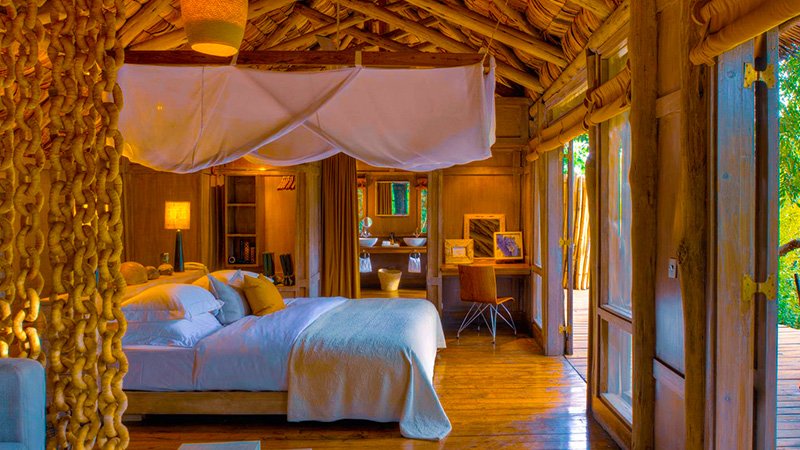
- Eco-lodges/Camps: While less common directly in Njombe, some areas surrounding the region might offer more rustic or eco-friendly lodging options, often integrated with natural landscapes.
When booking, inquire about what is included, especially regarding meals, as local homestays often involve shared meals with the host family.
What to Pack for Njombe
Packing smart is essential for a comfortable Njombe cultural tour, considering the climate, activities, and cultural context.
- Clothing: Pack layers. Days can be warm, but evenings and mornings can be cool, especially at higher altitudes. Lightweight, breathable clothing (cotton or linen) for daytime and warmer items like fleeces, sweaters, and a jacket for evenings are recommended. Comfortable walking shoes or hiking boots are essential. For village visits, modest clothing is highly appreciated – long trousers or skirts and tops that cover shoulders.
- Rain Gear: A waterproof jacket or poncho is advisable, especially if traveling during the shoulder or rainy seasons.
- Health & Hygiene: Insect repellent, sunscreen, a basic first-aid kit, hand sanitizer, and any personal medications. Tap water is generally not safe to drink; bring a reusable water bottle and a water purification method (filter or tablets).
- Documents & Money: Passport, visa, travel insurance details, and sufficient Tanzanian Shillings (TZS) for local purchases, as ATMs might be scarce outside of Njombe town. Credit cards are rarely accepted in rural areas.
- Gifts: If you plan to offer gifts, consider practical items like school supplies for children or small, useful items for families. Avoid giving money directly unless it’s through an organized community project.
- Camera and Binoculars: To capture the stunning landscapes and wildlife, and for better viewing of distant sights. Ensure you have spare batteries and memory cards.
Key Cultural Experiences in Njombe
A Njombe cultural tour is defined by its opportunities for authentic engagement. The focus is on experiencing the living culture of the Hehe people and the broader community.
Village Visits and Homestays
This is the cornerstone of any cultural tour in Njombe. Visiting local villages allows you to see firsthand how people live, work, and interact. You can observe traditional housing, farming methods, and community structures. Homestays take this a step further, offering a chance to live with a family, share meals, participate in daily chores (like fetching water or preparing food), and learn about family life. This provides an intimate understanding of local customs and hospitality. For 2026-2027, these experiences are becoming more structured to ensure mutual benefit and respect.
Traditional Hehe Culture
The Hehe people have a rich history and a strong cultural identity. Their traditional leadership structures, although evolved, still influence social dynamics. Learning about their history, including the famous resistance against German colonial forces under Chief Mkwawa, provides significant context. You might visit historical sites or hear oral histories from elders. Understanding Hehe customs related to marriage, family, and community events is a key part of the cultural immersion.
Local Markets and Crafts
Njombe’s local markets are vibrant hubs of activity. Visiting a bustling market day is a sensory experience – the colors, sounds, and smells of fresh produce, local crafts, and everyday goods. It’s an excellent place to interact with locals, practice your Swahili or local greetings, and perhaps purchase unique souvenirs. You can find locally made items such as woven baskets, wooden carvings, and traditional clothing. Supporting local artisans directly through your purchases is a significant way to contribute to the local economy during your Njombe cultural tour.
Agricultural Practices and Coffee Plantations
The Southern Highlands are fertile agricultural regions, with crops like maize, beans, potatoes, and tea being prominent. Njombe is also known for its coffee cultivation. A tour can include visits to farms where you can learn about traditional and modern agricultural techniques, from planting and harvesting to processing. Visiting a coffee plantation offers insight into the journey from bean to cup, often including a tasting session. This is a great way to understand the livelihoods of the people and the importance of agriculture to the region’s economy. For 2026 or 2027, sustainable farming practices are increasingly being highlighted.
Traditional Music and Dance
Music and dance are integral parts of Hehe culture and celebrations. While not always a scheduled activity for tourists, you might have the opportunity to witness traditional performances during local events or festivals. These performances often tell stories, celebrate harvests, or mark significant life events. If you are lucky, you might even be invited to join in. The unique rhythms and movements offer a powerful glimpse into the community’s spirit and traditions.
Learning Local Languages
While Swahili is the national language and widely understood, the local language of the Hehe people is also spoken. Learning a few basic phrases in Swahili or even a few Hehe words can greatly enhance your interactions and show respect for the local culture. Greetings, thank you, and simple questions can open doors and foster warmer connections. Your guide will likely assist you, but a genuine effort to communicate will be deeply appreciated on your Njombe cultural tour.
Exploring Njombe’s Natural Wonders
While the cultural aspect is paramount, the stunning natural landscapes surrounding Njombe offer a perfect complement to any cultural tour, providing opportunities for adventure and impressive scenery. These natural attractions add another layer of richness to your Njombe cultural tour.
Kitulo National Park: The Garden of God
Located a scenic drive from Njombe, Kitulo National Park is a unique botanical haven, often referred to as the “Garden of God.” It is renowned for its incredible diversity of wildflowers, especially orchids, which bloom spectacularly during the rainy season (typically November to April). The park is a plateau dotted with montane grasslands and patches of forest. It’s a paradise for botanists, hikers, and anyone who appreciates unique natural beauty. While not a traditional wildlife park with large mammals, its ecological significance and scenic vistas make it a must-visit. Planning a visit in 2026 or 2027 during the blooming season can be particularly rewarding.
Mtera Dam and Lake Ruaha
The Mtera Dam is a significant hydroelectric power project on the Great Ruaha River, creating a large reservoir that is home to abundant birdlife and some wildlife. While primarily an engineering marvel, the surrounding area offers opportunities for bird watching and enjoying expansive water views. Lake Ruaha itself is a vital ecosystem. Exploring the fringes of the lake can provide insights into local fishing communities and the importance of these water bodies to the region’s ecology and economy.
Waterfalls and Rivers
The highlands are crisscrossed by numerous rivers and streams that cascade down the slopes, forming spectacular waterfalls. Popular spots often visited include the Mwakambiti Waterfalls and the Luhuji Waterfalls. These sites offer stunning natural beauty, opportunities for refreshing dips (where safe), and excellent hiking routes. The sound of rushing water and the lush vegetation surrounding these falls make them perfect spots for relaxation and photography during your Njombe cultural tour.
Hiking and Trekking Opportunities
The undulating terrain of the Southern Highlands is ideal for hiking and trekking. Trails wind through coffee plantations, past local villages, and up to scenic viewpoints offering panoramic vistas of the surrounding countryside. Longer treks can be arranged, allowing you to experience the remote beauty of the region. These hikes often pass through landscapes that are not only beautiful but also culturally significant, offering chances to observe rural life and interact with communities along the way.
Ethical and Responsible Tourism in Njombe
For a truly meaningful Njombe cultural tour, embracing ethical and responsible tourism practices is paramount. This ensures that your visit benefits the local communities and preserves the environment for future generations, especially as you plan for 2026-2027.
Supporting Local Communities
Your travel choices can have a direct positive impact. Prioritize using local guides and services, staying in community-run accommodations or homestays, and purchasing handicrafts directly from artisans. Ensure that any fees paid for village visits or cultural activities go directly to the community or are reinvested in local projects. This approach ensures that tourism revenue remains within the region, fostering economic development and empowering local people.
Cultural Sensitivity and Etiquette
Respecting local customs and traditions is crucial. Always ask for permission before taking photographs of people, especially children. Dress modestly, particularly when visiting villages or religious sites – this means covering shoulders and knees. Learn a few basic Swahili or Hehe phrases; greetings are important. Be mindful of local social norms, such as removing shoes before entering a home. Patience and an open mind are your greatest assets when interacting with a different culture.
Environmental Conservation
Njombe’s natural beauty is a vital asset. Practice Leave No Trace principles: carry out all your trash, avoid disturbing wildlife, and stick to designated paths when hiking. Conserve water and energy resources, as these can be limited. Support initiatives that focus on conservation and sustainable resource management. By being mindful of your environmental footprint, you help protect the pristine landscapes that make Njombe so special.
Njombe Cultural Tour Itinerary Examples for 2026-2027
These sample itineraries are designed to provide a framework for a Njombe cultural tour, blending cultural immersion with natural exploration. They can be customized to suit your interests and available time, especially when planning for 2026 or 2027.
Sample Itinerary 1: Heritage and Nature Focus (5 Days)
Day 1: Arrival in Njombe & Town Exploration
Arrive in Njombe by road or regional flight connection. Settle into your accommodation. Afternoon exploration of Njombe town, including a visit to the local market to experience the vibrant atmosphere and observe daily commerce. Introduction to basic Swahili greetings.
Day 2: Traditional Hehe Village Visit
Travel to a nearby Hehe village. Engage with community members, learn about their traditional way of life, agricultural practices, and social structures. Participate in a cultural demonstration or craft activity. Enjoy a traditional lunch prepared by the community. Return to Njombe in the late afternoon.
Day 3: Kitulo National Park Expedition
Full-day excursion to Kitulo National Park. Hike through the unique floral landscapes (especially vibrant during blooming seasons). Enjoy the panoramic views and learn about the park’s ecological significance. Pack a picnic lunch. Return to Njombe.
Day 4: Coffee Plantation & Waterfall Hike
Morning visit to a local coffee plantation to understand the cultivation and processing. Followed by a scenic hike to a nearby waterfall (e.g., Mwakambiti). Enjoy the natural beauty and perhaps a refreshing dip. Afternoon at leisure or explore local crafts.
Day 5: Departure
Enjoy a final local breakfast. Depending on your onward travel plans, you can do some last-minute souvenir shopping or revisit a favorite spot before departing Njombe.
Sample Itinerary 2: Deep Cultural Immersion (8 Days)
Day 1: Arrival in Njombe & Town Orientation
Arrive in Njombe. Check into a local guesthouse. Afternoon walking tour of Njombe town, focusing on its history and significance. Visit the local market.
Day 2: Homestay Experience – Part 1
Transfer to a selected village for a homestay experience. Settle in with your host family. Participate in morning chores and learn about daily routines. Afternoon exploration of the village surroundings and local farming methods.
Day 3: Homestay Experience – Part 2 & Community Engagement
Continue your homestay. Engage more deeply with family members, perhaps learning to cook a traditional meal or helping with agricultural tasks. Visit a local school or community project (if arranged). Evening storytelling session with elders.
Day 4: Local Crafts & Traditions Workshop
Participate in a hands-on workshop focusing on local crafts such as pottery, weaving, or wood carving. Learn about traditional Hehe music and dance with a local instructor. This offers a very interactive cultural experience.
Day 5: Journey to Mtera Dam & Bird Watching
Travel towards Mtera Dam. Explore the lake shores, enjoy bird watching, and learn about the impact of the dam on the local ecosystem and communities. Overnight near Mtera or return to Njombe.
Day 6: Exploring Further Natural Sites
Visit another significant waterfall or natural area, perhaps a less-visited one, for hiking and enjoying the pristine environment. This could include a moderate trek through rolling hills.
Day 7: Coffee Farming Insights & Farewell Dinner
Morning visit to a coffee farm to understand the entire process from cultivation to processing. Enjoy a final traditional meal with your host family or a special farewell dinner in Njombe, reflecting on your experiences.
Day 8: Departure
Depart from Njombe, carrying with you memories of deep cultural connections and the unique charm of the Southern Highlands.
Cost Considerations for Njombe Cultural Tours
The cost of a Njombe cultural tour can vary significantly based on several factors. Unlike fixed package tours common in more developed tourist areas, Njombe often involves more customized arrangements, especially for deep cultural immersion.
- Duration: Longer stays naturally increase costs.
- Accommodation: Homestays and community-based stays are generally more affordable than hotels in Njombe town.
- Activities: Specialized workshops, guided hikes to remote areas, and private transport will add to the overall price.
- Transportation: Hiring a private vehicle with a driver for the duration of your tour will be a significant cost, but offers flexibility and comfort. Public transport is cheaper but much slower and less convenient.
- Guiding Services: Employing knowledgeable local guides is essential for a meaningful cultural experience and should be factored into the budget.
- Community Contributions: Fees for village visits or homestays are often structured to directly benefit the community, and these contributions are a vital part of responsible tourism.
For planning in 2026-2027, it’s best to get a personalized quote. Expect costs to be competitive with other authentic cultural experiences in Tanzania, potentially ranging from $150 to $300+ per person per day for a mid-range to comfortable experience, depending heavily on inclusions like private transport and specific activities. A more basic, self-organized trip using public transport and simple guesthouses would be considerably less, but also less in-depth and convenient.
Booking Your Njombe Cultural Tour with Climb 4 Africa
Embarking on a Njombe cultural tour is a unique journey into the heart of Tanzania’s Southern Highlands. To ensure this experience is as authentic, rewarding, and seamlessly organized as possible, partnering with a knowledgeable local operator is highly recommended. Climb 4 Africa specializes in creating tailor-made experiences across Tanzania, including in-depth cultural journeys.
We understand the nuances of responsible tourism in regions like Njombe and can help craft an itinerary that respects local traditions while offering you an unforgettable encounter with the Hehe culture and the stunning highland landscapes. Whether you envision a deep homestay experience, exploring coffee farms, or hiking to remote waterfalls, we can arrange the logistics, local guides, and accommodations to match your interests.
For planning your trip in 2026 or 2027, or even for last-minute inquiries, please reach out to us. We can discuss your specific interests, provide detailed itinerary options, and offer transparent pricing based on your chosen activities and comfort level. Let us help you create a truly memorable Njombe cultural tour.
Contact Climb 4 Africa today to start planning your authentic Njombe cultural adventure:
WhatsApp: +255 747 477 898
Email: climb4africa@gmail.com
Check Availability for Njombe Cultural Tour: Experience Authentic Southern Highlands Traditions
Ready to compare dates, prices, and the best option for your group? Send the package name and travel month so the team can reply with a clear quote, availability, and what is included.
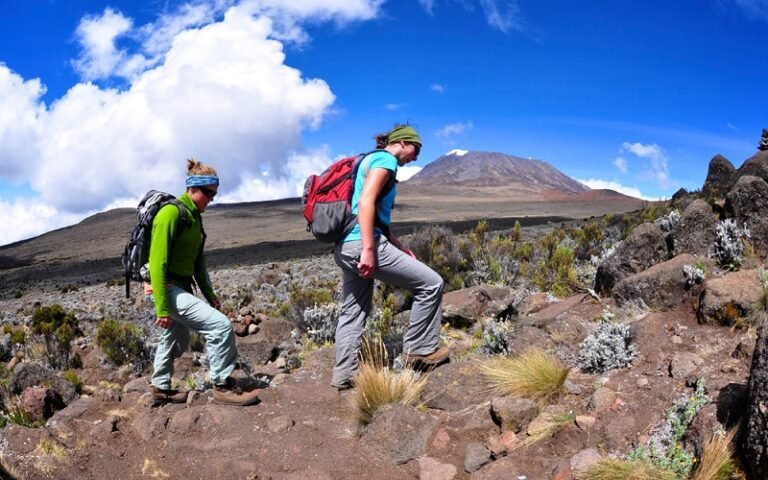
Kilimanjaro And Mara River Crossing Safari August : Peak Season Adventure 2027
Combining the ultimate challenge of climbing Mount Kilimanjaro with the awe-inspiring spectacle of the Great Migration river crossing in the Maasai Mara offers an unparalleled African...
View package detailsNo related package matches those filters. Clear one or more filters to see the other topic-matched options.



