
Beyond the well-trodden paths of Lake Manyara National Park, numerous hidden gems and authentic local tours offer a deeper connection to Tanzania’s natural beauty and culture. While the park is famed for its tree-climbing lions and vast flamingo flocks, venturing into its less-visited areas or engaging with community-based initiatives reveals unique wildlife encounters, stunning landscapes, and genuine cultural exchanges, making for a richer 2026-2027 safari experience.
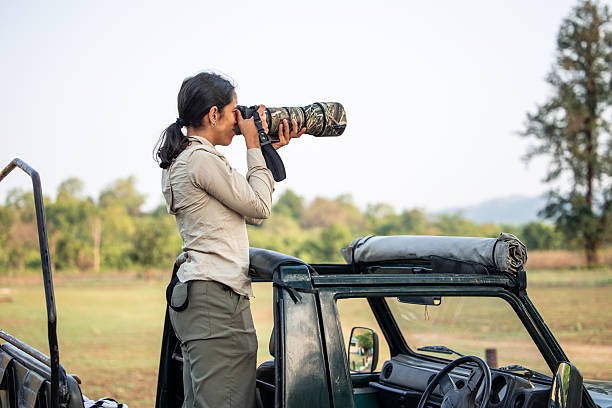
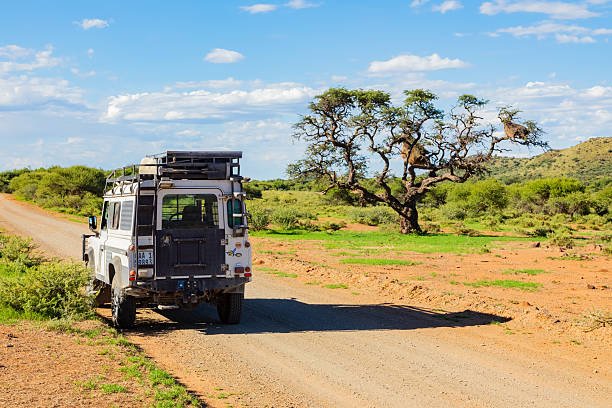
Lake Manyara: More Than Just Flamingos and Lions
Lake Manyara National Park, situated in the northern Tanzanian safari circuit, is often a brief stopover for travelers heading to the more expansive Serengeti or the Ngorongoro Crater. Its compact size and famous attractions – the alkaline lake that attracts thousands of flamingos, and the elusive tree-climbing lions – can sometimes overshadow the park’s subtler charms and the surrounding areas’ potential for unique experiences. However, for those willing to look beyond the immediate highlights, Manyara offers a rich mix of landscapes, diverse ecosystems, and vibrant local cultures that can transform a standard safari into something truly memorable.
The park’s geography is dramatic. It lies at the foot of the Great Rift Valley, with the towering escarpment forming a impressive backdrop. This geological feature influences the park’s hydrology and biodiversity, creating distinct habitats that support a surprising variety of wildlife. While the lake shore and the acacia woodlands are the most visited areas, the dense groundwater forests, the dry savanna plains, and the upper escarpment slopes each hold their own secrets.
For many visitors, a typical Manyara experience involves a half-day or full-day game drive, focusing on spotting the iconic species. This approach, while rewarding, often means missing out on the smaller details: the intricate birdlife beyond the flamingos, the smaller mammals that thrive in the undergrowth, the fascinating plant life, and the profound connection to the land that local communities possess. Understanding this context is key to appreciating what makes Manyara a destination with significant hidden potential for adventurous travelers planning their 2026 or 2027 safari.
Unearthing Lake Manyara’s Hidden Gems
The term ‘hidden gems’ in Manyara refers to experiences and locations that require a bit more effort to discover, often involving specialized guides, off-road routes (where permitted and responsible), or venturing just outside the park boundaries into areas rich with natural and cultural significance. These are the spots that offer a sense of discovery and a more intimate connection with the environment, far from the typical tourist convoys.
The Escarpment Edge: A Different Perspective
The western edge of the Great Rift Valley escarpment looms dramatically over Lake Manyara. While most game drives stay at the base, exploring the upper reaches offers a completely different vista and ecosystem. Accessible via rough tracks, the escarpment edge provides panoramic views of the lake and the surrounding plains – a perspective few visitors get to witness. This elevated terrain supports different flora and fauna, including unique bird species adapted to the higher altitudes and rocky outcrops. Guided walks along the escarpment can reveal medicinal plants, ancient rock formations, and evidence of historical human activity. The air is cooler here, and the silence is profound, broken only by the calls of birds and the rustle of wind through the trees. For photographers, the golden hour light bathing the landscape from this vantage point is unparalleled. It’s a place where you can truly feel the vastness of the African landscape, a stark contrast to the denser forests and lake shores below.
Planning Note: Accessing the escarpment typically requires a 4×4 vehicle and an experienced guide who knows the terrain and local conditions. It’s best explored on a dedicated day trip or as part of a longer itinerary that incorporates diverse landscapes. This is an excellent option for travelers seeking tranquility and expansive views, perhaps as a break from intensive game driving.
Msasa Woodlands and Mhangura Valley Exploration
Beyond the park’s main gates, the regions dotted with Msasa trees (Brachystegia spiciformis) offer a distinct ecological zone. These woodlands are particularly stunning during the dry season when the leaves turn a brilliant red and gold, creating a fiery landscape. The Mhangura Valley, often overlooked, is a more rugged and less-explored area characterized by its dense vegetation and winding ravines. This terrain is ideal for walking safaris, where guides can point out the subtle signs of wildlife – tracks, scat, and territorial markings – that are easily missed from a vehicle. The Msasa woodlands are home to a variety of smaller mammals, antelopes, and a rich diversity of birdlife, including species that prefer the denser canopy. Exploring these areas allows for a more intimate wildlife viewing experience, focusing on the smaller wonders of the ecosystem rather than just the ‘big five’.
Why it’s a less crowded place: These areas are less frequented by standard safari vehicles, offering a sense of solitude. The focus shifts from large herds to the intricate details of the bush. Walking here allows you to truly engage your senses – the scent of the earth, the sounds of unseen creatures, the feel of the rough bark of ancient trees.
Lake Shore Secrets: Beyond the Obvious Birding Spots
While the vast flocks of flamingos are a spectacle, Lake Manyara’s shoreline and surrounding wetlands are teeming with avian life that often goes unnoticed. Manyara is a Ramsar site, recognized for its ecological importance, and its diverse habitats support over 400 bird species. Beyond the easily accessible viewing points, local guides can lead you to quieter stretches of the lake or to smaller, ephemeral pans that attract specialized water birds. Look for pelicans, storks, ibises, and a multitude of smaller waders. The groundwater forests, fed by underground springs, are also a haven for forest birds like the Silvery-cheeked Hornbill and the Blue-eared Starling. Engaging a specialist birding guide can find the secrets of these areas, revealing species that require keen observation and knowledge of their preferred habitats. The experience is less about the sheer numbers of flamingos and more about the diverse symphony of bird calls and the intricate behaviors of individual species.
For the keen birder: Consider a dedicated birding trip in the early morning or late afternoon. These times offer the best light and the most active birdlife. Carrying binoculars and a field guide is essential. The quiet approach of a walking safari or a slow drive along less-used tracks enhances the chances of spotting shy species.
Underground Spectacles: The Chemka Hot Springs
A short drive from Lake Manyara National Park, located in the foothills of Mount Meru, lie the Kikuletwa Hot Springs, more commonly known as Chemka Hot Springs. These are not within the park boundaries but are a popular local excursion and a perfect example of a less crowded place accessible from the Manyara region. The springs are renowned for their crystal-clear, turquoise waters, which emerge from underground and create a natural swimming pool surrounded by lush vegetation. The water is warm, making it an inviting place for a refreshing dip after a dusty safari. Local families often visit here, offering a glimpse into Tanzanian leisure activities. The area is tranquil, a world away from the bustling safari routes. While not a wildlife hotspot in the traditional sense, the natural beauty and the unique experience of swimming in these clear, warm waters provide a memorable respite and a chance to interact with local culture in a relaxed setting.
Practical Information: Chemka Hot Springs can be visited as a day trip from Arusha, Moshi, or as an add-on to a Manyara safari. It requires a vehicle and is best visited with a guide who can arrange entry and ensure a smooth experience. Pack swimwear and a towel.
Authentic Local Tours: Connecting with Communities
Tanzania’s rich cultural heritage is as much a draw as its wildlife. Local tours in the Manyara region offer invaluable opportunities to engage with the communities that live alongside these incredible natural landscapes. These aren’t staged performances; they are genuine interactions designed to provide insight into daily life, traditions, and the challenges and triumphs of rural Tanzanian existence. Opting for such tours ensures that your travel contributes directly to local economies and fosters mutual understanding.
Maasai Village Visits: Genuine Encounters
Manyara is situated in an area with a significant Maasai presence. While tourist-oriented Maasai village visits can sometimes feel inauthentic, there are operators who facilitate more genuine encounters. These tours focus on understanding Maasai culture, their traditional pastoralist lifestyle, their relationship with the land, and their adaptation to modern life. A well-organized visit might include learning about their homestead structures (bomas), understanding their social hierarchy, observing traditional crafts like beadwork, and perhaps sharing a traditional meal or listening to stories. The key is to choose tours that are community-led or partner directly with a specific village, ensuring that the Maasai people benefit directly and that the experience is respectful and educational, not just a photo opportunity. It’s about building bridges of understanding for travelers planning their 2026-2027 trips.
What to expect: Be prepared for a warm welcome, but also for a different way of life. Ask respectful questions, listen attentively, and be open to learning. Some visits may involve purchasing local crafts, which directly supports the artisans.
Local Farming and Crafts: A Taste of Daily Life
The areas around Manyara are agricultural heartlands. Local tours can involve visiting small-scale farms where you can learn about traditional farming methods, the crops grown (such as maize, beans, coffee, or bananas), and the challenges faced by farmers, including climate change and market access. Participating in a farm tour might involve helping with simple tasks, understanding irrigation techniques, or learning about the importance of specific crops. Similarly, visiting local artisan workshops offers insight into traditional crafts like pottery, wood carving, or weaving. These experiences provide a tangible connection to the local economy and the skills passed down through generations. They are far removed from the typical tourist souvenir shops and offer a chance to see the creation process firsthand and perhaps purchase unique, handmade items directly from the makers.
For the culturally curious: These tours are often best arranged through local guides or community tourism initiatives. They provide a contrast to the wildlife focus of safaris and offer a well-rounded view of Tanzania. They are excellent for understanding the human element of the regions you visit.
Walking Safaris with Local Guides
While walking safaris are often associated with more remote wilderness areas, they can be incredibly rewarding in the buffer zones and less-visited parts of Lake Manyara’s surroundings. Led by armed rangers or experienced local guides who possess intimate knowledge of the terrain, flora, and fauna, these walks offer a ground-level perspective that is impossible to gain from a vehicle. You learn to read tracks, identify plants by their medicinal or edible properties, understand animal behavior from subtle cues, and appreciate the smaller details of the ecosystem. These walks can be arranged in areas outside the national park, in community-managed conservancies or private concessions, offering a chance to encounter wildlife in a more intimate and less intrusive way. The focus is on immersion, observation, and understanding the delicate balance of the natural world. This is a fantastic way to discover Manyara’s hidden gems in 2026-2027.
Safety and Experience: Always ensure walking safaris are conducted by licensed and experienced guides. They are trained to handle wildlife encounters and prioritize your safety. The pace is usually slow, allowing for detailed observation and learning.
Biking Through Villages and Countryside
For the active traveler, cycling tours offer a unique and engaging way to explore the Manyara region. Imagine pedaling along dusty tracks, passing through small villages, waving at children, and observing daily life unfold. These tours, often organized by local operators, can range from a few hours to a full day, taking you through agricultural landscapes, past local markets, and offering glimpses into rural Tanzanian life. You can stop to chat with locals (with your guide facilitating), visit a local school or a community project, or simply enjoy the fresh air and the changing scenery. It’s an environmentally friendly way to travel and provides an intimate perspective on the communities living around the national park. These rides are typically on relatively flat terrain, making them accessible to most fitness levels.
A sustainable choice: Cycling tours are low-impact and allow for spontaneous interactions. They are a great way to break up a safari itinerary and add an element of adventure and cultural immersion.
Planning Your Manyara Hidden Gems Adventure
Discovering the hidden gems and local tours around Lake Manyara requires thoughtful planning to ensure a rewarding and authentic experience. Unlike a standard safari where itineraries are often fixed, exploring the less-trodden paths involves flexibility, understanding local conditions, and choosing the right partners. Whether you’re planning for late 2026 or into 2027, these considerations will help you craft a unique journey.
Best Time to Visit for Hidden Gems
Lake Manyara National Park has two main seasons: the dry season (June to October) and the wet season (November to May). Each offers different advantages for exploring hidden gems and local tours.
- Dry Season (June – October): This is generally considered the peak safari season. Wildlife congregates around water sources, making game viewing easier. The weather is pleasant, with sunny days and cool nights. For exploring the escarpment edge and walking safaris, the dry season offers clearer skies and easier access to trails. Birdwatching can still be excellent, though some migratory birds are absent. This period is ideal for extensive exploration of the surrounding countryside and cultural visits, as outdoor activities are more comfortable. Expect higher accommodation prices and more visitors in general.
- Wet Season (November – May): The landscape becomes lush and green, especially after the ‘long rains’ from March to May. This is the low season, meaning fewer tourists and potentially lower prices for accommodation and tours. The beauty of the landscape is unparalleled, with vibrant colours and dramatic skies. Birdlife is often at its most spectacular during the wet season, with resident and migratory species present. While some roads might become challenging, it’s an excellent time for birdwatching, photography, and experiencing the cultural richness of the region without the crowds. The Chemka Hot Springs are particularly inviting during cooler periods, which can occur even within the wet season. Planning for 2027 might see more interest in this shoulder season.
Recommendation: For a balance of good weather and fewer crowds, consider the shoulder months of June or November. For dedicated birdwatchers or photographers seeking dramatic landscapes, the wet season can be exceptionally rewarding. For those focused on cultural immersion and walking, the dry season offers comfort and accessibility.
Choosing the Right Local Tour
The key to an authentic experience lies in selecting reputable tour operators and guides who have genuine connections with local communities and a deep understanding of the areas you wish to explore. When booking local tours for Manyara’s hidden gems:
- Prioritize Community-Based Tourism: Look for tours that are explicitly run by or in partnership with local communities. This ensures that your money directly benefits the people whose lives you are experiencing.
- Seek Specialist Guides: For birding, walking safaris, or cultural insights, choose guides with specific expertise. A Maasai guide will offer different perspectives than a birding specialist or a local farmer.
- Read Reviews and Ask Questions: Research operators thoroughly. Look for reviews that specifically mention authenticity, respect for local culture, and the quality of the guides. Don’t hesitate to ask potential operators about their community partnerships, guide qualifications, and the exact nature of the tours.
- Consider Tailor-Made Options: Manyara’s hidden gems are best explored through flexible, tailor-made itineraries. This allows you to combine elements like a park game drive with a village visit, a walk along the escarpment, and a dip in the hot springs, all curated to your interests.
Booking Tip: For bespoke itineraries and authentic local experiences around Manyara, consider reaching out to specialists like Climb 4 Africa. They can help craft unique journeys that go beyond standard packages, ensuring ethical practices and genuine cultural engagement for your 2026-2027 travel plans.
Logistics and Transportation
Getting to and around the Manyara region, especially for exploring hidden gems, requires careful logistical planning.
- Getting There: Lake Manyara National Park is accessible via Kilimanjaro International Airport (JRO), which is about a 2-3 hour drive away. Arusha, the main safari hub, is about 1-1.5 hours from the park entrance. Manyara can also be reached from other northern circuit parks.
- Within the Park: Standard game drives within Lake Manyara National Park are conducted in 4×4 safari vehicles, often open-sided for better viewing. For exploring off-the-beaten-path areas, particularly the escarpment or rougher tracks, a robust 4×4 is essential.
- Local Tours Transport: For village visits, walking safaris outside the park, or trips to Chemka Hot Springs, you’ll typically need a reliable 4×4 vehicle, often arranged by your tour operator. Some biking tours may arrange transport to the starting point.
- Road Conditions: While main roads are generally good, tracks leading to less-visited areas can be rough, especially during the wet season. An experienced driver familiar with local conditions is crucial.
Key Consideration: For the most smooth experience exploring Manyara’s hidden gems, especially for accessing areas outside the main tourist routes, using a dedicated safari vehicle and an experienced driver-guide from a reputable operator is highly recommended for 2026-2027 trips.
Accommodation Options
The accommodation options around Lake Manyara cater to a range of preferences and budgets, from luxury lodges with stunning views to more rustic tented camps and guesthouses in nearby towns. When focusing on hidden gems and local tours, consider these types of stays:
- Lodges with Escarpment Views: Several lodges are perched on the Rift Valley escarpment, offering spectacular panoramic views. These provide a sense of exclusivity and a different perspective on the landscape.
- Tented Camps: Located closer to the park or in surrounding conservancies, these offer a more in-depth wilderness experience. Some may be situated in areas that facilitate easier access to walking safaris or local communities.
- Community-Run Guesthouses/Camps: These are often the most authentic and direct way to support local economies. They might be simpler in terms of amenities but offer unparalleled cultural immersion and interaction.
- Accommodation in Karatu or Mto wa Mbu: These towns offer a wider range of lodges and hotels and serve as convenient bases for exploring Manyara and nearby attractions like the Ngorongoro Conservation Area. Mto wa Mbu, in particular, is known for its vibrant, multi-ethnic community and agricultural tourism potential.
Booking Strategy: For a hidden gems experience, consider staying in locations that offer direct access to walking trails or are close to the communities you wish to visit. This minimizes travel time and maximizes immersion. Many travelers planning for 2026-2027 are increasingly seeking eco-lodges and community-based accommodations.
What to Pack for Off-the-Beaten-Path Experiences
Packing for an adventure that includes hidden gems and local tours around Manyara requires versatility. Beyond standard safari gear, consider these items:
- Comfortable Walking Shoes: Essential for walking safaris, village visits, and exploring hot springs. Sturdy hiking boots are recommended for more rugged terrain.
- Lightweight, Breathable Clothing: Layers are key. Include long-sleeved shirts and trousers for sun and insect protection, especially during walking tours. Neutral colors are best for wildlife viewing.
- Sun Protection: A wide-brimmed hat, sunglasses, and high-SPF sunscreen are crucial, as you’ll likely spend more time outdoors in exposed areas.
- Insect Repellent: Especially important for evenings and in areas with dense vegetation.
- Swimwear: For the Chemka Hot Springs or any lodge pools.
- Small Backpack: For day trips, carrying water, snacks, camera, and personal items.
- Camera and Binoculars: A good zoom lens for wildlife and wide-angle for landscapes are useful. Binoculars are indispensable for birdwatching and spotting distant animals.
- Personal First-Aid Kit: Including any personal medications, basic wound care, and remedies for common ailments.
- Reusable Water Bottle: To minimize plastic waste. Many lodges and camps offer filtered water refills.
- Light Rain Jacket: Even in the dry season, unexpected showers can occur, and it’s useful for cooler evenings on the escarpment.
Traveler’s Tip: Pack light but smart. Focus on versatile items that can be used for multiple activities. Check with your tour operator for any specific packing recommendations based on your chosen itinerary for 2026 or 2027.
Why Climb 4 Africa for Your Manyara Experience?
When planning an adventure that delves into the hidden gems and local tours around Lake Manyara, partnering with an experienced and reputable tour operator is paramount. Climb 4 Africa specializes in crafting authentic Tanzanian experiences, combining the thrill of wildlife encounters with meaningful cultural immersion. We understand that Manyara offers more than just a standard game drive, and we are dedicated to helping you discover its true essence.
Our expertise lies in:
- Deep Local Knowledge: We have established relationships with local communities, guides, and conservationists, allowing us to access unique experiences and provide genuine cultural interactions.
- Customized Itineraries: We don’t believe in one-size-fits-all. We work with you to design bespoke itineraries that align with your interests, whether that’s birdwatching, cultural exploration, photography, or simply seeking out the quieter corners of Manyara.
- Responsible Tourism: We are committed to ethical travel practices that benefit local communities and contribute to conservation efforts. Your safari with us makes a positive impact.
- Experienced Guides: Our guides are not only knowledgeable about wildlife but also passionate about sharing the rich culture and history of Tanzania. They are adept at navigating diverse terrains and ensuring your safety and comfort.
- smooth Logistics: From transportation and accommodation to activity arrangements, we handle all the details, allowing you to relax and fully experience your Manyara adventure.
For travelers planning their 2026 or 2027 safari, Climb 4 Africa offers the expertise and local connections to uncover the hidden gems and authentic local tours that make a Tanzanian journey truly unforgettable. Let us help you craft an itinerary that goes beyond the ordinary.
Get in touch to discuss your unique Manyara experience:
WhatsApp: +255 747 477 898
Email: climb4africa@gmail.com
Making the Most of Your Visit
To truly appreciate the hidden gems and local tours in Manyara, adopting a mindful and respectful approach is essential. This ensures not only a richer experience for you but also positive interactions and contributions to the local environment and communities.
Respectful Tourism Practices
When engaging with local communities and exploring sensitive natural areas:
- Ask Permission: Always ask before taking photos of people or their homes. A smile and a gesture are often understood, but having your guide facilitate requests is best.
- Dress Modestly: Especially when visiting villages. Avoid overly revealing clothing.
- Be Open-Minded: Embrace cultural differences. Understand that practices and customs may differ significantly from your own.
- Support Local Economy: Purchase handicrafts directly from artisans, eat at local eateries where appropriate, and choose community-run tours.
- Minimize Your Footprint: Avoid littering, conserve water and energy at your accommodation, and stick to designated paths during walks.
Cultural Etiquette: Learning a few basic Swahili phrases like ‘Jambo’ (Hello), ‘Asante’ (Thank you), and ‘Karibu’ (Welcome) can go a long way in fostering goodwill.
Wildlife Viewing Etiquette
Even when seeking out hidden gems, standard wildlife viewing etiquette applies:
- Maintain Distance: Never approach wildlife too closely, especially predators. Follow your guide’s instructions.
- Keep Noise Levels Down: Loud noises can disturb animals and detract from the natural experience.
- Do Not Feed Wildlife: This is harmful to animals and can make them aggressive.
- Stay in Your Vehicle (in designated areas): Unless on a guided walking safari, remain within your vehicle in the park.
- Respect Animal Behavior: Observe animals without interfering with their natural activities, such as feeding, resting, or mating.
Guide’s Role: Your guide is trained in wildlife behavior and safety. Trust their judgment and follow their lead for the best and safest encounters.
Photography Tips
Capturing the essence of Manyara’s hidden gems requires a bit more than just pointing and shooting:
- Capture the Landscape: Use wide-angle lenses to convey the grandeur of the Rift Valley escarpment and the vastness of the plains.
- Focus on Details: For flora and fauna, a macro lens or a telephoto lens with good zoom capabilities is invaluable. Look for intimate shots of insects, birds, and textures.
- Document Local Life: When permitted, try to capture the expressions and activities of people. Golden hour light can add warmth and depth to portraits.
- Tell a Story: Think about creating a visual narrative. Combine landscape shots with close-ups of wildlife, cultural interactions, and moments of daily life.
- Be Patient: The best shots often come with patience. Wait for the right moment, the right light, and the right behavior.
Technical Tip: Consider using a polarizing filter to enhance sky colors and reduce glare on water or foliage. A beanbag can help stabilize your camera for sharp shots from a vehicle.
The Future of Manyara Tourism: 2026-2027 Outlook
As travel trends evolve, there’s a growing demand for authentic, sustainable, and off-the-beaten-path experiences. Lake Manyara and its surrounding areas are well-positioned to meet this demand, especially for travelers planning their trips in the coming years.
For 2026 and 2027, expect to see:
- Increased focus on Community-Based Tourism: More initiatives are likely to emerge, offering direct economic benefits to local populations and providing travelers with genuine cultural exchanges.
- Emphasis on Sustainable Practices: With growing global awareness, operators and travelers alike will prioritize eco-friendly accommodations and low-impact activities.
- Development of Niche Tours: Birdwatching, photography, cultural heritage, and adventure tours (like extended walking safaris or cycling routes) will become more sophisticated and accessible.
- Integration with Other Destinations: Manyara will continue to be a vital component of longer northern circuit itineraries, but with more options to explore its unique offerings beyond a brief visit.
- Technological Integration: While maintaining authenticity, expect improved booking platforms, better information access for travelers, and potentially enhanced park management through technology.
The commitment to preserving Manyara’s unique ecosystems while fostering sustainable tourism means that exploring its hidden gems and engaging with its local communities will only become more rewarding. Planning your 2026-2027 safari with a focus on these aspects will ensure a trip that is not only spectacular but also meaningful and responsible.
To craft your personalized Manyara hidden gems and local tour experience for 2026-2027, connect with our team. We are passionate about showcasing the authentic heart of Tanzania and creating journeys that leave a lasting positive impact.
Contact Climb 4 Africa today to start planning:
WhatsApp: +255 747 477 898
Email: climb4africa@gmail.com
Check Availability for Hidden Gems And Local Tours In Manyara, Tanzania: Beyond The Obvious Safari
Ready to compare dates, prices, and the best option for your group? Send the package name and travel month so the team can reply with a clear quote, availability, and what is included.
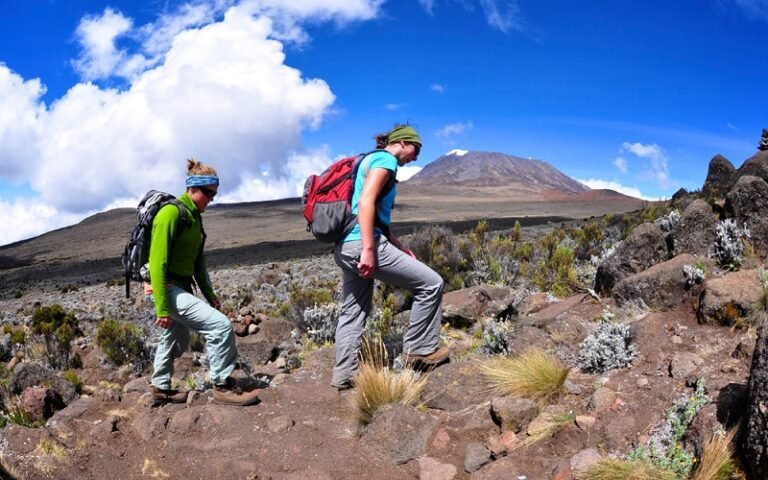
Kilimanjaro And Great Migration Safari July : Your Ultimate Tanzanian
Combining a Kilimanjaro climb with a Great Migration safari in July 2027 offers a spectacular Tanzanian adventure. This guide helps you plan your ideal itinerary, considering the best...
View package details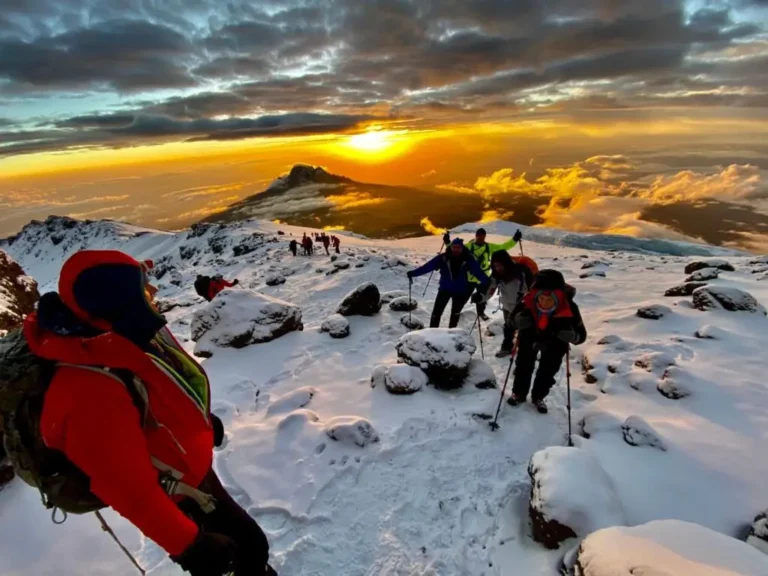
Kilimanjaro And Grumeti Migration Safari June : The Ultimate Tanzanian
Plan your unforgettable Kilimanjaro and Grumeti Migration safari for June 2027. This comprehensive guide details how to combine the challenge of summiting Africa's highest peak with the...
View package details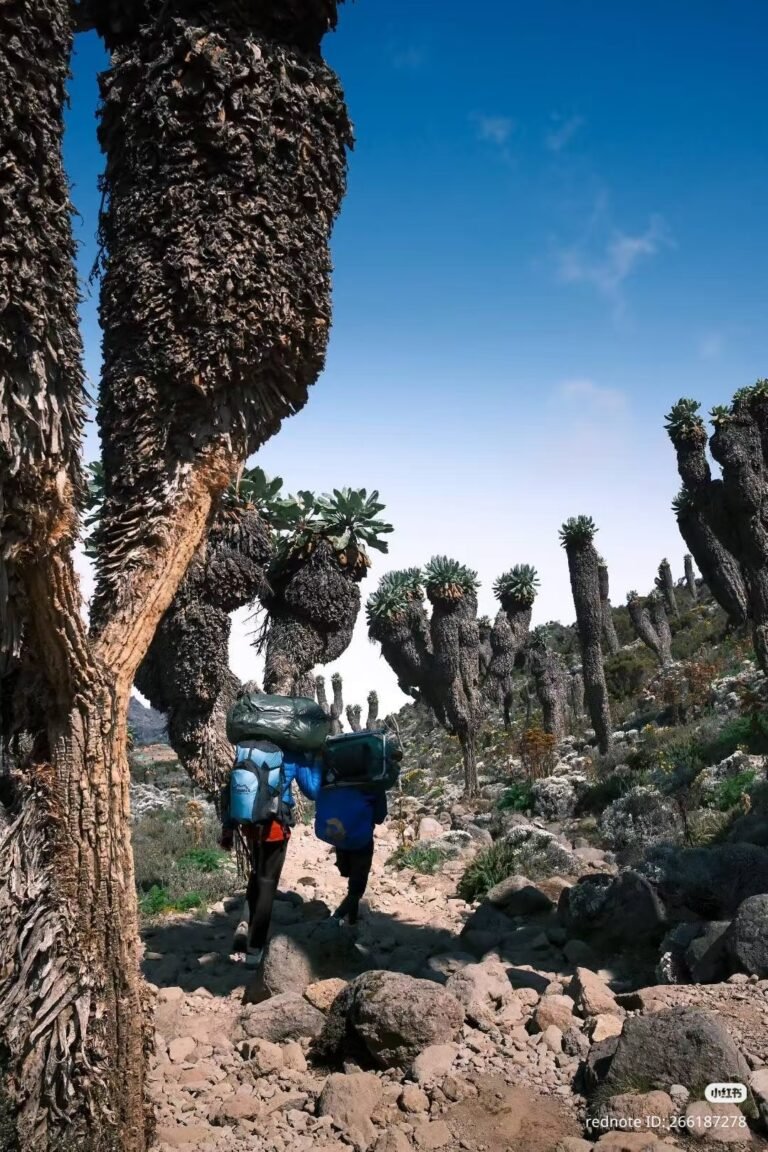
Kilimanjaro Christmas Climb And Tanzania Safari : Your Festive Adventure
Combine the magic of a Christmas ascent of Kilimanjaro with a thrilling Tanzania safari in 2026. Discover how to plan this dual adventure for a truly unique festive season.
View package detailsKilimanjaro And Mara River Crossing Safari August : Peak Season Adventure 2027
Combining the ultimate challenge of climbing Mount Kilimanjaro with the awe-inspiring spectacle of the Great Migration river crossing in the Maasai Mara offers an unparalleled African...
View package details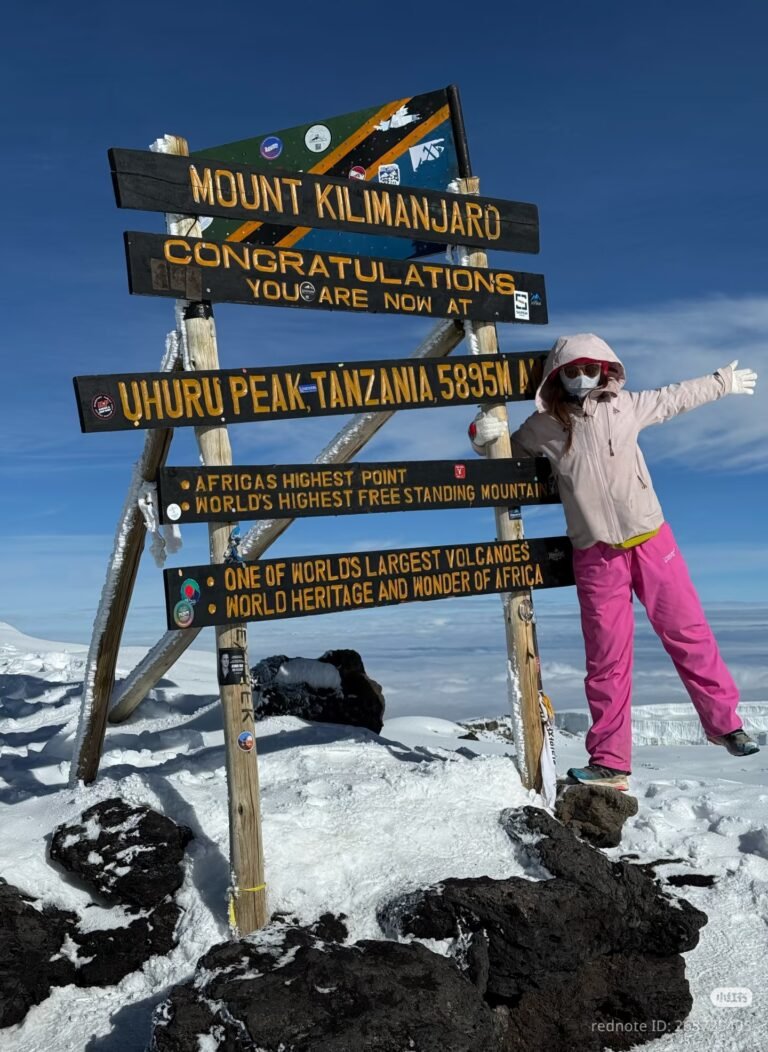
Kilimanjaro And Great Migration Safari August : Your Peak Season Adventure
Plan your ultimate Tanzanian adventure in August 2027, combining a Kilimanjaro climb with the spectacle of the Great Migration. This guide details the best timings, routes, and safari...
View package detailsKilimanjaro And Mara River Crossing Safari July 2027
Kilimanjaro and Mara River Crossing Safari July 2027 is explained with current 2027 planning, price, itinerary and booking information.
View package details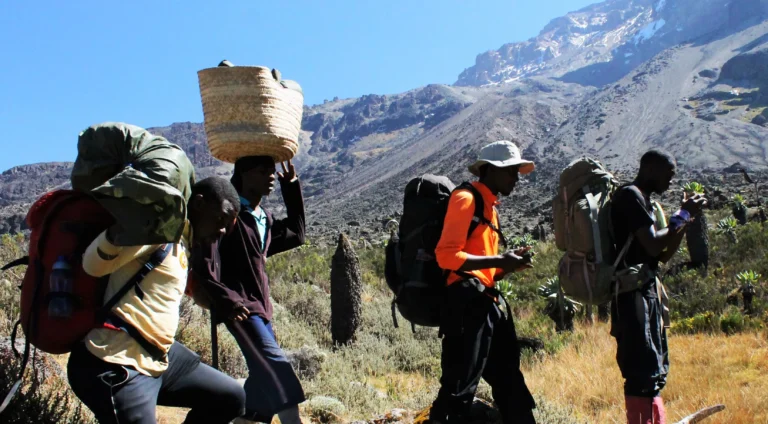
Best Kilimanjaro And Serengeti Calving Season Safari March 2027
Discover the magic of a March 2027 Kilimanjaro and Serengeti calving season safari. This guide explores the unique advantages and considerations for experiencing Tanzania's wildlife...
View package details
Kilimanjaro And Serengeti Calving Safari February : The Ultimate Planning
Combine the majesty of Mount Kilimanjaro with the impressive spectacle of the Serengeti's calving season in February 2027. This guide details how to plan this dual adventure, focusing on...
View package details
Kilimanjaro And Serengeti Calving Safari January 2026-2027
Kilimanjaro and Serengeti Calving Safari January 2027 is explained with current 2026-2027 planning, price, itinerary and booking information.
View package detailsNo related package matches those filters. Clear one or more filters to see the other topic-matched options.



