
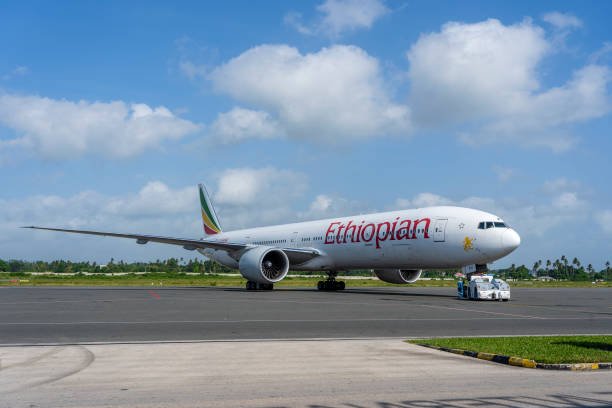
To get to Olkarien Gorge, the most common and practical approach involves flying into either Kilimanjaro International Airport (JRO) or Nairobi’s Jomo Kenyatta International Airport (NBO), followed by ground transfer. From Arusha, the primary gateway town in Northern Tanzania, you’ll typically arrange a private 4×4 safari vehicle or a shuttle service to cover the remaining distance, which can take several hours depending on road conditions and your specific starting point within the gorge area. For 2026-2027 travel, booking these transfers in advance with a local operator like Climb 4 Africa is highly recommended to ensure a smooth and efficient journey.
Understanding Your Journey to Olkarien Gorge
Olkarien Gorge, a less-trodden but incredibly rewarding natural wonder in Northern Tanzania, offers dramatic landscapes and a sense of raw wilderness. Reaching it requires careful planning, especially considering its remote location. Unlike more developed tourist hubs, getting to Olkarien Gorge involves a combination of international travel, domestic transfers, and often, specialized ground transportation. The journey itself can feel like an adventure, traversing diverse terrains and offering glimpses into rural Tanzanian life. Understanding the logistics is key to a stress-free experience, whether you’re planning for late 2026 or into 2027.
The primary decision point for most travelers is where to fly into. Your choice between Kilimanjaro International Airport (JRO) in Tanzania and Jomo Kenyatta International Airport (NBO) in Kenya will significantly influence the subsequent steps of your journey. Both have their advantages and disadvantages in terms of flight availability, cost, and the overland travel required to reach Olkarien Gorge. Once you’ve landed, the final leg is typically a drive from Arusha, the closest major town, using a dedicated safari vehicle. This section will break down these initial steps and set the stage for the more detailed planning required.
International Arrival Points: JRO vs. NBO
The first major decision impacting how you get to Olkarien Gorge is your international flight destination. Both Kilimanjaro International Airport (JRO) and Nairobi’s Jomo Kenyatta International Airport (NBO) serve as common entry points for tourists visiting Northern Tanzania. The choice often comes down to flight schedules, prices, and your overall itinerary for East Africa.
Arriving at Kilimanjaro International Airport (JRO)
Kilimanjaro International Airport (JRO), also known as Kilimanjaro Airport, is located between the towns of Arusha and Moshi. For travelers whose primary focus is Northern Tanzania’s attractions, including Olkarien Gorge, JRO is often the most direct and convenient option. It’s a smaller, more manageable airport than Nairobi’s, which can lead to quicker immigration and baggage claim processes. From JRO, you can arrange a direct transfer to Arusha, the main hub for organizing ground transport to Olkarien Gorge.
Pros of flying into JRO:
- Direct Access to Northern Tanzania: Significantly reduces overland travel time within Tanzania compared to entering from Kenya.
- Convenient for Kilimanjaro Trekkers: Many climbers land here, making it a familiar starting point for tour operators.
- Potentially Shorter Transfer to Arusha: The drive from JRO to Arusha is approximately 1-1.5 hours, much shorter than driving from Nairobi.
Cons of flying into JRO:
- Fewer International Flight Options: Depending on your origin, direct flights to JRO might be less frequent or more expensive than to Nairobi.
- Limited Facilities: As a smaller airport, it has fewer amenities compared to major international hubs.
If you choose JRO, your next step is a transfer to Arusha. This is typically a pre-booked service arranged by your tour operator, ensuring a driver meets you upon arrival. The drive takes you through rural landscapes, offering a first taste of Tanzania.
Arriving at Nairobi (Jomo Kenyatta International Airport – NBO)
Nairobi, Kenya’s capital, is a major East African aviation hub with extensive international flight connections. For many travelers, flying into NBO can be more economical or offer better flight times. However, arriving in Nairobi means you’ll need to account for the overland journey from Nairobi to Arusha, Tanzania. This is a significant distance and requires either a flight from Nairobi to Arusha (using Wilson Airport for domestic flights) or a long-distance bus or private transfer.
Pros of flying into NBO:
- Abundant Flight Options: Generally more international flights, potentially offering better prices and schedules from various global origins.
- Major Hub: Excellent connectivity within Africa and globally.
Cons of flying into NBO:
- Longer Overland Journey: The drive from Nairobi to Arusha is substantial, typically 5-7 hours, plus border crossing time.
- Border Crossing: Crossing the Kenya-Tanzania border can sometimes involve delays and requires proper documentation.
- Additional Travel Leg: You might need an internal flight from Nairobi to Arusha, adding complexity and cost.
If you opt for NBO, you have a few options to reach Arusha. The most common are: a) Taking a bus service (e.g., Scandinavia, Modern Coast) directly from Nairobi to Arusha; b) booking a short flight from Nairobi’s Wilson Airport to Arusha Airport; or c) arranging a private transfer from Nairobi. Each option has different costs, travel times, and comfort levels. For 2026-2027 travel, it’s wise to research current bus schedules and flight availability well in advance.
From Arusha to Olkarien Gorge: The Ground Transfer
Once you are in Arusha, the gateway to Northern Tanzania’s wonders, the next step to reaching Olkarien Gorge is arranging your ground transfer. This leg of the journey is crucial, as the roads leading to and within the gorge area can be challenging. The type of vehicle and service you choose will significantly impact your comfort, speed, and overall experience.
Olkarien Gorge is not typically accessed by public transport beyond Arusha. The final 50-100 kilometers (depending on the specific entry point you’re aiming for) often involve rough tracks and unpaved roads. Therefore, a robust, high-clearance vehicle is essential. This is where local tour operators, like Climb 4 Africa, play a vital role in facilitating your journey. They have the expertise and the vehicles needed for these conditions.
Private 4×4 Safari Vehicles
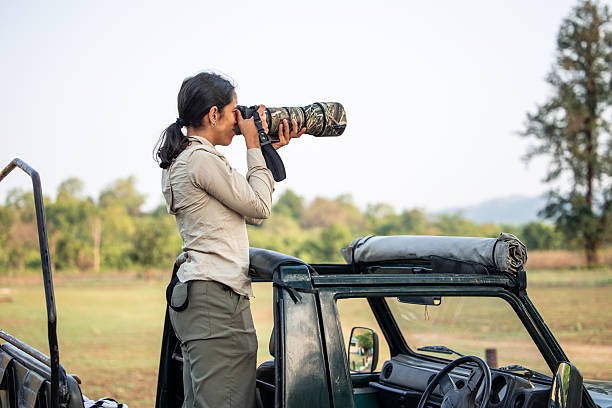
This is the most recommended and popular method for reaching Olkarien Gorge, especially for travelers who value comfort, flexibility, and a dedicated safari experience. A private 4×4 safari vehicle, usually a Land Cruiser or Land Rover, is equipped for rough terrain and often includes features like pop-up roofs for game viewing and photography, comfortable seating, and ample storage space for luggage. Booking this through a reputable tour operator ensures you have a knowledgeable driver-guide who understands the local routes, potential wildlife encounters, and the best places to stop.
Benefits of a private 4×4:
- Comfort and Durability: Built to handle challenging African roads.
- Flexibility: You can set your own pace, stop for photos, or make detours.
- Expert Driver-Guide: Provides local knowledge, navigation, and insights.
- Safety: A reliable vehicle and experienced driver enhance safety.
- Ideal for Photography: Pop-up roofs offer unobstructed views.
When booking a private 4×4 transfer to Olkarien Gorge, ensure that the vehicle is well-maintained and that the driver is experienced with the specific routes. For 2026-2027 bookings, confirm these details with your operator. The cost for a private transfer will be higher than shared options but offers unparalleled convenience and a premium experience.
Shared Transfers and Shuttles
While less common for direct access to the more remote parts of Olkarien Gorge, shared shuttles might be available for the initial leg from Arusha towards the general region or to nearby towns. These are typically minivans or minibuses operating on fixed schedules. They are generally more economical but offer less comfort and flexibility. For the final approach to Olkarien Gorge, a private 4×4 is almost always necessary, meaning a shared shuttle might only get you part of the way, requiring a change of transport.
Consider shared transfers if:
- Budget is a primary concern.
- You are traveling light and don’t require extensive luggage space.
- You are comfortable with less flexibility and potentially longer travel times due to multiple stops.
It’s important to note that the availability of reliable shared shuttles directly serving the Olkarien Gorge area is limited. Most travelers seeking to explore the gorge will opt for a private transfer arranged as part of a larger safari package. For planning in 2026-2027, confirm with your tour operator if any shared options can be integrated, but be prepared for the likelihood of needing a private vehicle for the latter stages.
Driving Times and Road Conditions
The drive from Arusha to Olkarien Gorge is not a simple highway run. Expect a journey that can take anywhere from 3 to 6 hours, and sometimes longer, depending on the exact destination within the gorge, the season, and the condition of the roads.
- Initial Stages: The roads out of Arusha towards the general vicinity of the gorge are often paved or in good condition, but this changes as you venture further off the main routes.
- Secondary Roads: These can be gravel, dusty, and bumpy, especially during the dry season.
- Off-Road Tracks: The final approach to specific viewpoints or lodges within the Olkarien Gorge area often involves unpaved, rutted tracks that require a capable 4×4 vehicle.
- Seasonal Impact: During the rainy seasons (typically March-May and November), roads can become muddy, slippery, and significantly more difficult to navigate, potentially leading to delays or even temporary inaccessibility for certain routes.
It’s essential to factor these conditions into your travel plans. A 2026-2027 trip during the dry season (June-October, December-February) will generally offer smoother travel. Your driver-guide will be adept at navigating these conditions, but patience is a virtue. Always confirm expected travel times with your tour operator, as they will have the most up-to-date information on road status.
Alternative Access Points and Routes
While Arusha is the most common starting point for reaching Olkarien Gorge, there are other potential access routes or points of interest that could be incorporated into your journey, especially if you are already exploring the wider Northern Tanzanian circuit. These alternatives might involve longer travel times or specific logistical considerations.
Via Lake Natron
Lake Natron, famous for its flamingos and dramatic alkaline landscape, is located to the northwest of Olkarien Gorge. If your itinerary includes a visit to Lake Natron, it’s geographically possible to travel between these two destinations. The route would involve traversing the rugged terrain of the Great Rift Valley. This journey is often undertaken by 4×4 vehicles and can be quite adventurous, with limited services along the way. It’s best suited for those on a longer safari who want to explore off-the-beaten-path areas. Confirming the feasibility and road conditions for this route with your tour operator for 2026 or 2027 is crucial, as these tracks can be highly seasonal.
Via Ngorongoro Conservation Area
While Olkarien Gorge is not directly within the Ngorongoro Conservation Area (NCA), its proximity means that a trip could potentially be combined with a visit to the Ngorongoro Crater or the surrounding highlands. Travel from the NCA towards Olkarien Gorge would likely involve navigating through or around the NCA’s boundary roads. This route might be longer and more complex than coming directly from Arusha, often requiring a dedicated 4×4 and a guide familiar with the area. It’s a route best suited for those on a comprehensive safari, allowing for a diverse range of landscapes and wildlife viewing experiences. Ensure your itinerary accounts for park fees and travel times if incorporating this option into your 2026-2027 plans.
Planning Your Trip to Olkarien Gorge in 2026-2027
Successful travel to a destination like Olkarien Gorge hinges on meticulous planning, especially when looking ahead to 2026 and 2027. Beyond just booking flights and transfers, several factors need consideration to ensure a smooth and enjoyable experience. Understanding the best times to visit, visa requirements, what to pack, and how to book your transport and accommodation are all critical components of preparing for your adventure.
Best Time to Visit
The accessibility and experience of Olkarien Gorge are significantly influenced by the seasons in Tanzania:
- Dry Season (June to October, December to February): This is generally the best time to visit. Roads are in better condition, making travel easier and faster. Wildlife is often more concentrated around water sources. Temperatures are pleasant, though evenings can be cool. This period is also peak tourist season, so booking well in advance for 2026-2027 is advisable.
- Shoulder Seasons (March, November): These months can offer a good balance with fewer crowds and potentially lower prices. However, they mark the transition into or out of the rainy seasons, so expect some unpredictable weather.
- Rainy Season (March to May, November): Travel can be more challenging during these months. Roads can become muddy and impassable, leading to significant delays or itinerary changes. Wildlife viewing might be more dispersed as vegetation is lush. While beautiful, this period requires more flexibility and a robust 4×4.
For 2026-2027, consider booking your trip during the dry season for the most reliable access and comfortable travel conditions. If you prefer fewer crowds and don’t mind potential weather disruptions, shoulder seasons can be an option.
Visa and Entry Requirements
For most nationalities visiting Tanzania, a visa is required. You can typically obtain a visa on arrival at JRO or NBO, or apply online in advance through the Tanzanian immigration website. It is highly recommended to check the latest visa regulations for your specific nationality well before your planned travel in 2026-2027, as requirements can change.
Key points:
- Tanzania Visa: Check the official Tanzanian immigration website for current fees and application procedures.
- Kenya Visa (if flying via NBO): Ensure you have the necessary visa for Kenya if your transit involves leaving the airport or spending significant time there.
- Passport Validity: Your passport must be valid for at least six months beyond your intended stay and have sufficient blank pages.
- Yellow Fever Certificate: Depending on your travel history (especially if coming from or transiting through a yellow fever risk country), you may need to present a valid Yellow Fever vaccination certificate.
Confirming these details with your tour operator or embassy is essential for a smooth entry into Tanzania.
Packing Essentials for the Gorge
Given the remote nature and varied terrain around Olkarien Gorge, packing thoughtfully is important. Layers are key, as temperatures can fluctuate throughout the day and at different altitudes.
Key items to consider:
- Lightweight, breathable clothing: For warm days.
- Warm layers: Fleece jacket, jumper, or down vest for cool mornings and evenings.
- Rain jacket: Waterproof and windproof, essential even in the dry season for unexpected showers.
- Comfortable walking shoes/hiking boots: Broken-in and suitable for uneven terrain.
- Sandals or comfortable shoes: For relaxing at your lodge.
- Sun protection: Wide-brimmed hat, sunglasses, high SPF sunscreen.
- Insect repellent: Especially for evenings.
- Camera and extra batteries/memory cards: You’ll want to capture the scenery.
- Binoculars: For wildlife spotting.
- Personal first-aid kit: With any personal medications.
- Reusable water bottle: To stay hydrated and minimize plastic waste.
- Headlamp or flashlight: Useful for navigating lodges or camps at night.
When packing for a 2026-2027 trip, check luggage restrictions if you plan on using any small charter flights within Tanzania.
Booking Your Transport and Accommodation
Booking your journey to Olkarien Gorge, particularly for travel in 2026-2027, should ideally be done several months in advance, especially if traveling during peak season. This is where engaging with a local tour operator like Climb 4 Africa is highly beneficial.
Recommended Booking Process:
- Contact a Local Operator: Reach out to experienced tour operators who specialize in Northern Tanzania. They can arrange not only the 4×4 transfer from Arusha but also your accommodation and any associated park fees or activities.
- Specify Your Needs: Clearly communicate your desired travel dates (e.g., for 2026 or 2027), group size, budget, and any specific interests.
- Confirm Inclusions: Understand exactly what is included in your transfer and accommodation package. This typically includes the vehicle, driver-guide, fuel, park entry fees (if applicable), and accommodation.
- Accommodation Booking: Lodges and camps near Olkarien Gorge are often limited and can book up quickly. Your operator can secure these for you.
Booking through a reputable operator ensures that you are using vehicles suitable for the terrain and that your arrangements are coordinated seamlessly. They can also advise on the best routes and timing based on current conditions.
What to Expect Upon Arrival
Upon reaching the vicinity of Olkarien Gorge, the experience shifts from transit to immersion in nature. The remoteness means infrastructure is basic, but this is part of its charm. Your arrival will likely be coordinated by your tour operator, ensuring a smooth transition to your accommodation and activities.
Local Support and Guides
Your driver-guide, arranged through your tour operator, is your primary point of contact and support once you are on the ground. They are not just drivers; they are often trained guides with extensive knowledge of the local area, wildlife, and culture. They will handle navigation, ensure your safety, and can provide insights into the natural environment.
For activities within Olkarien Gorge itself, such as guided walks or visits to specific viewpoints, additional local guides might be employed. These guides often have deep ancestral knowledge of the area and can offer a more intimate perspective on the gorge’s history and ecology. Ensure your tour package includes qualified guides for any planned excursions.
Accommodation Options Near the Gorge
Accommodation options directly at Olkarien Gorge are typically limited to eco-lodges, tented camps, or basic guesthouses. These are designed to blend with the natural environment and offer a rustic, authentic experience. Expect comfortable, but not necessarily luxurious, amenities. Options might include:
- Tented Camps: Offering a closer-to-nature feel with canvas tents, often with en-suite facilities.
- Eco-Lodges: Built with sustainable materials, providing comfortable rooms and communal areas.
- Basic Guesthouses: Simpler accommodations, often run by local communities, providing essential comforts.
When planning for 2026-2027, it’s crucial to book accommodation well in advance, as availability can be scarce. Your tour operator will be able to recommend and book suitable options based on your preferences and budget. Ensure you understand what is included in your accommodation rate (e.g., meals, activities).
Combining Olkarien Gorge with Other Destinations
Olkarien Gorge is often visited as part of a larger Northern Tanzanian itinerary. Its unique landscape and relative remoteness make it a compelling addition to classic safari routes or adventure trips. Integrating it requires careful logistical planning to maximize your time and minimize travel fatigue.
Safari Circuits
Olkarien Gorge can be a fascinating stop on a Northern Tanzania safari circuit. It offers a different perspective from the usual national parks, focusing more on geological formations and less on dense wildlife populations, though wildlife is present. A common route might involve starting in Arusha, heading to Tarangire National Park, then perhaps the Ngorongoro Conservation Area, followed by the Serengeti. Olkarien Gorge could be visited either en route to or from these destinations, or as a distinct excursion from Arusha.
Potential Itinerary Integration:
- Day 1-2: Arrive Arusha, prepare for safari.
- Day 3-5: Tarangire National Park (known for elephants and baobabs).
- Day 6-7: Ngorongoro Conservation Area (Crater descent).
- Day 8: Transfer to Olkarien Gorge area for exploration.
- Day 9-10: Serengeti National Park.
- Day 11: Return to Arusha.
This is just an example, and your operator can tailor it. Planning for 2026-2027 allows for securing preferred lodges and safari vehicles for popular circuits.
Kilimanjaro and Zanzibar
Many travelers combine their Tanzanian safari and gorge experiences with a climb of Mount Kilimanjaro or a relaxing holiday on the island of Zanzibar. These are distinct experiences, and the logistics of connecting them need careful planning.
Kilimanjaro: If you plan to climb Kilimanjaro, it’s often best to do this before or after your safari/gorge visit, as it requires significant physical exertion. Your Kilimanjaro climb would typically start and end in Arusha.
Zanzibar: After your safari and any overland travel, flying from Arusha (or Kilimanjaro Airport) to Zanzibar is a common and convenient option. Zanzibar offers beautiful beaches, historical Stone Town, and spice tours. This provides a perfect contrast to the rugged landscapes of the mainland.
For example, a 2026-2027 itinerary could look like:
- Arrive JRO, transfer to Arusha.
- Safari in Northern Tanzania, including a visit to Olkarien Gorge.
- Fly from Arusha to Zanzibar for beach relaxation and cultural exploration.
Or, a Kilimanjaro climb could be inserted between the safari and Zanzibar.
Travel Considerations for 2026-2027
When planning your trip to Olkarien Gorge for 2026 or 2027, several practical considerations will enhance your journey. Proactive planning can mitigate potential issues and ensure you make the most of this unique destination.
- Book in Advance: Especially for peak seasons in 2026-2027, lodges and reliable 4×4 transport can be scarce. Secure your bookings at least 6-12 months ahead.
- Health Precautions: Consult your doctor about necessary vaccinations and malaria prophylaxis well in advance of your travel dates.
- Travel Insurance: Ensure you have comprehensive travel insurance that covers medical emergencies, trip cancellations, and activities like hiking.
- Currency: The Tanzanian Shilling (TZS) is the local currency. US Dollars are widely accepted for tourist services, but it’s good to have some Shillings for smaller purchases or tips.
- Connectivity: Mobile phone reception can be spotty outside of major towns like Arusha. Consider purchasing a local SIM card if you need reliable communication.
- Sustainability: Be mindful of your environmental impact. Opt for eco-lodges, minimize plastic use, and respect local customs and wildlife.
By addressing these points early, you can lay the groundwork for an unforgettable adventure to Olkarien Gorge in the coming years.
Contact Climb 4 Africa for Your Journey
Navigating the logistics to reach a remote gem like Olkarien Gorge can seem daunting, but it’s precisely what local experts are for. Climb 4 Africa specializes in crafting smooth travel experiences across Tanzania, from Kilimanjaro climbs to in-depth safaris and unique destinations like Olkarien Gorge. They understand the intricacies of ground transportation, accommodation in remote areas, and the best times to visit, ensuring your 2026-2027 adventure is both authentic and comfortable.
Whether you’re flying into Kilimanjaro International Airport (JRO) or Nairobi (NBO), and require a reliable 4×4 transfer from Arusha, or are looking to integrate Olkarien Gorge into a broader safari itinerary, Climb 4 Africa can provide tailored solutions. They offer practical, on-the-ground support that makes a significant difference when traveling to less-visited locations.
To start planning your journey to Olkarien Gorge or to inquire about custom-made itineraries for 2026-2027, don’t hesitate to reach out. You can connect with their team via WhatsApp at +255 747 477 898 or send an email to climb4africa@gmail.com. Providing them with your travel dates, interests, and desired level of comfort will help them craft the perfect plan for your Tanzanian adventure.
Check Availability for How To Get To Olkarien Gorge: Your Essential Travel Guide 2026-2027
Ready to compare dates, prices, and the best option for your group? Send the package name and travel month so the team can reply with a clear quote, availability, and what is included.



