
The best time to visit Olkarien Gorge, particularly for exceptional wildlife viewing, is generally during the dry seasons, from June to October and then again from December to February. These periods offer clearer skies, more accessible game drives due to drier terrain, and concentrated animal populations around dwindling water sources, making sightings more frequent and dramatic for your 2026-2027 adventures.
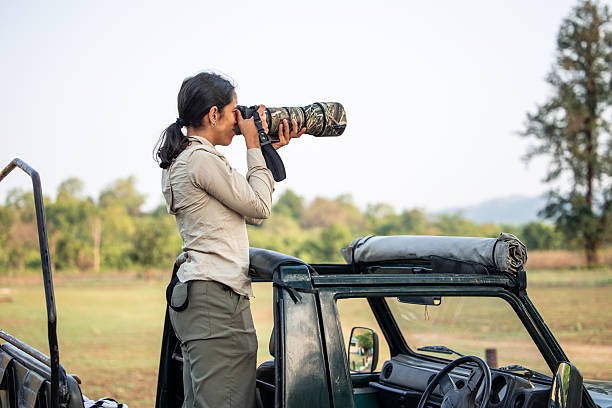
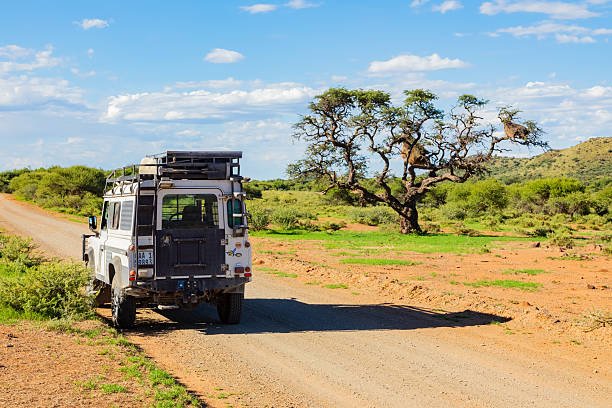
Olkarien Gorge: An Underrated Gem
While the Serengeti is globally renowned for its dramatic wildlife spectacles, particularly the Great Migration, specific areas within this vast ecosystem offer unique and often less crowded experiences. Olkarien Gorge, situated in the northern Serengeti, is one such location. It’s a place where the sheer density of wildlife, especially during certain times of the year, can rival more famous plains, offering an intimate and profound connection with the African bush. Understanding the rhythm of its seasons is paramount for any traveler aiming to witness its most spectacular offerings, especially as you plan for visits in 2026 and 2027.
Unlike some more accessible or heavily touristed parts of the Serengeti, Olkarien Gorge can be a bit more of a commitment to reach, often requiring specific flight arrangements or longer game drives. This remoteness, however, is part of its charm, preserving a wilder, more authentic safari feel. The landscape itself is a dramatic mix of open plains, acacia woodlands, and the dramatic gorge that gives it its name, providing diverse habitats that support a rich array of wildlife year-round. The key to unlocking its full potential lies in timing your visit to coincide with the movements of the wildebeest and zebra herds, and the predators that follow them, as well as understanding the nuances of the local climate.
Understanding Olkarien Gorge’s Seasons
Tanzania’s climate, and by extension that of Olkarien Gorge, is broadly divided into two main seasons: the dry season and the wet season. However, within these, there are distinct sub-periods that significantly influence wildlife behavior and visitor experience. For those planning their best time to visit Olkarien Gorge in 2026-2027, a detailed look at these seasonal shifts is crucial.
The Long Dry Season (June – October)
This is arguably the most sought-after period for safari-goers in the Serengeti, and Olkarien Gorge is no exception. The weather is characterized by cool mornings, warm to hot afternoons, and very little rainfall. The landscape, while losing its verdant lushness, becomes a more open canvas, making wildlife spotting easier. The scarcity of water forces animals to congregate around permanent water sources and rivers, making them more predictable and visible. This is the period when the Great Migration typically crosses the Mara River, a truly awe-inspiring event that draws immense predator activity to the northern Serengeti, including the areas around Olkarien Gorge.
Pros: Excellent for predator sightings, dramatic river crossings (if timed perfectly), generally stable weather, lower humidity, easier game drives due to dry roads.
Cons: Can be busier with other safari vehicles, requires booking well in advance for 2026-2027, can be cooler in the early mornings and evenings, vegetation is sparser.
The Short Rains (November)
November marks a transition. While often referred to as the ‘short rains’ or ‘vuli’ rains, they are typically unpredictable and can manifest as brief, heavy afternoon showers rather than prolonged downpours. This period can bring a welcome freshness to the landscape, with grass beginning to turn green. Wildlife is still relatively dispersed, and the Great Migration may have begun its southward journey, though some herds might still be in the northern areas or moving towards the central plains. The rains can sometimes make game drives more challenging due to muddy tracks, but they also offer beautiful photographic opportunities with dramatic skies and a rejuvenated environment.
Pros: Fewer crowds, lush landscapes emerging, potential for dramatic skies, good birdwatching as migratory birds start arriving.
Cons: Unpredictable rainfall can disrupt game drives, some wildlife may start dispersing, roads can become muddy and difficult to navigate.
The Long Rains (December – March)
This is Tanzania’s primary rainy season, often called ‘masika’. While it can mean significant rainfall, particularly in January and February, it’s not always continuous. Often, you’ll experience sunny mornings followed by heavy afternoon or evening downpours. This period is crucial for the calving season of the wildebeest and zebra, with hundreds of thousands of newborns arriving on the southern plains of the Serengeti. While the Great Migration is primarily in the south during this time, Olkarien Gorge itself still hosts resident game, and the lush grass attracts herbivores. Birdlife is also at its peak, with resident and migratory species in full plumage. The landscape is incredibly green and vibrant, offering a different kind of beauty.
Pros: Incredible photographic opportunities with lush scenery, excellent birdwatching, calving season is a major event (though typically further south), fewer tourists, potentially lower prices for 2026-2027 travel.
Cons: Heavy rains can make game drives very difficult or impossible on certain tracks, visibility can be reduced, some animals may be harder to spot due to thicker vegetation, the main migration is usually far from the north.
The Short Dry Season (April – May)
This period is often considered the ‘shoulder season’ and can be a mixed bag. April typically sees the tail end of the long rains, with continued potential for showers. May usually transitions into a drier spell, though it’s not as consistently dry as the June-October period. The landscape is still very green from the rains, and the animal populations are beginning to concentrate again as the dry spell intensifies. It can offer a good balance of good game viewing without the peak season crowds, but the weather can be less predictable.
Pros: Lush green landscapes, fewer crowds than the main dry season, potential for good wildlife sightings as animals begin to gather.
Cons: Weather can be unpredictable with lingering rain in April, roads can still be muddy early in the period, not the peak season for the Great Migration in the north.
Seasonal Wildlife Highlights at Olkarien Gorge
The true magic of Olkarien Gorge, and indeed the Serengeti, is its dynamic wildlife. The timing of your visit can dramatically alter what you see, particularly concerning the iconic Great Migration. For the best time to visit Olkarien Gorge, consider these specific wildlife events:
June-October: The Great Migration and Predators
This is the period when the northern Serengeti truly comes alive with the Great Migration. Hundreds of thousands of wildebeest and zebras, along with their calf-producing and predator-attracting counterparts, are typically found in the northern reaches. The dramatic crossings of the Mara River are a highlight, a perilous journey for the animals and a spectacle of raw nature that draws lions, leopards, cheetahs, and crocodiles in significant numbers. Olkarien Gorge, being in this prime northern location, offers unparalleled opportunities to witness these events. Predator sightings are at their peak, with lions often seen patrolling the plains, leopards in the trees, and cheetahs hunting on the open grasslands. This is also a fantastic time for resident game, including elephants, giraffes, buffalo, and a wide variety of antelopes, as they too benefit from the concentrated prey.
Why it’s great for 2026-2027: If witnessing the Great Migration and its attendant predator action is your primary goal, aiming for June, July, August, September, or early October is your best bet for Olkarien Gorge.
December-March: Calving Season and Birdlife
While the bulk of the Great Migration is typically in the southern Serengeti during this time, Olkarien Gorge still teems with resident wildlife. The landscape is lush and green, a stark contrast to the dry season. This period is renowned for the calving season, where newborn wildebeest and zebras emerge on the southern plains, offering incredible opportunities to see predator-prey interactions focused on the very young. For bird enthusiasts, this is paradise. The arrival of Palaearctic migratory birds, coupled with resident species in their breeding plumage, makes the skies and woodlands a vibrant spectacle. It’s a quieter time in terms of the migration’s drama, but the abundance of resident game and the sheer beauty of the green season offer a different, yet equally rewarding, safari experience. It’s also a good time for photographic safaris due to the vibrant colours and dramatic skies, provided you can navigate any rain.
Why it’s great for 2026-2027: For photographers, birdwatchers, or those seeking a greener landscape with abundant resident game and fewer crowds, late December, January, February, and March can be excellent choices, though less focused on the migration spectacle in the north.
April-May: Lush Landscapes and Fewer Crowds
These months represent a transition. April often still sees the tail end of the long rains, meaning the landscape is at its most verdant. By May, the rains are usually subsiding, and the dry season is beginning to take hold. This period can offer a delightful balance: the scenery is beautiful and green, and the animal concentrations are starting to increase as water sources become more critical. Crucially, the crowds of the peak dry season have typically dispersed. This can lead to a more exclusive and intimate safari experience. While the major migration river crossings are unlikely to be happening in the north during this time, resident game is plentiful, and the opportunity to explore the landscapes in their post-rain glory is significant. It’s a good time to consider for 2026-2027 if you prioritize beautiful scenery and a more relaxed atmosphere.
Pros: Stunning green scenery, significantly fewer tourists, potentially more affordable options for 2026-2027, good resident wildlife viewing.
Cons: April can still have substantial rainfall impacting game drives, May is a transition and not guaranteed dry, main migration is typically absent from the north.
November: A Transitional Month
November is a month of change. The short rains can begin, bringing brief but intense showers that can temporarily affect road conditions and game viewing accessibility. However, these rains also herald the return of green shoots, transforming the landscape. The Great Migration is usually moving south from the northern Serengeti during this time, so while some herds may still be present, their concentration will be decreasing. It’s a month where you might catch the tail end of some northern sightings or the beginning of movements towards the central and southern plains. Birdlife starts to increase with the arrival of Palaearctic migrants. For those seeking a truly off-peak experience and willing to be flexible with their plans, November can offer unique opportunities, but it requires careful planning and a higher tolerance for potential weather disruptions.
Pros: Very few tourists, vibrant green landscapes appearing, unique photographic light, good birding.
Cons: Unpredictable rainfall, muddy conditions possible, migration is moving away from the north.
Weather Patterns and Your Visit
While seasons provide a broad framework, understanding the specific weather patterns at Olkarien Gorge will help you pack appropriately and manage expectations for your 2026-2027 safari. The Serengeti’s climate is influenced by its altitude and proximity to the equator.
Temperature Ranges
Temperatures in Olkarien Gorge can vary significantly between day and night, and across seasons. Generally, you can expect:
- Dry Season (June-October): Mornings and evenings can be cool to chilly, often dropping to 10-15°C (50-59°F), especially at higher elevations or during windy periods. Midday temperatures are pleasant to warm, typically ranging from 20-28°C (68-82°F).
- Wet Season (December-March): Days are generally warmer and more humid, with midday temperatures often reaching 25-30°C (77-86°F). Evenings are milder than in the dry season, rarely dropping below 18-20°C (64-68°F).
- Transitional Months (April-May, November): Temperatures are moderate, with a mix of warm days and cooler mornings/evenings.
It’s always advisable to pack layers to accommodate these fluctuations.
Rainfall Patterns
The defining characteristic of the seasons is rainfall. Olkarien Gorge receives the majority of its precipitation during the long rains (December-March) and the short rains (November). The dry seasons (June-October) see very little rainfall, which is why wildlife congregates around permanent water sources. Even during the wet season, rain often comes in short, intense bursts, typically in the afternoon or evening, allowing for game drives in the mornings.
Humidity and Comfort
Humidity levels are generally lower during the dry season, making the climate feel more comfortable and less oppressive. During the wet season, humidity increases significantly, which can make the warmer temperatures feel more intense. Travelers sensitive to heat and humidity might prefer the dry season for their 2026-2027 visit.
Planning Your Visit for 2026-2027
With a clear understanding of the seasons and wildlife patterns, you can begin to fine-tune your travel plans. The best time to visit Olkarien Gorge for you will depend on your priorities, whether it’s witnessing the Great Migration, enjoying lush landscapes, or seeking a more secluded experience.
Booking Considerations
Given Olkarien Gorge’s location in the northern Serengeti, accessibility is a key factor. Most travelers reach this area via light aircraft flights from Arusha or other Serengeti airstrips to Kogatende Airstrip, which is closest to the northern sector. Alternatively, longer, full-day game drives from central Serengeti camps are possible but can be tiring. For the 2026-2027 period, booking well in advance is highly recommended, especially if you are targeting the peak dry season (June-October) or specific events like the Mara River crossings.
Key booking points:
- Flights: Light aircraft flights are the most efficient way to reach the northern Serengeti. Book these as early as possible, as seats are limited.
- Accommodation: Lodges and tented camps in the northern Serengeti, particularly those offering prime locations for migration viewing, fill up quickly for 2026-2027.
- Guides and Vehicles: Ensure your safari operator provides experienced guides familiar with the northern sector and reliable 4×4 vehicles suitable for varied terrain.
- Park Fees: Understand how park fees are structured and included in your package.
Accommodation Options
The accommodation in and around Olkarien Gorge ranges from luxury tented camps to more permanent lodges. These options are strategically located to maximize wildlife viewing opportunities, often offering stunning views of the plains or the gorge itself. During the peak migration season, camps in the north are in high demand for 2026-2027. It’s worth considering:
- Tented Camps: These offer a classic safari experience, often with canvas walls, en-suite bathrooms, and comfortable furnishings. Some are mobile, moving with the migration.
- Luxury Lodges: For those seeking more amenities, permanent lodges provide a higher level of comfort and facilities.
- Exclusive Use: For families or groups, consider private conservancies or exclusive-use camps for a more personalized experience.
The choice of accommodation will significantly impact your overall experience and budget for your best time to visit Olkarien Gorge trip.
What to Pack
Packing smart is essential for a comfortable safari. Regardless of the season in 2026-2027, neutral-colored clothing is recommended to blend in with the environment and avoid startling wildlife. Layers are key due to temperature variations.
- Clothing: Lightweight long-sleeved shirts and trousers (for sun and insect protection), T-shirts, a warm fleece or jacket for cool mornings/evenings, a waterproof and windproof jacket (especially for the wet season or transitional months), comfortable walking shoes, socks, and perhaps a hat with a wide brim.
- Gear: Binoculars are essential for wildlife viewing. A good camera with extra batteries and memory cards will capture memories. Sunscreen, insect repellent, a small backpack for day trips, and a reusable water bottle are also advisable.
- Health: Consult your doctor regarding necessary vaccinations and malaria precautions. Carry a basic first-aid kit.
Itinerary Planning
When planning your itinerary for Olkarien Gorge, consider the balance between game drives and relaxation. A typical safari itinerary might include:
- Day 1: Arrive at Kilimanjaro International Airport (JRO), transfer to Arusha for an overnight stay or catch a connecting flight to the Serengeti.
- Day 2: Fly to Kogatende Airstrip, meet your guide, and begin a game drive en route to your camp/lodge in Olkarien Gorge.
- Days 3-5: Full days of game drives in Olkarien Gorge and surrounding areas, focusing on predator sightings, resident game, and potentially migration movements depending on the season.
- Day 6: Morning game drive, then transfer to the airstrip for your flight back to Arusha or Kilimanjaro.
For the best time to visit Olkarien Gorge to see river crossings, you’ll need to align your dates precisely with the migration’s passage, which can be influenced by rainfall patterns and grazing availability in any given year for 2026-2027.
Olkarien Gorge vs. Other Serengeti Areas
The Serengeti is vast, and each region offers a distinct safari experience. Understanding how Olkarien Gorge compares can help you make informed decisions for your 2026-2027 trip.
- Central Serengeti (Seronera): Known for its resident wildlife year-round, especially big cats like leopards and lions. It’s generally more accessible and busier. Olkarien Gorge offers a more focused migration experience during specific months.
- Southern Serengeti (Ndutu): The prime location for the wildebeest calving season (December-March). While Olkarien Gorge has resident game, Ndutu is the epicenter of newborn life during this period.
- Western Corridor (Grumeti): Famous for its large crocodiles and the Grumeti River crossings, typically occurring around May-July. This is a different migration spectacle than the Mara River crossings in the north.
Olkarien Gorge’s unique selling point is its role in the northern migration pathway, especially for the dramatic Mara River crossings, offering a more concentrated and intense wildlife viewing experience during its peak season compared to the year-round resident game of Seronera.
Activities Beyond Game Drives
While game drives are the cornerstone of any Serengeti safari, some lodges and camps in the Olkarien Gorge area may offer additional activities, depending on regulations and their specific concessions. These can enhance your understanding and appreciation of the ecosystem:
- Walking Safaris: In designated areas, guided walking safaris offer a chance to connect with the bush on foot, learning about smaller details like tracks, plants, and insects. This is a highly in-depth experience.
- Hot Air Balloon Safaris: A sunrise hot air balloon ride over the Serengeti plains is an unforgettable experience, offering a unique perspective of the landscape and wildlife. This is often available from central Serengeti camps but can sometimes be arranged for northern sector visitors, particularly from larger camps.
- Cultural Visits: While not as common in the remote northern sector, some itineraries might include visits to local Maasai communities, offering insights into their traditional way of life.
Always confirm the availability of these activities with your tour operator when booking your 2026-2027 safari to Olkarien Gorge.
Making the Most of Your Trip
To ensure your safari to Olkarien Gorge is as rewarding as possible, consider these final tips:
- Flexibility: Wildlife is unpredictable. While the best time to visit Olkarien Gorge offers higher probabilities, be prepared for variations and embrace the unexpected.
- Patience: Sometimes, the best sightings require patience. Your guide will know when to wait and when to move on.
- Respect Wildlife: Always maintain a safe distance and follow your guide’s instructions. Remember, you are a guest in their natural habitat.
- Listen to Your Guide: Local guides possess invaluable knowledge about animal behavior, tracks, and the best viewing spots.
- Stay Informed: Keep up-to-date with any travel advisories or park regulations that might affect your plans for 2026-2027.
Contact Climb 4 Africa for Your 2026-2027 Safari
Choosing the right time and operator for your safari to Olkarien Gorge is crucial for an unforgettable experience. At Climb 4 Africa, we specialize in crafting tailor-made safari adventures across Tanzania, including in-depth explorations of the Serengeti. Our local expertise ensures you get the most out of your visit, whether you’re aiming for the dramatic river crossings of the Great Migration or the serene beauty of the green season.
We can help you navigate the complexities of seasonal wildlife movements, flight bookings, and the best lodge selections for your chosen travel dates in 2026 and 2027. Understanding the nuances of the best time to visit Olkarien Gorge is our business, and we’re passionate about sharing this incredible region with you. Let us help you plan a safari that perfectly matches your interests and expectations.
To discuss your personalized safari itinerary, tailor-made for 2026-2027, or to get a quote for your dream trip to Olkarien Gorge, please reach out to our expert team:
- WhatsApp: +255 747 477 898
- Email: climb4africa@gmail.com
We look forward to helping you plan an extraordinary Tanzanian adventure.
Check Availability for Best Time To Visit Olkarien Gorge: A Seasonal Guide For 2026-2027
Ready to compare dates, prices, and the best option for your group? Send the package name and travel month so the team can reply with a clear quote, availability, and what is included.



