
The Serengeti National Park is world-famous primarily because it hosts the planet’s largest and most dramatic terrestrial mammal migration, known as the Great Migration, where over two million wildebeest, zebras, and gazelles traverse its plains in search of fresh grazing. Beyond this singular spectacle, its fame is cemented by its incredible density and diversity of resident wildlife, its vast, iconic savanna landscapes that define the quintessential African wilderness, and the sheer abundance of predators that follow the migrating herds, offering unparalleled opportunities for wildlife viewing year-round.
The Unrivaled Spectacle: The Great Migration
When people think of the Serengeti, the first image that often springs to mind is the Great Migration. This isn’t just a casual movement of animals; it’s a relentless, epic journey spanning approximately 1,800 miles (2,900 km) annually, involving an estimated 1.5 million wildebeest, 300,000 zebras, and 250,000 gazelles. Its scale is staggering, and its drama is constant, making it the single biggest draw and the primary reason for the Serengeti’s global renown. Understanding this migration is key to appreciating why the Serengeti holds such a special place in the natural world.
The migration is a perpetual cycle, dictated by the rains and the availability of fresh grass. It’s a year-round phenomenon, though its location shifts. Typically, the year begins with the calving season in the southern Serengeti (around January to March). This is a time of vulnerability, with thousands of newborn wildebeest and zebra foals taking their first wobbly steps, becoming immediate targets for predators. Following the calving, the herds begin to move north and west, driven by the need for greener pastures, as the southern plains become depleted. This northward movement continues through the dry season, with large numbers of animals crossing the Grumeti River in the western corridor, often facing formidable river crossings. The ultimate goal is the Mara River, on the northern border of the Serengeti with Kenya’s Maasai Mara National Reserve. The crossings of the Mara River, usually between July and October, are perhaps the most iconic and photographed moments of the migration, with thousands of animals plunging into the crocodile-infested waters in a desperate bid for survival. After spending time in the northern Serengeti and Maasai Mara, the herds eventually turn south again, following the rains that return to the eastern and southern plains, completing the vast circular route.
The sheer visual impact of hundreds of thousands of animals moving together across the open savanna is something that has to be seen to be believed. It’s a thunderous, dusty, chaotic, and utterly mesmerizing display of life, death, and the primal instinct to survive. This constant ebb and flow of life is what draws countless visitors, photographers, and wildlife enthusiasts to the Serengeti year after year.
For travelers aiming to witness this phenomenon, timing is everything. The exact timing of the migration can vary slightly each year based on rainfall patterns. For instance, in 2026 or 2027, a particularly dry start to the year might push the herds north earlier, while good rains could keep them in the south for longer. This unpredictability is part of nature’s grand design, but it means that planning a safari specifically to see the migration requires careful consideration of the time of year and the specific region within the Serengeti you intend to visit.
Key periods for migration viewing:
- January – March: Southern Serengeti (calving season, predator action).
- April – May: Central and Western Serengeti (herds moving north/west, potential river crossings).
- June – October: Western and Northern Serengeti (Grumeti and Mara River crossings are most likely).
- November – December: Eastern and Southern Serengeti (herds returning south following rains).
The opportunity to witness the Great Migration is a bucket-list item for many, and it’s this extraordinary natural event that places the Serengeti at the pinnacle of safari destinations worldwide.
The Drama of River Crossings
While the sheer numbers are impressive, it’s the dramatic river crossings that truly elevate the Great Migration’s fame. The Grumeti and Mara Rivers are natural barriers that the migrating herds must overcome. These aren’t gentle streams; they are powerful, often fast-flowing rivers that are also home to formidable predators, most notably Nile crocodiles. The sight of thousands of wildebeest and zebras hesitating at the river’s edge, the tension palpable, before a few brave souls plunge in, triggering a stampede, is an unforgettable experience.
Crocodiles, some growing to over 15 feet, lie in wait, masters of ambush. As the herds enter the water, these reptiles strike with incredible speed and power, dragging animals beneath the surface. The ensuing struggle is brutal and a stark reminder of the harsh realities of survival in the wild. Other predators, like lions and hyenas, also capitalize on the chaos, picking off stragglers or injured animals on the riverbanks.
Witnessing a river crossing requires patience, luck, and often, expert guidance. Safari guides spend countless hours tracking the herds and monitoring river conditions. The crossings are not guaranteed daily events; they depend on the animals’ decision to cross, which is influenced by factors like predator presence, the condition of the riverbanks, and the availability of grass on the other side. For this reason, many safari itineraries focusing on migration viewing will position vehicles strategically near known crossing points during the peak season (typically July to October) to maximize the chances of a sighting. The sheer spectacle and raw power of these crossings are a significant part of what makes the Serengeti so famous.
The Miracle of Calving Season
The opposite end of the migration’s spectrum is the calving season, usually occurring between January and March in the southern plains of the Serengeti. This period is equally significant for the ecosystem, albeit less dramatically violent than the river crossings. During this time, hundreds of thousands of wildebeest cows give birth to their calves, often within a few weeks of each other. This synchronized birthing strategy is a remarkable evolutionary adaptation.
The primary advantage of synchronized calving is to overwhelm predators. While predators like lions, hyenas, and wild dogs are present and actively hunt, the sheer number of newborns means that no single predator can possibly take down all the vulnerable calves. This increases the survival rate for each individual calf compared to a scenario where births are spread throughout the year. The southern Serengeti during this time is teeming with young life, offering incredible opportunities to observe mother-and-calf interactions and the early stages of predator-prey dynamics.
For visitors, the calving season provides a different, yet equally compelling, wildlife experience. The landscape is lush and green, and the presence of so many young animals adds a sense of renewal and hope. It’s a period of intense activity for predators, making it an excellent time for lion and hyena sightings, as they are busy with successful hunts. The Serengeti’s fame is not just about the grand, dramatic moments but also about these profound cycles of life and survival, and the calving season is a testament to that.
A Haven for Wildlife: Density and Diversity
While the Great Migration is the headline act, the Serengeti’s fame is equally rooted in its astounding resident wildlife populations. It’s not just the number of animals, but the incredible diversity that truly sets it apart. This vast ecosystem supports an astonishing array of species, from the iconic “Big Five” (lion, leopard, elephant, rhino, and buffalo) to countless smaller mammals, birds, and reptiles. The sheer density of game, particularly in certain areas and at certain times of the year, means that wildlife sightings are not just possible, but practically guaranteed on any safari.
The Serengeti ecosystem is vast, encompassing over 14,750 square kilometers (5,700 sq mi) of grasslands, woodlands, and riverine forests. This varied habitat supports a complex food web, allowing a wide range of species to thrive. It’s estimated that the park is home to over 300 species of mammals, over 500 species of birds, and thousands of species of insects and plants. This biodiversity is a crucial component of its fame.
Key resident wildlife highlights:
- Big Five: While rhinos are rare and elusive, lions are abundant, leopards are famously stealthy but often seen in acacia trees, elephants are widespread, and buffalo herds are a common sight.
- Cats: Beyond lions and leopards, the Serengeti is one of the best places in Africa to see cheetahs, known for their incredible speed on the open plains. Servals and caracals also inhabit the park.
- Ungulates: In addition to the migrating herds, many species like Thomson’s gazelles, Grant’s gazelles, impalas, topi, elands, and giraffes are resident year-round.
- Primates: While not as prominent as in other parks, troops of baboons and vervet monkeys are common.
- Birds: The Serengeti is a birdwatcher’s paradise, with species ranging from ostriches and secretary birds to various eagles, vultures, and smaller colorful birds.
The constant presence of these animals, not just during the migration, ensures that a safari in the Serengeti is always rewarding. Even outside the peak migration months, the resident populations provide spectacular viewing opportunities. This year-round abundance is a significant factor in its enduring fame.
The Pride of Lions and Stealthy Leopards
The Serengeti is often called the “land of lions,” and for good reason. It boasts one of the highest concentrations of lions in Africa. These magnificent big cats are a major attraction, and their presence is felt across the park. Visitors can often see prides resting under acacia trees, hunting on the open plains, or grooming their cubs. The sheer number of lions means that spotting them is highly probable, contributing significantly to the Serengeti’s reputation as a prime big cat destination.
Leopards, on the other hand, are more solitary and elusive. They are masters of camouflage and often prefer to spend their time in trees, away from the prying eyes of other predators like lions and hyenas. The Serengeti’s scattered acacia woodlands and riverine forests provide ideal habitat for leopards. While they are harder to spot than lions, the Serengeti offers excellent chances to see them, especially in areas like the Seronera Valley, where they are known to frequent trees along the riverbanks. Seeing a leopard draped over a branch, often with a fresh kill, is a highlight for many safari-goers, and the Serengeti delivers these moments consistently.
Cheetahs on the Open Plains
The vast, open grasslands of the Serengeti are the perfect hunting ground for cheetahs. These incredibly fast sprinters are built for speed, and watching one chase down its prey across the savanna is a impressive spectacle. The Serengeti is considered one of the best places in the world to observe cheetahs in their natural habitat. Unlike lions and leopards, cheetahs are diurnal hunters, meaning they are most active during the day, often in the early morning or late afternoon. This makes them more accessible for daytime game drives.
Visitors often spot cheetahs resting on termite mounds, using them as vantage points to survey the plains for prey. These elevated positions also offer a clear view for photographers. The Serengeti’s open terrain allows for unobstructed views of cheetahs in action, from their characteristic low crouch to their explosive sprints. The presence of a healthy cheetah population, thriving on the open plains, adds another layer to the Serengeti’s allure and contributes significantly to its fame as a premier wildlife destination.
Vast, Iconic Landscapes
Beyond the wildlife, the Serengeti’s physical environment plays a crucial role in its fame. The name “Serengeti” is derived from the Maasai word ‘Siringet,’ meaning “endless plains.” This name perfectly captures the essence of its landscape: vast, sweeping savannas that stretch as far as the eye can see, dotted with acacia trees, kopjes (rocky outcrops), and winding rivers. These are the iconic landscapes that have been immortalized in countless nature documentaries and photographs, defining the archetypal African wilderness.
The sheer scale of the Serengeti is overwhelming. It’s a place where you can drive for hours and feel a profound sense of solitude and timelessness. The horizon seems to go on forever, and the sky feels immense. This sense of endlessness is not just visually striking; it’s also vital for the wildlife it supports, particularly for the migratory herds that need such vast spaces to roam and graze.
Key landscape features:
- Open Savanna: The dominant feature, providing grazing for herbivores and wide-open hunting grounds for predators.
- Acacia Woodlands: Scattered across the plains, offering shade and browse for giraffes and elephants, and perching spots for leopards.
- Riverine Forests: Crucial habitats along rivers, providing water and cover for a variety of animals, especially during dry seasons.
- Kopjes: These granite outcrops rise dramatically from the plains, offering shelter, nesting sites for birds of prey, and vantage points for lions and other animals. They are also important micro-habitats for unique flora and fauna.
- Grumeti and Mara Rivers: These major river systems are lifeblood for the ecosystem and famous for the dramatic migration crossings.
The visual grandeur of the Serengeti is a significant part of its appeal. Sunrises and sunsets paint the sky in incredible hues, casting long shadows across the plains, creating photographic opportunities that are simply unparalleled. The raw, untamed beauty of these landscapes is a powerful draw for visitors seeking an authentic wilderness experience.
The Significance of Kopjes
The kopjes scattered throughout the Serengeti are more than just geological features; they are vital hubs within the ecosystem. These ancient rock formations provide crucial shelter from the sun and predators, especially for smaller animals and nesting birds. They are also favored hunting grounds for lions and leopards, offering elevated positions to survey the surroundings and ambush unsuspecting prey. For visitors, kopjes are often focal points for wildlife sightings and offer stunning panoramic views of the surrounding plains.
Famous kopjes, like those in the Moru Kopjes area, are known for their resident lion prides and are often rich in birdlife. They provide a stark, beautiful contrast to the flat plains, breaking up the horizon and adding visual interest. The presence of these rocky islands within the sea of grass is a distinctive element of the Serengeti’s landscape, contributing to its unique character and fame.
Predator Paradise: The Big Cats and More
The Serengeti’s fame is inextricably linked to its status as a predator paradise. The sheer abundance of prey, driven by the Great Migration and supported by robust resident populations, creates an ideal environment for carnivores. This leads to some of the most thrilling and sought-after wildlife encounters on any safari: observing predators in action.
It’s not just the “Big Five” predators that make the Serengeti famous, but the diversity and sheer numbers of carnivores that call it home. Lions are, of course, the most visible and abundant, but the park also supports healthy populations of leopards, cheetahs, spotted hyenas, and the endangered African wild dog. The constant drama of the predator-prey relationship unfolds daily across the plains, offering visitors a front-row seat to the raw power and intricate dynamics of the African savanna.
Predator highlights in the Serengeti:
- Lions: The most common big cat, found in large prides across the park.
- Leopards: Elusive but present, especially in woodland and riverine areas.
- Cheetahs: Often seen on the open plains, hunting gazelles.
- Spotted Hyenas: Abundant and highly social, often seen in large clans, known for their powerful jaws and complex social structures.
- African Wild Dogs: Though rarer and more nomadic, sightings are possible, especially in the western and southern Serengeti. Their presence is a significant indicator of a healthy ecosystem.
- Other Predators: Jackals, bat-eared foxes, and various smaller predators also inhabit the park.
The high concentration of predators means that even a short safari can yield incredible sightings. Witnessing a lion hunt, a cheetah sprint, or a leopard on the prowl is a profound experience that cements the Serengeti’s reputation as a premier wildlife destination. The constant, dynamic struggle for survival is a core part of the Serengeti’s allure.
The Role of Hyenas
Spotted hyenas are often misunderstood, but they are incredibly important predators and scavengers within the Serengeti ecosystem. They are highly intelligent, social animals, living in large matriarchal clans. Hyenas are powerful hunters in their own right, capable of taking down prey as large as wildebeest and zebras, and they are also formidable competitors to lions, often stealing their kills or even engaging in territorial disputes.
The Serengeti has one of the highest densities of spotted hyenas in Africa. Their distinctive whooping calls are a common sound on night drives and early morning safaris. Observing a hyena clan interacting, hunting, or defending a kill offers a fascinating glimpse into the complex social dynamics and survival strategies of these often-maligned animals. Their integral role in the Serengeti’s food web contributes to the overall health and balance of the ecosystem, further enhancing its biodiversity and its fame.
The Elusive African Wild Dog
The African wild dog (also known as the painted wolf) is one of the continent’s most endangered carnivores, and its presence in the Serengeti is a significant conservation success story and a special sighting for lucky visitors. These highly social and efficient hunters are known for their stamina and cooperative hunting techniques. While their populations can fluctuate and they are often nomadic, the Serengeti provides a vital sanctuary for them.
Spotting a pack of wild dogs is a rare and thrilling experience, often considered a highlight of any safari. They are more active during the cooler parts of the day and can often be seen on hunts, moving with incredible speed and coordination across the plains. Their successful presence in the Serengeti is a testament to the park’s conservation efforts and the health of its ecosystem. For many, the chance to see these beautiful, endangered animals is another powerful reason to visit the Serengeti.
Conservation Success and Its Impact
The Serengeti’s fame is not just about what nature has provided; it’s also about what has been done to protect it. The Serengeti National Park, established in 1951, is one of Africa’s oldest and most protected wildlife reserves. Its establishment and ongoing management by Tanzania National Parks Authority (TANAPA) have been crucial in preserving its natural state and ensuring the survival of its iconic wildlife populations.
The park’s designation as a UNESCO World Heritage Site in 1981 further underscores its global importance and the commitment to its conservation. This protected status means that the Serengeti is managed with a focus on ecological integrity, limiting human development within its core areas and regulating tourism activities to minimize impact.
The success of conservation efforts in the Serengeti is evident in the thriving populations of its wildlife, particularly the Great Migration and its predators. While challenges remain, such as human-wildlife conflict on the park’s periphery and the impacts of climate change, the overall health of the ecosystem is a testament to decades of dedicated conservation work. This commitment to preservation allows visitors to experience the Serengeti much as it has been for millennia, a rare and valuable quality that contributes to its enduring fame.
For travelers planning a visit in 2026 or 2027, understanding the conservation context adds another layer of appreciation. Supporting responsible tourism operators who adhere to park regulations and contribute to local conservation initiatives is part of the modern safari experience. Choosing operators committed to low-impact tourism helps ensure that the Serengeti remains a wild and wonderful place for generations to come.
The Role of Tourism in Conservation
Safari tourism, when managed responsibly, plays a vital role in funding conservation efforts in the Serengeti. Entrance fees, park permits, and the revenue generated by lodges and tour operators directly contribute to TANAPA’s budget for anti-poaching patrols, habitat management, research, and community development projects. Therefore, visiting the Serengeti not only provides an unforgettable experience but also directly supports the protection of this invaluable natural resource.
Choosing reputable tour operators like Climb 4 Africa, who are deeply rooted in Tanzania and understand the importance of sustainable tourism practices, is crucial. They work within the park’s regulations, employ local guides who are knowledgeable about the ecosystem and conservation challenges, and often partner with conservation organizations. For your 2026-2027 safari, selecting such a partner ensures your trip is both exceptional and contributes positively to the Serengeti’s future.
Accessibility and Safari Experience
While its remoteness contributes to its wild feel, the Serengeti is surprisingly accessible, making it a feasible destination for a wide range of travelers. The park is well-served by a network of airstrips, allowing visitors to fly directly into different regions, minimizing travel time and maximizing wildlife viewing opportunities. This accessibility, combined with a range of accommodation options, contributes to its widespread appeal and fame.
Most international travelers arrive at Kilimanjaro International Airport (JRO) or Julius Nyerere International Airport (DAR) in Dar es Salaam. From there, they typically take a domestic flight to one of the Serengeti’s airstrips. The main airstrips include Seronera (central Serengeti), Grumeti (western corridor), Kogatende (northern Serengeti), and Sasakwa (western Serengeti, near luxury lodges). Flying into the park is highly recommended, especially for those on shorter itineraries or wanting to avoid long, dusty drives from Arusha.
The park is also accessible by road from Arusha, passing through the Ngorongoro Conservation Area. While the drive can be long (6-8 hours to the central Serengeti), it offers opportunities to see the Ngorongoro Crater and other landscapes along the way. For many, the road journey is part of the adventure, offering a gradual immersion into the wild.
Safari styles in the Serengeti:
- Game Drives: The primary activity, conducted in specially adapted 4×4 safari vehicles with pop-up roofs for optimal viewing.
- Walking Safaris: Available in specific areas outside the main park boundaries or in designated zones, offering a more intimate connection with the environment.
- Hot Air Balloon Safaris: A unique and iconic experience, offering a bird’s-eye view of the Serengeti at sunrise, often over the migrating herds.
The variety of experiences available, from classic game drives to more adventurous options like walking safaris, caters to different preferences and fitness levels, making the Serengeti a versatile destination. This blend of wildness and accessibility is a key factor in its global fame.
Accommodation Options
The Serengeti offers a wide spectrum of accommodation, catering to various budgets and travel styles. This inclusivity ensures that the dream of experiencing the Serengeti is attainable for many.
- Luxury Lodges and Camps: Offering unparalleled comfort, fine dining, and exclusive experiences, often in prime wildlife locations.
- Mid-Range Lodges and Tented Camps: Providing comfortable amenities and excellent service, striking a balance between comfort and value.
- Budget Camps (Public Campsites): Basic but functional, allowing travelers to experience the Serengeti in a more rustic and cost-effective way.
- Mobile Tented Camps: These camps move seasonally to follow the Great Migration, offering guests the closest possible proximity to the action.
The presence of these diverse lodging options means that whether you’re planning a high-end luxury safari for 2026 or a more budget-conscious adventure for 2027, the Serengeti can accommodate your needs. This range of choices ensures that the magic of the Serengeti is accessible to a broad audience.
Planning Your Serengeti Adventure for 2026-2027
Deciding to visit the Serengeti is the first step; planning the details is where the magic truly begins. Given its immense size and the cyclical nature of the Great Migration, strategic planning is essential to ensure you have the best possible experience. Whether you’re aiming for the peak migration season in 2026 or looking for a quieter, yet equally rewarding, experience in 2027, understanding the nuances of timing and location is key.
Choosing the right time to visit:
- Dry Season (June – October): Ideal for witnessing the dramatic river crossings in the west and north. Wildlife is concentrated around water sources. Expect fewer mosquitoes and more comfortable temperatures. This is peak season, so booking well in advance for 2026-2027 is crucial.
- Wet Season (November – May): The landscape is lush and green. The southern Serengeti is spectacular for the calving season (Jan-Mar). Birdwatching is excellent. Fewer crowds and potentially lower prices in the shoulder months (e.g., November, April, May). Rain can occur in short, intense bursts, often followed by sunshine.
Where to stay in the Serengeti:
The Serengeti is divided into different regions, each offering unique experiences:
- Central Serengeti (Seronera): Excellent year-round wildlife viewing, particularly for big cats. Good for those who don’t want to chase the migration.
- Western Corridor (Grumeti): Famous for large crocodiles in the Grumeti River and good chances of seeing migration river crossings, especially from May to July.
- Northern Serengeti (Mara River): The prime location for Mara River crossings, typically from July to October. Offers a more remote and exclusive feel.
- Southern Serengeti: Best for the calving season (Jan-Mar) and vast open plains.
- Eastern Serengeti: Offers a more exclusive experience with fewer vehicles, good for resident wildlife and birdlife.
When planning for 2026 or 2027, consider what you most want to see. If river crossings are a priority, aim for July-October and focus on the north or west. If you dream of seeing newborn animals and abundant predators, January-March in the south is ideal. For a reliable all-around experience with excellent big cat sightings, the central Serengeti is a solid choice throughout the year.
Logistical Considerations for 2026-2027
Booking your Serengeti safari requires attention to detail. The best accommodations and prime migration viewing spots fill up quickly, especially for peak seasons in 2026 and 2027. It’s advisable to book at least 6-12 months in advance for popular dates.
Key planning points:
- Flights: International flights to Kilimanjaro (JRO) and domestic flights within Tanzania to Serengeti airstrips.
- Visas: Most nationalities require a visa for Tanzania, which can often be obtained online in advance or upon arrival.
- Vaccinations and Health: Consult your doctor about recommended vaccinations (e.g., Yellow Fever, Hepatitis A) and malaria prophylaxis.
- Travel Insurance: Essential for any safari, covering medical emergencies, trip cancellations, and lost baggage.
- Packing: Light, neutral-colored clothing, comfortable walking shoes, a hat, sunglasses, sunscreen, insect repellent, binoculars, and a good camera.
Engaging with an experienced tour operator is highly recommended. They can help navigate these complexities, tailor an itinerary to your specific interests and budget, and ensure you’re in the right place at the right time. For planning your 2026-2027 adventure, contacting a local expert like Climb 4 Africa can provide invaluable insights and practical support.
To discuss your dream Serengeti safari for 2026 or 2027, including specific migration viewing strategies and tailored itineraries, reach out to our local experts. You can contact us via WhatsApp at +255 747 477 898 or email us at climb4africa@gmail.com. We’re here to help you plan an unforgettable journey into the heart of what makes the Serengeti so famous.
What to Expect on a Serengeti Safari
A safari in the Serengeti is an experience that engages all your senses. Early mornings are often the most active time for wildlife, so be prepared for early starts. Your safari vehicle will typically be a custom-built 4×4 Land Cruiser or Land Rover, equipped with pop-up roofs for unobstructed viewing and photography. Your guide will be a trained professional, often from the local Maasai or other indigenous communities, possessing intimate knowledge of the park, its wildlife, and the best locations for sightings.
Game drives can last for several hours, with breaks for breakfast, lunch, and sundowners. While the primary focus is on wildlife, the sheer beauty of the landscape provides a constant backdrop. Expect to see a wide variety of animals, often at close range. Patience is key; sometimes the most rewarding sightings come after a period of quiet observation.
The Serengeti is a place where you can truly disconnect from the modern world and reconnect with nature. The absence of large towns and dense settlements, coupled with strict park regulations, preserves a sense of wildness that is increasingly rare. This raw, authentic experience is a core part of its fame.
For those planning their safari for 2026 or 2027, it’s worth noting that while the Serengeti is famous, it’s also a vast park. Some areas can feel busy during peak season, particularly around Seronera. Choosing to visit during shoulder seasons or opting for more remote areas like the far north or east can offer a more exclusive and less crowded experience. A good tour operator will help you balance these considerations.
“,
“faq_schema”: [
{
“question”: “What is the main reason the Serengeti is so famous?”,
“answer”: “The Serengeti is most famous for hosting the Great Migration, an annual event where over two million wildebeest, zebras, and gazelles travel across its plains in search of food and water. This massive movement of animals is one of the most spectacular wildlife events on Earth.”
},
{
“question”: “When is the best time to see the Great Migration in the Serengeti?”,
“answer”: “The best time to see the Great Migration depends on what you want to witness. For dramatic river crossings (Mara River), the peak is typically July to October in the northern Serengeti. For the calving season and abundant predators, January to March in the southern Serengeti is ideal.”
},
{
“question”: “What other wildlife can I see in the Serengeti besides the migrating herds?”,
“answer”: “The Serengeti is home to an incredible diversity of resident wildlife year-round. This includes large populations of lions, leopards, cheetahs, elephants, giraffes, buffaloes, hippos, crocodiles, and hundreds of bird species. The central Serengeti (Seronera area) is particularly renowned for its big cat populations.”
},
{
“question”: “Is the Serengeti suitable for a 2026 or 2027 safari?”,
“answer”: “Absolutely. The Serengeti is a premier safari destination and remains so for 2026 and 2027. Planning well in advance is recommended, especially for peak migration seasons, to secure the best lodges and safari dates.”
},
{
“question”: “What are the accommodation options like in the Serengeti?”,
“answer”: “The Serengeti offers a wide range of accommodation, from luxury lodges and tented camps to mid-range options and more basic public campsites. There are also mobile camps that move to follow the migration, offering proximity to the action.”
},
{
“question”: “How do I get to the Serengeti?”,
“answer”: “Most international travelers fly into Kilimanjaro International Airport (JRO) or Dar es Salaam (DAR). From there, domestic flights are the most efficient way to reach various airstrips within the Serengeti National Park, minimizing travel time.”
}
]
}
“`
Check Availability for What Makes The Serengeti So Famous? 2026-2027
Ready to compare dates, prices, and the best option for your group? Send the package name and travel month so the team can reply with a clear quote, availability, and what is included.
What Makes Tanzania So Special For Wildlife Lovers? An Expert Guide 2026-2027
Tanzania stands out for wildlife enthusiasts due to its staggering biodiversity, world-renowned national parks like the Serengeti and Ngorongoro Crater, and the unparalleled spectacle of...
View package detailsWhat Really Happens During The Great Migration? Your Expert Tanzania Safari
The Great Migration is a constant, dynamic cycle of life and death in Tanzania's Serengeti and Kenya's Maasai Mara. Understand the wildebeest, zebra, and predator movements, the best times...
View package detailsWhy Do Animals Gather In The Serengeti? Ultimate Guide 2026-2027
The Serengeti ecosystem is a global marvel, drawing millions of animals for survival. This guide explores the core reasons behind these gatherings, from vital water and grazing to the...
View package details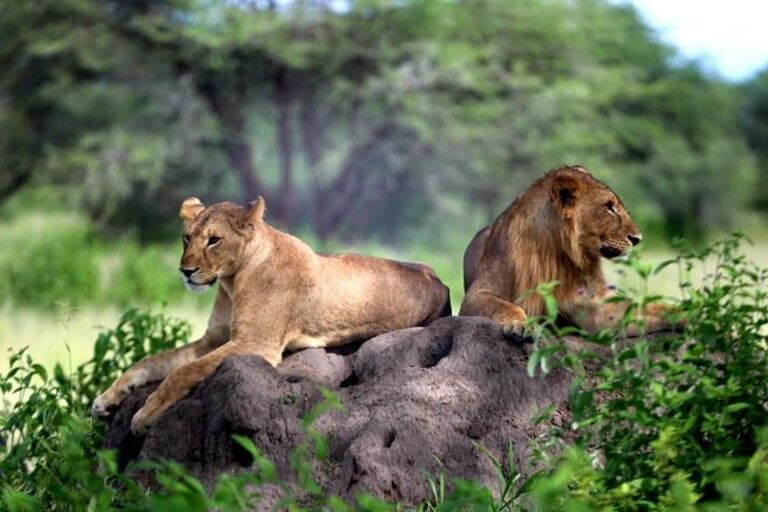
3 Day Joining Safari Group Departures From Moshi: 2026
Discover convenient 3-day group safari departures from Moshi, perfect for maximizing your Tanzania adventure. Explore wildlife-rich parks like Tarangire, Manyara, or the Serengeti on shared...
View package details20 Natural Wonders In Africa You Need To See 2026-2027
Explore Africa's most spectacular natural wonders, from the majestic peaks of Kilimanjaro and the vast plains of the Serengeti to the unique landscapes of Namibia and the vibrant coral...
View package details10 Best Wildlife Destinations In The World For Unforgettable Safaris 2026-2027
Explore the planet's most incredible wildlife destinations, from the Serengeti to the Amazon. This comprehensive guide helps you choose and plan your next safari adventure, with practical...
View package detailsWhy Do Wildebeest Migrate Across Africa? Understanding The Great Migration
The great wildebeest migration is one of Africa's most spectacular wildlife events. This article explains the fundamental reasons behind this annual movement, focusing on the quest for...
View package details10 Places In Tanzania That Feel Like Another Planet 2026-2027
Discover Tanzania's most surreal and alien-like destinations. From the vast, mineral-rich plains of the Serengeti to the steaming vents of the Ol Doinyo Lengai volcano and the otherworldly...
View package detailsAfrica’s Best-Kept Travel Secrets Guide
Beyond the well-trodden paths of Kilimanjaro and the Serengeti, Tanzania holds a treasure trove of lesser-known yet equally spectacular travel experiences. This guide reveals Africa's...
View package detailsWhat Makes Tanzania One Of Africa’s Most Famous Safari Destinations? 2026-2027
What Makes Tanzania One of Africa’s Most Famous Safari Destinations? is explained with current 2026-2027 planning, price, itinerary and booking information.
View package detailsLion Vs Cheetah: What Makes Them Different? A Tanzania Safari Experts Guide
An expert guide to the key differences between lions and cheetahs, essential for any Tanzania safari-goer. Understand their distinct hunting methods, social behaviors, and physical...
View package detailsWhat Do You Actually Pay For On An African Safari? 2026-2027
What Do You Actually Pay for on an African Safari? is explained with current 2026-2027 planning, price, itinerary and booking information.
View package detailsNo related package matches those filters. Clear one or more filters to see the other topic-matched options.



