For most travelers seeking iconic Great Migration experiences and vast, dramatic landscapes, Tanzania often edges out Kenya as the better safari destination, especially for first-time visitors aiming for Serengeti and the Ngorongoro Crater. However, Kenya excels with its diverse ecosystems, incredible Big Five density in certain parks like Amboseli and Maasai Mara, and often more accessible travel logistics. The choice for 2026-2027 depends heavily on your priorities: chasing the migration, specific wildlife sightings, budget, desired landscapes, and preferred travel style. Both offer unparalleled wildlife encounters.
Understanding Your Safari Priorities: Tanzania vs. Kenya
The question of whether Tanzania or Kenya is ‘better’ for a safari is one we hear constantly. It’s less about one country being objectively superior and more about which destination aligns best with what you want from your African adventure. Both offer world-class wildlife viewing, stunning scenery, and the chance to witness nature at its most raw and magnificent. However, they have distinct characteristics that cater to different preferences and travel goals, especially as we look towards planning for 2026 and 2027.
At Climb 4 Africa, we’ve helped countless travelers craft their dream safaris in both nations. We understand the nuances, the trade-offs, and the sheer magic each offers. This guide aims to break down these differences with practical insights, helping you make an informed decision for your 2026-2027 safari plans.
The Great Migration: A Tale of Two Ecosystems
Perhaps the most famous wildlife spectacle on Earth, the Great Migration, is a primary draw for many visitors. While it’s a single phenomenon, its presence and accessibility differ significantly between Tanzania and Kenya.
Tanzania’s Serengeti: The Migration’s Heartbeat
The Serengeti National Park is the vast, southern expanse where the majority of the wildebeest, zebras, and gazelles reside for much of the year. Its sheer scale is impressive. From roughly January to March, the calving season takes place here, offering incredible predator-action viewing as lions, cheetahs, and hyenas capitalize on vulnerable newborns. As the dry season progresses, the herds begin their northward trek, driven by the need for fresh grazing.
The highlight for many is witnessing the river crossings. In Tanzania, the Grumeti River (mid-year) and the Mara River (July to October) are the critical points. The Mara River crossings, in particular, are the most dramatic and sought-after events. While these crossings can happen in both countries as the migration moves, the Serengeti offers the most consistent and extensive viewing opportunities for the bulk of the migration’s journey.
Planning for a 2026 or 2027 safari specifically to see the migration means understanding its cyclical nature. For river crossings, July to October is prime time in the northern Serengeti. If calving season is your focus, January to March is ideal for the southern plains.
Kenya’s Maasai Mara: The Migration’s Northern Stage
The Maasai Mara National Reserve, directly north of the Serengeti and part of the same ecosystem, is where the migration typically arrives from July onwards, staying through October. It’s here that the famous Mara River crossings are often most intense, with huge numbers of wildebeest attempting to cross, often facing formidable Nile crocodiles. The open plains of the Mara are also excellent for spotting predators, including lions, cheetahs, and leopards, which are drawn to the abundant prey.
While the Maasai Mara is undeniably spectacular when the migration is present, it’s a smaller park than the Serengeti. This can lead to more concentrated game viewing, which is fantastic for sightings but can also mean more vehicles. The migration is a transient event in the Mara; once the herds move on, the wildlife viewing remains excellent, but it lacks the sheer density of the moving herds.
Landscape Diversity: Vast Plains vs. Varied Terrains
Beyond the migration, the landscapes themselves are a significant factor in choosing between Tanzania and Kenya.
Tanzania’s Expansive Vistas
Tanzania is known for its immense, seemingly endless plains. The Serengeti embodies this, offering a sense of wildness and scale that is hard to match. Beyond the Serengeti, the Ngorongoro Conservation Area presents a unique geological wonder: a massive volcanic caldera teeming with wildlife. The landscape here is a stark contrast, with lush grasslands, acacia woodlands, and a soda lake, all within a compact, easily explorable area.
Other Tanzanian parks, like Tarangire National Park, are famous for their giant baobab trees and large elephant herds, particularly during the dry season when they congregate around the Tarangire River. Lake Manyara offers a beautiful forested environment, known for its tree-climbing lions and abundant birdlife. The sheer variety of ecosystems within a relatively manageable northern circuit makes Tanzania a compelling choice.
Kenya’s Diverse Ecosystems
Kenya offers a remarkable range of landscapes. The Maasai Mara, while sharing the migration with the Serengeti, has its own distinct feel, with rolling hills and acacia-dotted savannas. It’s iconic and quintessential African safari scenery.
Further afield, Kenya boasts incredible diversity. Amboseli National Park provides impressive views of Mount Kilimanjaro (just across the border in Tanzania) as a backdrop to its large elephant herds and open plains. Tsavo East and West National Parks are vast, arid regions known for their red-earth landscapes and unique wildlife adapted to harsh conditions. Samburu National Reserve offers a starkly different semi-arid environment, home to unique species like the Grevy’s zebra, reticulated giraffe, and gerenuk.
For those seeking varied scenery beyond the classic savanna, Kenya’s diverse parks might offer a broader appeal. However, the most sought-after migration experiences are often tied to the Mara/Serengeti ecosystem.
Wildlife Viewing: Density and Diversity
Both countries offer phenomenal wildlife viewing, but the focus and density can vary.
Tanzania: Abundance and Iconic Species
The Serengeti, with the Great Migration, offers unparalleled numbers of wildebeest and zebras for much of the year. Predator sightings are excellent, with high concentrations of lions, cheetahs, and hyenas. Leopards are more elusive but present. The Ngorongoro Crater is a hotspot for the Big Five (lion, leopard, elephant, rhino, buffalo), offering a very high chance of seeing all five in a single day due to the dense animal population within the crater.
Tarangire is exceptional for elephants and has a very high density of predators. Lake Manyara provides excellent birding and unique tree-climbing lions.
Tanzania is arguably the premier destination for experiencing the sheer scale of the migration and the unique ecosystem of the Ngorongoro Crater. For sheer density of certain species and the spectacle of the migration, Tanzania is hard to beat.
Kenya: Big Five Hotspots and Unique Species
Kenya is renowned for its high concentrations of the Big Five, particularly in the Maasai Mara and Amboseli. Amboseli is famous for its large, charismatic elephant herds, with Kilimanjaro providing an unforgettable backdrop. The Maasai Mara offers superb lion and cheetah sightings, and leopards are frequently encountered.
The northern reserves like Samburu offer a chance to see the ‘Samburu Special Five’: the Grevy’s zebra, reticulated giraffe, Somali ostrich, gerenuk, and Beisa oryx, which are not found in the southern parks of either country.
If your goal is to see a high density of the Big Five, especially elephants with an iconic mountain backdrop, or to seek out unique northern species, Kenya might have the edge.
Safari Experience: Parks, Activities, and Logistics
The way you experience a safari can differ significantly between Tanzania and Kenya.
Tanzania: Park Regulations and Activities
Tanzania’s parks, particularly the Serengeti and Ngorongoro Crater, are strictly regulated. Game drives are generally restricted to designated tracks. While this helps preserve the environment, it can mean more vehicles at popular sightings. Off-road driving is not permitted, and night game drives are generally not allowed within the main parks (though some private concessions offer them at an extra cost).
Walking safaris are available in specific areas like the Ngorongoro Conservation Area (outside the crater) and some private conservancies. Cultural interactions, particularly with the Maasai people, are common, especially around the Ngorongoro area and on the fringes of the Serengeti.
Kenya: Flexibility and Diverse Activities
Kenya often offers a bit more flexibility. In the Maasai Mara, for example, night game drives are typically permitted, enhancing the chances of seeing nocturnal animals. Walking safaris are also more widely available, offering a different perspective on the bush. Some private conservancies bordering national parks in Kenya offer exclusive game viewing with fewer vehicles and more freedom for activities like walking and night drives.
Cultural visits to Maasai villages are a staple in Kenya, as the Maasai people have a strong presence in the Mara region and beyond.
Accommodation Options: From Budget to Luxury
Both countries provide a wide spectrum of accommodation, from basic tented camps to ultra-luxury lodges. However, the style and availability can differ.
Tanzania: Established Safari Circuit
Tanzania’s northern circuit (Serengeti, Ngorongoro, Tarangire, Lake Manyara) has a well-established range of lodges and tented camps. You’ll find everything from comfortable mid-range options to high-end luxury tented camps. The Ngorongoro Crater rim offers exclusive, albeit pricey, accommodation with stunning views. The Serengeti has a vast array of options, including mobile camps that follow the migration.
Accommodation prices in Tanzania, especially for the prime locations and during peak season (migration viewing), can be higher. However, booking group safaris or opting for shoulder seasons can help manage costs for 2026-2027 trips.
Kenya: Diverse Range and Private Conservancies
Kenya also offers a comprehensive range of accommodations. The Maasai Mara has numerous camps and lodges catering to all budgets. Amboseli and Samburu have good options, too. A significant draw in Kenya is the proliferation of private conservancies, which often host exclusive, high-end lodges and tented camps. These offer a more intimate and luxurious experience, often with fewer vehicles and more personalized service.
While luxury options in Kenya can be very expensive, there’s a strong mid-range sector, and shared safari options are widely available, making Kenya potentially more accessible for budget-conscious travelers, especially when booked well in advance for 2026-2027.
Cost Comparison: Tanzania vs. Kenya for 2026-2027
This is a crucial factor for many travelers. Generally, Tanzania tends to be more expensive than Kenya for a comparable safari experience, particularly for the popular northern circuit.
Tanzania’s Higher Price Point
Several factors contribute to Tanzania’s higher cost:
- Park Fees: Daily park entry fees in Tanzania, especially for the Serengeti and Ngorongoro Crater, are substantial and often higher than in Kenya.
- Logistics and Distances: The vastness of Tanzania means longer driving distances between parks, often requiring more travel days or expensive internal flights.
- Accommodation: Prime locations, particularly on the Ngorongoro Crater rim or within the Serengeti during migration peaks, command premium prices.
- Conservation Levies: Additional conservation fees are often applied, especially in the Ngorongoro Conservation Area.
For a 7-day safari in Tanzania’s northern circuit, you might expect costs to range from $2,500 to $6,000+ per person, depending on accommodation style, private vs. shared vehicle, and time of year for 2026-2027. Luxury options can easily exceed $1,000 per person per day.
Kenya’s More Accessible Pricing
Kenya generally offers better value for money, especially for mid-range and budget travelers.
- Park Fees: While still significant, Kenyan park fees are typically lower than Tanzania’s.
- Logistics: While distances can be long, the road infrastructure in some key areas is good, and internal flights are common and relatively affordable.
- Accommodation: A wider range of mid-priced options is available, and the presence of numerous private conservancies, while often high-end, also means a competitive market.
- Shared Safaris: Kenya has a very well-developed market for shared or group safaris, which significantly reduces per-person costs.
A 7-day safari in Kenya might range from $1,800 to $4,500+ per person for similar levels of comfort and inclusions for 2026-2027. Luxury safaris in private conservancies can easily match or exceed Tanzanian prices, but the overall entry point is often lower.
Best Time to Visit: Aligning with Your Goals
The ideal time to visit depends on what you want to see and experience.
Tanzania: Peak Seasons and Migration Viewing
- Dry Season (June to October): Excellent for general game viewing. This is the prime time for the Mara River crossings in the northern Serengeti. Days are sunny, and nights can be cool. This is a peak season, so expect higher prices and more visitors for 2026-2027.
- Calving Season (January to March): Ideal for witnessing the Great Migration’s dramatic calving season in the southern Serengeti, with abundant predator action.
- Shoulder Seasons (November-December, April-May): These months often offer lower prices and fewer crowds, though April and May can be very wet, impacting road conditions and game viewing.
Kenya: Migration and Dry Season Advantages
- Dry Season (June to October): Prime time for game viewing across most parks. This is when the Great Migration is typically in the Maasai Mara, offering spectacular river crossings. This is also a peak season.
- Short Rains (November): Can offer good game viewing with fewer crowds.
- Long Rains (March to May): This is the low season. Landscapes are lush, but many camps close, roads can be difficult, and some wildlife disperses. However, it’s excellent for birdwatching and offers the lowest prices for 2026-2027.
- Amboseli: Can be visited year-round, though the dry season offers the best chances for clear views of Kilimanjaro and concentrated wildlife.
Planning Your 2026-2027 Safari: Key Considerations
When planning your trip for 2026 or 2027, consider these practical aspects:
Itinerary Structure
Tanzania’s Northern Circuit is a classic itinerary, typically including Lake Manyara, Tarangire, the Ngorongoro Crater, and the Serengeti. A typical duration is 7-10 days. It’s well-suited for first-time safari-goers who want to see the migration and iconic crater wildlife.
Kenya’s popular circuit often includes the Maasai Mara, Amboseli, and perhaps Lake Nakuru or Samburu. A 7-10 day trip can cover a good range of ecosystems. For those specifically seeking the migration, focusing on the Maasai Mara from July to October is key.
Travel Style: Private vs. Shared
Private Safaris: Offer maximum flexibility, a dedicated vehicle and guide, and the ability to customize your itinerary. This is ideal for families, groups of friends, or those with very specific interests. Both Tanzania and Kenya offer excellent private safari options. You can expect higher costs but a more personalized experience.
Shared Safaris: A more budget-friendly option. You join a small group in a safari vehicle, sharing costs. This is a great way to experience the wonders of East Africa without breaking the bank, especially for solo travelers or couples looking to save. Kenya has a more extensive network of readily available shared safaris, though Tanzania also offers them, particularly for group departures.
Booking Windows for 2026-2027
For peak seasons, especially July-October and January-March, and for popular lodges or specific migration viewing areas, it’s advisable to book 6-12 months in advance for 2026-2027. This is especially true if you have specific accommodation preferences or are traveling during school holidays. Shoulder seasons might offer more flexibility, but early booking is always recommended for the best choice and value.
Which Country is Right for You? A Decision Guide
To help you decide definitively between Tanzania and Kenya for your 2026-2027 safari, consider these direct comparisons:
Choose Tanzania if:
- Your primary goal is to witness the Great Migration, especially the river crossings in the Serengeti (July-October) or the calving season (January-March).
- You want to experience the unique Ngorongoro Crater, a UNESCO World Heritage site with dense Big Five populations.
- You are looking for vast, iconic, wide-open savanna landscapes that define the classic safari image.
- You are planning a trip that includes climbing Mount Kilimanjaro before or after your safari, as it’s conveniently located in Tanzania.
- Budget is less of a concern, and you are willing to invest in a potentially more expensive but highly rewarding experience.
Choose Kenya if:
- You want to see a high density of the Big Five, particularly elephants with the iconic backdrop of Mount Kilimanjaro in Amboseli.
- You are interested in experiencing diverse ecosystems beyond the savanna, such as the semi-arid Samburu or the unique landscapes of Tsavo.
- You are looking for a potentially more budget-friendly safari, with more options for shared tours and a wider range of mid-priced accommodations.
- You value more flexibility in safari activities, such as night game drives or walking safaris (often more readily available or included).
- You want to combine your safari with other popular East African destinations like Lake Victoria or the Rift Valley lakes.
Combining Tanzania and Kenya?
For the ultimate East African safari, some travelers opt to combine both countries. This is logistically feasible, often involving a flight between the Maasai Mara and the Serengeti (e.g., Kogatende airstrip in Tanzania to Mara Serena or vice-versa). This allows you to experience the migration in both locations, compare landscapes, and enjoy the unique offerings of each nation.
A common combination might involve 4-5 days in the Serengeti and 4-5 days in the Maasai Mara, potentially with a flight between them. This type of multi-country safari is best planned with an experienced operator who can handle the cross-border logistics seamlessly. Such trips for 2026-2027 would typically be longer (10-14 days) and come with a higher price tag due to flights and additional park fees, but offer an unparalleled safari experience.
Booking Your 2026-2027 Safari with Climb 4 Africa
Deciding between Tanzania and Kenya is a significant step in planning your safari. Whichever you choose, or if you decide to combine them, Climb 4 Africa is here to help you craft an unforgettable adventure. We specialize in creating tailor-made itineraries that match your interests, budget, and travel style.
Our local expertise means we understand the best times to visit, the optimal park combinations, and the most reliable operators on the ground. Whether you’re dreaming of the vast plains of the Serengeti, the wildlife-rich Ngorongoro Crater, the elephant herds of Amboseli, or the rolling hills of the Maasai Mara, we can design the perfect safari for you for 2026 or 2027.
To start planning your personalized safari, please reach out to us. We recommend providing us with your preferred travel dates (even approximate ones for 2026-2027), the number of travelers, your budget indications, and any specific wildlife or landscape interests you have. This will help us create a detailed proposal tailored just for you.
You can contact us via:
- WhatsApp: +255 747 477 898
- Email: climb4africa@gmail.com
Let us help you make your 2026-2027 East African safari dream a reality.
Check Availability for Is Tanzania Or Kenya Better For Safari? A Detailed Comparison 2026-2027
Ready to compare dates, prices, and the best option for your group? Send the package name and travel month so the team can reply with a clear quote, availability, and what is included.
AFCON 2027 Safari Packages from Tanzania
Hitaji la safari ya kundoka ili kufurahia AFCON 2027? Chagua kutoka kwa mikakati ya safari nchini Tanzania inayoambatana na wildlife, mbuga maarufu, na uwekaji wa huduma ya kimataifa ya...
View package details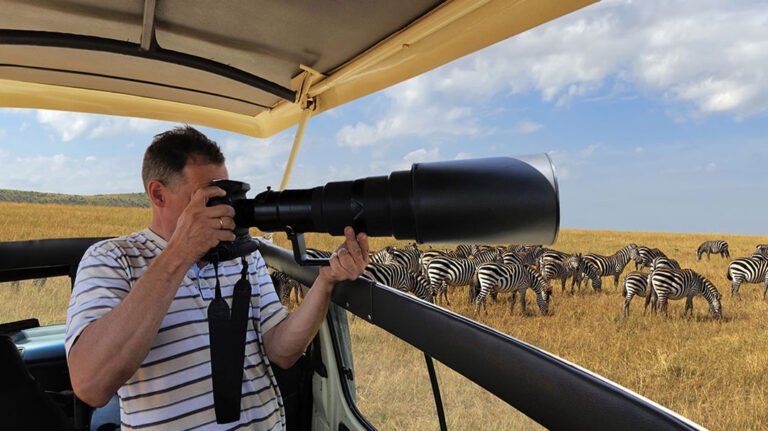
AFCON 2027 Mid Range Safari Packages Tanzania
Mwongozo wa safari ya kati ya AFCON 2027 Tanzania kutoka Climb 4 Africa: mipango ya njia, maeneo ya msitu wa serikali, na usalama wa wasafiri. Onyesha jinsi ya kuchagua kilima cha kati...
View package details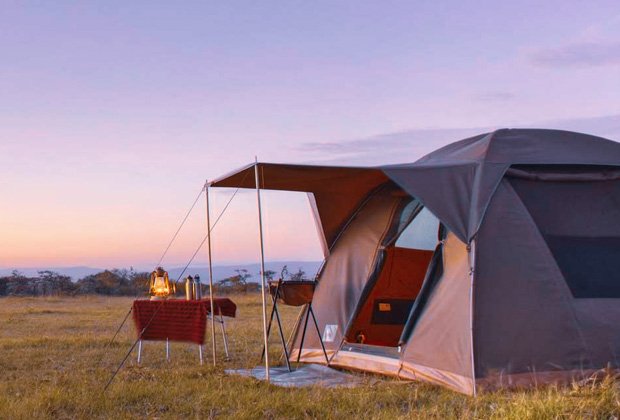
Best Tanzania Safari Before Afcon Final
Best Tanzania Safari Before AFCON 2027 Final.
View package detailsBest Tanzania Safari After Afcon Match
Best Tanzania Safari After AFCON 2027 Match.
View package details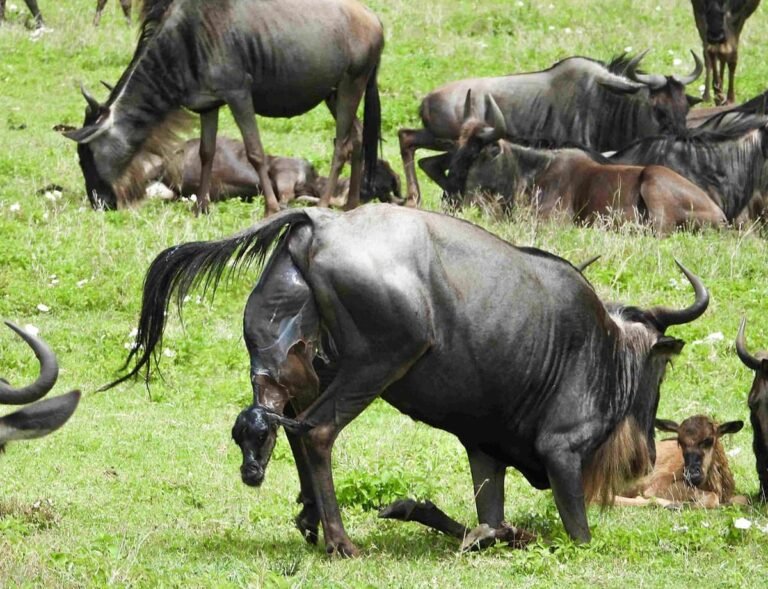
Five Day Tanzania Safari And Afcon Package
Five Day Tanzania Safari and AFCON Package.
View package details
Afcon Northern Tanzania Safari Packages
AFCON 2027 Northern Tanzania Safari Packages.
View package detailsAfcon Tanzania Football Kilimanjaro And Safari Tour
AFCON 2027 Tanzania Football Kilimanjaro and Safari Tour.
View package details
Tanzania Safari Packages from Dar es Salaam During AFCON 2027
Mwongozo wa kina wa safari za Tanzania kuanzia Dar es Salaam wakati AFCON 2027: rasilimali, mipango ya siku, na hatua za uhakika za ziara za wanyama na mbuga maarufu.
View package detailsTanzania Safari Tours for AFCON 2027 Fans
Muhtasari wa safari za Tanzania kwa mashabiki wa AFCON 2027: maeneo ya hifadhi, mizunguko ya wildlife, usalama wa safari, na jinsi ya kupanga na kuhudumiwa na Climb 4 Africa.
View package details
Dec 20, – 10 Day Complete Tanzania Group Joining Safari
Dec 20, 2026 – 10 Day Complete Tanzania Group Joining Safari.
View package detailsHow Early Should I Book A Nov Or Dec Tanzania Group Safari?
How Early Should I Book a Nov or Dec Tanzania Group Safari?
View package detailsNo related package matches those filters. Clear one or more filters to see the other topic-matched options.