A 7-day Tanzania safari focusing on the Serengeti, Ngorongoro Crater, and Tarangire National Park offers an exceptional wildlife viewing experience, typically starting and ending in Arusha. This itinerary balances the vast plains of the Serengeti with the unique caldera ecosystem of Ngorongoro and the elephant-rich landscapes of Tarangire, providing a comprehensive taste of Northern Tanzania’s premier parks within a week. Planning for 2026 and 2027 involves considering peak seasons for wildlife activity, booking accommodations and park permits in advance, and selecting a reputable tour operator to manage logistics and ensure a memorable adventure.

Understanding Your 7-Day Tanzania Safari: Serengeti, Ngorongoro, and Tarangire
Embarking on a 7-day Tanzania safari adventure that encompasses the Serengeti National Park, the Ngorongoro Crater, and Tarangire National Park is a quintessential East African experience. This particular combination is popular for good reason: it delivers an unparalleled density and diversity of wildlife within a manageable timeframe, making it ideal for those with limited vacation days but a strong desire to witness Africa’s iconic creatures in their natural habitat. Over these seven days, you’ll traverse varied landscapes, from the vast, acacia-dotted savannas of the Serengeti to the unique, self-contained ecosystem of the Ngorongoro Crater floor and the baobab-studded plains of Tarangire.
This safari route is designed to maximize your chances of seeing the Big Five (lion, leopard, elephant, rhino, buffalo) and countless other species, including giraffes, zebras, wildebeest, cheetahs, hyenas, and a dazzling array of birdlife. The journey typically begins in Arusha, the gateway to Northern Tanzania’s safari circuit, and follows a well-trodden path that has been perfected over decades by experienced safari operators. For travelers looking ahead to 2026 and 2027, understanding the nuances of this route, the best times to travel, accommodation choices, and how to secure a reliable safari package is crucial for a smooth and unforgettable trip.
This guide aims to provide a comprehensive overview, helping you navigate the planning process and make informed decisions. We’ll explore why this specific trio of parks is so compelling, outline a typical itinerary, explore the unique attractions of each park, and offer practical advice on everything from accommodation to booking.
Why These Three Parks for a 7-Day Tanzania Safari?
Choosing the right parks for a limited-time safari is key, and the Serengeti, Ngorongoro Crater, and Tarangire National Park form a powerful triumvirate for a 7-day Tanzania safari. Their proximity to each other, combined with their distinct ecological niches and exceptional wildlife populations, makes them an efficient and rewarding combination.
- Serengeti National Park: World-renowned for its vast plains and the Great Migration, the Serengeti offers the quintessential African safari experience. It’s the largest national park in Tanzania and is famous for its high concentrations of predators and herbivores. Witnessing the sheer scale of wildlife here is unparalleled.
- Ngorongoro Crater: A UNESCO World Heritage Site, the Ngorongoro Crater is a collapsed volcano caldera that hosts an astonishing density of wildlife within its relatively small area. It’s one of the few places where you have a very high chance of spotting the endangered black rhino, alongside large prides of lions, elephants, and hippos. Its unique geography creates a natural amphitheater for game viewing.
- Tarangire National Park: Often referred to as the “land of the giants,” Tarangire is particularly famous for its large elephant herds, especially during the dry season when they congregate around the Tarangire River. The park is also characterized by its iconic baobab trees, which create a dramatic and ancient landscape. It offers a different feel from the Serengeti and Ngorongoro, often with fewer vehicles.
The synergy between these parks is remarkable. You can experience the open plains and migration dynamics in the Serengeti, the concentrated wildlife viewing within the crater, and the unique elephant encounters and scenic beauty of Tarangire. This variety ensures that your 7-day Tanzania safari is packed with diverse sights and experiences, avoiding repetition and maximizing your exposure to Tanzania’s incredible biodiversity. For travelers in 2026 and 2027, this combination remains a top choice for a first-time or comprehensive safari experience.
A Classic 7-Day Tanzania Safari Itinerary: Serengeti, Ngorongoro & Tarangire
While exact itineraries can be customized, a standard 7-day Tanzania safari package covering these three parks typically follows a logical flow, starting from Arusha and moving in a circuit. This route is designed to minimize driving time between destinations while maximizing game viewing opportunities. Here’s a common structure you might expect for your 2026 or 2027 adventure:
Day 1: Arrival in Arusha & Safari Briefing
Arrive at Kilimanjaro International Airport (JRO) or Arusha Airport (ARK). You’ll be met by your safari guide and transferred to your lodge in Arusha. After settling in, you’ll have a safari briefing where your guide will discuss the upcoming itinerary, answer any questions, and confirm details for your 7-day Tanzania safari. This is a good time to double-check your packing list and ensure you have everything you need.
Day 2: Arusha to Tarangire National Park
After breakfast, drive to Tarangire National Park, known for its large elephant herds and baobab trees. Spend the day on a game drive exploring the park’s diverse habitats. Look for lions, leopards, zebras, giraffes, and numerous bird species. Overnight stay in a lodge or tented camp near Tarangire.
Day 3: Tarangire to Serengeti National Park
Continue your game drive in Tarangire in the morning before heading towards the legendary Serengeti National Park. You’ll likely enter the Serengeti via the Naabi Hill Gate and might make a stop at Olduvai Gorge (optional, depending on the itinerary and time) – an important paleoanthropological site. Your game drive continues en route to your accommodation in the Central Serengeti or a region known for good resident wildlife.
Day 4: Full Day Game Drive in Serengeti National Park
Dedicate the entire day to exploring the vast plains of the Serengeti. Depending on the time of year and the Great Migration’s movements, your guide will take you to areas with the highest concentration of wildlife. This is your best chance to witness predator-prey interactions, vast herds, and the iconic Serengeti landscapes. You might opt for an early morning hot air balloon safari (additional cost) for a unique perspective.
Day 5: Serengeti to Ngorongoro Conservation Area
Enjoy a final morning game drive in the Serengeti as you drive towards the Ngorongoro Conservation Area. You’ll ascend to the crater rim, where you’ll check into your lodge, often offering spectacular views over the caldera. Relax and enjoy the unique setting, or perhaps take a guided walk if your lodge offers it.
Day 6: Ngorongoro Crater Tour & Drive to Karatu/Arusha
Descend into the Ngorongoro Crater for an unforgettable game drive on the crater floor. This is a prime location to spot black rhinos, lions, elephants, and hippos. Spend several hours exploring this unique ecosystem before ascending back to the rim. In the afternoon, you’ll drive towards Karatu (for lodges closer to the crater) or all the way back to Arusha, depending on your onward travel plans for 2026 or 2027.
Day 7: Departure
After breakfast, depending on your flight schedule, you might have time for some souvenir shopping in Arusha or a visit to a local market. You will then be transferred to Kilimanjaro International Airport (JRO) for your departure flight, concluding your 7-day Tanzania safari.
This is a fast-paced itinerary designed to cover the highlights. Some travelers prefer to spend an extra day in the Serengeti or Ngorongoro for a more relaxed pace. Discussing your preferences with your tour operator is key to tailoring this classic 7-day Tanzania safari to your needs.
Serengeti National Park: The Endless Plains and Wildlife Spectacle
The Serengeti is, without doubt, the jewel in Tanzania’s safari crown. Its name, derived from the Maasai word ‘Siringet,’ meaning ‘endless plains,’ perfectly captures its vast, sweeping landscapes. For any 7-day Tanzania safari, allocating significant time here is non-negotiable for a comprehensive experience.
Wildlife Highlights of the Serengeti
The Serengeti is most famous for the Great Migration, a phenomenal natural spectacle where over 1.5 million wildebeest, along with hundreds of thousands of zebras and gazelles, traverse the plains in search of fresh grazing. While the exact location of the herds varies seasonally, the migration itself is a constant, dynamic event. Witnessing the river crossings, particularly the Grumeti and Mara rivers, is a highlight for many, though these are often dangerous and unpredictable. Even outside of migration season, the Serengeti boasts an incredible resident wildlife population.
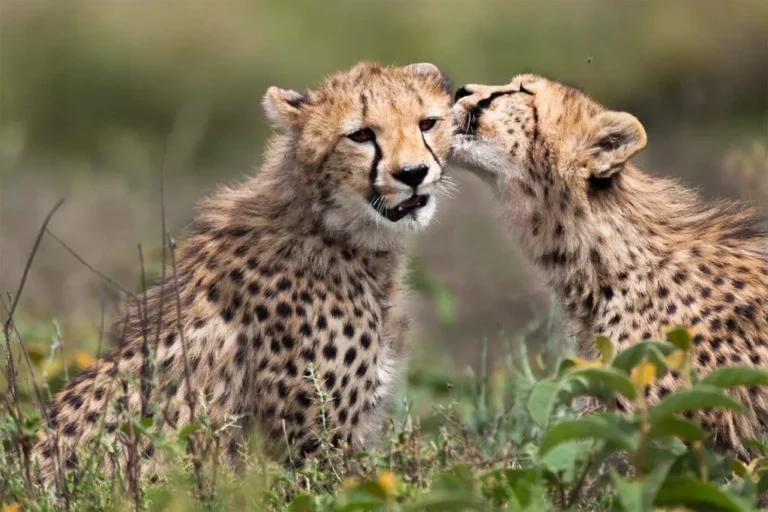
* Predators: The Serengeti is a predator’s paradise. It hosts one of the highest densities of lions in Africa, with numerous prides often seen lounging or hunting. Cheetahs are frequently spotted on the open plains, particularly in the central and southern areas. Leopards are more elusive but can be found in areas with more cover, such as along riverbanks. Hyenas, wild dogs (though less common), and jackals are also present.
* Herbivores: Beyond the migrating wildebeest and zebras, the Serengeti is home to large populations of elephants, giraffes, buffaloes, elands, impalas, gazelles, and hartebeest. Hippos are found in rivers and waterholes, while crocodiles inhabit the larger rivers.
*
* Birdlife: With over 500 recorded bird species, the Serengeti is a birdwatcher’s dream. Look out for ostriches, secretary birds, kori bustards, eagles, vultures, and numerous smaller species.
Navigating the Serengeti on Your 7-Day Safari
The Serengeti is vast, covering approximately 14,750 square kilometers. Your 7-day Tanzania safari will likely focus on one or two key regions:
* Central Serengeti (Seronera Valley): This area is known for its year-round resident wildlife and excellent predator sightings, regardless of the migration’s location. It offers a good balance of open plains and riverine bush.
* Northern Serengeti: This region is critical for the Mara River crossings during the migration (typically July-October). It’s more remote and offers dramatic landscapes.
* Southern Serengeti (Ndutu Area): During the calving season (December-March), vast herds congregate here. It’s a prime time for witnessing newborn animals and the intense predator activity that follows.
Your safari operator will choose the best region based on the time of year you travel in 2026 or 2027 to maximize your chances of seeing the migration or abundant resident wildlife. Driving distances within the Serengeti can be significant, so factoring this into your daily game drives is important.
Unique Experiences in the Serengeti
Beyond standard game drives, consider these options:
* Hot Air Balloon Safari: An unforgettable experience offering a bird’s-eye view of the Serengeti at sunrise. This is an additional cost but often cited as a highlight.
* Walking Safaris: In designated areas within the wider Serengeti ecosystem (not typically within the main park boundaries), guided walking safaris offer a more intimate connection with the bush.
When planning for 2026 or 2027, discuss with your tour operator which part of the Serengeti is best for your travel dates and what specific wildlife experiences you hope to have.
Ngorongoro Crater: A Natural Amphitheatre of Wildlife
The Ngorongoro Crater is a natural wonder and a UNESCO World Heritage Site, renowned for its unique ecosystem and exceptional wildlife density. It’s a must-visit on any 7-day Tanzania safari, offering a different safari experience compared to the open plains of the Serengeti.
The Crater’s Unique Environment
Formed by the collapse of a large volcano, the Ngorongoro Crater is a self-contained caldera with a diameter of about 16 kilometers. Its floor covers approximately 260 square kilometers and features a variety of habitats, including grasslands, swamps, forests, and a salt lake (Lake Magadi). This diverse environment supports an astonishing array of wildlife year-round.
* High Wildlife Concentration: Due to the abundant water and diverse vegetation, the crater floor boasts one of the highest densities of wildlife in Africa. It’s estimated that over 25,000 large animals reside within its confines.
*
* The Big Five: The crater is one of the best places in Tanzania to see all of the Big Five – lion, leopard, elephant, rhino, and buffalo – often in a single day. The black rhino is particularly well-represented here, offering a rare and thrilling sighting for many visitors.
*
* Birdlife: The crater is also a haven for birdwatchers, with over 400 species recorded. Flamingos are often seen on Lake Magadi, and various raptors and waterbirds thrive in the diverse habitats.
Experiencing the Ngorongoro Crater
Your 7-day Tanzania safari will typically include a full day dedicated to the crater. The experience involves:
* Descent to the Crater Floor: You’ll descend steep walls via a designated track, entering a world teeming with wildlife. The views from the rim looking down are spectacular.
*
* Game Drives: Game drives are restricted to the crater floor. Vehicles are typically limited in number and time spent on the floor to minimize environmental impact. Your guide will know the best spots for sightings.
*
* Picnic Lunch: A picnic lunch is usually enjoyed at a designated spot on the crater floor, offering a surreal dining experience surrounded by wildlife.
Considerations for Ngorongoro
* Conservation Fees: Entry fees for the Ngorongoro Conservation Area and the crater itself are significant and contribute to conservation efforts. These are usually included in your safari package price.
*
* Accommodation: Most lodges are located on the crater rim, offering stunning views but can be pricier. Alternatively, many choose to stay in lodges or camps in the nearby town of Karatu, which is a short drive from the crater entrance.
*
* Crowds: Due to its popularity and the limited space on the crater floor, it can get busy, especially during peak season. Choosing an early morning descent can help mitigate this.
For your 2026 or 2027 safari, booking well in advance is crucial, especially for rim lodges, as they are highly sought after.
Tarangire National Park: Giants and Baobabs
Tarangire National Park, often the first or last stop on a 7-day Tanzania safari from Arusha, offers a distinct and rewarding safari experience. It’s renowned for its large elephant populations and its dramatic, iconic baobab trees.
Tarangire’s Unique Landscape and Wildlife
Tarangire’s landscape is dominated by vast elephant herds, especially during the dry season (June to October) when they gather around the life-sustaining Tarangire River. The park is also characterized by its ancient baobab trees, which stand like sentinels across the savanna, providing a picturesque backdrop.
* Elephant Herds: Tarangire is famous for its massive elephant populations, often seen in herds of several hundred. You’ll likely encounter them frequently during your game drives.
*
* Predators: While not as renowned for predators as the Serengeti, Tarangire offers excellent chances to see lions, leopards, and cheetahs. Tree-climbing lions are a unique feature of Tarangire, often found resting in the branches of acacia trees.
*
* Other Wildlife: Expect to see giraffes, zebras, wildebeest, impalas, greater and lesser kudus, and various other antelope species. The park’s birdlife is also exceptional, with over 550 species recorded, making it a paradise for ornithologists.
*
* Baobab Trees: The park’s landscape is dotted with enormous baobab trees, some of which are thousands of years old. These iconic trees add a unique visual element to the safari.
Experiencing Tarangire
Your visit to Tarangire on a 7-day Tanzania safari typically involves:
* Game Drives: Full-day or half-day game drives are the primary way to explore the park. The Tarangire River is a focal point, especially during the dry season.
*
* Walking Safaris: Tarangire is one of the few parks in Northern Tanzania where walking safaris are permitted (usually outside the main park boundaries or in specific zones). This offers a more intimate and in-depth connection with the environment.
Why Tarangire is Crucial
Tarangire often provides a less crowded safari experience compared to the Serengeti or Ngorongoro, allowing for more personal wildlife encounters. Its accessibility from Arusha makes it an ideal starting or ending point for your 7-day Tanzania safari, offering a gentler introduction or a final memorable wildlife experience before heading home.
For those planning for 2026 and 2027, Tarangire remains a vital component for a well-rounded Northern Circuit safari, offering unique sights and photographic opportunities.
Planning Your 7-Day Tanzania Safari: Key Considerations for 2026-2027
Planning a 7-day Tanzania safari to the Serengeti, Ngorongoro, and Tarangire requires careful consideration of several factors to ensure a smooth and rewarding experience. Looking ahead to 2026 and 2027, early booking and understanding the nuances of safari travel in Tanzania are paramount.
Customization and Flexibility
While a 7-day itinerary is fixed in duration, there’s significant scope for customization. Discuss your interests with your tour operator:
* Pace: Do you prefer a fast-paced trip seeing as much as possible, or a more relaxed pace with more time in fewer locations? For a 7-day safari, a balance is usually struck, but some operators allow for longer stays in the Serengeti or Ngorongoro if you’re willing to adjust other elements.
* Interests: Are you a keen photographer? A birder? Interested in Maasai culture? Tailor your game drives and activities to your passions. For instance, a photographer might request early morning or late afternoon drives for the best light.
* Accommodation Style: Your choice of lodges and camps will significantly impact your experience and budget. More on this below.
Visa and Health Requirements
* Visas: Most nationalities require a visa for Tanzania. This can often be obtained online in advance (e-visa) or upon arrival at the airport. Check the latest requirements for your nationality well before your 2026 or 2027 travel dates.
* Vaccinations & Malaria: Consult your doctor or a travel clinic about recommended vaccinations (e.g., Yellow Fever, Hepatitis A) and malaria precautions. Tanzania is a malaria-endemic country, and preventative medication is usually advised.
Travel Insurance
Comprehensive travel insurance is essential. Ensure it covers:
* Medical Emergencies: Including emergency evacuation.
* Trip Cancellation/Interruption: In case unforeseen circumstances prevent you from traveling or force you to cut your trip short.
* Lost or Damaged Luggage: And personal belongings.
Packing Essentials
Pack light, breathable clothing in neutral colors (khaki, beige, olive green). Avoid bright colors, which can startle wildlife, and dark colors like black or blue, which can attract tsetse flies. Key items include:
* Lightweight trousers and long-sleeved shirts (for sun and insect protection)
* T-shirts and shorts
* A warm fleece or jacket for cool evenings and early mornings
* Comfortable walking shoes
* Sun hat, sunglasses, and high SPF sunscreen
* Insect repellent
* Binoculars
* Camera with extra batteries and memory cards
* Personal toiletries and any necessary medications
* A small backpack for day trips
Connectivity
Wi-Fi is available in most lodges and camps, though it can be slow or intermittent. Consider purchasing a local SIM card upon arrival in Tanzania if you need constant connectivity, but embrace the opportunity to disconnect and enjoy the wilderness.
For 2026 and 2027 trips, it’s wise to confirm all requirements and recommendations with your chosen safari operator.
Accommodation Options: From Budget Camps to Luxury Lodges
Accommodation is a critical component of any safari, significantly influencing your comfort, experience, and budget for your 7-day Tanzania safari. The parks visited on this route offer a wide spectrum of lodging, catering to different preferences and financial plans for 2026 and 2027.
Types of Accommodation
* Tented Camps (Mid-Range to Luxury): These offer a more intimate safari experience. While they provide comfortable beds, en-suite bathrooms, and often gourmet meals, they are often situated in prime wildlife locations and allow you to feel closer to nature. Some are permanent structures, while others are semi-permanent or mobile, following the migration.
* Safari Lodges (Mid-Range to Luxury): These are more permanent structures, often with more extensive facilities like swimming pools, restaurants, bars, and lounges. They provide a high level of comfort and service, often with stunning views of the surrounding landscape or waterholes.
* Budget Camps (Basic): For the most budget-conscious traveler, there are basic campsites within the national parks or just outside. These typically involve pitching your own tent or staying in pre-erected tents with shared bathroom facilities. This option is more adventurous and requires a good level of self-sufficiency, or opting for a safari package that includes camping.
Factors Influencing Choice
* Budget: This is the primary driver. Luxury lodges and exclusive tented camps will command higher prices than mid-range options or budget camps. For 2026 and 2027, prices can vary significantly based on the season and level of luxury.
* Location: Lodges and camps located inside national parks or in prime wildlife areas offer unparalleled access to game viewing, often with early morning or late evening game drives possible. Crater rim lodges in Ngorongoro are particularly sought after for their views and convenience.
* Experience: Some travelers seek the rustic charm and proximity to nature offered by tented camps, while others prefer the amenities and services of a full-service lodge. Consider what kind of atmosphere you desire.
* Group Size: Some lodges cater more to larger groups, while smaller, boutique camps offer a more personalized experience.
Booking Considerations
* Book in Advance: Especially for popular lodges and camps in the Serengeti and Ngorongoro Crater rim, booking 6-12 months ahead is highly recommended for 2026 and 2027, particularly during peak seasons.
* Package Deals: Most safari operators offer packages that include accommodation, park fees, meals, and game drives. Carefully review what is included.
* Reviews: Look for reviews of lodges and camps, but also consider the overall reputation of the safari operator arranging your stay.
Climb 4 Africa can assist in recommending and booking accommodations that align with your budget and desired safari experience for your 7-day Tanzania safari.
Best Time to Visit: Wildlife, Weather, and Your 7-Day Safari
Choosing the right time to start your 7-day Tanzania safari to the Serengeti, Ngorongoro, and Tarangire is crucial for optimizing wildlife viewing and enjoying pleasant weather. Tanzania has two main seasons: the dry season and the wet season.
Dry Season (June to October)
This is generally considered the peak tourist season and the best time for wildlife viewing for several reasons:
* Wildlife Concentration: With less rainfall, animals congregate around permanent water sources, making them easier to spot. The Tarangire River, in particular, becomes a magnet for elephants and other wildlife.
* Great Migration: The dry season is the prime time to witness the Great Migration. Between July and October, large herds are often found in the Northern Serengeti, with chances of seeing dramatic river crossings. From June to July, the migration is typically moving north from the central plains, and by December, it moves south.
* Pleasant Weather: Days are typically sunny and warm, with cooler evenings and mornings. The landscape is drier, which can make game spotting easier.
* Considerations: This is the busiest and most expensive time to travel. Lodges and camps fill up quickly, so booking well in advance for 2026 or 2027 is essential.
Wet Season (November to May)
The wet season is divided into the “short rains” (November-December) and the “long rains” (March-May).
* Short Rains (November-December): This period can offer beautiful landscapes, fewer crowds, and lower prices. The migration often moves into the Southern Serengeti (Ndutu area) during this time for the calving season.
*
* Calving Season (December-March): The Southern Serengeti and Ndutu area become a hub of activity as wildebeest give birth. This is an excellent time for predator sightings, as lions, cheetahs, and hyenas feast on the vulnerable newborns.
*
* Long Rains (March-May): This is generally the least ideal time for a safari. Heavy rains can make roads impassable, disrupt game drives, and cause wildlife to disperse. Many lodges and camps close or operate with reduced services during this period.
*
* Advantages of the Wet Season: Lower prices, fewer tourists, lush green scenery, and excellent birdwatching as migratory birds arrive. The Ngorongoro Crater and Tarangire often remain good destinations year-round.
Making Your Choice for 2026-2027
* For the Great Migration and dry conditions: June to October.
* For the calving season and fewer crowds: December to March (avoiding the peak Christmas/New Year holiday if possible).
* For budget travelers seeking fewer crowds: November, or April/May (though April/May can be very wet).
Your safari operator can provide specific advice on where the wildlife is likely to be during your chosen travel dates in 2026 or 2027, helping you make the most of your 7-day Tanzania safari.
Logistics and Travel: Getting Around Your 7-Day Tanzania Safari
Understanding the logistics of a 7-day Tanzania safari is key to a stress-free adventure. This includes transportation within Tanzania and the methods used for game drives.
Transportation to Tanzania
* International Flights: Most international visitors arrive at Kilimanjaro International Airport (JRO), located between Arusha and Moshi. Alternatively, some may fly into Dar es Salaam (DAR) and take a domestic flight to Arusha Airport (ARK).
*
* Arusha: This bustling town serves as the main hub for Northern Circuit safaris. It’s where you’ll typically start and end your safari.
Safari Vehicles and Guides
* 4×4 Safari Vehicles: The standard for Tanzanian safaris is a specially adapted 4×4 Land Cruiser or Land Rover. These vehicles are designed for off-road travel, have pop-up roofs for excellent game viewing and photography, and are equipped with features like refrigerators and charging ports.
*
* Expert Guides: Your safari guide is your most important asset. They are knowledgeable about the wildlife, local flora, and fauna, adept at spotting animals, and skilled at navigating the parks. A good guide enhances your entire experience. Ensure your operator provides experienced, English-speaking guides.
Internal Travel and Distances
* Road Travel: The distances between parks in Northern Tanzania can be considerable. Travel times are estimates and can vary based on road conditions and animal sightings along the way.
- Arusha to Tarangire: Approximately 2-3 hours
- Tarangire to Serengeti: Approximately 4-6 hours (depending on entry gate and accommodation location)
- Serengeti to Ngorongoro: Approximately 3-5 hours (depending on accommodation location)
- Ngorongoro to Arusha: Approximately 3-4 hours
* Park Roads: Roads within the parks can range from well-maintained tracks to rough, dusty paths, especially during the wet season. Your 4×4 vehicle and experienced driver are crucial for navigating these.
*
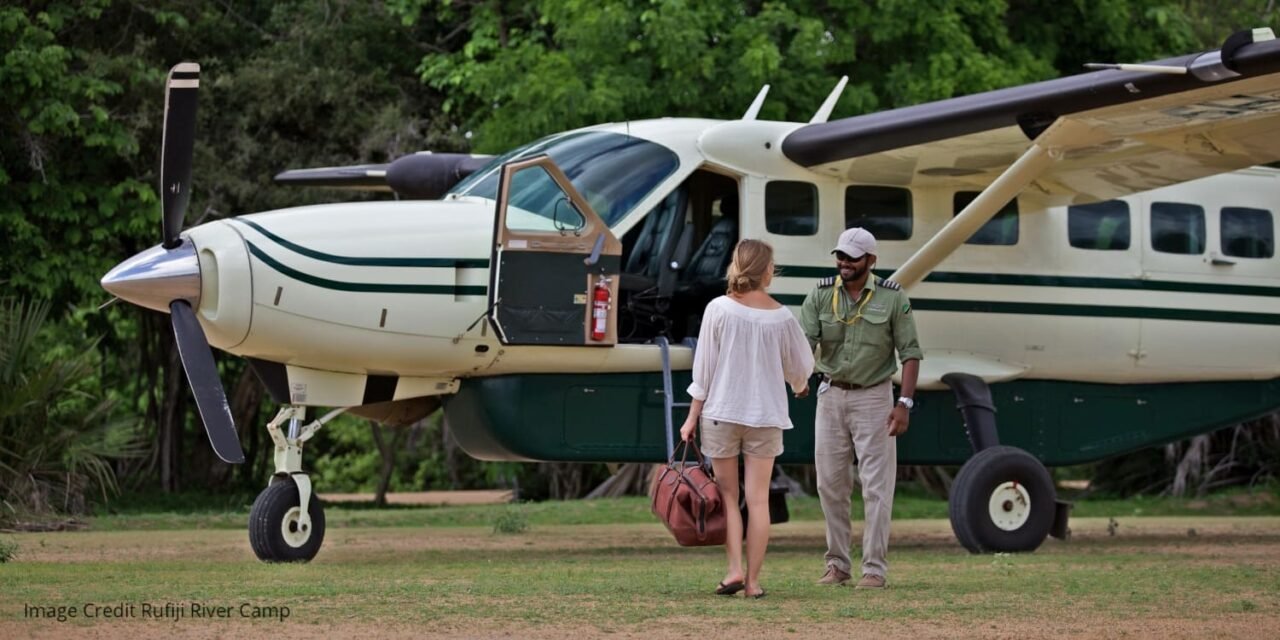
* Flights: For those with a very tight schedule or who wish to skip some of the driving, domestic flights can be arranged between the Serengeti airstrip and Arusha. This significantly reduces travel time but adds to the cost of your 7-day Tanzania safari.
Booking Your Transportation
When booking your 7-day Tanzania safari for 2026 or 2027, confirm:
* The type of vehicle used.
* Whether it’s a private or shared safari (which affects vehicle exclusivity).
* The experience and qualifications of your guide.
* The inclusions regarding fuel and driver allowances.
Understanding these logistical aspects will help you prepare for the journey and ensure you’re making the most of your time on the ground.
Booking Your 7-Day Tanzania Safari: What to Look For
Booking your 7-day Tanzania safari to the Serengeti, Ngorongoro Crater, and Tarangire is a significant investment, and choosing the right tour operator is paramount. For trips planned in 2026 and 2027, thorough research and clear communication are key.
Choosing a Reputable Tour Operator
When selecting a company to organize your safari, consider these points:
* **Local Expertise:** A company with strong local roots, like Climb 4 Africa, often has better knowledge of the parks, wildlife, guides, and accommodations. They can offer more authentic experiences and respond quickly to local conditions.
* **Reviews and Reputation:** Look for independent reviews on platforms like TripAdvisor. While reviews can be subjective, a consistent pattern of positive feedback regarding service, guides, and overall experience is a good indicator.
* **Customization Options:** Ensure the operator can tailor the itinerary to your specific interests, budget, and pace. A good operator will be flexible and work with you to create your ideal 7-day Tanzania safari.
* **Transparency in Pricing:** Understand exactly what is included in your safari package. This should cover park fees, accommodation, meals, vehicle, guide, and any activities mentioned. Be wary of quotes that seem too good to be true; clarify what’s missing.
* Communication: How responsive and clear is their communication? This is a good sign of how they will manage your trip.
Key Inclusions to Confirm
For your 7-day Tanzania safari package, ensure the following are clearly stated:
* Park Entrance Fees: These are substantial and should be itemized or clearly included.
* Accommodation: Specify the type of lodging (lodge, tented camp, camping) and the specific properties or categories.
* Meals: Typically, full board (breakfast, lunch, dinner) is provided during the safari portion.
* Vehicle and Guide: Confirm the type of 4×4 vehicle and the qualifications of your driver-guide.
* Activities: Are game drives included? What about optional activities like hot air balloon safaris or cultural visits?
* Transfers: Airport transfers and transfers between locations.
* Water: Bottled water during game drives is usually provided.
What to Ask Before Booking for 2026-2027
* What is the cancellation policy?
* What is the payment schedule?
* What is the maximum group size if I’m booking a shared safari?
* What happens in case of vehicle breakdown or medical emergencies?
* Can you provide sample itineraries based on my travel dates?
Booking with Climb 4 Africa:
When you’re ready to plan your 7-day Tanzania safari to the Serengeti, Ngorongoro, and Tarangire for 2026 or 2027, contacting a local expert like Climb 4 Africa is a strategic step. We specialize in crafting personalized safari experiences, drawing on our deep knowledge of Tanzania’s parks and wildlife. We can help you navigate the complexities of itinerary planning, accommodation choices, and ensuring you get the best value. To start planning your dream safari, reach out to us via WhatsApp at +255 747 477 898 or send an email to climb4africa@gmail.com. Provide us with your desired travel dates, budget range, and any specific interests, and we’ll help you build an unforgettable adventure.
Frequently Asked Questions About a 7-Day Tanzania Safari
Can I see the Great Migration on a 7-day safari?
Yes, it is possible, but it depends heavily on the time of year. The Great Migration is a year-round phenomenon, but its location changes. For example, July-October is prime time for river crossings in the Northern Serengeti, while December-March sees the herds in the Southern Serengeti for calving. Your safari operator will advise on the best regions to visit during your specific travel dates in 2026 or 2027 to maximize your chances.
What is the best time of year for a 7-day Tanzania safari?
The dry season, from June to October, is generally considered the best time for wildlife viewing due to concentrated animals and pleasant weather. However, the wet season (November to March) offers excellent opportunities for calving season viewing in the south and fewer crowds. The choice depends on your priorities.
How much does a 7-day Tanzania safari typically cost?
The cost of a 7-day Tanzania safari varies significantly based on accommodation style (budget camping, mid-range lodges, luxury camps), group size (private vs. shared), time of year, and inclusions. As a general estimate for 2026-2027, expect prices to range from $2,500 to $7,000+ per person for a mid-range to luxury safari. Budget camping options can be lower. It’s essential to get a detailed quote from your operator.
Is a 7-day safari long enough for Serengeti, Ngorongoro, and Tarangire?
Seven days is a popular and feasible duration for experiencing these three parks. It allows for a good overview, but it is a relatively fast-paced itinerary. You will get a fantastic taste of each park, but it doesn’t allow for deep exploration or a very relaxed pace. If you have more time, consider extending your stay, especially in the Serengeti.
What are the most important things to pack for a 7-day Tanzania safari?
Key items include lightweight, neutral-colored clothing, a warm layer for evenings, a hat, sunglasses, sunscreen, insect repellent, comfortable walking shoes, a camera, binoculars, and any personal medications. Pack light as luggage space in safari vehicles can be limited.
Do I need vaccinations for Tanzania?
It’s recommended to consult your doctor or a travel clinic at least 4-6 weeks before your trip. Vaccinations like Yellow Fever (often required for entry), Hepatitis A, Typhoid, and Tetanus are commonly recommended. Malaria precautions are also advised.
Check Availability for 7-Day Tanzania Safari: Serengeti, Ngorongoro, And Tarangire In 2026-2027
Ready to compare dates, prices, and the best option for your group? Send the package name and travel month so the team can reply with a clear quote, availability, and what is included.
Dec 12, – 6 Day Serengeti, Ngorongoro, Tarangire And Manyara Group Safari 2026
Dec 12, 2026 – 6 Day Serengeti, Ngorongoro, Tarangire and Manyara Group Safari.
View package details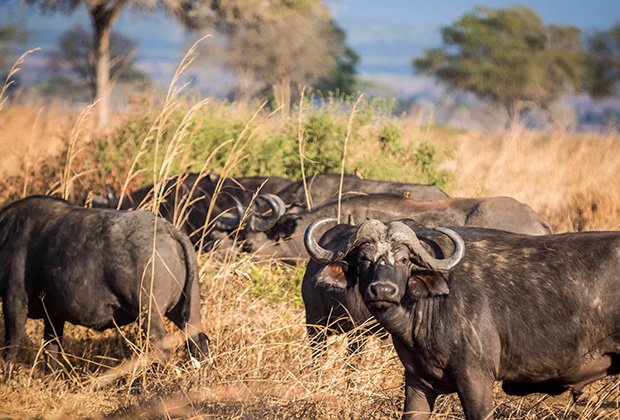
Dec 8, – 4 Day Tarangire, Serengeti And Ngorongoro Group Safari 2026
A detailed guide to our December 8, 2026 group joining safari, covering the itinerary, logistics, and what to expect during this 4-day wildlife adventure in Tanzania.
View package detailsNov 10, – 4 Day Serengeti, Ngorongoro And Tarangire Group Safari 2026
Join our group safari on November 10, 2026, for an intensive 4-day tour of Tanzania's Northern Circuit. Perfect for those with limited time who want to experience the best of the Serengeti...
View package detailsOct 31, – 6 Day Serengeti, Ngorongoro, Tarangire And Manyara Group Safari 2026
A detailed look at the 6-day Northern Circuit group safari departing October 31, 2026, covering Tarangire, Manyara, Serengeti, and Ngorongoro Crater.
View package detailsOct 29, – 4 Day Tarangire, Serengeti And Ngorongoro Group Safari 2026
Plan your October 2026 Tanzania adventure. This 4-day group safari covers Tarangire, Serengeti, and Ngorongoro Crater with reliable local support.
View package details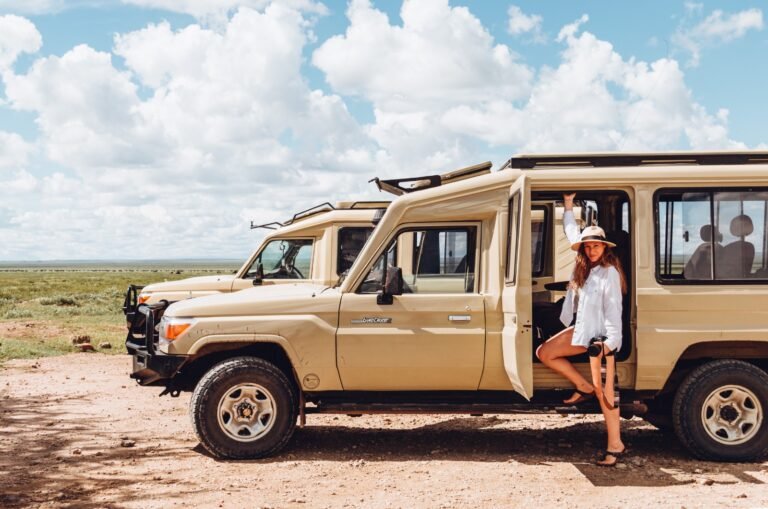
Dec 14, – 7 Day Complete Tanzania Northern Circuit Group Safari 2026
Planning for December 2026? Join our 7-day complete Tanzania Northern Circuit group safari. A deep look at the Serengeti, Ngorongoro, and Tarangire with expert, locally-led logistics.
View package details8 Day Serengeti And Ngorongoro Group Safari – December 16, 2026
Planning your December 2026 Tanzanian adventure? Our 8-day group safari offers a deep, unhurried exploration of the Serengeti and Ngorongoro Crater.
View package detailsNov 18, – 7 Day Serengeti And Ngorongoro Group Joining Safari 2026
A detailed guide to the 7-day group joining safari departing November 18, 2026, covering Serengeti, Ngorongoro, and the logistical advantages of shared travel.
View package detailsDec 24, – 3 Day Christmas Serengeti And Ngorongoro Group Safari
Dec 24, 2026 – 3 Day Christmas Serengeti and Ngorongoro Group Safari.
View package details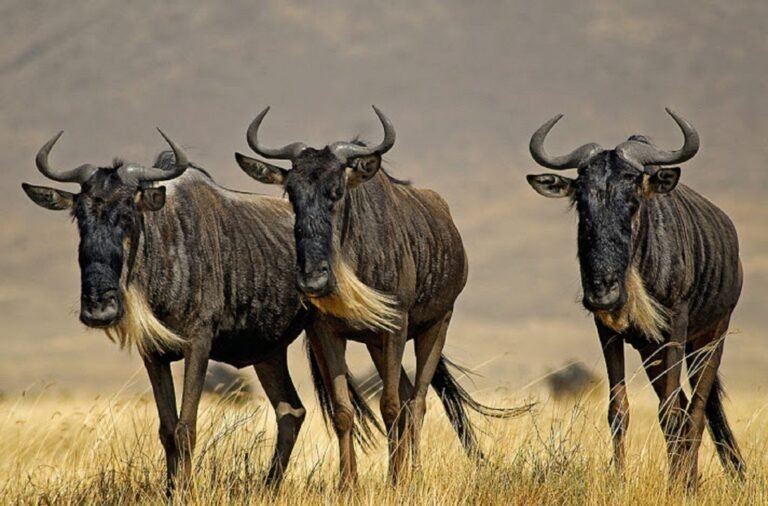
Nov 23, – 3 Day Serengeti And Ngorongoro Safari From Zanzibar
Nov 23, 2026 – 3 Day Serengeti and Ngorongoro Safari from Zanzibar.
View package details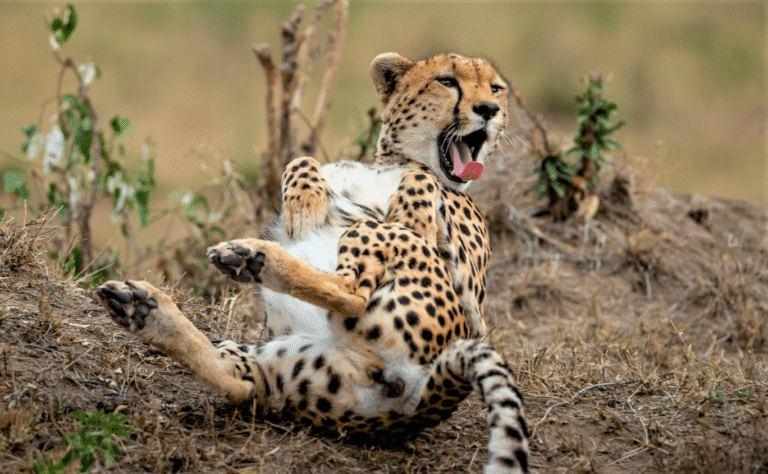
Dec 29, – 6 Day Ndutu, Serengeti And Ngorongoro Group Safari 2026
A detailed guide to our 6-day group safari departure on December 29, 2026, focusing on the Ndutu plains, the Serengeti, and the Ngorongoro Crater.
View package detailsDec 6, – 3 Day Tarangire, Lake Manyara And Ngorongoro Group Safari 2026
Dec 6, 2026 – 3 Day Tarangire, Lake Manyara and Ngorongoro Group Safari.
View package detailsNo related package matches those filters. Clear one or more filters to see the other topic-matched options.