
A compelling three-week itinerary for Southern Africa and Tanzania typically combines the iconic wildlife viewing of Tanzania’s northern circuit (Serengeti, Ngorongoro) with the diverse landscapes and abundant game of Southern Africa, often focusing on Botswana’s Okavango Delta and Victoria Falls in Zimbabwe or Zambia. This extensive trip, ideal for 2026-2027 travel, allows for deep immersion into distinct ecosystems, offering a blend of classic game drives, unique water-based safaris, and majestic natural wonders, with options for luxury or more adventurous travel styles.
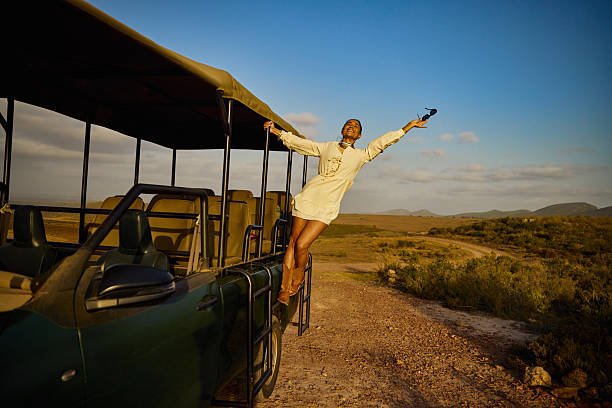
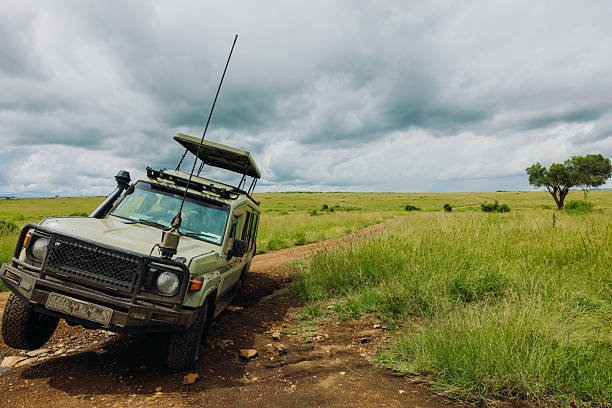
Planning Your Three-Week Southern Africa and Tanzania Safari Adventure
Embarking on a three-week safari that spans both Southern Africa and Tanzania is an ambitious yet incredibly rewarding undertaking. It requires careful planning to maximize your experience, minimize travel time, and ensure you witness the continent’s most spectacular wildlife and landscapes. This itinerary aims to provide a balanced introduction to two of Africa’s premier safari regions, acknowledging that each offers a unique flavour of the wild. We’ll explore how to connect these distinct destinations, what to expect in terms of wildlife viewing, accommodation styles, and the logistical considerations for a trip of this scope in 2026 or 2027.
The key to a successful multi-country safari is understanding the trade-offs. Tanzania offers the legendary Serengeti and the Ngorongoro Crater, famed for the Great Migration and dense predator populations. Southern Africa, particularly Botswana, excels in its exclusive, low-density wildlife viewing in the Okavango Delta, coupled with the awe-inspiring Victoria Falls. This itinerary seeks to capture the highlights of both, recognizing that you could spend months in either region alone.
Choosing Your Safari Style: What Kind of Traveler Are You?
Before diving into the specifics of the itinerary, it’s crucial to consider your personal travel preferences. The best three-week Southern Africa and Tanzania safari for you depends entirely on what you wish to experience and how you like to travel. Understanding your priorities will help tailor the following suggestions.
The Classic Wildlife Enthusiast
If your primary goal is to see as much wildlife as possible, with a focus on iconic species and dramatic natural events like the Great Migration, Tanzania will be your main draw. You’ll want to maximize time in the Serengeti and Ngorongoro. In Southern Africa, you’ll prioritize areas known for high concentrations of animals, such as Chobe National Park in Botswana.
The Luxury Seeker
For those who value comfort, exclusivity, and high-end service, the itinerary can be adjusted to include luxury lodges and private concessions. Botswana, in particular, is renowned for its high-cost, low-impact luxury safari model, offering intimate wildlife encounters in pristine environments. High-end properties in Tanzania also provide exceptional comfort.
The Adventurous Explorer
If you’re looking for a more rugged, hands-on experience, consider incorporating walking safaris in certain parts of Southern Africa (like South Luangwa in Zambia, though not directly in this itinerary’s core focus) or more rustic, tented camps. Mobile camping safaris can also offer a deeper connection with the wilderness.
The Culture and Nature Connoisseur
This itinerary naturally blends wildlife with stunning natural scenery. However, if cultural immersion is a high priority, you might consider adding an extra day or two for interactions with local communities, perhaps near Arusha in Tanzania or in villages bordering national parks.
This guide assumes a balanced approach, catering to travelers who want a comprehensive overview of both regions’ strengths, suitable for 2026-2027 bookings. We’ll highlight options for different budgets and interests as we go.
Logistical Considerations for a Multi-Country Safari
Connecting Tanzania with Southern Africa involves flights. Typically, you’ll fly into a major hub in Tanzania (like Kilimanjaro International Airport – JRO) and out of a hub in Southern Africa (like Maun in Botswana, or Livingstone/Victoria Falls in Zambia/Zimbabwe), or vice-versa. This often involves a flight connection through Nairobi (NBO) or Addis Ababa (ADD) from Tanzania to Southern Africa. Internal flights within Southern Africa (e.g., to the Okavango Delta) are usually small bush planes, adding to the adventure and cost.
Key considerations for 2026-2027 travel:
- Flight Bookings: International and regional flights should be booked well in advance, especially for peak seasons in 2026 and 2027.
- Visas: Check visa requirements for Tanzania, Botswana, and any transit countries well ahead of time. Many nationalities can obtain visas on arrival or online, but it’s crucial to verify.
- Vaccinations & Health: Consult your doctor or a travel clinic regarding recommended vaccinations and malaria prophylaxis. Yellow fever vaccination may be required depending on your travel route.
- Travel Insurance: Comprehensive travel insurance covering medical emergencies, trip cancellation, and evacuation is non-negotiable for this type of safari.
- Pace: A three-week trip can feel rushed if you try to see too much. This itinerary focuses on quality over quantity, ensuring you have sufficient time in each key location.
Booking with Local Expertise
For a complex itinerary like a three-week Southern Africa and Tanzania safari, partnering with an experienced tour operator is invaluable. Climb 4 Africa, with its deep knowledge of Tanzania and connections across East and Southern Africa, can help streamline logistics, secure preferred accommodations, and ensure a smooth journey for your 2026-2027 adventure. They can also advise on the best timing for specific wildlife events.
The Three-Week Southern Africa and Tanzania Safari Itinerary: A Detailed Breakdown
This proposed itinerary balances iconic wildlife viewing in Tanzania with the unique safari experiences of Botswana and the natural wonder of Victoria Falls. It’s designed for a logical flow, minimizing backtracking and maximizing your time in prime wildlife areas.
Week 1: Tanzania – The Northern Circuit’s Grandeur
Your journey begins in Tanzania, focusing on its world-renowned Northern Safari Circuit. This region is synonymous with the Great Migration and an incredible density of predators.
Days 1-3: Arusha & Tarangire National Park
Arrival in Arusha: Fly into Kilimanjaro International Airport (JRO). You’ll be met by your guide and transferred to your accommodation in Arusha, the gateway to Tanzania’s northern parks. This is a good place to relax after your international flight, meet your safari guide, and have a final briefing.
Tarangire National Park (2-3 days): Known for its large elephant herds and iconic baobab trees, Tarangire is a fantastic introduction to Tanzanian wildlife. The park’s landscape is dominated by the Tarangire River, which attracts animals, especially during the dry season. You can expect to see elephants, zebras, wildebeest, giraffes, and a variety of antelope, as well as numerous bird species. Predator sightings, including lions and leopards, are also common. Accommodation options range from comfortable lodges to more rustic tented camps.
Days 4-6: Ngorongoro Crater & Conservation Area
Ngorongoro Crater (2-3 days): A UNESCO World Heritage Site, the Ngorongoro Crater is a natural caldera formed by a collapsed volcano. It boasts one of the highest densities of wildlife in Africa, with over 25,000 animals residing within its rim. You’ll descend into the crater for a full-day game drive, seeking out the ‘Big Five’ (lion, leopard, elephant, rhino, buffalo), as well as hippos, cheetahs, and hyenas. The crater floor is a unique ecosystem, and the sheer concentration of animals is impressive. You can stay at lodges perched on the crater rim, offering spectacular views, or in the nearby Karatu region.
Maasai Village Visit (Optional): Depending on your interests, a visit to a Maasai village can be arranged to learn about their traditional way of life. This is often done en route to or from the crater.
Days 7-9: Serengeti National Park – The Endless Plains
Serengeti National Park (3 days): The crown jewel of Tanzanian safaris. The Serengeti is vast, with endless plains that are home to the Great Migration – a spectacular movement of over a million wildebeest and zebras. The exact location of the migration depends on the time of year, but the Serengeti offers phenomenal wildlife viewing year-round. You’ll spend your days on game drives searching for lions, cheetahs, leopards, elephants, giraffes, and countless other species. Depending on the season (e.g., June-October for river crossings, January-March for calving season), your guide will position you in the best areas. Lodging options are diverse, from luxury permanent camps to mobile camps that follow the migration.
Tanzania Week 1 Highlights:
- Tarangire: Giant baobabs, massive elephant herds.
- Ngorongoro Crater: Dense wildlife, Big Five potential, unique caldera ecosystem.
- Serengeti: Iconic plains, Great Migration (seasonal), predator action.
Week 2: Transition & Botswana – Okavango Delta’s Waterways
After experiencing the classic savannahs of Tanzania, you’ll transition to Botswana for a different kind of safari – one focused on water, exclusivity, and a unique ecosystem.
Day 10: Travel Day – Tanzania to Botswana
Flight to Maun: Today involves travelling from the Serengeti (or Arusha) to Maun, Botswana. This will likely involve a flight from Kilimanjaro International Airport (JRO) to a regional hub like Nairobi (NBO) or Addis Ababa (ADD), followed by a flight to Maun (MUB). This is a long travel day, but it sets you up for the next phase of your adventure. You’ll spend the night in Maun, a bustling safari town.
Days 11-14: Okavango Delta – Mokoro & Game Drives
Okavango Delta (4 days): The Okavango Delta is a unique inland delta, a UNESCO World Heritage Site, that floods seasonally, transforming the landscape. This is a region of pristine wilderness and exclusive safari experiences, often characterized by low-density tourism and high-quality guiding. Your accommodation will likely be a lodge or tented camp situated within a private concession or a community-run area. Activities here differ from Tanzania:
- Mokoro Excursions: Glide silently through the delta’s waterways in a traditional dugout canoe (mokoro), guided by an experienced poler. This offers incredible birdwatching and a chance to see animals like hippos, crocodiles, elephants, and various antelopes drinking at the water’s edge. It’s a peaceful and intimate way to experience the delta.
- Game Drives: Most camps also offer traditional 4×4 game drives, particularly in areas of the delta that are accessible by vehicle or on islands. These drives focus on spotting the larger mammals, including lions, leopards, cheetahs, wild dogs (a major highlight in Botswana), elephants, and buffalo.
- Walking Safaris: Many camps offer guided walking safaris, allowing you to learn about the smaller details of the bush, track animals, and experience the wilderness on foot.
The Okavango Delta is known for its exceptional guiding and personalized experiences. Camps are often unfenced, allowing wildlife to roam freely around your accommodation.
Botswana Week 2 Highlights:
- Okavango Delta: Unique water-based safaris, mokoro excursions, exceptional birdlife.
- Wildlife: High chance of seeing wild dogs, leopards, and elephants.
- Exclusivity: Low-density tourism, private concessions, intimate wildlife encounters.
Week 3: Victoria Falls & Departure
Your final week combines one of Africa’s most spectacular natural wonders with the journey home.
Days 15-17: Victoria Falls – The Smoke That Thunders
Travel to Victoria Falls: Fly from Maun, Botswana, to Victoria Falls (VFA) in Zimbabwe, or Livingstone (LVI) in Zambia. The choice between Zimbabwe and Zambia depends on your preferred side of the falls and available accommodation. Both offer incredible views and activities.
Victoria Falls Exploration (3 days): Known locally as ‘Mosi-oa-Tunya’ (The Smoke That Thunders), Victoria Falls is one of the world’s largest and most impressive waterfalls. You’ll spend your time:
- Viewing the Falls: Explore the various viewpoints on the Zimbabwean side for panoramic vistas of the cascade and rainforest. You can also view from the Zambian side, which offers a different perspective and access to Livingstone Island and Devil’s Pool (seasonal and requires booking well in advance).
- Activities: Depending on your comfort level and interests, consider a sunset cruise on the Zambezi River, a helicopter or microlight flight over the falls for an aerial perspective, or a guided walking tour of the rainforest. For the adventurous, bungee jumping, white-water rafting (seasonal), and gorge swinging are popular options.
- Wildlife: While not a primary wildlife destination, you can often spot elephants, hippos, and crocodiles along the Zambezi River, and sometimes within the national park near the falls.
Accommodation options range from luxurious historic hotels to charming lodges and guesthouses, catering to various tastes and budgets.
Days 18-21: Buffer Days & Departure
These final days can be used flexibly. You might:
- Extend your stay: If you particularly enjoyed an area or want to add a different experience (e.g., a day trip to Chobe National Park from Victoria Falls for an elephant-focused safari), these days offer flexibility.
- Relax: Enjoy a more relaxed pace, perhaps revisiting a favourite viewpoint of the falls or indulging in a spa treatment.
- Travel Home: Depart from Victoria Falls (VFA) or Livingstone (LVI) airport for your international flight home, likely connecting through a major hub.
Victoria Falls Week 3 Highlights:
- Victoria Falls: One of the Seven Natural Wonders of the World.
- Activities: Diverse options from scenic flights to adventure sports.
- Zambezi River: Sunset cruises, wildlife viewing.
Customizing Your Three-Week Southern Africa and Tanzania Safari
This itinerary is a template. The beauty of a custom safari is its adaptability. For 2026-2027 travel, consider these variations:
Variations for Different Interests
Focusing on the Great Migration (Tanzania Emphasis)
If the Great Migration is your absolute priority, you could extend your time in the Serengeti, perhaps splitting your stay between the central, western, and northern regions to follow the herds. You might then swap Botswana for a shorter, high-impact safari in a different Tanzanian park like Ruaha or Selous (though these are geographically separate and would require more flight time).
Deep look at Botswana
For those drawn to the exclusivity and diverse ecosystems of Botswana, you could dedicate more time here. Consider adding parks like Chobe National Park (known for its massive elephant population) or the Linyanti region for excellent predator viewing, potentially sacrificing some time in Tanzania.
Adding More Southern Africa
If you want a broader Southern African experience, you could substitute some days in Botswana or even Tanzania for destinations like Kruger National Park in South Africa (for excellent Big Five viewing and diverse accommodation options) or Hwange National Park in Zimbabwe (near Victoria Falls, known for its large elephant herds).
Pacing and Travel Style Adjustments
Faster Pace, More Destinations
While not generally recommended for such a rich experience, it’s technically possible to squeeze in one more short stop, perhaps a quick 2-day visit to Chobe National Park between Tanzania and Victoria Falls. However, this increases travel time and can make the trip feel rushed.
Slower Pace, Deeper Immersion
For a more relaxed pace, consider removing one location or extending the trip to four weeks. For instance, spending an extra 3-4 days in the Serengeti or Okavango Delta allows for a more in-depth exploration of each area and its specific wildlife.
Accommodation Tiers
Budget-Friendly: While true budget safaris are challenging for multi-country trips, opting for comfortable mid-range lodges, tented camps, and fewer internal flights can help manage costs for 2026-2027. Shared departures can also be more economical.
Mid-Range: This itinerary is well-suited for mid-range travelers, with a good balance of quality lodges and experiences. This is often the sweet spot for value and comfort.
Luxury: For a high-end experience, select top-tier lodges in private concessions in Botswana, luxurious tented camps in the Serengeti, and premium hotels near Victoria Falls. This will significantly increase the cost but offers unparalleled service and exclusivity.
Key Decisions for Your Custom Itinerary:
- Time of Year: Crucial for migration viewing in Tanzania and water levels in Botswana.
- Accommodation Style: From rustic tented camps to lavish lodges.
- Activity Focus: Driving, walking, boating, cultural visits, adventure sports.
- Budget: This will heavily influence accommodation and transport choices.
Best Time to Travel for a Southern Africa and Tanzania Safari (2026-2027)
The optimal time for your three-week Southern Africa and Tanzania safari depends heavily on what you want to see, especially concerning the Great Migration in Tanzania and the floodwaters in Botswana.
Tanzania’s Wildlife Calendar
- June to October: Generally considered the best time for Tanzania safaris. This is the dry season, meaning animals congregate around water sources, making them easier to spot. The Great Migration is often in the northern Serengeti, with potential for dramatic river crossings (especially July-September). The weather is pleasant, with sunny days and cooler nights.
- January to March: This period is ideal for witnessing the calving season of the Great Migration in the southern Serengeti and Ngorongoro Conservation Area. Millions of wildebeest and zebras give birth, and predators are often active, feeding on the vulnerable newborns. It’s a dramatic spectacle.
- November to December: Short rains can occur, but safaris are still very good. The migration is usually moving south towards the Serengeti’s breeding grounds.
Botswana’s Seasonal Highlights
- June to October: This is Botswana’s dry season and also when the Okavango Delta begins to flood. Water levels are high, making mokoro excursions highly rewarding. Wildlife is concentrated around permanent water sources, leading to excellent game viewing, especially for predators and elephants. This is peak season, so expect higher prices and book well in advance for 2026-2027.
- November to May: This is Botswana’s green season (or ’emerald season’). The landscape is lush and beautiful, and birdwatching is superb. It’s less crowded and generally more affordable. However, wildlife can be more dispersed due to the abundance of water and vegetation, and some areas might become inaccessible due to rain. Mokoro excursions may be limited in certain areas as floodwaters recede.
Victoria Falls Considerations
- Peak flow: The Zambezi River’s flow is highest from March to May, creating a truly thunderous spectacle at Victoria Falls. Mist can be intense, and some activities like Devil’s Pool might be closed.
- Lower flow: From September to November, the falls are at their lowest, allowing for more exploration of the falls’ edges and potentially more accessible adventure activities.
- Year-round: Victoria Falls is impressive year-round. The choice often comes down to preferred water levels and activity availability.
The Ideal Window for this Itinerary
For a balanced experience of both Tanzania and Botswana, aiming for the shoulder seasons can be a good compromise:
- Late May to June: Good for Tanzania (end of rains, migration moving north) and the start of the Delta’s flood in Botswana.
- October to November: Excellent for Tanzania (dry season, migration in the north/central) and the end of the dry season in Botswana, with receding floodwaters offering good game viewing.
However, if seeing the Great Migration river crossings is paramount, July-September is your window, while the calving season dictates January-March. Always confirm the expected migration path for your chosen 2026 or 2027 travel dates.
Understanding Safari Costs for a Three-Week Trip
A three-week safari covering multiple countries and diverse experiences is a significant investment. The cost varies dramatically based on accommodation level, private versus shared tours, time of year, and specific activities. Here’s a general breakdown of cost factors for 2026-2027 travel:
Key Cost Components
- Accommodation: This is usually the largest expense. Luxury lodges in Botswana can cost upwards of $1000-$2000+ per person per night, while comfortable mid-range lodges in Tanzania might range from $300-$600 per person per night.
- Internal Flights: Flights between countries (e.g., JRO to MUB) and within Botswana (e.g., Maun to Delta camps) can add substantial cost, often $500-$1000+ per person for the multi-country journey.
- Park Fees: Daily park entrance fees are mandatory and can add up significantly, especially in Tanzania ($60-$80+ per person per day for Serengeti and Ngorongoro).
- Activities: Game drives are typically included, but special activities like hot air balloon safaris ($500-$600 pp), scenic flights, or certain water activities at Victoria Falls are extra.
- Guides and Vehicles: Private guides and vehicles are more expensive but offer flexibility. Shared departures are more cost-effective.
- Meals and Drinks: Most safari lodges include all meals and most drinks (excluding premium alcohol). Victoria Falls hotels may be on a bed & breakfast or half-board basis.
- Visas and Travel Insurance: Factor these essential costs in.
Estimated Budget Ranges (Per Person for 3 Weeks)
These are rough estimates and can fluctuate. It’s best to get a personalized quote for 2026-2027 travel.
| Safari Style | Estimated Cost Per Person (USD) | What it typically includes |
|---|---|---|
| Comfortable Mid-Range | $8,000 – $12,000 | Mid-range lodges/camps, some private guiding, standard park fees, most meals & local drinks, internal flights. |
| Luxury / Exclusive | $15,000 – $25,000+ | High-end lodges/camps, often in private concessions, private guides/vehicles, premium internal flights, gourmet meals, top-shelf drinks, exclusive activities. |
Note: These estimates exclude international flights to/from Africa.
Saving Money on Your Safari
- Travel in the Green Season: For Botswana, the shoulder or green seasons (November to May, excluding peak Easter) are significantly cheaper.
- Opt for Shared Departures: Joining scheduled group departures can reduce costs compared to private tours. Climb 4 Africa offers group departures for Tanzania safaris.
- Limit Internal Flights: While necessary for this itinerary, be mindful of how many short flights you book.
- Careful Accommodation Selection: Balance iconic lodges with comfortable, well-located mid-range options.
Getting a Tailored Quote for 2026-2027
To get an accurate understanding of costs for your specific three-week Southern Africa and Tanzania safari, it’s essential to speak with a specialist. Climb 4 Africa can provide personalized quotes based on your desired dates, accommodation preferences, and specific activities. Contacting them via WhatsApp +255 747 477 898 or Email climb4africa@gmail.com is the best next step to start planning.
Essential Packing List for Your Safari
Packing for a multi-country African safari requires versatility, as you’ll encounter different climates and environments. Focus on lightweight, breathable clothing in neutral colours.
Clothing
- Lightweight Trousers/Convertible Pants: 2-3 pairs.
- Shorts: 2-3 pairs (for warmer days or around camp).
- Long-sleeved Shirts: 2-3 (for sun protection and cooler evenings).
- T-shirts/Polo Shirts: 4-5.
- Fleece Jacket or Warm Sweater: Essential for cool mornings and evenings, especially in higher altitudes or during winter months (June-August).
- Lightweight Waterproof Jacket: For unexpected rain showers.
- Swimsuit: Many lodges have pools.
- Underwear and Socks.
Footwear
- Comfortable Walking Shoes/Hiking Boots: Broken-in and suitable for walking safaris or light hikes.
- Sandals or Flip-flops: For relaxing at the lodge.
Accessories
- Sun Hat: Wide-brimmed for maximum protection.
- Sunglasses: Polarized are best.
- Scarf or Bandana: Useful for dust and sun.
- Binoculars: Essential for wildlife viewing. Consider a good quality pair (e.g., 8×42 or 10×42).
- Camera and Extra Batteries/Memory Cards: And a good zoom lens.
- Power Bank/Portable Charger: For charging devices on the go.
- Adapter and Converter: For charging electronics (Type G in Tanzania, Type D/M in Botswana/Zimbabwe/Zambia).
- Headlamp or Small Flashlight: Useful for navigating camps at night.
- Insect Repellent: With DEET or Picaridin.
- Sunscreen: High SPF.
- Personal First-Aid Kit: Including any personal medications.
- Hand Sanitizer.
- Small Backpack/Daypack: For carrying essentials on game drives.
- Reusable Water Bottle: To reduce plastic waste.
Important Notes for Packing
- Neutral Colours: Avoid bright colours or black/dark blue, which can attract insects or startle wildlife. Khaki, olive green, beige, and brown are ideal.
- Luggage Restrictions: For light aircraft flights in Botswana, luggage is usually restricted to soft-sided bags weighing around 15-20 kg (33-44 lbs), including hand luggage. Check with your operator.
- Leave Valuables at Home: Stick to essentials.
Making the Most of Your Safari Experience
A safari is more than just ticking off animals; it’s about connecting with nature and appreciating the wild. Here are some tips to enhance your three-week journey in 2026-2027.
Engage with Your Guides
Your safari guides are your eyes and ears in the bush. They possess immense knowledge about animal behaviour, tracking, local culture, and the environment. Ask questions, listen to their stories, and share your interests. They can significantly enrich your experience.
Be Patient and Observant
Wildlife viewing is not guaranteed. Sometimes the best sightings come after periods of patient waiting. Take the time to observe the smaller details – the insects, the plants, the birdlife. True safari magic often lies in these moments.
Respect Wildlife and the Environment
Always follow your guide’s instructions. Maintain a safe distance from animals, never feed them, and avoid making loud noises that could disturb them. Be mindful of your environmental impact; minimize waste and stick to designated paths.
Embrace the Unexpected
African safaris are unpredictable. Weather can change, animals don’t always cooperate, and sometimes things don’t go exactly as planned. Flexibility and a positive attitude are key to enjoying every moment, even the unplanned ones.
Photography Tips
- Shoot in RAW: This gives you more flexibility in post-processing, especially for challenging light conditions.
- Use a Beanbag: For stable shots from vehicles.
- Capture the Atmosphere: Don’t just focus on the animals; photograph the landscapes, the light, the campfires, and the people.
- Protect Your Gear: Use dust-proof bags and cleaning kits.
Final Thoughts on Planning Your 2026-2027 Safari
A three-week safari combining Southern Africa and Tanzania is an epic adventure that promises unforgettable memories. It offers a profound connection with nature, diverse landscapes, and incredible wildlife encounters. From the vast plains of the Serengeti to the watery wonders of the Okavango Delta and the thundering cascade of Victoria Falls, this journey is designed to showcase the very best of Africa.
The planning process, especially for a trip of this scale and complexity, is crucial. By understanding the best times to travel, considering your preferred travel style, and being aware of the cost factors, you can create an itinerary that perfectly matches your dreams. For smooth planning and expert local support, particularly for the Tanzanian portion of your journey and coordinating across borders, reaching out to specialists like Climb 4 Africa is highly recommended. They can help navigate the intricacies of booking flights, accommodations, and activities to ensure your 2026 or 2027 safari is everything you hope for and more.
Ready to start planning your ultimate Southern Africa and Tanzania safari? Get in touch with the experts at Climb 4 Africa. You can connect via WhatsApp +255 747 477 898 or send an Email climb4africa@gmail.com to discuss your tailor-made itinerary and receive a personalized quote for your 2026-2027 adventure.
Check Availability for Southern Africa And Tanzania Safari: A Three-Week Itinerary For 2026-2027
Ready to compare dates, prices, and the best option for your group? Send the package name and travel month so the team can reply with a clear quote, availability, and what is included.
Affordable African Safari Packages: Your Guide To Budget-Friendly Tanzania
Discover how to plan and book affordable African safari packages for 2026-2027. This guide provides practical advice on choosing budget-friendly Tanzania tours, understanding costs, and...
View package details
Are African Safari Prices Per Person Or Vehicle? Understanding Tanzania Costs
African safari costs can be confusing. This guide clarifies whether prices are quoted per person or per vehicle, detailing factors that influence your 2026-2027 safari budget in Tanzania.
View package details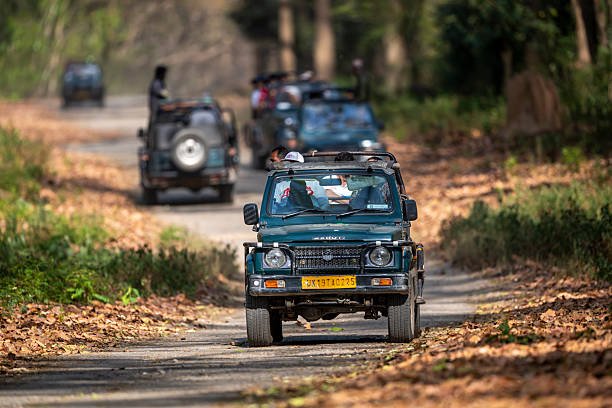
Luxury African Safari Packages: The Ultimate Tanzania Experience In 2026-2027
Explore the pinnacle of African adventure with luxury safari packages in Tanzania. This guide details exclusive lodges, tailor-made itineraries, and the best wildlife experiences for your...
View package detailsBest African Safari Tours & Vacation Packages /: Your Ultimate Tanzania
start an unforgettable African safari adventure in 2026/2027 with expertly curated tours and vacation packages in Tanzania's most iconic wildlife destinations. From the Serengeti to the...
View package details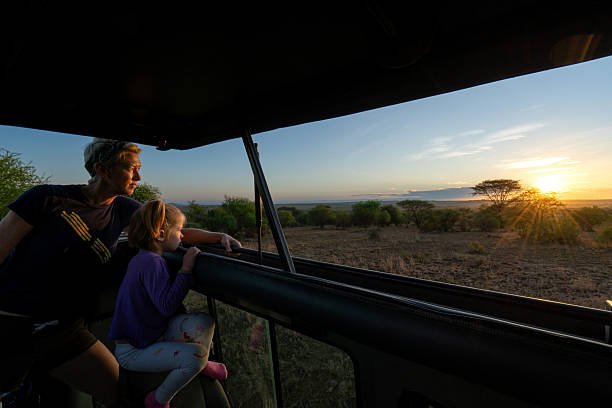
10-Day Tanzania Safari And Zanzibar Beach Holiday: Your Ultimate Itinerary
Combine the thrill of a Tanzania safari with the relaxation of Zanzibar for an unforgettable 10-day adventure. This itinerary balances iconic wildlife viewing with stunning tropical...
View package details
How Far In Advance Should You Book An African Safari? 2026-2027
How Far in Advance Should You Book an African Safari? is explained with current 2026-2027 planning, price, itinerary and booking information.
View package detailsSolo African Safari Tours: Your Ultimate Guide For 2026-2027
start an incredible solo African safari adventure. This comprehensive guide covers everything you need to know for planning a safe, rewarding, and memorable trip in 2026-2027, from choosing...
View package details
What Is Included In An African Safari Package? A Complete Guide For 2026-2027
Demystifying African safari packages. This guide details what you can expect to be included, from essential logistics like accommodation and transport to crucial elements like park fees and...
View package details
Best Wildlife Safaris In Africa: Your Ultimate Guide For 2026-2027
start the ultimate African wildlife safari. This comprehensive guide covers the best destinations, essential planning tips, and what to expect for your 2026-2027 adventure.
View package detailsAfrican Safari Packages From Europe 2026-2027
African Safari Packages From Europe is explained with current 2026-2027 planning, price, itinerary and booking information.
View package details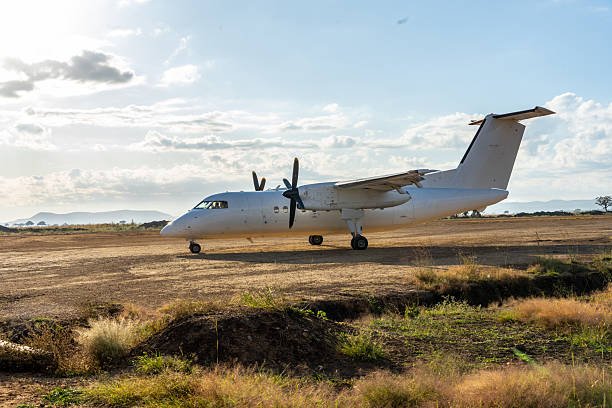
African Safari Packages With Flights 2026-2027
African Safari Packages With Flights is explained with current 2026-2027 planning, price, itinerary and booking information.
View package details
Small-Group African Safari Tours Guide
Explore the best of Tanzania on a small-group safari. This guide covers everything you need to know for an incredible wildlife adventure in 2026-2027, from choosing the right tour to...
View package detailsNo related package matches those filters. Clear one or more filters to see the other topic-matched options.



