A 14-day Namibia and Tanzania safari itinerary is a remarkable journey that typically starts in Namibia, exploring highlights like Etosha National Park and Sossusvlei, before flying to Tanzania for the iconic Serengeti National Park and Ngorongoro Crater, offering a diverse and unforgettable African wildlife experience in 2026-2027.

Why Combine Namibia and Tanzania?
Combining Namibia and Tanzania for a single safari trip, especially a 14-day itinerary, is an ambitious yet incredibly rewarding choice for the discerning traveler in 2026-2027. These two Southern and Eastern African powerhouses offer vastly different, yet equally spectacular, wildlife and landscape experiences. Namibia captivates with its dramatic desert vistas, ancient rock art, and unique desert-adapted wildlife. Think towering red dunes, stark Skeleton Coast, and the vast, dry expanses of Etosha. Tanzania, on the other hand, is synonymous with the Great Migration, the endless plains of the Serengeti, and the natural amphitheater of the Ngorongoro Crater, teeming with predators and a staggering density of plains game. While logistically more complex than a single-country safari, a combined trip provides an unparalleled breadth of African wilderness, from the arid beauty of the southwest to the classic savanna ecosystems of the east. It’s a journey that appeals to those who want to see the most diverse range of iconic African sights and experiences within a limited timeframe, demanding careful planning to maximize enjoyment and minimize travel time.
The 14-Day Namibia & Tanzania Safari: A Glimpse
This 14-day itinerary is designed to offer a taste of the very best each country has to offer, acknowledging that a comprehensive exploration would require significantly more time. The focus is on iconic, high-impact destinations. We start in Namibia, immersing ourselves in its unique desert landscapes and wildlife-rich parks, before a crucial flight connects us to Tanzania for its world-renowned savanna wildlife spectacles. This structure aims to balance travel days with significant safari time, ensuring you get the most out of your two weeks. It’s a fast-paced journey, perfect for those who want to cover a lot of ground and see a wide variety of natural wonders and animals. We will prioritize efficient travel, often utilizing light aircraft flights to save precious hours.
Days 1-6: Namibia’s Deserts and Wildlife
Your Namibian adventure begins with an arrival in Windhoek, the capital, serving as your gateway to the country’s vast and varied landscapes. The initial days are dedicated to experiencing Namibia’s unique natural attractions, focusing on Etosha National Park, a world-renowned wildlife sanctuary, and then heading towards the iconic sand dunes of Sossusvlei.
Day 1: Arrival in Windhoek, Namibia
Upon arrival at Hosea Kutako International Airport (WDH) near Windhoek, you’ll be met by our local representative. After a transfer to your comfortable accommodation in Windhoek, you’ll have time to relax and acclimatize. Depending on your arrival time, you might explore the city center, visit the Christuskirche, or simply enjoy a good meal and prepare for the adventure ahead. Windhoek is a small, easily navigable capital, and this day is primarily about easing into your Namibian experience.
Day 2: Windhoek to Etosha National Park
After breakfast, you’ll depart Windhoek and drive north towards Etosha National Park. The journey takes approximately 4-5 hours, offering your first glimpses of Namibia’s sprawling landscapes. Etosha is one of Africa’s premier wildlife destinations, famous for its massive salt pan and the waterholes that attract a spectacular concentration of animals, especially during the dry season. You’ll enter the park via the Andersson Gate and proceed to your lodge or camp located either inside the park or just outside its southern boundary. The afternoon is dedicated to your first game drive, exploring the areas around Okaukuejo Camp, renowned for its floodlit waterhole that provides excellent viewing opportunities after dark.
Days 3-4: Exploring Etosha National Park
You’ll spend two full days exploring Etosha National Park. The park’s ecosystem is centered around the vast, shimmering Etosha Pan, a dry salt lake covering over 5,000 square kilometers. Wildlife congregates around the permanent waterholes scattered throughout the southern and central parts of the park, making for exceptional game viewing. You’ll drive between these waterholes, searching for lions, elephants, rhinos (both black and white), giraffes, zebras, wildebeest, springbok, gemsbok, and a multitude of bird species. Etosha is particularly good for spotting elusive species like the black rhino and cheetah. Your safari guide will use their expertise to track animals and find the best viewing spots. Accommodation will typically be in well-appointed lodges or rest camps within the park, offering comfortable amenities and excellent access to waterholes for evening viewing.
Day 5: Etosha to Damaraland (Optional Focus)
On day five, you have a choice depending on your interests. For those keen on a deeper wildlife experience, you can spend more time in Etosha, perhaps exploring a different section of the park or revisiting favorite waterholes. Alternatively, for a taste of Namibia’s unique desert landscapes and culture, you can travel west towards the Damaraland region. This area is known for its rugged, mountainous terrain, ancient rock art sites like Twyfelfontein (a UNESCO World Heritage site), and the chance to see desert-adapted elephants and rhinos. This option adds significant travel time and is best suited if you have a particular interest in geology, archaeology, or the unique adaptations of life in arid environments. For this 14-day itinerary, we often prioritize efficiency, so a full day focused on Etosha is common, or a shorter transit day towards the Sossusvlei region.
Day 6: Etosha to Sossusvlei Region
Today involves a substantial travel day as you journey south from Etosha towards the Sossusvlei area, located within the Namib-Naukluft National Park. This drive takes you through diverse changing scenery, from the savanna around Etosha to the more arid, open plains characteristic of central Namibia. You’ll typically travel for around 5-7 hours, depending on your exact starting point in Etosha and your final lodge location. The goal is to reach your accommodation near Sesriem, the gateway to Sossusvlei, in the late afternoon. This positioning allows for an early start to explore the dunes the following morning. Lodges in this region range from comfortable guesthouses to luxury desert retreats, often designed to blend harmoniously with the stark desert environment.
Days 7-8: The Majestic Dunes of Sossusvlei
These days are dedicated to exploring one of Namibia’s most iconic and photographed landscapes: the towering red sand dunes of Sossusvlei and Deadvlei.
Day 7: Sossusvlei’s Iconic Dunes
An early start is essential to witness the magic of Sossusvlei at sunrise. You’ll enter the Namib-Naukluft National Park at dawn and drive into the dune sea. The changing light paints the colossal red dunes in a spectrum of oranges, reds, and purples. Key highlights include climbing Dune 45, one of the most accessible and famous dunes, for panoramic views, and visiting Deadvlei, a surreal white clay pan dotted with ancient, skeletal camel thorn trees that have been preserved by the arid conditions for centuries. Big Daddy, the tallest dune in the area, offers a challenging but rewarding climb. You might also explore Sesriem Canyon, a narrow gorge carved by the Tsauchab River, providing a different geological perspective. Your guide will navigate the sandy tracks, ensuring you experience the best of this unique desert environment.
Day 8: Sossusvlei to Windhoek & Flight to Tanzania
After a final morning activity in the Sossusvlei area – perhaps a scenic drive or a visit to a local Himba village if time and interest permit – you will drive back towards Windhoek (approximately 4-5 hours). From Windhoek’s Hosea Kutako International Airport (WDH), you will catch your flight to Tanzania. This is a significant travel day, as flights between Namibia and Tanzania are not direct and usually involve at least one stopover, often in Johannesburg or Nairobi. The flight duration can be substantial, often taking most of the day. Your arrival in Tanzania will likely be at Kilimanjaro International Airport (JRO), the main gateway for safaris in the northern circuit. You will be met by your Tanzanian guide and transferred to your lodge near Arusha, ready for the next phase of your adventure.
Days 9-13: Tanzania’s Northern Circuit Wonders
This part of the itinerary focuses on the world-famous Northern Circuit of Tanzania, renowned for its exceptional wildlife concentrations and iconic landscapes. This is where you’ll encounter the classic African savanna safari experience.
Day 9: Arrival in Tanzania & Transfer to Arusha
Assuming you arrived late on Day 8, this morning allows for a proper introduction to Tanzania. After breakfast at your lodge near Kilimanjaro International Airport (JRO) or in Arusha, you’ll have a briefing from your safari guide. Arusha serves as the hub for northern circuit safaris. Depending on your flight schedule from Namibia, you might spend this day with some light exploration around Arusha, visit a coffee plantation, or simply relax and prepare for the safari ahead. The focus is on acclimatizing to Tanzania and getting ready for the wildlife viewing that awaits. Your accommodation will be in a comfortable lodge or hotel in or around Arusha.
Day 10: Tarangire National Park
Today, you depart for Tarangire National Park, famous for its large elephant herds and iconic baobab trees. The drive from Arusha takes about 2-3 hours. Tarangire offers a different feel from Etosha, with denser woodland and a river that remains a vital water source during the dry season, attracting significant wildlife. Game drives here are excellent for spotting elephants, lions, leopards, cheetahs, giraffes, zebras, wildebeest, and a variety of antelope species. Birdlife is also abundant. You’ll spend the full day on game drives within the park, with a picnic lunch enjoyed amidst the wilderness. Accommodation will be at a lodge or tented camp either inside or just outside the park boundaries.
Day 11: Lake Manyara & Ngorongoro Conservation Area
After breakfast, you’ll drive to Lake Manyara National Park. This park is known for its diverse ecosystems, including groundwater forests, acacia woodlands, and its shallow alkaline lake, which is home to thousands of flamingos during certain times of the year. While the park is small, it offers excellent game viewing opportunities, including tree-climbing lions (though these are elusive), large troops of baboons, elephants, giraffes, and zebras. After a morning game drive in Manyara, you will ascend the Great Rift Valley escarpment towards the Ngorongoro Conservation Area. The views as you climb are spectacular. You’ll check into your lodge, often perched on the rim of the crater, offering impressive vistas. The elevation here is higher, and the air is cooler.
Day 12: The Ngorongoro Crater Floor
This is a highlight day. You’ll descend approximately 600 meters into the Ngorongoro Crater, a UNESCO World Heritage site and one of the most wildlife-dense areas on Earth. The crater floor is a natural amphitheater supporting an incredible array of animals within its 260 square kilometer expanse. You have a very high chance of seeing the Big Five (lion, elephant, buffalo, rhino, leopard), along with hippos, zebras, wildebeest, hyenas, jackals, and numerous bird species. The black rhino is a resident here, and sightings are common. You’ll spend the majority of the day on the crater floor, enjoying a picnic lunch by the hippo pool. The unique environment of the crater provides a truly unforgettable safari experience. In the late afternoon, you’ll ascend back to your lodge on the crater rim.
Day 13: Serengeti National Park – Journey Begins
Today, you depart the Ngorongoro Conservation Area and drive towards the legendary Serengeti National Park. The drive itself is a safari experience, often passing through the Ndutu area or directly into the central Serengeti, depending on the season and the Great Migration’s location. You’ll likely stop at Olduvai Gorge, an important paleoanthropological site, to learn about early human history. As you enter the Serengeti, the vast plains stretch out before you, dotted with acacia trees and teeming with wildlife. You’ll conduct game drives en route to your lodge or tented camp, which will be strategically located to maximize your wildlife viewing opportunities. The Serengeti is home to the largest concentration of wildlife in the world, and the sheer scale of the landscape is awe-inspiring.
Day 14: Serengeti Safari & Departure
Your final day offers one last opportunity for an early morning game drive in the Serengeti, perhaps to catch predators on the move or witness a sunrise over the savanna. After breakfast, you will be transferred to the nearest airstrip within the Serengeti (e.g., Seronera Airstrip) for your onward flight. Typically, this will be a scheduled light aircraft flight back to Kilimanjaro International Airport (JRO) or perhaps directly to Arusha Airport (ARK) for connections. From JRO, you can connect to international flights home or to your next destination. This concludes your incredible 14-day Namibia and Tanzania safari adventure.
Logistics and Key Considerations for a 14-Day Namibia & Tanzania Safari
Executing a 14-day itinerary that spans two distinct countries like Namibia and Tanzania requires meticulous planning and attention to detail. The logistical challenges are significant but manageable with the right expertise.
Flights Between Countries
The most critical logistical element is the flight between Namibia and Tanzania. There are no direct commercial flights. You will typically fly from Windhoek (WDH) to Kilimanjaro International Airport (JRO) via a hub like Johannesburg (JNB) or Nairobi (NBO). These flights consume a full day and can be costly. Booking these inter-country flights well in advance is crucial, especially for 2026-2027 travel, as availability can be limited. Your safari operator will handle these bookings as part of your overall package. Additionally, internal flights within Tanzania (e.g., from Serengeti airstrip to JRO) are standard for optimizing time.
Accommodation Styles and Choices
Both Namibia and Tanzania offer a wide range of accommodation, from comfortable mid-range lodges and guesthouses to exclusive luxury lodges and permanent tented camps. In Namibia, options range from charming guesthouses in Windhoek and lodges near national parks to unique desert retreats. In Tanzania, you’ll find lodges and tented camps that provide an authentic safari feel, often with en-suite facilities and comfortable furnishings. The choice of accommodation significantly impacts the overall cost and experience. For a 14-day itinerary, a mix of comfortable, well-located lodges is often ideal to balance cost and convenience.
Transportation Within Parks
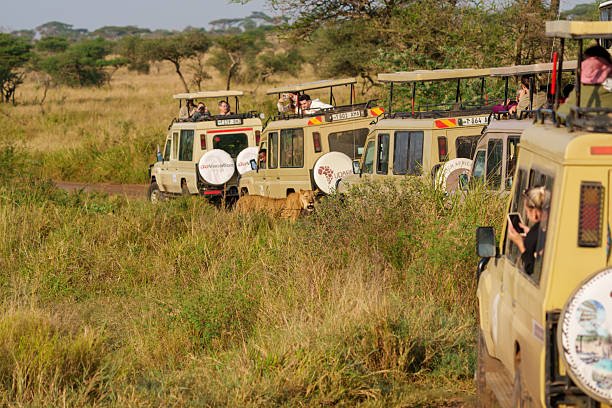
In Namibia, you’ll typically travel in a 4×4 safari vehicle, often a pop-top Land Cruiser, driven by your guide. Roads can be gravel and sometimes sandy, requiring a robust vehicle. In Tanzania, similar 4×4 safari vehicles (Land Cruisers or Land Rovers) are used, equipped with pop-up roofs for optimal game viewing. Private safari vehicles offer the most flexibility and comfort. Shared vehicles are an option to reduce costs, but limit your flexibility. The quality of the vehicle and the expertise of the driver-guide are paramount to a successful safari.
Best Time to Travel in 2026-2027
The best time to undertake a combined Namibia and Tanzania safari in 2026-2027 depends on what you prioritize:
- Namibia: The dry season (May to October) is generally considered the best for wildlife viewing, as animals congregate around waterholes. The landscape is dry and dramatic. The green season (November to April) offers lush scenery and excellent birdwatching, but wildlife can be more dispersed.
- Tanzania: The dry season (June to October) is ideal for wildlife viewing, especially for the Great Migration in the Serengeti. This is also a popular time, so expect higher prices and more crowds. The shoulder seasons (January-February and June) can offer good wildlife viewing with fewer crowds. The short rains (November-December) can be beautiful but may impact game viewing.
Given these factors, the period from June to October 2026 or 2027 offers a strong overlap for good conditions in both countries, though it is also the peak season. Traveling in the shoulder months like May or early November 2026/2027 might offer a good balance of weather and fewer crowds.
What to Pack
Packing for a multi-country safari requires versatility. Key items include:
- Lightweight, neutral-colored clothing (khaki, beige, olive green)
- Long-sleeved shirts and trousers for sun and insect protection
- A warm fleece or jacket for cool mornings and evenings
- Comfortable walking shoes and sandals
- A wide-brimmed hat and sunglasses
- High SPF sunscreen and insect repellent
- Binoculars (essential for wildlife viewing)
- Camera with extra batteries and memory cards
- Personal medications and a basic first-aid kit
- Adapter for electronics
- Swimsuit for lodge pools
Avoid bright colors and camouflage patterns. Pack light, as most internal flights have strict baggage weight limits.
Health and Safety
Consult your doctor or a travel clinic well in advance of your trip regarding necessary vaccinations and malaria prophylaxis. Malaria is present in both Namibia (especially in the north) and Tanzania. Yellow fever vaccination may be required depending on your travel route. Always drink bottled or purified water. Follow your guide’s advice regarding wildlife safety and staying within designated areas.
Visa and Documentation
Ensure your passport is valid for at least six months beyond your intended stay and has sufficient blank pages. Namibian visas are generally not required for many nationalities for short tourist stays, but it’s essential to check current regulations. Tanzanian visas are required for most nationalities and can often be obtained on arrival or applied for online in advance. Always confirm the latest visa requirements for both countries well before your departure for 2026-2027 travel.
Customization Options for Your 14-Day Safari
While this 14-day Namibia and Tanzania itinerary provides a solid framework, it can be customized to suit your specific interests and pace. For example:
- More Wildlife Focus: Spend an extra day in Etosha or the Serengeti, or add a visit to the Selous Game Reserve (now Nyerere National Park) in southern Tanzania if you have more time or are willing to adjust the Namibia portion.
- Cultural Immersion: Include visits to local communities or cultural villages, such as a Himba village in Namibia or a Maasai village in Tanzania.
- Adventure Activities: In Namibia, consider activities like hot air ballooning over Sossusvlei or quad biking.
- Pace: If this itinerary feels too fast-paced, consider extending your trip to 16 or 18 days to allow for more relaxed travel and deeper exploration of fewer locations. Alternatively, if you have less time, you might need to focus on just one country.
- Luxury vs. Budget: Accommodation choices and the use of private versus shared vehicles will significantly influence the cost. We can tailor options to fit various budgets.
Discussing your preferences with your safari planner is key to creating the perfect 14-day Namibia Tanzania safari for you.
Why Choose Climb 4 Africa for Your 14-Day Safari?
Planning a multi-country safari involving flights between countries can be complex. At Climb 4 Africa, we specialize in crafting smooth and unforgettable African travel experiences. Our expertise lies not only in the iconic Mount Kilimanjaro climbs but also in orchestrating comprehensive wildlife safaris across Tanzania and neighboring countries. We understand the intricate logistics of combining destinations like Namibia and Tanzania for a 14-day itinerary.
- Local Knowledge: We have deep roots and extensive on-the-ground experience in Tanzania, and we partner with trusted local operators in Namibia to ensure high standards.
- Tailor-Made Itineraries: We don’t offer one-size-fits-all packages. We listen to your interests, budget, and travel style to design a personalized 14-day Namibia Tanzania safari itinerary that perfectly matches your dreams.
- smooth Logistics: We handle all the complex arrangements, including inter-country flights, park permits, internal transfers, and accommodation bookings, so you can focus on the adventure.
- Expert Guides: Our guides are knowledgeable, experienced, and passionate about wildlife and conservation, enhancing your safari experience immeasurably.
- Value and Transparency: We strive to offer competitive pricing without compromising on quality, providing clear breakdowns of what’s included and excluded.
For your 2026-2027 adventure, let us leverage our expertise to create a truly exceptional 14-day Namibia and Tanzania safari for you.
Booking Your 14-Day Namibia & Tanzania Safari
Embarking on a 14-day Namibia Tanzania safari is a significant undertaking, and careful planning is essential for a trip of this scope. To begin crafting your personalized itinerary for 2026-2027, or to discuss customization options, we encourage you to reach out to our expert team. We can help you navigate the complexities of combining these two extraordinary destinations, ensuring a smooth and memorable journey.
To get started, please contact us with your preferred travel dates, number of travelers, any specific interests (e.g., birding, photography, specific wildlife), and your desired level of accommodation. We are here to answer all your questions and provide tailored advice.
Reach out to Climb 4 Africa today:
- WhatsApp: +255 747 477 898
- Email: climb4africa@gmail.com
Let us help you plan the ultimate 14-day Namibia and Tanzania safari adventure, combining the desert wonders of Namibia with the unparalleled wildlife of Tanzania into one epic expedition.
Check Availability for 14 Days Namibia And Tanzania Safari Itinerary: Ultimate Wildlife Adventure
Ready to compare dates, prices, and the best option for your group? Send the package name and travel month so the team can reply with a clear quote, availability, and what is included.
Dec 20, – 10 Day Complete Tanzania Group Joining Safari
Dec 20, 2026 – 10 Day Complete Tanzania Group Joining Safari.
View package details
AFCON 2027 Safari Packages from Tanzania
Hitaji la safari ya kundoka ili kufurahia AFCON 2027? Chagua kutoka kwa mikakati ya safari nchini Tanzania inayoambatana na wildlife, mbuga maarufu, na uwekaji wa huduma ya kimataifa ya...
View package details
AFCON 2027 Mid Range Safari Packages Tanzania
Mwongozo wa safari ya kati ya AFCON 2027 Tanzania kutoka Climb 4 Africa: mipango ya njia, maeneo ya msitu wa serikali, na usalama wa wasafiri. Onyesha jinsi ya kuchagua kilima cha kati...
View package details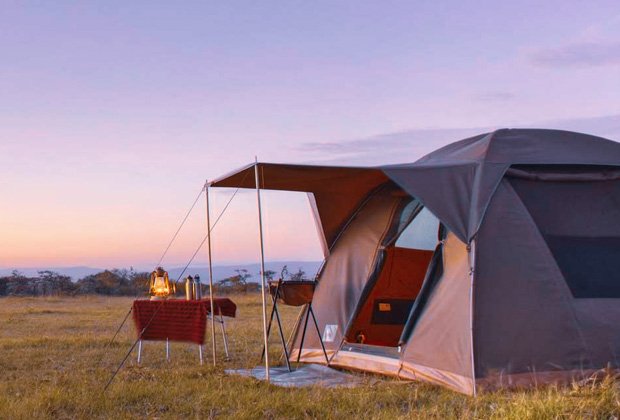
Best Tanzania Safari Before Afcon Final
Best Tanzania Safari Before AFCON 2027 Final.
View package detailsBest Tanzania Safari After Afcon Match
Best Tanzania Safari After AFCON 2027 Match.
View package details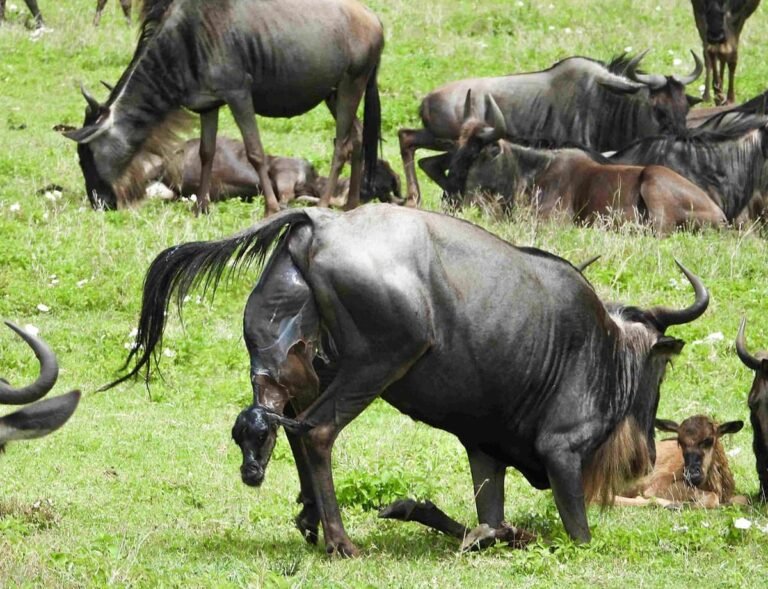
Five Day Tanzania Safari And Afcon Package
Five Day Tanzania Safari and AFCON Package.
View package details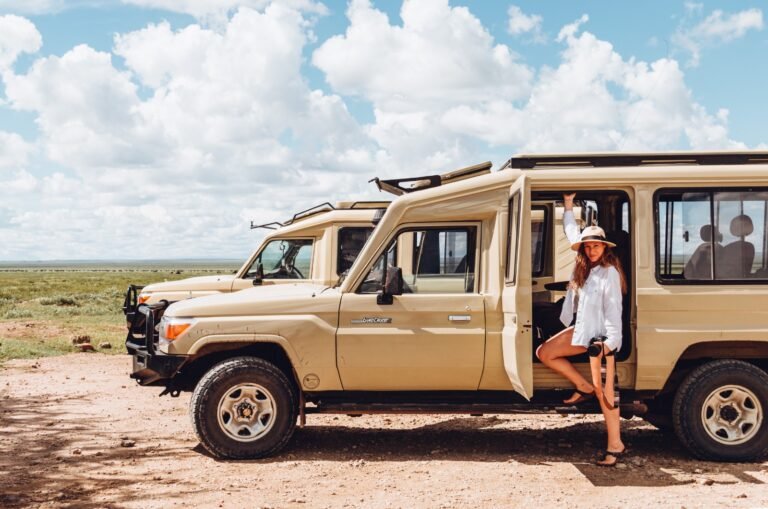
Afcon Northern Tanzania Safari Packages
AFCON 2027 Northern Tanzania Safari Packages.
View package detailsAfcon Tanzania Football Kilimanjaro And Safari Tour
AFCON 2027 Tanzania Football Kilimanjaro and Safari Tour.
View package details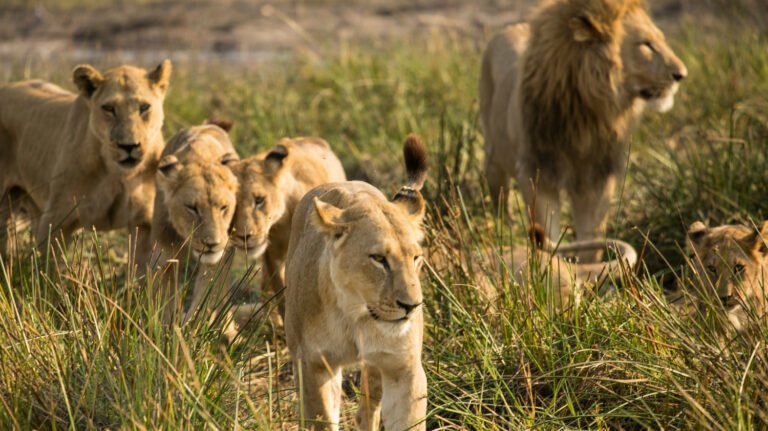
Tanzania Safari Packages from Dar es Salaam During AFCON 2027
Mwongozo wa kina wa safari za Tanzania kuanzia Dar es Salaam wakati AFCON 2027: rasilimali, mipango ya siku, na hatua za uhakika za ziara za wanyama na mbuga maarufu.
View package detailsTanzania Safari Tours for AFCON 2027 Fans
Muhtasari wa safari za Tanzania kwa mashabiki wa AFCON 2027: maeneo ya hifadhi, mizunguko ya wildlife, usalama wa safari, na jinsi ya kupanga na kuhudumiwa na Climb 4 Africa.
View package detailsHow Early Should I Book A Nov Or Dec Tanzania Group Safari?
How Early Should I Book a Nov or Dec Tanzania Group Safari?
View package detailsNo related package matches those filters. Clear one or more filters to see the other topic-matched options.