
A typical Kilimanjaro Airport (JRO) to Serengeti safari itinerary involves either a short domestic flight directly to a Serengeti airstrip or a road transfer combined with other northern circuit parks, usually spanning 3 to 7 days for the Serengeti portion alone, depending on your desired game viewing depth and pace. The most efficient route from JRO to the Serengeti involves flying, while a road journey offers a more in-depth experience, often incorporating visits to Tarangire National Park, Lake Manyara National Park, and the Ngorongoro Conservation Area before reaching the Serengeti. Planning for 2026 or 2027 should consider booking flights and accommodations well in advance, especially during peak seasons.
Planning Your Kilimanjaro Airport to Serengeti Safari
Arriving at Kilimanjaro International Airport (JRO) is the gateway for many travelers embarking on a Tanzanian adventure, with the Serengeti National Park being a prime destination. The journey from JRO to the Serengeti is a critical first step in crafting your safari experience. This isn’t just about transportation; it’s about setting the tone for your entire trip, deciding whether you prioritize speed and convenience or a more gradual immersion into Tanzania’s incredible landscapes and wildlife. Understanding your options, the trade-offs involved, and what to expect is key to a successful Kilimanjaro Airport to Serengeti safari itinerary.
When you land at JRO, you have two primary pathways to reach the Serengeti: flying or driving. Each has distinct advantages and influences the overall structure and cost of your safari. For instance, flying saves considerable travel time, allowing you to spend more of your precious safari days actively observing wildlife. Conversely, a road transfer, while longer, allows you to experience more of the diverse ecosystems between the airport and the Serengeti, often including stops at other renowned parks like Tarangire or the Ngorongoro Crater. Your choice will significantly shape your Kilimanjaro Airport to Serengeti safari itinerary, particularly regarding its duration and the variety of landscapes you’ll encounter.
Furthermore, the timing of your arrival at JRO can impact your first day’s plans. If you arrive early, you might be able to begin your safari journey immediately, perhaps with a drive to Arusha or even directly towards Tarangire. However, late arrivals necessitate an overnight stay near the airport or in Arusha town before commencing your safari the following morning. This decision point is an early consideration for any tailor-made Kilimanjaro Airport to Serengeti safari itinerary.
Choosing Your Safari Style and Pace
Before diving into specific routes, consider the overarching style of your safari. Are you looking for a fast-paced trip that covers multiple parks efficiently, or a more relaxed exploration focused on deeply experiencing the Serengeti’s vast plains? This decision is fundamental. A longer stay in the Serengeti, for example, allows for more in-depth game drives, tracking specific animal behaviors, and potentially visiting different regions within the park, such as the central Seronera area, the Grumeti River in the west, or the northern Mara River region, depending on the time of year and the Great Migration’s location. This is crucial for planning a fulfilling Kilimanjaro Airport to Serengeti safari itinerary.
For travelers aiming for efficiency, especially those with limited time, a fly-in safari from JRO to the Serengeti is often the preferred option. This bypasses the long road journey and positions you directly within the park, maximizing your time for game viewing. Companies like Climb 4 Africa specialize in arranging these smooth transitions, ensuring your safari begins the moment you land or shortly thereafter. When planning for 2026 or 2027, booking these internal flights early is advisable, as seats can be limited, particularly during the high seasons.
If you opt for a road safari, the pace naturally becomes more deliberate. The drive from JRO to the Serengeti can take a full day or more, depending on the route and any stops you make. This allows for a gradual acclimatization to the safari environment and the opportunity to witness changing landscapes. Many travelers choose to combine their Serengeti visit with other iconic northern circuit destinations, creating a comprehensive Tanzanian safari experience. A popular sequence might be Tarangire National Park, known for its elephant herds and baobab trees, followed by the Ngorongoro Conservation Area, home to the magnificent Ngorongoro Crater, before finally heading into the Serengeti. This multi-park approach is a cornerstone of many classic Kilimanjaro Airport to Serengeti safari itinerary designs.
Factors Influencing Your Itinerary
Several key factors will shape your Kilimanjaro Airport to Serengeti safari itinerary:
- Duration of Stay: How many days do you have for your safari? A 3-day Serengeti safari will offer a different experience than a 7-day exploration.
- Budget: Flying is generally more expensive than driving, but saves time. Your budget will influence accommodation choices, vehicle types, and the overall length of your safari.
- Time of Year: The Great Migration’s movement dictates the best areas to visit within the Serengeti at different times. Planning for 2026 or 2027 requires understanding these seasonal patterns.
- Interests: Are you primarily interested in seeing the Big Five, witnessing the Great Migration river crossings, birdwatching, or experiencing Maasai culture?
- Travel Companions: Are you traveling solo, as a couple, with family, or in a group? This can influence vehicle size and accommodation preferences.
By carefully considering these elements, you can work with a tour operator like Climb 4 Africa to design a Kilimanjaro Airport to Serengeti safari itinerary that perfectly matches your expectations and travel goals for 2026-2027.
Option 1: The Fly-In Safari from Kilimanjaro Airport to Serengeti
For many visitors, the most direct and time-efficient way to reach the Serengeti from Kilimanjaro International Airport (JRO) is by taking a domestic flight. This option is particularly appealing for those with limited vacation time or who prefer to maximize their wildlife viewing opportunities without the long drives.
The Flight Process
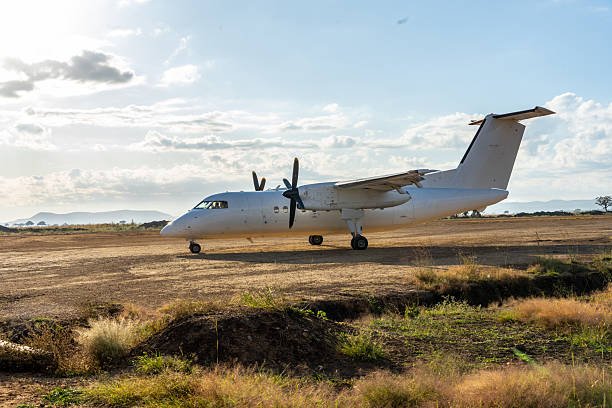
Several small, reputable airlines operate scheduled flights from JRO (or nearby Arusha Airport, ARK, which is often a short transfer from JRO) to various airstrips within the Serengeti National Park. The most common destinations within the Serengeti include Seronera Airstrip (central Serengeti), Kogatende Airstrip (northern Serengeti), and Grumeti Airstrip (western Serengeti). The specific airstrip your flight lands on will depend on the season and the area of the Serengeti you intend to explore.
The flight duration is typically between 1 and 2 hours, depending on the destination airstrip and any intermediate stops. Upon landing, you’ll be met by your safari guide and a custom-designed 4×4 safari vehicle, ready to begin your game drives immediately. This minimizes transit time and maximizes your wildlife encounters, making it an excellent choice for a focused Kilimanjaro Airport to Serengeti safari itinerary.
Booking Flights: These internal flights are usually arranged by your tour operator as part of your safari package. It’s essential to confirm the exact departure airport (JRO or ARK) and the arrival airstrip in the Serengeti with your operator. For planning in 2026 or 2027, booking these flights well in advance is highly recommended, as availability can be limited, especially for specific routes or during peak travel periods like June to October and December to March.
Advantages of Flying
- Time Efficiency: Significantly reduces travel time compared to road transfers, allowing more time for game drives.
- Comfort: Offers a comfortable and scenic aerial perspective of Tanzania’s diverse landscapes.
- Access to Remote Areas: Allows direct access to different regions of the Serengeti, including those further from the main gates, potentially offering more exclusive wildlife viewing.
- Reduces Wear and Tear: Minimizes long hours spent on potentially rough roads, saving energy for safari activities.
Disadvantages of Flying
- Cost: Generally more expensive than road transfers.
- Limited Luggage: Small bush planes have strict luggage weight and size restrictions (typically 15-20 kg in soft-sided bags), which can be restrictive for some travelers.
- Missed Scenery and Stops: You bypass the opportunity to see the landscapes and potentially visit other parks en route that a road trip offers.
Example Fly-In Itinerary Snippet (3 Days Serengeti)
This is a simplified example of how a fly-in component might fit into a Kilimanjaro Airport to Serengeti safari itinerary:
- Day 1: Arrival at JRO, Transfer to Arusha/Local Airstrip, Flight to Serengeti. Arrive at Kilimanjaro International Airport (JRO). You’ll be met and transferred to Arusha Airport (ARK) for your scheduled flight to Seronera Airstrip in the central Serengeti. Upon arrival, your guide will meet you and begin your first game drive en route to your lodge or tented camp. Afternoon game drive.
- Day 2: Full Day Serengeti Game Drives. Explore the vast plains of the Serengeti, searching for lions, leopards, cheetahs, elephants, and vast herds of wildebeest and zebras. Your guide will tailor the drives based on wildlife sightings and your interests.
- Day 3: Morning Game Drive, Flight to JRO/Arusha, Departure. Enjoy a final morning game drive in the Serengeti. After breakfast, you’ll be transferred to the airstrip for your flight back to Arusha Airport (ARK), connecting to Kilimanjaro International Airport (JRO) for your onward journey or departure.
This structure highlights the speed and efficiency of a fly-in safari, making it a popular choice for those looking to maximize their time in the Serengeti itself. For those planning their 2026 or 2027 safari, contacting operators like Climb 4 Africa early ensures smooth coordination of these flights and ground arrangements.
Option 2: The Road Safari from Kilimanjaro Airport to Serengeti
Opting for a road safari from Kilimanjaro Airport (JRO) to the Serengeti offers a more traditional, in-depth, and often more budget-friendly experience. This approach allows you to traverse Tanzania’s diverse landscapes at a more leisurely pace, often incorporating visits to other world-renowned national parks along the way.
The Journey Overview
The drive from JRO to the Serengeti is a significant undertaking, typically requiring at least two days of travel, sometimes more, especially if you include other parks. The route usually begins with a transfer from JRO to Arusha town for an overnight stay, or directly heading towards the first park on your itinerary. Common stops and routes include:
- JRO to Tarangire National Park: Known for its large elephant herds and baobab trees.
- Tarangire to Lake Manyara National Park: Famous for its tree-climbing lions and diverse birdlife.
- Lake Manyara to Ngorongoro Conservation Area: Home to the iconic Ngorongoro Crater, a caldera teeming with wildlife.
- Ngorongoro Crater to Serengeti National Park: The final leg of the journey into the heart of the Serengeti.
The drive from the Ngorongoro area into the Serengeti can take several hours, depending on which part of the Serengeti you are entering (e.g., Naabi Hill Gate for central or southern Serengeti). This entire journey is part of the safari experience, with wildlife sightings often occurring even on the road between parks.
Advantages of Road Safaris
- Cost-Effective: Generally more affordable than flying, especially for longer durations or when including multiple parks.
- Scenic Immersion: Allows you to witness the changing landscapes, from cultivated areas around Arusha to savannah plains and acacia woodlands.
- Flexibility: Enables spontaneous stops for photos, local village visits, or unexpected wildlife sightings along the route.
- Multi-Park Experience: Naturally lends itself to combining the Serengeti with other popular parks like Tarangire and the Ngorongoro Crater, offering a richer overall safari experience.
- No Luggage Restrictions: Standard safari vehicles have more generous luggage allowances than bush planes, typically allowing up to 20-25 kg per person in soft-sided bags.
Disadvantages of Road Safaris
- Time-Consuming: The long drives can be tiring and consume significant portions of your safari days.
- Road Conditions: While main roads are improving, some park roads can be rough and bumpy, especially during the rainy season.
- Less Access to Remote Areas: Reaching the most remote corners of the Serengeti might require more time or specific vehicle types.
Typical Road Safari Itinerary Structure (5 Days)
A common road-based Kilimanjaro Airport to Serengeti safari itinerary might look like this:
- Day 1: Arrival at JRO, Transfer to Arusha. Arrive at Kilimanjaro International Airport (JRO), meet your guide, and transfer to your lodge in Arusha for an overnight stay. This allows for rest after your flight and preparation for the safari.
- Day 2: Arusha to Tarangire National Park. After breakfast, drive to Tarangire National Park, famous for its large elephant herds and baobab trees. Enjoy a full day of game drives. Overnight at a lodge or tented camp near Tarangire.
- Day 3: Tarangire to Ngorongoro Conservation Area. Drive to the Ngorongoro Conservation Area. Descend into the Ngorongoro Crater for an incredible game drive, often called ‘Africa’s Eden’. Search for the Big Five, including the rare black rhino. Ascend and overnight at a lodge on the crater rim or nearby Karatu.
- Day 4: Ngorongoro to Serengeti National Park. After breakfast, drive towards the Serengeti National Park, perhaps stopping at Olduvai Gorge (optional). Enter the Serengeti and begin your game drive en route to your accommodation in the central Serengeti (Seronera area). Afternoon game drive.
- Day 5: Full Day Serengeti Game Drives. Spend the day exploring the Serengeti, renowned for its vast plains and abundant wildlife, including the Great Migration (depending on the season). Overnight in the Serengeti.
- Day 6: Serengeti to Arusha/JRO. Enjoy a final morning game drive in the Serengeti. After breakfast, drive back towards Arusha, arriving in the late afternoon. You can either stay overnight in Arusha or transfer to a hotel near JRO for your departure flight.
This road safari structure offers a comprehensive introduction to the northern circuit. For those planning their Kilimanjaro Airport to Serengeti safari itinerary for 2026 or 2027, flexibility is key, and working with an experienced operator ensures all logistics are handled smoothly. Contacting Climb 4 Africa with your preferred duration and interests will help tailor such a journey.
Designing Your Serengeti Safari Itinerary Based on the Great Migration
The Serengeti is world-famous for the Great Migration, an annual movement of over 1.5 million wildebeest, zebras, and gazelles across the plains in search of fresh grazing. The location of this migration significantly influences the best areas to visit within the Serengeti and, consequently, the most strategic airstrips to fly into or the optimal routes to take if driving. Understanding the migration’s cycle is paramount for crafting a successful Kilimanjaro Airport to Serengeti safari itinerary, especially for peak viewing experiences in 2026 and 2027.
The Migration’s Annual Cycle
The migration is a continuous cycle, and its location varies throughout the year:
- December – March: Southern Serengeti & Ndutu Area. This is calving season. Millions of wildebeest and zebras gather on the short-grass plains south of the Seronera area, around the Ndutu region (which straddles the Serengeti and Ngorongoro Conservation Area). This is a prime time for predator sightings as lions, cheetahs, and hyenas capitalize on the vulnerable newborns.
- April – May: The Move North & ‘Green Season’. The herds begin their journey north as the southern plains dry out. This is the ‘green season’ or low season, with fewer tourists and lush landscapes, but roads can be challenging. The migration is spread out and moving steadily.
- June – July: Western Corridor & Grumeti River. The migration typically moves towards the western corridor of the Serengeti, often crossing the Grumeti River. While these crossings can be dramatic, they are generally less voluminous than the Mara River crossings.
- July – October: Northern Serengeti & Mara River. This is arguably the most iconic phase. The herds congregate in the northern Serengeti, facing the challenging Mara River crossings. These dramatic events, where wildebeest and zebras brave crocodile-infested waters, are a major draw. This period is peak season.
- November: The Return South. As the short rains begin in the east and south, the herds turn and begin their journey back south, often moving through the eastern and central Serengeti.
Strategic Airstrip Choices
Your choice of arrival airstrip when flying from JRO directly impacts which part of the migration you are best positioned to see:
- Seronera Airstrip (Central Serengeti): Ideal for access to the central Serengeti, which offers excellent resident game viewing year-round. It’s a good base for seeing the migration during the months it passes through or if you’re interested in the abundant predators in the area. This is a year-round destination.
- Kogatende Airstrip (Northern Serengeti): The best choice if your primary goal is to witness the Mara River crossings during the months of July through October. This area becomes the hub of migration activity during this period.
- Grumeti Airstrip (Western Serengeti): Suitable for accessing the western corridor, particularly in June and July when the migration is passing through this region and may attempt Grumeti River crossings.
When planning your Kilimanjaro Airport to Serengeti safari itinerary for 2026 or 2027, discussing the migration timing with your tour operator is essential. For instance, if you plan a July safari and want to see river crossings, flying into Kogatende is paramount. Conversely, a safari in February would best be served by landing at Seronera and focusing on the southern plains.
Incorporating Migration Viewing into Your Itinerary
A well-designed Kilimanjaro Airport to Serengeti safari itinerary will align with the migration’s movements:
- For River Crossings (July-Oct): Fly into Kogatende. Spend 3-4 days exploring the northern Serengeti, with your guide focusing on tracking the herds and identifying safe crossing points.
- For Calving Season (Jan-Mar): Fly into Seronera. Spend 3-4 days exploring the southern Serengeti and Ndutu area, looking for newborn wildebeest and predators.
- For General Wildlife & Flexibility: Fly into Seronera. This provides access to the central Serengeti, which has abundant resident wildlife year-round. You can then potentially move to other areas within the Serengeti depending on your duration and guide’s recommendations.
Climb 4 Africa can help you select the right airstrip and tailor your safari to maximize your chances of witnessing this incredible natural phenomenon. Ensuring your 2026 or 2027 booking aligns with the migration’s expected path is key to an unforgettable experience.
Sample Kilimanjaro Airport to Serengeti Safari Itineraries (Duration Options)
To give you a clearer picture, here are a few sample itinerary structures, combining JRO arrival with Serengeti exploration, catering to different durations and preferences. These can be adapted for 2026 and 2027 travel.
Sample Itinerary A: The Express Serengeti (3 Days / 2 Nights)
Best for: Travelers with limited time who want a focused Serengeti experience.
- Day 1: Arrival JRO, Fly to Serengeti. Arrive at Kilimanjaro International Airport (JRO), meet your representative, and transfer to Arusha Airport (ARK) for your scheduled flight to Seronera Airstrip (Central Serengeti). Upon arrival, meet your guide and vehicle for an immediate game drive en route to your lodge/camp. Afternoon game drive.
- Day 2: Full Day Serengeti Game Drives. Explore the central Serengeti’s plains, known for resident wildlife and predator action. Your guide will focus on maximizing sightings.
- Day 3: Morning Game Drive, Fly to JRO/Arusha, Departure. Enjoy a final morning game drive. Transfer to Seronera Airstrip for your flight back to Arusha Airport (ARK), connecting to JRO for your international departure.
Note: This itinerary prioritizes time within the Serengeti itself, minimizing travel on the ground.
Sample Itinerary B: Northern Circuit Classic (5 Days / 4 Nights)
Best for: First-time visitors wanting to experience the highlights of the northern circuit, including the Serengeti.
- Day 1: Arrival JRO, Transfer to Arusha. Arrive at JRO, transfer to your Arusha hotel for overnight.
- Day 2: Arusha to Tarangire National Park. Drive to Tarangire for game drives. Overnight near Tarangire.
- Day 3: Tarangire to Ngorongoro Crater. Drive to Ngorongoro, descend for crater game drives. Overnight on crater rim/Karatu.
- Day 4: Ngorongoro to Serengeti National Park. Drive into the Serengeti (central), with game drive en route. Afternoon game drive in Serengeti. Overnight in central Serengeti.
- Day 5: Serengeti to Arusha/JRO. Morning game drive in Serengeti, then drive back to Arusha/JRO.
Note: This is a road-based itinerary covering multiple iconic parks, offering a diverse experience.
Sample Itinerary C: Serengeti Immersion (6 Days / 5 Nights)
Best for: Travelers who want a deeper look at the Serengeti, potentially focusing on specific migration areas.
- Day 1: Arrival JRO, Fly to Serengeti (Central). Arrive JRO, transfer to ARK, fly to Seronera Airstrip. Game drive en route to lodge. Afternoon game drive.
- Day 2: Central Serengeti Exploration. Full day game drives in the central Serengeti, exploring Seronera Valley and surrounding areas.
- Day 3: Serengeti – Move to North/South (Seasonal). Depending on the season and migration, drive or fly to another region of the Serengeti (e.g., North for river crossings, South for calving season). Game drives in the new area. Overnight.
- Day 4: Exploring New Serengeti Region. Full day game drives in the chosen region, focusing on migration activity or specific wildlife interests.
- Day 5: Serengeti – Final Game Drive & Flight. Morning game drive, then transfer to the relevant airstrip (Seronera, Kogatende, or Grumeti) for your flight back to Arusha/JRO. Overnight in Arusha or near JRO.
- Day 6: Departure. Transfer to JRO for your international flight.
Note: This itinerary can be adapted to fly between different Serengeti airstrips for maximum efficiency in covering diverse regions, especially during migration season. For 2026-2027 planning, this level of customization is ideal.
These are just examples. The beauty of working with a local operator like Climb 4 Africa is the ability to customize every aspect of your Kilimanjaro Airport to Serengeti safari itinerary. Whether you choose a fly-in or road-based approach, or a combination of both, your trip can be tailored to your interests, pace, and budget for your 2026 or 2027 adventure.
Practical Considerations for Your Safari Journey
Beyond the itinerary structure, several practical details are crucial for a smooth and enjoyable Kilimanjaro Airport to Serengeti safari itinerary. These include accommodation types, vehicle choices, packing, health, and visa requirements.
Accommodation Options
Your accommodation in and around the Serengeti will significantly impact your experience and budget. Options range from:
- Luxury Lodges: Permanent structures offering high-end amenities, fine dining, swimming pools, and often stunning views.
- Tented Camps (Luxury/Mid-Range): Canvas tents with comfortable beds, en-suite bathrooms, and often electricity. These offer a more intimate connection with nature.
- Mobile Tented Camps: These camps move seasonally to follow the Great Migration, offering prime locations but simpler facilities.
- Budget Camps/Guesthouses: Basic but clean facilities, often located outside the park gates or in designated public campsites.
For a Kilimanjaro Airport to Serengeti safari itinerary, accommodation near JRO or in Arusha is needed on arrival/departure days. Within the Serengeti, lodges and camps are located strategically to offer excellent game viewing opportunities. Choosing accommodation that aligns with your comfort level and budget is a key planning step for 2026-2027 trips.
Safari Vehicles
The type of vehicle used is critical for comfort and game viewing. Most safari operators use:
- 4×4 Land Cruisers/Land Rovers: These are the standard for Tanzanian safaris. They are robust, offer excellent suspension for rough terrain, and typically feature pop-up roofs for unobstructed 360-degree viewing and photography.
- Safari Minivans: Sometimes used for budget or group tours, they are less ideal for off-road conditions and offer less flexibility for viewing compared to 4x4s.
When booking your Kilimanjaro Airport to Serengeti safari itinerary, confirm the type of vehicle you will be using. A pop-top 4×4 is generally recommended for the best experience.
Packing Essentials
Packing smart is essential, especially considering luggage restrictions for flights:
- Clothing: Neutral colors (khaki, beige, olive green) are best. Avoid bright colors and dark blue/black (can attract tsetse flies). Layers are recommended.
- Footwear: Comfortable walking shoes or hiking boots (if any walking safaris are planned), sandals for camp.
- Sun Protection: Wide-brimmed hat, sunglasses, high SPF sunscreen.
- Insect Repellent: Especially important for evenings and areas prone to mosquitoes.
- Camera & Binoculars: Essential for capturing memories and spotting wildlife. Extra batteries and memory cards are a must.
- Medications: Personal prescriptions, basic first-aid kit, anti-malarials (consult your doctor).
- Adapter: For charging electronics.
Remember the luggage limits for internal flights when planning your packing for a Kilimanjaro Airport to Serengeti safari itinerary.
Health and Visas
- Vaccinations: Consult your doctor or a travel clinic well in advance regarding recommended vaccinations (e.g., Yellow Fever, Hepatitis A & B, Typhoid) and malaria precautions.
- Malaria: Tanzania is a malaria risk area. Discuss prophylaxis options with your healthcare provider.
- Visas: Most nationalities require a visa for Tanzania. This can often be obtained online in advance (e-visa) or upon arrival at JRO. Check the latest requirements for your nationality.
Thorough preparation of these practical aspects ensures that your focus remains on the incredible wildlife and landscapes once your Kilimanjaro Airport to Serengeti safari itinerary begins. For 2026-2027 travel, start your health and visa checks at least 3-6 months prior.
Booking Your Kilimanjaro Airport to Serengeti Safari in 2026-2027
Securing your safari is a significant step, and understanding the booking process, particularly for future travel in 2026 or 2027, is crucial. Working with a reputable tour operator simplifies this complex process and ensures you receive a well-planned and memorable experience.
Why Book with a Local Operator?
Choosing a local operator like Climb 4 Africa offers distinct advantages for your Kilimanjaro Airport to Serengeti safari itinerary:
- Local Expertise: Deep knowledge of routes, wildlife patterns, migration timings, and the best lodges and camps.
- Logistical Mastery: smooth coordination of flights, transfers, park fees, accommodation, and guides.
- Value for Money: Direct relationships with local service providers often translate to better pricing without compromising quality.
- Support on the Ground: Immediate assistance should any unforeseen issues arise during your trip.
- Customization: Ability to craft a truly bespoke itinerary tailored to your specific interests and requirements.
The Booking Process
When you’re ready to plan your Kilimanjaro Airport to Serengeti safari itinerary for 2026 or 2027, the typical booking process involves:
- Initial Inquiry: Contacting Climb 4 Africa via WhatsApp +255 747 477 898 or Email climb4africa@gmail.com with your preferred travel dates, duration, number of travelers, and any specific interests (e.g., migration, photography, birding).
- Itinerary Proposal: We will send you a detailed, customized itinerary proposal, including daily activities, accommodation options, and a breakdown of inclusions and exclusions.
- Refinement: You can discuss the proposal with us to make any necessary adjustments to activities, lodges, or pace.
- Confirmation and Deposit: Once you approve the itinerary, a deposit is typically required to secure bookings for flights, lodges, and other critical services. This is especially important for planning far in advance for 2026-2027.
- Balance Payment: The remaining balance is usually due a few weeks before your travel date.
- Pre-Departure Information: We will provide you with comprehensive pre-departure information, including packing lists, final itinerary, and emergency contact details.
Planning for 2026 and 2027
Booking safaris for future years like 2026 and 2027 offers several advantages:
- Best Availability: You secure the most sought-after lodges and internal flights, especially for peak migration seasons.
- Secure Pricing: Lock in current pricing, potentially protecting you from future increases.
- More Time for Preparation: Allows ample time for visa applications, vaccinations, and packing.
Don’t hesitate to reach out to Climb 4 Africa early to start crafting your dream Kilimanjaro Airport to Serengeti safari itinerary. Our team is ready to assist you in planning an unforgettable adventure for 2026 or 2027, ensuring every detail is perfectly managed from your arrival at Kilimanjaro Airport to your final game drive in the Serengeti.
Frequently Asked Questions about Kilimanjaro Airport to Serengeti Safaris
Here are answers to common questions potential travelers have when planning their journey from Kilimanjaro Airport to the Serengeti.
What is the quickest way to get from Kilimanjaro Airport to the Serengeti?
The quickest way is by taking a scheduled domestic flight from Kilimanjaro International Airport (JRO) or Arusha Airport (ARK) directly to an airstrip within the Serengeti National Park, such as Seronera, Kogatende, or Grumeti. This bypasses long road journeys.
How long does it take to drive from Kilimanjaro Airport to the Serengeti?
The drive from Kilimanjaro Airport (JRO) to the Serengeti is a full-day journey, often taking 6-8 hours or more, depending on the route, road conditions, and which part of the Serengeti you are entering. Many travelers break this journey over two days, incorporating visits to other parks like Tarangire or Ngorongoro.
Can I combine a Kilimanjaro climb with a Serengeti safari starting from JRO?
Absolutely. Many travelers choose to climb Mount Kilimanjaro first and then start a safari. Kilimanjaro International Airport (JRO) is the perfect starting point for both. After descending Kilimanjaro, you would typically spend a night in Arusha before beginning your Serengeti safari. Climb 4 Africa specializes in organizing these combined itineraries.
What is the best time of year for a Kilimanjaro Airport to Serengeti safari?
The “best” time depends on your priorities. For general game viewing and pleasant weather, the dry seasons (June-October and December-March) are popular. For witnessing the Great Migration river crossings, July to October is ideal, while the calving season (January-March) is best for seeing newborn animals. For 2026-2027, consider booking around these migration events for specific experiences.
What are the luggage restrictions for flights from JRO to Serengeti?
Small bush planes operating these routes typically have strict luggage limits, usually around 15-20 kg (33-44 lbs) per person, and this must be in soft-sided duffel bags. Hard suitcases are generally not permitted. Always confirm specific limits with your tour operator.
How do I book my safari from Kilimanjaro Airport to the Serengeti for 2026 or 2027?
The best approach is to contact a reputable local tour operator like Climb 4 Africa. You can reach us via WhatsApp at +255 747 477 898 or email at climb4africa@gmail.com. Provide your desired travel dates, duration, and interests, and we will help you craft a personalized itinerary and manage all bookings, especially important for planning far in advance for 2026 and 2027.
Is it better to fly or drive from Kilimanjaro Airport to the Serengeti?
It depends on your priorities. Flying is faster and more convenient, saving precious safari time. Driving is more economical, allows for stops at other parks en route, and offers a more in-depth experience of the landscape. For a Kilimanjaro Airport to Serengeti safari itinerary, flying is recommended if time is limited or you want to reach a specific migration zone quickly. Driving is ideal for a more comprehensive northern circuit tour.
Planning your Kilimanjaro Airport to Serengeti safari itinerary involves many exciting decisions. By understanding your options for travel, accommodation, and the timing of wildlife movements, you can create an unforgettable adventure. For expert guidance and personalized planning for your 2026 or 2027 safari, don’t hesitate to reach out to the local specialists at Climb 4 Africa. We are here to ensure your journey from Kilimanjaro Airport to the magnificent Serengeti is smooth and spectacular.
“,
“faq_schema”: [
{
“question”: “What is the quickest way to get from Kilimanjaro Airport to the Serengeti?”,
“answer”: “The quickest way is by taking a scheduled domestic flight from Kilimanjaro International Airport (JRO) or Arusha Airport (ARK) directly to an airstrip within the Serengeti National Park, such as Seronera, Kogatende, or Grumeti. This bypasses long road journeys.”
},
{
“question”: “How long does it take to drive from Kilimanjaro Airport to the Serengeti?”,
“answer”: “The drive from Kilimanjaro Airport (JRO) to the Serengeti is a full-day journey, often taking 6-8 hours or more, depending on the route, road conditions, and which part of the Serengeti you are entering. Many travelers break this journey over two days, incorporating visits to other parks like Tarangire or Ngorongoro.”
},
{
“question”: “Can I combine a Kilimanjaro climb with a Serengeti safari starting from JRO?”,
“answer”: “Absolutely. Many travelers choose to climb Mount Kilimanjaro first and then start a safari. Kilimanjaro International Airport (JRO) is the perfect starting point for both. After descending Kilimanjaro, you would typically spend a night in Arusha before beginning your Serengeti safari. Climb 4 Africa specializes in organizing these combined itineraries.”
},
{
“question”: “What is the best time of year for a Kilimanjaro Airport to Serengeti safari?”,
“answer”: “The “best” time depends on your priorities. For general game viewing and pleasant weather, the dry seasons (June-October and December-March) are popular. For witnessing the Great Migration river crossings, July to October is ideal, while the calving season (January-March) is best for seeing newborn animals. For 2026-2027, consider booking around these migration events for specific experiences.”
},
{
“question”: “What are the luggage restrictions for flights from JRO to Serengeti?”,
“answer”: “Small bush planes operating these routes typically have strict luggage limits, usually around 15-20 kg (33-44 lbs) per person, and this must be in soft-sided duffel bags. Hard suitcases are generally not permitted. Always confirm specific limits with your tour operator.”
},
{
“question”: “How do I book my safari from Kilimanjaro Airport to the Serengeti for 2026 or 2027?”,
“answer”: “The best approach is to contact a reputable local tour operator like Climb 4 Africa. You can reach us via WhatsApp at +255 747 477 898 or email at climb4africa@gmail.com. Provide your desired travel dates, duration, and interests, and we will help you craft a personalized itinerary and manage all bookings, especially important for planning far in advance for 2026 and 2027.”
},
{
“question”: “Is it better to fly or drive from Kilimanjaro Airport to the Serengeti?”,
“answer”: “It depends on your priorities. Flying is faster and more convenient, saving precious safari time. Driving is more economical, allows for stops at other parks en route, and offers a more in-depth experience of the landscape. For a Kilimanjaro Airport to Serengeti safari itinerary, flying is recommended if time is limited or you want to reach a specific migration zone quickly. Driving is ideal for a more comprehensive northern circuit tour.”
}
]
}
“`
Check Availability for Kilimanjaro Airport To Serengeti Safari Itinerary 2026-2027
Ready to compare dates, prices, and the best option for your group? Send the package name and travel month so the team can reply with a clear quote, availability, and what is included.
Tanzania Safari Tours & Packages /: Your Ultimate Wildlife Adventure 2026-2027
Discover the magic of Tanzania with expertly crafted safari tours and packages for 2026 and 2027. From the vast plains of the Serengeti to the depths of the Ngorongoro Crater, find your...
View package detailsWildlife And Nature Titles: Your Ultimate Guide To Tanzanias Best Experiences
This comprehensive guide explores the most sought-after wildlife and nature titles in Tanzania, from iconic safari destinations and Kilimanjaro treks to the tropical allure of Zanzibar...
View package details
Serengeti Safari Tours: Prices, Packages & Best Time To Visit In 2026-2027
Discover everything you need to know for planning your Serengeti safari tour, from understanding pricing and package variations to identifying the ideal travel times in 2026-2027. This...
View package details
3-Day Serengeti And Ngorongoro Safari: Your Ultimate Tanzania Wildlife
start a concise yet unforgettable 3-day Serengeti and Ngorongoro safari, designed to maximize wildlife encounters in Tanzania's most celebrated parks. This compact adventure offers a taste...
View package details
Serengeti Safari And Zanzibar Beach Holiday: The Ultimate Tanzania
Combine the thrill of a Serengeti safari with the relaxation of a Zanzibar beach holiday. This guide covers everything you need to know for an unforgettable Tanzania adventure in 2026-2027...
View package details
Zanzibar To Serengeti Safari Packages 2026-2027
Zanzibar to Serengeti Safari Packages is explained with current 2026-2027 planning, price, itinerary and booking information.
View package details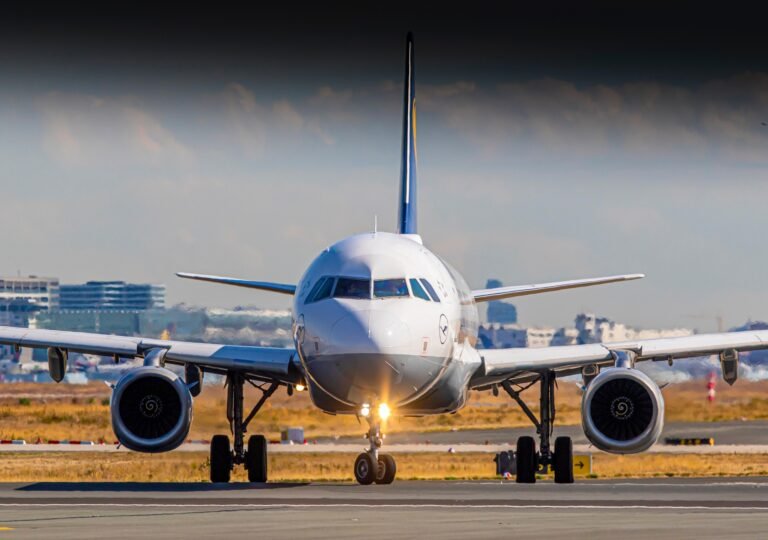
Serengeti Great Migration Safari Packages: Your Guide To Witnessing The Wonder
start an unforgettable journey with our comprehensive guide to Serengeti Great Migration safari packages for 2026-2027. Understand the best times to go, optimal viewing locations, and how...
View package details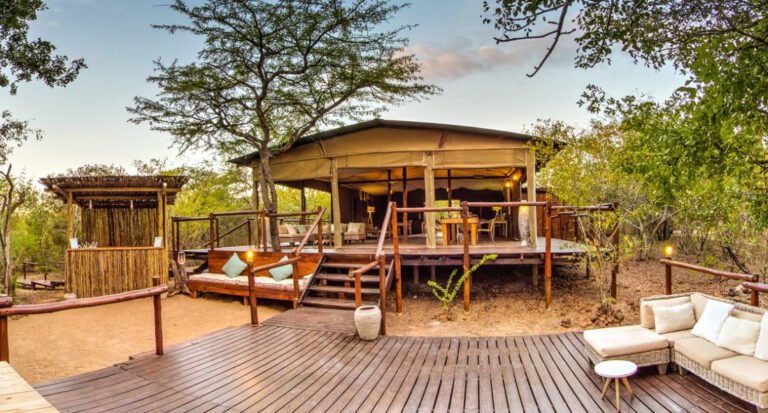
7-Day Tanzania Safari: Serengeti, Ngorongoro, And Tarangire In 2026-2027
A comprehensive guide to a 7-day Tanzania safari adventure, focusing on the iconic Serengeti National Park, the Ngorongoro Crater, and Tarangire National Park. Learn about optimal...
View package details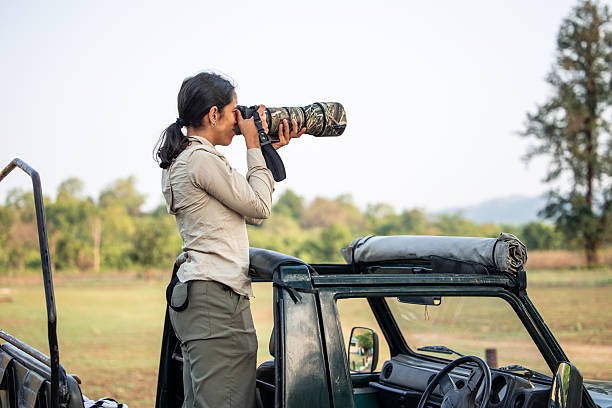
All-Inclusive African Safari Vacations Guide
start an all-inclusive African safari vacation in Tanzania, a premier destination for wildlife viewing in 2026-2027. This comprehensive guide covers everything from iconic parks like the...
View package details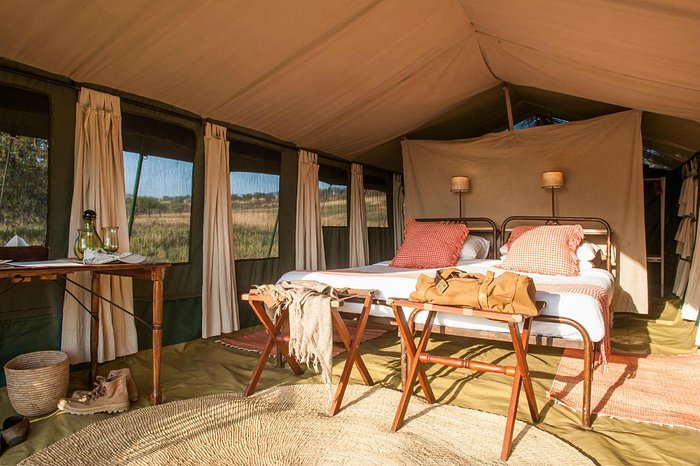
Best African Safari Tours & Vacation Packages /: Your Ultimate Tanzania
start an unforgettable African safari adventure in 2026/2027 with expertly curated tours and vacation packages in Tanzania's most iconic wildlife destinations. From the Serengeti to the...
View package detailsPrivate Tanzania Safari Packages: Your Ultimate Guide For 2026-2027
Discover the unparalleled freedom and personalized experience of a private Tanzania safari package. This comprehensive guide for 2026-2027 explores custom itineraries, key destinations like...
View package detailsBest Places To See Wild Animals In Tanzania: Your Ultimate Safari Guide
Planning a safari to witness incredible wildlife? Tanzania offers some of the planet's most spectacular viewing opportunities. This guide explores the top destinations for seeing wild...
View package detailsNo related package matches those filters. Clear one or more filters to see the other topic-matched options.



