
The best safari from Zanzibar to the Serengeti and Ngorongoro typically involves a short flight from Zanzibar to a mainland airstrip (like Arusha or Kilimanjaro International Airport), followed by a multi-day overland safari tour. This journey focuses on experiencing the iconic Northern Circuit parks, prioritizing the vast plains of the Serengeti for its Great Migration potential and the unique ecosystem of the Ngorongoro Crater, often over 4 to 7 days, to maximize wildlife viewing opportunities in 2026 and 2027.
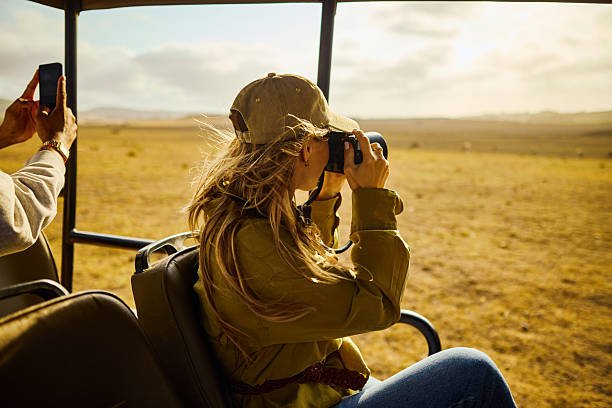
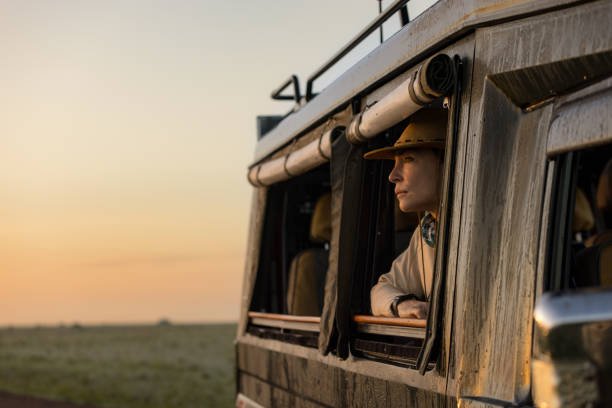
Planning Your Tanzania Safari: Zanzibar to Serengeti & Ngorongoro
Combining the tropical allure of Zanzibar with the unparalleled wildlife spectacles of the Serengeti and Ngorongoro Crater is a quintessential Tanzanian experience. Many travelers arrive in Zanzibar seeking relaxation after a safari, or vice versa, using the island as a convenient gateway to the mainland’s natural wonders. The logistics of transitioning from island paradise to savanna adventure require careful planning, especially when aiming for peak wildlife viewing seasons in 2026 and 2027. This guide aims to demystify the process, helping you craft the perfect itinerary that balances impressive landscapes, abundant wildlife, and comfortable travel.
When we talk about the ‘best safari from Zanzibar to Serengeti and Ngorongoro,’ we’re essentially referring to a journey that starts with a flight from Zanzibar to Arusha or Kilimanjaro International Airport (JRO). From there, you’ll start an overland safari, typically covering Tarangire National Park, Lake Manyara National Park, the Serengeti, and the Ngorongoro Conservation Area. The duration can vary, but a 5-day safari is a popular choice for hitting these highlights. For those with more time, extending to 7 days or more allows for deeper exploration of the Serengeti or inclusion of other parks.
The decision to fly or take a ferry from Zanzibar to the mainland is the first crucial step. While ferries are cheaper, they are significantly slower and less comfortable than the short 1-hour flight. For a safari focused on maximizing time in the parks, flying is almost always recommended, especially when you’re aiming for a comprehensive experience of the Serengeti and Ngorongoro within a limited timeframe. This approach ensures you spend less time traveling and more time witnessing the magic of Tanzania’s wildlife.
Understanding the flow of such a safari is key. Most journeys begin with arrival at Arusha Airport (ARK) or JRO, followed by a drive to your first park. Common routes include Tarangire, known for its large elephant herds and baobab trees, or Lake Manyara, famous for its tree-climbing lions and birdlife. From there, you’ll head towards the Serengeti, the crown jewel, before descending into the Ngorongoro Crater. The return journey usually brings you back to Arusha for your flight back to Zanzibar or onward travel.
For travelers planning for 2026 or 2027, it’s advisable to book well in advance, particularly if you have specific dates in mind or are looking to join a group departure. The Northern Circuit, encompassing the Serengeti and Ngorongoro, is a highly sought-after destination, and availability for lodges and safari vehicles can fill up quickly, especially during peak seasons.
Understanding the Route: From Zanzibar to the Mainland and Beyond
The journey from Zanzibar to the heart of Tanzania’s wildlife territories is an exciting transition. It’s not a direct overland route, as Zanzibar is an island archipelago off the coast of mainland Tanzania. Therefore, the first and most critical step is bridging this geographical gap. Most travelers opt for a short flight from Zanzibar’s Abeid Amani Karume International Airport (ZNZ) to either Arusha Airport (ARK) or Kilimanjaro International Airport (JRO). This flight typically takes about 1 to 1.5 hours, making it the most efficient way to reach the safari launching point.
Once on the mainland, the classic Northern Circuit safari route unfolds. This circuit is renowned for its high density of wildlife and iconic landscapes. A typical 5-day safari itinerary would look something like this:
- Day 1: Arrival in Arusha/JRO, transfer to your lodge. Depending on arrival time, a city tour or relaxation.
- Day 2: Arusha to Tarangire National Park. Game drive in Tarangire, known for its large elephant herds and baobab trees. Overnight near Tarangire or Karatu.
- Day 3: Tarangire/Karatu to Serengeti National Park. A scenic drive with a stop at a Maasai village or cultural heritage center en route to the Serengeti, entering through the western or central corridor. Afternoon game drive.
- Day 4: Full day in the Serengeti. Morning and afternoon game drives exploring different areas of the vast plains, searching for predators and the Great Migration (depending on the season).
- Day 5: Serengeti to Ngorongoro Crater. Morning game drive in the Serengeti, then drive towards the Ngorongoro Conservation Area, descending into the crater for an unforgettable game drive. Overnight at a lodge on the crater rim or in Karatu.
- Day 6: Ngorongoro to Arusha. After breakfast, drive back to Arusha for your onward flight to Zanzibar or your next destination.
This 6-day structure is a common and highly recommended approach for a safari from Zanzibar to the Serengeti and Ngorongoro. It allows ample time in each key location without feeling rushed. For those with only 4 days on the mainland, difficult choices must be made, often involving skipping one park or reducing time in the Serengeti.
A 4-day itinerary might look like this: Day 1: Arusha to Ngorongoro. Day 2: Ngorongoro Crater. Day 3: Ngorongoro to Serengeti. Day 4: Serengeti morning game drive, then drive back to Arusha. This is very fast-paced and sacrifices significant time in the Serengeti.
A more balanced 5-day itinerary would be: Day 1: Arusha to Lake Manyara. Day 2: Manyara to Serengeti. Day 3: Serengeti. Day 4: Serengeti to Ngorongoro. Day 5: Ngorongoro Crater, then drive back to Arusha. This is a very popular and effective structure.
For travelers aiming for 2026 or 2027, understanding these routes is the first step to securing the best experience. Booking a package that clearly outlines the daily itinerary and included parks will save considerable planning stress.
Flight vs. Ferry: Your Gateway to the Safari Adventure
The decision between flying and taking a ferry from Zanzibar to the mainland is a critical one, impacting both your time and budget for a safari to the Serengeti and Ngorongoro. While the ferry option exists, it’s generally not the preferred choice for those embarking on a safari.
Ferry Option:
- Pros: Significantly cheaper than flying. Offers a glimpse of local life and sea travel.
- Cons: Time-consuming (4-5 hours or more depending on conditions). Can be rough, especially during certain seasons, leading to discomfort. Arrives in Dar es Salaam, which is not the primary gateway for Northern Circuit safaris. This means an additional domestic flight or long overland drive from Dar es Salaam to Arusha (around 8-10 hours by road), effectively negating any time saved by taking the ferry.
Flight Option:
- Pros: Fast and efficient (approx. 1-1.5 hours to Arusha or JRO). Comfortable and scenic. Lands you directly in the safari hub, ready to begin your adventure. Maximizes your time on safari, which is crucial for experiencing the Serengeti and Ngorongoro.
- Cons: More expensive than the ferry.
For anyone planning a safari from Zanzibar to the Serengeti and Ngorongoro, especially for trips in 2026 or 2027, we strongly recommend flying. The cost difference is often justified by the significant time saved, allowing you to maximize your wildlife viewing days in these world-class parks. The typical flight route is from Zanzibar (ZNZ) to Arusha Airport (ARK). Arusha Airport is smaller and closer to the town, while Kilimanjaro International Airport (JRO) is a larger international airport located between Arusha and Moshi. Safari operators usually pick you up directly from either airport.
When you book your safari package, inquire about the inclusion of this flight. Some operators include it in their package price, while others offer it as an add-on. Clarifying this detail upfront is essential for accurate budgeting and smooth travel planning for your 2026-2027 adventure.
Choosing Your Safari Duration: 4, 5, 6, or 7+ Days?
The length of your safari from Zanzibar to the Serengeti and Ngorongoro directly influences the depth of your experience and the number of iconic locations you can comfortably visit. For a trip in 2026 or 2027, selecting the right duration is key to balancing your interests, budget, and available time.
4-Day Safari: The Express Northern Circuit
- Focus: Hits the absolute highlights, often sacrificing depth.
- Typical Itinerary: Day 1: Arusha to Ngorongoro. Day 2: Ngorongoro Crater. Day 3: Ngorongoro to Serengeti. Day 4: Serengeti morning game drive, drive back to Arusha.
- Pros: Most budget-friendly option for a mainland safari. Suitable for those with very limited time.
- Cons: Extremely rushed. Very little time in the Serengeti, which is vast and deserves more exploration. Travel days are long. Not ideal for truly appreciating the wildlife or landscapes.
5-Day Safari: A Popular Balance
- Focus: Good balance between key parks and travel time.
- Typical Itinerary: Day 1: Arusha to Lake Manyara. Day 2: Manyara to Serengeti. Day 3: Full day Serengeti. Day 4: Serengeti to Ngorongoro. Day 5: Ngorongoro Crater, drive back to Arusha.
- Pros: Covers three major parks (Manyara, Serengeti, Ngorongoro). Offers a reasonable amount of time in the Serengeti. A good compromise for many travelers.
- Cons: Still involves significant driving. Limited time for deeper exploration of the Serengeti’s vastness.
6-Day Safari: Recommended for Deeper Exploration
- Focus: Allows for more time in Serengeti and less rushed travel.
- Typical Itinerary: Day 1: Arusha to Tarangire. Day 2: Tarangire to Serengeti. Day 3: Full day Serengeti. Day 4: Full day Serengeti. Day 5: Serengeti to Ngorongoro. Day 6: Ngorongoro Crater, drive back to Arusha.
- Pros: Significantly more time in the Serengeti, increasing chances of witnessing the Great Migration or varied predator sightings. Less driving per day. More relaxed pace.
- Cons: Higher cost due to an extra day and night.
7+ Day Safari: The Ultimate Experience
- Focus: Comprehensive exploration, including more remote Serengeti areas or additional parks.
- Typical Itinerary: Can include more days in the Serengeti, a visit to Lake Natron, or extending to include parks like Tarangire and Lake Manyara more thoroughly. For example, a 7-day itinerary might feature 3 full days in the Serengeti.
- Pros: Unrivaled wildlife viewing opportunities. Maximum flexibility. Ideal for photographers or serious wildlife enthusiasts. Can allow for exploring different regions of the Serengeti based on migration patterns in 2026 or 2027.
- Cons: Highest cost. Requires more vacation time.
For a truly memorable safari from Zanzibar to the Serengeti and Ngorongoro, we generally recommend a minimum of 5 days, with 6 days being ideal. This duration provides a rich experience without feeling overly strenuous. When planning for 2026 or 2027, consider your interests – are you focused on seeing as many animals as possible, or do you prefer a more relaxed pace with time to soak in the atmosphere? Your answer will guide the perfect duration.
Essential Parks and Wildlife: Serengeti and Ngorongoro Crater Deep Dive
When embarking on a safari from Zanzibar to the Serengeti and Ngorongoro, these two parks are the undisputed stars of the show. Understanding their unique characteristics will enhance your anticipation and appreciation of the wildlife you encounter.
Serengeti National Park: The Endless Plains
The Serengeti is arguably the most famous wildlife sanctuary in the world. Its name, derived from the Maasai word ‘Siringet,’ meaning ‘endless plains,’ perfectly captures its vast, undulating grasslands dotted with acacia trees and rocky outcrops (kopjes).
Wildlife Highlights:
- The Great Migration: This is the Serengeti’s main draw. Over 1.5 million wildebeest, along with hundreds of thousands of zebras and gazelles, undertake an annual circular migration in search of fresh grazing. The timing and location of the migration are dictated by the rains, making it a dynamic spectacle that changes throughout the year. For 2026-2027, understanding the likely migration patterns is key to choosing the best time to visit specific regions of the Serengeti.
- Predators: The Serengeti boasts one of the highest concentrations of predators on Earth. Lions are abundant, often found resting on kopjes or prowling the grasslands. Cheetahs are frequently spotted on the open plains, while leopards are more elusive, typically found in trees or denser bushland, especially in areas like the Seronera Valley. Hyenas, wild dogs, and jackals are also common.
- Other Mammals: Expect to see large herds of elephants, giraffes browsing on acacia leaves, buffalo, hippos in rivers, warthogs, various antelope species (topi, impala, dik-dik), and many more.
Regions of the Serengeti: The park is vast, and different regions offer unique experiences:
- Seronera Valley (Central Serengeti): Accessible year-round and known for resident wildlife, including big cats. Excellent for seeing leopards and lions.
- Grumeti River (Western Corridor): Famous for the dramatic river crossings of wildebeest during the migration, typically around May to July. This is a prime spot for witnessing crocodiles preying on the migrating herds.
- Mara River (Northern Serengeti): Another critical point for river crossings, usually from July to October. This is often considered the most dramatic phase of the migration.
- Ndutu Area (Southern Serengeti/Northern Ngorongoro Conservation Area): The calving grounds for wildebeest and zebras, typically from late January to March. This is when predator activity is at its peak due to the vulnerable newborns.
Ngorongoro Crater: A Natural Amphitheater of Wildlife
The Ngorongoro Crater is a UNESCO World Heritage Site and one of the most remarkable natural wonders in Africa. It’s a large volcanic caldera, approximately 19 kilometers (12 miles) in diameter, with walls rising over 600 meters (2,000 feet) high. The crater floor is a unique ecosystem teeming with wildlife.
Wildlife Highlights:
- High Animal Density: The crater boasts an incredible concentration of wildlife, often referred to as a ‘natural zoo.’ It’s estimated that over 25,000 large animals reside within its confines.
- The Big Five: It’s one of the best places in Tanzania to see the ‘Big Five’ – lion, leopard, elephant, buffalo, and the rare black rhinoceros. The crater’s rhinos are particularly special, with a healthy population thriving in this protected environment.
- Birdlife: The crater is a paradise for birdwatchers, with numerous species found around the permanent water sources and lush vegetation.
- Unique Landscape: The crater floor features diverse habitats, including grasslands, swamps, forests, and a soda lake, which attracts flamingos and other water birds.
Crater Access and Rules:
- Limited Access: Only a limited number of vehicles are allowed into the crater at any given time to minimize human impact.
- Time Limits: Visitors are typically restricted to 6 hours on the crater floor.
- Picnics: Designated picnic sites are available for lunch breaks.
When planning your safari from Zanzibar for 2026 or 2027, ensure your itinerary dedicates sufficient time to both the Serengeti and the Ngorongoro Crater. A 5-day safari often includes one full day in the Serengeti and a half-day or full-day in the Ngorongoro Crater. A 6-day or longer trip allows for more extensive exploration of the Serengeti, which is highly recommended.
Accommodation Options: From Tented Camps to Luxury Lodges
Your choice of accommodation significantly impacts the overall safari experience and budget for your trip from Zanzibar to the Serengeti and Ngorongoro. Tanzania offers a wide spectrum, catering to different preferences and financial plans for 2026 and 2027 travel.
Budget/Mid-Range Options:
- Tented Camps (Permanent & Semi-Permanent): These offer a more rustic and in-depth experience. Permanent camps have more solid structures, often with en-suite bathrooms and proper beds, while semi-permanent camps might be simpler canvas tents. They provide a fantastic connection to the sights and sounds of the African bush. Shared camping safaris often utilize basic public campsites with shared facilities, which are the most economical.
- Budget Lodges: These are simpler hotels or guesthouses, often located outside park boundaries or in nearby towns like Karatu or Arusha. They provide basic amenities and are a cost-effective choice.
Mid-Range to Luxury Options:
- Tented Camps (Luxury): High-end tented camps offer spacious canvas suites, often with king-sized beds, private bathrooms, verandas, and sometimes even plunge pools. They combine the immersion of camping with the comfort of a luxury hotel.
- Safari Lodges: These are permanent structures, ranging from comfortable to ultra-luxurious. They often feature swimming pools, fine dining restaurants, spas, and spectacular views. Lodges on the crater rim of Ngorongoro, for instance, offer unparalleled vistas.
- Exclusive-Use Camps/Lodges: For ultimate privacy and service, some operators offer exclusive-use properties where your group has the entire lodge or camp to yourselves, with dedicated staff and vehicles.
Key Considerations for Accommodation:
- Location: For Serengeti, consider lodges or camps located in different regions to minimize driving time and maximize wildlife viewing. Camps closer to migration routes are ideal during specific seasons. For Ngorongoro, lodges on the crater rim offer convenience and stunning views, but are generally more expensive.
- Inclusions: Most safari lodges and tented camps on safari include all meals (breakfast, lunch, dinner) and often house drinks. Clarify this when booking for 2026 or 2027.
- Atmosphere: Do you prefer the rustic charm of a tented camp, the convenience of a lodge, or the exclusivity of a private villa?
- Reputation: Look for accommodations with good reviews regarding service, food, and location.
When you contact us at Climb 4 Africa, we can discuss your preferences and budget to recommend the most suitable accommodation options for your 2026-2027 safari from Zanzibar to Serengeti and Ngorongoro.
Safari Vehicles and Guides: Your Eyes and Ears in the Wild
The safari vehicle and, crucially, your guide are fundamental to a successful and enjoyable safari experience from Zanzibar to the Serengeti and Ngorongoro. They are your primary means of transportation and your expert companions in the wilderness.
Safari Vehicles:
- Types: The most common safari vehicles are 4×4 Land Cruisers or Land Rovers. These robust vehicles are essential for navigating the varied terrain of the parks. Most operators use custom-built safari vehicles with pop-up roofs, allowing for excellent 360-degree views and photography opportunities.
- Comfort: For private safaris, you’ll typically have a dedicated vehicle for your group. For shared or group safaris, you’ll share a vehicle with other travelers. Ensure the vehicle has comfortable seating and adequate space for your luggage. Pop-up roofs are standard for game viewing.
- Inclusions: A good safari vehicle will be equipped with a cooler box for water, charging ports for cameras and phones, and binoculars.
Safari Guides:
- Expertise: A great safari guide is knowledgeable about animal behavior, tracks, and the local ecosystem. They can spot wildlife that might otherwise be missed and have an uncanny ability to find elusive animals. They are also skilled drivers, navigating park tracks safely and efficiently.
- Language: English is the primary language for most international safaris, but guides who speak multiple languages can be requested.
- Experience: Experienced guides understand the best times and locations for sightings, especially crucial for witnessing events like the Great Migration in the Serengeti. They can also share cultural insights and answer your questions about local life and conservation efforts.
- Safety: Guides are trained in safety protocols and know how to handle wildlife encounters responsibly.
Choosing Your Operator and Guide:
The quality of your safari vehicle and guide is often a reflection of the tour operator. Reputable companies invest in well-maintained vehicles and employ highly trained, experienced guides. When planning your safari for 2026 or 2027, ask about the type of vehicles used and the qualifications of their guides. For instance, at Climb 4 Africa, we pride ourselves on our team of experienced, local guides who are passionate about sharing Tanzania’s natural heritage. Their expertise is invaluable for making your safari from Zanzibar to Serengeti and Ngorongoro truly unforgettable.
Private vs. Shared Safaris:
- Private Safari: You have your own vehicle and guide, offering maximum flexibility in terms of itinerary, pace, and time spent at sightings. This is generally more expensive.
- Shared Safari: You join a small group in a shared vehicle. This is more budget-friendly but offers less flexibility, as the itinerary and pace are set for the group.
Your guide is your window into the wilderness. A good guide transforms a wildlife viewing trip into an educational and deeply engaging experience. Don’t hesitate to ask questions and engage with your guide; they are there to enhance your safari adventure.
Best Time to Go: Weather and Wildlife in 2026-2027
Timing is crucial for any safari, especially when aiming for specific wildlife events like the Great Migration. Tanzania’s climate is generally divided into two main seasons: the dry season and the wet season. Understanding these patterns will help you choose the best period for your safari from Zanzibar to the Serengeti and Ngorongoro in 2026 or 2027.
Dry Season (June to October):
- Weather: This is generally considered the peak safari season. Expect sunny days, cooler temperatures (especially at night), and very little rainfall. The landscape is drier, concentrating wildlife around permanent water sources.
- Wildlife: Excellent game viewing as animals congregate around rivers and waterholes. The vegetation is less dense, making spotting easier. The Great Migration typically moves through the central and western Serengeti during this period, with dramatic river crossings often occurring on the Mara River in the north from July to October.
- Crowds: This is the busiest time, so expect more vehicles in popular areas. Booking well in advance for 2026-2027 is essential.
- Ngorongoro: Remains excellent year-round due to its permanent water and diverse habitats.
Wet Season (November to May):
- Weather: Characterized by rainfall, which can range from short, intense afternoon showers (v-short rains, Nov-Dec) to longer, more consistent rains (long rains, March-May). Temperatures are warmer.
- Wildlife: The landscape becomes lush and green. The southern Serengeti (Ndutu area) is where the wildebeest herds typically gather for calving from late January to March, offering incredible predator action. Birdlife is spectacular during this time, with migratory birds present.
- Crowds: Generally fewer tourists, leading to a more exclusive feel and potentially lower prices. However, roads can become challenging, especially during the peak of the long rains (April-May).
- Ngorongoro: Still offers good game viewing, but the rains can make some areas less accessible.
Specific Considerations for 2026-2027:
- Great Migration: If seeing the wildebeest river crossings is your priority, aim for July to October in the Northern Serengeti. If you’re interested in the calving season, target late January to March in the Southern Serengeti/Ndutu.
- Shoulder Seasons (June & November): These months can offer a good balance of decent weather, good game viewing, and fewer crowds than the peak dry season.
- Zanzibar Connection: Keep in mind that while the mainland parks have distinct seasons, Zanzibar remains warm and tropical year-round, though it does experience its own rainy seasons. Planning your safari to align with optimal wildlife viewing on the mainland is key.
For 2026 or 2027, consulting with a local expert like Climb 4 Africa can provide the most up-to-date information on migration patterns and optimal viewing times. We can tailor your itinerary to ensure you are in the right place at the right time to witness the wonders of Tanzania’s wildlife.
Budgeting for Your Safari: What’s Included and What’s Not
Understanding the cost structure is crucial when planning your safari from Zanzibar to the Serengeti and Ngorongoro, especially when setting your budget for 2026 or 2027. Safari costs can vary significantly based on accommodation level, duration, vehicle type (private vs. shared), and inclusions. Here’s a breakdown of typical costs and what you can expect.
Typical Inclusions in a Safari Package:
- Park Fees: Daily entry fees for national parks and conservation areas. These are non-negotiable and set by the Tanzanian government.
- Accommodation: Overnight stays in lodges or tented camps as per your chosen itinerary.
- Meals: Usually includes breakfast, lunch, and dinner during your safari days. Drinks might be extra, especially alcoholic beverages.
- Safari Vehicle & Driver/Guide: Use of a 4×4 safari vehicle with a qualified, English-speaking driver-guide.
- Game Drives: Scheduled game drives within the parks.
- Water: Bottled water is typically provided in the vehicle during game drives.
- Airport Transfers: Transfers between the airport and your first/last night’s accommodation on the mainland.
- Ngorongoro Crater Fee: This includes the vehicle entry fee and the 6-hour crater service fee per person.
Common Exclusions:
- Flights: International flights to Kilimanjaro International Airport (JRO) or Arusha Airport (ARK). Flights between Zanzibar and the mainland are often excluded unless specified.
- Visas: Tanzanian visa fees.
- Travel Insurance: Highly recommended for any trip.
- Gratuities: Tips for your driver-guide and lodge staff.
- Personal Expenses: Souvenirs, laundry, alcoholic beverages, and drinks outside of game drives.
- Optional Activities: Hot air balloon safaris, guided walking safaris, or cultural visits may incur extra charges.
- Vaccinations and Medications: Costs associated with health preparations.
Factors Affecting Cost:
- Accommodation Level: Luxury lodges and high-end tented camps significantly increase the price compared to budget or mid-range options.
- Duration: Longer safaris naturally cost more due to additional nights and park fees.
- Vehicle Type: Private safaris are more expensive than shared group safaris.
- Season: Peak season (dry season, June-October) typically has higher prices than the low season (wet season, April-May).
- Inclusions: Packages that include the Zanzibar-mainland flights will be more expensive but offer convenience.
Budget Ranges (Estimates for 2026-2027 per person, per day, excluding international flights and Zanzibar-mainland flights):
- Budget: $200 – $300 per person per day (basic camping, shared vehicles).
- Mid-Range: $300 – $500 per person per day (comfortable lodges, tented camps, shared or private vehicles).
- Luxury: $500 – $1000+ per person per day (high-end lodges, luxury tented camps, private vehicles).
Important Note: These are rough estimates. The most accurate way to budget is to request a detailed quote from reputable operators like Climb 4 Africa. We can provide a tailored quote based on your specific requirements for 2026 or 2027, clearly outlining all inclusions and exclusions.
When contacting us, please provide your preferred travel dates, duration, number of travelers, and accommodation style. This allows us to prepare a precise and transparent quotation for your safari from Zanzibar to the Serengeti and Ngorongoro.
Booking Your Safari: Making the Right Choice
Choosing the right tour operator is paramount for a smooth and unforgettable safari experience from Zanzibar to the Serengeti and Ngorongoro. With many options available for 2026 and 2027, it’s wise to approach the decision methodically.
Why Choose a Local, Expert Operator?
- Local Knowledge: Operators based in Tanzania possess invaluable on-the-ground knowledge of routes, wildlife patterns, best lodges, and current conditions.
- Cost-Effectiveness: Local
Check Availability for Best Safari From Zanzibar To Serengeti And Ngorongoro 2026-2027
Ready to compare dates, prices, and the best option for your group? Send the package name and travel month so the team can reply with a clear quote, availability, and what is included.
12 closely related packages
Serengeti Safari And Zanzibar Beach Holiday: The Ultimate Tanzania
Combine the thrill of a Serengeti safari with the relaxation of a Zanzibar beach holiday. This guide covers everything you need to know for an unforgettable Tanzania adventure in 2026-2027...
View package details
Zanzibar To Serengeti Safari Packages 2026-2027
Zanzibar to Serengeti Safari Packages is explained with current 2026-2027 planning, price, itinerary and booking information.
View package details
3-Day Serengeti And Ngorongoro Safari: Your Ultimate Tanzania Wildlife
start a concise yet unforgettable 3-day Serengeti and Ngorongoro safari, designed to maximize wildlife encounters in Tanzania's most celebrated parks. This compact adventure offers a taste...
View package details
7-Day Tanzania Safari: Serengeti, Ngorongoro, And Tarangire In 2026-2027
A comprehensive guide to a 7-day Tanzania safari adventure, focusing on the iconic Serengeti National Park, the Ngorongoro Crater, and Tarangire National Park. Learn about optimal...
View package details
Safari From Zanzibar: Best Packages, Prices & Parks For 2026-2027
Combining a Zanzibar beach holiday with a Tanzania safari is a dream for many travelers. This guide details the best safari packages from Zanzibar, covering essential planning, park...
View package details
Tanzania Safari And Zanzibar All-Inclusive Packages Guide
Combine the thrill of a Tanzanian wildlife safari with the serene beauty of Zanzibar on an all-inclusive package. This comprehensive guide covers everything you need to know for planning...
View package details
Zanzibar To Mikumi Safari: Flights, Prices And Itinerary Guide
Transition from the spice-scented beaches of Zanzibar to the wildlife-rich plains of Mikumi National Park. This guide details flight logistics, cost considerations, and sample itineraries...
View package details
Zanzibar To Nyerere Safari Packages 2026-2027
Zanzibar to Nyerere Safari Packages is explained with current 2026-2027 planning, price, itinerary and booking information.
View package details3-Day Safari From Zanzibar 2026-2027
3-Day Safari From Zanzibar is explained with current 2026-2027 planning, price, itinerary and booking information.
View package details
2-Day Safari From Zanzibar: Your Quick Wildlife Escape In 2026-2027
Looking for a short, impactful wildlife adventure without a long trip? A 2-day safari from Zanzibar is your perfect solution. This guide covers the best options, what to expect, and how to...
View package detailsTanzania Safari And Zanzibar Packages /: Your Complete Guide 2026-2027
Explore the best Tanzania safari and Zanzibar packages for 2026-2027. This comprehensive guide covers itinerary options, wildlife highlights, beach relaxation, and booking considerations to...
View package details
10-Day Tanzania Safari And Zanzibar Beach Holiday: Your Ultimate Itinerary
Combine the thrill of a Tanzania safari with the relaxation of Zanzibar for an unforgettable 10-day adventure. This itinerary balances iconic wildlife viewing with stunning tropical...
View package detailsNo related package matches those filters. Clear one or more filters to see the other topic-matched options.



