A Tanzania Serengeti and Namibia desert safari holiday combines two of Africa’s most contrasting yet equally spectacular wildlife and landscape experiences, ideal for travelers seeking both immense herds and stark desert beauty. Such a trip typically involves flying between the two countries, often starting in Tanzania for the Serengeti’s vast plains and the Great Migration, then moving to Namibia for the ancient dunes of Sossusvlei, the unique desert-adapted wildlife of Etosha National Park, and the Skeleton Coast. Planning for 2026-2027 requires early booking, especially for peak seasons, and careful consideration of travel logistics and differing safari styles.
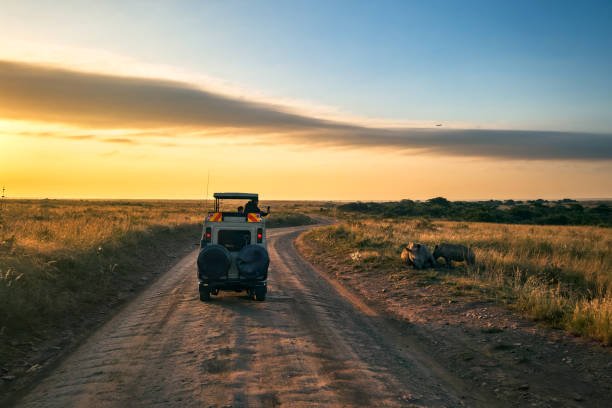
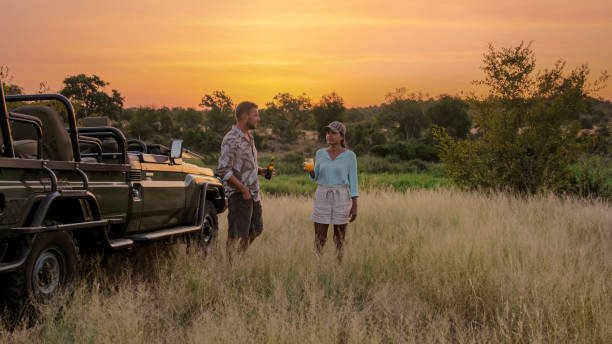
Planning Your Dual-Destination African Safari: Serengeti Meets Namibia
Combining the legendary Serengeti with the striking desert vistas of Namibia is a dream for many African travelers. It’s not a simple hop from one park to another; it’s a journey across two distinct continents within Africa, each offering a profoundly different, yet equally profound, wildlife and wilderness experience. This guide aims to demystify how to bring together a Tanzania Serengeti and Namibia desert safari holiday, focusing on practical planning for trips in 2026 and 2027. We’ll explore the ‘why,’ the ‘how,’ and the ‘what to expect’ when you decide to experience the best of both worlds.
For many, the Serengeti evokes images of endless savannas teeming with wildebeest, zebras, lions, and elephants – the classic African safari as depicted in documentaries. Namibia, on the other hand, presents a more rugged, ancient beauty: towering red dunes, arid landscapes sculpted by wind and time, unique desert-adapted creatures, and a coastline that whispers tales of shipwrecks. Merging these into one cohesive holiday requires careful thought about timing, internal travel, accommodation styles, and the specific experiences you wish to prioritize.
This article will guide you through the intricacies of crafting such an itinerary. We’ll break down the logistical challenges, highlight the unique attractions of each region, discuss the best times to visit for specific phenomena, and offer practical advice on how to make this ambitious but incredibly rewarding trip a reality for your 2026-2027 adventure.
Why Combine Serengeti and Namibia? The Unique Appeal
The decision to undertake a Tanzania Serengeti and Namibia desert safari holiday is driven by a desire for diversity. If you’re the kind of traveler who wants more than just one type of African landscape and wildlife encounter, this combination delivers.
The Serengeti: A Wildlife Spectacle
The Serengeti National Park in Tanzania is synonymous with the Great Migration. Witnessing millions of wildebeest and zebras thunder across the plains, pursued by predators, is one of the planet’s most awe-inspiring natural events. Beyond the migration, the Serengeti boasts an incredibly high density of predators – lions, cheetahs, leopards – and a vast array of plains game. Its sheer scale and the abundance of wildlife make it a cornerstone of any East African safari. For many, a Serengeti safari is the quintessential African experience, offering dramatic predator-prey interactions and vast, open landscapes that stretch to the horizon.
Namibia: Landscapes of Stark Beauty and Resilience
Namibia offers a different, yet equally compelling, kind of wild. Its appeal lies in its dramatic, often stark, landscapes and the remarkable resilience of life that thrives within them. Think of the iconic Sossusvlei dunes, some of the highest in the world, painted in shades of red and orange, especially magical at sunrise and sunset. Consider Etosha National Park, a vast salt pan surrounded by waterholes that become natural gathering points for elephants, rhinos, lions, and giraffes, particularly in the dry season. Then there’s the haunting Skeleton Coast, where desert meets ocean, a place of shipwrecks and seals. Namibia’s safaris often involve a mix of game drives, guided walks, and scenic drives through impressive terrain. It’s a land of vastness, silence, and raw, untamed beauty.
The Contrast is the Allure
The magic of combining these two destinations lies in the stark contrast. You move from the lush, green (or dry, depending on the season) plains of the Serengeti, buzzing with constant activity and the sounds of the wild, to the silent, windswept, ancient deserts of Namibia. This juxtaposition provides a richer, more comprehensive understanding of Africa’s diverse ecosystems and the incredible adaptability of its wildlife. It’s a journey that feeds both the soul seeking grand spectacles and the mind appreciating subtle, resilient life.
Logistics: Bridging the Divide Between Tanzania and Namibia
Connecting Tanzania and Namibia isn’t as straightforward as driving between two neighboring parks. It requires flights, and often multiple ones, due to the vast distances involved. This is perhaps the biggest logistical hurdle for a Tanzania Serengeti and Namibia desert safari holiday, and it’s where expert planning becomes crucial.
Air Travel is Key
The primary method of travel between Tanzania and Namibia is by air. You’ll typically fly from a major Tanzanian hub like Kilimanjaro International Airport (JRO) or Arusha Airport (ARK) to a Namibian gateway, most commonly Hosea Kutako International Airport (WDH) near Windhoek. This journey is not direct; it usually involves at least one stopover, often in Nairobi (Kenya), Addis Ababa (Ethiopia), or sometimes even further afield. Flights can take anywhere from 6 to 12+ hours depending on layovers.
Important Considerations for Flights:
- Booking Window: For 2026-2027 travel, it’s advisable to book these international flights well in advance, especially if you are aiming for peak safari seasons in either country.
- Cost: These inter-continental flights form a significant part of the overall holiday cost. Factor this into your budget early on.
- Layovers: Be prepared for potentially long layovers. Some travelers might opt to break up the journey with a night in a transit city like Nairobi or Addis Ababa, adding another dimension to the trip, though also increasing cost and complexity.
- Internal Flights within Countries: Once in Tanzania, you’ll likely use light aircraft to fly between Serengeti airstrips (e.g., from Arusha to Seronera or Kogatende). Similarly, in Namibia, you might use light aircraft to reach more remote lodges or to connect between safari areas like Etosha and Sossusvlei, though driving is also very common.
Visa Requirements
You will need to check visa requirements for both Tanzania and Namibia based on your nationality. Many nationalities can obtain visas on arrival or apply in advance. It’s essential to confirm the latest regulations for 2026-2027 as they can change.
Travel Insurance
Comprehensive travel insurance is non-negotiable for a trip of this magnitude. Ensure it covers medical emergencies, trip cancellations, and potentially evacuation, given the remote nature of some locations.
Timing Your Visit: The Great Migration and Desert Seasons
The optimal timing for a Tanzania Serengeti and Namibia desert safari holiday depends on what you prioritize seeing. The Serengeti’s main draw is the Great Migration, which moves throughout the year. Namibia’s highlights, like Sossusvlei and Etosha, are generally excellent year-round but offer different experiences in dry versus green seasons.
Serengeti Migration Cycles:
- January – March: Calving season in the southern Serengeti. Large herds are concentrated here, with plenty of predator activity.
- April – May: The herds begin their northward journey, often facing heavy rains and muddy conditions.
- June – July: The migration moves towards the western corridor and Grumeti River, often involving river crossings.
- August – October: The herds are typically in the northern Serengeti, crossing the Mara River. This is a prime time for dramatic river crossing sightings.
- November – December: The herds move back south towards the short-grass plains.
Namibia’s Prime Times:
- Dry Season (May – October): Waterholes in Etosha become magnets for wildlife. Cooler temperatures, ideal for desert exploration. This is peak tourist season.
- Green Season (November – April): Landscapes are lush, birdlife is abundant, and migratory birds are present. Wildlife disperses, making sightings potentially more challenging, but offers dramatic scenery and fewer crowds. Sossusvlei is stunning year-round, though heat can be intense in December-February.
The Ideal Combination Strategy
To maximize your chances of seeing key highlights in both locations, consider these combinations for 2026-2027:
- For River Crossings (Serengeti) & Etosha Wildlife (Namibia): Aim for August-October. You’ll catch the northern Serengeti migration and the dry season in Etosha, when game viewing is at its best.
- For Calving Season (Serengeti) & Desert Scenery (Namibia): Consider January-March. You’ll see the southern Serengeti’s dramatic calving season and enjoy Namibia’s landscapes before the intense heat of summer, though Etosha can be challenging during this time due to dispersed wildlife.
- For a Balanced Experience: June or November can offer good compromise periods, with reasonable migration presence in the Serengeti and pleasant weather in Namibia.
Crafting Your Itinerary: Serengeti & Namibia Highlights
A typical Tanzania Serengeti and Namibia desert safari holiday might span 14-21 days, allowing sufficient time in each country without feeling rushed. Here’s a look at the core experiences you’d want to include.
Serengeti National Park: Beyond the Migration
While the migration is a major draw, the Serengeti offers incredible wildlife viewing at any time of year. Your itinerary could focus on:
- Central Serengeti (Seronera Valley): Known for its resident big cats, especially lions and leopards, and a high density of general game year-round. This is a classic safari area.
- Northern Serengeti (Kogatende/Lamai): Essential for witnessing the dramatic Mara River crossings during the migration season (typically July-October).
- Southern Serengeti (Ndutu Area): Famous for the calving season (December-March) and the subsequent huge herds.
Activities: Game drives are standard. For a unique perspective, consider a hot-air balloon safari at sunrise over the plains. Walking safaris are sometimes available in specific concessions bordering the park.
Namibia: A mix of Deserts and Wildlife
Namibia’s diverse regions offer distinct safari experiences:
- Sossusvlei & Deadvlei: Explore the towering red dunes of the Namib Desert. Hike to the top of Dune 45 or Big Daddy for sunrise views, and visit the surreal Deadvlei with its ancient, skeletal camelthorn trees. This is a landscape photographer’s paradise.
- Etosha National Park: Famous for its massive salt pan and concentrated wildlife viewing at waterholes, especially in the dry season. You can self-drive or take guided game drives. Areas like Okaukuejo, Halali, and Namutoni offer different safari experiences.
- Damaraland: Known for its rugged desert landscapes, ancient rock art at Twyfelfontein, and the chance to spot desert-adapted elephants and black rhinos.
- Skeleton Coast: A remote and dramatic coastline where the Namib Desert meets the Atlantic Ocean. Explore shipwrecks, seal colonies, and enjoy the stark beauty. Access is often via fly-in lodges.
Activities: Game drives are common in Etosha and Damaraland. In Sossusvlei, activities focus on dune exploration and scenic drives. The Skeleton Coast might involve scenic flights or guided excursions from lodges.
Sample Itinerary Structure (16 Days)
Day 1-3: Arrival in Tanzania & Serengeti Immersion
Arrive at Kilimanjaro International Airport (JRO), transfer to Arusha for an overnight stay. Next day, fly to a Serengeti airstrip. Spend three days on game drives, focusing on a specific region (e.g., Central Serengeti for big cats or Northern Serengeti for migration if in season).
Day 4: Serengeti to Kilimanjaro/Arusha
Morning game drive, then fly back to Arusha for an overnight. This prepares you for the international flight the next day.
Day 5: Flight to Windhoek, Namibia
Fly from Kilimanjaro (JRO) or Arusha (ARK) to Windhoek (WDH), Namibia. This will be a full travel day with layovers. Overnight in Windhoek.
Day 6-8: Sossusvlei’s Desert Majesty
Fly or drive from Windhoek to the Sossusvlei region. Explore the iconic red dunes, Deadvlei, and Sesriem Canyon. Enjoy sunrise and sunset over the desert landscape.
Day 9-11: Etosha National Park’s Wildlife Spectacle
Travel to Etosha National Park. Spend three days on game drives, focusing on different waterholes and camps (e.g., Okaukuejo for its floodlit waterhole, Halali, Namutoni).
Day 12-13: Damaraland or Skeleton Coast (Optional Add-on)
Depending on interest and time, you could add two days exploring the rugged beauty of Damaraland (rock art, desert elephants) or the stark Skeleton Coast. This might involve flying to a lodge.
Day 14: Return to Windhoek
Travel back to Windhoek. Enjoy a final Namibian dinner and perhaps some souvenir shopping.
Day 15: Departure from Windhoek
Depart from Windhoek (WDH) for your onward journey.
Day 16: Arrival Home
This is a template; durations can be adjusted. For instance, a 21-day trip would allow more time in each location or the addition of another region in Namibia like the Caprivi Strip or Swakopmund.
Accommodation Styles: From Tented Camps to Luxury Lodges
The choice of accommodation significantly impacts the experience and cost of your Tanzania Serengeti and Namibia desert safari holiday. Both countries offer a spectrum from rustic to ultra-luxury.
Tanzania: Serengeti Accommodation
- Tented Camps: Range from basic canvas tents with shared facilities to luxurious permanent tented camps with en-suite bathrooms and private verandas. These offer an intimate connection with the wilderness. Mobile camps follow the migration, offering prime locations.
- Lodges: Permanent structures offering more amenities, often with swimming pools, restaurants, and bars. They provide comfort and convenience but can feel less “wild” than tented camps.
- Considerations: For migration viewing, location is paramount. Camps in the north are best for river crossings, while southern camps are ideal for calving season.
Namibia: Desert and Wildlife Lodging
- Lodges: Namibia features a wide array of lodges, from comfortable, family-run establishments to exclusive, high-end properties. Many are built with natural materials to blend into the landscape.
- Desert Camps: In areas like Sossusvlei, lodges are often situated to offer direct access to dunes or provide stunning desert views.
- Etosha Rest Camps: Run by Namibia Wildlife Resorts (NWR), these offer various accommodation types, including chalets and camping. Okaukuejo is famous for its floodlit waterhole. Private lodges also exist on the park’s borders and within private concessions.
- Fly-in Lodges: For remote areas like the Skeleton Coast or specific private concessions, fly-in lodges offer exclusivity and access to otherwise hard-to-reach locations.
Choosing Your Style for 2026-2027
When planning for 2026-2027, think about your priorities:
- Budget: Luxury lodges and private concessions will be significantly more expensive than standard rest camps or mid-range lodges.
- Experience: Do you want to be close to nature in a tented camp, or do you prefer the amenities of a lodge?
- Exclusivity: Private concessions in Tanzania or remote fly-in lodges in Namibia offer a more exclusive experience with fewer vehicles.
Budgeting for Your Tanzania Serengeti and Namibia Desert Safari Holiday
A Tanzania Serengeti and Namibia desert safari holiday is a significant investment. The cost can vary dramatically based on the length of stay, accommodation choices, activities, and the season of travel. Here’s a breakdown of cost factors for 2026-2027:
Key Cost Components:
- International Flights: The flights between Tanzania and Namibia are a major expense.
- Internal Flights: Flights within Tanzania (Arusha to Serengeti) and potentially within Namibia add up.
- Accommodation: This is often the largest per-day cost. Luxury lodges and exclusive camps are significantly pricier than mid-range options.
- Park Fees: Both countries have substantial park entry fees, which are usually included in package prices.
- Activities: Hot-air balloon safaris, guided walks, and private vehicle hire incur extra costs.
- Visas and Insurance: Factor in these essential administrative costs.
- Meals and Drinks: While many lodges include meals, some might not, and drinks (especially premium ones) can be extra.
General Price Ranges (Per Person, Per Day, Excluding International Flights):
- Mid-Range: $400 – $700 USD per person per day. This typically includes comfortable lodges/camps, standard game drives, and most meals.
- Luxury: $800 – $1,500+ USD per person per day. This covers high-end lodges/camps, often in exclusive concessions, gourmet dining, premium drinks, and potentially some extra activities.
Important Notes on Pricing for 2026-2027:
- These are indicative ranges. Prices can fluctuate based on specific lodge choices, exact dates, and any supplier price increases.
- The Great Migration season (July-October in Serengeti) and the dry season in Etosha (May-October) are peak seasons and will command higher prices.
- Namibia is generally more affordable per day than the Serengeti, especially if you opt for self-drive or NWR camps in Etosha. However, the inter-continental flights are a significant addition.
- For a precise quote for your 2026-2027 trip, it’s essential to work with a tour operator who can tailor an itinerary to your specific needs and budget.
Booking Your Tanzania Serengeti and Namibia Desert Safari Holiday
Securing your dream Tanzania Serengeti and Namibia desert safari holiday for 2026-2027 requires careful planning and booking. Here’s how to approach it:
When to Book:
For 2026-2027, booking at least 9-12 months in advance is highly recommended, especially if you are targeting peak seasons (July-October for Serengeti migration, May-October for Etosha dry season) or if you have specific lodges or flight requirements. Popular lodges and camps, particularly those in prime migration areas or offering exclusive experiences, sell out quickly.
Choosing a Tour Operator:
Given the complexity of combining two distinct countries with different logistics, working with an experienced tour operator is invaluable. Look for operators who:
- Have demonstrable experience in both Tanzania and Namibia.
- Offer tailor-made itineraries, not just pre-set packages.
- Provide clear breakdowns of costs and inclusions/exclusions.
- Have strong local knowledge and support networks in both countries.
Climb 4 Africa specializes in crafting bespoke African travel experiences, including complex multi-destination safaris like a Tanzania Serengeti and Namibia desert safari holiday. We understand the nuances of travel between these regions and can help you navigate the logistics, select the best accommodations and activities, and ensure a smooth journey for your 2026-2027 adventure.
What to Discuss with Your Operator:
- Your Budget: Be upfront about your spending limits.
- Your Interests: Are you focused on specific animals, landscapes, photography, or cultural experiences?
- Your Pace: Do you prefer a fast-paced trip covering many sites, or a more relaxed journey with deeper immersion in fewer locations?
- Accommodation Preferences: Luxury, mid-range, tented, lodge?
- Travel Dates: Provide flexibility if possible, as this can impact availability and cost.
The Booking Process:
- Initial Consultation: Discuss your vision for the trip.
- Itinerary Proposal: Receive a draft itinerary with costings.
- Refinement: Adjust the itinerary based on your feedback.
- Confirmation and Deposit: Once you approve, a deposit will be required to secure bookings.
- Final Payment: Typically due 60-90 days before departure.
- Pre-Departure Information: Receive detailed information about your trip, packing lists, and visa/health advice.
By planning early and working with experts, you can ensure your Tanzania Serengeti and Namibia desert safari holiday for 2026-2027 is an unforgettable experience, seamlessly blending the iconic wildlife of the Serengeti with the dramatic, ancient beauty of Namibia’s deserts.
Frequently Asked Questions About Serengeti & Namibia Safaris
Q1: Is it possible to see the Great Migration in the Serengeti while also visiting Namibia in the same trip?
Yes, it is possible, but timing is crucial. The Great Migration moves year-round. For example, you could visit the northern Serengeti between August and October to see river crossings and then fly to Namibia for its dry season wildlife viewing in Etosha. Planning requires careful coordination of flight schedules and understanding the migration’s location for your specific travel dates in 2026 or 2027.
Q2: What are the main differences between a Serengeti safari and a Namibian safari?
The Serengeti offers a classic savanna safari experience with vast grasslands, high densities of plains game, and iconic predators, famous for the Great Migration. Namibia provides a more diverse landscape, from the towering red dunes of Sossusvlei and the ancient desert of Deadvlei to the unique waterhole-based game viewing in Etosha National Park, and the rugged, dramatic coastline of the Skeleton Coast. Wildlife viewing in Namibia can be more spread out and landscape-focused, especially outside Etosha.
Q3: How long should a combined Serengeti and Namibia safari typically be?
To adequately experience both destinations without feeling rushed, a combined safari typically requires at least 14 days. A more comfortable pace, allowing for travel time and deeper exploration of key areas like the Serengeti, Sossusvlei, and Etosha, would be 16-21 days. Adding other Namibian regions like Damaraland or Swakopmund would extend this further.
Q4: What is the best time of year for a Tanzania Serengeti and Namibia desert safari holiday?
The best time depends on your priorities. For seeing the Great Migration river crossings in the Serengeti and excellent game viewing in Etosha, aim for August to October. For calving season in the Serengeti and pleasant desert weather in Namibia, consider January to March. Shoulder seasons like June or November can offer a good balance.
Q5: What are the most significant logistical challenges in planning this trip?
The main challenge is the long-distance travel between Tanzania and Namibia, which requires expensive and time-consuming flights, usually with at least one layover. Coordinating internal flights within each country and managing different visa requirements (if applicable) are also key considerations. Booking well in advance for 2026-2027 is essential due to flight and accommodation availability.
Q6: Can I do a self-drive safari in both Tanzania and Namibia?
Self-driving is very popular and feasible in Namibia, especially in Etosha and for exploring the general landscape. However, self-driving in the Serengeti is generally not recommended for international tourists due to park regulations, road conditions, and the need for expert guiding. Most visitors to the Serengeti use guided safari vehicles, often in combination with internal light aircraft transfers. Therefore, a combined trip usually involves guided safaris in Tanzania and a mix of guided or self-drive in Namibia.
Q7: What kind of budget should I expect for a 2-week combined safari in 2026-2027?
Excluding international flights to Africa, a 14-day combined safari for 2026-2027 could range from $7,000 to $15,000+ USD per person. This wide range depends heavily on accommodation choices (mid-range versus luxury), the number of internal flights, and specific activities. The flights between Tanzania and Namibia alone can cost $500-$1,000+ per person.
Making the Decision: Your Unforgettable African Journey
Embarking on a Tanzania Serengeti and Namibia desert safari holiday is an ambitious undertaking, but one that promises unparalleled rewards. It’s a journey that offers a profound appreciation for the sheer diversity of Africa’s natural wonders, from the thunder of hooves across the Serengeti plains to the silent, ancient grandeur of the Namib Desert.
For your 2026-2027 travels, consider what truly excites you. Do you dream of witnessing the raw drama of the Great Migration, the thrill of spotting lions on the hunt, or the quiet solitude of vast, star-filled desert skies? This dual-destination trip allows you to experience both, creating memories that will last a lifetime.
The logistics are complex, but with the right planning and expert guidance, they become manageable. The investment in time and resources is significant, but the experiences gained are immeasurable. If you’re ready to explore the iconic wildlife spectacles of Tanzania and the impressive, unique landscapes of Namibia, start planning now. Early booking for 2026-2027 is key to securing the best options and ensuring a smooth, unforgettable adventure.
To help craft your perfect Tanzania Serengeti and Namibia desert safari holiday, Climb 4 Africa offers personalized itinerary planning. We leverage our local expertise in Tanzania and our partnerships across Southern Africa to design trips that meet your specific desires and budget. Reach out to us to discuss your dream safari. We can be contacted via WhatsApp at +255 747 477 898 or by email at climb4africa@gmail.com. Let us help you build an incredible African journey for 2026-2027 that bridges the Serengeti’s vibrant plains with Namibia’s awe-inspiring deserts.
“,
“faq_schema”: [
{
“question”: “Is it possible to see the Great Migration in the Serengeti while also visiting Namibia in the same trip?”,
“answer”: “Yes, it is possible, but timing is crucial. The Great Migration moves year-round. For example, you could visit the northern Serengeti between August and October to see river crossings and then fly to Namibia for its dry season wildlife viewing in Etosha. Planning requires careful coordination of flight schedules and understanding the migration’s location for your specific travel dates in 2026 or 2027.”
},
{
“question”: “What are the main differences between a Serengeti safari and a Namibian safari?”,
“answer”: “The Serengeti offers a classic savanna safari experience with vast grasslands, high densities of plains game, and iconic predators, famous for the Great Migration. Namibia provides a more diverse landscape, from the towering red dunes of Sossusvlei and the ancient desert of Deadvlei to the unique waterhole-based game viewing in Etosha National Park, and the rugged, dramatic coastline of the Skeleton Coast. Wildlife viewing in Namibia can be more spread out and landscape-focused, especially outside Etosha.”
},
{
“question”: “How long should a combined Serengeti and Namibia safari typically be?”,
“answer”: “To adequately experience both destinations without feeling rushed, a combined safari typically requires at least 14 days. A more comfortable pace, allowing for travel time and deeper exploration of key areas like the Serengeti, Sossusvlei, and Etosha, would be 16-21 days. Adding other Namibian regions like Damaraland or Swakopmund would extend this further.”
},
{
“question”: “What is the best time of year for a Tanzania Serengeti and Namibia desert safari holiday?”,
“answer”: “The best time depends on your priorities. For seeing the Great Migration river crossings in the Serengeti and excellent game viewing in Etosha, aim for August to October. For calving season in the Serengeti and pleasant desert weather in Namibia, consider January to March. Shoulder seasons like June or November can offer a good balance.”
},
{
“question”: “What are the most significant logistical challenges in planning this trip?”,
“answer”: “The main challenge is the long-distance travel between Tanzania and Namibia, which requires expensive and time-consuming flights, usually with at least one layover. Coordinating internal flights within each country and managing different visa requirements (if applicable) are also key considerations. Booking well in advance for 2026-2027 is essential due to flight and accommodation availability.”
},
{
“question”: “Can I do a self-drive safari in both Tanzania and Namibia?”,
“answer”: “Self-driving is very popular and feasible in Namibia, especially in Etosha and for exploring the general landscape. However, self-driving in the Serengeti is generally not recommended for international tourists due to park regulations, road conditions, and the need for expert guiding. Most visitors to the Serengeti use guided safari vehicles, often in combination with internal light aircraft transfers. Therefore, a combined trip usually involves guided safaris in Tanzania and a mix of guided or self-drive in Namibia.”
},
{
“question”: “What kind of budget should I expect for a 2-week combined safari in 2026-2027?”,
“answer”: “Excluding international flights to Africa, a 14-day combined safari for 2026-2027 could range from $7,000 to $15,000+ USD per person. This wide range depends heavily on accommodation choices (mid-range versus luxury), the number of internal flights, and specific activities. The flights between Tanzania and Namibia alone can cost $500-$1,000+ per person.”
}
]
}
“`
Check Availability for Tanzania Serengeti And Namibia Desert Safari Holiday 2026-2027
Ready to compare dates, prices, and the best option for your group? Send the package name and travel month so the team can reply with a clear quote, availability, and what is included.
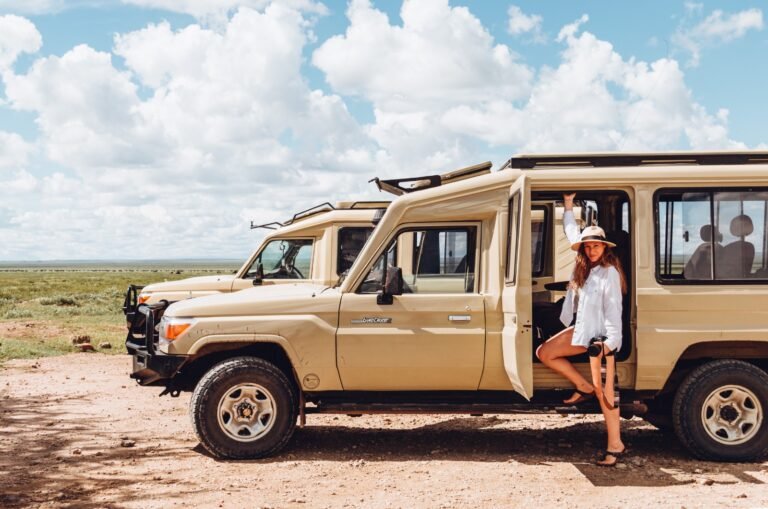
Afcon Private Serengeti Safari With Lodges
AFCON 2027 Private Serengeti Safari with Lodges.
View package detailsAfcon Luxury Serengeti Safari Packages
AFCON 2027 Luxury Serengeti Safari Packages.
View package details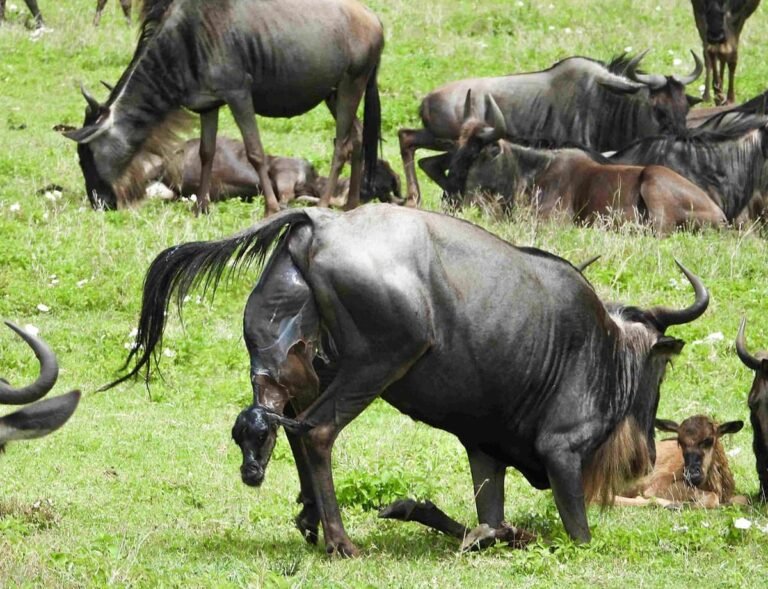
Serengeti Great Migration Safari During AFCON 2027
Mwongozo wa kina kwa safari ya Serengeti Great Migration wakati wa AFCON 2027, ukilenga kuelewa maeneo, kipindi cha mwendo wa mnyama, na mapendekezo ya mipango ya kiutendaji.
View package details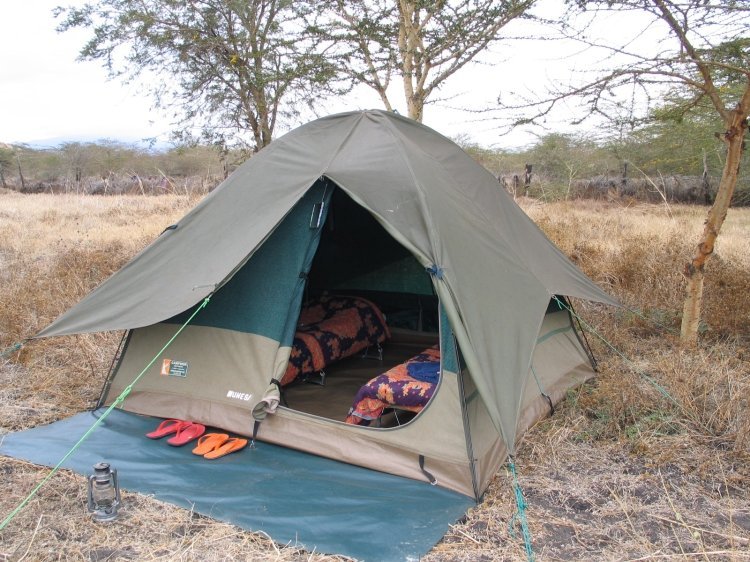
Four Day Serengeti na Ngorongoro Safari During AFCON 2027
Mwongozo wa safari ya siku 4 kwenye Serengeti na Ngorongoro wakati AFCON 2027; jinsi ya kupanga, nini cha kujali, na jinsi ya kuandaa,”
View package detailsThree Day Serengeti Safari During AFCON 2027
Mwongozo wa kiutendaji kwa safari ya siku tatu ya Serengeti wakati AFCON 2027, ukijumuisha mwelekeo wa maeneo, ratiba ya siku, na ushauri wa ubashiri wa kupanga pamoja na jinsi ya...
View package details
Dec 24, – 3 Day Christmas Serengeti And Ngorongoro Group Safari
Dec 24, 2026 – 3 Day Christmas Serengeti and Ngorongoro Group Safari.
View package details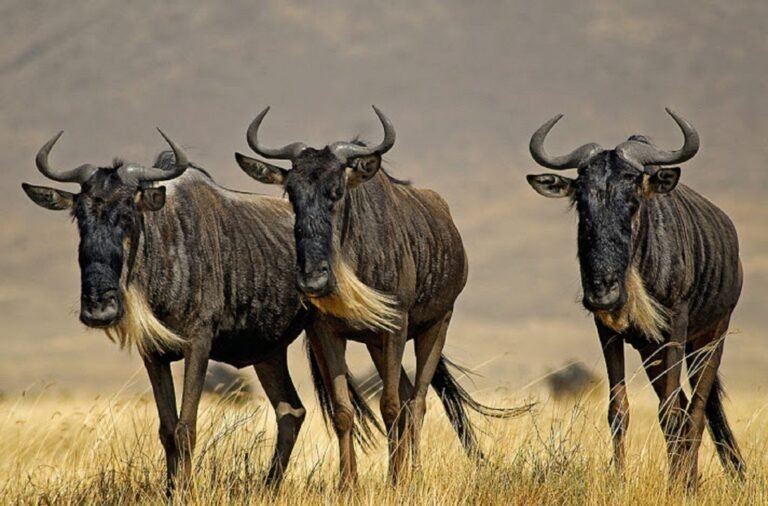
Nov 23, – 3 Day Serengeti And Ngorongoro Safari From Zanzibar
Nov 23, 2026 – 3 Day Serengeti and Ngorongoro Safari from Zanzibar.
View package details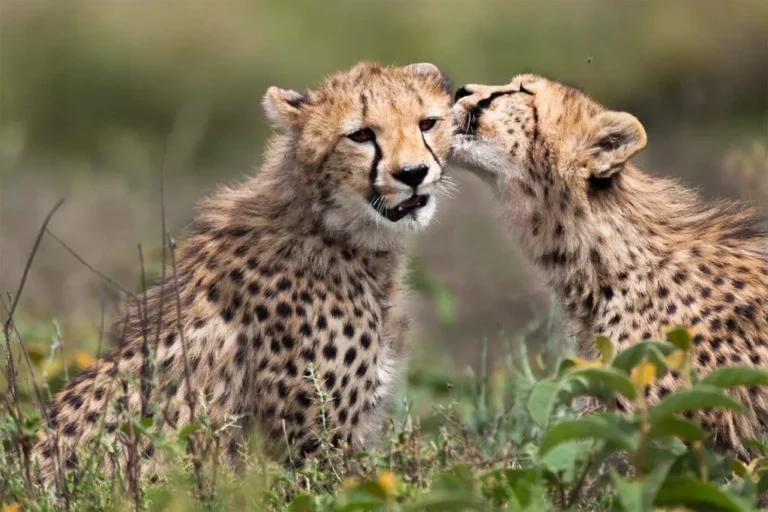
Dec 31, : New Year’s Eve Serengeti Group Safari Planning Guide
This guide provides essential planning details for a group safari trip to the Serengeti for New Year's Eve 2026, covering logistics, seasonal highlights, and what to expect.
View package details
I Am On A Budget—What Is The Cheapest Serengeti Group Safari?
I Am on a Budget—What Is the Cheapest Serengeti Group Safari?
View package details
Dec 29, – 6 Day Ndutu, Serengeti And Ngorongoro Group Safari 2026
A detailed guide to our 6-day group safari departure on December 29, 2026, focusing on the Ndutu plains, the Serengeti, and the Ngorongoro Crater.
View package details8 Day Serengeti And Ngorongoro Group Safari – December 16, 2026
Planning your December 2026 Tanzanian adventure? Our 8-day group safari offers a deep, unhurried exploration of the Serengeti and Ngorongoro Crater.
View package detailsDec 14, – 7 Day Complete Tanzania Northern Circuit Group Safari 2026
Planning for December 2026? Join our 7-day complete Tanzania Northern Circuit group safari. A deep look at the Serengeti, Ngorongoro, and Tarangire with expert, locally-led logistics.
View package detailsNo related package matches those filters. Clear one or more filters to see the other topic-matched options.