An Okavango Chobe Serengeti Ngorongoro safari package offers a spectacular, albeit complex, journey across two premier African safari nations, connecting the vast plains of the Serengeti in Tanzania with the unique waterways of the Okavango Delta and the game-rich banks of the Chobe River in Botswana. Such a package typically spans 14-21 days, involving flights between countries and a blend of lodge and tented camp accommodations, focusing on maximizing wildlife viewing opportunities across distinct ecosystems and iconic predator-prey dynamics, with planning for 2026-2027 now underway.
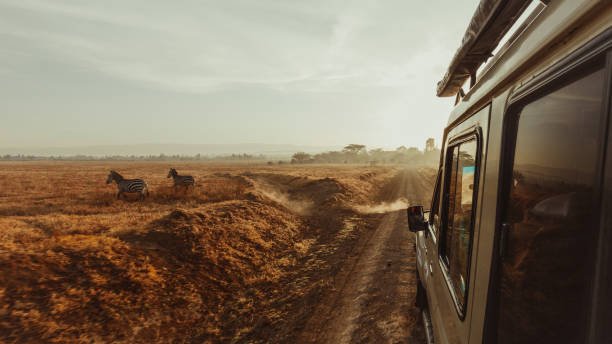
Your Grand African Safari: Okavango, Chobe, Serengeti, and Ngorongoro
The allure of an Okavango Chobe Serengeti Ngorongoro safari package lies in its ambition: to experience the pinnacle of African wildlife viewing across four of the continent’s most celebrated natural wonders. This is not a simple trip; it’s a curated expedition designed for those who dream of witnessing the Great Migration, exploring the unique Okavango Delta by mokoro, encountering vast elephant herds along the Chobe River, and descending into the Ngorongoro Crater, a caldera teeming with life. Planning such a multi-destination safari requires careful consideration of logistics, timing, and budget, especially when looking ahead to 2026 and 2027. Climb 4 Africa specializes in crafting these intricate journeys, ensuring a smooth transition between these diverse and magnificent landscapes.
This article will guide you through what to expect, the unique experiences each location offers, practical planning advice, and how to best approach booking your ultimate African safari adventure. We’ll break down the components of this grand safari, explore why combining these specific locations is so special, and offer insights to help you make informed decisions for your 2026 or 2027 expedition.
The Grand Vision: Why Combine These Destinations?
The dream of an Okavango Chobe Serengeti Ngorongoro safari package is born from a desire to experience the absolute best of African wildlife and landscapes. These four locations represent distinct, yet complementary, ecosystems, each offering a unique perspective on the continent’s biodiversity.
- Diversity of Ecosystems: From the waterlogged channels of the Okavango Delta, where life congregates around permanent water sources, to the vast, dry savannas of the Serengeti, home to the dramatic Great Migration, and the unique, enclosed ecosystem of the Ngorongoro Crater, this combination ensures a rich mix of environments. Chobe offers its own magic with its immense elephant population and the lifeblood of the Chobe River.
- Iconic Wildlife Encounters: These parks are renowned for their dense and diverse wildlife populations. You’ll have opportunities to see the Big Five (lion, leopard, elephant, rhino, buffalo) in multiple locations, witness incredible predator-prey interactions, and observe specialized species adapted to each environment. The sheer numbers of animals, particularly during migration seasons, are staggering.
- Geographical Synergy: While geographically separated, Botswana and Tanzania are accessible from each other, making a multi-country safari feasible. This package bridges two of Africa’s premier safari countries, offering a comparative experience that highlights the vastness and variety of the continent’s wild spaces.
- Unparalleled Scenery: Beyond the animals, the landscapes themselves are awe-inspiring. The ethereal beauty of the Okavango Delta, the sweeping plains of the Serengeti, the dramatic cliffs of the Ngorongoro Crater, and the riverine beauty of Chobe create a visually stunning backdrop for your adventure.
This ambitious safari is perfect for the seasoned traveler or the determined first-timer seeking an in-depth exploration of Africa’s most iconic wildlife destinations. It requires a commitment to travel time and a willingness to embrace the adventure of moving between countries. For those planning for 2026-2027, early booking is crucial to secure preferred accommodations and flight schedules.
Okavango Delta, Botswana: Waterways and Wildlife
The Okavango Delta is a UNESCO World Heritage Site and a truly unique inland delta system. Unlike most river deltas, it doesn’t flow into the sea; instead, the Okavango River fans out across the Kalahari Desert, creating a lush, water-rich oasis that attracts an astonishing array of wildlife. This is a destination that defines a different kind of safari experience.
What Makes the Okavango Delta Special?
- The Water Safari: The primary mode of exploration here is by mokoro (a traditional dug-out canoe) or by motorboat. Gliding silently through the channels, you get incredibly close to wildlife without disturbing them. Birdlife is abundant, and you’ll see hippos, crocodiles, and various antelope species at water level.
- Abundant Wildlife: The Delta supports a huge diversity of animals. It’s one of the few places where you can reliably see large herds of elephants, buffalo, and a wide range of predators including lions, leopards, cheetahs, wild dogs (African painted wolves), and hyenas. Red lechwe and sitatunga are unique antelope species that thrive in this wetland environment.
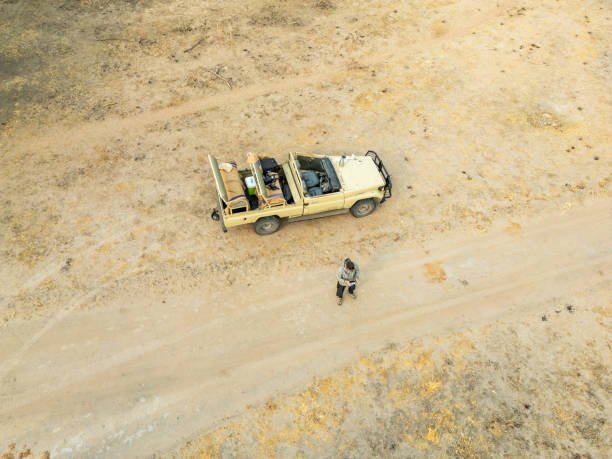
- Exclusive Experience: Much of the Okavango Delta is comprised of private concessions, meaning visitor numbers are limited. This ensures an intimate and exclusive safari experience, far from the crowds often found in other famous parks. Game drives are typically in open 4×4 vehicles, and walking safaris are also often available, guided by experienced rangers.
- Seasonal Fluctuations: The Delta’s landscape changes dramatically with the floodwaters, which typically arrive from the Angolan highlands between June and October. This is also the peak safari season, as animals congregate around the permanent water. During the dry season, the water recedes, concentrating animals even further.
Activities in the Okavango Delta:
- Mokoro Excursions: A must-do, offering a peaceful and intimate way to see wildlife and the delta’s intricate waterways.
- Game Drives: Explore the islands and surrounding drylands for land-based wildlife viewing.
- Boating Safaris: Ideal for birdwatching and spotting hippos and crocodiles in larger channels.
- Walking Safaris: For the more adventurous, guided walks offer a different perspective and a chance to learn about smaller details of the ecosystem.
When planning your Okavango Chobe Serengeti Ngorongoro safari package, the Okavango Delta sets a tone of serene, water-based exploration, a perfect contrast to the vast plains you’ll encounter later.
Chobe River, Botswana: Elephant Heaven and River Safaris
Just east of the Okavango Delta, the Chobe National Park is world-famous for its colossal elephant population, particularly along the Chobe Riverfront. This is a destination that guarantees spectacular sightings, especially during the dry season when thousands of elephants gather to drink and bathe.
Highlights of Chobe National Park:
- Massive Elephant Herds: Chobe is estimated to have one of the largest concentrations of elephants in Africa. Seeing hundreds, sometimes thousands, of these magnificent creatures converging at the river is an unforgettable spectacle.
- River-Based Safaris: The Chobe River offers some of the most iconic safari experiences. Boat safaris are the main attraction here, allowing you to get incredibly close to elephants, hippos, crocodiles, and a vast array of birdlife without disturbing them. The perspective from the water is unparalleled.
- Diverse Wildlife: Beyond elephants, Chobe is home to large herds of buffalo, sable antelope, roan antelope, zebras, giraffes, and prides of lions. Leopards are also present but more elusive.
- Accessibility: The Chobe Riverfront area is easily accessible from Kasane, a major gateway town, making it a convenient addition to a Botswana itinerary.
Key Activities in Chobe:
- Chobe River Boat Cruises: The signature experience. Morning or sunset cruises offer incredible photographic opportunities and close encounters.
- Game Drives: Explore the park’s interior for land-based wildlife viewing, particularly effective in the early mornings and late afternoons.
- Fishing: For those interested, tiger fishing in the Chobe River can be arranged.
Chobe’s focus on riverine wildlife and its sheer numbers of elephants provide a thrilling and visually dramatic experience, complementing the Okavango’s unique aquatic environment and preparing you for the vast landscapes of Tanzania.
Serengeti National Park, Tanzania: The Endless Plains and Great Migration
The Serengeti, meaning ‘endless plains’ in the Maasai language, is arguably Africa’s most famous national park. It is synonymous with the Great Migration, a impressive natural phenomenon involving millions of wildebeest, zebras, and gazelles as they traverse the plains in search of fresh grazing. This is the heart of East African safari country.
Why the Serengeti is a Must-See:
- The Great Migration: Witnessing the sheer scale of this movement, with its dramatic river crossings and predator-prey chases, is a highlight of any African safari. The location and timing of the migration vary throughout the year, making it a dynamic spectacle.
- Predator Paradise: The Serengeti boasts one of the highest concentrations of predators in the world. Lions, leopards, cheetahs, hyenas, and wild dogs are all resident, and the open plains make them relatively easier to spot compared to denser environments.
- Vast Open Spaces: The iconic acacia-dotted savannas stretch to the horizon, offering a classic safari landscape. Game drives here are about covering ground and searching for wildlife across this immense wilderness.
- Year-Round Appeal: While the migration is a major draw, the Serengeti offers incredible wildlife viewing throughout the year, with different regions peaking in activity depending on the season.
Key Experiences in the Serengeti:
- Game Drives: The primary activity, exploring different sectors of the park to follow the migration or seek out resident wildlife.
- Hot Air Balloon Safaris: A truly magical way to see the Serengeti at sunrise, offering a bird’s-eye view of the plains and wildlife.
- Walking Safaris: In specific areas, guided walks offer a chance to connect with the bush on foot.
The Serengeti is the quintessential African safari destination, and its inclusion in an Okavango Chobe Serengeti Ngorongoro safari package is essential for experiencing the raw drama of the wild. It provides a powerful contrast to the water-centric experiences of Botswana.
Ngorongoro Conservation Area, Tanzania: The Eighth Wonder of the World
The Ngorongoro Conservation Area, and specifically the Ngorongoro Crater, is a natural wonder like no other. This vast, intact caldera is a self-contained ecosystem that supports an incredible density and diversity of wildlife, including a healthy population of the endangered black rhino.
The Magic of the Ngorongoro Crater:
- The Crater Floor: Descending 600 meters (2,000 feet) into the crater reveals a impressive landscape teeming with animals. You can often see the Big Five in a single day, with high chances of spotting black rhinos, lions, elephants, buffalo, and hippos.
- High Wildlife Density: The crater’s fertile volcanic soil and permanent water sources support an estimated 25,000 large mammals. This concentration makes for exceptional game viewing.
- Unique Ecosystem: The crater floor hosts a variety of habitats, including grasslands, swamps, forests, and a soda lake, which attracts flamingos and other water birds.
- Conservation Success: The Ngorongoro Crater is a testament to successful conservation efforts, particularly for the black rhino, which is often seen here.
Activities within Ngorongoro:
- Crater Floor Game Drives: The main activity, allowing you to explore the diverse habitats and spot wildlife. Drives are typically limited to a few hours to manage visitor impact.
- Maasai Village Visits: The conservation area is home to Maasai communities, and cultural visits can be arranged to learn about their traditional way of life.
- Walking Safaris (outside the crater): Guided walks can be arranged in the wider conservation area, offering a different perspective on the landscape and smaller details.
The Ngorongoro Crater offers an intense, concentrated wildlife experience that perfectly caps off the Tanzanian leg of your Okavango Chobe Serengeti Ngorongoro safari package. Its unique geology and ecological balance make it an unforgettable finale.
Crafting Your Okavango Chobe Serengeti Ngorongoro Itinerary
Designing an itinerary for an Okavango Chobe Serengeti Ngorongoro safari package is an intricate puzzle. The goal is to maximize wildlife experiences while minimizing travel time and fatigue. A typical itinerary might range from 14 to 21 days, depending on how much time you wish to spend in each location and the pace of travel you prefer.
Sample Itinerary Structure (16 Days/15 Nights):
- Day 1-4: Okavango Delta, Botswana
- Arrive at Maun Airport (MUB) or Kasane Airport (BBK).
- Fly into your chosen Okavango Delta lodge/camp.
- Activities: Mokoro excursions, game drives, boat safaris, walking safaris.
- Day 5-7: Chobe River, Botswana
- Transfer (boat/road) or fly to Kasane.
- Activities: Chobe River boat cruises, game drives.
- Day 8: Travel Day (Botswana to Tanzania)
- Fly from Kasane (BBK) to Kilimanjaro International Airport (JRO) via a hub like Johannesburg (JNB) or Nairobi (NBO). This is a significant travel day.
- Day 9-12: Serengeti National Park, Tanzania
- Fly from Arusha Airport (ARK) to a Serengeti airstrip.
- Activities: Game drives (following migration if applicable), optional balloon safari.
- Day 13-15: Ngorongoro Conservation Area, Tanzania
- Transfer from Serengeti to Ngorongoro (game drive en route).
- Activities: Crater floor game drive, optional Maasai village visit.
- Day 16: Departure
- Transfer to Arusha or Kilimanjaro International Airport (JRO) for your departure.
Customization Options for 2026-2027:
- Pacing: If you prefer a slower pace, consider adding an extra day or two in each location. For example, spending a full 5 days in the Serengeti allows more time to explore different regions.
- Specific Interests: Are you passionate about birding? Or perhaps photography? Your itinerary can be tailored to maximize opportunities for your specific interests.
- Luxury vs. Adventure: Choose between high-end lodges with all amenities or more rustic, authentic tented camps closer to nature.
- Migration Focus: If the Great Migration is your priority, the timing of your trip will dictate which part of the Serengeti you should focus on.
The key to a successful Okavango Chobe Serengeti Ngorongoro safari package is balancing the travel time with quality time on the ground. Climb 4 Africa excels at creating these bespoke itineraries, ensuring your 2026 or 2027 adventure is perfectly paced.
Navigating the Logistics: Flights, Borders, and Transfers
The most complex aspect of an Okavango Chobe Serengeti Ngorongoro safari package is the inter-country travel. Botswana and Tanzania are geographically distant, and moving between them requires careful planning, often involving multiple flights and border crossings.
Key Logistical Considerations:
- International Flights: Your journey will likely begin with international flights into Maun (MUB) or Kasane (BBK) in Botswana, and end with departure from Kilimanjaro International Airport (JRO) or Arusha Airport (ARK) in Tanzania.
- Internal Flights (Botswana): To access most Okavango Delta camps, you’ll need to take small bush planes from Maun or Kasane. These flights are typically included in lodge packages but have strict luggage weight limits (usually 15-20 kg in soft bags).
- Inter-Country Flights: The flight from Kasane (BBK) to Kilimanjaro (JRO) or Arusha (ARK) is the most significant travel leg. This usually involves a connection in a regional hub like Johannesburg (South Africa) or Nairobi (Kenya). These flights can take a full day.
- Internal Flights (Tanzania): Once in Tanzania, you’ll likely fly from Arusha Airport (ARK) to various airstrips within the Serengeti.
- Border Crossings: You will need to clear immigration and customs when entering both Botswana and Tanzania. Ensure you have the necessary visas or can obtain them upon arrival (check current regulations for your nationality).
- Transfers: Most lodges and camps include transfers from the nearest airstrip. Road transfers between parks in Tanzania are common, often incorporating game drives.
Tips for Smooth Travel:
- Pack Light: Especially for Botswana’s internal flights. Soft-sided duffel bags are essential.
- Allow Ample Time: Build in buffer time for potential flight delays, especially on connecting days.
- Visa Requirements: Research visa requirements for your nationality for both Botswana and Tanzania well in advance of your 2026-2027 trip.
- Travel Insurance: Comprehensive travel insurance is non-negotiable for a trip of this complexity.
Climb 4 Africa manages these complex logistics for you, ensuring that your Okavango Chobe Serengeti Ngorongoro safari package flows smoothly, allowing you to focus on the incredible wildlife experiences.
Choosing Your Accommodation: From Luxury Lodges to Tented Camps
The choice of accommodation significantly impacts your safari experience. For an Okavango Chobe Serengeti Ngorongoro safari package, you can opt for a range of styles, from opulent lodges with stunning views to intimate tented camps that place you closer to the heart of the wilderness.
Accommodation Types:
- Luxury Lodges: Often feature spacious rooms, private plunge pools, fine dining, and extensive amenities. They offer comfort and exclusivity, with impressive views and top-tier service. Ideal for those seeking a pampered safari experience.
- Tented Camps: These range from classic canvas tents with en-suite bathrooms and comfortable furnishings to more minimalist, adventurous camps. They offer a more intimate connection with nature, often with sounds of the bush right outside your tent. Many offer full board and activity packages.
- Permanent vs. Mobile Camps: In some areas, particularly for migration-focused safaris in the Serengeti, mobile camps follow the herds, offering a dynamic location. Permanent camps offer more established facilities.
- Botswana vs. Tanzania Styles: Botswana’s Okavango Delta and Chobe often feature luxurious lodges and high-end tented camps that emphasize exclusivity and integration with the environment. Tanzania’s Serengeti and Ngorongoro offer a wider spectrum, from budget-friendly tented camps to ultra-luxury lodges.
Factors to Consider:
- Budget: Luxury lodges will significantly increase the overall cost of your package.
- Experience: Do you want to be immersed in nature with minimal distractions, or do you prefer the comfort and amenities of a lodge?
- Location: Camps deep within concessions offer more exclusive game viewing, while lodges closer to park entrances might be more convenient for certain activities but potentially busier.
- Included Activities: Many camps and lodges in Botswana, especially in the Okavango, include all activities (mokoro, game drives, walking) in their rates. In Tanzania, game drives are standard, but other activities like balloon safaris are usually extra.
When planning your Okavango Chobe Serengeti Ngorongoro safari package for 2026-2027, discuss your accommodation preferences with your tour operator. Climb 4 Africa can recommend options that align with your desired experience and budget, ensuring comfort and excellent wildlife viewing opportunities.
Timing Your Safari: Seasonal Highlights for 2026-2027
The best time to undertake an Okavango Chobe Serengeti Ngorongoro safari package depends heavily on what you wish to see and experience. Each location has its peak seasons, and coordinating these for a multi-country trip requires careful planning.
Botswana (Okavango Delta & Chobe):
- June to October: The Dry Season (Peak Safari Season)
- Okavango Delta: The floodwaters arrive, creating lush environments and concentrating wildlife around permanent water. Excellent for mokoro and boat safaris. Water levels are highest.
- Chobe River: This is the prime time for massive elephant gatherings along the riverfront. Wildlife is concentrated as water sources dwindle elsewhere.
- Pros: Excellent game viewing, pleasant temperatures, lower malaria risk.
- Cons: Peak season means higher prices and more visitors (though still exclusive in Botswana).
- November to May: The Green Season
- Okavango Delta: The landscape is lush and green, with spectacular birdlife and newborn animals. Some areas may become inaccessible due to rain.
- Chobe River: Wildlife disperses as seasonal pans fill. Game viewing can be more challenging but offers photographic opportunities with dramatic skies and lush scenery.
- Pros: Lower prices, fewer crowds, beautiful scenery, excellent for birdwatching and photography.
- Cons: Potential for rain disrupting activities, higher malaria risk, some wildlife may be harder to spot.
Tanzania (Serengeti & Ngorongoro):
- June to October: Dry Season
- Serengeti: This is the period for dramatic wildebeest river crossings (e.g., Grumeti or Mara Rivers) if timed correctly. Wildlife is concentrated around remaining water sources.
- Ngorongoro Crater: Remains excellent year-round due to its permanent water and high animal density.
- Pros: Excellent game viewing, especially for predators and migration river crossings.
- Cons: Peak season, higher prices, can be crowded at popular migration points.
- January to March: Calving Season (Seronera Valley/Southern Serengeti)
- Serengeti: The wildebeest and zebra herds congregate in the southern plains for calving. This is a prime time for predator action as lions, cheetahs, and hyenas feast on the young.
- Ngorongoro Crater: Excellent year-round.
- Pros: Incredible predator sightings and photographic opportunities of newborn animals.
- Cons: Migration is concentrated in one area, so specific locations are key.
- November to December: Short Rains / Green Season Start
- Serengeti: The herds begin their northerly or southerly movement. Lush landscapes, fewer crowds.
- Ngorongoro Crater: Excellent year-round.
- Pros: Beautiful scenery, fewer crowds, good game viewing as herds move.
- Cons: Potential for rain, though usually short-lived.
Coordinating for 2026-2027:
For a comprehensive Okavango Chobe Serengeti Ngorongoro safari package, the period of June to October generally offers the best combination of reliable game viewing across all locations, despite being peak season. If witnessing the Great Migration river crossings is paramount, aim for July-September for the Serengeti. If calving season is your focus, target January-March. Climb 4 Africa can help you navigate these seasonal nuances to create the optimal 2026 or 2027 itinerary.
What Wildlife Can You Expect to See?
An Okavango Chobe Serengeti Ngorongoro safari package offers an unparalleled opportunity to witness an extraordinary diversity of African wildlife. Each location has its specialties, and combining them ensures you see a vast array of species across different habitats.
The Big Five:
- Lion: Abundant in the Serengeti and Ngorongoro Crater. Also present in the Okavango Delta and Chobe, though sometimes more elusive.
- Leopard: Most reliably spotted in the Serengeti due to its open woodlands and acacia trees. Also found in the Okavango Delta and Chobe, often seen on riverine trees.
- Elephant: Chobe National Park is famous for its enormous herds. They are also common in the Okavango Delta and present in the Serengeti and Ngorongoro (though typically smaller bulls in the crater).
- Rhino: The Ngorongoro Crater is one of the best places in Africa to see the critically endangered black rhino. White rhinos are less common in these specific areas but can be found in other parts of Southern Africa.
- Buffalo: Large herds can be seen in all four locations, especially along riverbanks and water sources.
Other Notable Mammals:
- Wildebeest & Zebra: Iconic to the Serengeti, especially during the Great Migration. Also present in Ngorongoro.
- Giraffe: Common in the Serengeti and Ngorongoro, and also found in Botswana’s parks.
- Cheetah: The open plains of the Serengeti are prime cheetah territory. They are also found in Botswana’s reserves.
- African Wild Dog (Painted Wolf): A highlight of Botswana’s Okavango Delta and Chobe, and also present in the Serengeti. Seeing a pack is a special treat.
- Hippopotamus: Abundant in the Okavango Delta and along the Chobe River. Also found in rivers and lakes within the Serengeti and Ngorongoro.
- Crocodiles: Common in the Okavango Delta and Chobe River.
- Antelopes: A vast array, including impala, gazelles (Thomson’s, Grant’s), topi, hartebeest, waterbuck, kudu, oryx, sable, and roan. Unique to the Okavango are red lechwe and sitatunga.
- Other Predators: Hyena, jackal, wild cat, serval, caracal.
- Primates: Various monkeys (baboons, vervets) and possibly baboons in forest areas.
Birdlife:
All four locations boast incredible birdlife. The Okavango Delta and Chobe River are particularly renowned for water birds, raptors, and migratory species. The Serengeti and Ngorongoro also offer fantastic birdwatching, with over 500 species recorded in the Serengeti alone.
Your Okavango Chobe Serengeti Ngorongoro safari package is designed to showcase the richness and diversity of African wildlife. While sightings are never guaranteed, the concentration and variety of animals in these premier destinations make for an exceptional wildlife viewing experience throughout 2026-2027.
Budgeting for an Okavango Chobe Serengeti Ngorongoro Safari Package
An Okavango Chobe Serengeti Ngorongoro safari package is a significant investment, often considered a bucket-list trip. The cost is influenced by several factors, including the length of the safari, the level of accommodation, the season of travel, and the number of internal flights required.
Key Cost Components:
- Accommodation: This is typically the largest portion of the budget. Luxury lodges in Botswana are particularly expensive. Tented camps offer a range of price points.
- Internal Flights: Multiple flights are required: bush planes in Botswana, the inter-country flight from Botswana to Tanzania, and internal flights within Tanzania (e.g., Arusha to Serengeti). These add up significantly.
- Park Fees: Daily park entrance fees for each national park and conservation area are mandatory and can be substantial, especially for longer stays.
- Activities: While game drives are standard, special activities like hot air balloon safaris (Serengeti), private boat charters, or guided walks will incur additional costs.
- Meals & Drinks: Most safari packages in Botswana are all-inclusive (meals, local drinks). In Tanzania, it varies; some lodges include all meals and drinks, others might exclude drinks.
- Guides & Vehicles: The cost of expert guides and private safari vehicles (especially in Tanzania) contributes to the overall price.
- International Flights: The cost of flights to and from Africa is separate from the safari package itself.
- Visas & Travel Insurance: Factor in costs for visas and comprehensive travel insurance.
General Price Ranges (Estimates per person, per day):
It’s crucial to understand that exact pricing for 2026-2027 will depend on specific lodge choices, flight availability, and the exact itinerary. However, as a very rough guide:
- Botswana (Okavango/Chobe): Expect rates from $700 – $2,000+ per person per day, often all-inclusive of accommodation, meals, drinks, and activities.
- Tanzania (Serengeti/Ngorongoro): Expect rates from $500 – $1,500+ per person per day, covering accommodation, meals, park fees, and game drives. Activities like balloon safaris are extra.
A 14-16 day Okavango Chobe Serengeti Ngorongoro safari package could range from approximately $9,000 to $25,000+ per person, excluding international flights. Shorter or longer durations, different accommodation levels, and travel seasons will adjust this figure.
Tips for Managing Budget:
- Travel in the Shoulder or Green Season: You can often find better rates outside the peak months of June-October.
- Consider Shared Departures: Group tours can sometimes offer cost savings compared to fully private itineraries.
- Work with an Expert: A good tour operator like Climb 4 Africa can find value and optimize your itinerary to fit your budget without compromising experience.
Discuss your budget openly with your safari planner. They can propose the best options for your Okavango Chobe Serengeti Ngorongoro safari package for 2026-2027, ensuring you get the most value for your investment.
Booking Your Dream Safari: Practical Steps for 2026-2027
Securing your Okavango Chobe Serengeti Ngorongoro safari package requires a structured approach. Given the complexity and popularity of these destinations, early planning and booking are highly recommended, especially for 2026 and 2027 travel dates.
Steps to Book Your Safari:
- Define Your Priorities: What are your must-sees? Is it the Great Migration, predator action, the Okavango Delta’s unique ecosystem, or seeing the Big Five in one day? Your priorities will shape the itinerary.
- Determine Your Travel Dates: Research the best seasons for your desired experiences and establish a window for your trip. Flexibility can sometimes lead to better availability and pricing.
- Set Your Budget: Have a clear understanding of what you are willing and able to spend. This will guide accommodation choices and itinerary length.
- Choose Your Tour Operator: This is a critical step for such an intricate multi-country safari. Look for operators with proven experience in both Botswana and Tanzania, who can manage complex logistics seamlessly. Climb 4 Africa specializes in crafting tailor-made African adventures, offering local expertise and practical support.
- Consult and Customize: Work closely with your chosen operator to design your ideal itinerary. Discuss accommodation styles, pace, and any specific interests you have. For 2026-2027, getting this conversation started early is key.
- Review Inclusions and Exclusions: Carefully examine what is included in the quote. This should cover accommodation, meals, park fees, transfers, specified activities, and guide services. Clarify what is extra (e.g., drinks, tips, visas, international flights, optional activities).
- Understand Payment Terms: Safari bookings typically require a deposit (often 20-50%) to confirm, with the balance due closer to the travel date (usually 60-90 days prior).
- Secure Your Booking: Once you are satisfied with the itinerary and quote, pay your deposit to secure your reservations. This is especially important for high-demand lodges and peak season travel in 2026 and 2027.
- Prepare for Your Trip: Once booked, your operator will provide detailed pre-departure information, including packing lists, visa guidance, and health recommendations.
Why Partner with Climb 4 Africa?
Planning an Okavango Chobe Serengeti Ngorongoro safari package involves navigating complex flight schedules, border requirements, and diverse accommodation options across two countries. Climb 4 Africa brings local expertise, established relationships with lodges and airlines, and a commitment to creating smooth, unforgettable journeys. We handle the intricate details so you can focus on the excitement of your upcoming adventure.
To begin planning your bespoke Okavango Chobe Serengeti Ngorongoro safari package for 2026 or 2027, or to inquire about available group departure dates, please reach out to our expert team. You can contact us via WhatsApp at +255 747 477 898 or by emailing us at climb4africa@gmail.com. Let us help you craft the ultimate African wildlife experience.
Check Availability for Okavango Chobe Serengeti Ngorongoro Safari Package: The Ultimate African
Ready to compare dates, prices, and the best option for your group? Send the package name and travel month so the team can reply with a clear quote, availability, and what is included.
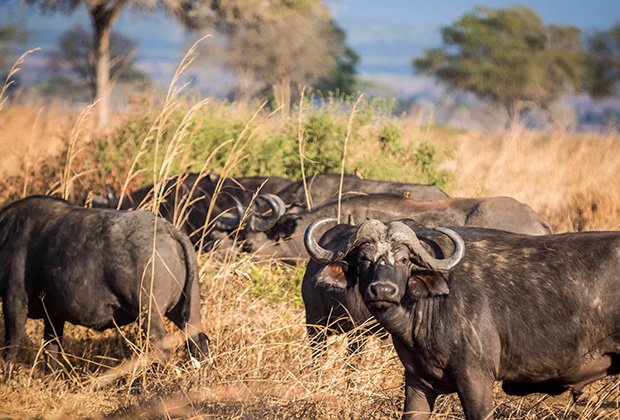
Dec 24, – 3 Day Christmas Serengeti And Ngorongoro Group Safari
Dec 24, 2026 – 3 Day Christmas Serengeti and Ngorongoro Group Safari.
View package details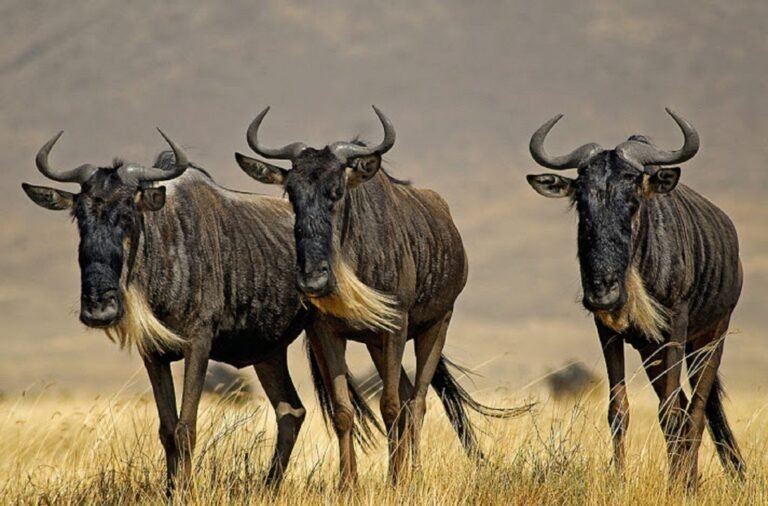
Nov 23, – 3 Day Serengeti And Ngorongoro Safari From Zanzibar
Nov 23, 2026 – 3 Day Serengeti and Ngorongoro Safari from Zanzibar.
View package details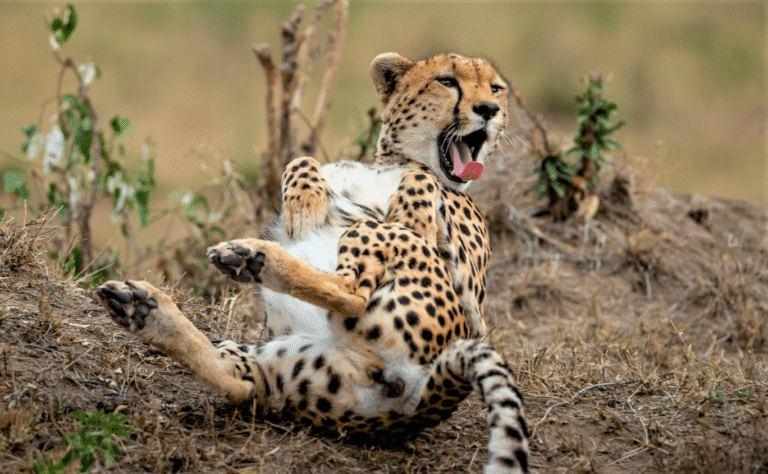
Dec 29, – 6 Day Ndutu, Serengeti And Ngorongoro Group Safari 2026
A detailed guide to our 6-day group safari departure on December 29, 2026, focusing on the Ndutu plains, the Serengeti, and the Ngorongoro Crater.
View package details8 Day Serengeti And Ngorongoro Group Safari – December 16, 2026
Planning your December 2026 Tanzanian adventure? Our 8-day group safari offers a deep, unhurried exploration of the Serengeti and Ngorongoro Crater.
View package details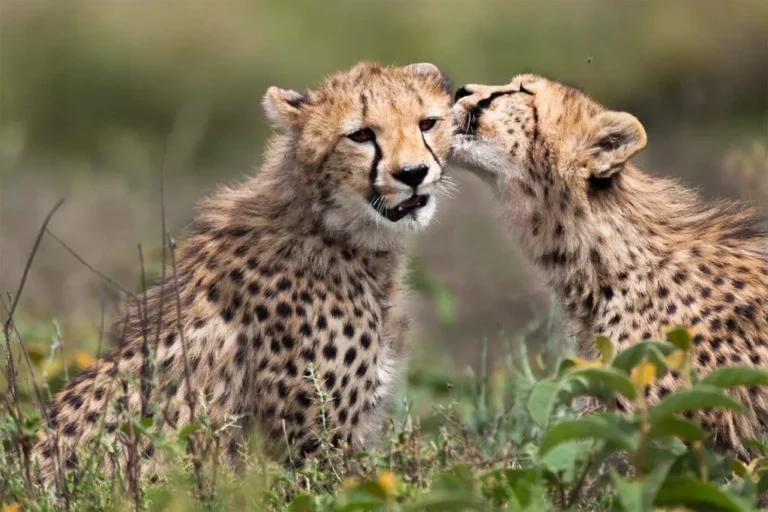
Dec 12, – 6 Day Serengeti, Ngorongoro, Tarangire And Manyara Group Safari 2026
Dec 12, 2026 – 6 Day Serengeti, Ngorongoro, Tarangire and Manyara Group Safari.
View package detailsDec 8, – 4 Day Tarangire, Serengeti And Ngorongoro Group Safari 2026
A detailed guide to our December 8, 2026 group joining safari, covering the itinerary, logistics, and what to expect during this 4-day wildlife adventure in Tanzania.
View package details
Nov 6, – 3 Day Serengeti And Ngorongoro Budget Group Safari 2026
A detailed look at our November 6, 2026 group departure for a 3-day Serengeti and Ngorongoro safari, including planning tips and route logistics.
View package detailsOct 27, – 3 Day Serengeti And Ngorongoro Group Safari 2026
Planning for a short, high-impact wildlife adventure? Our October 27, 2026, group safari offers a direct route through the Serengeti and Ngorongoro Crater, perfect for travelers with...
View package detailsNov 18, – 7 Day Serengeti And Ngorongoro Group Joining Safari 2026
A detailed guide to the 7-day group joining safari departing November 18, 2026, covering Serengeti, Ngorongoro, and the logistical advantages of shared travel.
View package detailsNov 10, – 4 Day Serengeti, Ngorongoro And Tarangire Group Safari 2026
Join our group safari on November 10, 2026, for an intensive 4-day tour of Tanzania's Northern Circuit. Perfect for those with limited time who want to experience the best of the Serengeti...
View package detailsOct 31, – 6 Day Serengeti, Ngorongoro, Tarangire And Manyara Group Safari 2026
A detailed look at the 6-day Northern Circuit group safari departing October 31, 2026, covering Tarangire, Manyara, Serengeti, and Ngorongoro Crater.
View package detailsOct 29, – 4 Day Tarangire, Serengeti And Ngorongoro Group Safari 2026
Plan your October 2026 Tanzania adventure. This 4-day group safari covers Tarangire, Serengeti, and Ngorongoro Crater with reliable local support.
View package detailsNo related package matches those filters. Clear one or more filters to see the other topic-matched options.