
A Kenya to Tanzania safari and Zanzibar holiday package offers a quintessential East African journey, seamlessly blending the world-renowned wildlife parks of Kenya and Tanzania with the idyllic beaches and rich culture of Zanzibar. Typically spanning 10 to 20 days, these packages allow travelers to witness the Great Migration, explore diverse ecosystems like the Serengeti and Maasai Mara, and finally relax on tropical shores, with options for private or group tours available for planning in 2026 and 2027.
Why Combine Kenya, Tanzania, and Zanzibar?
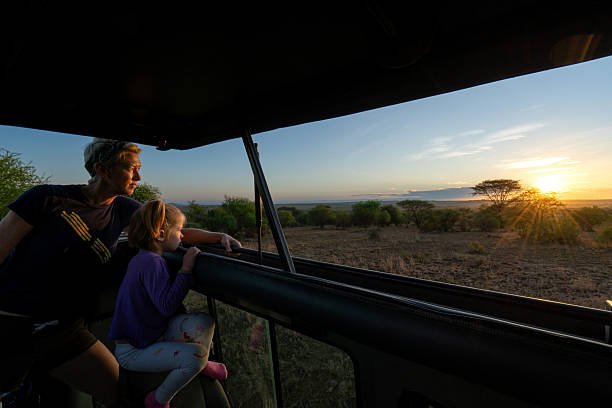
East Africa is synonymous with unforgettable wildlife encounters and stunning natural beauty. A Kenya to Tanzania safari and Zanzibar holiday package is the ultimate way to experience the region’s diverse offerings. This itinerary allows you to witness the dramatic spectacle of the Great Migration, track the Big Five in iconic reserves, and then unwind on the pristine, palm-fringed beaches of Zanzibar. It’s a journey that combines thrilling adventure with profound relaxation, offering a complete African experience.
By combining these destinations, you maximize your exposure to the continent’s most celebrated natural wonders. Kenya’s Maasai Mara is often the starting point for understanding the sheer scale of the migration, while Tanzania’s Serengeti provides an unparalleled canvas for witnessing its peak. The Ngorongoro Crater offers a unique, dense concentration of wildlife within a collapsed volcanic caldera. Following this intense wildlife immersion, Zanzibar provides a perfect counterpoint – a tropical paradise with a rich history, vibrant culture, and azure waters ideal for relaxation and water sports.
For travelers planning their trip in 2026 or 2027, booking a comprehensive package simplifies logistics immensely. It means coordinating park fees, accommodations, internal flights, transfers, and visa requirements across two countries and an island can be handled by one expert operator. This integrated approach ensures a smoother, more enjoyable journey, allowing you to focus entirely on the incredible experiences awaiting you.
Essential Planning for Your Kenya to Tanzania Safari and Zanzibar Holiday Package
Crafting a successful Kenya to Tanzania safari and Zanzibar holiday package requires thoughtful planning. The key is to balance the time spent on safari with relaxation on the coast, ensuring you don’t feel rushed. A typical itinerary might allocate 4-6 days for Kenya, 4-7 days for Tanzania, and 3-5 days for Zanzibar, totaling around 12-18 days. However, this is highly customizable.
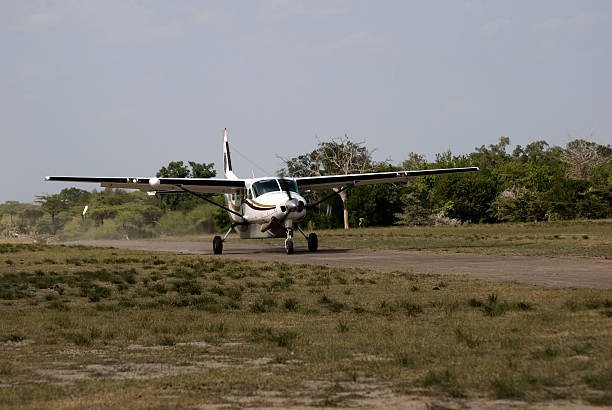
Consider the flow of your trip. Often, travelers start in Kenya (e.g., Nairobi), then move to Tanzania (e.g., Arusha or Kilimanjaro International Airport), and finally fly from a Tanzanian hub (like Kilimanjaro or Zanzibar’s own airport) to the island. Alternatively, some packages might involve flying from Nairobi directly to Zanzibar after the Kenyan safari, then flying back to mainland Tanzania for the safari portion, and finishing back in Zanzibar. The most common and logistically sound flow is Kenya -> Tanzania -> Zanzibar.
Key decisions to make early on include:
- Duration: How many days can you realistically allocate? Longer trips allow for a more relaxed pace and deeper exploration.
- Budget Level: Are you looking for budget-friendly camping, comfortable mid-range lodges, or luxurious tented camps and hotels? This significantly impacts the overall cost.
- Travel Style: Do you prefer shared group departures for cost savings and social interaction, or a private safari tailored to your interests and schedule?
- Specific Interests: Are you primarily focused on the Great Migration, birdwatching, photography, cultural immersion, or beach relaxation?
For 2026-2027 travel, it’s advisable to book at least 9-12 months in advance, especially if you have specific dates or accommodation preferences, as prime lodges and peak season dates fill up quickly. Understanding the inclusions of your package is crucial – typically, safaris include park fees, accommodation, meals on safari, a safari vehicle, and a guide. Zanzibar portions often include accommodation, meals, and airport transfers, with activities as add-ons.
Kenya Safari: The Gateway to Wildlife Spectacle
Kenya is where the iconic African safari experience truly began for many, and it remains a premier destination for wildlife viewing. A Kenya to Tanzania safari and Zanzibar holiday package often includes a selection of Kenya’s most celebrated parks, offering a diverse introduction to East Africa’s fauna.
Maasai Mara National Reserve
The Maasai Mara is arguably Kenya’s most famous park, forming part of the larger Serengeti-Mara ecosystem. It is renowned for its vast open plains teeming with wildlife and, crucially, as a primary stage for the Great Migration of wildebeest and zebras. While the migration itself is a seasonal phenomenon (typically July to October when the herds cross the Mara River), the Mara boasts incredible resident wildlife year-round. Expect to see lions, leopards, cheetahs, elephants, giraffes, and a multitude of other species. Game drives here are exceptionally rewarding, offering high chances of spotting predators.
Traveler Tip: For the best chance of seeing the river crossings during the migration, plan your visit between late July and early October. Outside these months, the Mara offers excellent game viewing due to its high predator-prey ratio, but the sheer scale of the migration herds will be less concentrated.
Amboseli National Park
Famous for its large elephant herds and the iconic backdrop of Mount Kilimanjaro (just across the border in Tanzania), Amboseli offers a different, yet equally compelling, safari experience. The park’s open plains and swamps attract a significant number of elephants, making it one of the best places in Africa to observe these magnificent creatures up close. You’ll also find buffalo, wildebeest, zebras, giraffes, and a variety of birdlife. The views of Kilimanjaro at sunrise and sunset are simply spectacular, providing incredible photographic opportunities.
Trade-off: While Amboseli offers superb elephant viewing and scenery, the variety of predators might be less than in the Maasai Mara. It’s best visited as a complementary park to the Mara.
Lake Nakuru National Park
Known historically for its vast flocks of flamingos that used to carpet the lake’s shores, Lake Nakuru is still a wildlife haven. Although flamingo numbers can fluctuate significantly due to water levels and food availability, the park is a sanctuary for both black and white rhinos, making it one of the best places in Kenya to see these endangered animals. It also hosts Rothschild giraffes, buffalo, lions, leopards, and baboons. The park’s varied landscape, including acacia woodlands and rocky cliffs, adds to its appeal.
Consideration: Lake Nakuru is a relatively small park. It’s excellent for a day trip or an overnight stay, often included in itineraries that focus on the Rift Valley lakes. It’s a good addition if you want to ensure a rhino sighting.
Tanzania Safari: The Crown Jewels of African Wildlife
Tanzania is often considered the pinnacle of safari destinations, boasting some of the continent’s most famous national parks. Continuing your Kenya to Tanzania safari and Zanzibar holiday package here means stepping into a world of unparalleled wildlife density and dramatic landscapes.
Serengeti National Park
The Serengeti is vast, its name deriving from the Maasai word ‘Siringet’, meaning ‘endless plains’. This iconic park is a UNESCO World Heritage Site and is central to the Great Migration, hosting millions of wildebeest, zebras, and gazelles as they follow ancient migratory paths. The Serengeti offers incredible game viewing throughout the year, with different regions excelling at different times. The central Seronera area is known for its resident big cats, while the northern Serengeti is a prime location for river crossings (though this is shared with the Maasai Mara). The sheer scale and abundance of wildlife are astonishing.
Planning Note: The best time to visit the Serengeti depends on where the migration is. For river crossings, aim for July-October in the north. For calving season (newborns), visit the southern Serengeti from January to March. For general game viewing, the central and western corridors are excellent year-round.
Ngorongoro Conservation Area
The Ngorongoro Crater is a geological marvel – a vast, intact volcanic caldera that is home to an extraordinary concentration of wildlife. Within its 260 square kilometer floor, you can find an estimated 25,000 large animals, including the Big Five (lion, leopard, elephant, rhino, buffalo), often within a single day. The crater floor is a unique ecosystem, supporting grasslands, swamps, and a soda lake. It’s an incredible place for photography and for ticking off many species in a compact area. The conservation area also includes the Serengeti plains to the north and the Maasai pastoral lands.
Important Distinction: Unlike national parks, the Ngorongoro Conservation Area allows Maasai herders to live alongside wildlife. This means activities are managed differently, and visitor numbers can be high, especially during peak season. Staying on the crater rim offers stunning views but can be cooler and windier.
Tarangire National Park
Tarangire National Park is particularly famous for its large elephant herds, especially during the dry season (July to October) when they congregate around the Tarangire River. The park is also home to baobab trees, which dot the landscape and create a unique, almost prehistoric, atmosphere. It’s a fantastic destination for spotting lions, leopards, cheetahs, giraffes, zebras, wildebeest, and a wide variety of birds, including many rare species. Tarangire often offers a less crowded safari experience compared to the Serengeti or Ngorongoro.
Why Tarangire? It’s an excellent addition to a Northern Circuit safari, providing a different landscape and excellent elephant viewing. It’s often visited before or after the Ngorongoro Crater.
Lake Manyara National Park
Though small, Lake Manyara National Park packs a punch with its diverse habitats, including groundwater forests, acacia woodlands, and the shallow soda lake itself. It’s renowned for its tree-climbing lions, a behavior not commonly seen elsewhere. The park is also home to large troops of baboons, herds of elephants, buffalo, giraffes, zebras, and a spectacular array of birdlife, including thousands of flamingos that often gather on the lake. The park offers beautiful views and is easily accessible, making it a popular stop on the Northern Circuit.
A Gem for Birders and Primate Fans: If you’re interested in ornithology or primate behavior, Lake Manyara is a must-visit. The short game drives here are very productive.
Seamlessly Crossing Borders: Kenya to Tanzania
Transitioning from a Kenyan safari to a Tanzanian one is a critical logistical step in your Kenya to Tanzania safari and Zanzibar holiday package. While physically close, the border crossing requires careful planning to ensure it’s as smooth as possible. Most organized packages handle this for you, typically involving a drive from your last Kenyan park or Nairobi to the border, followed by immigration procedures, and then onward travel with your Tanzanian guide and vehicle.
Common Entry Points: The most frequent border crossing for tourists is between the Maasai Mara (Kenya) and the Serengeti (Tanzania). This can be done via the Isebania/Sirari border post. Alternatively, if you are coming from Nairobi, you might drive towards Arusha, Tanzania, or fly between Nairobi and Kilimanjaro International Airport (JRO) or Arusha Airport (ARK).
Visa Requirements: It’s essential to check the latest visa requirements for both Kenya and Tanzania well in advance of your 2026-2027 travel dates. Many nationalities can obtain visas on arrival, but it’s increasingly recommended or required to apply online in advance to save time and potential hassle at the border. For Tanzania, you can apply for an e-visa. For Kenya, e-visas are also available.
Logistics Handled by Experts: When booking a package with an operator like Climb 4 Africa, the border crossing is typically managed. This includes ensuring your safari vehicle and guide are ready on the Tanzanian side, or arranging an internal flight if that’s part of your itinerary. This takes away significant stress, allowing you to focus on the transition and the exciting Tanzanian leg of your adventure.
Zanzibar: The Spice Island’s Tropical Allure
After the exhilarating wildlife encounters of your Kenya and Tanzania safari, Zanzibar offers a complete change of pace. This exotic island, part of Tanzania, is a tropical paradise known for its white-sand beaches, turquoise waters, rich history, and vibrant spice culture. It’s the perfect place to relax, explore, and reflect on your East African journey.
Stone Town
A UNESCO World Heritage Site, Stone Town is the historical heart of Zanzibar City. Its labyrinthine alleys, bustling bazaars, intricately carved wooden doors, and ornate balconies tell tales of centuries of Omani Arab, Persian, Indian, and European influences. Exploring Stone Town is like stepping back in time. Key sights include the House of Wonders, the Old Fort, the former Slave Market, and the vibrant Darajani Market. It’s a sensory experience filled with the aroma of spices and the sounds of daily life.
Cultural Immersion: Spending at least a day or two in Stone Town is highly recommended. It’s an opportunity to understand Zanzibar’s unique cultural blend and history. Staying in a boutique hotel within the old city walls adds to the authentic experience.
Northern Beaches (Nungwi & Kendwa)
Located on the northwestern tip of the island, Nungwi and Kendwa are famous for their stunning beaches, crystal-clear waters, and spectacular sunsets. These areas boast powdery white sand and are ideal for swimming, snorkeling, and diving. Unlike many other parts of Zanzibar, Nungwi and Kendwa experience minimal tidal changes, meaning the beach is usually accessible for swimming throughout the day. This makes them popular choices for those seeking a classic tropical beach holiday.
Vibe: Nungwi tends to be livelier with a range of resorts and restaurants, while Kendwa offers a slightly more tranquil atmosphere. Both are excellent for relaxation and water activities.
Eastern Beaches (Paje & Jambiani)
The east coast of Zanzibar is characterized by long stretches of pristine white sand, swaying palm trees, and shallow, turquoise lagoons protected by offshore coral reefs. Paje and Jambiani are particularly popular. These beaches are famous for their dramatic tidal shifts, which create vast sandbanks at low tide, perfect for walking or kite surfing. The shallow, warm waters are ideal for a relaxed swim, and the vibe is generally more laid-back and bohemian than in the north.
Kite Surfing Paradise: Paje, in particular, has become a global hub for kite surfing, thanks to consistent winds and ideal conditions. If you’re interested in water sports, the east coast is your best bet.
Zanzibar Activities
Beyond relaxing on the beach, Zanzibar offers a wealth of activities to enhance your holiday package:
- Spice Tours: Discover why Zanzibar is called the ‘Spice Island’ with a guided tour of a spice farm. Learn about cloves, cinnamon, nutmeg, vanilla, and tropical fruits, and taste their freshness.
- Snorkeling and Diving: Mnemba Atoll, off the northeast coast, is a protected marine reserve offering world-class snorkeling and diving opportunities with vibrant coral reefs and diverse marine life.
- Dolphin Tours: Kizimkazi, on the southern coast, is known for its resident population of bottlenose dolphins. Boat trips offer a chance to swim with them, though ethical considerations and responsible tourism practices are important.
- Sunset Dhow Cruises: Experience a traditional dhow sailing trip, often at sunset, offering stunning ocean views and a romantic ambiance.
- Jozani Forest: Visit the island’s only national park to see the rare Red Colobus Monkeys in their natural habitat.
These activities can be booked as part of your package or arranged locally upon arrival.
Choosing Your Kenya to Tanzania Safari and Zanzibar Holiday Package
The beauty of a Kenya to Tanzania safari and Zanzibar holiday package lies in its flexibility. Operators offer a range of options to suit different preferences and budgets for 2026-2027 travel.
Duration and Pace
Short packages (7-10 days): These are typically focused on one key park in Kenya (like the Mara) and one or two in Tanzania (like Serengeti and Ngorongoro), followed by a brief Zanzibar stay. They offer a taste of each destination but can feel rushed.
Medium packages (10-15 days): This is a popular duration, allowing for 2-3 parks in Kenya, 2-3 in Tanzania, and 3-4 days on Zanzibar. It provides a good balance between wildlife viewing and relaxation.
Long packages (15+ days): For those with more time, longer packages allow for a more in-depth exploration of each country, including lesser-known parks, more time in specific areas to track wildlife, and extended relaxation on Zanzibar. This pace is ideal for photographers or keen wildlife enthusiasts.
Accommodation Styles
The choice of accommodation significantly impacts the feel and cost of your safari and Zanzibar holiday:
- Budget/Camping Safaris: Offer a more rustic experience. Tented camps often provide comfortable beds within canvas tents, with shared ablutions. It’s a fantastic way to be closer to nature and save money.
- Mid-Range Lodges & Tented Camps: These are the most common option, offering comfortable en-suite rooms or permanent tents with amenities like private bathrooms, often with pools and restaurants. They strike a good balance between comfort and authentic safari feel.
- Luxury Lodges & Tented Camps: For those seeking ultimate comfort and exclusivity. Expect high-end furnishings, gourmet dining, private plunge pools, exceptional service, and prime locations.
- Zanzibar Hotels: Range from charming boutique hotels in Stone Town to luxurious beachfront resorts and simpler guesthouses on the coast.
When considering 2026-2027 bookings, note that luxury and mid-range options are often booked up earliest.
Private vs. Group Safaris
Group Safaris: These are ideal for solo travelers or couples looking to save costs. You share a safari vehicle and guide with other travelers. This can be a great social experience. Departure dates are usually fixed, and you follow a set itinerary. Many operators offer scheduled group departures for popular routes. For example, Climb 4 Africa offers group departures for Kilimanjaro climbs which can be combined with safaris and Zanzibar, and also has shared safari options.
Private Safaris: Offer maximum flexibility. You have a dedicated safari vehicle and guide, allowing you to set your own pace, choose your interests, and customize your itinerary. This is ideal for families, groups of friends, or individuals who want a more personalized experience. While more expensive, the flexibility and exclusivity can be well worth it.
Budget Considerations for 2026-2027
The cost of a Kenya to Tanzania safari and Zanzibar holiday package can vary widely. Key cost drivers include:
- Duration of the trip.
- Number and type of parks visited (some park fees are higher than others).
- Accommodation level (budget camping vs. luxury lodges).
- Type of safari (group vs. private).
- Season of travel (peak season like July-October and December-February is more expensive).
- Internal flights (especially the flight to Zanzibar).
- Inclusions (e.g., whether all meals, drinks, and activities are included).
As a general guide for 2026-2027, you might expect:
- Budget: $200 – $300 per person per day (mostly camping).
- Mid-Range: $350 – $550 per person per day (comfortable lodges/tented camps).
- Luxury: $600 – $1000+ per person per day (high-end lodges, exclusive concessions).
These figures are estimates and do not include international flights, visas, travel insurance, or personal expenses. Zanzibar portions might be slightly cheaper per day than the safari days.
Important Note on Pricing: Prices are subject to change, and it’s always best to get a personalized quote. For 2026-2027 travel, early booking is recommended to secure availability and potentially lock in prices before any significant increases.
The Ideal Timing for Your Safari and Zanzibar Holiday
Choosing the right time to travel for your Kenya to Tanzania safari and Zanzibar holiday package is crucial for maximizing wildlife sightings and enjoying pleasant weather.
Kenya & Tanzania Safari Seasons:
- Dry Season (June to October): This is the most popular time for safaris. The weather is generally sunny and dry, making game viewing easier as animals congregate around water sources. It’s also the prime time for the Great Migration river crossings in the Mara/Serengeti (July-October). However, it’s peak season, meaning higher prices and more crowds.
- Short Rains (November to December): A transition period with occasional showers. Wildlife is still abundant, and fewer tourists mean potentially lower prices.
- Long Rains (March to May): This is the low season. It’s greener and more lush, and the wildebeest migration is typically in the southern Serengeti (calving season). Prices are at their lowest, but expect frequent, heavy rains which can make some roads impassable and impact game viewing.
- Shoulder Seasons (January-February, October-November): Offer a good balance of decent weather, abundant wildlife, and fewer crowds than peak season.
Zanzibar Weather:
Zanzibar is warm and tropical year-round. The best times to visit are generally during the dry seasons:
- Dry Season (June to October): Pleasant temperatures, low humidity, and minimal rain. This aligns perfectly with the peak safari season.
- Short Rains (November to December): Can be a bit humid, with short, intermittent showers.
- Long Rains (March to May): This period often sees heavy rainfall, and many travelers avoid it.
- Hot Season (December to March): Very hot and humid, but still viable for beach holidays.
Combining Safari and Beach: The period from June to October is ideal for a Kenya to Tanzania safari and Zanzibar holiday package, as it offers excellent wildlife viewing and great beach weather. January and February are also good options, providing dry safari conditions and warm beach weather.
What to Pack for Your East African Adventure
Packing smart is key to enjoying your safari and Zanzibar holiday. The general rule is to pack light, neutral-colored clothing. Avoid bright colors, which can startle wildlife, and black or dark blue, which can attract tsetse flies and be too hot.
Safari Essentials:
- Lightweight, breathable clothing in neutral colors (khaki, beige, olive green, brown).
- Long-sleeved shirts and trousers for sun protection and cooler evenings.
- Fleece jacket or warm sweater for early morning/late evening game drives (temperatures can drop significantly).
- Comfortable walking shoes or hiking boots.
- Sandals or flip-flops for relaxing at lodges.
- Hat with a wide brim for sun protection.
- Sunglasses.
- Sunscreen (high SPF).
- Insect repellent (with DEET).
- Binoculars (essential for wildlife viewing!).
- Camera with extra batteries and memory cards.
- Small backpack for day trips.
- Personal toiletries and any personal medications.
- A good book for downtime.
Zanzibar Additions:
- Swimwear.
- Light, casual clothing (shorts, t-shirts, sundresses).
- A light cover-up for evenings or visiting religious sites.
- Water shoes or sandals for walking on coral or rocky areas.
- Snorkel gear if you prefer your own (though often provided).
Important: Most lodges and camps have laundry services, so you don’t need to pack a full wardrobe for the entire trip. Ensure you have a valid passport (with at least 6 months’ validity beyond your travel date) and any necessary visas.
Health and Safety on Safari and Zanzibar
Your health and safety are paramount for an enjoyable Kenya to Tanzania safari and Zanzibar holiday package. Consulting with your doctor or a travel clinic 6-8 weeks before departure is strongly advised.
Vaccinations and Medications:
- Yellow Fever: Vaccination is often required for entry into Tanzania if arriving from a country with a risk of yellow fever transmission, or if transiting for more than 12 hours. Proof of vaccination may be checked at immigration.
- Malaria: Both Kenya and Tanzania are malaria-risk areas. Antimalarial medication is recommended. Your doctor will advise on the best option for you.
- Other recommended vaccinations: Hepatitis A, Typhoid, Tetanus, Diphtheria, Polio.
General Safety on Safari:
- Always listen to your guide’s instructions.
- Never leave your vehicle in a park unless instructed by your guide; animals are wild.
- Be aware of your surroundings, especially at lodges and camps.
- Keep valuables secure.
Safety in Zanzibar:
- Be mindful of the local culture; dress modestly when in Stone Town or villages.
- Be cautious of petty theft in crowded areas.
- Drink bottled water.
- Be aware of strong currents and tides, especially on the east coast.
Travel Insurance: Comprehensive travel insurance is non-negotiable. It should cover medical emergencies, evacuation, trip cancellation, and lost baggage. For safari activities, ensure your policy covers adventure sports if applicable.
Booking Your Kenya to Tanzania Safari and Zanzibar Holiday Package
Booking your dream Kenya to Tanzania safari and Zanzibar holiday package requires choosing a reputable tour operator that understands the complexities of multi-country East African travel. Look for companies with deep local knowledge, excellent customer service, and a commitment to sustainable tourism.
Why Choose Climb 4 Africa?
Climb 4 Africa specializes in creating unforgettable East African adventures. As an expert Kilimanjaro operator and Tanzania travel company, we have extensive experience in crafting smooth itineraries that combine thrilling wildlife safaris with relaxing beach holidays. Our local expertise ensures you get the most authentic and rewarding experience, with practical support every step of the way. Whether you’re dreaming of seeing the Great Migration, exploring the Ngorongoro Crater, or relaxing on Zanzibar’s pristine beaches, we can tailor a package to your specific needs and budget for 2026 or 2027.
What to Provide When Inquiring:
To help us design your perfect Kenya to Tanzania safari and Zanzibar holiday package, please provide the following information when you contact us:
- Desired Travel Dates: Including flexibility.
- Number of Travelers: Adults, children (and their ages).
- Duration of Trip: How many days you envision.
- Budget Range: An idea of your preferred spending level (e.g., budget, mid-range, luxury).
- Accommodation Style: Camping, lodges, luxury camps.
- Specific Interests: e.g., Great Migration focus, photography, birding, cultural experiences, specific parks.
- Departure Point: Where you will be flying from internationally.
Next Steps:
Contact Climb 4 Africa today to start planning your ultimate East African adventure. We’ll work with you to create a personalized itinerary that captures the magic of Kenya, Tanzania, and Zanzibar. Let us handle the details so you can anticipate the incredible journey ahead.
You can reach us via:
- WhatsApp: +255 747 477 898
- Email: climb4africa@gmail.com
We look forward to helping you create memories that will last a lifetime.
Check Availability for Kenya To Tanzania Safari And Zanzibar Holiday Package: Your Ultimate East
Ready to compare dates, prices, and the best option for your group? Send the package name and travel month so the team can reply with a clear quote, availability, and what is included.

Serengeti Safari And Zanzibar Beach Holiday: The Ultimate Tanzania
Combine the thrill of a Serengeti safari with the relaxation of a Zanzibar beach holiday. This guide covers everything you need to know for an unforgettable Tanzania adventure in 2026-2027...
View package details10-Day Tanzania Safari And Zanzibar Beach Holiday: Your Ultimate Itinerary
Combine the thrill of a Tanzania safari with the relaxation of Zanzibar for an unforgettable 10-day adventure. This itinerary balances iconic wildlife viewing with stunning tropical...
View package details
Tanzania Safari And Zanzibar All-Inclusive Packages Guide
Combine the thrill of a Tanzanian wildlife safari with the serene beauty of Zanzibar on an all-inclusive package. This comprehensive guide covers everything you need to know for planning...
View package details
Tanzania Safari And Zanzibar Packages /: Your Complete Guide 2026-2027
Explore the best Tanzania safari and Zanzibar packages for 2026-2027. This comprehensive guide covers itinerary options, wildlife highlights, beach relaxation, and booking considerations to...
View package details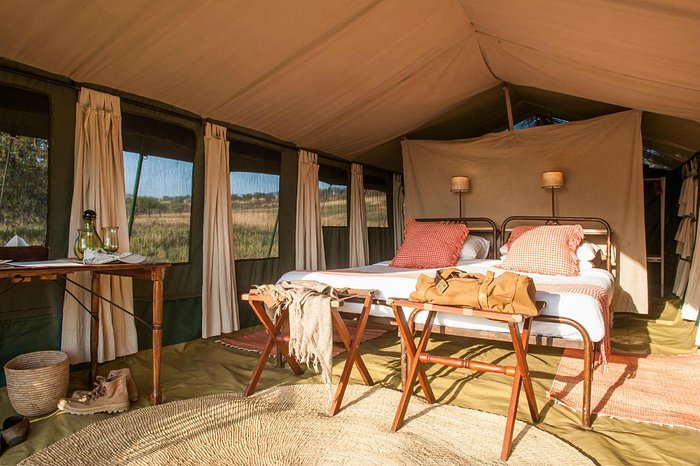
Safari From Zanzibar: Best Packages, Prices & Parks For 2026-2027
Combining a Zanzibar beach holiday with a Tanzania safari is a dream for many travelers. This guide details the best safari packages from Zanzibar, covering essential planning, park...
View package details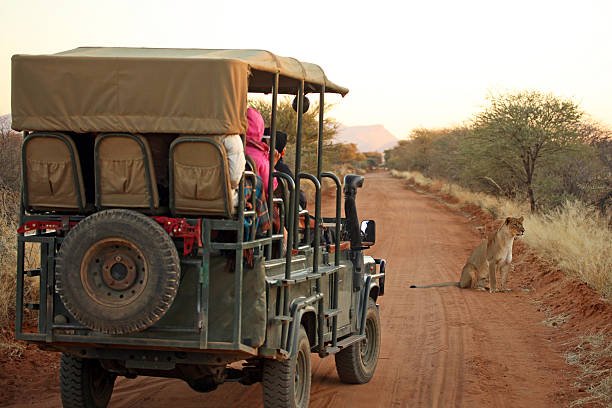
Zanzibar To Mikumi Safari: Flights, Prices And Itinerary Guide
Transition from the spice-scented beaches of Zanzibar to the wildlife-rich plains of Mikumi National Park. This guide details flight logistics, cost considerations, and sample itineraries...
View package details
Zanzibar To Nyerere Safari Packages 2026-2027
Zanzibar to Nyerere Safari Packages is explained with current 2026-2027 planning, price, itinerary and booking information.
View package detailsZanzibar To Serengeti Safari Packages 2026-2027
Zanzibar to Serengeti Safari Packages is explained with current 2026-2027 planning, price, itinerary and booking information.
View package details3-Day Safari From Zanzibar 2026-2027
3-Day Safari From Zanzibar is explained with current 2026-2027 planning, price, itinerary and booking information.
View package details
2-Day Safari From Zanzibar: Your Quick Wildlife Escape In 2026-2027
Looking for a short, impactful wildlife adventure without a long trip? A 2-day safari from Zanzibar is your perfect solution. This guide covers the best options, what to expect, and how to...
View package detailsBest Family-Friendly Resorts In Tanzania For Unforgettable Adventures
Planning a family adventure in Tanzania? This guide highlights the best family-friendly resorts offering incredible wildlife viewing, cultural experiences, and comfortable stays for all...
View package detailsWildlife And Nature Titles: Your Ultimate Guide To Tanzanias Best Experiences
This comprehensive guide explores the most sought-after wildlife and nature titles in Tanzania, from iconic safari destinations and Kilimanjaro treks to the tropical allure of Zanzibar...
View package detailsNo related package matches those filters. Clear one or more filters to see the other topic-matched options.



