
Combining a Victoria Falls visit, a Serengeti safari, and a Mount Kilimanjaro climb offers an unparalleled East African adventure, typically spanning 14-21 days and requiring careful logistical planning. Travelers can expect to experience the dramatic Mosi-oa-Tunya (The Smoke That Thunders) at Victoria Falls, witness the Great Migration or abundant wildlife in the vast Serengeti plains, and summit Africa’s highest peak, Kilimanjaro. For 2026 and 2027 departures, booking well in advance is crucial, especially for Kilimanjaro climbs, due to permit availability and to secure preferred safari dates and accommodation. This multi-faceted trip is best suited for active individuals or groups seeking a blend of natural wonders, wildlife encounters, and a significant physical challenge.
Planning Your Victoria Falls, Serengeti Safari, and Kilimanjaro Climb Combination
Embarking on a journey that links the awe-inspiring Victoria Falls, the legendary Serengeti National Park, and the formidable Mount Kilimanjaro is a dream trip for many. This trifecta represents some of East Africa’s most iconic natural and wildlife spectacles. Successfully combining these three distinct experiences requires meticulous planning, understanding the logistics, optimal timing, and the unique demands of each element. As Climb 4 Africa, we specialize in creating these comprehensive East African itineraries, ensuring a smooth transition between the thunderous cascades of the Zambezi, the endless plains teeming with wildlife, and the challenging ascent of Africa’s rooftop.
The primary considerations for such an ambitious trip are time, budget, and physical preparedness. A typical itinerary will likely span between 14 to 21 days, depending on the pace of exploration at each location and the chosen Kilimanjaro climbing route. The 2026-2027 travel window presents excellent opportunities for this adventure, though booking critical components like Kilimanjaro permits and popular safari lodges should ideally be done 6-12 months in advance. This guide breaks down each component, offering practical advice to help you craft your ultimate Victoria Falls Serengeti safari and Kilimanjaro climb adventure.
Victoria Falls: The Smoke That Thunders
Your East African adventure could begin or end with the impressive power of Victoria Falls, one of the Seven Natural Wonders of the World. Located on the border of Zambia and Zimbabwe, this colossal waterfall, known locally as Mosi-oa-Tunya, is an unforgettable sight and sound. The sheer volume of water plunging into the Batoka Gorge creates a mist that can be seen and felt from miles away, hence its evocative name.
Experiencing the Falls
The most common way to experience Victoria Falls is by walking the rainforest trails on the Zimbabwean side, offering spectacular viewpoints directly opposite the main cascades. The Zambian side offers opportunities for a closer, more exhilarating perspective, including the famous ‘Devil’s Pool’ (seasonal and on the Zambian side) and Knife-Edge Bridge. For the truly adventurous, activities like bungee jumping, gorge swinging, and white-water rafting are available, though these require careful consideration regarding safety and fitness.
Logistical Considerations
Getting to Victoria Falls typically involves flying into Livingstone (Zambia) or Victoria Falls Airport (Zimbabwe). From there, transfer to your chosen accommodation. Depending on your overall itinerary, you might fly from here to Nairobi (Kenya) or Kilimanjaro International Airport (Tanzania) to connect with your Serengeti safari and Kilimanjaro climb. This often involves at least one, sometimes two, layovers. The transition from the falls to the safari and climb needs to be factored into your overall travel days. When planning your Victoria Falls Serengeti safari and Kilimanjaro climb, allocating at least 2-3 full days at the Falls is recommended to fully appreciate its grandeur and participate in some activities.
Accommodation Options
Victoria Falls offers a range of accommodation, from luxury lodges with stunning views to more budget-friendly guesthouses. Choosing a lodge that facilitates easy access to the park entrances and activity centers is practical. Many lodges also offer their own excursions, such as sunset cruises on the Zambezi River, which provide a relaxing counterpoint to the Falls’ raw power.
Serengeti National Park: A Wildlife Spectacle
The Serengeti is synonymous with African wildlife. Its name, derived from the Maasai word ‘Siringet,’ meaning ‘endless plains,’ perfectly captures the vastness of this iconic national park. It is home to one of the greatest wildlife spectacles on Earth: the annual Great Migration, where millions of wildebeest, zebras, and gazelles traverse the plains in search of fresh grazing. Even outside of migration season, the Serengeti offers unparalleled game viewing opportunities, boasting one of the highest concentrations of predators in Africa, including lions, leopards, cheetahs, and hyenas.
Safari Styles and Experiences
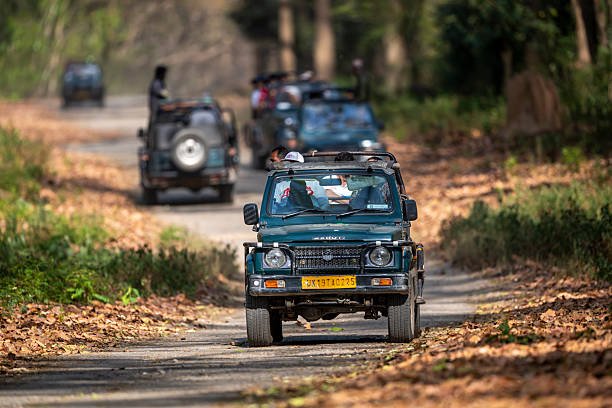
When planning your Victoria Falls Serengeti safari and Kilimanjaro climb, the Serengeti portion can be tailored to your preferences. Options range from classic game drives in open-top 4×4 vehicles to walking safaris (in specific areas) and even hot-air balloon safaris for a impressive aerial perspective at dawn. The choice of accommodation significantly impacts the safari experience. Options include:
- Luxury Tented Camps: Offering comfort and style amidst the wilderness, often with excellent guiding.
- Safari Lodges: Permanent structures providing amenities and often stunning views.
- Mobile Camps: Strategically located to follow the Great Migration, offering a more dynamic experience.
For a comprehensive Serengeti experience, consider spending 4-5 days here. This allows ample time to explore different regions of the park, increasing your chances of witnessing diverse wildlife and the migration’s movements.
Understanding the Great Migration
The Great Migration is a continuous cycle. While the exact timing can vary slightly year by year due to rainfall patterns, general movements are predictable:
- December-March: Ndutu region (southern Serengeti/Masai Mara border) for calving season.
- April-May: Western Corridor, as the herds move towards the Grumeti River.
- June-July: Grumeti River crossings and moving north towards the Mara River.
- August-October: Mara River crossings (northern Serengeti/Masai Mara border), often the most dramatic.
- November: Herds begin their southern migration back towards the plains.
Understanding these patterns is key to maximizing your safari experience in the Serengeti for your Victoria Falls Serengeti safari and Kilimanjaro climb in 2026 or 2027.
Connecting Serengeti to Kilimanjaro
After your safari, you’ll typically fly from a Serengeti airstrip (e.g., Seronera) to Kilimanjaro International Airport (JRO) or Arusha Airport. This flight is efficient and avoids a long overland journey, preserving your energy for the upcoming climb. The flight duration is usually around 1-2 hours.
Mount Kilimanjaro: Conquering Africa’s Roof
The pinnacle of your East African adventure is the ascent of Mount Kilimanjaro, the world’s tallest freestanding mountain and the highest peak in Africa at 5,895 meters (19,341 feet). Climbing Kilimanjaro is a significant physical and mental challenge, but it is achievable for most reasonably fit individuals with proper preparation and by choosing the right route and operator. It is not a technical climb, but the altitude, steepness, and duration test endurance.
Choosing the Right Route
There are several routes to the summit, each with its own characteristics in terms of difficulty, scenery, acclimatization profile, and cost. For a successful Victoria Falls Serengeti safari and Kilimanjaro climb combination, choosing a route that maximizes acclimatization is paramount. The most popular and recommended routes for their success rates and scenic beauty are:
- Machame Route: Known as the ‘Whiskey Route’ for its popularity, it’s challenging but offers excellent acclimatization and stunning scenery. It’s a 6-7 day trek.
- Lemosho Route: Similar to Machame but starts higher and offers even better acclimatization and wilderness experience, often taking 7-8 days.
- Marangu Route: The ‘Coca-Cola Route,’ it’s the oldest and most direct, featuring hut accommodation. However, its steep ascent profile leads to lower acclimatization and success rates, typically 5-6 days.
- Northern Circuit: The longest route, offering the best acclimatization and highest success rates, usually 9-10 days. Ideal if time permits.
For most travelers combining this with a safari and falls visit, the Machame or Lemosho routes over 7-8 days are excellent choices, balancing success probability with itinerary length.
Climb Duration and Success Rates
Success on Kilimanjaro is heavily influenced by acclimatization. Longer climbs (7-8 days or more) generally have higher success rates than shorter ones (5-6 days). Altitude sickness (Acute Mountain Sickness – AMS) is the primary reason for failure. Proper acclimatization means ascending slowly, allowing your body to adapt to the decreasing oxygen levels. Summit night is the most challenging part, beginning around midnight and involving a steep, cold ascent to Uhuru Peak before sunrise.
What’s Included in a Kilimanjaro Climb
A typical Kilimanjaro climb package from a reputable operator like Climb 4 Africa includes:
- Park entrance fees, camping/hut fees, and rescue fees.
- Experienced, licensed mountain guides and porters.
- All meals on the mountain (breakfast, lunch, dinner).
- Tented accommodation on the mountain (except Marangu route huts).
- Portable toilet facilities.
- Emergency oxygen and comprehensive first-aid kit.
- Transfers to and from the mountain gate.
Exclusions often include sleeping bags, trekking poles, tips for the crew, personal insurance, and visa fees.
Integrating Your Journey: Logistics and Itinerary Flow
The art of combining Victoria Falls, the Serengeti, and Kilimanjaro lies in the smooth flow between these distinct destinations. This requires careful consideration of travel times, flight connections, and rest days.
Sample Itinerary Flow (18 Days)
A possible flow for your Victoria Falls Serengeti safari and Kilimanjaro climb adventure:
- Days 1-3: Victoria Falls – Arrive, explore the falls, optional activities. Fly from Livingstone (LVI) or Victoria Falls (VFA) to Kilimanjaro International Airport (JRO) or Arusha (ARK) via Nairobi (NBO).
- Days 4-8: Serengeti Safari – Transfer to Arusha, brief rest, then fly to a Serengeti airstrip. 4-5 days of game drives and wildlife viewing. Fly from Serengeti back to Arusha.
- Day 9: Arusha/Preparation – Rest day in Arusha, final gear check, meet your climbing team.
- Days 10-17: Kilimanjaro Climb – Typically the Machame or Lemosho route (7-8 days). Summit attempt on Day 6 or 7. Descend and transfer back to Arusha.
- Day 18: Departure – Depart from Kilimanjaro International Airport (JRO).
This structure allows for a logical progression, minimizing backtracking and maximizing time for each experience. The order can be adjusted; some prefer to climb Kilimanjaro first, then relax on safari, and finish with the falls.
Travel Between Locations
Flights are the most efficient way to connect these destinations. Key flight legs include:
- Victoria Falls to Tanzania: This often involves flying from LVI/VFA to Nairobi (NBO) and then connecting to Kilimanjaro (JRO) or Arusha (ARK). This can take a significant portion of a day.
- Serengeti to Arusha: Scheduled light aircraft flights from various Serengeti airstrips to Arusha Airport (ARK) are common.
- Arusha to Kilimanjaro International Airport (JRO): A short transfer (approx. 1 hour) if your international flight departs from JRO.
Booking these flights in advance is essential, especially for 2026-2027 travel, as availability can be limited, particularly for specific Serengeti airstrips.
Rest and Acclimatization Days
Do not underestimate the importance of rest days. After long flights or strenuous activities, a day to relax and acclimatize is invaluable. For instance, spending a day in Arusha before starting your Kilimanjaro climb allows your body to adjust to the altitude (Arusha is around 1,400m) and for final preparations.
Best Time to Travel for Victoria Falls, Serengeti, and Kilimanjaro
The ideal time for your Victoria Falls Serengeti safari and Kilimanjaro climb depends on what you prioritize. Each location has optimal seasons, and finding an overlap is key.
Victoria Falls Seasons
- High Water (February-May): The Falls are at their most spectacular, with immense volumes of water. Mist can be intense, and some activities like rafting may be limited.
- Low Water (August-October): The Falls are less voluminous, allowing for clearer views of the gorge and more extensive activity options, including Devil’s Pool.
- Shoulder Seasons (June-July, November-January): Offer a good balance of water volume and activity availability.
Serengeti Safari Seasons
- Dry Season (June-October): Excellent for game viewing as animals congregate around water sources. This is also prime time for river crossings during the Great Migration.
- Wet Season (November-May): Lush landscapes, fewer crowds, and the calving season in the south (Dec-Mar). Birdwatching is excellent.
Kilimanjaro Climbing Seasons
Kilimanjaro can be climbed year-round, but the best conditions are during the dry seasons:
- January-March: Generally dry and clear, though can be very cold at the summit.
- June-October: Another dry season, often considered the best time due to clear skies and moderate temperatures.
The shoulder months (April, May, November) can be unpredictable with rain, though often less crowded and potentially cheaper.
Finding the Sweet Spot for 2026-2027
For a Victoria Falls Serengeti safari and Kilimanjaro climb, aiming for the dry seasons for both the Serengeti and Kilimanjaro is often the most practical approach. Consider:
- June-October: This period aligns well for high water at Victoria Falls (early in the period), excellent Serengeti game viewing and migration river crossings, and the best climbing conditions on Kilimanjaro. This is peak season, so book well in advance for 2026 and 2027.
- January-March: Offers good conditions for Kilimanjaro and the calving season in the Serengeti. Victoria Falls will have high water. This is a good alternative, especially if you want to see the Falls at their most powerful.
The choice depends on your priorities: witnessing the Falls at full power, seeing dramatic river crossings, or having the clearest skies for Kilimanjaro.
Fitness and Preparation for the Challenge
This combined adventure demands a good level of physical fitness, particularly for the Kilimanjaro climb. While not technically difficult, the mountain requires endurance, strength, and mental fortitude.
Kilimanjaro Fitness Regimen
Your training should focus on cardiovascular fitness and leg strength. Aim for:
- Cardio: Regular jogging, cycling, or hiking for at least 3-4 times a week, gradually increasing duration and intensity.
- Strength Training: Focus on leg exercises (squats, lunges) and core strength.
- Hiking with a Pack: The most crucial training is hiking on uneven terrain with a weighted backpack (5-10 kg). This simulates mountain conditions and helps you get used to carrying weight.
- Stair Climbing: An excellent way to build leg strength and endurance.
Start your training at least 3-4 months before your planned 2026 or 2027 climb.
Altitude Acclimatization
While physical fitness is important, it does not prevent altitude sickness. The best defense is a slow ascent, which is why choosing longer routes (7-8 days for Kilimanjaro) is highly recommended. Hydration is also critical; drink plenty of water on the mountain. Avoid alcohol and caffeine in the days leading up to and during the climb.
Mental Preparedness
Kilimanjaro is as much a mental challenge as a physical one. The summit night, in particular, requires pushing through discomfort, cold, and fatigue. Positive self-talk, focusing on one step at a time (‘pole pole’ in Swahili), and trusting your guides are vital. Your guides are trained to monitor your health and make critical decisions regarding your ascent.
Health and Vaccinations
Consult your doctor or a travel clinic well in advance of your trip regarding necessary vaccinations (e.g., Yellow Fever, Hepatitis A/B, Typhoid) and malaria prophylaxis. Ensure your travel insurance covers high-altitude trekking and emergency medical evacuation.
Choosing Your Tour Operator: Why Local Expertise Matters
Selecting the right tour operator is arguably the most critical decision for your Victoria Falls Serengeti safari and Kilimanjaro climb. For a trip of this complexity, local knowledge and operational expertise are invaluable.
Benefits of a Local Operator
Climb 4 Africa is a Tanzania-based company with deep roots and extensive experience in organizing Kilimanjaro climbs and safaris. Choosing a local operator like us offers significant advantages:
- In-depth Knowledge: We understand the nuances of Kilimanjaro’s routes, the best safari guides and camps, and the most efficient logistics within Tanzania and neighboring countries.
- Cost-Effectiveness: By cutting out multiple intermediaries, local operators can often offer more competitive pricing without compromising on quality or safety.
- Direct Support: You have direct access to our team for planning and support, with immediate answers to your questions.
- Local Partnerships: We work with trusted local suppliers, ensuring high standards for guides, porters, vehicles, and accommodation.
- Community Impact: Supporting a local business contributes directly to the Tanzanian economy and communities.
What to Look For in an Operator
When comparing operators for your Victoria Falls Serengeti safari and Kilimanjaro climb, consider:
- Safety Record: Especially crucial for Kilimanjaro. Look for operators with robust safety protocols, emergency oxygen, and experienced guides.
- Crew Welfare: Fair wages and proper treatment for guides and porters are essential. Reputable operators are transparent about this.
- Inclusions: Clearly understand what is and isn’t included in the price (e.g., park fees, crew tips, gear rental).
- Itinerary Flexibility: Can they customize the trip to your needs and preferences?
- Reviews and Reputation: Check independent reviews on platforms like TripAdvisor.
Climb 4 Africa is committed to providing exceptional service, safety, and value for your Victoria Falls Serengeti safari and Kilimanjaro climb adventure in 2026 or 2027. We handle all the complex logistics, allowing you to focus on the experience.
Booking Your Victoria Falls Serengeti Safari and Kilimanjaro Climb for 2026-2027
Securing your dream adventure requires timely booking, especially for popular times and specific components like Kilimanjaro permits. Early planning for 2026 and 2027 is highly recommended.
When to Book
For the best availability and to ensure permits for Kilimanjaro, we advise booking at least 6-12 months in advance. This is particularly important if you are:
- Traveling during peak seasons (June-October).
- Requesting specific Kilimanjaro routes or dates.
- Seeking accommodation in high-demand safari camps or lodges.
- Traveling with a group or requiring private arrangements.
Deposit and Payment Schedule
Typically, operators require a deposit (often 20-30%) upon booking to secure your trip and Kilimanjaro permits. The remaining balance is usually due 60-90 days before your departure date. Clear payment terms should be provided by your chosen operator.
What to Discuss with Your Operator
When you contact Climb 4 Africa to plan your Victoria Falls Serengeti safari and Kilimanjaro climb, please be ready to discuss:
- Your preferred travel dates and flexibility for 2026-2027.
- The approximate number of travelers in your group.
- Your preferred Kilimanjaro route and duration.
- Your desired safari style (e.g., luxury, mid-range, mobile camping).
- Any specific interests (e.g., birdwatching, photography, Great Migration focus).
- Your fitness level and any health considerations.
We can then craft a tailor-made itinerary that perfectly matches your aspirations and budget. Our team is dedicated to ensuring your Victoria Falls Serengeti safari and Kilimanjaro climb is an unforgettable experience. For personalized planning and to start booking your 2026 or 2027 adventure, please reach out to us.
Get in Touch for Your Custom Itinerary
Ready to plan your ultimate East African adventure combining Victoria Falls, a Serengeti safari, and a Kilimanjaro climb for 2026 or 2027? Contact Climb 4 Africa today. We offer expert local support to craft a smooth and unforgettable journey. Discuss your dream itinerary, get personalized advice, and secure your booking.
WhatsApp: +255 747 477 898
Email: climb4africa@gmail.com
Let us help you make your Victoria Falls Serengeti safari and Kilimanjaro climb a reality.
Frequently Asked Questions
Q1: How many days are realistically needed for Victoria Falls, Serengeti, and Kilimanjaro?
A: A comprehensive trip typically requires 14 to 21 days. This allows for 2-3 days at Victoria Falls, 4-5 days for a Serengeti safari, 1-2 days for travel and preparation in Arusha, and 7-8 days for a standard Kilimanjaro climb (e.g., Machame or Lemosho route). Shorter durations are possible but would mean significantly less time at each location or choosing a shorter Kilimanjaro route, which impacts success rates.
Q2: Is it possible to do the Serengeti safari and Kilimanjaro climb in a shorter timeframe?
A: Yes, it’s possible to combine a Serengeti safari and Kilimanjaro climb in around 10-12 days if you prioritize the two main experiences and keep travel efficient. However, this would likely mean a shorter safari (2-3 days) and a shorter Kilimanjaro climb (5-6 days), potentially reducing wildlife viewing opportunities and Kilimanjaro success rates. Adding Victoria Falls significantly extends the minimum duration. For 2026-2027, planning for at least 14 days is advised for a balanced experience.
Q3: What is the most challenging aspect of this combined trip?
A: The Kilimanjaro climb is by far the most physically and mentally demanding part of this trip due to the altitude and sustained effort. The Serengeti safari requires patience and early mornings, while Victoria Falls can involve extensive walking and potentially adventurous activities. Proper physical preparation for Kilimanjaro is essential.
Q4: Can I combine these in different orders?
A: Absolutely. The order can be varied based on your preferences and flight availability. Common sequences include: Falls -> Safari -> Climb; Climb -> Safari -> Falls; or Safari -> Climb -> Falls. Each has its own flow and benefits. For example, climbing Kilimanjaro first means you can then relax and enjoy the wildlife and natural wonders.
Q5: What are the typical costs for a Victoria Falls, Serengeti, and Kilimanjaro trip?
A: This is a multi-faceted trip, and costs vary widely based on accommodation choices, safari duration, Kilimanjaro route, and operator. Generally, expect costs to range from $4,000 to $10,000+ per person. Kilimanjaro climbs alone can range from $1,500 to $4,000+, safaris from $200-$600+ per day per person, and Victoria Falls activities add to the total. Booking with a local operator like Climb 4 Africa for the Tanzania components (Serengeti and Kilimanjaro) can offer better value.
Q6: What should I pack for this diverse trip?
A: Packing requires versatility. For Victoria Falls, light clothing, swimwear, and comfortable walking shoes are key. For the Serengeti, neutral-colored safari clothing, a hat, sunglasses, and insect repellent are essential. For Kilimanjaro, layered, waterproof, and windproof clothing is critical, including thermal base layers, fleece, a down jacket, waterproof trousers, sturdy hiking boots, a warm hat, gloves, and a good sleeping bag. We provide detailed packing lists tailored to your specific itinerary.
Check Availability for Victoria Falls Serengeti Safari & Kilimanjaro Climb: Your Ultimate East
Ready to compare dates, prices, and the best option for your group? Send the package name and travel month so the team can reply with a clear quote, availability, and what is included.
Tanzania Safari Tours & Packages /: Your Ultimate Wildlife Adventure 2026-2027
Discover the magic of Tanzania with expertly crafted safari tours and packages for 2026 and 2027. From the vast plains of the Serengeti to the depths of the Ngorongoro Crater, find your...
View package detailsWildlife And Nature Titles: Your Ultimate Guide To Tanzanias Best Experiences
This comprehensive guide explores the most sought-after wildlife and nature titles in Tanzania, from iconic safari destinations and Kilimanjaro treks to the tropical allure of Zanzibar...
View package details
Serengeti Safari Tours: Prices, Packages & Best Time To Visit In 2026-2027
Discover everything you need to know for planning your Serengeti safari tour, from understanding pricing and package variations to identifying the ideal travel times in 2026-2027. This...
View package details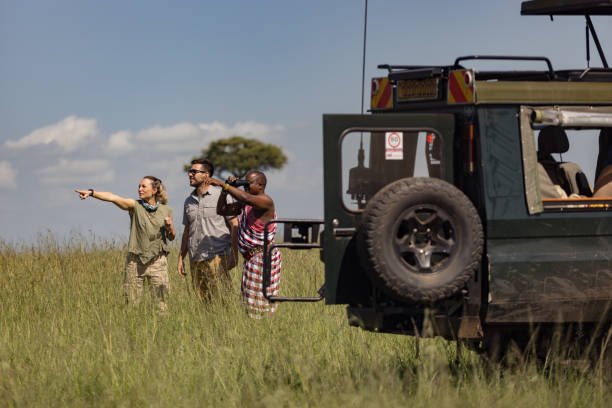
3-Day Serengeti And Ngorongoro Safari: Your Ultimate Tanzania Wildlife
start a concise yet unforgettable 3-day Serengeti and Ngorongoro safari, designed to maximize wildlife encounters in Tanzania's most celebrated parks. This compact adventure offers a taste...
View package details
Serengeti Safari And Zanzibar Beach Holiday: The Ultimate Tanzania
Combine the thrill of a Serengeti safari with the relaxation of a Zanzibar beach holiday. This guide covers everything you need to know for an unforgettable Tanzania adventure in 2026-2027...
View package details
Zanzibar To Serengeti Safari Packages 2026-2027
Zanzibar to Serengeti Safari Packages is explained with current 2026-2027 planning, price, itinerary and booking information.
View package details
South Africa Safari Tours & Vacation Packages | Climb 4 2026-2027
Discover the ultimate South Africa safari experience with tailored tour and vacation packages for 2026-2027. From iconic Kruger National Park to exclusive private reserves, find detailed...
View package details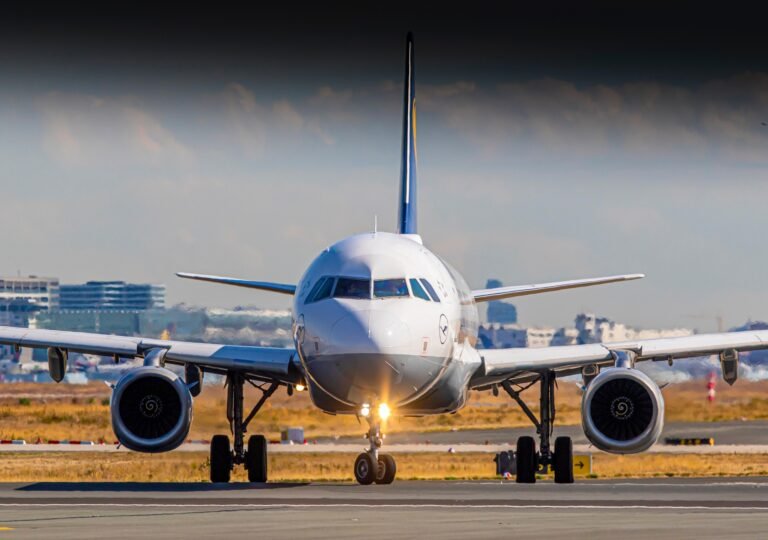
Serengeti Great Migration Safari Packages: Your Guide To Witnessing The Wonder
start an unforgettable journey with our comprehensive guide to Serengeti Great Migration safari packages for 2026-2027. Understand the best times to go, optimal viewing locations, and how...
View package details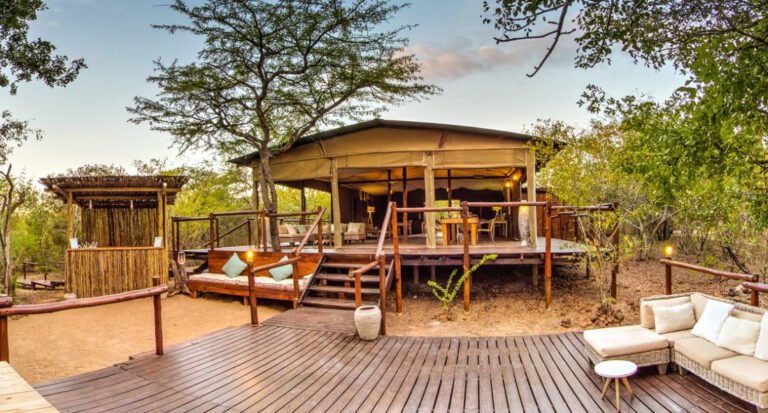
7-Day Tanzania Safari: Serengeti, Ngorongoro, And Tarangire In 2026-2027
A comprehensive guide to a 7-day Tanzania safari adventure, focusing on the iconic Serengeti National Park, the Ngorongoro Crater, and Tarangire National Park. Learn about optimal...
View package detailsKilimanjaro Routes: 15 Strongest Worldwide Search Potential For Climbs
Planning a Kilimanjaro climb? This guide details the 15 routes with the highest search interest worldwide for 2026-2027, helping you choose the best path for your adventure. We cover...
View package detailsBest Wildlife Photography Destinations For Safaris | Climb 4 Africa 2026-2027
Planning a safari for incredible wildlife photography in 2026 or 2027? Tanzania offers unparalleled opportunities. This guide details the top destinations, essential gear, timing, and how...
View package details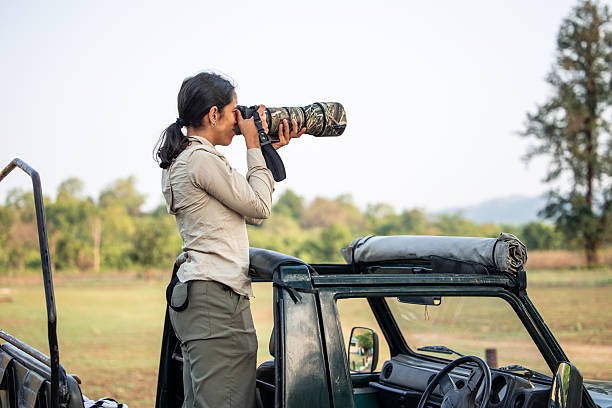
All-Inclusive African Safari Vacations Guide
start an all-inclusive African safari vacation in Tanzania, a premier destination for wildlife viewing in 2026-2027. This comprehensive guide covers everything from iconic parks like the...
View package detailsNo related package matches those filters. Clear one or more filters to see the other topic-matched options.



