A Nairobi to Tanzania safari, typically focusing on the Serengeti and Ngorongoro Crater, usually spans 7 to 10 days, starting with transport from Nairobi, Kenya, into Tanzania, then proceeding to these world-renowned wildlife areas for game drives and exploration, returning to Nairobi or another departure point. Planning for 2026-2027 involves choosing between overland or flight options from Nairobi, selecting the optimal safari length, and booking accommodations and guides well in advance, especially for peak seasons.
Your Journey Begins: Nairobi to Tanzania Safari Essentials
Embarking on a safari from Nairobi to the legendary plains of Tanzania, specifically targeting the Serengeti and the Ngorongoro Crater, is a classic East African adventure. This route offers unparalleled wildlife viewing opportunities, from the vast savannas teeming with the Great Migration to the unique ecosystem within the caldera of the Ngorongoro. As a local expert operator, we understand the nuances of this journey, the best times to travel, and how to craft an itinerary that maximizes your wildlife encounters while ensuring comfort and practicality. Whether you are planning for 2026 or 2027, the fundamental elements of this safari remain consistent, though booking timelines and availability will be key considerations.
This guide is designed to walk you through everything you need to know to plan your Nairobi to Tanzania safari with Serengeti and Ngorongoro itinerary. We’ll cover typical trip durations, how to get from Nairobi to Tanzania, what to expect in each park, and crucial planning advice for your 2026-2027 adventure.
Classic Nairobi to Tanzania Safari: Serengeti & Ngorongoro Overview
When people talk about a Nairobi to Tanzania safari with Serengeti and Ngorongoro itinerary, they are typically envisioning a journey that starts in Kenya’s vibrant capital and crosses the border to explore Tanzania’s most celebrated wildlife destinations. This is a popular and logistically sound way to experience the Northern Circuit of Tanzania. The core of this safari is the Serengeti, famous for its endless plains and the Great Migration, and the Ngorongoro Crater, a unique caldera supporting an incredible density of wildlife.
A standard itinerary often involves:
- Day 1: Arrive in Nairobi, overnight or begin transfer to Tanzania.
- Day 2: Travel from Nairobi to Arusha (Tanzania’s safari gateway city) or directly to your first park.
- Days 3-5/6: Serengeti National Park. This allows ample time for game drives, potentially following the migration, and experiencing different sectors of this vast park.
- Days 6/7-7/8: Ngorongoro Conservation Area. Descend into the crater for a full day of game viewing.
- Day 8/9: Transfer back to Arusha or Nairobi, depending on your onward travel plans.
- Day 9/10: Departure.
The exact duration can be flexible. A shorter trip might condense time in the Serengeti, while a longer one could incorporate other nearby parks like Tarangire or Lake Manyara, or even extend your stay in the Serengeti. For 2026-2027, understanding these core components helps in tailoring the trip to your interests and available time.
Getting from Nairobi to Tanzania: Overland vs. Flying
The transition from Nairobi to the Tanzanian safari circuit is a critical logistical step. Travelers typically have two main options: overland travel or flying. Each has its own advantages, disadvantages, and cost implications, which are important to consider when planning your Nairobi to Tanzania safari with Serengeti and Ngorongoro itinerary for 2026 or 2027.
Overland Travel (Road Transfer)
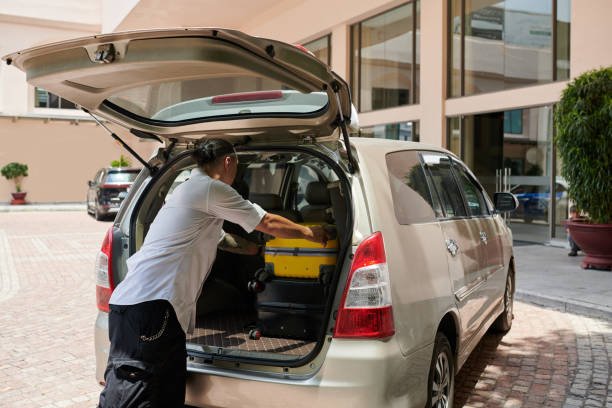
This is the most common and often the most budget-friendly method. It involves a road journey from Nairobi to Arusha, Tanzania’s primary safari hub. The border crossing at Namanga is generally straightforward, though it can sometimes involve delays.
- Typical Route: Nairobi → Namanga Border Post → Arusha.
- Duration: The drive from Nairobi to Arusha typically takes 5-7 hours, depending on traffic, road conditions, and the time spent at the border.
- Pros:
- Cost-effective: Generally cheaper than flying.
- Scenery: You get to see the changing landscapes between Kenya and Tanzania.
- Flexibility: Can be integrated directly into your safari vehicle if arranged.
- Cons:
- Time-consuming: Takes up a significant portion of a travel day.
- Comfort: Road conditions can vary, and the journey can be tiring.
- Border Delays: Can sometimes experience long waits at immigration.
When booking your safari, clarify whether this transfer is included in your package. Often, operators will arrange a private vehicle and driver for this leg, making it more comfortable than a public bus. For 2026-2027, ensure your chosen operator has reliable transport arrangements for this segment.
Flying
For those prioritizing time and comfort, flying from Nairobi to Kilimanjaro International Airport (JRO) near Arusha is a viable option.
- Airlines: Several regional airlines operate this route.
- Duration: Flight time is approximately 1-1.5 hours.
- Pros:
- Time-saving: Frees up more time for your actual safari.
- Comfort: More comfortable than a long road journey.
- Convenience: Reduces the hassle of border crossings.
- Cons:
- Cost: Significantly more expensive than overland travel.
- Baggage Restrictions: Aircraft have stricter weight and size limits for luggage.
If you opt to fly, factor in the time and cost of getting to Nairobi’s Wilson Airport (for domestic/regional flights) and the transfer from Kilimanjaro Airport to your Arusha accommodation or directly to the start of your safari. This is an important decision point for your Nairobi to Tanzania safari with Serengeti and Ngorongoro itinerary, especially when budgeting for 2026-2027.
Visa and Border Considerations
Ensure you have the necessary visas for Tanzania. Most nationalities can obtain a visa upon arrival at the border or airport, but it’s advisable to check the latest requirements for your nationality well in advance of your 2026-2027 travel dates. Keep your passport, yellow fever certificate (if required), and any other necessary travel documents readily accessible during the border crossing.
Serengeti National Park: The Heart of the Wild
The Serengeti is the undisputed crown jewel of Tanzanian safaris and a must-visit for any Nairobi to Tanzania safari with Serengeti and Ngorongoro itinerary. Its name, derived from the Maasai word ‘Siringet’ meaning ‘endless plains,’ perfectly captures the essence of this vast ecosystem.
Key Features and Wildlife:
- Size: Over 14,750 square kilometers (5,700 sq mi) of rolling grasslands, acacia woodlands, and riverine forests.
- The Great Migration: This is perhaps the Serengeti’s most famous spectacle. Over 1.5 million wildebeest, along with hundreds of thousands of zebras and gazelles, migrate in a circular pattern across the plains in search of fresh grazing and water. The timing and location of the migration vary throughout the year, making it a dynamic and thrilling experience. For 2026-2027, understanding the migration’s likely movements is key to planning your visit.
- Predators: The Serengeti is home to one of the highest concentrations of predators in Africa, including lions, leopards, cheetahs, hyenas, and wild dogs. The sheer abundance of prey supports these large populations.
- Big Cats: It is renowned for its lion prides, elusive leopards often found in trees, and cheetahs that hunt on the open plains.
- Birdlife: With over 500 recorded bird species, it’s a paradise for birdwatchers.
What to Expect During Your Visit:
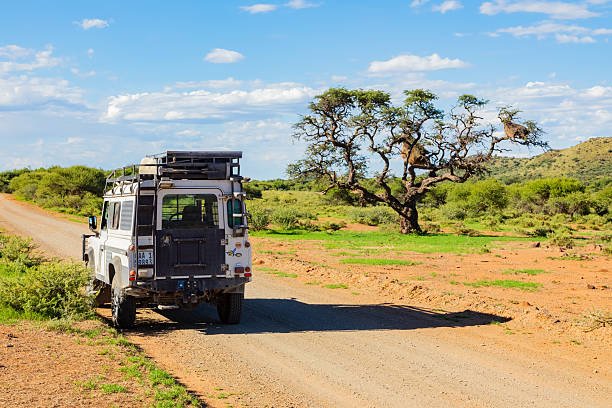
Game drives in the Serengeti are typically conducted in custom-built 4×4 safari vehicles, usually with pop-up roofs for optimal viewing and photography. Your experienced guide will be adept at spotting wildlife, understanding animal behavior, and navigating the park’s extensive network of tracks.
The Serengeti is divided into several regions, each offering a slightly different experience:
- Central Serengeti (Seronera Valley): Known for its year-round resident wildlife, including large lion prides and leopards. It’s a good choice if your visit doesn’t coincide with the main migration herds.
- Northern Serengeti (Kogatende/Lamai): This area is famous for river crossings during the migration (typically June to October), where wildebeest and zebras brave the Mara River.
- Western Serengeti: Offers a more remote feel and is particularly good for viewing the migration as it moves through the Grumeti River (around May-July).
- Southern Serengeti (Ndutu/Lobo): This is where the wildebeest herds typically calve (December to March), creating incredible predator-prey action.
When planning your Nairobi to Tanzania safari with Serengeti and Ngorongoro itinerary for 2026-2027, your guide or tour operator will help you choose the best region to focus on based on the expected migration patterns and your interests.
Ngorongoro Conservation Area: A Natural Amphitheatre of Wildlife
Often referred to as the ‘Eighth Wonder of the World,’ the Ngorongoro Crater is a UNESCO World Heritage Site and a truly unique wildlife destination that complements the Serengeti perfectly. It’s a massive, intact volcanic caldera, offering a concentrated wildlife experience.
Key Features and Wildlife:
- The Crater Floor: Approximately 260 square kilometers (100 sq mi) in size, the crater floor is a diverse landscape featuring grasslands, swamps, forests, and a soda lake.
- High Wildlife Density: The Ngorongoro Crater boasts an astonishing density of animals, with an estimated 25,000 large mammals living within its confines.
- The Big Five: It is one of the best places in Tanzania to see the ‘Big Five’ – lion, leopard, elephant, rhino, and buffalo – in a single day. The black rhinoceros is particularly a star attraction here.
- Birdlife: The soda lake attracts flamingos, and various water birds are common.
- Maasai Culture: The wider Ngorongoro Conservation Area (NCA) also encompasses Maasai villages, allowing for cultural interactions if desired.
What to Expect During Your Visit:
A typical visit involves descending into the crater for a game drive. The access road winds down the crater rim, offering spectacular panoramic views before you reach the floor. Game drives here are highly productive due to the high concentration of animals and the relatively compact area.
Important Considerations for Ngorongoro:
- Crater Fees: The NCA charges daily conservation fees and vehicle fees, in addition to the daily park entry fees for visitors. These fees are significant and contribute to the conservation efforts.
- Time Limits: Visitors are typically limited to a maximum of six hours on the crater floor to minimize human impact.
- Picnic Sites: Designated picnic sites are available for lunch breaks.
- No Off-Road Driving: Driving is restricted to designated tracks.
- Accommodation: Lodges and camps are situated on the crater rim or just outside the conservation area. Staying on the rim offers stunning views but is often more expensive.
When planning your Nairobi to Tanzania safari with Serengeti and Ngorongoro itinerary, the Ngorongoro Crater offers a dramatic contrast to the open plains of the Serengeti, providing a concentrated and unforgettable wildlife experience.
Sample Nairobi to Tanzania Safari Itineraries (7-10 Days)
To help you visualize the trip, here are a couple of sample itineraries. These are flexible and can be customized based on your preferences, budget, and the specific time of year you plan to travel in 2026 or 2027.
Sample Itinerary 1: 7-Day Nairobi to Tanzania Safari (Focus on Serengeti & Ngorongoro)
This itinerary prioritizes the two main highlights and minimizes travel time.
- Day 1: Nairobi to Arusha. Transfer from Nairobi to Arusha via road (approx. 6 hours including border crossing). Overnight in Arusha.
- Day 2: Arusha to Serengeti National Park. Drive to Serengeti (approx. 6-8 hours) or take a short flight from Arusha Airport to a Serengeti airstrip. Afternoon game drive. Overnight in Central Serengeti.
- Day 3: Serengeti National Park. Full day of game drives in Central Serengeti, focusing on predator sightings. Overnight in Central Serengeti.
- Day 4: Serengeti National Park. Morning game drive, then transfer to a different region of Serengeti (e.g., North or West, depending on migration). Afternoon game drive. Overnight in the chosen Serengeti region.
- Day 5: Serengeti National Park. Full day game drives in the new Serengeti region. Overnight in the chosen Serengeti region.
- Day 6: Serengeti to Ngorongoro Crater. Morning game drive in Serengeti, then drive towards the Ngorongoro Conservation Area. Descend into the crater for an afternoon game drive. Overnight on the crater rim or nearby.
- Day 7: Ngorongoro to Arusha & Departure. Morning at leisure or short activity, then drive back to Arusha. Transfer to Kilimanjaro Airport (JRO) for your onward flight or to Nairobi if required.
Note: This itinerary assumes an overland transfer from Nairobi. If flying from Nairobi to JRO, Day 1 would be arrival in Arusha and Day 2 would be the start of the safari proper.
Sample Itinerary 2: 10-Day Nairobi to Tanzania Safari (Serengeti, Ngorongoro & Tarangire)
This option adds Tarangire National Park, known for its large elephant herds and baobab trees, offering more diversity.
- Day 1: Nairobi to Arusha. Overland transfer from Nairobi to Arusha. Overnight in Arusha.
- Day 2: Arusha to Tarangire National Park. Drive to Tarangire (approx. 2-3 hours). Full day game drive. Overnight in Tarangire or nearby Karatu.
- Day 3: Tarangire to Serengeti National Park. Morning game drive in Tarangire, then drive to Serengeti (approx. 4-6 hours). Afternoon game drive. Overnight in Central Serengeti.
- Day 4: Serengeti National Park. Full day game drives in Central Serengeti. Overnight in Central Serengeti.
- Day 5: Serengeti National Park. Morning game drive, then transfer to a different region of Serengeti (e.g., North for river crossings if in season). Afternoon game drive. Overnight in the chosen Serengeti region.
- Day 6: Serengeti National Park. Full day game drives in the new Serengeti region. Overnight in the chosen Serengeti region.
- Day 7: Serengeti to Ngorongoro Conservation Area. Morning game drive in Serengeti, then drive towards Ngorongoro. Optional visit to Olduvai Gorge. Overnight on the crater rim or Karatu.
- Day 8: Ngorongoro Crater Tour. Full day game drive descending into the Ngorongoro Crater. Overnight on the crater rim or Karatu.
- Day 9: Ngorongoro to Arusha. Drive back to Arusha. Optional visit to a local market or cultural site. Overnight in Arusha.
- Day 10: Arusha & Departure. Transfer to Kilimanjaro Airport (JRO) for departure, or back to Nairobi if needed.
Note: For 2026-2027 travel, consider flying into Serengeti on Day 2 to maximize time if budget allows. The choice of Serengeti region in Days 5-6 is critical and depends heavily on the time of year.
These are just templates. A Nairobi to Tanzania safari with Serengeti and Ngorongoro itinerary can be as short as 5 days (requiring flying between locations) or extended to 14 days or more to include other parks like Lake Manyara, or even combine with a Kilimanjaro climb or Zanzibar beach holiday.
When is the Best Time to Visit for a Nairobi to Tanzania Safari?
The ‘best’ time for your Nairobi to Tanzania safari with Serengeti and Ngorongoro itinerary largely depends on what you want to see and experience, especially concerning the Great Migration. However, the dry seasons generally offer the most predictable wildlife viewing.
- Dry Season (June to October): This is widely considered the peak season for Tanzania safaris. The weather is generally sunny and dry, making wildlife viewing easier as animals congregate around water sources. The Great Migration is typically in the Northern Serengeti, with dramatic river crossings possible from July to October. The Ngorongoro Crater offers excellent game viewing year-round due to its resident population. This is a popular time for 2026-2027 travel, so booking well in advance is crucial.
- Short Rains (November to December): The landscape turns greener, and the migratory herds move south into the Serengeti’s short-grass plains. This is a beautiful time with fewer crowds and often lower prices than the peak dry season.
- Long Rains (March to May): This is the low season. The landscape is lush and green, and it’s the calving season for the wildebeest in the Southern Serengeti (around February). While you can witness incredible predator-prey action, heavy rains can make some roads impassable, and wildlife viewing can be more challenging. However, it’s the most budget-friendly time to travel and offers a more exclusive experience.
Specific Considerations for 2026-2027:
- Great Migration: If witnessing the river crossings is a priority, aim for July-October and focus on the Northern Serengeti. If you want to see the calving season, plan for February and focus on the Southern Serengeti (Ndutu area).
- Ngorongoro Crater: Game viewing is excellent year-round, but the dry season (June-October) often means animals are more concentrated and easier to spot.
- Crowds and Prices: Peak season (June-October, and December-January) will be busier and more expensive. Shoulder seasons (May, November) offer a good balance of weather, wildlife, and value.
When discussing your travel dates for 2026 or 2027 with your safari planner, be sure to mention any specific wildlife events you hope to witness.
Accommodation Choices: From Tented Camps to Lodges
Your accommodation significantly impacts the safari experience, and for a Nairobi to Tanzania safari with Serengeti and Ngorongoro itinerary, you’ll find a range of options to suit different budgets and preferences. These choices are key to balancing comfort, immersion, and cost for your 2026-2027 trip.
Lodges
These are permanent structures, often built with local materials, offering comfortable rooms, en-suite bathrooms, and amenities like restaurants, bars, and sometimes swimming pools. They provide a solid base for exploring the parks.
- Pros: Comfortable, good amenities, often with stunning views, secure.
- Cons: Can feel less ‘wild’ than tented camps, often larger and more commercial.
- Examples: Serena Lodges, Sopa Lodges, and various independent lodges.
Tented Camps
These range from basic canvas tents to luxurious ‘glamping’ experiences. They offer a more intimate connection with nature.
- Luxury Tented Camps: Feature spacious canvas tents with proper beds, en-suite bathrooms with flushing toilets and hot showers, electricity, and fine dining. They offer the comfort of a lodge with the feeling of being closer to the wilderness.
- Mid-Range Tented Camps: Offer comfortable tents with beds, shared or private bathrooms (often with bucket showers), and basic amenities.
- Budget Tented Camps: Simpler tents with basic bedding, often with shared ablutions.
Pros: More in-depth experience, closer to nature, often smaller and more exclusive. Luxury camps offer high comfort levels.
Mobile Camps (Seasonal Camps)
These camps are set up specifically to follow the Great Migration. They are moved periodically to be in the prime locations for wildlife viewing. They offer a highly exclusive and intimate experience, often with excellent guiding.
- Pros: Prime locations, excellent for migration viewing, exclusive and intimate.
- Cons: Can be more expensive, limited amenities compared to permanent lodges.
Factors to Consider for 2026-2027:
- Budget: Luxury lodges and high-end tented camps will be the most expensive. Mid-range and budget options offer more affordable choices.
- Location: For the Serengeti, consider camps in the Central, Northern, or Southern sectors depending on the migration. For Ngorongoro, lodges on the rim offer views but are pricier; options in Karatu are more affordable.
- Experience: Do you prefer the amenities of a lodge or the wilder feel of a tented camp?
- Noise: If you’re a light sleeper, a lodge might be better than a tented camp.
When planning your Nairobi to Tanzania safari with Serengeti and Ngorongoro itinerary, discussing your accommodation preferences with your tour operator is vital for a well-rounded experience.
What to Pack for Your Tanzania Safari
Packing smart is crucial for a comfortable and enjoyable Nairobi to Tanzania safari with Serengeti and Ngorongoro itinerary. The key is to pack light, practical, and in neutral colors. Remember that most safari vehicles have limited luggage space, especially if you’re flying between locations.
Clothing
- Neutral-colored clothing: Khaki, beige, olive green, brown. Avoid bright colors (which can scare animals) and dark colors like navy or black (which can attract tsetse flies).
- Lightweight long-sleeved shirts and trousers: For sun protection and to ward off insects, especially in the evenings.
- T-shirts and shorts: For warmer daytime temperatures.
- Fleece or warm jacket: Evenings and early mornings can be cool, especially on the crater rim or in higher altitudes.
- Rain jacket or poncho: Particularly important during the rainy seasons (March-May, November-December).
- Swimsuit: For lodges with pools.
Footwear
- Comfortable walking shoes or hiking boots: For any optional walking safaris or exploring around camps/lodges.
- Sandals or flip-flops: For relaxing in the evenings.
Accessories
- Wide-brimmed hat: Essential for sun protection.
- Sunglasses: Polarized lenses are best for reducing glare.
- Sunscreen: High SPF.
- Insect repellent: Containing DEET.
- Binoculars: Crucial for spotting wildlife at a distance. Consider bringing your own as rentals can be hit-or-miss.
- Camera: With extra batteries, memory cards, and a zoom lens.
- Power bank/adapter: For charging electronics. Most safari vehicles have USB ports or 12V sockets.
- Headlamp or small flashlight: Useful for navigating around camps at night.
- Personal first-aid kit: With any personal medications, pain relievers, antiseptic wipes, etc.
- Hand sanitizer: For use when handwashing facilities aren’t available.
- Reusable water bottle: Many lodges and camps offer filtered water for refills.
- Travel adapter: Tanzania uses Type G (UK style) sockets.
Documents & Money
- Passport and Visas: Ensure they are valid for at least six months beyond your stay.
- Flight tickets and itinerary.
- Vaccination certificates (e.g., Yellow Fever if required).
- Credit cards and some US Dollars cash: For tips, souvenirs, and drinks not included in your package.
Luggage Restrictions:
If flying between locations within Tanzania (e.g., Arusha to Serengeti), most light aircraft have a strict weight limit of 15 kg (33 lbs) per person, usually in a soft-sided duffel bag. Hard suitcases are generally not permitted on these flights.
For your 2026-2027 safari, pack efficiently to ensure a smooth transition between different modes of transport and locations.
Safari Logistics: Vehicles, Guides, and Park Fees
Understanding the operational aspects of your safari is key to a hassle-free experience. For a Nairobi to Tanzania safari with Serengeti and Ngorongoro itinerary, these elements are fundamental.
Safari Vehicles
The standard safari vehicle in Tanzania is a customized 4×4 Land Cruiser or Land Rover. These vehicles are chosen for their durability, ability to navigate rough terrain, and comfort.
- Pop-up Roof: Essential for optimal game viewing and photography, allowing you to stand up and get unobstructed views.
- Comfort: Usually equipped with comfortable seating, ample legroom, and often charging ports.
- Fridge: Many vehicles carry a cooler box for drinks and snacks.
- Window Seats: Ensure your booking guarantees a window seat for everyone, as this is standard practice for a good viewing experience.
For group tours, you’ll typically share a vehicle with a maximum of 6-7 passengers to ensure everyone has a good view. Private tours offer more flexibility and can be tailored to your group size.
Safari Guides
Your guide is your gateway to the wildlife and the ecosystem. A good guide can significantly enhance your safari.
- Expertise: Look for guides who are knowledgeable about animal behavior, tracks, plants, and local culture. They should be able to answer your questions and make your safari both educational and exciting.
- Language: Most guides in Tanzania speak excellent English. Some operators may offer guides in other languages upon request.
- Experience: Guides operating between Kenya and Tanzania are accustomed to the border crossings and the logistics involved.
For 2026-2027, ensure your operator employs professional, licensed guides who are passionate about conservation and wildlife.
Park and Conservation Fees
These fees are a significant portion of the safari cost and are non-negotiable. They are set by the Tanzanian government and national park authorities.
- Serengeti National Park: Per-person, per-day entry fees.
- Ngorongoro Conservation Area: Per-person, per-day conservation fees, plus vehicle fees and crater service fees.
- Other Parks (Tarangire, Lake Manyara): Similar per-person, per-day fees.
These fees typically contribute to wildlife conservation, anti-poaching efforts, infrastructure development, and local community projects. When comparing safari quotes for 2026-2027, always check if these fees are included. Reputable operators will clearly list them.
Booking Details to Confirm:
Before finalizing any booking for your Nairobi to Tanzania safari with Serengeti and Ngorongoro itinerary:
- Vehicle Type: Confirm it’s a 4×4 Land Cruiser/Land Rover with a pop-up roof.
- Number of Passengers: Ensure it’s a small group (max 7) or a private tour.
- Guide Qualifications: Inquire about the experience of their guides.
- Inclusions: Clearly understand what park fees, meals, accommodation, and transfers are included.
- Exclusions: Know what you need to pay for separately (e.g., tips, drinks, souvenirs, visa).
Climb 4 Africa prioritizes well-maintained vehicles and experienced, local guides to ensure your safari is safe, enjoyable, and maximizes wildlife encounters.
Budgeting for Your Nairobi to Tanzania Safari
Understanding the costs involved in a Nairobi to Tanzania safari with Serengeti and Ngorongoro itinerary is crucial for planning your 2026-2027 trip. Safari costs can vary significantly based on accommodation level, group size, duration, and time of year.
Here’s a breakdown of the main cost components:
Park Fees and Conservation Charges
As mentioned, these are fixed by the government and form a substantial part of the budget. For 2026-2027, expect these fees to remain high, as they are essential for conservation.
- Serengeti: Around $70-80 USD per person per day.
- Ngorongoro Crater: Around $70-80 USD per person per day (conservation fee) + $300-400 USD per vehicle for crater entry + $10 per person for crater service fee.
These are estimates and subject to change. Always confirm current rates for your travel year.
Accommodation Costs
This is where the biggest variation in price occurs.
- Budget: Basic tented camps with shared facilities, public campsites ($100-$200 USD per person per night).
- Mid-Range: Comfortable tented camps or lodges with en-suite bathrooms ($250-$450 USD per person per night).
- Luxury: High-end lodges and exclusive tented camps with premium amenities ($500-$1000+ USD per person per night).
These rates usually include meals (full board) and accommodation. For 2026-2027, book early for high-demand luxury options.
Transportation Costs
- Overland from Nairobi: Usually included in the overall safari package price. If booked separately, expect to pay for a private transfer.
- Safari Vehicle: The cost of the 4×4 safari vehicle and driver/guide is factored into the daily safari rate. This can range from $250-$500+ per day for a shared vehicle, depending on the operator and inclusions.
- Flights: Internal flights (e.g., Arusha to Serengeti) can cost $350-$500 USD per person one-way.
Other Potential Costs
- Visa: Varies by nationality, typically $50-$100 USD.
- Tips for guides and staff: Recommended, budget around $20-40 USD per day for your guide.
- Drinks and alcoholic beverages.
- Souvenirs.
- Travel insurance.
General Price Ranges (per person for a 7-10 day safari):
- Budget: $2,000 – $3,000 USD
- Mid-Range: $3,500 – $5,500 USD
- Luxury: $6,000 – $10,000+ USD
These are rough estimates. For accurate pricing for your Nairobi to Tanzania safari with Serengeti and Ngorongoro itinerary in 2026-2027, it’s best to request a personalized quote.
Cost-Saving Tips
- Travel in the low or shoulder season.
- Opt for mid-range accommodation.
- Choose overland transfers from Nairobi instead of flying.
- Consider group tours rather than private ones.
When budgeting for 2026-2027, remember that quality often reflects in the experience, especially regarding guides, vehicles, and accommodation.
Booking Your Nairobi to Tanzania Safari for 2026-2027
Securing your Nairobi to Tanzania safari with Serengeti and Ngorongoro itinerary is an exciting step. As you look towards 2026 and 2027, early booking is highly recommended, especially for peak travel periods.
Choosing an Operator
Selecting the right tour operator is paramount. Look for:
- Local Expertise: Operators based in Tanzania understand the local conditions, logistics, and have established relationships with parks and lodges.
- Reputation: Check reviews on platforms like TripAdvisor.
- Responsiveness: How quickly and thoroughly do they answer your queries?
- Customization: Can they tailor an itinerary to your specific needs?
- Inclusions: Ensure clarity on what is and isn’t included in the price.
Booking Timeline for 2026-2027
- Peak Season (June-October, December-January): Book 9-12 months in advance. Popular lodges and camps sell out quickly.
- Shoulder Season (May, November): Book 6-9 months in advance.
- Low Season (March-April): Book 4-6 months in advance.
For 2026-2027, the earlier you book, the more options you’ll have, and the better you can secure your preferred accommodation and potentially lock in current pricing structures before any potential increases.
Deposit and Payment
Most operators require a deposit (typically 20-50%) to confirm your booking. The balance is usually due 30-60 days before departure. Understand the payment terms and cancellation policy carefully.
What to Send When Inquiring
When you contact an operator like Climb 4 Africa to plan your Nairobi to Tanzania safari with Serengeti and Ngorongoro itinerary, providing as much detail as possible will help them craft the perfect trip:
- Desired travel dates (and flexibility).
- Number of travelers (adults, children).
- Preferred safari duration.
- Budget range (e.g., budget, mid-range, luxury).
- Specific interests (e.g., Great Migration, birdwatching, photography, Big Five).
- Accommodation preferences (lodges, tented camps).
- Any specific requests (e.g., private vehicle, specific start/end points).
Ready to plan your dream safari?
For a personalized Nairobi to Tanzania safari with Serengeti and Ngorongoro itinerary tailored for 2026 or 2027, get in touch with our team. We specialize in creating unforgettable African adventures with practical local support. Contact us via WhatsApp +255 747 477 898 or email us at climb4africa@gmail.com. Let us help you craft the perfect journey through the heart of East Africa’s most iconic wildlife destinations.
Frequently Asked Questions about Nairobi to Tanzania Safaris
Can I really do a safari starting in Nairobi and ending in Tanzania?
Absolutely. This is a very common and practical way to experience Tanzania’s Northern Circuit. You can either drive overland from Nairobi to Arusha (the gateway city for Tanzanian safaris) or take a short flight. Most reputable operators can arrange this transition seamlessly as part of your overall itinerary.
How long does it take to drive from Nairobi to Arusha?
The road journey from Nairobi to Arusha typically takes about 5 to 7 hours, including the time spent at the Namanga border crossing for immigration and customs. This can vary depending on traffic, road conditions, and how busy the border is on the day of travel.
What is the difference between Serengeti and Ngorongoro Crater?
The Serengeti is a vast national park known for its expansive plains and the Great Migration. It offers diverse habitats and extensive game drives over large areas. The Ngorongoro Crater, on the other hand, is a massive volcanic caldera with a concentrated ecosystem on its floor, offering incredibly high densities of wildlife, including rhinos, within a relatively compact area. They are often visited together as they offer complementary experiences.
Is it possible to see the Great Migration on a 7-day safari?
Yes, it’s possible, but your itinerary will need to be carefully planned based on the time of year. If you are visiting during the migration season (which varies by location within the Serengeti), a 7-day safari can certainly position you to witness it. However, a longer duration allows for more flexibility and a deeper exploration of the park.
What are the typical costs for a Nairobi to Tanzania safari in 2026-2027?
Costs vary widely. For a 7-10 day safari focusing on Serengeti and Ngorongoro, expect ranges from $2,000-$3,000 USD per person for budget options, $3,500-$5,500 USD for mid-range, and $6,000-$10,000+ USD for luxury experiences. These figures usually include accommodation, park fees, most meals
Check Availability for Nairobi To Tanzania Safari With Serengeti And Ngorongoro Itinerary 2026-2027
Ready to compare dates, prices, and the best option for your group? Send the package name and travel month so the team can reply with a clear quote, availability, and what is included.
Which Tanzania Group Safari Includes Serengeti And Ngorongoro?
Which Tanzania Group Safari Includes Serengeti and Ngorongoro?
View package details3 Day Serengeti And Ngorongoro Group Safari: Planning For December 4,
A detailed guide on planning a 3-day group safari to the Serengeti and Ngorongoro Crater for December 4, 2026, covering route expectations, group logistics, and essential planning steps.
View package details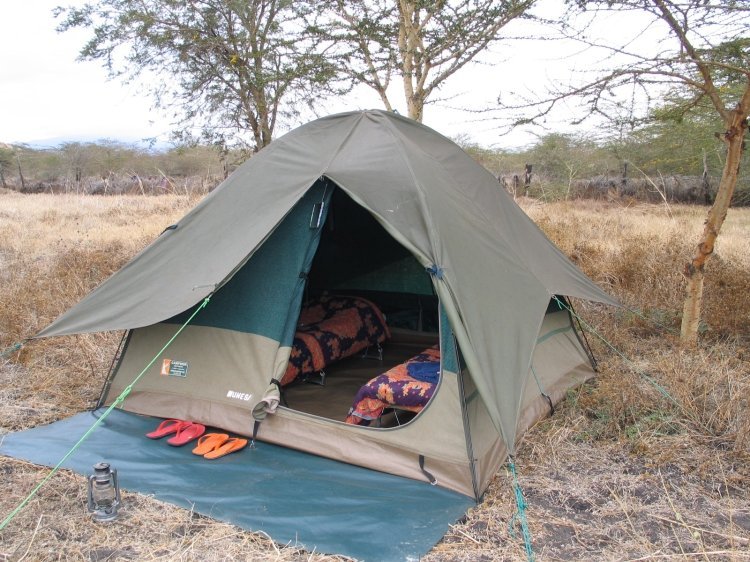
Four Day Serengeti na Ngorongoro Safari During AFCON 2027
Mwongozo wa safari ya siku 4 kwenye Serengeti na Ngorongoro wakati AFCON 2027; jinsi ya kupanga, nini cha kujali, na jinsi ya kuandaa,”
View package details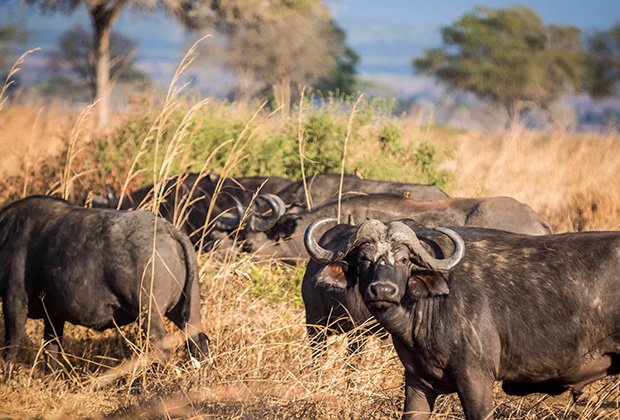
Dec 24, – 3 Day Christmas Serengeti And Ngorongoro Group Safari
Dec 24, 2026 – 3 Day Christmas Serengeti and Ngorongoro Group Safari.
View package details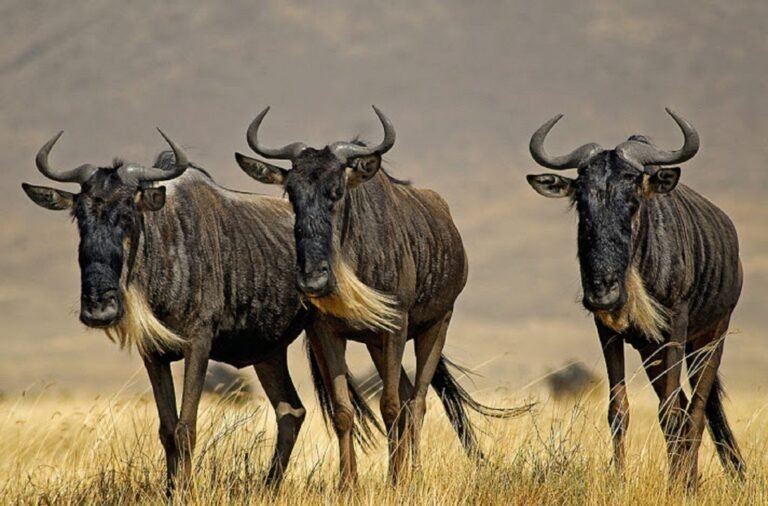
Nov 23, – 3 Day Serengeti And Ngorongoro Safari From Zanzibar
Nov 23, 2026 – 3 Day Serengeti and Ngorongoro Safari from Zanzibar.
View package details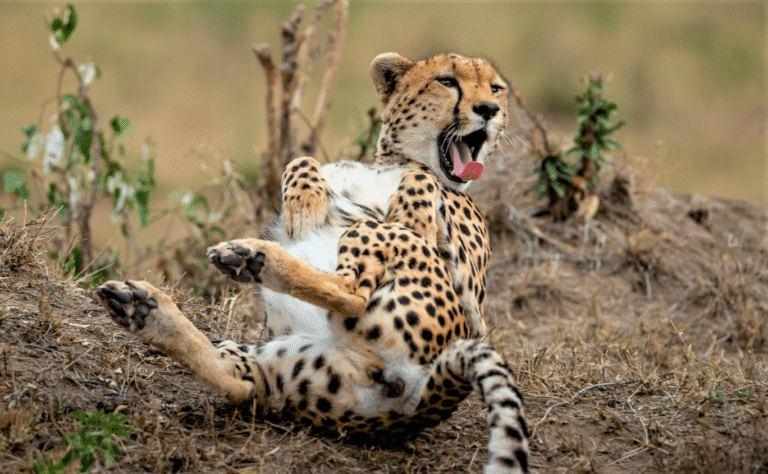
Dec 29, – 6 Day Ndutu, Serengeti And Ngorongoro Group Safari 2026
A detailed guide to our 6-day group safari departure on December 29, 2026, focusing on the Ndutu plains, the Serengeti, and the Ngorongoro Crater.
View package details8 Day Serengeti And Ngorongoro Group Safari – December 16, 2026
Planning your December 2026 Tanzanian adventure? Our 8-day group safari offers a deep, unhurried exploration of the Serengeti and Ngorongoro Crater.
View package details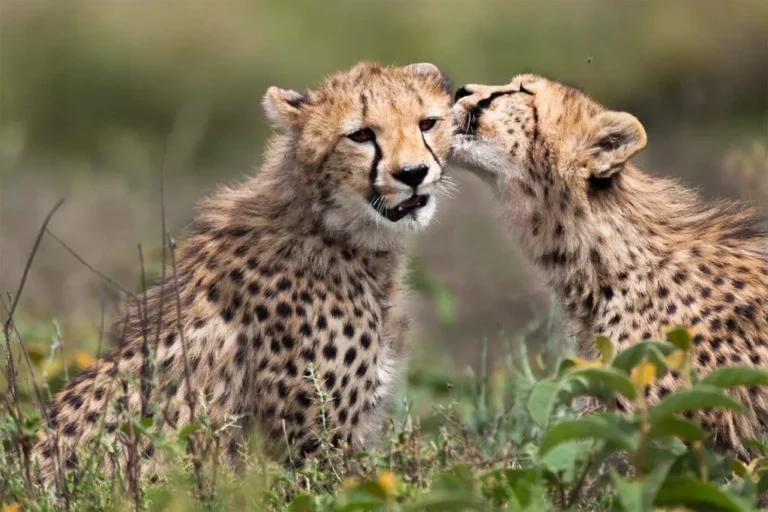
Dec 12, – 6 Day Serengeti, Ngorongoro, Tarangire And Manyara Group Safari 2026
Dec 12, 2026 – 6 Day Serengeti, Ngorongoro, Tarangire and Manyara Group Safari.
View package detailsDec 8, – 4 Day Tarangire, Serengeti And Ngorongoro Group Safari 2026
A detailed guide to our December 8, 2026 group joining safari, covering the itinerary, logistics, and what to expect during this 4-day wildlife adventure in Tanzania.
View package details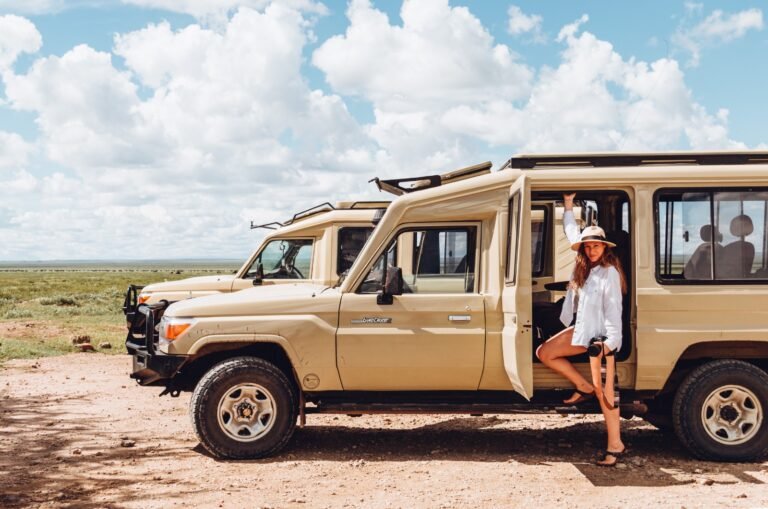
Nov 6, – 3 Day Serengeti And Ngorongoro Budget Group Safari 2026
A detailed look at our November 6, 2026 group departure for a 3-day Serengeti and Ngorongoro safari, including planning tips and route logistics.
View package detailsOct 27, – 3 Day Serengeti And Ngorongoro Group Safari 2026
Planning for a short, high-impact wildlife adventure? Our October 27, 2026, group safari offers a direct route through the Serengeti and Ngorongoro Crater, perfect for travelers with...
View package detailsNov 18, – 7 Day Serengeti And Ngorongoro Group Joining Safari 2026
A detailed guide to the 7-day group joining safari departing November 18, 2026, covering Serengeti, Ngorongoro, and the logistical advantages of shared travel.
View package detailsNo related package matches those filters. Clear one or more filters to see the other topic-matched options.