
A Johannesburg to Serengeti safari and Zanzibar vacation offers a spectacular combination of iconic wildlife viewing in one of Africa’s premier parks, followed by idyllic relaxation on tropical beaches. Typically, this journey involves flying from Johannesburg to a Tanzanian gateway city like Kilimanjaro International Airport (JRO) or Arusha, then embarking on a multi-day safari through areas like the Serengeti, Ngorongoro Crater, and Tarangire National Park, before concluding with flights to Zanzibar for beach time, cultural exploration, or water sports. Planning for 2026-2027 involves choosing safari durations, accommodation styles, and the best time to visit for wildlife and weather.
Understanding the Johannesburg to Serengeti Safari and Zanzibar Vacation
Embarking on a journey from Johannesburg to the Serengeti and then to Zanzibar is a dream trip for many. It’s a comprehensive African experience, blending the raw, untamed wilderness of East Africa with the exotic allure of a tropical island paradise. This isn’t just a holiday; it’s an exploration that connects you with incredible wildlife, diverse landscapes, and rich cultural heritage. The logistics of combining these distinct experiences are well-established, making it a popular choice for travelers seeking a well-rounded adventure. Starting in Johannesburg offers a convenient international gateway, allowing for efficient connections into Tanzania. From there, the focus shifts to the world-renowned Serengeti, a place synonymous with the Great Migration and unparalleled predator sightings. Finally, the tranquil shores of Zanzibar provide a perfect counterpoint, offering relaxation, history, and vibrant marine life.
For travelers planning their 2026 or 2027 adventure, understanding the flow and components of this trip is crucial. It involves several distinct phases: international travel to South Africa, internal travel to Tanzania, the safari itself, the transition to Zanzibar, and finally, international departure. Each phase has its own planning considerations, from visa requirements and flight bookings to safari itineraries and beach resort choices. This comprehensive guide aims to break down each element, providing practical advice and insights to help you design the perfect Johannesburg to Serengeti safari and Zanzibar vacation.
Why Combine Johannesburg, Serengeti, and Zanzibar?
The allure of combining these three distinct destinations lies in the sheer diversity of experiences they offer. It’s a strategic way to maximize your African adventure, ticking multiple boxes for wildlife, culture, and relaxation in a single, cohesive trip. Johannesburg, while not a primary tourist destination for safaris, serves as a vital logistical hub and offers its own unique urban exploration opportunities before you venture into nature.
The Allure of the Serengeti
The Serengeti National Park is, without exaggeration, one of the planet’s most celebrated wildlife destinations. Its name, derived from the Maasai word ‘Siringet,’ meaning ‘endless plains,’ perfectly describes its vast, sweeping landscapes. This is where the annual Great Migration, a spectacular movement of over 1.5 million wildebeest, zebras, and gazelles, takes place, a natural phenomenon that draws visitors from around the globe. Beyond the migration, the Serengeti is home to a year-round abundance of wildlife, including the ‘Big Five’ (lion, leopard, elephant, rhino, and buffalo), cheetahs, hyenas, giraffes, and countless bird species. The sheer density and visibility of wildlife here are unparalleled, offering photographers and nature enthusiasts a truly in-depth experience. For many, a Johannesburg to Serengeti safari is the primary driver for this type of trip.
The Charm of Zanzibar
Zanzibar, the ‘Spice Island,’ offers a completely different yet equally interesting experience. This archipelago off the coast of mainland Tanzania is renowned for its pristine white-sand beaches, turquoise waters, and rich history. Stone Town, a UNESCO World Heritage site, is a labyrinth of narrow streets, bustling markets, and historic buildings, reflecting its past as a major trading post influenced by Arab, Persian, Indian, and European cultures. Beyond Stone Town, Zanzibar’s coastline is dotted with idyllic villages and resorts, offering opportunities for swimming, snorkeling, diving, kite surfing, and simply unwinding under the palm trees. It provides the perfect serene conclusion to an exhilarating safari, offering a cultural and relaxation element that balances the adventure.
Logistical Advantages of Starting in Johannesburg
While the Serengeti and Zanzibar are in Tanzania, starting your journey in Johannesburg, South Africa, can offer several practical advantages for international travelers. Johannesburg’s O.R. Tambo International Airport (JNB) is a major intercontinental hub, often providing more direct and competitively priced flight options from Europe, the Americas, and Asia compared to direct flights to Tanzania. This can make the initial leg of your Johannesburg to Serengeti safari and Zanzibar vacation more accessible and cost-effective. From Johannesburg, you can then book a connecting flight to Tanzania (typically Arusha or Kilimanjaro International Airport – JRO), which is often more straightforward than flying directly into Tanzania from many international locations. This initial flight from Johannesburg also allows for easier integration of other Southern African experiences if desired, though the focus here remains on Tanzania.
Crafting Your Itinerary: Key Decisions for 2026-2027
Designing your Johannesburg to Serengeti safari and Zanzibar vacation requires careful consideration of several key elements. The choices you make regarding duration, safari style, accommodation, and activities will shape your entire experience. For those planning for 2026 or 2027, early planning is advisable, especially for peak seasons and popular accommodations.
Duration: How Long Do You Need?
The ideal duration for this combined trip depends on your interests and available time. A minimum of 10-14 days is generally recommended to comfortably experience both the safari and Zanzibar without feeling rushed. This typically breaks down as:
- Travel Days: 2-3 days (international flights to Johannesburg, flight to Tanzania, flight to Zanzibar, international departure).
- Safari: 4-7 days is common for the Northern Circuit. This allows for visits to 2-3 key parks like Tarangire, Ngorongoro, and the Serengeti. For a more in-depth Serengeti experience, 5-6 days focusing solely on this park is also an option.
- Zanzibar: 3-5 days is sufficient for relaxation, exploring Stone Town, and enjoying beach activities.
For a more relaxed pace or to include additional Tanzanian destinations (like Lake Manyara or a cultural visit), consider extending your trip to 14-21 days. Planning for 2026-2027 means you can book preferred dates well in advance, especially if aiming for specific wildlife events or holiday periods.
Safari Style: What’s Your Preference?
Your safari style will significantly impact your experience and budget. The primary choices are:
- Group Safaris: These are more budget-friendly, involving shared vehicles and lodges/camps with other travelers. They are a great option for solo travelers or those looking to keep costs down. Our group departures for 2026-2027 offer set dates and routes, providing a structured and social safari experience. You can find departure dates here: Tanzania Safari Group Departures.
- Private Safaris: These offer maximum flexibility, privacy, and customization. You have your own dedicated vehicle and guide, and your itinerary can be tailored to your specific interests and pace. This is ideal for families, couples, or groups seeking a personalized adventure.
The choice between group and private safaris is a key decision for your Johannesburg to Serengeti safari portion.
Accommodation Choices: Camping to Luxury Lodges
Tanzania offers a wide spectrum of accommodation options for safari-goers:
- Budget Camping (Tented Camps): Basic but often in excellent locations, these offer a true wilderness feel with shared facilities.
- Mid-Range Lodges & Tented Camps: Comfortable and well-equipped, often with en-suite bathrooms, restaurants, and lounges. This is a popular choice offering a good balance of comfort and experience.
- Luxury Lodges & Camps: Offering high-end amenities, gourmet dining, private plunge pools, and exceptional service, these provide a pampered safari experience.
- Exclusive-Use Camps: For ultimate privacy, some high-end properties offer exclusive-use options.
Similarly, Zanzibar offers everything from budget guesthouses and boutique hotels to all-inclusive luxury resorts.
Zanzibar Activities: Beyond the Beach
While relaxation is a major draw, Zanzibar offers much more. Consider what you want to experience:
- Culture & History: Exploring Stone Town’s ancient alleys and markets.
- Adventure: Kite surfing, diving, snorkeling, dhow cruises.
- Nature: Spice tours, Jozani Forest, swimming with dolphins (with responsible operators).
Balancing these activities with your relaxation time is key to a fulfilling Zanzibar vacation segment of your trip.
The Safari Component: From Johannesburg to the Serengeti
The safari portion is often the centerpiece of this adventure. It involves getting to Tanzania and then exploring its world-class parks. The journey from Johannesburg is the first step.
Getting from Johannesburg to Tanzania
The most practical way to travel from Johannesburg to the Serengeti safari region is by flying. There are no direct overland routes that are feasible or recommended for this specific combined itinerary. The typical route is:
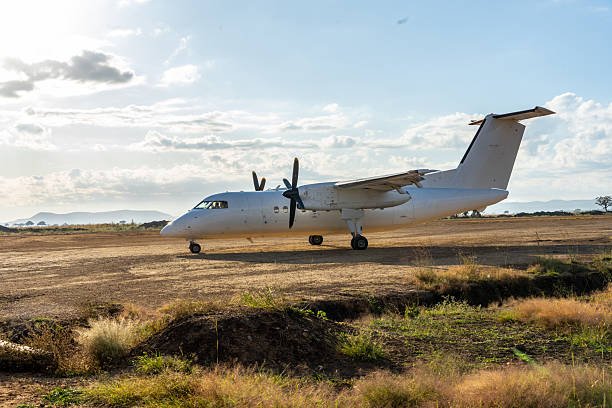
- Johannesburg (JNB) to Kilimanjaro International Airport (JRO) or Arusha Airport (ARK): Several airlines operate flights from Johannesburg to JRO, often with a stopover in Nairobi (Kenya) or Addis Ababa (Ethiopia). Direct flights are less common but can exist. Arusha Airport (ARK) is closer to the safari starting point, and some flights may connect to it, though JRO is the main international gateway.
- Arrival in Tanzania: Upon arrival at JRO, you will clear immigration and customs. Our local representatives can assist with airport transfers to your hotel in Arusha, the safari hub city.
Flights should be booked well in advance, especially for 2026-2027 travel, to secure the best prices and schedules. The flight duration can range from 5 to 10 hours depending on layovers.
Popular Northern Circuit Safari Routes
Tanzania’s Northern Circuit is the most famous safari circuit, encompassing several iconic parks. Common itinerary lengths cater to different preferences:
The Classic 5-Day Northern Circuit
This is a fast-paced introduction, often covering:
- Day 1: Arrive in Arusha, transfer to hotel.
- Day 2: Arusha to Tarangire National Park (game drive).
- Day 3: Tarangire to Ngorongoro Conservation Area (crater descent).
- Day 4: Ngorongoro to Serengeti National Park (game drive en route).
- Day 5: Serengeti morning game drive, then drive back to Arusha for departure or overnight.
This route is efficient but offers limited time in the vast Serengeti.
Extended 7-10 Day Northern Circuit Adventures
These longer itineraries provide a deeper immersion into the parks:
- 7-Day: Adds more time in the Serengeti (often including a visit to the central Seronera region and potentially the Western Corridor) and allows for more relaxed game drives.
- 8-9 Day: Can include Lake Manyara National Park, more extensive exploration of the Serengeti (perhaps including Lobo area), or a visit to a Maasai village.
- 10-Day: Offers a comprehensive experience, potentially including a fly-in safari to the Serengeti for maximum game viewing time, or exploring less-visited areas.
For a truly memorable Johannesburg to Serengeti safari, we recommend at least 5 days dedicated to the safari portion, with 7 days being ideal for a balanced experience of the Northern Circuit.
Essential Safari Parks and Reserves
Serengeti National Park: The Crown Jewel
The Serengeti is the star of any Northern Circuit safari. Its sheer size means that different regions offer different experiences throughout the year. The central Seronera area is known for resident wildlife, including big cats, making it excellent for viewing year-round. The northern Serengeti is crucial during the migration river crossings (typically July-October), while the southern Serengeti is calving grounds (January-March).
Ngorongoro Conservation Area: The Caldera of Wildlife
The Ngorongoro Crater is a geological marvel and a UNESCO World Heritage Site. This natural amphitheater, formed by a collapsed volcano, boasts an incredibly dense concentration of wildlife, including a healthy population of black rhinos. The crater floor is a compact ecosystem, making it relatively easy to spot a wide array of animals in a single game drive. Access is strictly controlled to preserve its pristine environment.
Tarangire National Park: Land of Giants
Tarangire is famous for its large elephant herds, particularly during the dry season (June-October) when animals congregate around the Tarangire River. The park is also characterized by its giant baobab trees and diverse birdlife. It’s often the first or last stop on a Northern Circuit safari and offers excellent game viewing.
Lake Manyara National Park: Tree-Climbing Lions
Though small, Lake Manyara offers diverse habitats, from groundwater forests to acacia woodlands and the lake itself. It’s known for its tree-climbing lions (though sightings are not guaranteed), large troops of baboons, and a significant population of elephants and hippos. It’s a good stop for a half-day or full-day game drive.
The Great Migration: Timing is Everything
The Great Migration is a highlight for many travelers. Its location varies throughout the year, following the rains and fresh grass. Understanding this cycle is key for planning your Serengeti safari, especially for 2026-2027 bookings:
- January – March: Southern Serengeti (Ndutu area) – Calving season, abundant predators.
- April – May: Central/Western Serengeti – Wet season, fewer tourists, lush landscapes.
- June – July: Western Corridor/Grumeti River – Crossing season, intense predator action.
- July – October: Northern Serengeti/Mara River – The most dramatic river crossings.
- November – December: Central/Southern Serengeti – Moving back south, often with rains.
While the migration is spectacular, the Serengeti offers incredible wildlife viewing year-round, even outside of migration season, due to its resident populations.
Safari Vehicle and Guide Considerations
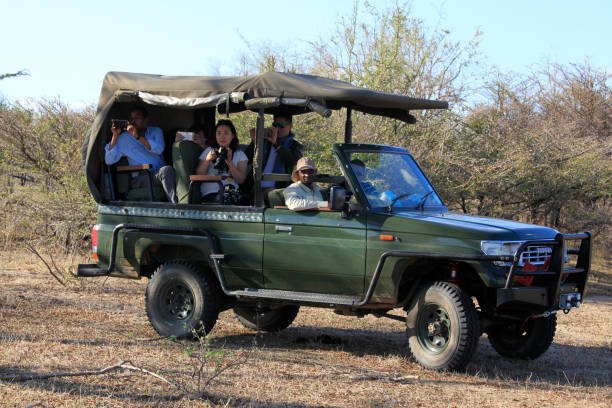
Your safari vehicle and guide are critical. For the Northern Circuit, 4×4 Land Cruisers are standard, equipped with pop-up roofs for optimal game viewing and photography. A good guide is knowledgeable, experienced, and passionate about wildlife and conservation. They can interpret animal behavior, find elusive creatures, and enhance your understanding of the ecosystem. When booking your Johannesburg to Serengeti safari, always inquire about the type of vehicle and the qualifications of the guides.
The Zanzibar Component: Island Paradise Awaits
After the thrilling wildlife encounters of the Serengeti, Zanzibar offers a serene and culturally rich contrast. It’s the perfect place to unwind, explore, and soak in the island vibes.
Getting from the Safari to Zanzibar
The transition from your safari to Zanzibar is typically done by flight. After your final safari game drive or morning in Arusha:
- Transfer to Arusha Airport (ARK) or Kilimanjaro International Airport (JRO): Depending on your safari itinerary’s end point and flight schedules.
- Flight to Zanzibar (ZNZ): Several airlines operate scheduled flights from Arusha or Kilimanjaro to Zanzibar’s Abeid Amani Karume International Airport (ZNZ). These flights are usually short, taking around 1 to 1.5 hours.
- Arrival in Zanzibar: Upon arrival, you’ll be met by our local representatives for your transfer to your chosen beach resort or Stone Town hotel.
Booking these internal flights as part of your overall package is recommended for a smooth transition. For 2026-2027 travel, securing these flights early is wise.
Choosing Your Zanzibar Base
Zanzibar’s coastline offers distinct experiences. Your choice of base depends on the atmosphere and activities you seek for your Zanzibar vacation:
Nungwi and Kendwa: Lively Beaches
Located on the northwestern tip, Nungwi and Kendwa are famous for their powdery white sands, calm, clear waters, and stunning sunsets. They are more developed, offering a wide range of resorts, restaurants, bars, and water sports. Nungwi is particularly known for its vibrant atmosphere and dhow building heritage, while Kendwa offers a slightly more relaxed feel with a beautiful, expansive beach.
Paje and Jambiani: Kite Surfing Havens
On the southeast coast, Paje and Jambiani are renowned for kite surfing due to the consistent trade winds and extensive sandbanks revealed at low tide. These villages have a more laid-back, bohemian vibe, with a growing number of boutique guesthouses and kite schools. The beaches here are stunning, though tidal variations mean swimming is best at high tide.
Matemwe and Michamvi: Secluded Serenity
For a quieter, more secluded experience, consider the northeast coast (Matemwe) or the east coast (Michamvi). Matemwe is close to the Mnemba Atoll, a premier spot for snorkeling and diving. Michamvi offers beautiful, often deserted beaches and a tranquil atmosphere. These areas are ideal for those seeking peace and privacy.
Must-Do Activities in Zanzibar
Stone Town Exploration
A visit to Stone Town is essential for understanding Zanzibar’s rich history and unique culture. Wander through its maze-like streets, discover ornate carved doors, visit historical sites like the House of Wonders and the Old Fort, and experience the vibrant markets. A guided tour is highly recommended to appreciate its complex heritage.
Spice Tours
Zanzibar’s nickname, ‘Spice Island,’ comes from its historical role as a major producer of cloves, nutmeg, cinnamon, and other spices. A spice tour is a sensory experience where you can see, smell, and taste various spices, fruits, and medicinal plants, learning about their cultivation and uses.
Snorkeling and Diving (Mnemba Atoll)
The waters around Zanzibar teem with marine life. The Mnemba Atoll, a marine conservation area off the northeast coast, is a world-class destination for snorkeling and diving, offering crystal-clear waters and vibrant coral reefs. Boat trips to Mnemba are a popular day excursion.
Jozani Forest and Red Colobus Monkeys
Explore the Jozani Chwaka Bay National Park, home to the endemic Zanzibar red colobus monkey. This is one of the last remaining habitats for these unique primates. The park also features a mangrove boardwalk, offering a different perspective on the island’s ecosystem.
Best Time to Visit Zanzibar
Zanzibar enjoys a tropical climate with warm temperatures year-round. The best times to visit are generally during the dry seasons:
- June to October: Pleasant temperatures, low humidity, and minimal rainfall. This is a fantastic time for both safari and beach.
- December to February: Warm and sunny, though can be humid. Ideal for beach activities.
The ‘long rains’ typically occur from March to May, and the ‘short rains’ in November. While rain is usually in the form of brief, heavy showers, it can impact travel plans. For your 2026-2027 trip, aiming for these dry periods will offer the most reliable weather.
Planning Your 2026-2027 Johannesburg to Serengeti Safari and Zanzibar Vacation
Successful planning for a complex trip like a Johannesburg to Serengeti safari and Zanzibar vacation requires attention to detail, especially when looking ahead to 2026-2027. Here’s a breakdown of crucial planning aspects.
Best Time of Year for This Combined Trip
The ideal time for this combined trip balances the best wildlife viewing in the Serengeti with pleasant weather in Zanzibar.
- June to October: This period aligns with the dry season in Tanzania. The Serengeti offers excellent game viewing as animals concentrate around water sources, and the Great Migration is often in the northern Serengeti. Zanzibar also experiences its dry season with pleasant temperatures and low humidity, making it perfect for beach relaxation and water sports. This is arguably the best overall time for this itinerary.
- December to February: This is another good window. The Serengeti is in its southern plains (calving season), offering abundant wildlife and predator action. Zanzibar is warm and sunny, though can be more humid than the June-October period.
- Shoulder Seasons (March-May & November): These can be more budget-friendly. March-May sees the long rains, which can make some roads challenging and reduce game visibility, though landscapes are lush and fewer crowds. November can have short rains, typically brief afternoon showers.
For 2026-2027, booking for June-October or December-February will offer the most consistent weather and optimal wildlife viewing conditions across both destinations.
Budgeting for Your Adventure
A Johannesburg to Serengeti safari and Zanzibar vacation is a significant investment. Costs vary widely based on accommodation level, safari duration, group vs. private, and season. It’s important to get a clear understanding of what’s included.
Safari Costs Explained
Safari costs typically include:
- Park entry fees (these are substantial and per person per day).
- Vehicle and guide hire (daily rates).
- Accommodation (lodges, camps).
- Meals during the safari.
- Transfers.
Factors influencing safari costs for 2026-2027:
- Accommodation Level: Camping is the most budget-friendly, while luxury lodges are the most expensive.
- Private vs. Group: Private safaris are significantly more expensive per person than shared group tours.
- Duration: Longer safaris incur more daily fees and accommodation costs.
- Season: Peak seasons (July-Oct, Dec-Feb) are more expensive than low seasons.
A mid-range 5-day Northern Circuit safari might range from $1,500 – $2,500 per person, while luxury options can easily exceed $4,000 per person for the same duration. These are indicative ranges for 2026-2027 and subject to change.
Zanzibar Costs Explained
Zanzibar costs generally include:
- Accommodation.
- Meals (often half-board or full-board).
- Transfers.
- Activities (tours, water sports).
Factors influencing Zanzibar costs for 2026-2027:
- Accommodation: Beachfront luxury resorts are pricier than guesthouses in Stone Town.
- Season: Peak seasons (dry months) will have higher rates.
- Activities: Excursions like diving, spice tours, and Stone Town guides add to the cost.
A comfortable mid-range Zanzibar stay for 4 nights could range from $600 – $1,200 per person, excluding flights and most activities. Luxury resorts can be $300+ per night per person.
Factors Affecting 2026-2027 Pricing
When budgeting for your Johannesburg to Serengeti safari and Zanzibar vacation for 2026-2027, remember to factor in:
- International Flights: Johannesburg to Tanzania and Zanzibar back home.
- Internal Flights: Johannesburg to Tanzania.
- Visas: For Tanzania.
- Travel Insurance: Essential.
- Tips: For guides, drivers, lodge staff.
- Personal Expenses: Souvenirs, drinks, extra snacks.
It’s crucial to get a detailed quote from your tour operator that clearly outlines all inclusions and exclusions for 2026-2027.
Booking Your Trip: What to Look For
When booking your Johannesburg to Serengeti safari and Zanzibar vacation, especially for 2026-2027, consider the following:
- Reputation and Experience: Choose an operator with a proven track record in Tanzania. Look for reviews and testimonials.
- Customization: Can they tailor the itinerary to your interests, budget, and pace?
- Inclusions: What exactly is covered in the price? Park fees, accommodation, meals, activities, transfers, internal flights?
- Guides: What are the qualifications and experience of their safari guides?
- Vehicle Quality: Are the safari vehicles well-maintained 4x4s?
- Payment Terms: Understand the deposit and final payment schedule.
- Sustainability Practices: Does the operator support local communities and conservation efforts?
Working with a local expert like Climb 4 Africa can provide invaluable insights and ensure your trip is well-organized and authentic.
Packing Essentials
Packing smart is key for comfort and practicality:
- Clothing: Lightweight, neutral-colored clothing for safari (khaki, beige, olive green). Avoid bright colors and dark colors like black/blue which can attract tsetse flies. Include long sleeves and trousers for evenings and sun protection. Bring swimwear for Zanzibar.
- Footwear: Comfortable walking shoes or hiking boots for safari walks (if offered), sandals or flip-flops for Zanzibar.
- Sun Protection: High SPF sunscreen, wide-brimmed hat, sunglasses.
- Insect Repellent: With DEET for malaria prevention.
- Camera Gear: Extra batteries, memory cards, zoom lens.
- Binoculars: Essential for wildlife viewing.
- First-Aid Kit: Basic personal medical supplies.
- Documents: Passport, visas, flight tickets, insurance details, vaccination certificates.
- Adaptors: For charging electronics.
Pack light for safaris; most lodges offer laundry services.
Health and Safety Considerations
Consult your doctor or a travel clinic well in advance of your 2026-2027 trip regarding vaccinations and malaria prophylaxis. Standard recommendations often include Yellow Fever (required for entry into Tanzania if arriving from certain countries), Hepatitis A & B, Typhoid, and Tetanus. Malaria is present in Tanzania, so taking preventative medication and using insect repellent is crucial. Stay hydrated, be cautious with street food in Stone Town, and always follow your guide’s safety instructions on safari. Travel insurance is non-negotiable.
Why Choose Climb 4 Africa for Your Journey?
Planning a complex itinerary like a Johannesburg to Serengeti safari and Zanzibar vacation requires a partner with deep local knowledge and a commitment to providing exceptional experiences. At Climb 4 Africa, we specialize in creating tailor-made African adventures that connect you with the heart of Tanzania. We understand the nuances of safari planning, from tracking the Great Migration to finding the perfect lodge, and we know how to seamlessly blend this with the tropical charm of Zanzibar.
Our team comprises experienced local guides and travel experts who are passionate about sharing their homeland. We offer a range of options, from small group departures for the Serengeti to fully customized private tours, ensuring your trip aligns with your interests and budget for 2026-2027. We prioritize responsible tourism, ensuring that your adventure benefits local communities and contributes to conservation efforts. When you book with us, you’re not just booking a trip; you’re investing in an authentic, unforgettable Tanzanian experience. Let us help you craft the perfect Johannesburg to Serengeti safari and Zanzibar vacation. We provide practical local support every step of the way, from initial planning to your safe return home.
For personalized advice and to start planning your 2026-2027 adventure, don’t hesitate to reach out:
- WhatsApp: +255 747 477 898
- Email: climb4africa@gmail.com
We look forward to helping you create the African journey of a lifetime!
Check Availability for Johannesburg To Serengeti Safari And Zanzibar Vacation: Your Ultimate
Ready to compare dates, prices, and the best option for your group? Send the package name and travel month so the team can reply with a clear quote, availability, and what is included.

Serengeti Safari And Zanzibar Beach Holiday: The Ultimate Tanzania
Combine the thrill of a Serengeti safari with the relaxation of a Zanzibar beach holiday. This guide covers everything you need to know for an unforgettable Tanzania adventure in 2026-2027...
View package details
Zanzibar To Serengeti Safari Packages 2026-2027
Zanzibar to Serengeti Safari Packages is explained with current 2026-2027 planning, price, itinerary and booking information.
View package details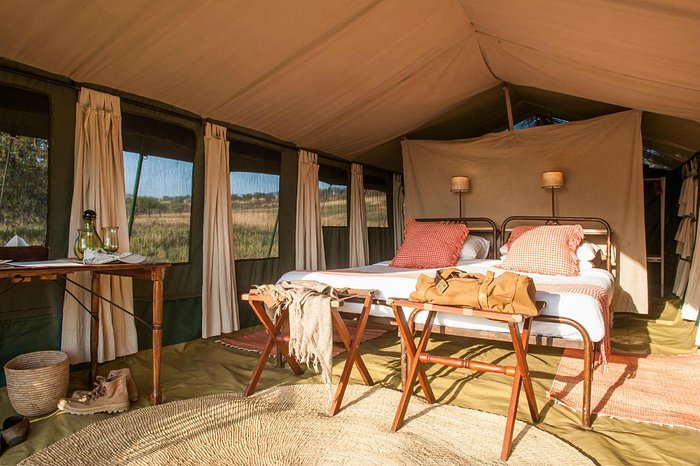
Safari From Zanzibar: Best Packages, Prices & Parks For 2026-2027
Combining a Zanzibar beach holiday with a Tanzania safari is a dream for many travelers. This guide details the best safari packages from Zanzibar, covering essential planning, park...
View package details
Tanzania Safari And Zanzibar All-Inclusive Packages Guide
Combine the thrill of a Tanzanian wildlife safari with the serene beauty of Zanzibar on an all-inclusive package. This comprehensive guide covers everything you need to know for planning...
View package details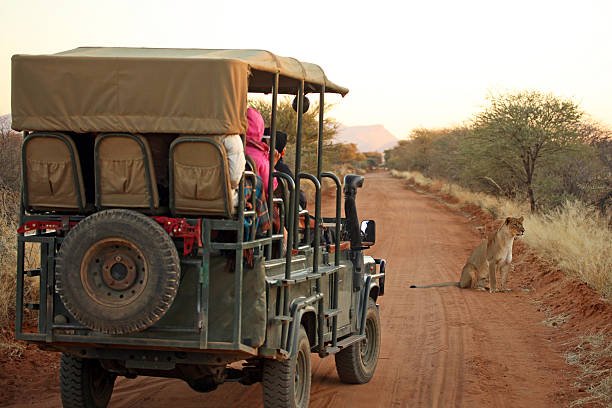
Zanzibar To Mikumi Safari: Flights, Prices And Itinerary Guide
Transition from the spice-scented beaches of Zanzibar to the wildlife-rich plains of Mikumi National Park. This guide details flight logistics, cost considerations, and sample itineraries...
View package detailsZanzibar To Nyerere Safari Packages 2026-2027
Zanzibar to Nyerere Safari Packages is explained with current 2026-2027 planning, price, itinerary and booking information.
View package details3-Day Safari From Zanzibar 2026-2027
3-Day Safari From Zanzibar is explained with current 2026-2027 planning, price, itinerary and booking information.
View package details
2-Day Safari From Zanzibar: Your Quick Wildlife Escape In 2026-2027
Looking for a short, impactful wildlife adventure without a long trip? A 2-day safari from Zanzibar is your perfect solution. This guide covers the best options, what to expect, and how to...
View package detailsTanzania Safari And Zanzibar Packages /: Your Complete Guide 2026-2027
Explore the best Tanzania safari and Zanzibar packages for 2026-2027. This comprehensive guide covers itinerary options, wildlife highlights, beach relaxation, and booking considerations to...
View package details
10-Day Tanzania Safari And Zanzibar Beach Holiday: Your Ultimate Itinerary
Combine the thrill of a Tanzania safari with the relaxation of Zanzibar for an unforgettable 10-day adventure. This itinerary balances iconic wildlife viewing with stunning tropical...
View package detailsBest Family-Friendly Resorts In Tanzania For Unforgettable Adventures
Planning a family adventure in Tanzania? This guide highlights the best family-friendly resorts offering incredible wildlife viewing, cultural experiences, and comfortable stays for all...
View package detailsWildlife And Nature Titles: Your Ultimate Guide To Tanzanias Best Experiences
This comprehensive guide explores the most sought-after wildlife and nature titles in Tanzania, from iconic safari destinations and Kilimanjaro treks to the tropical allure of Zanzibar...
View package detailsNo related package matches those filters. Clear one or more filters to see the other topic-matched options.



