
The best East Africa safari combining gorillas and the Serengeti migration typically involves a multi-country itinerary, usually starting with gorilla trekking in Uganda’s Bwindi Impenetrable National Park or Rwanda’s Volcanoes National Park, followed by flying or driving to Tanzania for the Serengeti National Park to witness the Great Migration. For 2026-2027, planning is key to aligning the migration’s location with your safari dates, often requiring 10-14 days minimum to comfortably experience both highlights, with costs varying significantly based on accommodation style and specific activity choices.
Understanding the Dual-Destination Appeal: Gorillas & Serengeti
Combining a gorilla trekking adventure with the Great Migration in the Serengeti is often considered the pinnacle of an East African safari. It’s a journey that offers two profoundly different, yet equally magnificent, wildlife encounters. On one hand, you have the intimate, emotionally resonant experience of trekking through dense rainforests to meet our closest primate relatives – mountain gorillas. This is about patience, observation, and a deep connection with nature in a unique, biodiverse ecosystem. On the other hand, the Serengeti presents a grand, sweeping panorama of terrestrial wildlife, characterized by vast plains, dramatic predator-prey interactions, and the sheer scale of the Great Migration, where millions of wildebeest, zebras, and other herbivores move in a perpetual cycle.
This isn’t just about ticking boxes; it’s about experiencing the incredible diversity of Africa’s wildlife and landscapes. The contrast between the misty, verdant mountains of Uganda or Rwanda and the sun-drenched, acacia-dotted savannas of Tanzania creates a rich and varied travelogue. For travelers planning their trip for 2026-2027, understanding how these two iconic experiences fit together logistically, seasonally, and experientially is paramount to crafting an unforgettable safari.
Choosing Your Gorilla Trekking Destination: Uganda vs. Rwanda
The first major decision in planning your best East Africa safari combining gorillas and the Serengeti migration is selecting your gorilla trekking base. Both Uganda and Rwanda offer world-class mountain gorilla experiences, but they differ in accessibility, cost, and the overall safari package.
Rwanda: The Luxury and Accessibility Option
Rwanda is often chosen for its accessibility and higher-end tourism infrastructure. Volcanoes National Park, home to several habituated gorilla families, is relatively easy to reach from Kigali International Airport, with a drive of about 2-3 hours. The park offers a more manicured and accessible trekking experience, with well-maintained trails and experienced guides. The Rwandan government has focused on high-value, low-impact tourism, which is reflected in the gorilla permit cost, currently set at $1,500 per person per trek.
A typical Rwanda gorilla safari might involve 2-3 days dedicated to trekking. This allows for acclimatization, the trek itself, and opportunities to potentially see other primates like golden monkeys. The lodges in Rwanda tend to be more luxurious, catering to a discerning clientele. While this offers comfort and excellent service, it also contributes to a higher overall safari cost. For travelers prioritizing ease of travel and premium accommodations, Rwanda is an excellent choice.
Uganda: The Wilderness and Value Option
Uganda offers two primary locations for gorilla trekking: Bwindi Impenetrable National Park and Mgahinga Gorilla National Park. Bwindi, a UNESCO World Heritage site, is renowned for its dense forest and larger number of gorilla families, offering a more rugged and in-depth trekking experience. Mgahinga, while smaller, is part of a larger transboundary conservation area and offers the chance to trek gorillas and potentially see the endangered golden monkeys, as well as hike volcanoes.
The gorilla permit cost in Uganda is currently $700 per person per trek for foreign non-residents. This significantly impacts the overall budget. Travel to Bwindi typically involves longer drives from Entebbe International Airport (around 8-10 hours) or a short internal flight to Kisoro or Kihihi airstrips, which then require further road transfers. While the trekking itself can be more physically demanding due to the terrain, the feeling of being deeper in the wilderness is often a draw for many adventurers. Uganda also offers a wider range of accommodation options, from basic campsites to comfortable mid-range lodges and a few luxury options, providing more flexibility for different budgets.
Key Considerations for Your Gorilla Choice:
- Budget: Rwanda’s permits are more expensive ($1,500 vs. $700 in Uganda). Lodge costs also tend to be higher in Rwanda.
- Trekking Experience: Rwanda’s Volcanoes National Park is generally considered more accessible with shorter, less strenuous treks. Uganda’s Bwindi offers a more wild and potentially challenging experience.
- Travel Time: Rwanda is logistically simpler from Kigali. Uganda requires longer drives or internal flights, adding to travel time and potentially cost if flying.
- Other Wildlife: Uganda offers more diverse safari opportunities beyond gorillas, including the Big Five in Queen Elizabeth National Park, chimpanzees in Kibale Forest, and white-water rafting on the Nile.
The Serengeti Migration: Timing is Everything
The Great Migration is not a single event but a continuous, year-round movement of over 1.5 million wildebeest, zebras, and gazelles across the Serengeti-Tanzania ecosystem. The key to witnessing it is understanding where the herds are at any given time. For your 2026-2027 safari, you’ll want to align your visit with specific phases of this incredible natural phenomenon.
Understanding the Migration’s Annual Cycle:
- December – March (Calving Season): The herds are typically in the southern Serengeti and Ngorongoro Conservation Area. This is calving season, a time of vulnerability and intense predator activity. Witnessing newborns and the ensuing drama is spectacular. This period often aligns with drier weather, making game viewing excellent.
- April – May (Wildebeest Move North): As the dry season intensifies, the herds begin their northward trek, often moving towards the western corridor of the Serengeti. The vegetation in the south becomes depleted. This is often the ‘green season’ or shoulder season, with fewer crowds and lower prices, but it’s less predictable for dramatic river crossings.
- June – October (River Crossings): This is the most famous phase, when the migration reaches the Grumeti and Mara Rivers in the western and northern Serengeti, respectively. The dramatic crossings of these predator-infested waters are a highlight for many. This is also peak dry season, meaning animals congregate around water sources, making game viewing superb. However, it’s also peak tourist season, with higher prices and more vehicles.
- November (Short Rains): The herds begin to move south again, often following the short rains back towards the central and southern plains. This is a transitional period, with wildlife dispersed but still abundant.
Planning Your 2026-2027 Migration Safari:
When planning for 2026-2027, consider the following:
- For River Crossings: Aim for July to October. This is the most sought-after time, so book well in advance.
- For Calving Season: Target December to March. Excellent for predator action and seeing young animals.
- For Fewer Crowds & Lower Prices: Consider the shoulder seasons (April-May and November), though migration predictability is lower.
The Serengeti is vast, and the migration’s exact location can vary slightly year to year based on rainfall patterns. Experienced guides and lodges will track the herds to ensure you have the best possible viewing opportunities.
Crafting Your Itinerary: Connecting the Dots
The logistical challenge of a best East Africa safari combining gorillas and the Serengeti migration lies in efficiently connecting Uganda/Rwanda with Tanzania. There are two primary methods: flying or a combination of driving and flying.
Option 1: The Flying Route (Recommended for Time Efficiency)
This is the most practical and time-efficient way to combine these two iconic destinations, especially for those with limited vacation time. The typical flow would be:
- Arrive in Kigali (Rwanda) or Entebbe (Uganda): Spend 2-3 days for gorilla trekking, including travel to/from the park.
- Fly from Kigali/Entebbe to Kilimanjaro International Airport (JRO) or Arusha Airport (ARK) in Tanzania: Several airlines operate routes, often with a stopover in Nairobi, Kenya. This flight can take anywhere from 3 to 7 hours depending on connections.
- Transfer to Arusha: Your gateway to the northern Tanzanian parks.
- Safari in the Serengeti: Spend 3-5 days exploring the Serengeti, potentially including other parks like the Ngorongoro Crater or Tarangire.
- Depart from Kilimanjaro (JRO): Or fly back to your arrival city for your international flight home.
Pros: Saves significant travel time, reduces fatigue, allows for more time in each destination. Ideal for busy schedules or those who prefer comfort over long overland journeys.
Cons: Higher cost due to multiple flights. Potential for flight delays or cancellations.
Option 2: The Overland/Mixed Route (For the Adventurous & Budget-Conscious)
This option is more complex and time-consuming but can be more budget-friendly and offer a different perspective on the landscape. It typically involves:
- Arrive in Kigali/Entebbe: 2-3 days for gorilla trekking.
- Cross the Border to Tanzania: This usually involves driving from Uganda or Rwanda to the border crossing, then continuing to Arusha. The drive from Kampala, Uganda, to Arusha, Tanzania, can take 10-12 hours or more, involving border formalities. From Rwanda, it might be slightly shorter but still a significant journey.
- Safari in the Serengeti: 3-5 days exploring Tanzania’s parks.
- Depart from Kilimanjaro (JRO).
Pros: Can be more economical if booking shared transport or specific overland tours. Offers a chance to see more of the local landscape and communities.
Cons: Extremely time-consuming. Border crossings can be slow and unpredictable. Can be tiring and less comfortable than flying. This route is generally not recommended for combining gorillas and the Serengeti due to the sheer amount of travel time involved.
Recommended Itinerary Structure (10-14 Days):
Sample 12-Day Gorilla & Serengeti Combination (Flying Focus)
- Day 1: Arrive Kigali, Rwanda. Transfer to hotel.
- Day 2: Transfer to Volcanoes National Park, briefing, gorilla trek. Overnight near park.
- Day 3: Optional golden monkey trek or relaxation. Transfer back to Kigali.
- Day 4: Fly Kigali to Kilimanjaro (JRO)/Arusha (ARK). Transfer to Arusha.
- Day 5: Drive to Serengeti National Park (central). Game drive en route.
- Day 6-7: Full days of game drives in the Serengeti, tracking the migration.
- Day 8: Morning game drive, fly from Serengeti airstrip to Arusha.
- Day 9: Day trip to Tarangire National Park or Ngorongoro Crater rim.
- Day 10: Drive into Ngorongoro Crater for a full day game drive.
- Day 11: Drive back to Arusha. Optional cultural visit.
- Day 12: Depart from Kilimanjaro (JRO).
Note: This is a sample; durations and park combinations can be customized. Internal flights within Tanzania (e.g., from Serengeti to Arusha) are common and recommended.
For those planning for 2026-2027, it’s advisable to book internal flights and accommodations well in advance, especially if targeting peak migration seasons.
What to Pack for Your Dual-Destination Safari
Packing for a trip that combines misty mountains with vast savannas requires versatility. You’ll need gear for trekking in potentially wet, cool conditions and clothing for hot, dry safari days.
Gorilla Trekking Essentials:
- Sturdy, broken-in hiking boots: Essential for navigating muddy, uneven terrain. Waterproof is a plus.
- Long-sleeved shirts and trousers: To protect against stinging nettles, thorns, and insects. Neutral colors are best.
- Waterproof and windproof jacket: Mountain weather can change rapidly.
- Warm layers: Fleece or a warm sweater for cooler mornings and evenings.
- Insect repellent: High DEET content recommended.
- Sunscreen, hat, sunglasses: Even in the mountains, the sun can be strong.
- Camera with good zoom: To capture gorillas without disturbing them. Extra batteries and memory cards are a must.
- Binoculars: For spotting other primates or birds.
- Small backpack: To carry water, snacks, camera, and rain gear during the trek.
- Gloves: Gardening gloves can be helpful for gripping vegetation during steeper parts of the trek.
Serengeti Safari Essentials:
- Lightweight, breathable clothing: Neutral colors (khaki, beige, olive green) are preferred to avoid startling wildlife. Avoid bright colors.
- Long-sleeved shirts and trousers: For sun protection and to ward off mosquitoes in the evenings.
- Fleece or light jacket: For cool mornings and evenings, especially in the dry season.
- Comfortable walking shoes: For around the lodge or camp.
- Sandals or flip-flops: For relaxing.
- Sun hat, sunglasses, high SPF sunscreen: The African sun is intense.
- Insect repellent: Essential for evenings.
- Camera equipment: With a powerful zoom lens (300mm+ is often recommended). Extra batteries, memory cards, and a power bank are crucial.
- Binoculars: For spotting distant animals.
- Personal first-aid kit: Including any personal medications.
General Items for Both:
- Adapter and power bank: For charging electronics.
- Reusable water bottle: Stay hydrated and reduce plastic waste.
- Personal toiletries: Though lodges usually provide basics.
- Travel documents: Passports, visas, vaccination certificates (e.g., Yellow Fever), travel insurance details.
- Cash: For tips, souvenirs, and personal expenses (USD is widely accepted but small denominations are best).
Remember to pack light, especially if flying internally, as luggage allowances can be strict on small aircraft. Most lodges offer laundry services, which can help reduce the amount you need to pack.
Cost Considerations for a Combined Safari (2026-2027)
A combined gorilla and Serengeti migration safari is a premium travel experience, and the costs reflect the unique nature of these encounters and the logistics involved. Expect prices to range significantly based on your choices.
Key Cost Components:
- Gorilla Permits: The most significant fixed cost for the gorilla portion. Rwanda: $1,500 per person. Uganda: $700 per person. These prices are subject to change, so always confirm for your 2026-2027 travel dates.
- Park Entrance Fees: Daily fees for national parks in both countries. These can add up over a multi-day safari.
- Accommodation: This is a major variable. Options range from budget-friendly camps and lodges to ultra-luxury establishments. High-end lodges in both Rwanda and the Serengeti can cost upwards of $1,000 per person per night.
- Transportation: This includes international flights, internal flights (crucial for efficiency), private vehicle hire with a guide for safari drives, and airport transfers.
- Activities: Beyond gorilla trekking, this includes game drives, optional activities like chimpanzee trekking, cultural visits, etc.
- Visas: Depending on your nationality, you may need visas for Uganda, Rwanda, and/or Tanzania.
- Travel Insurance: Essential for covering medical emergencies, trip cancellations, and lost luggage.
- Tips: For guides, lodge staff, and porters.
Estimated Budget Ranges (Per Person, Excluding International Flights):
These are broad estimates for a 10-14 day trip, assuming mid-range to luxury accommodations and internal flights for efficiency.
Estimated Safari Costs (Per Person, 10-14 Days)
| Category | Mid-Range Estimate | Luxury Estimate |
|---|---|---|
| Gorilla Permits (Uganda/Rwanda) | $700 – $1,500 | $1,500 – $1,500 |
| Accommodation (9-12 nights) | $2,500 – $4,500 | $5,000 – $10,000+ |
| Internal Flights & Transfers | $800 – $1,500 | $1,000 – $2,000 |
| Park Fees & Game Drives | $700 – $1,200 | $900 – $1,500 |
| Other Expenses (Visas, Tips, etc.) | $300 – $500 | $400 – $700 |
| Total Estimated Range | $5,000 – $9,200 | $8,800 – $15,700+ |
Note: These figures are indicative for 2026-2027 and can fluctuate. They do not include international airfare, travel insurance, or personal spending money. Prices can be lower with more basic accommodations or higher with exclusive lodges and more days.
Booking with a reputable operator like Climb 4 Africa can help manage these costs by leveraging local knowledge and established relationships with lodges and transport providers. They can also help you navigate the complexities of permits and park entries for 2026-2027.
Choosing Your Safari Operator: Why Local Expertise Matters
When planning an ambitious itinerary like combining gorilla trekking with the Serengeti migration, the choice of safari operator is crucial. For a trip spanning two countries and involving complex logistics, local expertise is invaluable.
Benefits of a Local Operator for this Combined Trip:
- In-depth Knowledge: Local operators understand the nuances of both Rwanda/Uganda and Tanzania – the best times to visit, the most reliable transport options, the local guides, and the optimal lodge locations relative to migration patterns and gorilla families.
- Logistical Mastery: Coordinating flights between countries, managing border crossings (if applicable), booking permits, and arranging multiple transfers requires significant logistical skill. A local team is best equipped to handle this.
- Value for Money: Local companies often have direct relationships with lodges and suppliers, allowing them to offer competitive pricing compared to international tour operators who may have higher overheads.
- Flexibility and Customization: Local operators are adept at tailoring itineraries to specific interests, budgets, and timeframes. They can quickly adapt plans if unforeseen circumstances arise.
- Support on the Ground: Having a local contact available 24/7 provides peace of mind, especially when traveling in unfamiliar territory.
Climb 4 Africa specializes in creating these intricate East African journeys. With deep roots in Tanzania and strong connections across the region, they can offer practical advice and smooth planning for your 2026-2027 adventure. Their understanding of both the Kilimanjaro climbing scene and the intricacies of Tanzanian safaris positions them well to orchestrate complex multi-destination trips.
What to Discuss with Your Operator:
Key Questions for Your Safari Planner:
- What is the best way to combine Uganda/Rwanda gorillas with the Serengeti migration for my travel dates in 2026-2027?
- What is the most efficient travel route and estimated travel time between destinations?
- What is the current gorilla permit cost and how far in advance do I need to book them?
- Which parks and regions in the Serengeti are best for viewing the migration during my chosen month(s)?
- What is the typical daily itinerary for a combined trip of this nature?
- What is included in the quoted price (permits, park fees, accommodation, meals, activities, transfers, internal flights)?
- What is the cancellation and refund policy?
- What are the visa requirements for each country?
- What are the recommended vaccination and health precautions?
Engaging with a specialist like Climb 4 Africa means you get expert guidance tailored to your specific needs, ensuring your best East Africa safari combining gorillas and the Serengeti migration is meticulously planned and executed.
Booking Your 2026-2027 Safari: Next Steps
Securing your dream safari for 2026-2027 requires timely planning and decisive action, especially for high-demand experiences like gorilla trekking and the peak migration season.
Key Booking Considerations:
- Permit Availability: Gorilla permits are limited and sell out months, sometimes over a year, in advance for peak dates. Book these as soon as you confirm your travel window.
- Accommodation: The best lodges, particularly in the Serengeti during migration season and desirable gorilla trekking areas, are also booked up well in advance.
- Flights: International flights should be booked early for better prices. Internal flights for the itinerary should also be secured once your dates are firm.
- Visa Requirements: Research visa requirements for Tanzania and Uganda/Rwanda based on your nationality. Some can be obtained online, others on arrival.
- Travel Insurance: Purchase comprehensive travel insurance that covers medical emergencies, trip cancellation, and evacuation.
How to Get Started with Climb 4 Africa:
To begin planning your best East Africa safari combining gorillas and the Serengeti migration for 2026-2027, the best approach is to contact Climb 4 Africa directly. They can provide personalized itinerary options, detailed quotes, and expert advice based on your specific preferences and travel dates.
Contact Climb 4 Africa:
- WhatsApp: +255 747 477 898
- Email: climb4africa@gmail.com
When you reach out, be ready to share your desired travel dates (even approximate ones for 2026-2027), the number of travelers, your preferred level of accommodation (budget, mid-range, luxury), and any specific interests you have (e.g., focus on birding, photography, specific wildlife). This information will help them craft the most suitable itinerary for you.
Embarking on a journey to see gorillas and witness the Serengeti migration is a profound experience. With careful planning and the right partner, your 2026-2027 adventure will be one for the memory books.
Check Availability for Best East Africa Safari Combining Gorillas And Serengeti Migration: Your
Ready to compare dates, prices, and the best option for your group? Send the package name and travel month so the team can reply with a clear quote, availability, and what is included.
Serengeti Great Migration Safari Packages: Your Guide To Witnessing The Wonder
start an unforgettable journey with our comprehensive guide to Serengeti Great Migration safari packages for 2026-2027. Understand the best times to go, optimal viewing locations, and how...
View package details
Serengeti Safari Tours: Prices, Packages & Best Time To Visit In 2026-2027
Discover everything you need to know for planning your Serengeti safari tour, from understanding pricing and package variations to identifying the ideal travel times in 2026-2027. This...
View package details
3-Day Serengeti And Ngorongoro Safari: Your Ultimate Tanzania Wildlife
start a concise yet unforgettable 3-day Serengeti and Ngorongoro safari, designed to maximize wildlife encounters in Tanzania's most celebrated parks. This compact adventure offers a taste...
View package details
Serengeti Safari And Zanzibar Beach Holiday: The Ultimate Tanzania
Combine the thrill of a Serengeti safari with the relaxation of a Zanzibar beach holiday. This guide covers everything you need to know for an unforgettable Tanzania adventure in 2026-2027...
View package details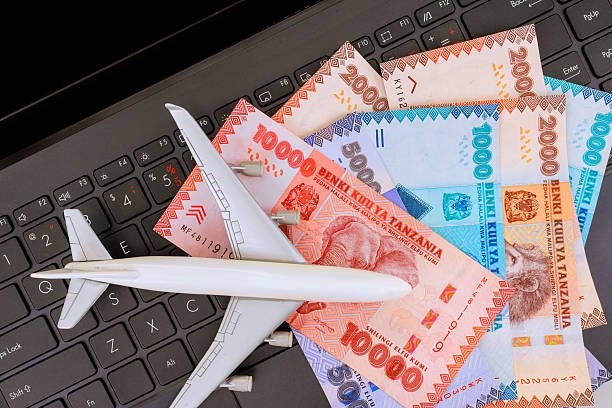
Zanzibar To Serengeti Safari Packages 2026-2027
Zanzibar to Serengeti Safari Packages is explained with current 2026-2027 planning, price, itinerary and booking information.
View package details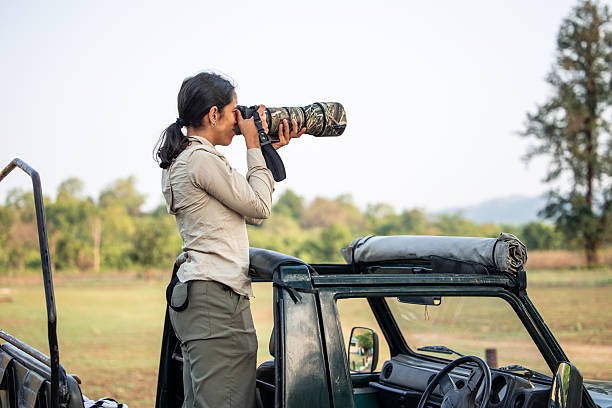
All-Inclusive African Safari Vacations Guide
start an all-inclusive African safari vacation in Tanzania, a premier destination for wildlife viewing in 2026-2027. This comprehensive guide covers everything from iconic parks like the...
View package details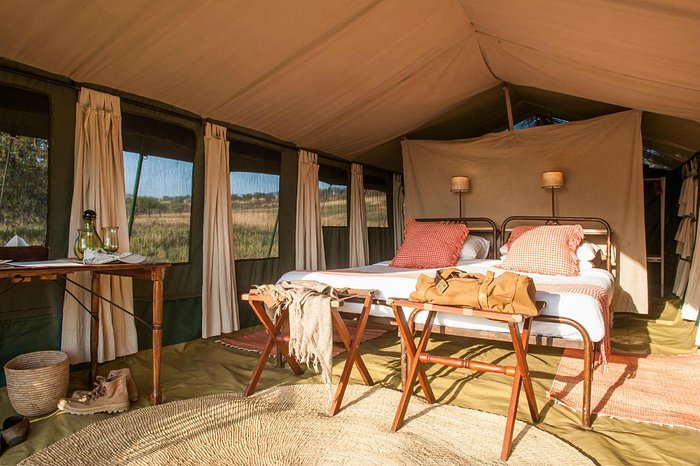
Best African Safari Tours & Vacation Packages /: Your Ultimate Tanzania
start an unforgettable African safari adventure in 2026/2027 with expertly curated tours and vacation packages in Tanzania's most iconic wildlife destinations. From the Serengeti to the...
View package details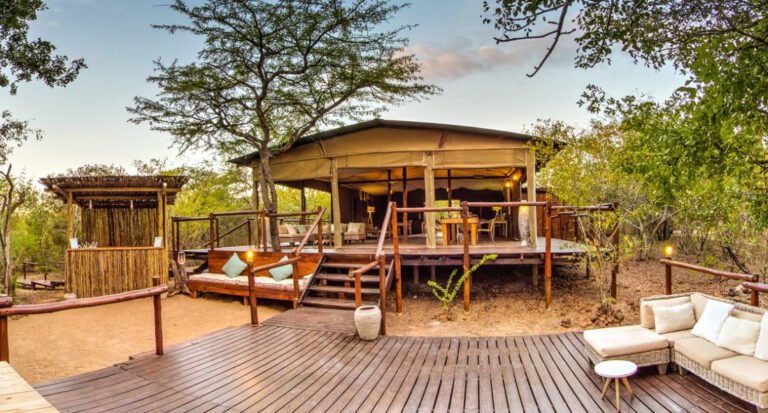
7-Day Tanzania Safari: Serengeti, Ngorongoro, And Tarangire In 2026-2027
A comprehensive guide to a 7-day Tanzania safari adventure, focusing on the iconic Serengeti National Park, the Ngorongoro Crater, and Tarangire National Park. Learn about optimal...
View package detailsTanzania Safari Tours & Packages /: Your Ultimate Wildlife Adventure 2026-2027
Discover the magic of Tanzania with expertly crafted safari tours and packages for 2026 and 2027. From the vast plains of the Serengeti to the depths of the Ngorongoro Crater, find your...
View package details
Private Tanzania Safari Packages: Your Ultimate Guide For 2026-2027
Discover the unparalleled freedom and personalized experience of a private Tanzania safari package. This comprehensive guide for 2026-2027 explores custom itineraries, key destinations like...
View package detailsBest Places To See Wild Animals In Tanzania: Your Ultimate Safari Guide
Planning a safari to witness incredible wildlife? Tanzania offers some of the planet's most spectacular viewing opportunities. This guide explores the top destinations for seeing wild...
View package detailsWhen Is The Great Migration In Tanzania And Kenya? Your Guide 2026-2027
The Great Migration's timing is dynamic, following the rains. Generally, it's in Kenya's Masai Mara from July to October, and in Tanzania's Serengeti from December to March. Planning around...
View package detailsNo related package matches those filters. Clear one or more filters to see the other topic-matched options.



