
A Tanzania Serengeti safari and Rwanda gorilla trekking package offers an unparalleled East African adventure, combining the vast savannas teeming with the Great Migration in Serengeti National Park with the unique opportunity to trek through misty rainforests to encounter mountain gorillas in Rwanda’s Volcanoes National Park. These packages typically range from 10 to 18 days, require advance booking, especially for gorilla permits, and involve flights between Tanzania and Rwanda. Planning for 2026-2027 travel should begin at least 6-12 months in advance to secure preferred dates and permits.
Planning Your Combined Serengeti Safari and Gorilla Trekking Adventure
Combining two of Africa’s most iconic wildlife experiences – a Serengeti safari and a Rwanda gorilla trek – is a dream for many travelers. It requires careful planning to ensure a smooth transition between countries and ecosystems. While these destinations are geographically close within East Africa, the logistics involve international flights, border crossings, and differing tour operator coordination. This comprehensive guide will walk you through everything you need to consider, from when to go and how long you need, to the specific wildlife you’ll encounter and the practicalities of booking your 2026-2027 trip.
The appeal of this dual-destination trip lies in its contrast: the wide-open plains of the Serengeti, where predators stalk vast herds and the drama of the Great Migration unfolds, versus the dense, ancient Virunga Mountains, home to our closest living relatives, the mountain gorillas. It’s a journey that speaks to the heart of conservation and the raw beauty of the natural world.
When considering a Tanzania Serengeti safari and Rwanda gorilla trekking package, think of it as two distinct but complementary experiences. You’re not just ticking boxes; you’re immersing yourself in two of the planet’s most vital and awe-inspiring wildlife habitats. This article aims to provide the detailed insights needed to plan such an expedition, focusing on practical advice for travelers looking to book for 2026 or 2027.
Understanding the Components: Serengeti vs. Volcanoes National Park
Before diving into package specifics, it’s crucial to appreciate what each destination offers. This distinction helps in setting expectations and understanding the value of a combined trip.
Serengeti National Park: The Endless Plains
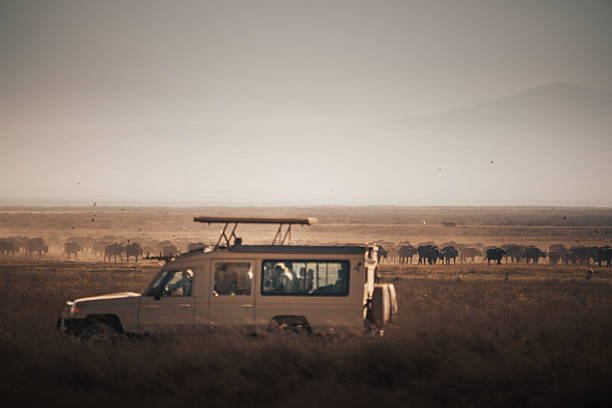
Serengeti National Park, a UNESCO World Heritage Site, is synonymous with the Great Migration, a spectacular annual movement of over two million wildebeest, zebras, and gazelles across the plains in search of fresh grazing. This phenomenon is a constant cycle, and different parts of the park offer prime viewing opportunities at different times of the year. Beyond the migration, the Serengeti is home to an incredible density of predators, including lions, leopards, cheetahs, hyenas, and wild dogs, as well as elephants, giraffes, buffalo, and a myriad of bird species.
Key Wildlife Highlights in Serengeti:
- The Great Migration: Witnessing the sheer scale of hundreds of thousands of animals on the move, particularly during river crossings (July-October) or calving seasons (January-March).
- Predator Action: High chances of seeing lions, cheetahs, and leopards, often in their natural hunting grounds.
- Big Five: While not guaranteed on every trip, the park offers good opportunities to spot elephants, lions, leopards, buffalo, and rhinos (though rhinos are more elusive).
- Diverse Habitats: From open grasslands to acacia woodlands and riverine forests, the Serengeti supports a wide array of wildlife.
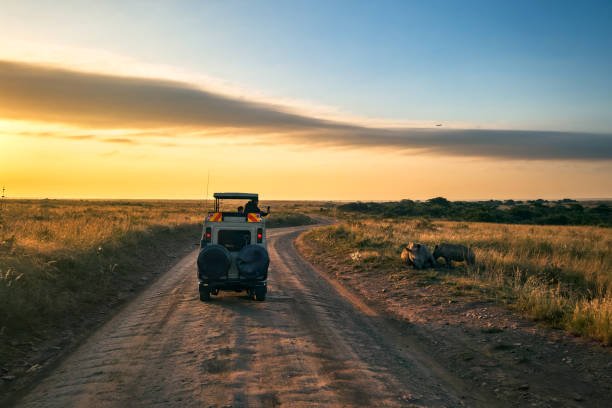
A safari here typically involves game drives in open-top vehicles, often with early morning and late afternoon excursions to maximize wildlife viewing. Accommodation ranges from luxury lodges and tented camps to more budget-friendly options.
Volcanoes National Park (Parc National des Volcans): Home of the Gorillas
Located in northwestern Rwanda, Volcanoes National Park is part of the Virunga Massif, a chain of volcanoes that straddles Rwanda, Uganda, and the Democratic Republic of Congo. This park is one of only a few places on Earth where you can trek to see the critically endangered mountain gorillas in their natural habitat. The experience is profoundly moving, offering intimate encounters with these gentle giants in the dense bamboo and montane forests.
Key Wildlife Highlights in Volcanoes National Park:
- Mountain Gorillas: The primary draw, with several habituated gorilla families available for trekking. The trek itself can be challenging but is immensely rewarding.
- Golden Monkeys: Another endangered primate species found here, offering a distinct and equally fascinating viewing experience.
- Volcanic Landscapes: The dramatic scenery of the Virunga volcanoes provides a stunning backdrop to the gorilla trek.
- Birdlife: The park is also rich in endemic bird species, appealing to ornithologists.
Gorilla trekking involves a permit system, strictly limiting the number of visitors per day to protect the gorillas. The trek duration can vary from 1 to several hours, depending on the gorilla family’s location on any given day. Guides and trackers lead small groups, ensuring minimal disturbance to the gorillas.
Crafting Your Tanzania Serengeti Safari and Rwanda Gorilla Trekking Package
When you decide to combine these destinations, you’re looking at a significant East African journey. Most operators will structure this as a multi-country itinerary. Here’s what a typical Tanzania Serengeti safari and Rwanda gorilla trekking package might entail:
Typical Itinerary Structure and Duration
A common duration for such a package is between 10 to 18 days. The exact length depends on how much time you wish to spend in each location and whether you include any additional destinations like Zanzibar for a beach extension or other Tanzanian parks like Ngorongoro Crater or Tarangire.
Sample Itinerary Flow (14 Days):
- Days 1-2: Arrival in Tanzania & Arusha/Kilimanjaro Airport. Transfer to your lodge, acclimatize, and prepare for the safari.
- Days 3-6: Serengeti National Park Safari. Fly into the Serengeti (e.g., from Arusha or Kilimanjaro). Spend 3-4 full days on game drives, potentially focusing on a specific region based on the migration.
- Day 7: Serengeti to Arusha/Kilimanjaro & Flight to Rwanda. Morning game drive, then fly back to Kilimanjaro or Arusha, connect to a flight to Kigali, Rwanda. Transfer to your hotel in Kigali.
- Day 8: Kigali City Tour & Transfer to Volcanoes National Park. Visit the Kigali Genocide Memorial, then drive north to the Virunga foothills (approx. 2-3 hours).
- Day 9: Gorilla Trekking in Volcanoes National Park. Early morning briefing, trek to find a gorilla family, and spend one hour observing them.
- Day 10: Golden Monkey Trekking & Transfer to Lake Kivu. Trek for golden monkeys, then transfer to the scenic Lake Kivu for relaxation or optional activities.
- Day 11: Lake Kivu to Kigali & Departure. Enjoy a final morning at Lake Kivu before driving back to Kigali for your departure flight.
This is a simplified example. Some packages might extend the Serengeti portion, add the Ngorongoro Crater, or include more time in Rwanda exploring other attractions. The critical transit point is usually Kigali, Rwanda, from where you’ll fly out.
Key Inclusions and Exclusions in Packages
Understanding what’s covered in a Tanzania Serengeti safari and Rwanda gorilla trekking package is vital for budgeting and planning. While packages vary, common inclusions are:
Common Package Inclusions:
- Accommodation: Lodges or tented camps during the safari and hotels in Rwanda.
- Meals: Usually full board on safari (breakfast, lunch, dinner) and half board or full board in Rwanda.
- Ground Transport: Safari vehicle with a driver-guide in Tanzania, 4×4 vehicle with driver in Rwanda.
- Park Fees: Entrance fees for Serengeti National Park.
- Activities: Game drives in Serengeti.
- Gorilla Permit: The highly sought-after permit for gorilla trekking in Rwanda.
- Golden Monkey Permit: Permit for golden monkey trekking.
- Internal Flights: Often includes the flight from Arusha/Kilimanjaro to the Serengeti and potentially from Tanzania to Kigali.
- Transfers: Airport transfers and transfers between locations.
Conversely, common exclusions often are:
Common Package Exclusions:
- International Flights: Flights to Kilimanjaro (JRO) and from Kigali (KGL).
- Visa Fees: For Tanzania and Rwanda.
- Travel Insurance: Essential for any international travel.
- Tips and Gratuities: For guides, drivers, and lodge staff.
- Personal Expenses: Drinks, laundry, souvenirs, and optional activities.
- Vaccinations and Medications: Including malaria prophylaxis.
- Meals not specified: Usually lunch and dinner on arrival/departure days or in transit.
Always clarify these details with your tour operator when requesting a quote for your Tanzania Serengeti safari and Rwanda gorilla trekking package.
Logistics of Traveling Between Tanzania and Rwanda
The most practical way to connect Tanzania (Serengeti) and Rwanda (Volcanoes National Park) is by air. Driving is not feasible for most tourists due to distances, border crossing complexities, and time constraints.
Flights: The Crucial Link
Your Tanzania Serengeti safari and Rwanda gorilla trekking package will almost certainly include flights. This typically involves:
- Domestic Flight within Tanzania: Usually from Arusha Airport (ARK) or Kilimanjaro International Airport (JRO) to an airstrip within the Serengeti (e.g., Seronera, Grumeti, Kogatende).
- International Flight to Rwanda: From Kilimanjaro (JRO) or sometimes Nairobi (NBO) to Kigali International Airport (KGL). This flight is a key component and often the most expensive transit. Some operators might arrange this for you as part of the package, while others might expect you to book it separately.
Booking Considerations for Flights:
- Timing is Key: Ensure your flight schedules align perfectly with your safari and trekking days. Delays can have significant repercussions, especially with limited gorilla permits.
- Airline Options: RwandAir, Ethiopian Airlines, Kenya Airways, and Precision Air are common carriers operating these routes.
- Baggage Allowance: Be mindful of strict baggage limits on internal Tanzanian flights (often 15-20 kg in soft bags) and international flights.
Visas and Entry Requirements
You will need visas for both Tanzania and Rwanda. Depending on your nationality, these can often be obtained online in advance or upon arrival. It’s advisable to check the latest requirements for your passport well ahead of your 2026-2027 travel dates.
- Tanzania Visa: Apply through the official Tanzanian immigration website or check if visa-on-arrival is an option for your passport.
- Rwanda Visa: Rwanda offers a relatively straightforward visa process, often available online or on arrival. The East Africa Tourist Visa, which covers Tanzania, Kenya, and Uganda, might be an option if you are visiting other countries in the region, but check its applicability for this specific itinerary.
Health and Vaccinations
Consult your doctor or a travel clinic at least 6-8 weeks before your trip. Recommended vaccinations and preventative measures often include:
- Yellow Fever: Vaccination is often mandatory for entry into Rwanda and sometimes required if transiting through certain countries. Carry your certificate.
- Malaria: Both regions are considered malaria-risk areas. Discuss appropriate prophylaxis with your doctor.
- Other Vaccinations: Hepatitis A, Typhoid, and Tetanus are commonly recommended.
- COVID-19: Stay updated on any travel advisories or requirements related to COVID-19.
Timing Your Tanzania Serengeti Safari and Rwanda Gorilla Trekking
The best time to undertake a Tanzania Serengeti safari and Rwanda gorilla trekking package depends on your priorities, particularly regarding the Great Migration and weather conditions.
Best Time for Serengeti Safari
- June to October (Dry Season): This is peak season. The grass is shorter, making wildlife spotting easier. It’s also prime time for witnessing the Great Migration river crossings in the northern Serengeti. This period is generally considered ideal for combining with gorilla trekking.
- January to March (Calving Season): The southern Serengeti is the place to be for witnessing thousands of newborn wildebeest and zebras. Predator activity is often high during this time.
- April to May (Long Rains): This is the low season, with lush green landscapes but potentially challenging road conditions and dispersed wildlife. It offers fewer crowds and lower prices.
Best Time for Rwanda Gorilla Trekking
Gorilla trekking in Rwanda is possible year-round, but the dry seasons are generally preferred for easier trekking conditions.
- June to September: The driest months, offering the easiest trails.
- December to February: Another dry spell, good for trekking.
- March to May and October to November: These are the wet seasons. Trails can be muddy and slippery, making the trek more strenuous. However, there are fewer trekkers, and the rainforest is at its most vibrant. Prices for permits and accommodation might be lower during these times.
Combining the Best Times for 2026-2027
For a Tanzania Serengeti safari and Rwanda gorilla trekking package, the ideal window is typically from June to September. This period offers excellent game viewing in the Serengeti (including potential river crossings) and favorable trekking conditions in Rwanda. Travelers planning for 2026 or 2027 should aim to book their permits and accommodations within this timeframe.
If witnessing the calving season in the Serengeti is a priority (January-March), you can still combine it with gorilla trekking, but be prepared for potentially muddier trails in Rwanda. Conversely, if budget is a concern, traveling during the shoulder seasons (e.g., May or October) might offer a good balance of weather and fewer crowds, though river crossings in the Serengeti are less likely.
Cost Considerations for Your Package
A Tanzania Serengeti safari and Rwanda gorilla trekking package is a significant investment. The cost is influenced by several factors:
Key Cost Drivers:
- Duration: Longer trips naturally cost more.
- Accommodation Level: Luxury lodges, mid-range camps, and budget options significantly impact the price.
- Gorilla Permit Cost: This is a fixed and substantial cost set by the Rwandan government (currently $1,500 per person per trek for international tourists). This is usually included in packages.
- Internal Flights: Flights between Arusha, the Serengeti, and Kigali add considerably to the package price.
- Private vs. Group Tour: Private tours offer more flexibility but are more expensive than shared group departures.
- Time of Year: Peak season (June-October) usually commands higher prices due to demand.
- Inclusions: The more services included (meals, park fees, activities), the higher the upfront cost, but it can offer better value and predictability.
While exact pricing requires a custom quote based on your specific requirements and chosen travel dates for 2026-2027, expect a comprehensive 10-14 day package to range broadly. For mid-range to upper-mid-range options, a budget of $6,000 to $10,000+ per person is a realistic starting point, excluding international flights.
Booking Early for 2026-2027: Given the cost and complexity, especially securing gorilla permits, booking your Tanzania Serengeti safari and Rwanda gorilla trekking package at least 6-12 months in advance is highly recommended. This allows for better availability of preferred lodges and ensures you secure your gorilla trekking permits on your desired dates.
Choosing the Right Operator for Your Package
Selecting a reputable tour operator is paramount for a successful Tanzania Serengeti safari and Rwanda gorilla trekking package. Look for companies with:
- Local Expertise: Companies based in Tanzania and/or Rwanda understand the local logistics, regulations, and best practices. Climb 4 Africa, for instance, has deep roots in Tanzania and works with trusted partners in Rwanda.
- Proven Track Record: Check reviews on platforms like TripAdvisor and look for testimonials.
- Customization Options: The ability to tailor itineraries to your interests, budget, and pace.
- Transparency: Clear communication about inclusions, exclusions, and payment terms.
- Support: Availability of customer support before, during, and after your trip.
When you contact an operator like Climb 4 Africa for a Tanzania Serengeti safari and Rwanda gorilla trekking package, be prepared to discuss:
- Your preferred travel dates for 2026 or 2027.
- Your budget range.
- Your interests (e.g., photography, specific wildlife, cultural experiences).
- Your desired level of comfort and accommodation style.
- Any specific requirements or preferences.
What to Expect on Your Serengeti Safari
A Serengeti safari is an experience that engages all your senses. Expect early mornings and late afternoons, as these are the prime times for wildlife activity. Your safari vehicle will be equipped with pop-up roofs for unobstructed viewing and photography.
Game Drives and Wildlife Viewing
Game drives are the core of your Serengeti experience. Your guide will use their knowledge of animal behavior and the park’s geography to locate wildlife. They are also skilled at spotting animals camouflaged in the landscape.
Tips for Serengeti Game Drives:
- Be Patient: Wildlife viewing often involves waiting for animals to appear or for a particular behavior to unfold.
- Stay Quiet: Loud noises can scare animals away.
- Photography: Bring a good camera with a zoom lens. A beanbag can help stabilize your camera in the vehicle.
- Binoculars: Essential for spotting distant animals.
Accommodation Options
Serengeti offers a range of accommodation, from luxury lodges with swimming pools and fine dining to more rustic but comfortable tented camps that offer a closer-to-nature feel. Mobile camps follow the Great Migration, offering prime locations at specific times of the year.
- Luxury Lodges: Offer high-end amenities, spacious rooms, and excellent service.
- Tented Camps: Provide a classic safari experience with canvas tents, often featuring en-suite bathrooms and comfortable furnishings.
- Mid-Range Options: Comfortable and well-located, offering good value.
The choice of accommodation will significantly influence the overall cost of your Tanzania Serengeti safari and Rwanda gorilla trekking package.
What to Expect on Your Rwanda Gorilla Trek
The gorilla trek is an emotionally charged and physically demanding experience. It’s vital to be prepared.
The Trekking Process
- Early Morning Briefing: You’ll start at the park headquarters in Kinigi, where you’ll receive a briefing on trekking etiquette and safety. You’ll be assigned to a gorilla family based on your fitness level and interests.
- The Hike: You’ll be driven to a starting point and then begin your trek with your guide and trackers. The terrain can be steep and muddy, especially during the rainy season. You’ll need a reasonable level of fitness.
- Meeting the Gorillas: Once the gorillas are located, you’ll have one hour to observe them. Maintain a respectful distance (usually 7-10 meters), avoid direct eye contact with silverbacks, and do not eat or drink near them.
- Return: After your hour is up, you’ll trek back to the starting point.
What to Wear and Bring for Gorilla Trekking
Appropriate gear is crucial for comfort and safety on the trek.
Essential Gear for Gorilla Trekking:
- Sturdy Hiking Boots: Waterproof and broken-in.
- Long Trousers and Long-Sleeved Shirt: To protect against scratches and insects.
- Rain Jacket/Poncho: Essential as rainforest weather is unpredictable.
- Gloves: Gardening gloves can be helpful for gripping onto vegetation.
- Insect Repellent: High DEET content is recommended.
- Sunscreen and Hat: For any exposed areas.
- Camera: With sufficient battery and memory. Flash photography is prohibited.
- Water Bottle: At least 2 liters per person.
- Snacks: For energy during the trek.
- Backpack: To carry your essentials.
- Walking Stick: Often provided at the park headquarters, recommended for stability.
Porters are available for hire at the park entrance to help carry your backpack and provide assistance on the trail, which is highly recommended for making the trek more enjoyable, especially for those with less fitness.
Beyond the Highlights: Adding Value to Your Trip
While the Serengeti and gorilla trekking are the stars, a well-designed Tanzania Serengeti safari and Rwanda gorilla trekking package can incorporate other enriching experiences.
Optional Add-ons in Tanzania:
- Ngorongoro Crater: A UNESCO World Heritage Site known for its high concentration of wildlife within a collapsed volcanic caldera. It’s often combined with Serengeti.
- Tarangire National Park: Famous for its large elephant herds and baobab trees, especially in the dry season.
- Zanzibar: For a relaxing beach extension after your safari, offering history, culture, and beautiful coastlines.
Optional Add-ons in Rwanda:
- Kigali City Tour: Explore the capital’s vibrant markets, art galleries, and the poignant Genocide Memorial.
- Lake Kivu: Relax by the shores of this beautiful lake, with opportunities for kayaking, boat trips, or exploring local fishing villages.
- Nyungwe Forest National Park: Home to chimpanzees and various other primate species, as well as extensive canopy walkways.
Discussing these possibilities with your tour operator will help customize your Tanzania Serengeti safari and Rwanda gorilla trekking package to perfectly match your interests and available time for 2026-2027.
Booking Your 2026-2027 Tanzania Serengeti Safari and Rwanda Gorilla Trekking Package
Embarking on this incredible journey requires careful coordination. To ensure you get the best experience for your 2026 or 2027 adventure, here’s how to proceed:
Steps to Booking:
- Research Operators: Identify reputable tour operators specializing in East African multi-country trips.
- Request Custom Quotes: Contact several operators with your desired travel dates (for 2026-2027), duration, and budget. Be specific about wanting a Tanzania Serengeti safari and Rwanda gorilla trekking package.
- Review Itineraries: Compare the proposed itineraries, inclusions, exclusions, and accommodation options.
- Confirm Gorilla Permit Availability: This is crucial. The number of permits is limited, and they sell out months in advance, especially for peak seasons. Your operator should confirm permit availability before you commit.
- Secure Your Booking: Once you’ve chosen an operator, review the contract carefully, understand the payment schedule, and make the initial deposit.
- Prepare for Your Trip: Work with your operator on visa applications, vaccinations, packing lists, and any pre-trip information.
For a smooth planning process for your Tanzania Serengeti safari and Rwanda gorilla trekking package, consider reaching out to experienced local operators. Companies like Climb 4 Africa can provide invaluable insights and handle complex logistics. You can connect with them via WhatsApp at +255 747 477 898 or email at climb4africa@gmail.com to discuss your dream East African adventure for 2026-2027.
Planning a trip that combines the vastness of the Serengeti with the intimacy of gorilla encounters is a significant undertaking, but the rewards are immeasurable. By understanding the logistics, timing, costs, and what to expect, you can confidently plan a truly unforgettable Tanzania Serengeti safari and Rwanda gorilla trekking package. The magic of East Africa awaits.
Check Availability for Tanzania Serengeti Safari And Rwanda Gorilla Trekking Package: Your Ultimate
Ready to compare dates, prices, and the best option for your group? Send the package name and travel month so the team can reply with a clear quote, availability, and what is included.
Tanzania Safari Tours & Packages /: Your Ultimate Wildlife Adventure 2026-2027
Discover the magic of Tanzania with expertly crafted safari tours and packages for 2026 and 2027. From the vast plains of the Serengeti to the depths of the Ngorongoro Crater, find your...
View package details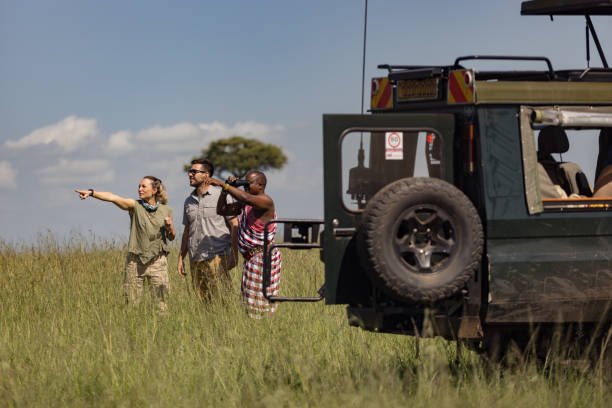
3-Day Serengeti And Ngorongoro Safari: Your Ultimate Tanzania Wildlife
start a concise yet unforgettable 3-day Serengeti and Ngorongoro safari, designed to maximize wildlife encounters in Tanzania's most celebrated parks. This compact adventure offers a taste...
View package details
Serengeti Safari And Zanzibar Beach Holiday: The Ultimate Tanzania
Combine the thrill of a Serengeti safari with the relaxation of a Zanzibar beach holiday. This guide covers everything you need to know for an unforgettable Tanzania adventure in 2026-2027...
View package details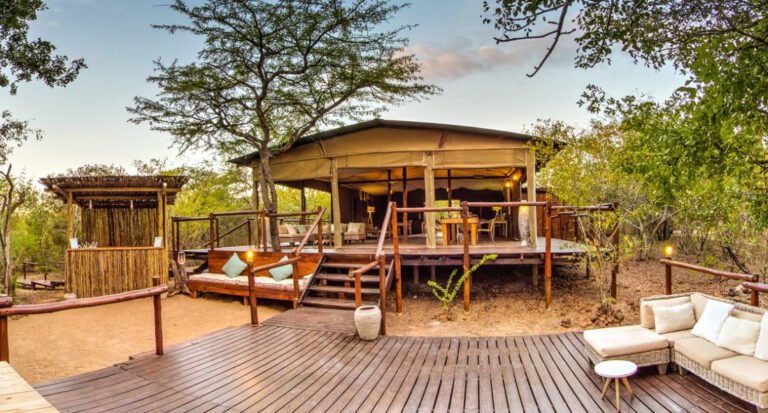
7-Day Tanzania Safari: Serengeti, Ngorongoro, And Tarangire In 2026-2027
A comprehensive guide to a 7-day Tanzania safari adventure, focusing on the iconic Serengeti National Park, the Ngorongoro Crater, and Tarangire National Park. Learn about optimal...
View package details
Serengeti Safari Tours: Prices, Packages & Best Time To Visit In 2026-2027
Discover everything you need to know for planning your Serengeti safari tour, from understanding pricing and package variations to identifying the ideal travel times in 2026-2027. This...
View package details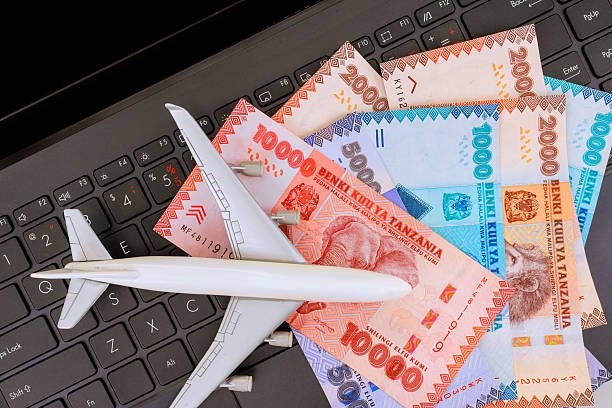
Zanzibar To Serengeti Safari Packages 2026-2027
Zanzibar to Serengeti Safari Packages is explained with current 2026-2027 planning, price, itinerary and booking information.
View package details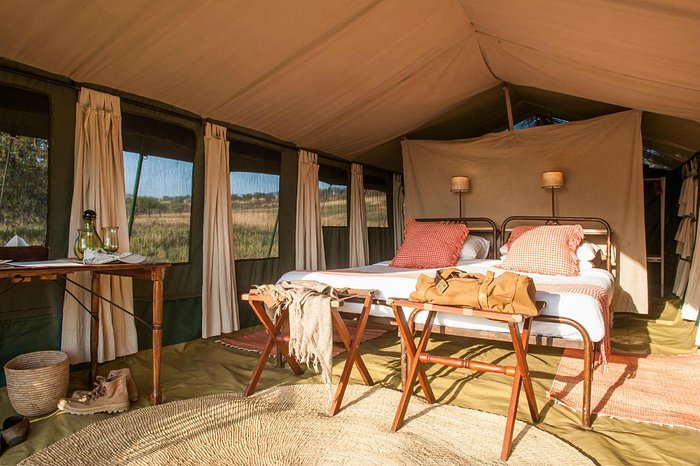
Best African Safari Tours & Vacation Packages /: Your Ultimate Tanzania
start an unforgettable African safari adventure in 2026/2027 with expertly curated tours and vacation packages in Tanzania's most iconic wildlife destinations. From the Serengeti to the...
View package details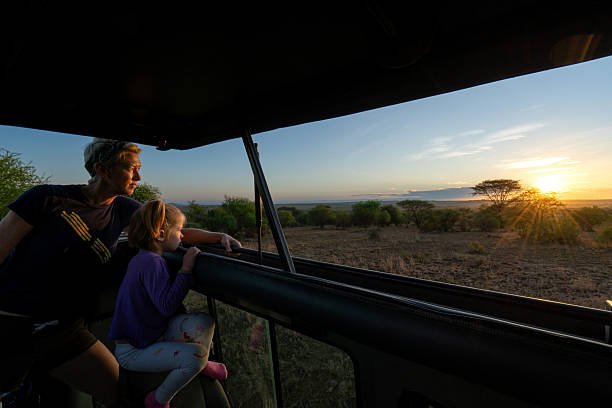
Private Tanzania Safari Packages: Your Ultimate Guide For 2026-2027
Discover the unparalleled freedom and personalized experience of a private Tanzania safari package. This comprehensive guide for 2026-2027 explores custom itineraries, key destinations like...
View package details
Serengeti Great Migration Safari Packages: Your Guide To Witnessing The Wonder
start an unforgettable journey with our comprehensive guide to Serengeti Great Migration safari packages for 2026-2027. Understand the best times to go, optimal viewing locations, and how...
View package detailsBest Places To See Wild Animals In Tanzania: Your Ultimate Safari Guide
Planning a safari to witness incredible wildlife? Tanzania offers some of the planet's most spectacular viewing opportunities. This guide explores the top destinations for seeing wild...
View package details
All-Inclusive African Safari Vacations Guide
start an all-inclusive African safari vacation in Tanzania, a premier destination for wildlife viewing in 2026-2027. This comprehensive guide covers everything from iconic parks like the...
View package details
Kruger National Park Safari Packages: Your Ultimate Guide To Adventures
Discover tailored Kruger National Park safari packages for 2026-2027. This comprehensive guide covers everything from choosing the right lodge and activities to understanding costs and...
View package detailsNo related package matches those filters. Clear one or more filters to see the other topic-matched options.



