A classic Nairobi, Amboseli, Serengeti, Ngorongoro, and Zanzibar itinerary offers a spectacular blend of Kenya and Tanzania’s premier wildlife destinations with the tropical allure of Zanzibar. Typically spanning 10-14 days, this route begins in Nairobi, Kenya, moves south to Amboseli National Park for iconic views of Kilimanjaro and large elephant herds, then crosses into Tanzania for the vast plains of the Serengeti and the unique ecosystem of the Ngorongoro Crater. The journey concludes with relaxation and cultural experiences on the beaches of Zanzibar. Planning for 2026 and 2027 involves considering peak seasons for wildlife viewing and booking accommodations and flights well in advance.

Crafting Your Nairobi, Amboseli, Serengeti, Ngorongoro, Zanzibar Itinerary
Embarking on a journey that combines the iconic wildlife spectacles of Kenya and Tanzania with the tropical allure of Zanzibar is a dream for many. A well-structured Nairobi, Amboseli, Serengeti, Ngorongoro, Zanzibar itinerary provides an unparalleled African experience, weaving together thrilling game drives, impressive landscapes, and serene beach relaxation. This itinerary is a classic for a reason: it showcases the very best of East Africa’s natural wonders and cultural mix. From the moment you land in Nairobi, the adventure begins, leading you through diverse ecosystems teeming with wildlife before culminating in the azure waters and sandy shores of Zanzibar.
For travelers planning for 2026 and 2027, understanding the nuances of this multi-country journey is key to a successful and memorable trip. This guide aims to demystify the planning process, offering practical insights into each destination, logistical considerations, and tips for tailoring the experience to your preferences. Whether you’re drawn by the promise of the Great Migration, the chance to see the Big Five in the Ngorongoro Crater, or the exotic charm of Zanzibar, this comprehensive overview will help you build your perfect East African adventure.
Essential Planning for Your 2026-2027 African Adventure
Planning an ambitious itinerary like Nairobi, Amboseli, Serengeti, Ngorongoro, Zanzibar requires foresight and attention to detail, especially when looking ahead to 2026 and 2027. Early planning is crucial for securing the best accommodations, optimal safari dates, and favorable flight connections. Here are the foundational steps to consider:
- Determine Duration: The classic route typically requires a minimum of 10 days, but 14-21 days allows for a more relaxed pace and deeper exploration, particularly in the Serengeti and Zanzibar.
- Set Your Budget: East African safaris and Zanzibar holidays can range significantly in cost. Define your budget early to guide choices in accommodation, transport, and safari style. Factors like private versus group tours, lodge quality, and internal flight usage will heavily influence the overall price.
- Choose Your Travel Dates: Consider the best time to visit for wildlife viewing (e.g., the Great Migration in the Serengeti) and for Zanzibar’s weather. Peak seasons often mean higher prices and crowds, so booking for 2026 or 2027 during shoulder seasons might offer a good balance.
- Visa Requirements: Research visa requirements for both Kenya and Tanzania for your nationality. Many nationalities can obtain visas on arrival or apply online, but it’s best to check official government sources well in advance.
- Health Precautions: Consult your doctor about necessary vaccinations (e.g., Yellow Fever) and malaria prophylaxis. Travel insurance is highly recommended for any international trip, especially one involving remote areas and adventure activities.
- Book with a Reputable Operator: For a smooth Nairobi, Amboseli, Serengeti, Ngorongoro, Zanzibar itinerary, partnering with an experienced tour operator is invaluable. They handle complex logistics, recommend suitable accommodations, and provide local expertise.
Considering 2026-2027 travel means you have ample time to research and book. Many popular lodges and safari camps, especially in prime locations like the Serengeti and Ngorongoro Crater rim, get booked up 6-12 months in advance, particularly for peak season dates in 2026 and 2027. Early commitment ensures you get your preferred choices.
Nairobi: Gateway to the Wild
Your journey begins in Nairobi, Kenya’s vibrant capital. Most international flights arrive at Jomo Kenyatta International Airport (NBO). Nairobi serves as the crucial starting point for many East African adventures, offering a mix of urban energy and proximity to wildlife. Depending on your arrival time and onward travel plans, you might spend a night or two here.
What to Do in Nairobi:
- Nairobi National Park: Just a short drive from the city center, this park is unique for being the only national park in the world with a city skyline as its backdrop. It’s a great introduction to Kenyan wildlife, including lions, leopards, rhinos, buffaloes, and diverse birdlife.
- David Sheldrick Wildlife Trust: Visit the elephant orphanage to see orphaned baby elephants being cared for and learn about conservation efforts. You can often adopt an elephant.
- Giraffe Centre: Get up close and personal with endangered Rothschild giraffes, feeding them from a raised platform.
- Karen Blixen Museum: Explore the former home of the author of ‘Out of Africa’, offering a glimpse into colonial history.
- Bomas of Kenya: Experience traditional Kenyan village life and cultural performances.
For travelers focusing on their Nairobi, Amboseli, Serengeti, Ngorongoro, Zanzibar itinerary, Nairobi is more than just a transit point. It’s an opportunity to acclimatize, arrange last-minute essentials, and gain an initial taste of the wildlife and conservation ethos that defines the rest of your trip. Many operators offer airport transfers and accommodation in Nairobi, simplifying your arrival.
Amboseli National Park: Elephants and Kilimanjaro Views
From Nairobi, your safari adventure typically heads south to Amboseli National Park. This park is renowned for its large elephant herds and, most famously, its spectacular, unobstructed views of Mount Kilimanjaro, Africa’s highest peak, which straddles the border with Tanzania. The landscape is a mix of open plains, acacia woodlands, and swamps, which attract a significant amount of wildlife.
Why Amboseli is a Must-Visit:
- Iconic Kilimanjaro Backdrop: The views of Kilimanjaro from Amboseli are unparalleled, especially during the early morning and late afternoon light. This iconic vista is a highlight for many visitors.
- Abundant Elephant Populations: Amboseli is home to one of Kenya’s largest elephant populations. You’ll often see large family groups moving across the plains.
- Diverse Wildlife: Besides elephants, the park hosts lions, cheetahs, wildebeest, zebras, giraffes, hippos, and over 400 species of birds.
- Photography Opportunities: The open plains and the dramatic mountain backdrop make Amboseli a photographer’s paradise.
A typical stay in Amboseli is 2-3 days, allowing for ample game drives to explore the park’s diverse habitats and capture those memorable Kilimanjaro shots. Accommodation options range from luxury tented camps to more rustic lodges, often strategically located to maximize wildlife viewing and those stunning mountain panoramas. Planning your Nairobi, Amboseli, Serengeti, Ngorongoro, Zanzibar itinerary for 2026 or 2027 should prioritize booking these sought-after lodges early, particularly those with direct Kilimanjaro views.
Crossing the Border: Kenya to Tanzania
Transitioning from Kenya to Tanzania is a key logistical step in your Nairobi, Amboseli, Serengeti, Ngorongoro, Zanzibar itinerary. The most common border crossing for this route is Namanga, located between Amboseli and Arusha, Tanzania. This process can vary in efficiency, and having a knowledgeable tour operator manage it significantly smooths the experience.
The Border Crossing Process:
- Vehicle and Driver: If you are on a private safari with a single vehicle and guide, your Kenyan guide will typically assist you with exiting Kenya, and a Tanzanian guide and vehicle will meet you on the other side. Cross-border vehicle permits and insurance are required.
- Immigration: You will disembark your vehicle to go through immigration procedures for both countries. This involves getting your Kenyan exit stamp and then proceeding to the Tanzanian side for your entry visa and stamp.
- Time: The border crossing can take anywhere from 1 to 3 hours, depending on the day, time, and number of people. Patience is key.
- Arusha as a Hub: Most travelers proceed from Namanga to Arusha, Tanzania’s safari capital. Arusha is where you’ll arrange logistics for your Tanzanian leg, including meeting your Tanzanian guide, and potentially spending a night before heading to the Serengeti or Ngorongoro.
For those planning a Nairobi, Amboseli, Serengeti, Ngorongoro, Zanzibar itinerary for 2026-2027, understanding this transit is vital. It’s often recommended to have your Tanzanian safari component booked with a local operator who can seamlessly manage the handover at the border. This ensures your onward journey is efficient and that you don’t lose valuable safari time.
Serengeti National Park: The Great Migration and Beyond
The Serengeti, meaning ‘endless plains’ in the Maasai language, is arguably the most famous wildlife sanctuary in the world. It forms the heart of the northern Tanzanian safari circuit and is a critical part of any comprehensive Nairobi, Amboseli, Serengeti, Ngorongoro, Zanzibar itinerary. The park is vast, covering over 14,000 square kilometers, and is most renowned for hosting the Great Migration.
The Great Migration:
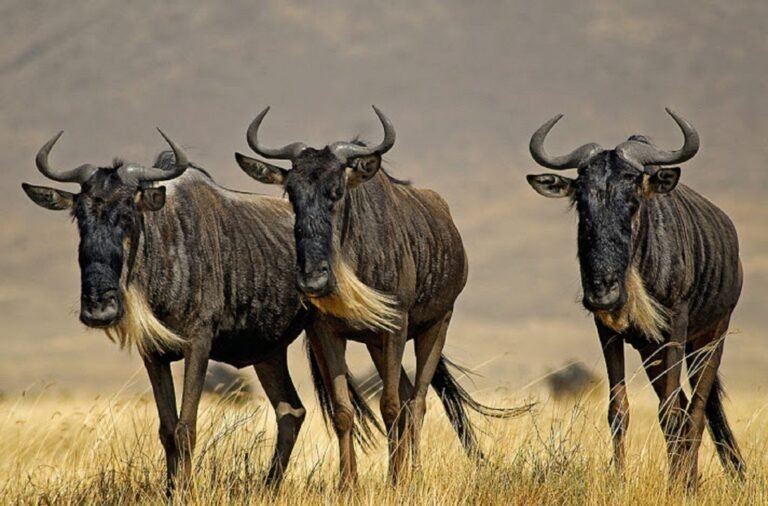
This spectacular natural phenomenon involves millions of wildebeest, zebras, and gazelles moving in a constant cycle across the Serengeti and Maasai Mara ecosystems in search of fresh grazing land and water. The timing and location of the migration vary annually, but key events like the river crossings (especially the Grumeti and Mara rivers) are dramatic highlights. Planning your 2026 or 2027 trip around the migration requires careful consideration of where the herds will be during your visit.
Beyond the Migration:
- Year-Round Wildlife: Even outside of migration season, the Serengeti boasts an incredible density of wildlife, including the Big Five (lion, leopard, elephant, rhino, buffalo), cheetahs, giraffes, hippos, crocodiles, and a vast array of bird species.
- Diverse Habitats: The Serengeti features varied landscapes, from the central Seronera Valley with its acacia woodlands and permanent water sources, to the open plains of the south and the rocky kopjes, which are prime leopard territory.
- Leopard and Cheetah Hotspots: The Seronera region and the Moru Kopjes are excellent for spotting leopards and cheetahs, respectively.
- Predator Action: The Serengeti is a predator’s paradise, offering unparalleled opportunities to witness lion prides, hunting cheetahs, and powerful leopards.
A stay in the Serengeti typically ranges from 3 to 5 days, allowing for extensive game drives across different regions. Accommodation options are diverse, from luxury tented camps that offer an authentic safari feel to more permanent lodges. For your Nairobi, Amboseli, Serengeti, Ngorongoro, Zanzibar itinerary in 2026-2027, selecting camps in areas known for good game viewing, or strategically positioned to follow the migration, is key. Internal flights within the Serengeti can save significant driving time, making remote areas more accessible.
Ngorongoro Conservation Area: The Eighth Wonder of Africa
Adjacent to the Serengeti, the Ngorongoro Conservation Area (NCA) is a UNESCO World Heritage Site and a major highlight of any Tanzanian safari. Its centerpiece is the Ngorongoro Crater, a massive volcanic caldera teeming with wildlife. This unique ecosystem offers an exceptional wildlife viewing experience, often referred to as the ‘Eighth Wonder of the World’.
The Ngorongoro Crater Experience:
- High Wildlife Density: The crater floor, covering approximately 260 square kilometers, boasts one of the highest concentrations of wildlife in Africa. It is one of the best places to see the Big Five in a single day.
- Black Rhino Sanctuary: The crater is a critical sanctuary for the endangered black rhino, and sightings, while not guaranteed, are more probable here than in many other locations.
- Unique Ecosystem: The crater supports a diverse range of habitats, including grasslands, swamps, forests, and a soda lake, attracting a wide variety of animals year-round.
- Predator-Prey Dynamics: Witnessing the interactions between lions, hyenas, leopards, cheetahs, and their prey in such a contained environment is a remarkable spectacle.
NCA Beyond the Crater:
The NCA is not just the crater. It also encompasses a larger conservation area with varied landscapes, including the Maasai pastoralist lands and the Ngorongoro Highlands. You can visit Maasai villages to learn about their traditional way of life, a cultural addition that enriches your Nairobi, Amboseli, Serengeti, Ngorongoro, Zanzibar itinerary.
Important Note on Crater Visits: Entry into the crater is strictly regulated to protect the environment. Visitors are typically allowed a maximum of six hours on the crater floor for game drives. Accommodation options are available on the crater rim, offering stunning views, or within the wider NCA. For 2026-2027 bookings, securing rim lodges is highly competitive due to their prime location and views.
Zanzibar: Spice Island Paradise
After the exhilarating wildlife encounters of Kenya and Tanzania, your Nairobi, Amboseli, Serengeti, Ngorongoro, Zanzibar itinerary culminates with a well-deserved break on the idyllic island of Zanzibar. This semi-autonomous archipelago off the coast of Tanzania offers a blend of beautiful beaches, rich history, and vibrant culture.
Key Attractions in Zanzibar:
- Stone Town: A UNESCO World Heritage Site, Stone Town is the historic heart of Zanzibar City. Wander through its narrow, labyrinthine alleys, admire the intricately carved wooden doors, and soak in the Swahili and Arab influences. Visit historical sites like the House of Wonders and the Old Fort.
- Spice Tours: Zanzibar is famously known as the ‘Spice Island’. A guided spice tour is a sensory experience, where you’ll learn about, see, and taste exotic spices like cloves, nutmeg, cinnamon, vanilla, and pepper.
- Beaches: Zanzibar boasts some of the world’s most beautiful beaches. Popular spots include Nungwi and Kendwa in the north (known for stunning sunsets and calm waters), Paje and Jambiani on the east coast (ideal for kitesurfing and experiencing local village life), and the more secluded southern beaches.
- Snorkeling and Diving: The waters around Zanzibar, particularly near Mnemba Atoll, offer excellent opportunities for snorkeling and diving with vibrant coral reefs and diverse marine life.
- Prison Island: A short boat trip from Stone Town, this island is home to giant Aldabra tortoises and offers good snorkeling opportunities.
Your time in Zanzibar can be as active or as relaxed as you wish. Whether you choose to explore historical sites, indulge in water sports, or simply unwind on the white sandy beaches, Zanzibar provides a perfect counterpoint to the adventure of your safari. For 2026-2027 travel, consider the seasonality of Zanzibar’s weather, with drier, sunnier periods generally occurring from June to October and December to February.
Sample Nairobi, Amboseli, Serengeti, Ngorongoro, Zanzibar Itineraries
The duration and pace of your Nairobi, Amboseli, Serengeti, Ngorongoro, Zanzibar itinerary can be customized. Here are a few examples to illustrate the possibilities for 2026-2027 travel:
12-Day Classic Itinerary: A Taste of Four Icons
Day 1: Arrive Nairobi, transfer to hotel.
Day 2: Nairobi city tour (optional: Sheldrick, Giraffe Centre), afternoon flight to Amboseli.
Day 3: Amboseli National Park game drives.
Day 4: Morning game drive, transfer to Namanga border, cross to Tanzania, drive to Arusha.
Day 5: Drive to Serengeti National Park (via Ngorongoro Conservation Area viewpoint).
Day 6-7: Serengeti National Park game drives (focus on migration if applicable).
Day 8: Morning game drive, drive to Ngorongoro Conservation Area, descend into Crater for game drive.
Day 9: Maasai village visit (optional), drive to Arusha, evening flight to Zanzibar.
Day 10-11: Zanzibar: Stone Town tour, spice tour, beach relaxation.
Day 12: Depart Zanzibar.
16-Day Comprehensive Itinerary: Deeper Exploration
Day 1: Arrive Nairobi, transfer to hotel.
Day 2: Nairobi highlights (Sheldrick, Giraffe Centre), afternoon flight to Amboseli.
Day 3-4: Amboseli National Park game drives.
Day 5: Morning game drive, transfer to Namanga border, cross to Tanzania, drive to Arusha.
Day 6: Drive to Tarangire National Park (known for elephants and baobabs).
Day 7: Tarangire game drives, drive to Karatu/Ngorongoro Highlands.
Day 8: Full day Ngorongoro Crater game drive.
Day 9: Visit local community project or Maasai village, drive to Serengeti.
Day 10-12: Serengeti National Park game drives (central, western, or northern depending on migration).
Day 13: Fly from Serengeti airstrip to Zanzibar.
Day 14-15: Zanzibar: Stone Town exploration, spice tour, beach time, optional water activities.
Day 16: Depart Zanzibar.
21-Day Grand East Africa Experience: Unhurried Pace
This extended itinerary allows for a more relaxed pace and broader exploration, potentially including more time in each park or adding destinations like Lake Manyara or even a short extension into Kenya’s Maasai Mara. It offers the ultimate Nairobi, Amboseli, Serengeti, Ngorongoro, Zanzibar itinerary for those with ample time.
For 2026-2027 bookings, discussing these detailed options with your tour operator is highly recommended to ensure the itinerary aligns perfectly with your interests and the seasonal wildlife movements.
Choosing Your Travel Style: Budget, Mid-Range, Luxury
The Nairobi, Amboseli, Serengeti, Ngorongoro, Zanzibar itinerary can be tailored to virtually any budget. The primary cost drivers are accommodation, transportation (private vehicle vs. shared, internal flights), and the number of days spent on safari. Understanding these options for 2026-2027 travel will help you make informed decisions.
Budget Options:
Focus: Value for money, shared experiences, simpler accommodations.
Accommodation: Campsites, budget guesthouses, basic lodges. Often involves camping safaris with shared tents and cooking facilities.
Transport: Shared safari vehicles, public transport between hubs where feasible, fewer internal flights.
Ideal for: Solo travelers, backpackers, groups on a tight budget. Offers a very authentic, down-to-earth experience.
Considerations: Can involve longer travel times, less comfort, and shared facilities. Booking in advance for 2026-2027 is still advisable for popular budget camps.
Mid-Range Options:
Focus: Comfortable and well-appointed accommodations, good game viewing, balanced value.
Accommodation: Comfortable lodges and tented camps with en-suite facilities, good service, and excellent locations.
Transport: Primarily private 4×4 safari vehicles with dedicated guides. May include some strategic internal flights (e.g., to Serengeti) to save time.
Ideal for: Families, couples, and small groups seeking a balance of comfort, wildlife experience, and cost. This is often the most popular choice.
Considerations: Offers a high level of comfort and personalized service. Booking for 2026-2027 should still be done 6-9 months in advance for prime lodges.
Luxury Options:
Focus: Exclusive experiences, high-end lodges and camps, personalized service, gourmet dining, prime locations.
Accommodation: Luxurious lodges and tented camps with premium amenities, private plunge pools, exceptional service, and often in exclusive wildlife areas.
Transport: Private 4×4 vehicles with experienced guides, extensive use of internal flights for maximum efficiency and comfort, often including charter flights.
Ideal for: Honeymooners, discerning travelers, those seeking ultimate comfort and privacy. Offers an unparalleled safari experience.
Considerations: Highest cost, but delivers exceptional value in terms of experience and exclusivity. For 2026-2027 luxury travel, booking 9-12 months ahead is recommended.
When planning your Nairobi, Amboseli, Serengeti, Ngorongoro, Zanzibar itinerary for 2026 or 2027, clearly defining your preferred travel style will help narrow down the vast array of accommodation and transport options. Your tour operator will be instrumental in recommending choices that fit your budget and expectations.
Logistics and Transport: Navigating Your Itinerary
Efficient logistics are the backbone of a successful Nairobi, Amboseli, Serengeti, Ngorongoro, Zanzibar itinerary. Understanding the transport options and how they impact your journey is crucial.
Kenya to Tanzania Transfer:
As detailed earlier, the overland transfer via the Namanga border is common. This involves a vehicle and guide handover. Alternatively, you can fly from Nairobi directly to Kilimanjaro International Airport (JRO) or Arusha Airport (ARK) in Tanzania, which saves time but adds cost.
Internal Transfers within Tanzania:
- 4×4 Safari Vehicles: These are the standard for game drives in Amboseli, Serengeti, and Ngorongoro. They are typically open-sided or pop-top for optimal viewing and photography. For private safaris, you’ll have a dedicated vehicle and driver-guide. For group or budget safaris, you’ll share a vehicle.
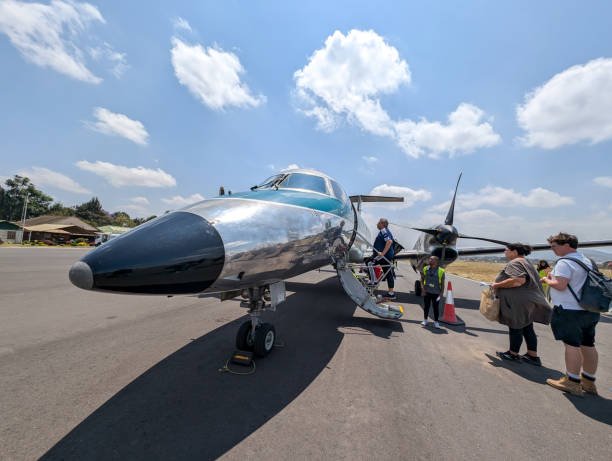
- Internal Flights: Flying between parks (e.g., from Arusha to the Serengeti, or Serengeti to Zanzibar) significantly reduces travel time, especially for longer distances. Airstrip transfers to your lodge are usually included. For 2026-2027, consider flights to save valuable safari time, especially if your itinerary is shorter.
- Zanzibar Transport: Upon arrival in Zanzibar, you’ll typically be met for a transfer to your hotel. On the island, private taxis are common for getting around, especially for day trips or transfers between beach areas and Stone Town.
The choice between overland travel and internal flights will significantly impact the pace and cost of your Nairobi, Amboseli, Serengeti, Ngorongoro, Zanzibar itinerary. A comprehensive operator will advise on the best balance for your specific trip in 2026-2027, considering your interests and budget.
When to Go: Timing Your 2026-2027 Safari and Zanzibar Trip
The “best” time to undertake a Nairobi, Amboseli, Serengeti, Ngorongoro, Zanzibar itinerary often depends on your priorities, especially regarding wildlife viewing and beach weather. For 2026 and 2027, understanding these seasonal patterns is key.
Kenya & Tanzania Safari Seasons:
- Dry Season (June – October): This is generally considered the peak safari season. Wildlife congregates around permanent water sources, making game viewing excellent. The Great Migration river crossings in the Mara River (northern Serengeti) typically occur from July to October. Amboseli and Ngorongoro also offer superb viewing. Expect clearer skies and lower humidity. Prices are generally higher.
- Green Season (November – May): This is the ‘low’ or ‘shoulder’ season. The landscape is lush and green, offering beautiful scenery and excellent photographic opportunities. Migratory birds arrive, and it’s the calving season for wildebeest (late Jan-March) in the southern Serengeti, attracting predators. This season is often more affordable. However, rain can impact game drives, and some remote camps may close.
Zanzibar Seasons:
- Dry & Hot (June – October): Excellent beach weather, sunny, low humidity, ideal for water activities. This aligns with the peak safari season.
- Short Rains (November): Brief showers, usually in the afternoons.
- Hot & Humid (December – March): Good beach weather, though can be hot. The period from December to February is popular for combining with safari.
- Long Rains (April – May): Significant rainfall, making it less ideal for beach holidays and some safari activities.
Recommendation for 2026-2027: For a balance of excellent wildlife viewing and good beach weather, consider the period from June to October 2026 or 2027. If budget is a major concern and you don’t mind occasional rain, the shoulder months of November or March-May can offer great value. Planning your Nairobi, Amboseli, Serengeti, Ngorongoro, Zanzibar itinerary around these timings is crucial for maximizing your enjoyment.
Health and Safety Considerations
Prioritizing health and safety is paramount for any Nairobi, Amboseli, Serengeti, Ngorongoro, Zanzibar itinerary. Being well-prepared ensures a worry-free adventure.
Health:
- Malaria: Both Kenya and Tanzania are malaria-prone areas, especially at lower altitudes. Consult your doctor about malaria prophylaxis well in advance of your 2026-2027 trip. Use insect repellent, wear long sleeves and trousers in the evenings, and sleep under mosquito nets.
- Vaccinations: Yellow Fever vaccination is often a requirement for entry into Tanzania if arriving from or transiting through a Yellow Fever endemic country (including Kenya). Check current regulations. Other recommended vaccinations include Hepatitis A, Typhoid, and Tetanus.
- Water: Drink only bottled or purified water. Avoid ice in drinks unless you are certain it’s made from purified water.
- Sun Protection: The African sun is intense. Use high SPF sunscreen, wear a wide-brimmed hat, and sunglasses.
- Food Safety: Be cautious with street food. Stick to well-cooked meals and peeled fruits.
Safety:
- Safari Safety: Always follow your guide’s instructions. Never leave your vehicle while on a game drive unless instructed. Keep a safe distance from wildlife.
- Nairobi & Stone Town: Be aware of your surroundings, especially in crowded areas. Use reputable taxis and avoid displaying valuables openly.
- Travel Insurance: Comprehensive travel insurance covering medical emergencies, evacuation, and trip cancellation is non-negotiable for an itinerary like this.
Discuss your specific health concerns and travel plans for 2026 or 2027 with your doctor and travel clinic at least 6-8 weeks before departure.
Packing Essentials for Your East African Journey
Packing smart is key to enjoying your Nairobi, Amboseli, Serengeti, Ngorongoro, Zanzibar itinerary. The focus is on comfort, practicality, and layering for varying climates.
Clothing:
- Neutral Colors: Pack lightweight clothing in neutral colors like khaki, beige, olive green, and brown. Bright colors can scare wildlife, and white gets dirty quickly.
- Layers: Mornings and evenings on safari can be cool, while the afternoons are warm. Pack t-shirts, long-sleeved shirts, a fleece or warm jacket, and trousers.
- Comfortable Trousers/Shorts: For game drives and general wear. Avoid camouflage patterns.
- Swimwear: Essential for Zanzibar and for lodges with pools.
- Rain Gear: A light waterproof jacket or poncho is advisable, especially during the green season.
Footwear:
- Comfortable Walking Shoes: Closed-toe shoes are best for safari.
- Sandals/Flip-flops: For relaxing at lodges and on the beach.
Other Essentials:
- Sunscreen, Hat, Sunglasses: High SPF sunscreen is crucial.
- Insect Repellent: With DEET for malaria prevention.
- Camera & Binoculars: Essential for wildlife viewing and photography. Bring extra batteries and memory cards.
- Adapter & Power Bank: For charging electronics.
- First-Aid Kit: With personal medications and basic supplies.
- Headlamp/Torch: Useful for navigating camps at night.
- Reusable Water Bottle: To minimize plastic waste.
- Personal Documents: Passport, visas, flight details, insurance.
For your 2026-2027 trip, pack light where possible, especially if you plan on using internal flights, as baggage allowances can be restrictive. Soft-sided duffel bags are often preferred over hard suitcases for safaris.
Booking Your Nairobi, Amboseli, Serengeti, Ngorongoro, Zanzibar Itinerary
Securing your Nairobi, Amboseli, Serengeti, Ngorongoro, Zanzibar itinerary for 2026 or 2027 is the final, exciting step. Given the complexity of a multi-country trip, working with a specialist tour operator is highly recommended. Climb 4 Africa offers expert planning for this exact route, leveraging local knowledge and established networks to create smooth and unforgettable experiences.
Why Book with Climb 4 Africa?
- Expertise: We specialize in East African safaris and Zanzibar holidays, with a deep understanding of the best times to visit, optimal routes, and the nuances of each park and island.
- Tailor-Made Itineraries: We craft personalized itineraries based on your interests, budget, and travel style, ensuring your Nairobi, Amboseli, Serengeti, Ngorongoro, Zanzibar trip is exactly what you envision.
- Local Support: From arrival in Nairobi to your departure from Zanzibar, we provide practical local support, ensuring smooth transitions and prompt assistance should any issues arise.
- Quality Assurance: We partner with reputable lodges, camps, and transport providers to guarantee a high standard of service and safety throughout your journey.
- Competitive Pricing: While offering premium experiences, we strive to provide excellent value for your investment.
Next Steps for 2026-2027 Travel:
To begin planning your dream Nairobi, Amboseli, Serengeti, Ngorongoro, Zanzibar itinerary, reach out to our team. We recommend providing details such as:
- Your preferred travel dates or month for 2026 or 2027.
- The approximate duration of your trip.
- Your estimated budget range.
- Your interests (e.g., photography, birdwatching, specific animals, cultural experiences, relaxation).
- Your preferred travel style (budget, mid-range, luxury).
Contact us today via WhatsApp at +255 747 477 898 or email us at climb4africa@gmail.com to start designing your unforgettable East African adventure. Let Climb 4 Africa guide you through the planning process for an exceptional Nairobi, Amboseli, Serengeti, Ngorongoro, Zanzibar itinerary that will create lifelong memories.
“,
“faq_schema”: [
{
“question”: “What is the typical duration for a Nairobi, Amboseli, Serengeti, Ngorongoro, Zanzibar itinerary?”,
“answer”: “A comprehensive Nairobi, Amboseli, Serengeti, Ngorongoro, Zanzibar itinerary typically requires at least 10-14 days. For a more relaxed pace and deeper exploration, 16-21 days is ideal, allowing ample time for game drives, travel between locations, and relaxation in Zanzibar.”
},
{
“question”: “When is the best time to visit for the Great Migration as part of this itinerary in 2026-2027?”,
“answer”: “The Great Migration river crossings in the northern Serengeti (Mara River) usually occur between July and October. To witness this spectacle as part of your Nairobi, Amboseli, Serengeti, Ngorongoro, Zanzibar itinerary in 2026 or 2027, plan your trip during these months. However, wildlife viewing is excellent year-round in the Serengeti and Ngorongoro.”
},
{
“question”: “How do I travel between Kenya and Tanzania for this itinerary?”,
“answer”: “The most common method is an overland transfer from Nairobi/Amboseli to Arusha, Tanzania, via the Namanga border crossing. This involves an immigration process and usually a handover to a Tanzanian guide and vehicle. Alternatively, you can fly from Nairobi to Kilimanjaro International Airport (JRO) or Arusha Airport (ARK) for a faster but more expensive transfer.”
},
{
“question”: “What are the accommodation options for this multi-destination trip?”,
“answer”: “Accommodation varies widely from budget campsites and guesthouses to mid-range lodges and tented camps, up to luxury lodges and exclusive tented camps. For the safari portions (Amboseli, Serengeti, Ngorongoro), lodges are often strategically located for game viewing. In Zanzibar, options range from boutique hotels in Stone Town to beachfront resorts and private villas.”
},
{
“question”: “What is the cost of a Nairobi, Amboseli, Serengeti, Ngorongoro, Zanzibar itinerary?”,
“answer”: “The cost varies significantly based on accommodation standard, travel style (private vs. group), duration, and time of year. Budget trips might start around $3,000-$4,000 USD per person, mid-range trips typically range from $5,000-$8,000 USD per person, and luxury itineraries can exceed $10,000+ USD per person for a 14-day trip. Exact quotes for 2026-2027 travel should be obtained from tour operators.”
},
{
“question”: “Is it possible to combine this itinerary with other destinations?”,
“answer”: “Yes, it’s common to extend this Nairobi, Amboseli, Serengeti, Ngorongoro, Zanzibar itinerary. You could add the Maasai Mara in Kenya for a more extensive Kenyan safari, or Lake Manyara and Tarangire National Parks in Tanzania for more diverse ecosystems. Some travelers also add a few days in Rwanda or Uganda for gorilla trekking.”
}
]
}
“`
Check Availability for Nairobi Amboseli Serengeti Ngorongoro Zanzibar Itinerary 2026-2027
Ready to compare dates, prices, and the best option for your group? Send the package name and travel month so the team can reply with a clear quote, availability, and what is included.
Nov 23, – 3 Day Serengeti And Ngorongoro Safari From Zanzibar
Nov 23, 2026 – 3 Day Serengeti and Ngorongoro Safari from Zanzibar.
View package details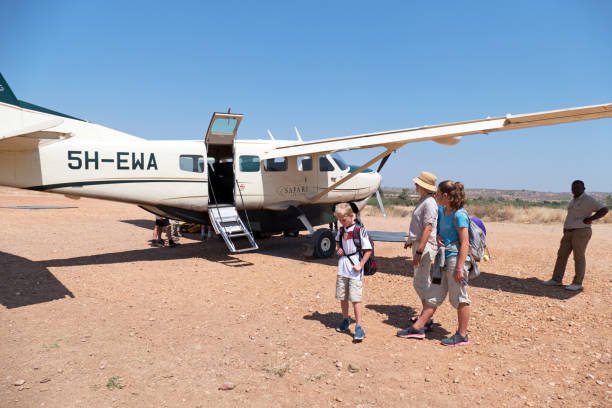
1-Day Serengeti Safari From Zanzibar By Flight: Cost & Itinerary 2026-2027
Is a 1-day Serengeti safari from Zanzibar feasible? Get the expert breakdown on the flight logistics, cost factors, and how to manage your expectations for this intense, one-day wildlife...
View package details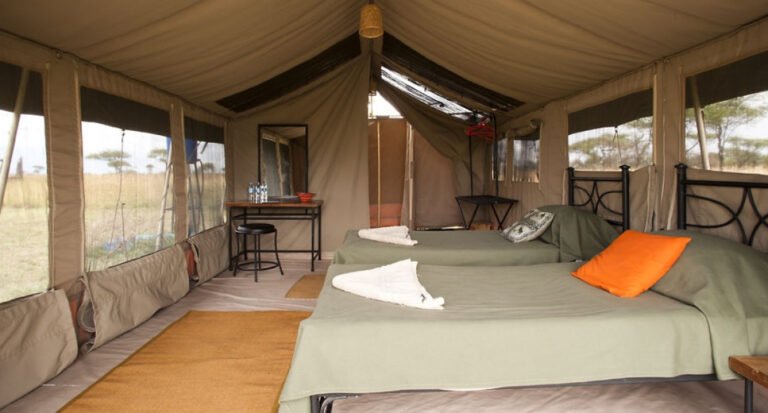
Afcon Kilimanjaro Ngorongoro And Zanzibar Holiday
AFCON 2027 Kilimanjaro Ngorongoro and Zanzibar Holiday.
View package details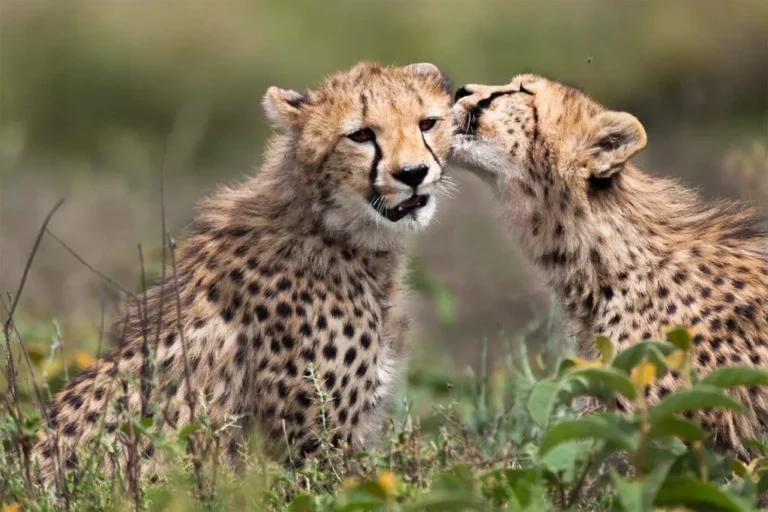
Nov 28, – 3 Day Fly-In Serengeti Group Safari From Zanzibar 2026
A detailed look at the 3-day fly-in Serengeti group safari departing November 28, 2026, including logistics, itinerary highlights, and travel tips for your Tanzania adventure.
View package details2-Day Serengeti Safari From Zanzibar By Flight: Price & Booking Guide
A practical guide to booking a 2-day Serengeti safari from Zanzibar by flight, covering itinerary logistics, cost considerations, and how to maximize your short time in the bush.
View package details2-Day Tarangire & Ngorongoro Safari From Zanzibar: Flight Package Cost 2026
A detailed guide on the logistics, cost factors, and itinerary realities for a 2-day fly-in safari from Zanzibar to Tarangire National Park and the Ngorongoro Crater.
View package details4-Day Serengeti Safari From Zanzibar With Return Flights: A Planning Guide
A deep look at planning a 4-day fly-in safari from Zanzibar to the Serengeti, covering flight logistics, itinerary structures, and the critical decisions needed for a successful 2026 or...
View package detailsZanzibar To Serengeti Safari By Flight: Prices & Packages 2026-2027
A practical guide to booking a Zanzibar to Serengeti safari by flight in 2027, covering route options, baggage logistics, and how to choose the right itinerary length.
View package details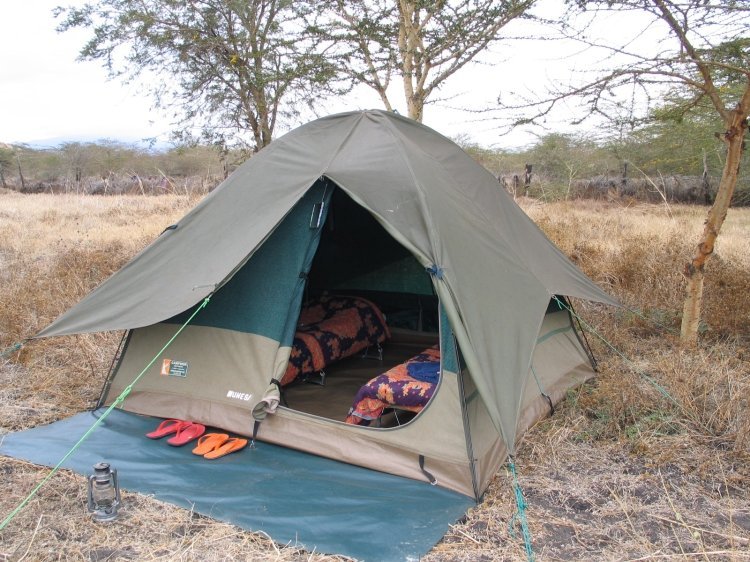
Four Day Serengeti na Ngorongoro Safari During AFCON 2027
Mwongozo wa safari ya siku 4 kwenye Serengeti na Ngorongoro wakati AFCON 2027; jinsi ya kupanga, nini cha kujali, na jinsi ya kuandaa,”
View package details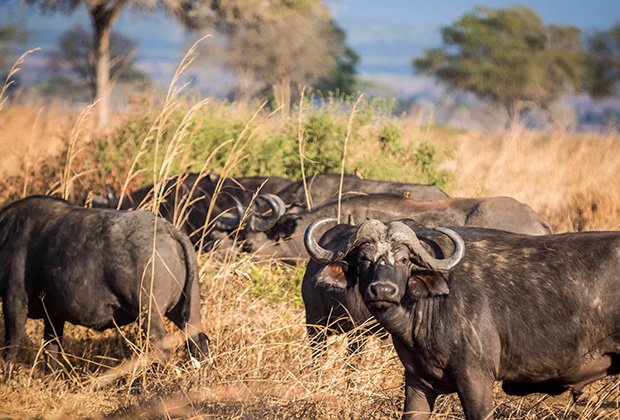
Dec 24, – 3 Day Christmas Serengeti And Ngorongoro Group Safari
Dec 24, 2026 – 3 Day Christmas Serengeti and Ngorongoro Group Safari.
View package details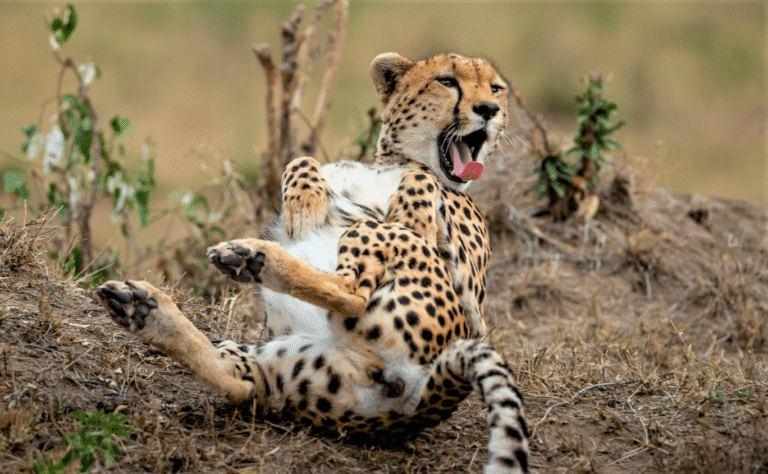
Dec 29, – 6 Day Ndutu, Serengeti And Ngorongoro Group Safari 2026
A detailed guide to our 6-day group safari departure on December 29, 2026, focusing on the Ndutu plains, the Serengeti, and the Ngorongoro Crater.
View package details8 Day Serengeti And Ngorongoro Group Safari – December 16, 2026
Planning your December 2026 Tanzanian adventure? Our 8-day group safari offers a deep, unhurried exploration of the Serengeti and Ngorongoro Crater.
View package detailsNo related package matches those filters. Clear one or more filters to see the other topic-matched options.