
A combined Tanzania safari, Masai Mara, and Nairobi trip offers an unparalleled East African wildlife and cultural experience, typically lasting 10-14 days. It begins with exploring Tanzania’s Northern Circuit parks like the Serengeti and Ngorongoro Crater, proceeds to Kenya’s legendary Masai Mara National Reserve for its vast plains and predator action, and concludes in Nairobi, offering city exploration and departure logistics. Planning for 2026-2027 involves choosing between different safari styles, understanding border crossing procedures, and selecting optimal travel times for peak wildlife viewing, with options ranging from budget-conscious shared tours to exclusive private expeditions.

Why Combine Tanzania Safari, Masai Mara, and Nairobi?
Embarking on a journey that stitches together Tanzania’s world-renowned wildlife sanctuaries with Kenya’s iconic Masai Mara and the bustling hub of Nairobi provides a comprehensive East African safari experience. This combination isn’t just about seeing more animals; it’s about experiencing the diverse ecosystems and unique conservation efforts that define this region. Tanzania, particularly its Northern Circuit, is celebrated for the sheer density and variety of its wildlife, featuring vast plains dotted with predators and herbivores, and the geological marvel of the Ngorongoro Crater. Kenya’s Masai Mara, contiguous with the Serengeti, offers a different, perhaps more intimate, safari feel, especially during the Great Migration, and is renowned for its high predator populations. Nairobi, as East Africa’s cosmopolitan capital, serves as a convenient gateway and offers its own unique wildlife encounters and cultural insights, making it a practical and enriching bookend to your adventure.
For travelers planning their trips for 2026-2027, this multi-destination approach allows for a deeper understanding of the migratory patterns, the different landscapes that support these populations, and the distinct conservation approaches in two neighboring countries. It’s a way to maximize your wildlife viewing opportunities, witness the Great Migration from multiple vantage points, and experience the rich cultural mix of both Tanzania and Kenya. The logistics of moving between these destinations are well-established, making it a feasible and rewarding itinerary for those seeking an in-depth exploration of East Africa’s natural wonders.
Understanding the Tanzania Safari, Masai Mara, and Nairobi Route
The typical flow for a combined Tanzania safari, Masai Mara, and Nairobi trip is geographically logical, minimizing travel time and maximizing wildlife viewing. Most journeys begin in Tanzania, often flying into Kilimanjaro International Airport (JRO) near Arusha, which serves as the safari capital for northern Tanzania. From Arusha, you’ll typically head into the famous national parks of the Northern Circuit.
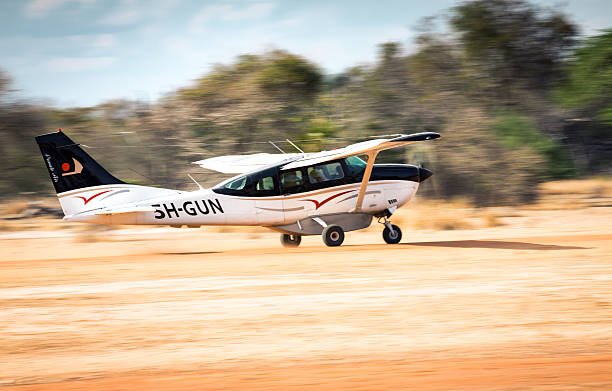
After exploring Tanzania’s parks, the transition to Kenya’s Masai Mara usually involves either a scenic flight from a Tanzanian airstrip (like Seronera in the Serengeti) directly to the Masai Mara, or a road transfer to the border, followed by further road travel into Kenya. Flying is considerably faster and bypasses the sometimes lengthy border crossing procedures, offering more time on safari. Road travel, while more time-consuming, can be more economical and offers a different perspective of the changing landscapes as you move between countries.
The final leg of the journey is typically to Nairobi. If you fly into the Masai Mara, you’ll often take a domestic flight from one of the Mara’s airstrips back to Wilson Airport in Nairobi. If you’ve driven through Kenya, you’ll continue by road to the capital. Nairobi then serves as your departure point or as a base for exploring its own attractions before heading home.
The sequence is designed to build upon the wildlife experience. You might start with the vastness of the Serengeti, move to the unique crater ecosystem of Ngorongoro, then cross into the Mara to witness the same migratory herds in a different, often more predator-rich, environment. This progression allows for a comparative study of ecosystems and animal behavior, offering a richer understanding than visiting either location in isolation. For 2026-2027 travel, understanding these logistical nuances is key to crafting an efficient and enjoyable itinerary.
Tanzania Safari Highlights: Serengeti, Ngorongoro & More
Tanzania’s Northern Circuit is legendary for a reason. It offers a concentration of diverse landscapes and exceptional wildlife viewing that few places on Earth can match. Planning a Tanzania safari followed by Masai Mara and Nairobi means dedicating significant time to these Tanzanian gems, as they form the foundational part of your East African wildlife adventure.
Serengeti National Park: The Great Migration & Endless Plains
The Serengeti, meaning ‘endless plains’ in the Maasai language, is the heart of Tanzania’s safari offerings. Its sheer scale is staggering, covering over 14,750 square kilometers. It is most famous as the stage for the Great Migration, an annual event where over 1.5 million wildebeest, zebras, and gazelles traverse the plains in search of fresh grazing land, pursued by a host of predators. The timing of the migration within the Serengeti varies throughout the year, making different areas of the park prime viewing spots depending on the month you visit in 2026 or 2027.
From roughly July to October, the herds are typically found in the western and northern Serengeti, often crossing the Grumeti and Mara Rivers respectively. These river crossings are dramatic, dangerous spectacles where crocodiles lie in wait. From December to March, the calving season occurs in the southern Serengeti, a time of intense predator activity as lions, cheetahs, and hyenas take advantage of the vulnerable newborn calves.
Beyond the migration, the Serengeti boasts a resident population of wildlife year-round. You can expect to see large prides of lions, leopards often found in the acacia trees of the central Seronera area, cheetahs hunting on the open grasslands, and a vast array of other animals including elephants, giraffes, buffaloes, hippos, and numerous antelope species. The sheer abundance and visibility of wildlife make the Serengeti a cornerstone of any Tanzania safari.
Ngorongoro Conservation Area: A Natural Amphitheater of Wildlife
The Ngorongoro Conservation Area (NCA) is a UNESCO World Heritage Site and home to the Ngorongoro Crater, a massive volcanic caldera that forms a natural amphitheater teeming with wildlife. Unlike the vast plains of the Serengeti, the crater offers a more concentrated safari experience. Its floor, covering about 260 square kilometers, supports an incredible density of animals, including the Big Five – lion, leopard, elephant, rhino, and buffalo – within a relatively small area.
What makes Ngorongoro particularly special is its high population of black rhinos, a critically endangered species that is notoriously difficult to spot in the wild. The crater floor’s diverse habitats, from grasslands and swamps to acacia woodlands and a soda lake, support an estimated 25,000 large mammals. Birdlife is also prolific, with flamingos often seen on the lake.
Visiting Ngorongoro typically involves descending into the crater for a full-day game drive. Due to its popularity and the need to preserve its delicate ecosystem, visitor numbers and vehicle access are carefully managed. It’s a truly unique wildlife viewing environment, offering a different perspective compared to the open plains of the Serengeti. For travelers combining Tanzania with Masai Mara, Ngorongoro often serves as a spectacular prelude or follow-up to the Serengeti.
Tarangire National Park: Elephants and Baobabs
Often visited at the beginning or end of a Northern Circuit safari, Tarangire National Park is renowned for its large elephant herds, especially during the dry season (June to October). The park is characterized by its vast baobab trees, which stand like ancient sentinels across the landscape, and the Tarangire River, which becomes a vital water source for wildlife during drier months, attracting a concentration of animals.
Tarangire is an excellent place to see elephants in large family groups, often numbering in the hundreds. It’s also a good spot for spotting predators like lions and leopards, as well as diverse birdlife. The park’s landscape is more varied than the Serengeti, with hills, riverine forests, and open savannas, offering a rich visual mix. For those seeking to understand the broader ecosystem supporting the Great Migration, Tarangire provides crucial context, especially regarding dry-season grazing and water sources.
Lake Manyara National Park: Tree-Climbing Lions and Birdlife
Lake Manyara National Park is a compact but diverse park, famous for its shallow alkaline lake that attracts thousands of flamingos, as well as other water birds. The park’s habitats range from groundwater forest and acacia woodland to savanna and the lake itself. This variety supports a surprising diversity of wildlife in a relatively small area.
Manyara is most famous for its tree-climbing lions, a behavior not commonly observed elsewhere. While sightings are not guaranteed, the possibility adds an element of excitement to game drives. The park is also home to large troops of baboons, elephants, hippos, giraffes, and various antelope species. Its proximity to Arusha makes it a popular stop for shorter safaris or as an introduction to Tanzanian wildlife, but it also fits well into a longer itinerary combining Tanzania safari with Masai Mara.
Transitioning to Kenya: The Masai Mara Experience
The Masai Mara National Reserve is arguably Kenya’s most famous wildlife destination, and for good reason. It forms a smooth extension of the Serengeti ecosystem, and when combined, they create one of the planet’s most spectacular wildlife arenas. Crossing from Tanzania into Kenya to experience the Mara is a highlight for many travelers planning a 2026-2027 safari.
Masai Mara National Reserve: Predator Capital of Africa
The Masai Mara is vast, covering 1,510 square kilometers, but it feels much larger due to its open plains and the sheer abundance of wildlife. It is particularly renowned for its high density of predators, including lions, leopards, cheetahs, and hyenas. The Mara River, which flows through the reserve, is home to large populations of hippos and crocodiles, and it’s here that some of the most dramatic river crossings of the Great Migration occur.
The reserve is divided into different areas, each offering a unique safari experience. The central Mara, along the river, is often the most popular. The less-visited western and northern conservancies bordering the main reserve offer a more exclusive experience with lower vehicle densities and opportunities for walking safaris and night drives, which are restricted in the national reserve itself. For 2026-2027, choosing between the main reserve and these conservancies can significantly impact your safari feel and cost.
The Great Migration in Masai Mara: Timing is Everything
While the Great Migration spends much of the year in Tanzania’s Serengeti, its movement into the Masai Mara is a pivotal event. Typically, the vast herds begin arriving in the Mara from July onwards, drawn by the fresh grass. The peak viewing period for the migration in the Mara is generally from August through October, coinciding with the dry season when the Mara River becomes a critical water source. This is when the dramatic river crossings are most likely, offering photographers and wildlife enthusiasts unparalleled opportunities.
The precise timing of the migration can vary year to year based on rainfall patterns. Therefore, for trips planned for 2026 or 2027, consulting with local experts on the expected movement patterns for your chosen travel dates is crucial for maximizing your chances of witnessing this natural phenomenon. Outside of the migration months, the Mara still offers exceptional wildlife viewing due to its large resident populations of predators and herbivores.
Masai Mara Activities: Beyond Game Drives
While game drives are the primary activity in the Masai Mara, several other experiences can enhance your visit. Hot air balloon safaris are a popular, albeit expensive, option. Launching at dawn, these flights offer a bird’s-eye view of the plains and the wildlife below as the sun rises, often culminating in a champagne breakfast upon landing in the bush. This is a memorable way to see the vastness of the Mara, especially during the migration.
Cultural visits to Maasai villages can also be arranged. These provide an insight into the traditional lifestyle of the Maasai people, who have coexisted with the wildlife of this region for centuries. It’s important to approach these visits with respect and to ensure they are conducted in a way that benefits the community. Walking safaris, particularly in the conservancies bordering the main reserve, offer a different perspective on the bush, allowing you to appreciate the smaller details of the ecosystem that might be missed from a vehicle.
Nairobi: Gateway and Urban Exploration
Nairobi, Kenya’s vibrant capital, is more than just a transit point; it’s a dynamic city offering unique wildlife encounters and cultural experiences that serve as an excellent conclusion to a Tanzania safari and Masai Mara trip. For travelers in 2026-2027, factoring in a day or two in Nairobi can significantly enrich their East African journey.
Nairobi National Park: Wildlife on the City’s Doorstep
Remarkably, Nairobi boasts its own national park, located just a stone’s throw from the city center. Nairobi National Park is a compact but incredibly rewarding place to see wildlife. It is home to a variety of plains animals, including lions, leopards, cheetahs, buffaloes, and giraffes. Its open grasslands and riverine forests provide diverse habitats. The park is also a vital rhino sanctuary, protecting a significant population of black rhinos.
A game drive in Nairobi National Park offers a unique juxtaposition of urban skyline views against a backdrop of wild animals. It’s an accessible and efficient way to get a final dose of safari thrills before departing, or for those with limited time who cannot make it to the more distant parks.
Kenya Giraffe Centre and Sheldrick Wildlife Trust
Two highly recommended conservation-focused attractions in Nairobi are the Kenya Giraffe Centre and the David Sheldrick Wildlife Trust. The Giraffe Centre allows visitors to get up close and personal with Rothschild’s giraffes, feeding them from an elevated platform. It’s an interactive and educational experience that highlights conservation efforts for this endangered subspecies.
The Sheldrick Wildlife Trust is famous for its elephant orphanage, where orphaned baby elephants are rescued and hand-reared with the aim of reintroducing them into wild herds. Visitors can observe the feeding and bathing of the young elephants during a specific visiting hour, which is a deeply moving and inspiring experience. For many, it’s a poignant way to connect with the conservation challenges and successes in Kenya.
Cultural and Historical Sites in Nairobi
Nairobi offers several cultural and historical sites for those interested in learning more about Kenya’s heritage. The National Museums of Kenya provides a comprehensive overview of Kenya’s history, culture, and natural heritage, including fascinating exhibits on early hominid fossils and tribal artifacts. The Karen Blixen Museum, the former home of the author of ‘Out of Africa’, offers a glimpse into colonial life and the history of coffee farming in the region.
For a taste of local life and crafts, the Kazuri Beads factory, which employs disadvantaged women, and various local markets offer opportunities to purchase souvenirs and interact with artisans. Nairobi’s culinary scene is also diverse, with options ranging from traditional Kenyan cuisine to international fare, providing a pleasant contrast to the bush experience.
Itinerary Options: Tailoring Your 2026-2027 Trip
Designing the perfect itinerary for a Tanzania safari, Masai Mara, and Nairobi trip requires balancing time in each location with your interests and budget. Whether you prefer a fast-paced overview or a more in-depth exploration, there are options to suit various travel styles for 2026-2027.
Classic 10-Day Itinerary: Tanzania Safari to Masai Mara
A 10-day itinerary is a popular choice for experiencing the highlights of both Tanzania and Kenya. It typically involves flying into Kilimanjaro (JRO) and spending approximately 4-5 days in Tanzania, followed by 3-4 days in the Masai Mara, and concluding with a day or two in Nairobi before departure.
Day 1: Arrive at Kilimanjaro International Airport (JRO), transfer to Arusha.
Day 2-3: Tarangire National Park (1-2 nights) – focus on elephants and baobabs.
Day 4-5: Ngorongoro Crater – descend for a full-day game drive, overnight on the crater rim or nearby.
Day 6: Serengeti National Park – transfer to Serengeti, afternoon game drive.
Day 7: Serengeti National Park – full day game drive, potentially focusing on migration if timed correctly.
Day 8: Fly from Serengeti airstrip to Masai Mara, Kenya. Afternoon game drive in Masai Mara.
Day 9: Full day game drive in Masai Mara.
Day 10: Morning game drive, then fly from Masai Mara to Nairobi (Wilson Airport). Transfer to Jomo Kenyatta International Airport (NBO) for departure.
This structure allows for a taste of Tanzania’s Northern Circuit and the iconic Masai Mara, with efficient travel between locations, often using internal flights to save time.
Extended 14-Day Adventure: Deeper Dives and Nairobi
For those with more time, a 14-day itinerary allows for a more relaxed pace, deeper exploration of each park, and more time in Nairobi. This might include an extra day in the Serengeti to cover more ground, an additional day in the Masai Mara to explore conservancies, or dedicated time for Nairobi’s attractions.
Day 1: Arrive JRO, transfer to Arusha.
Day 2-3: Tarangire National Park (2 nights) – explore varied landscapes.
Day 4-5: Ngorongoro Crater (2 nights) – allows for a crater rim walk or visiting a Maasai village.
Day 6-8: Serengeti National Park (3 nights) – cover central, western, or northern areas depending on migration.
Day 9: Fly from Serengeti to Masai Mara. Afternoon game drive.
Day 10-11: Masai Mara National Reserve (2 full days) – explore different zones or conservancies.
Day 12: Fly from Masai Mara to Nairobi. Afternoon visit to Giraffe Centre.
Day 13: Nairobi National Park game drive, Sheldrick Wildlife Trust, city exploration.
Day 14: Departure from NBO.
This extended option provides a more comprehensive experience, allowing for less rushed travel and deeper immersion into each destination. It’s ideal for travelers wanting to capture more photographic opportunities or simply enjoy the wildlife at a more leisurely pace during their 2026-2027 adventure.
Customized Private Safaris for 2026-2027
For the ultimate flexibility and personalized experience, a customized private safari is the way to go. This allows you to dictate the pace, choose specific lodges or camps, and tailor the itinerary entirely to your interests. You can decide how many days you spend in each park, whether you want to focus on photography, birdwatching, or predator tracking, and whether to fly between locations or enjoy the scenic road transfers.
A private safari for 2026-2027 could involve:
- Extended stays: Spending 3-4 nights in the Serengeti or Masai Mara to truly explore the ecosystems.
- Conservancy focus: Prioritizing time in the private conservancies bordering the Masai Mara for exclusive game viewing, walking safaris, and night drives.
- Specific wildlife interests: Tailoring drives to seek out particular animals or behaviors, such as tracking leopards in the Serengeti or observing wildebeest river crossings.
- Luxury accommodation: Selecting high-end lodges and tented camps for a more comfortable and refined safari experience.
- Logistical flexibility: Opting for a mix of road and air travel to suit your comfort and time constraints.
Climb 4 Africa specializes in crafting these bespoke itineraries, ensuring that your Tanzania safari, Masai Mara, and Nairobi trip is exactly as you envision it. We can help you navigate the complexities of combining these destinations to create a smooth and unforgettable journey for 2026-2027.
Planning Your Tanzania Safari, Masai Mara & Nairobi Trip
Successful planning is key to a memorable Tanzania safari, Masai Mara, and Nairobi trip. Considering the best time to travel, understanding visa and health requirements, packing appropriately, and choosing the right accommodation are crucial steps for your 2026-2027 adventure.
Best Time to Travel: Understanding Seasons and Wildlife
The best time to visit for a Tanzania safari, Masai Mara, and Nairobi trip depends heavily on what you want to see and experience. East Africa has distinct seasons:
- Dry Season (June to October): This is generally considered the peak safari season. Wildlife is concentrated around permanent water sources, making it easier to spot animals. The vegetation is less dense, improving visibility. This is also the prime time for the Great Migration river crossings in the Masai Mara (July-October). Temperatures are pleasant during the day, but nights can be cool. This period is also popular for 2026-2027 travel, so booking in advance is advisable.
- Short Rains (November to December): The landscape becomes greener, and birdlife is excellent. Wildlife disperses as the rains provide water across the plains. It’s a less crowded and often more affordable time to travel.
- Long Rains (March to May): This is the low season. The landscape is lush and beautiful, and it’s the calving season in the southern Serengeti (February/March), offering incredible predator action. However, heavy rains can make some roads impassable, and many lodges close or offer lower rates. This is a good option for budget-conscious travelers in 2026-2027 if they are prepared for potential rain disruption.
For seeing the Great Migration river crossings, target July to October. For the calving season and predator action, February to March is ideal. For general game viewing with good weather, June to October is usually best.
Visa and Documentation Requirements
Tanzania: Most nationalities require a visa to enter Tanzania. You can obtain a tourist visa upon arrival at Kilimanjaro International Airport (JRO) or at the Namanga border crossing (if traveling by road from Kenya). Alternatively, you can apply for an e-visa online in advance, which is recommended to save time. Ensure your passport is valid for at least six months beyond your intended stay and has at least two blank pages.
Kenya: Similarly, most nationalities require a visa for Kenya. An e-visa application is available online and is the standard method for most visitors. Ensure your passport meets the same validity and blank page requirements as for Tanzania.
Important for 2026-2027: Always check the latest visa regulations with the respective embassies or high commissions well before your departure, as rules can change. Carrying copies of your passport, visas, and flight details is also a good practice.
Health and Vaccinations
Consult your doctor or a travel clinic 4-6 weeks before your trip for personalized advice on vaccinations and health precautions. Common recommendations for East Africa include:
- Yellow Fever: Vaccination is often mandatory, especially if arriving from or transiting through a country with a risk of yellow fever. You will need to present your vaccination certificate.
- Malaria: Malaria is present in many safari areas. Antimalarial medication is usually recommended. Your doctor will advise on the best type and dosage.
- Other Vaccinations: Hepatitis A, Typhoid, Tetanus, and Diphtheria are often recommended.
- COVID-19: Stay updated on any travel-related COVID-19 requirements or recommendations for 2026-2027.
Insect Repellent: Use a high-DEET content insect repellent, especially during dawn and dusk, to protect against mosquito bites.
Travel Insurance: Comprehensive travel insurance that covers medical emergencies, evacuation, trip cancellation, and lost luggage is essential.
Packing Essentials for an East African Safari
Packing for an East African safari is about practicality and comfort. Layering is key, as temperatures can vary significantly between day and night, and in different environments.
- Clothing: Neutral-colored clothing (khaki, beige, olive green) is best to blend in with the environment and avoid startling wildlife. Avoid bright colors or dark blue/black, which can attract tsetse flies. Pack lightweight, breathable fabrics. Include long-sleeved shirts and trousers for sun protection and cooler evenings. A warm fleece or jacket is essential for early morning game drives.
- Footwear: Comfortable walking shoes or hiking boots are recommended, especially if you plan on any walking safaris or hikes. Lightweight trainers or sandals are suitable for lodges.
- Sun Protection: A wide-brimmed hat, sunglasses, and high-SPF sunscreen are crucial.
- Insect Repellent: As mentioned, a strong repellent is a must.
- Camera and Binoculars: Essential for wildlife viewing and photography. Bring extra batteries and memory cards. A zoom lens is highly recommended.
- Personal Items: A small backpack for day trips, a reusable water bottle, basic first-aid kit, personal medications, hand sanitizer, and a headlamp or flashlight.
- Adapter: For charging electronic devices (Type G plug in Kenya, Type D/G in Tanzania).
Note on Luggage: If flying between locations on small bush planes, there are strict luggage weight limits (usually 15-20 kg per person) in soft-sided duffel bags. Hard suitcases are generally not permitted.
Choosing Your Accommodation: Lodges, Camps, and Tented Options
Accommodation on a Tanzania safari, Masai Mara, and Nairobi trip ranges from basic camping to ultra-luxury lodges. Your choice significantly impacts the experience and budget.
- Tented Camps: These range from luxury ‘glamping’ tents with en-suite bathrooms and comfortable furnishings to more basic fly camps. They offer a closer-to-nature experience while still providing comfort. Many are strategically located for excellent wildlife viewing.
- Lodges: Permanent structures, often built with local materials, offering comfortable rooms, dining areas, and sometimes swimming pools. They provide a solid base with amenities.
- Camping: For the most budget-conscious traveler, organized camping with safari crews provides a very authentic experience.
- Conservancy vs. National Park: Accommodation within private conservancies bordering the Masai Mara often offers more exclusive experiences, including night drives and walking safaris, and tends to be more luxurious but also more expensive than lodges within the main national parks.
When planning for 2026-2027, consider that popular lodges and camps, especially in prime locations or during peak season, book up far in advance. It’s wise to decide on your accommodation style and book early.
Logistics and Transport: Navigating East Africa
Efficient logistics are crucial for a smooth Tanzania safari, Masai Mara, and Nairobi trip. Understanding how you’ll move between destinations, cross borders, and what vehicle to use is key.
Border Crossing: Tanzania to Kenya
The most common border crossing point for this route is Namanga, located between Arusha in Tanzania and Kajiado in Kenya. The process involves exiting Tanzania and then entering Kenya. This can be done independently or with your safari operator’s assistance.
Road Transfer: If you are traveling overland, your driver/guide will typically handle the paperwork. However, be prepared for potential delays, queues, and the need to pay visa fees on the spot (ensure you have USD cash). The process can take anywhere from 1 to 3 hours, depending on traffic and efficiency.
Flying: The most smooth way to transition is by flying directly from a Tanzanian airstrip (e.g., Seronera in Serengeti) to an airstrip in the Masai Mara. This bypasses the border crossing entirely, saving significant time and hassle, and is highly recommended for shorter itineraries or for those who prefer convenience. This is a popular choice for many travelers in 2026-2027 who want to maximize safari time.
Internal Flights and Road Travel
Road Travel: Most Tanzanian safaris and travel within the Masai Mara are done by 4×4 safari vehicles. Roads within national parks can be rough, especially during the rainy season. Road transfers between parks in Tanzania can be long but scenic. Traveling from Arusha to the Masai Mara by road involves crossing the border and then continuing through Kenya.
Internal Flights: Bush flights are common for connecting major safari hubs and for the transition between Tanzania and Kenya. These small aircraft typically fly from local airstrips (like Seronera, Grumeti, or Kilimanjaro) to airstrips within the Masai Mara (like Keekorok or Musiara) and then to Wilson Airport in Nairobi. Flying significantly reduces travel time, allowing more time for game viewing, and is a worthwhile investment for many travelers, especially for 2026-2027 trips aiming for efficiency.
Safari Vehicle Choices
The type of vehicle used on your safari is critical for comfort and game viewing:
- 4×4 Safari Land Cruisers/Land Rovers: These are the standard for Tanzanian safaris. They are robust, offer excellent suspension for rough terrain, and typically have pop-up roofs for game viewing and photography. Private safaris often use these vehicles, ensuring a dedicated guide and vehicle for your group.
- 4×4 Safari Minivans: Often used for group or budget safaris in Kenya, these vehicles are generally more economical but may offer slightly less comfort and visibility than the custom-built 4x4s.
- Pop-up Roof vs. Sliding Roof: Pop-up roofs are generally preferred as they allow for better panoramic views and photography without obstructions.
For a Tanzania safari followed by Masai Mara and Nairobi, ensure your operator uses well-maintained vehicles with experienced guides. For private trips in 2026-2027, specifying a pop-up roof 4×4 is recommended.
Budgeting and Cost Factors for 2026-2027 Trips
Understanding the cost involved in a combined Tanzania safari, Masai Mara, and Nairobi trip is essential for planning your budget for 2026-2027. Prices can vary significantly based on several factors.
Understanding Safari Costs
Safari costs are typically quoted on a per-person, per-day basis or as a package price. The total cost will depend on the number of days, the level of accommodation, the mode of transport (road vs. flying), and the exclusivity of the experience (shared vs. private).
For a mid-range to upper-mid-range safari covering Tanzania and Kenya, expect costs to range from $350 to $700+ per person per day, excluding international flights. Luxury and exclusive private safaris can easily exceed $800-$1000+ per person per day.
Factors Influencing Price
- Accommodation Level: Luxury lodges and tented camps in prime locations are significantly more expensive than mid-range options or basic camping.
- Mode of Transport: Internal flights between Tanzania and Kenya, and within parks, add considerably to the overall cost but save valuable time. Road travel is more economical.
- Park Fees: National park and conservation area fees are substantial and are usually included in tour packages. These are non-negotiable government charges.
- Seasonality: Peak season (June-October) generally commands higher prices due to demand. Low season (March-May, excluding Easter) can offer better value.
- Group Size: Private safaris are more expensive per person than shared group tours, but offer greater flexibility and exclusivity.
- Itinerary Length: Longer trips naturally incur higher costs.
What is Typically Included
Most safari packages for a Tanzania safari, Masai Mara, and Nairobi trip will include:
- Accommodation as per itinerary.
- All park entrance fees and conservation fees.
- Game drives in a 4×4 safari vehicle with a professional driver-guide.
- Meals (full board on safari, sometimes bed & breakfast in cities like Nairobi).
- Airport transfers in Tanzania and Kenya.
- Bottled water during game drives.
- For overland travel, the border crossing assistance.
What is Not Included
Common exclusions include:
- International flights to and from East Africa.
- Visa fees.
- Travel and medical insurance.
- Gratuities for guides and lodge staff.
- Drinks (alcoholic and soft drinks) unless specified.
- Optional activities such as hot air balloon safaris or cultural visits.
- Personal expenses (souvenirs, laundry, etc.).
When comparing quotes for 2026-2027, it’s crucial to understand exactly what is included to make an informed decision.
Booking Your Tanzania Safari, Masai Mara & Nairobi Adventure
Securing your Tanzania safari, Masai Mara, and Nairobi adventure for 2026-2027 involves selecting a reputable tour operator and confirming the details of your chosen itinerary. It’s highly recommended to work with a local operator who has in-depth knowledge of Tanzania and Kenya, understands the logistics, and can offer competitive pricing and personalized service.
When you are ready to plan and book, consider reaching out to Climb 4 Africa. We specialize in crafting tailor-made East African safari experiences, combining the best of Tanzania and Kenya. Our local expertise ensures that your itinerary is efficient, your accommodation is well-chosen, and all logistical details are handled seamlessly. We can help you navigate the options for private versus group tours, advise on the best timing for wildlife viewing, and ensure you get the most value for your budget.
To start the process, it’s helpful to have an idea of your desired travel dates for 2026-2027, your budget range, the number of travelers, and any specific interests you have (e.g., Great Migration viewing, photography, specific wildlife). You can contact us via WhatsApp at +255 747 477 898 or email us at climb4africa@gmail.com. We will work with you to design an unforgettable journey that perfectly matches your expectations.
“,
“faq_schema”: [
{
“question”: “What is the best time of year for a Tanzania safari followed by Masai Mara and Nairobi?”,
“answer”: “The best time depends on your priorities. For the Great Migration river crossings in Masai Mara, target July to October. For calving season and predator action in Tanzania, February to March is ideal. Generally, the dry season from June to October offers excellent wildlife viewing with pleasant weather, though it’s also peak season and more expensive. The shoulder seasons (November, January-February) can offer a good balance of wildlife and fewer crowds.”
},
{
“question”: “How long should a combined Tanzania safari, Masai Mara, and Nairobi trip be?”,
“answer”: “A classic itinerary combining highlights of both parks typically ranges from 10 to 14 days. A 10-day trip allows for a good overview, while a 14-day trip provides a more relaxed pace, deeper exploration of parks, and more time for activities or city exploration in Nairobi.”
},
{
“question”: “What are the main costs involved in a Tanzania safari, Masai Mara, and Nairobi trip?”,
“answer”: “Costs typically include accommodation, park and conservation fees, game drives in a 4×4 vehicle with a guide, meals on safari, and internal transfers (road or flights). Exclusions usually are international flights, visas, travel insurance, gratuities, drinks, and optional activities like hot air ballooning.”
},
{
“question”: “Is it better to fly or drive between Tanzania and Kenya for Masai Mara?”,
“answer”: “Flying is significantly faster and more convenient, bypassing border crossing delays. You can fly from a Tanzanian airstrip (e.g., Serengeti) directly to the Masai Mara. Driving overland is more economical but involves a border crossing at Namanga, which can be time-consuming.”
},
{
“question”: “What are the visa requirements for Tanzania and Kenya?”,
“answer”: “Most nationalities require a visa for both Tanzania and Kenya. These can often be obtained online via e-visa applications or upon arrival at airports and border crossings. It’s essential to check the latest requirements with the respective embassies or high commissions well in advance of your 2026-2027 trip.”
},
{
“question”: “What should I pack for a safari in Tanzania and Masai Mara?”,
“answer”: “Pack lightweight, neutral-colored clothing, a warm layer for cool mornings/evenings, comfortable walking shoes, sun protection (hat, sunglasses, sunscreen), insect repellent, a camera, binoculars, and any personal medications. Soft-sided luggage is often required
Check Availability for Tanzania Safari Followed By Masai Mara And Nairobi 2026-2027
Ready to compare dates, prices, and the best option for your group? Send the package name and travel month so the team can reply with a clear quote, availability, and what is included.

Masai Mara Safari Packages: Your Complete Travel Guide 2026-2027
A comprehensive guide to planning your Masai Mara safari, covering package types, ideal travel times for 2026-2027, wildlife viewing, accommodation choices, and essential booking advice.
View package details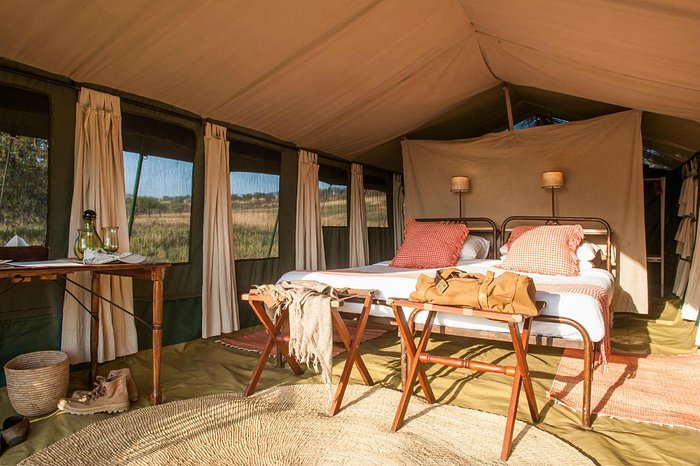
Affordable African Safari Packages: Your Guide To Budget-Friendly Tanzania
Discover how to plan and book affordable African safari packages for 2026-2027. This guide provides practical advice on choosing budget-friendly Tanzania tours, understanding costs, and...
View package details
Kenya And Tanzania Combined Safari Packages: Ultimate Guide 2026-2027
Discover the unparalleled adventure of combining Kenya and Tanzania for a comprehensive East African safari. This guide details everything you need to know for planning your 2026-2027...
View package details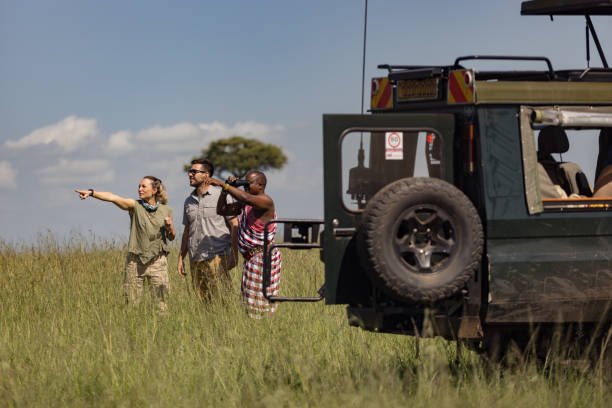
3-Day Serengeti And Ngorongoro Safari: Your Ultimate Tanzania Wildlife
start a concise yet unforgettable 3-day Serengeti and Ngorongoro safari, designed to maximize wildlife encounters in Tanzania's most celebrated parks. This compact adventure offers a taste...
View package details
Serengeti Safari And Zanzibar Beach Holiday: The Ultimate Tanzania
Combine the thrill of a Serengeti safari with the relaxation of a Zanzibar beach holiday. This guide covers everything you need to know for an unforgettable Tanzania adventure in 2026-2027...
View package details
Tanzania Safari And Zanzibar All-Inclusive Packages Guide
Combine the thrill of a Tanzanian wildlife safari with the serene beauty of Zanzibar on an all-inclusive package. This comprehensive guide covers everything you need to know for planning...
View package details
Are African Safari Prices Per Person Or Vehicle? Understanding Tanzania Costs
African safari costs can be confusing. This guide clarifies whether prices are quoted per person or per vehicle, detailing factors that influence your 2026-2027 safari budget in Tanzania.
View package details
Is Tanzania Or Kenya Better For Safari? A Detailed Comparison 2026-2027
Comparing Tanzania and Kenya for your next safari? This in-depth guide breaks down wildlife viewing, landscapes, costs, and optimal travel times to help you choose the perfect East African...
View package details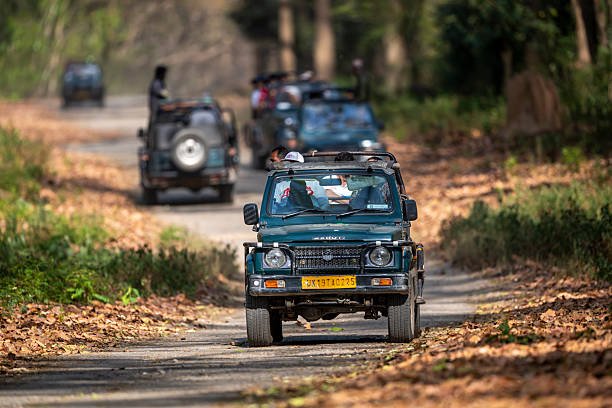
Luxury African Safari Packages: The Ultimate Tanzania Experience In 2026-2027
Explore the pinnacle of African adventure with luxury safari packages in Tanzania. This guide details exclusive lodges, tailor-made itineraries, and the best wildlife experiences for your...
View package details
Tanzania Safari Tours & Packages /: Your Ultimate Wildlife Adventure 2026-2027
Discover the magic of Tanzania with expertly crafted safari tours and packages for 2026 and 2027. From the vast plains of the Serengeti to the depths of the Ngorongoro Crater, find your...
View package detailsBest African Safari Tours & Vacation Packages /: Your Ultimate Tanzania
start an unforgettable African safari adventure in 2026/2027 with expertly curated tours and vacation packages in Tanzania's most iconic wildlife destinations. From the Serengeti to the...
View package details
Private Tanzania Safari Packages: Your Ultimate Guide For 2026-2027
Discover the unparalleled freedom and personalized experience of a private Tanzania safari package. This comprehensive guide for 2026-2027 explores custom itineraries, key destinations like...
View package detailsNo related package matches those filters. Clear one or more filters to see the other topic-matched options.



