A Kenya and Tanzania safari itinerary focusing on the Masai Mara and Serengeti typically spans 10 to 14 days, allowing for ample exploration of both iconic ecosystems and the Great Migration if timed correctly, often starting in Nairobi, Kenya, and concluding in Arusha, Tanzania, or vice versa, with travel between parks via flight or overland transfers. For 2026-2027, planning involves selecting the best months for wildlife viewing, considering migration patterns, and arranging cross-border logistics to maximize your experience of these world-renowned wildlife reserves.
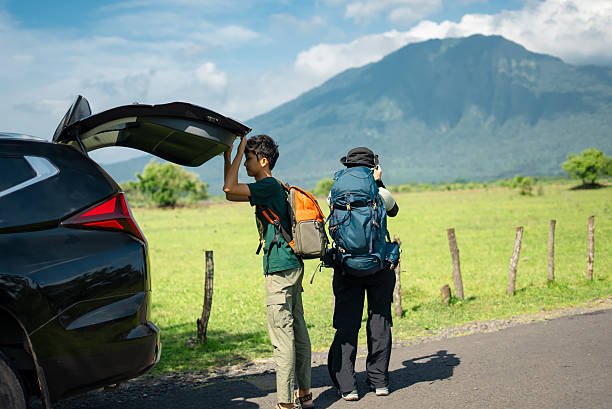

Understanding the Synergy: Masai Mara and Serengeti Safari
A safari that links Kenya’s Masai Mara National Reserve with Tanzania’s Serengeti National Park is the undisputed pinnacle of East African wildlife viewing. These two vast, contiguous ecosystems are separated only by an imaginary line and are the stage for the awe-inspiring Great Migration. Planning a combined itinerary for 2026-2027 offers a chance to witness unparalleled concentrations of wildlife, from the iconic Big Five to millions of wildebeest, zebras, and gazelles. This isn’t just about ticking off animals; it’s about experiencing the raw, untamed rhythm of the African savanna on a grand scale.
When considering a Kenya and Tanzania safari itinerary with the Masai Mara and Serengeti, the primary goal is to maximize wildlife encounters and understand the natural phenomena that draw visitors from around the globe. The sheer scale of these parks means that a well-structured itinerary is crucial to avoid feeling rushed or missing key highlights. Most travelers opt for a route that flows logically, either beginning in Kenya and moving south into Tanzania, or the reverse, to capitalize on the migratory movements and the unique landscapes each park offers. For 2026-2027, booking well in advance is highly recommended, especially for peak migration seasons, to secure preferred lodges and safari vehicles.
### Why Combine Masai Mara and Serengeti?
The decision to combine these two reserves is driven by a desire for a comprehensive safari experience. The Masai Mara is renowned for its high density of predators, particularly lions and cheetahs, and its rolling grasslands dotted with acacia trees, offering classic safari scenery. The Serengeti, on the other hand, is vast and diverse, with open plains, kopjes (rocky outcrops), and woodlands, supporting an incredible array of wildlife and serving as the primary calving and migration grounds for the wildebeest and zebras. Linking them provides a holistic view of the African savanna and its inhabitants.
For travelers planning a 2026-2027 safari, understanding the subtle differences between the two parks enhances the appreciation of the combined journey. The Masai Mara, while smaller, is often more accessible and offers consistently excellent game viewing year-round, especially for big cats. The Serengeti’s appeal is amplified by the Great Migration, a dynamic event that shifts its location throughout the year. A combined itinerary allows you to witness different facets of this spectacle, depending on when you travel in 2026 or 2027.
### The Great Migration: A Seasonal Spectacle
The Great Migration is the lifeblood of the Masai Mara and Serengeti ecosystem. Millions of wildebeest, zebras, and antelopes traverse over 1,200 miles annually between the Serengeti’s southern plains and the Masai Mara’s northern reaches in search of fresh grazing. This epic journey is a highlight for any safari, and timing your 2026-2027 itinerary to coincide with its presence in specific areas is key to an unforgettable experience.
* December to March: The herds are typically in the southern Serengeti plains, where the short grasses provide ideal conditions for calving. This is a fantastic time for witnessing newborn wildebeest and zebras, and predator activity is high as they capitalize on the vulnerable young. The landscape is often greener, offering beautiful photographic opportunities.
* April to May: This is the ‘long rains’ season, and the herds begin to move northwards as the southern plains dry out. While it can be a quieter time for tourism, it offers a different perspective with lush landscapes. Some migration movements can be observed, but river crossings are less common.
* June to October: The herds are generally in the northern Serengeti and the Masai Mara. This period is famous for the dramatic river crossings of the Mara River, where wildebeest and zebras brave crocodiles and strong currents to reach the grazing lands of the Masai Mara. The Masai Mara is particularly vibrant during these months.
* November: The herds begin their journey southwards again, moving from the Masai Mara back towards the Serengeti. This is a transitional period, and sightings can be unpredictable but rewarding.
When planning your 2026-2027 safari, consulting with local experts like Climb 4 Africa is invaluable for aligning your travel dates with the most opportune migration viewing periods for your chosen parks.
### Typical Itinerary Flow
Most combined itineraries flow logically to minimize travel time and maximize safari time. A common approach is:
1. Arrival in Nairobi, Kenya: Typically the gateway for international flights.
2. Masai Mara National Reserve: A short flight or overland drive from Nairobi.
3. Transfer to Serengeti National Park: This can be done via a flight from the Masai Mara airstrip to an airstrip in the Serengeti (e.g., Kogatende in the north or Seronera in the central region), or by driving across the border and then continuing overland.
4. Serengeti National Park: Exploring different regions like the Central (Seronera), Northern (Kogatende/Lamai), Western (Grumeti), or Southern (Ndutu) depending on the migration.
5. Departure from Arusha, Tanzania: Often the most convenient airport for international departures after a Serengeti safari.
Alternatively, the itinerary can be reversed, starting in Arusha and flying into the Serengeti, then transferring to the Masai Mara, and finally flying out of Nairobi. The choice often depends on flight availability and the specific time of year for your 2026-2027 safari.
Crafting Your Kenya and Tanzania Safari Itinerary: Key Considerations for 2026-2027
Designing a smooth Kenya and Tanzania safari itinerary requires careful consideration of several factors. The goal is to create a balanced trip that offers diverse wildlife viewing, comfortable travel, and memorable experiences. For 2026-2027, early planning is paramount, especially given the popularity of these destinations.
### Duration: How Long is Enough?
A common question for a Kenya and Tanzania safari itinerary combining the Masai Mara and Serengeti is duration. To truly appreciate both parks without feeling rushed, a minimum of 10 days is recommended. However, for a more in-depth experience, 12 to 14 days is ideal. This allows for at least 3-4 full days in each park, plus travel time between locations and buffer days.
* 10-Day Itinerary: This is a fast-paced option, typically involving 3 days in the Masai Mara and 4 days in the Serengeti, with 2 travel days. It’s suitable for those with limited time but offers a good overview.
* 12-Day Itinerary: This offers a more relaxed pace, allowing for 4 days in the Masai Mara and 5 days in the Serengeti. It provides more time for game drives, exploring different areas within the parks, and potentially adding a cultural visit.
* 14-Day Itinerary: This allows for extensive exploration, potentially including different regions within the Serengeti (e.g., central and northern), or adding a visit to another Tanzanian park like Ngorongoro Crater, or even a short extension to Zanzibar. This is excellent for serious wildlife photographers or those who wish to fully experience themselves.
When planning for 2026-2027, consider that longer durations often provide better value per day, as the fixed costs of international flights are spread over more time. It also allows for flexibility should unexpected wildlife sightings or weather patterns influence your plans.
### Best Time to Travel in 2026-2027
The ‘best’ time to travel for a Kenya and Tanzania safari itinerary is subjective and depends on what you wish to see. However, for the Great Migration and general wildlife viewing, certain periods stand out:
* June to October: This is widely considered the peak season for seeing the Great Migration in the Masai Mara and northern Serengeti, specifically for river crossings. The weather is generally dry, making game viewing easier as animals congregate around water sources. This is also a popular time for travel, so expect higher prices and more crowds in 2026-2027.
* January to February: This period is excellent for calving season in the southern Serengeti. The plains are often green, and predator action is at its highest. It’s a great time for photographers and those interested in witnessing the birth of new life.
* September to October: This is another excellent window, with the migration typically in the Masai Mara, and good game viewing across both parks before the short rains begin.
Conversely, the ‘green season’ (roughly November to March, excluding the calving period) can offer lower prices and fewer tourists, with lush landscapes and good resident game. However, the migration is typically in transit or in the southern Serengeti, and some roads can become challenging after heavy rains.
### Choosing Your Parks and Regions
While the Masai Mara and Serengeti are the stars, understanding their different regions is key to a successful itinerary for 2026-2027:
* Masai Mara: The entire reserve is superb, but the northern areas near the Mara River are critical for migration crossings (June-October). The central areas offer excellent predator sightings year-round.
* Serengeti:
* Central Serengeti (Seronera Valley): Offers excellent game viewing year-round due to permanent water sources, attracting a high concentration of predators. It’s a good option for those not focused solely on the migration’s movement.
* Northern Serengeti (Kogatende/Lamai): The prime location for witnessing the Mara River crossings from July to October. This area is best visited when the migration is present.
* Southern Serengeti (Ndutu): The calving grounds from December to March. It’s also part of the Ngorongoro Conservation Area, offering a unique landscape and abundant wildlife.
* Western Serengeti (Grumeti): Known for its large crocodiles and resident game, especially during the migration’s passage.
Your chosen itinerary for 2026-2027 should reflect which of these areas you wish to prioritize based on the season.
### Accommodation Styles: Lodges vs. Tented Camps
Accommodation choices significantly impact the safari experience and budget. Both the Masai Mara and Serengeti offer a range of options:
* Luxury Lodges: Permanent structures offering high-end amenities, often with swimming pools, fine dining, and expansive views. They provide comfort and a fixed base.
* Tented Camps (Luxury/Mid-Range): Canvas tents, often with en-suite bathrooms and comfortable furnishings, offering a more intimate connection with nature. Mobile camps are strategically moved to follow the migration, providing prime locations.
* Budget Camps/Guesthouses: More basic facilities, often public campsites or simpler lodges, ideal for budget-conscious travelers. For 2026-2027, booking these also requires significant advance planning.
The choice between these styles depends on your budget, desired level of comfort, and preference for immersion. A mix can also be very rewarding – perhaps a luxury lodge in one park and a mobile tented camp in another.
### Transportation: Flights vs. Overland
Getting between Nairobi, the Masai Mara, and the Serengeti involves choices:
* Internal Flights: Short bush flights are the quickest and most convenient way to travel between locations, significantly reducing travel time and offering stunning aerial views. This is often the preferred method for a Kenya and Tanzania safari itinerary, especially for maximizing time in parks. Flights connect Nairobi to the Masai Mara, the Masai Mara to various Serengeti airstrips, and Serengeti airstrips to Arusha.
* Overland Travel: Driving offers a more grounded experience, allowing you to see more of the landscape and stop en route. However, it’s time-consuming, especially the border crossing between Kenya and Tanzania. This option is generally more budget-friendly but sacrifices precious safari time.
For a 2026-2027 safari, consider the trade-off between time and cost. If your priority is maximizing wildlife viewing, investing in flights is usually worthwhile.
## Sample Kenya and Tanzania Safari Itinerary Frameworks (2026-2027)**
To provide a clearer picture, here are two sample itinerary frameworks. These are highly customizable and can be adjusted for duration, pace, and specific interests. For 2026-2027, these serve as a starting point for discussion with your tour operator.
### Framework A: Classic 12-Day Migration Focus (July-October)
This itinerary is designed to maximize chances of witnessing the Great Migration river crossings in the northern Serengeti and Masai Mara.
* Day 1: Arrival in Nairobi, Kenya.
* Transfer to your hotel.
* Briefing for your safari.
* Day 2: Nairobi to Masai Mara.
* Morning flight from Wilson Airport, Nairobi, to a Masai Mara airstrip.
* Meet your guide and transfer to your camp/lodge with a game drive en route.
* Afternoon game drive.
* Days 3-4: Masai Mara National Reserve.
* Full days of game drives, focusing on predator sightings and the migration if present.
* Optional: Hot air balloon safari.
* Day 5: Masai Mara to Northern Serengeti (Kogatende/Lamai).
* Morning game drive in the Masai Mara.
* Transfer to the airstrip for a flight to Kogatende or Lamai airstrip in the northern Serengeti.
* Meet your Tanzanian guide and transfer to your camp with a game drive.
* Days 6-8: Northern Serengeti.
* Focus on witnessing the Mara River crossings.
* Early morning and late afternoon game drives are crucial.
* Explore the Kogatende/Lamai areas.
* Day 9: Northern Serengeti to Central Serengeti (Seronera).
* Morning game drive in the north.
* Flight from Kogatende/Lamai to Seronera airstrip.
* Transfer to your lodge/camp in Central Serengeti with a game drive.
* Day 10: Central Serengeti.
* Full day game drive in the Seronera Valley, known for its big cats and resident wildlife.
* Day 11: Central Serengeti to Arusha.
* Morning game drive in the Serengeti.
* Flight from Seronera to Arusha Airport.
* Transfer to your hotel in Arusha.
* Day 12: Departure from Arusha.
* Depending on your flight schedule, you might have time for souvenir shopping or a visit to local markets.
### Framework B: 14-Day Calving Season & Diverse Serengeti (December-March)
This itinerary prioritizes the calving season in the southern Serengeti and includes a visit to the Ngorongoro Crater.
* Day 1: Arrival in Kilimanjaro International Airport (JRO), Tanzania.
* Transfer to Arusha.
* Safari briefing.
* Day 2: Arusha to Southern Serengeti (Ndutu).
* Morning flight from Arusha Airport to Ndutu airstrip.
* Meet your guide and transfer to your lodge/camp with a game drive.
* Afternoon game drive focusing on the calving herds and predators.
* Days 3-5: Southern Serengeti (Ndutu) & Ngorongoro Conservation Area.
* Full days exploring the Ndutu plains for calving activities, wildebeest herds, and big cats.
* Optional visit to the Ngorongoro Conservation Area for different landscapes and resident wildlife.
* Day 6: Ndutu to Central Serengeti (Seronera).
* Morning game drive in Ndutu.
* Flight from Ndutu to Seronera airstrip.
* Transfer to your lodge/camp with a game drive.
* Days 7-9: Central Serengeti.
* Extensive game drives in the Seronera Valley, known for its high predator density.
* Explore the kopjes and riverine areas.
* Day 10: Central Serengeti to Northern Serengeti (Kogatende/Lamai).
* Morning game drive.
* Flight from Seronera to Kogatende/Lamai.
* Transfer to your lodge/camp with a game drive.
* Day 11: Northern Serengeti.
* Game drives focusing on resident wildlife and potential early migration movements northwards.
* Day 12: Northern Serengeti to Masai Mara, Kenya.
* Morning game drive.
* Flight from Kogatende/Lamai to a Masai Mara airstrip.
* Meet your Kenyan guide and transfer to your camp/lodge with a game drive.
* Day 13: Masai Mara National Reserve.
* Full day game drives in the Masai Mara.
* Optional: Visit to a Maasai village.
* Day 14: Masai Mara to Nairobi & Departure.
* Morning game drive.
* Flight from Masai Mara to Wilson Airport, Nairobi.
* Transfer to Jomo Kenyatta International Airport (NBO) for your departure.
These frameworks are illustrative. For 2026-2027, we can tailor them precisely to your interests, budget, and preferred travel style. For instance, adding days to explore the Western Serengeti or focusing more time in specific Masai Mara regions are common customizations.
### Adding Value: Beyond the Big Two
While the Masai Mara and Serengeti are the primary focus, a Kenya and Tanzania safari itinerary can be enriched by including other remarkable locations:
* Ngorongoro Crater (Tanzania): Often combined with the Serengeti, this UNESCO World Heritage Site offers a unique ecosystem within a massive volcanic caldera. It’s famous for its dense populations of wildlife, including the rare black rhino, and provides excellent viewing opportunities in a compact area. A day trip or overnight stay here is a fantastic addition to a 2026-2027 itinerary.
* Lake Manyara National Park (Tanzania): Known for its tree-climbing lions, large elephant herds, and diverse birdlife. It’s a smaller park that can be visited en route to the Serengeti or Ngorongoro.
* Tarangire National Park (Tanzania): Famous for its large elephant herds and baobab trees, especially in the dry season when animals congregate around the Tarangire River.
* Amboseli National Park (Kenya): Offers iconic views of Mount Kilimanjaro as a backdrop to large elephant herds. It’s a great addition if starting or ending your safari in Kenya.
* Lake Nakuru National Park (Kenya): Famous for its flamingos (though numbers fluctuate) and rhino sanctuary.
Integrating these locations adds variety to your safari, showcasing different landscapes and wildlife concentrations. When planning for 2026-2027, discuss with your operator which additions best complement your core Masai Mara and Serengeti experience.
## Planning Your 2026-2027 Safari: Practicalities and Booking
Successful planning for a Kenya and Tanzania safari itinerary requires attention to detail, particularly for cross-border travel and logistics. For 2026-2027, understanding these practical aspects will ensure a smooth and enjoyable journey.
### Visas and Passports
* Passports: Must be valid for at least six months beyond your intended stay and have at least two blank pages for entry stamps.
* Visas:
* Kenya: Most nationalities can obtain an e-visa in advance. Some may be eligible for visa-on-arrival.
* Tanzania: Visas are typically required for most nationalities and can be obtained online in advance or at the port of entry.
* East African Tourist Visa: For those visiting Kenya, Tanzania, and Uganda, a single East African Tourist Visa may be available, simplifying the process. Check current regulations for 2026-2027 as these can change.
It is crucial to verify the latest visa requirements well in advance of your 2026-2027 travel dates.
### Vaccinations and Health Precautions
Consult your doctor or a travel clinic 4-6 weeks before your trip regarding recommended vaccinations and malaria prophylaxis. Yellow fever vaccination is often mandatory for entry into Tanzania if arriving from or transiting through a country with a risk of yellow fever transmission.
* Malaria: The risk is present in most safari areas. Taking antimalarial medication and using insect repellent is advised.
* Other Vaccinations: Routine vaccines, Hepatitis A, Typhoid, and potentially others may be recommended.
### Travel Insurance
Comprehensive travel insurance is essential. It should cover medical emergencies, evacuation (including air evacuation from remote safari areas), trip cancellation, and lost or stolen belongings. For 2026-2027 safaris, ensure your policy specifically covers adventure activities like game drives and potential remote travel.
### Packing Essentials
Lightweight, neutral-colored clothing is best for safaris. Avoid bright colors that can scare wildlife.
* Clothing: Long-sleeved shirts, trousers, comfortable walking shoes, a warm jacket for cool evenings/mornings, hat, sunglasses.
* Gear: Binoculars, camera with extra batteries and memory cards, power bank, adapter, small backpack, personal toiletries, insect repellent, sunscreen, personal first-aid kit.
* Documents: Passport, visa, flight tickets, insurance details, emergency contact information.
For 2026-2027, consider packing layers as temperatures can vary significantly between day and night.
### Booking Your Kenya and Tanzania Safari Itinerary
When booking a Kenya and Tanzania safari itinerary, especially one involving cross-border travel, choosing a reputable operator is key. Climb 4 Africa specializes in creating smooth African travel experiences.
Why choose Climb 4 Africa for your 2026-2027 safari:
* Local Expertise: Deep knowledge of Kenya and Tanzania, including optimal migration viewing times, best lodges, and logistical challenges.
* Tailor-Made Itineraries: We design trips around your interests, budget, and travel style, ensuring you get the most out of your 2026-2027 adventure.
* Practical Support: We handle all the complex logistics, from cross-border transfers and internal flights to accommodation and guided game drives.
* Value for Money: We work to provide the best possible value without compromising on quality or experience.
To start planning your dream Kenya and Tanzania safari itinerary for 2026-2027, please contact us:
* WhatsApp: +255 747 477 898
* Email: climb4africa@gmail.com
When you reach out, please provide your preferred travel dates for 2026-2027, the approximate duration you have in mind, your budget range, and any specific interests (e.g., photography, birdwatching, specific animals).
### Cost Considerations for 2026-2027
The cost of a Kenya and Tanzania safari itinerary varies significantly based on several factors:
* Duration: Longer trips naturally cost more.
* Accommodation Level: Luxury lodges and tented camps are more expensive than mid-range or budget options.
* Transportation: Internal flights add a considerable cost compared to overland travel.
* Time of Year: Peak season (June-October, January-February) is more expensive than the low or green season.
* Number of Travelers: Private safaris are generally more expensive per person than shared or group tours. For 2026-2027, prices are expected to remain competitive, but early booking is advised.
A typical 10-14 day combined Masai Mara and Serengeti safari, staying in mid-range to luxury accommodations and using internal flights, can range from $5,000 to $10,000+ per person, excluding international flights. This estimate is for 2026-2027 and is subject to change based on specific choices and booking timing.
### Booking Windows for 2026-2027
To secure the best lodges, camps, and safari vehicles, and to potentially get better rates, it’s advisable to book your Kenya and Tanzania safari itinerary for 2026-2027 at least 9-12 months in advance, especially if you are targeting the peak migration season.
## Frequently Asked Questions (FAQs)
What is the best time of year for a Kenya and Tanzania safari itinerary with Masai Mara and Serengeti in 2026-2027?
The best time depends on your priorities. For witnessing the Great Migration river crossings, target July to October when the herds are in the Masai Mara and northern Serengeti. For calving season and abundant predators, aim for December to February in the southern Serengeti. Generally, the dry season (June to October) offers easier game viewing across both parks.
How many days are recommended for a combined Masai Mara and Serengeti safari?
A minimum of 10 days is recommended for a quick overview. However, 12 to 14 days is ideal to comfortably explore both parks, account for travel time, and potentially add other nearby attractions like the Ngorongoro Crater.
Is it possible to see the Great Migration in both parks in one trip?
Yes, this is the primary advantage of a combined Kenya and Tanzania safari itinerary. Depending on the season (typically June-October), you can witness the migration in both the Masai Mara and the Serengeti. The exact location of the herds is dynamic, so timing is crucial for 2026-2027 travel.
What is the difference between lodges and tented camps?
Lodges are permanent structures, often with more amenities like swimming pools and restaurants. Tented camps offer a more intimate, closer-to-nature experience with canvas tents, usually with en-suite bathrooms. Mobile tented camps are strategically moved to follow the migration, offering prime locations.
What is the cost of a Kenya and Tanzania safari itinerary?
A 10-14 day safari in mid-range to luxury camps, using internal flights, typically costs between $5,000 and $10,000+ per person for 2026-2027. This excludes international flights. Factors like accommodation choice, travel season, and transportation method significantly influence the final price.
Do I need separate visas for Kenya and Tanzania?
Generally, yes, you will need separate visas for Kenya and Tanzania unless you qualify for and opt for an East African Tourist Visa, which covers multiple entries into participating countries. Always verify the latest visa requirements for your nationality before your 2026-2027 trip.
Planning Your 2026-2027 Kenya and Tanzania Safari Itinerary with Climb 4 Africa
Embarking on a Kenya and Tanzania safari itinerary that encompasses the iconic Masai Mara and Serengeti is a journey of a lifetime. At Climb 4 Africa, we pride ourselves on crafting bespoke safari experiences that capture the essence of East Africa. Our expertise ensures that your 2026-2027 adventure is not just a trip, but a meticulously planned exploration of wildlife, landscapes, and cultures. We understand the intricacies of cross-border travel, the best times to witness the Great Migration, and the unique offerings of each park region. Let us help you design a safari that exceeds your expectations, providing practical support and local insights every step of the way. Get in touch to start designing your unforgettable 2026-2027 adventure:
WhatsApp: +255 747 477 898
Email: climb4africa@gmail.com
Share your preferred travel dates for 2026-2027, trip duration, budget, and any specific wildlife interests, and we will create a personalized proposal for your dream Kenya and Tanzania safari.
Check Availability for Kenya And Tanzania Safari Itinerary: Masai Mara Serengeti In 2026-2027
Ready to compare dates, prices, and the best option for your group? Send the package name and travel month so the team can reply with a clear quote, availability, and what is included.
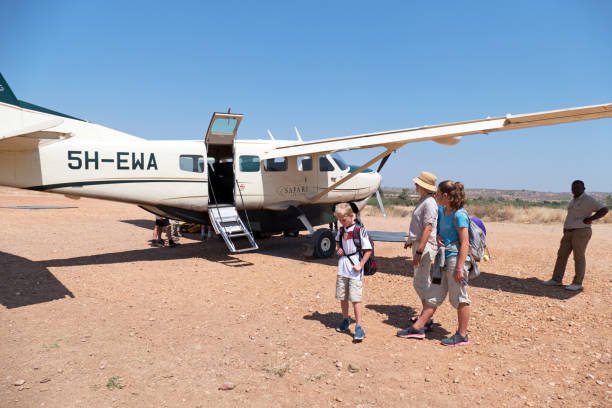
1-Day Serengeti Safari From Zanzibar By Flight: Cost & Itinerary 2026-2027
Is a 1-day Serengeti safari from Zanzibar feasible? Get the expert breakdown on the flight logistics, cost factors, and how to manage your expectations for this intense, one-day wildlife...
View package details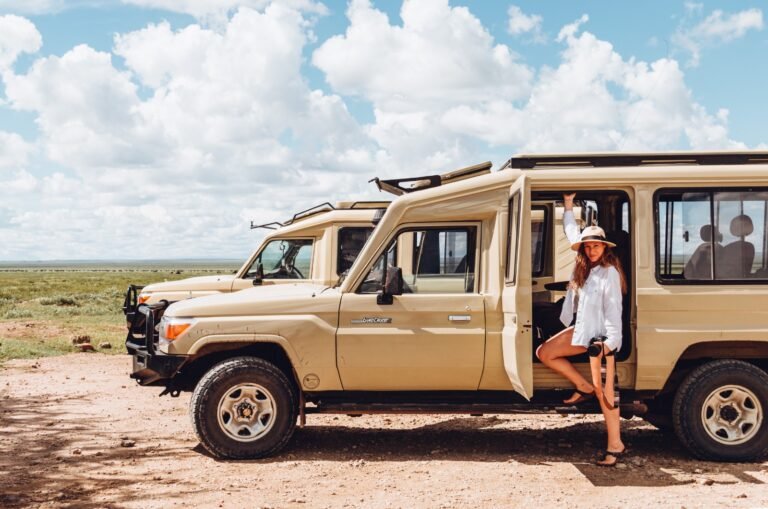
Afcon Private Serengeti Safari With Lodges
AFCON 2027 Private Serengeti Safari with Lodges.
View package detailsAfcon Luxury Serengeti Safari Packages
AFCON 2027 Luxury Serengeti Safari Packages.
View package details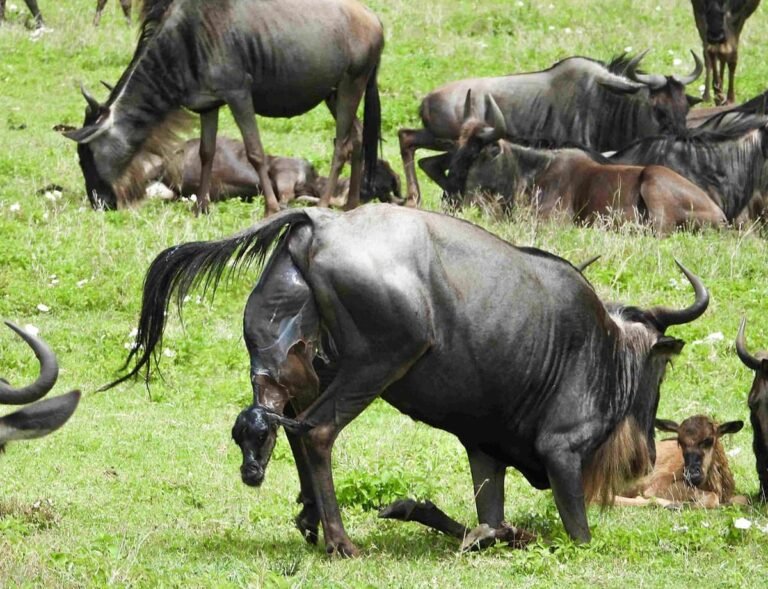
Serengeti Great Migration Safari During AFCON 2027
Mwongozo wa kina kwa safari ya Serengeti Great Migration wakati wa AFCON 2027, ukilenga kuelewa maeneo, kipindi cha mwendo wa mnyama, na mapendekezo ya mipango ya kiutendaji.
View package details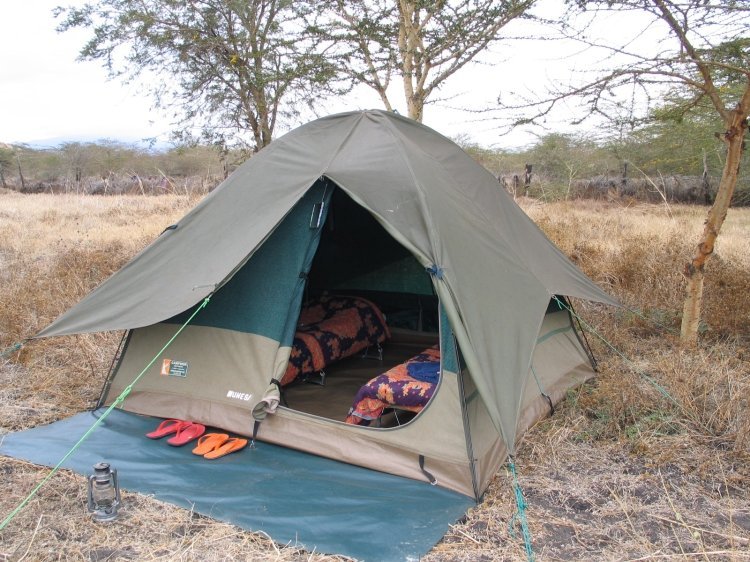
Four Day Serengeti na Ngorongoro Safari During AFCON 2027
Mwongozo wa safari ya siku 4 kwenye Serengeti na Ngorongoro wakati AFCON 2027; jinsi ya kupanga, nini cha kujali, na jinsi ya kuandaa,”
View package detailsThree Day Serengeti Safari During AFCON 2027
Mwongozo wa kiutendaji kwa safari ya siku tatu ya Serengeti wakati AFCON 2027, ukijumuisha mwelekeo wa maeneo, ratiba ya siku, na ushauri wa ubashiri wa kupanga pamoja na jinsi ya...
View package details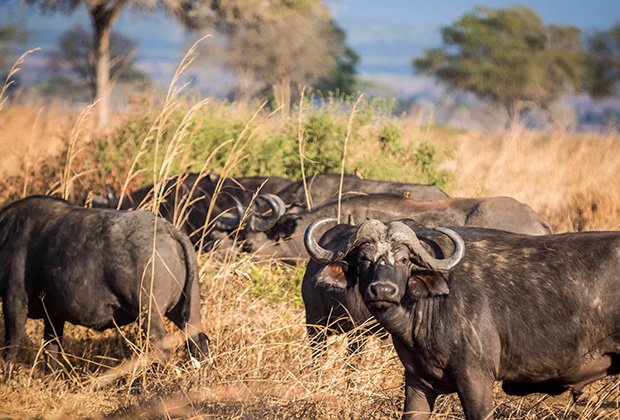
Dec 24, – 3 Day Christmas Serengeti And Ngorongoro Group Safari
Dec 24, 2026 – 3 Day Christmas Serengeti and Ngorongoro Group Safari.
View package details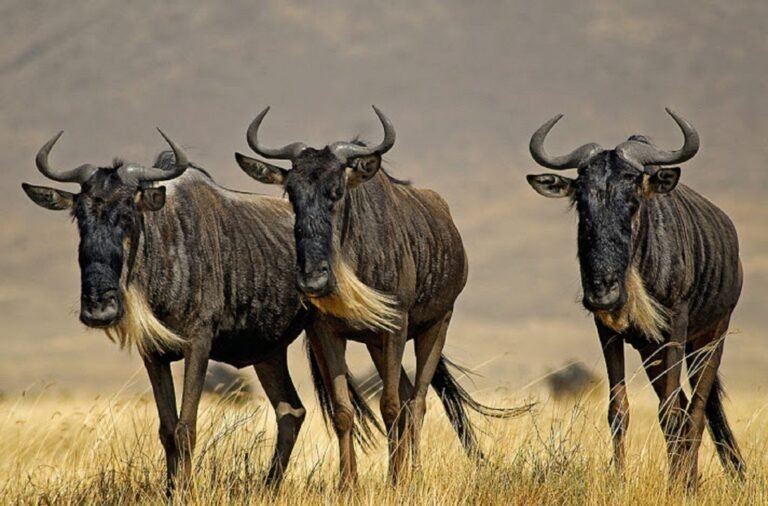
Nov 23, – 3 Day Serengeti And Ngorongoro Safari From Zanzibar
Nov 23, 2026 – 3 Day Serengeti and Ngorongoro Safari from Zanzibar.
View package details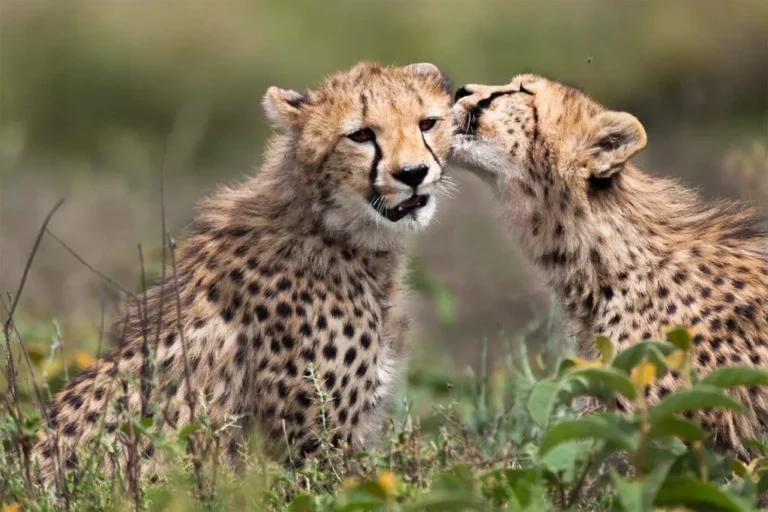
Dec 31, : New Year’s Eve Serengeti Group Safari Planning Guide
This guide provides essential planning details for a group safari trip to the Serengeti for New Year's Eve 2026, covering logistics, seasonal highlights, and what to expect.
View package details
I Am On A Budget—What Is The Cheapest Serengeti Group Safari?
I Am on a Budget—What Is the Cheapest Serengeti Group Safari?
View package details
Dec 29, – 6 Day Ndutu, Serengeti And Ngorongoro Group Safari 2026
A detailed guide to our 6-day group safari departure on December 29, 2026, focusing on the Ndutu plains, the Serengeti, and the Ngorongoro Crater.
View package details8 Day Serengeti And Ngorongoro Group Safari – December 16, 2026
Planning your December 2026 Tanzanian adventure? Our 8-day group safari offers a deep, unhurried exploration of the Serengeti and Ngorongoro Crater.
View package detailsNo related package matches those filters. Clear one or more filters to see the other topic-matched options.