
A Namibia to Tanzania safari and Zanzibar itinerary typically spans 3 to 4 weeks, combining the unique desert landscapes and wildlife of Namibia with the iconic savannahs and Great Migration viewing in Tanzania, culminating in relaxation on the tropical beaches of Zanzibar. This multi-country journey offers a diverse African experience, from Etosha’s waterholes and Sossusvlei’s dunes to the Serengeti’s vast plains and Zanzibar’s spice-scented shores. Planning for 2026-2027 involves considering flight connections, visa requirements, optimal safari seasons for each region, and booking accommodations and internal travel well in advance.
Structuring Your Namibia to Tanzania Safari and Zanzibar Itinerary
Embarking on a journey that links Namibia and Tanzania, followed by a Zanzibar escape, is an ambitious yet incredibly rewarding undertaking. It allows you to witness two vastly different, yet equally spectacular, sides of East and Southern Africa. This type of itinerary requires careful logistical planning, balancing travel time with meaningful experiences in each destination. The sequence matters: typically, travelers fly into Namibia, explore its unique landscapes and wildlife, then fly to Tanzania for its classic safari experiences, and finally, fly to Zanzibar for a tropical respite. Alternatively, some may opt to start in Tanzania, then move to Namibia, though the flight routes can sometimes make the former flow more smoothly. For 2026-2027 travel, understanding the best times to visit each specific location within these countries is paramount to maximizing wildlife sightings and enjoying pleasant weather.
When conceptualizing a Namibia to Tanzania safari and Zanzibar Africa itinerary, consider the following key components:
- Duration: A minimum of 3 weeks is recommended, with 4 weeks offering a more relaxed pace and deeper immersion.
- Flow: Most commonly, it’s Namibia first, then Tanzania, then Zanzibar, due to flight patterns and safari seasonality.
- Travel Style: Options range from budget-conscious overland tours to mid-range lodge safaris and high-end luxury fly-in adventures.
- Key Experiences: Namibia offers desert landscapes, unique desert-adapted wildlife, and stark beauty. Tanzania provides classic savannah safaris, the Great Migration, and Mount Kilimanjaro. Zanzibar offers pristine beaches, rich history, and spice tours.
- Logistics: Inter-country flights, internal transfers, visa processing, and health precautions are critical planning points for 2026-2027.
Part 1: Namibia’s Unforgettable Landscapes and Wildlife
Namibia is a land of dramatic contrasts, characterized by vast deserts, stunning coastlines, and surprisingly resilient wildlife. A Namibia to Tanzania safari and Zanzibar itinerary must dedicate ample time to this country’s unique offerings.
Windhoek: The Gateway to Namibia
Your journey will likely begin in Windhoek, Namibia’s capital. It’s a functional city, serving as the primary international gateway. Most travelers spend a night here upon arrival to acclimatize and prepare for the adventures ahead. It’s a good place to stock up on any last-minute essentials, exchange currency, and arrange your rental vehicle if opting for a self-drive safari, which is a popular choice in Namibia.
For those not self-driving, Windhoek is where you’ll meet your guide and transfer to your first lodge or start your overland journey. The city itself has a few points of interest, such as Christuskirche (Christ Church) and the Alte Feste (Old Fort), offering a glimpse into Namibia’s colonial past, but the main draw is what lies beyond.
Sossusvlei and Deadvlei: Icons of the Namib Desert
No Namibia to Tanzania safari and Zanzibar itinerary is complete without experiencing the towering red dunes of Sossusvlei and the stark, ancient landscape of Deadvlei. Located within the Namib-Naukluft National Park, these are some of the oldest deserts in the world.
- Dune 45: Often the first stop for sunrise, this dune is accessible and offers spectacular panoramic views. Climbing it is a quintessential Namibian experience.
- Big Daddy: One of the tallest dunes, it provides an exhilarating climb and a thrilling slide down towards Deadvlei.
- Deadvlei: This iconic salt pan, dotted with ancient, fossilized camelthorn trees, creates a surreal and photogenic scene, especially at sunrise and sunset when the light paints the dunes in fiery hues.
- Sesriem Canyon: A narrow gorge carved by the Tsauchab River, offering a cool respite and a different geological perspective.
Accommodation near Sossusvlei ranges from campsites within the park (allowing early access to the dunes) to lodges outside the park gates. Staying inside the park is highly recommended for the best photographic light and to avoid crowds. The journey to Sossusvlei itself is part of the adventure, often involving driving through stark, beautiful desert scenery.
Swakopmund and Walvis Bay: Coastal Adventures
Moving towards the coast, Swakopmund offers a charming blend of German colonial architecture and adventure activities. It’s a refreshing change of scenery after the desert, with cooler temperatures and the Atlantic Ocean as its backdrop.
- Activities: Popular pursuits include quad biking on the dunes, sandboarding, dolphin and seal cruises from Walvis Bay, kayaking, and scenic flights over the Skeleton Coast.
- Marine Life: Walvis Bay’s lagoon is a Ramsar site and a haven for birdlife, particularly flamingos, and offers excellent opportunities to see seals and dolphins on boat tours.
- The Skeleton Coast: Known for its shipwrecks and desolate beauty, a scenic flight or a guided excursion can offer a glimpse into this remote and mysterious area.
Logistics: Swakopmund is about a 4-5 hour drive from the Sossusvlei area. It’s a good place to break up the journey and enjoy different activities.
Damaraland: Ancient Rock Art and Desert Elephants
Damaraland is a rugged, sparsely populated region known for its dramatic desert landscapes, ancient rock art sites, and unique desert-adapted wildlife, most notably the desert elephants.
- Twyfelfontein: A UNESCO World Heritage site, it boasts one of the largest concentrations of ancient rock engravings in Africa, depicting animals, human figures, and geometric patterns.
- Desert Elephants: Tracking these magnificent creatures, which have adapted to survive in arid conditions, is a highlight. Guided excursions are essential.
- Unique Geology: Explore the Organ Pipes, Burnt Mountain, and the Petrified Forest.
Traveler Note: Roads in Damaraland can be challenging, often requiring a 4×4 vehicle, especially if self-driving. This is where a guided tour or a well-equipped vehicle becomes crucial for your Namibia to Tanzania safari and Zanzibar Africa itinerary.
Etosha National Park: A Wildlife Spectacle
Etosha is Namibia’s premier wildlife destination and a must-visit for any safari enthusiast. The park is centered around the vast Etosha Pan, a shimmering salt pan that is largely dry for most of the year, but becomes a magnet for wildlife during the dry season.
- Waterholes: The park’s numerous waterholes are the focal point for game viewing, attracting elephants, lions, leopards, rhinos (both black and white), giraffes, zebras, wildebeest, and a multitude of antelope species.
- Self-drive vs. Guided: Etosha is excellent for self-driving due to its well-maintained roads and strategically placed waterholes. However, guided drives offer expert knowledge and access to off-the-beaten-path areas.
- Safari Camps: Accommodation options include rest camps within the park (like Okaukuejo, Halali, and Namutoni), which often have floodlit waterholes, and private lodges just outside the park boundaries.
Timing: The dry season (roughly May to October) is generally the best time to visit Etosha for concentrated wildlife viewing around waterholes.
Namibia Travel Considerations for 2026-2027
When planning your Namibia segment for 2026-2027, consider:
- Vehicle Rental: If self-driving, book 4×4 vehicles well in advance, especially for peak season.
- Internal Flights: For a faster pace, consider flying between key locations, though this significantly increases cost.
- Connectivity: Mobile phone reception can be very limited outside of towns.
- Water: Always carry plenty of water, especially when driving in desert areas.
Part 2: Tanzania’s Classic Safaris and The Great Migration
After experiencing Namibia’s unique desert charm, your Namibia to Tanzania safari and Zanzibar itinerary transitions to the vast plains of Tanzania, home to some of Africa’s most iconic wildlife viewing opportunities.
Kilimanjaro International Airport (JRO): Entry to Northern Tanzania
Your entry point into Tanzania for this segment will likely be Kilimanjaro International Airport (JRO), located between Arusha and Moshi. Arusha serves as the primary safari hub for Northern Tanzania.
Arusha: The Safari Capital
Arusha is a bustling town that acts as the gateway to the Northern Circuit’s famous national parks. It’s where you’ll typically arrange your safari briefing, meet your guide, and perhaps spend a night before or after your safari adventure.
Services: Arusha offers a range of accommodations, from guesthouses to luxury lodges, restaurants, and shops for last-minute purchases. It’s also the base for many tour operators.
Tarangire National Park: Land of Giants
Often the first stop on a Northern Circuit safari, Tarangire is famous for its large elephant herds and iconic baobab trees.
- Elephant Herds: During the dry season (June to October), elephants congregate around the Tarangire River in huge numbers.
- Diverse Landscape: The park features rolling hills, acacia woodlands, and the Silale swamp, supporting a rich variety of wildlife beyond elephants, including lions, leopards, cheetahs, giraffes, and over 550 bird species.
- Baobab Trees: The landscape is dotted with ancient, massive baobab trees, creating a prehistoric atmosphere.
Why it’s included: Tarangire offers a fantastic introduction to Tanzanian wildlife and is particularly rewarding during the dry season when animals are concentrated.
Lake Manyara National Park: Tree-Climbing Lions and Birdlife
A smaller but incredibly diverse park, Lake Manyara is known for its rich birdlife, diverse habitats, and the elusive tree-climbing lions.
- Tree-Climbing Lions: While not guaranteed, spotting lions lounging in the acacia trees is a unique spectacle.
- Birdwatching: The alkaline lake attracts thousands of flamingos, pelicans, and other water birds, making it a paradise for bird enthusiasts.
- Habitats: The park encompasses groundwater forests, acacia woodlands, and the lake shore, supporting a variety of mammals including baboons, monkeys, hippos, elephants, and giraffes.
Best for: A half-day or full-day visit, often combined with activities in the surrounding area.
The Serengeti National Park: The Endless Plains
The Serengeti is arguably Africa’s most famous national park, renowned for its vast, seemingly endless plains and its role in the annual Great Migration.
- The Great Migration: This is the star attraction. Millions of wildebeest, zebras, and gazelles traverse the plains in search of fresh grazing, following the rains. The timing and location of the migration vary throughout the year, with key events like river crossings (especially the Mara River in the north) happening during specific months. Planning your Namibia to Tanzania safari and Zanzibar Africa itinerary around the migration is a significant undertaking but can be incredibly rewarding.
- Predator Action: The abundance of prey makes the Serengeti a prime location for spotting lions, leopards, cheetahs, and hyenas.
- Diverse Ecosystems: From the central plains to the northern riverine areas and the western corridor, the Serengeti offers varied landscapes and resident wildlife populations year-round.
Migration Timing for 2026-2027:
- January-March: Calving season in the southern Serengeti.
- April-May: The herds begin moving north and west.
- June-July: River crossings (Grumeti and Mara Rivers) often occur.
- August-October: North Serengeti, Mara River crossings are common.
- November-December: Southbound movement begins again.
The Ngorongoro Conservation Area: A Natural Wonder
The Ngorongoro Crater, a UNESCO World Heritage site, is a collapsed volcano caldera teeming with wildlife. It’s often described as a natural amphitheater for wildlife viewing.
- High Wildlife Density: The crater floor boasts an exceptionally high density of animals, including the Big Five (lion, leopard, elephant, rhino, buffalo), and offers excellent chances of seeing black rhinos, which are rare elsewhere.
- Unique Environment: The crater supports a variety of habitats, from grasslands and swamps to forests, all within a relatively small area.
- Conservation Efforts: It’s part of a larger conservation area that allows Maasai pastoralists to coexist with wildlife, adding a cultural dimension.
Planning Note: Access to the crater floor is strictly controlled, with limited vehicle numbers and time limits to preserve the environment. This means booking crater-lodge accommodation or day permits well in advance for 2026-2027 is essential.
Mount Kilimanjaro & Mount Meru (Optional Add-on)
While not strictly part of a standard safari, for many, a Namibia to Tanzania safari and Zanzibar itinerary is an opportunity to climb Africa’s highest peak. Mount Kilimanjaro is visible from many safari areas and can be climbed before or after your safari. Mount Meru, a smaller but challenging peak, is also a popular trek.
Climb 4 Africa Specialization: As a dedicated Kilimanjaro expert tour operator, Climb 4 Africa offers a range of treks on various routes, including the popular Machame route. For 2026-2027, booking your climb well in advance is crucial due to permit availability and optimal trekking seasons.
Tanzania Safari Considerations for 2026-2027
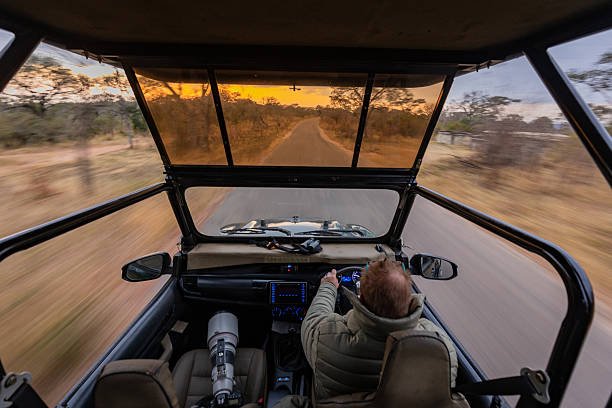
- Vehicle Choice: Most Tanzanian safaris use custom-built 4×4 safari vehicles (Land Cruisers or Land Rovers) with pop-up roofs for game viewing.
- Accommodation: Options range from budget-friendly tented camps to mid-range lodges and exclusive luxury tented camps.
- Guides: Experienced, knowledgeable guides are key to a successful safari.
- Park Fees: National park fees are a significant portion of safari costs and are subject to change annually.
Part 3: Zanzibar’s Tropical Paradise
The final leg of your Namibia to Tanzania safari and Zanzibar Africa itinerary is a well-deserved break on the idyllic beaches of Zanzibar, an island paradise off the coast of Tanzania.
Stone Town: A UNESCO World Heritage Site
Your introduction to Zanzibar will likely be Stone Town, the historic heart of the island. Its labyrinthine alleys, intricately carved wooden doors, and bustling markets tell tales of centuries of Swahili, Arab, Indian, and European influences.
- History: Explore the House of Wonders, the Old Fort, the former Slave Market, and stroll through the narrow streets.
- Culture: experience the vibrant local life, sample street food, and shop for spices and crafts.
- Accommodation: Stone Town offers a range of boutique hotels and guesthouses, many housed in beautifully restored historic buildings.
Recommendation: Spend at least one or two nights here to soak in the unique atmosphere before heading to the beaches.
Zanzibar Beaches: Relaxation and Activities
Zanzibar is famed for its stunning white-sand beaches, turquoise waters, and swaying palm trees. Each beach area offers a slightly different vibe.
- Nungwi and Kendwa (North): Known for their spectacular sunsets, calm waters, and lively atmosphere. Ideal for swimming and sunbathing.
- Paje and Jambiani (Southeast): Famous for kite surfing and windsurfing due to consistent trade winds. Also offer beautiful, albeit tidal, beaches.
- Matemwe (Northeast): Quieter and more secluded, offering pristine beaches and excellent diving and snorkeling opportunities, especially near Mnemba Atoll.
- Kizimkazi (Southwest): A traditional fishing village known for dolphin tours, though ethical considerations around dolphin watching are important.
Activities: Beyond relaxing, enjoy snorkeling, diving, dhow cruises, kayaking, and exploring the underwater world.
Spice Tours and Cultural Experiences
Zanzibar is historically known as the ‘Spice Island.’ A spice tour is a must-do, allowing you to learn about and taste a variety of spices, fruits, and herbs grown locally.
Other Experiences: Visit Jozani Forest to see the rare Red Colobus monkeys, explore the ruins of the Persian Baths, or take a cooking class.
Zanzibar Travel Considerations for 2026-2027
- Getting There: Most travelers fly from Kilimanjaro or Arusha to Zanzibar (ZNZ) or take a ferry from Dar es Salaam.
- Getting Around: Taxis are common, or you can arrange transfers with your accommodation. Renting a scooter is an option for the adventurous, but roads can be challenging.
- Culture: Zanzibar is a Muslim island, so modest dress is appreciated when away from beach resorts, especially in Stone Town.
- Tides: Be aware of the strong tidal patterns, particularly on the east coast, which can affect swimming opportunities at certain times of day.
Logistics and Planning Your Namibia to Tanzania Safari and Zanzibar Africa Itinerary
Crafting a smooth Namibia to Tanzania safari and Zanzibar Africa itinerary requires meticulous attention to detail. The distances involved are significant, and inter-country travel needs careful coordination.
Inter-Country Flights
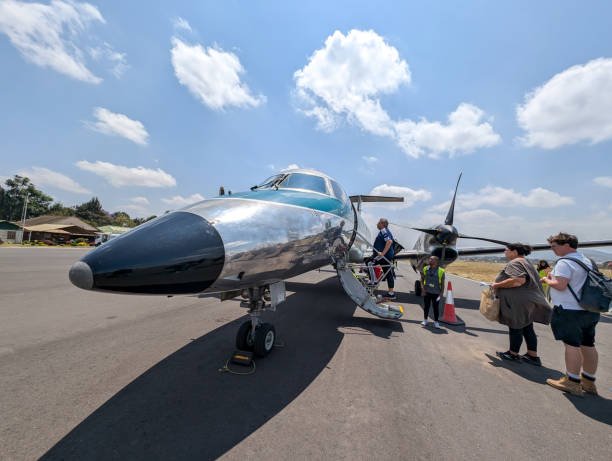
The most practical way to connect Namibia and Tanzania is by flying. Typically, you would fly from Windhoek (WDH) to Kilimanjaro International Airport (JRO) or potentially via Nairobi (NBO) or Addis Ababa (ADD) as transit points. These flights are not direct and can take a significant portion of a day. Booking these well in advance for 2026-2027 is crucial, as availability can be limited and prices can fluctuate.
Visa Requirements
Ensure you check the latest visa requirements for your nationality for both Namibia and Tanzania. Some nationalities can obtain visas on arrival, while others may need to apply in advance. Tanzania offers an e-visa system which can simplify the process for many travelers planning their 2026-2027 trips.
Health Precautions
Consult your doctor or a travel clinic at least 6-8 weeks before your departure for advice on vaccinations and malaria prophylaxis. Yellow Fever vaccination may be required, particularly if transiting through certain countries, and proof of vaccination is often checked upon arrival in Tanzania.
Budgeting for a Multi-Country Trip
A Namibia to Tanzania safari and Zanzibar Africa itinerary is a significant investment. Costs are influenced by:
- Accommodation Style: From budget camping to luxury lodges.
- Safari Type: Private guided tours are more expensive than group tours.
- Seasonality: Peak seasons (dry season for safaris, certain months for migration) are more costly.
- Internal Transport: Self-drive in Namibia vs. internal flights in Tanzania.
- Activities: Optional activities like hot air balloon safaris or scenic flights add to the cost.
Cost Guidance for 2026-2027:
- Namibia: Can range from USD 250-300 per person per day for mid-range self-drive or guided tours, to USD 600+ for luxury fly-in safaris.
- Tanzania Safari: Expect USD 300-500 per person per day for mid-range group safaris, and USD 500-1000+ for private or luxury safaris. Park fees are a substantial component.
- Zanzibar: Beach accommodation can range from USD 50 per night for budget guesthouses to USD 300+ for luxury resorts.
It’s advisable to get a detailed quote tailored to your specific interests and travel dates for 2026-2027.
Packing Essentials
Pack light, neutral-colored clothing suitable for both warm days and cooler evenings. Key items include:
- Lightweight, breathable shirts and trousers.
- A warm fleece or jacket for early mornings and evenings.
- Comfortable walking shoes and sandals.
- Sun protection: hat, sunglasses, high SPF sunscreen.
- Insect repellent (especially for Zanzibar and evenings on safari).
- Binoculars for wildlife viewing.
- Camera with extra batteries and memory cards.
- A good quality reusable water bottle.
Making the Most of Your Namibia to Tanzania Safari and Zanzibar Africa Itinerary
This ambitious itinerary offers an unparalleled African adventure. To ensure it’s a success for your 2026-2027 travel plans:
- Be Flexible: Wildlife sightings and migration patterns can be unpredictable. Embrace the journey.
- Engage with Guides: Your guides are a wealth of knowledge. Ask questions, learn about the ecosystems, culture, and conservation efforts.
- Respect Wildlife: Maintain a safe distance, never feed animals, and follow your guide’s instructions implicitly.
- Connect with Local Culture: Engage respectfully with local communities you encounter.
- Stay Hydrated and Protected: The African sun is intense, and water is essential.
A Namibia to Tanzania safari and Zanzibar Africa itinerary is not just a holiday; it’s an expedition through some of the continent’s most iconic natural wonders and vibrant cultures. The planning for 2026-2027 should begin early to secure the best experiences and logistics. For a truly personalized and expertly managed trip, consider consulting with specialists who understand the intricacies of multi-country African travel.
Planning Your 2026-2027 Journey
Designing an exceptional Namibia to Tanzania safari and Zanzibar Africa itinerary requires local expertise. At Climb 4 Africa, we specialize in crafting tailor-made African adventures. Whether you’re dreaming of tracking desert elephants in Namibia, witnessing the Great Migration in Tanzania, or relaxing on Zanzibar’s pristine beaches, we can help bring your vision to life. Our deep understanding of these destinations, combined with our operational capabilities, ensures a smooth and unforgettable experience. For personalized itinerary planning for your 2026-2027 adventure, please reach out to our team.
Contact us today:
- WhatsApp: +255 747 477 898
- Email: climb4africa@gmail.com
We can help you navigate the complexities of flights, accommodations, safari vehicles, and expert guides to create your perfect Namibia to Tanzania safari and Zanzibar Africa itinerary.
Check Availability for Namibia To Tanzania Safari And Zanzibar Africa Itinerary: A Comprehensive
Ready to compare dates, prices, and the best option for your group? Send the package name and travel month so the team can reply with a clear quote, availability, and what is included.
10-Day Tanzania Safari And Zanzibar Beach Holiday: Your Ultimate Itinerary
Combine the thrill of a Tanzania safari with the relaxation of Zanzibar for an unforgettable 10-day adventure. This itinerary balances iconic wildlife viewing with stunning tropical...
View package details
Serengeti Safari And Zanzibar Beach Holiday: The Ultimate Tanzania
Combine the thrill of a Serengeti safari with the relaxation of a Zanzibar beach holiday. This guide covers everything you need to know for an unforgettable Tanzania adventure in 2026-2027...
View package details
Tanzania Safari And Zanzibar All-Inclusive Packages Guide
Combine the thrill of a Tanzanian wildlife safari with the serene beauty of Zanzibar on an all-inclusive package. This comprehensive guide covers everything you need to know for planning...
View package details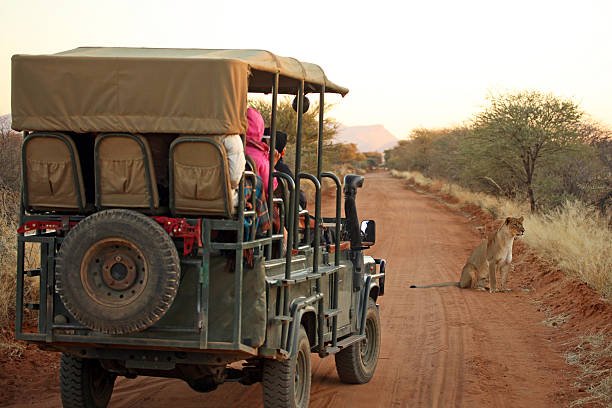
Zanzibar To Mikumi Safari: Flights, Prices And Itinerary Guide
Transition from the spice-scented beaches of Zanzibar to the wildlife-rich plains of Mikumi National Park. This guide details flight logistics, cost considerations, and sample itineraries...
View package details
Tanzania Safari And Zanzibar Packages /: Your Complete Guide 2026-2027
Explore the best Tanzania safari and Zanzibar packages for 2026-2027. This comprehensive guide covers itinerary options, wildlife highlights, beach relaxation, and booking considerations to...
View package details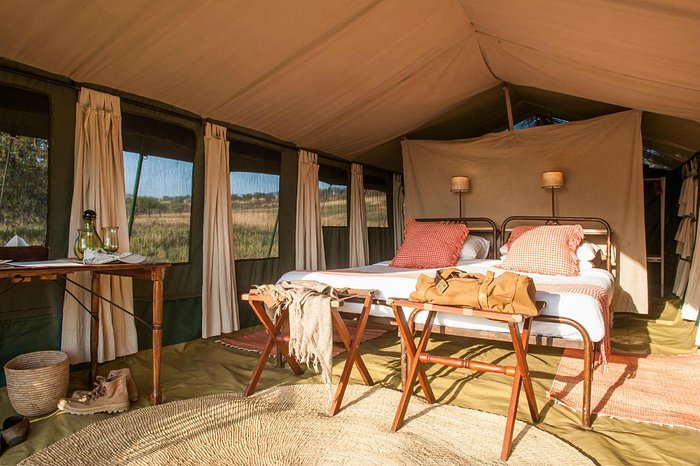
Safari From Zanzibar: Best Packages, Prices & Parks For 2026-2027
Combining a Zanzibar beach holiday with a Tanzania safari is a dream for many travelers. This guide details the best safari packages from Zanzibar, covering essential planning, park...
View package details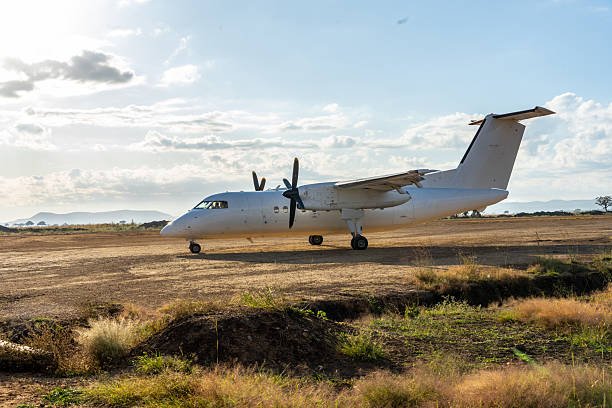
Zanzibar To Nyerere Safari Packages 2026-2027
Zanzibar to Nyerere Safari Packages is explained with current 2026-2027 planning, price, itinerary and booking information.
View package detailsZanzibar To Serengeti Safari Packages 2026-2027
Zanzibar to Serengeti Safari Packages is explained with current 2026-2027 planning, price, itinerary and booking information.
View package details3-Day Safari From Zanzibar 2026-2027
3-Day Safari From Zanzibar is explained with current 2026-2027 planning, price, itinerary and booking information.
View package details
2-Day Safari From Zanzibar: Your Quick Wildlife Escape In 2026-2027
Looking for a short, impactful wildlife adventure without a long trip? A 2-day safari from Zanzibar is your perfect solution. This guide covers the best options, what to expect, and how to...
View package detailsBest Family-Friendly Resorts In Tanzania For Unforgettable Adventures
Planning a family adventure in Tanzania? This guide highlights the best family-friendly resorts offering incredible wildlife viewing, cultural experiences, and comfortable stays for all...
View package detailsWildlife And Nature Titles: Your Ultimate Guide To Tanzanias Best Experiences
This comprehensive guide explores the most sought-after wildlife and nature titles in Tanzania, from iconic safari destinations and Kilimanjaro treks to the tropical allure of Zanzibar...
View package detailsNo related package matches those filters. Clear one or more filters to see the other topic-matched options.



