
Flights from Abu Dhabi to Tanzania for safari and Zanzibar are available, primarily connecting through major Middle Eastern or African hubs like Doha, Dubai, Addis Ababa, or Nairobi. Direct flights are rare, so expect at least one stop. The journey typically involves flying into Kilimanjaro International Airport (JRO) for safaris or Julius Nyerere International Airport (DAR) in Dar es Salaam, with onward connections to Zanzibar (ZNZ). Planning your flights well in advance for 2026-2027 is crucial for securing better routes and prices, especially when combining safari and island destinations.
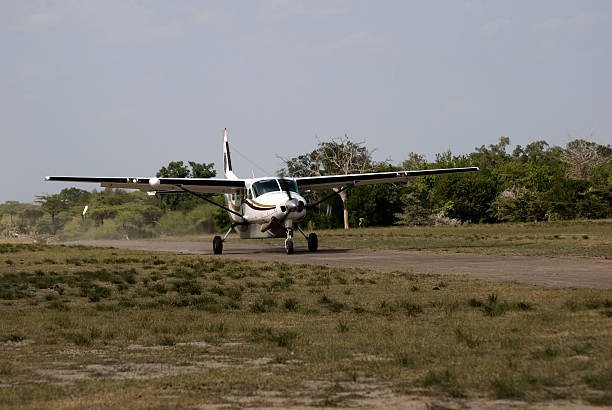

Navigating Your Journey: Abu Dhabi to Tanzania Flights
The prospect of experiencing Tanzania’s world-renowned wildlife on safari and then unwinding on the idyllic beaches of Zanzibar is incredibly appealing. For travelers starting in Abu Dhabi, the logistical step of getting to Tanzania is a key part of the planning process. While not a direct hop, connecting Abu Dhabi to Tanzania for a comprehensive safari and Zanzibar holiday in 2026-2027 is entirely feasible with careful consideration of flight routes, timings, and airport transfers. This guide breaks down the essential information to help you piece together your adventure.
Understanding the flight landscape is the first step. You’re looking at international carriers that serve both the UAE and East Africa, with Tanzania being a primary destination for wildlife tourism. The most common flight paths involve at least one layover, typically in a major transit airport. This might be within the Middle East itself, such as Doha (DOH) or Dubai (DXB), or a continental African hub like Addis Ababa (ADD) or Nairobi (NBO). Each option presents its own set of advantages and potential considerations regarding flight duration, layover times, and the final arrival airport in Tanzania.
When planning for 2026-2027, it’s wise to start researching flight options early. This allows for greater flexibility in choosing carriers, departure times, and potentially securing more favorable fares. The choice of arrival airport in Tanzania will depend on your itinerary’s starting point: Kilimanjaro International Airport (JRO) is the gateway for Northern Circuit safaris (Serengeti, Ngorongoro, etc.), while Julius Nyerere International Airport (DAR) in Dar es Salaam serves Southern Circuit safaris and is the main international gateway for many heading to Zanzibar.
This section will detail the primary routes, the airlines typically involved, and the factors that influence your choice, ensuring you can make informed decisions for your Abu Dhabi to Tanzania adventure.
Flight Options: Abu Dhabi to Tanzania
The journey from Abu Dhabi (AUH) to Tanzania involves international flights that connect these two diverse regions. Given the geographical distance and the absence of direct routes, travelers must plan for at least one stop. The primary international airports in Tanzania relevant to your trip are Kilimanjaro International Airport (JRO) and Julius Nyerere International Airport (DAR). Zanzibar’s Abeid Amani Karume International Airport (ZNZ) is the final destination for island holidays.
Several major airlines operate routes that can facilitate this journey, often utilizing their respective hubs for transit. The most common carriers and their typical routing strategies include:
- Qatar Airways: Flying from Abu Dhabi to Doha (DOH), then connecting to Kilimanjaro (JRO) or Dar es Salaam (DAR). This is a popular choice due to the quality of service and extensive network.
- Emirates/Flydubai: Connecting via Dubai (DXB). Emirates often flies to DAR, while Flydubai might offer routes to both JRO and DAR, sometimes with connections.
- Ethiopian Airlines: Utilizing Addis Ababa (ADD) as a hub. This is a significant gateway for East Africa, offering connections to JRO and DAR.
- Kenya Airways: Routing through Nairobi (NBO). While sometimes a viable option, it might involve more complex connections or less convenient timings compared to other hubs.
- Turkish Airlines: Connecting via Istanbul (IST). This route offers a different geographical pathway and can sometimes be competitive on price, though the flight times can be longer.
When considering flights for 2026-2027, remember that airline schedules can change. It’s always best to check directly with the airlines or use reputable flight comparison websites to find the most current options. The duration of the flight, including layovers, can range significantly, from around 8-10 hours for the quickest connections to upwards of 15-20 hours for longer layovers or more complex routes.
The choice of airline and route often comes down to a balance of factors: flight cost, total travel time, layover duration, preferred departure/arrival times, and airline reputation for service. For a safari and Zanzibar combination, you might consider flying into JRO, embarking on your safari, then traveling overland or flying domestically to Zanzibar, and finally flying out of ZNZ or DAR. Alternatively, you could fly into DAR, head to Zanzibar, and then travel to the safari region, flying out of JRO.
It’s also worth noting that some travelers opt for a multi-city booking. For example, an itinerary might look like: Abu Dhabi to Kilimanjaro (JRO), then Zanzibar to Abu Dhabi. This can sometimes be more efficient than booking two separate one-way tickets or dealing with complex internal transfers.
Key takeaway: Expect at least one stop. Research routes via Doha, Dubai, Addis Ababa, and Nairobi. For 2026-2027 travel, book early for better choices.
Choosing Your Tanzania Arrival Airport: JRO vs. DAR
Deciding whether to fly into Kilimanjaro International Airport (JRO) or Julius Nyerere International Airport (DAR) in Dar es Salaam is a crucial early decision that will shape your Tanzanian itinerary, especially when planning a safari and Zanzibar trip for 2026-2027.
Kilimanjaro International Airport (JRO)
JRO is strategically located between Arusha and Moshi, the two main hubs for organizing safaris in Tanzania’s famous Northern Circuit. This circuit includes iconic destinations such as the Serengeti National Park, the Ngorongoro Conservation Area, Tarangire National Park, and Lake Manyara National Park.
- Pros:
- Direct access to the Northern Circuit: If your primary focus is the Serengeti, Ngorongoro, and other northern parks, flying into JRO significantly reduces your initial travel time within Tanzania. Arusha is typically a 45-60 minute drive from JRO, and Moshi is about 50-70 minutes away.
- Convenient for Kilimanjaro trekkers: For those combining a safari with a Kilimanjaro climb, JRO is the most logical arrival point.
- Fewer internal transfers for Northern Safaris: You can often begin your safari drive directly from the airport or after a short stay in Arusha/Moshi.
- Cons:
- Less direct for Southern Safaris: If your safari plans focus on parks like Selous Game Reserve (now Nyerere National Park) or Ruaha National Park, flying into JRO means a long overland journey or a domestic flight south.
- Limited international connections compared to DAR: While served by international carriers, the flight options into JRO might be fewer or more expensive than into DAR.
Julius Nyerere International Airport (DAR)
DAR is Tanzania’s largest international airport, located in the country’s former capital and largest city, Dar es Salaam. It serves as a major gateway for both southern safaris and onward travel to Zanzibar.
- Pros:
- Gateway to Southern Safaris: DAR is the primary airport for accessing the Southern Circuit parks, including Nyerere National Park (formerly Selous) and Ruaha National Park.
- Primary hub for Zanzibar: Most international travelers heading to Zanzibar fly into DAR first, then take a short domestic flight or ferry to the island. This can simplify onward travel if Zanzibar is your first or last stop.
- More international flight options: As a larger hub, DAR generally has more international flight schedules and potentially more competitive pricing from various carriers.
- Cons:
- Longer travel to Northern Circuit: If your safari is in the Serengeti or Ngorongoro, flying into DAR means either a significant overland journey (8-10+ hours) or a domestic flight to Arusha or Kilimanjaro, adding time and cost.
- City environment: Dar es Salaam is a bustling metropolis, and if your goal is immediate immersion in nature, arriving here might feel less scenic than JRO.
Which to Choose for Safari and Zanzibar?
The optimal choice depends on your itinerary’s flow:
- Option 1: Northern Safari First, then Zanzibar
Fly into JRO. Begin your Northern Circuit safari. After the safari, travel from Arusha/Moshi to Zanzibar. You could fly from Arusha Airport (ARK) or Kilimanjaro (JRO) to Zanzibar (ZNZ), or potentially fly from JRO to DAR and then connect to ZNZ. Depart from ZNZ or DAR. - Option 2: Zanzibar First, then Northern Safari
Fly into DAR. Take a short flight or ferry to Zanzibar. After your island stay, fly from Zanzibar (ZNZ) to Arusha (ARK) or Kilimanjaro (JRO) to start your Northern Circuit safari. Depart from JRO. - Option 3: Southern Safari First, then Zanzibar
Fly into DAR. Head out for your Southern Circuit safari. Afterward, return to DAR and take a flight to Zanzibar (ZNZ). Depart from ZNZ or DAR.
For most travelers combining a Northern Circuit safari with Zanzibar, flying into JRO and departing from ZNZ (or DAR) is often the most time-efficient route for 2026-2027, minimizing backtracking. However, if your safari is in the south, DAR is the clear choice. Always consider the total travel time and internal transfer costs when making your decision.
Transit Hubs and Layover Strategies
As direct flights from Abu Dhabi to Tanzania are uncommon, the layover experience is a significant factor in your journey. Understanding the major transit hubs and how to strategize your layovers can make a substantial difference in comfort, efficiency, and even cost for your 2026-2027 travel plans.
Middle Eastern Hubs: Doha (DOH), Dubai (DXB)
These are often the most convenient and popular transit points for travelers from Abu Dhabi due to their proximity and the extensive flight networks of Qatar Airways and Emirates/Flydubai.
- Qatar Airways (via Doha – DOH): Qatar Airways is renowned for its premium service and efficient operations. Flights from Abu Dhabi to Doha are frequent and short (around 1 hour). The Hamad International Airport (HIA) in Doha is a world-class facility, making layovers comfortable. From Doha, Qatar Airways flies directly to both Kilimanjaro (JRO) and Dar es Salaam (DAR).
- Emirates/Flydubai (via Dubai – DXB): Dubai International Airport (DXB) is another major global hub. Emirates offers extensive connections, often to Dar es Salaam (DAR). Flydubai, its sister airline, may provide routes to JRO and DAR, sometimes with codeshares. The sheer volume of flights from Dubai means you’ll find numerous options, though sometimes connections might be less smooth than with a single airline group.
Layover Strategy for Middle Eastern Hubs:
- Short Layovers (1.5-3 hours): Ideal for efficient travel. Both DOH and DXB are large airports, so ensure your connection time is realistic, especially if you need to change terminals or go through security again (though this is less common with single bookings).
- Medium Layovers (3-6 hours): Allows time for a relaxed meal, some shopping, or even a brief rest. You can explore the airport lounges or amenities.
- Long Layovers (6+ hours): For very long layovers, especially if you have a visa for Qatar or the UAE (depending on your nationality and duration of stay), you might consider leaving the airport for a brief city tour or a hotel stay. However, for most transit passengers, this is often more hassle than it’s worth unless specifically planned.
African Hubs: Addis Ababa (ADD), Nairobi (NBO)
These hubs offer a more direct geographical path into East Africa but can sometimes involve longer flights from Abu Dhabi and potentially a different quality of transit experience compared to the Middle East.
- Ethiopian Airlines (via Addis Ababa – ADD): Ethiopian Airlines is a major player in African aviation. Flights from Abu Dhabi to Addis Ababa are common. Bole International Airport (ADD) is a busy hub, and Ethiopian Airlines has a strong network connecting to JRO and DAR. The layover experience at ADD can be efficient, but the airport facilities are not as luxurious as DOH or DXB.
- Kenya Airways (via Nairobi – NBO): Kenya Airways flies from Abu Dhabi to Jomo Kenyatta International Airport (NBO) in Nairobi. From Nairobi, you can connect to JRO or DAR. This route might be suitable if you find a particularly good deal, but it adds an extra layer of complexity if you’re not familiar with Nairobi’s airport.
Layover Strategy for African Hubs:
- Efficiency is key: Ethiopian Airlines generally offers well-coordinated connections.
- Consider onward travel: Ensure your connection time accounts for potential delays, especially with flights within Africa.
- Airport facilities: Addis Ababa and Nairobi airports are functional but might offer fewer high-end amenities than their Middle Eastern counterparts.
Layover Considerations for Safari Travelers
When planning your 2026-2027 safari and Zanzibar trip, think about how your layover affects your arrival in Tanzania:
- Arrival Time: Aim for an arrival in Tanzania during daylight hours. This makes airport transfers to your hotel or lodge safer and more scenic. Arriving late at night can be disorienting and may require an overnight stay in the airport city.
- Jet Lag: A long journey with a layover can be tiring. A shorter, more efficient layover is often preferable to avoid excessive fatigue before your safari begins.
- Baggage: Ensure your luggage is checked through to your final destination in Tanzania (JRO or DAR). If you have separate tickets, you might need to re-check your bags, which requires more time and potentially clearing immigration.
Recommendation: For most travelers from Abu Dhabi heading to Tanzania for safari and Zanzibar, utilizing the Middle Eastern hubs (Doha or Dubai) often provides the most comfortable and efficient transit experience. However, always compare prices and total travel times for all available routes for your specific travel dates in 2026-2027.
Booking Your Flights for 2026-2027: Key Considerations
Securing the right flights for your Abu Dhabi to Tanzania safari and Zanzibar adventure in 2026-2027 requires a strategic approach. Beyond just finding the lowest price, several factors will impact your overall travel experience.
When to Book
For international travel, especially to popular destinations like Tanzania, booking well in advance is generally recommended. For 2026-2027 travel:
- High Season (June-October, December-February): These periods often align with peak safari seasons and holiday breaks. Booking 6-9 months in advance is advisable to secure good availability and prices.
- Shoulder/Low Season (March-May, November): While prices might be slightly lower, booking 4-6 months ahead is still a good practice to ensure you get your preferred routes and timings.
Flexibility with your travel dates by a few days can sometimes find significant savings. Consider using flight comparison tools that allow you to view prices across a month.
Flight Comparison Tools and Direct Booking
Utilize reputable flight aggregators like Skyscanner, Google Flights, Kayak, or Momondo to compare options across multiple airlines and travel agents. These tools can help you identify the best routes, durations, and price points.
However, after identifying your preferred flight, consider booking directly with the airline. This often makes it easier to manage your booking, make changes (if allowed), select seats, and handle any issues that may arise during your travel. Direct booking can be particularly beneficial for complex itineraries or if you anticipate needing to adjust your plans.
Understanding Fare Types and Inclusions
Be mindful of what your ticket includes:
- Baggage Allowance: This is critical for safaris. Most international carriers allow checked baggage, but the weight limits vary. For safaris, especially if using smaller bush planes for internal flights, strict weight limits (often 15-20 kg in soft bags) apply. Ensure your international ticket’s allowance is sufficient, and be aware of the separate allowances for any domestic Tanzanian flights you book.
- Seat Selection: Some fares include free seat selection, while others charge extra. If you have specific preferences (aisle, window, or sitting together with companions), factor this in.
- Meals: Most international flights include meals, but check if this is standard for the fare class you’re booking.
- Changes and Cancellations: Understand the airline’s policy on making changes or cancellations. Flexible fares are usually more expensive but offer peace of mind.
Multi-City vs. Return Tickets
For a trip combining Abu Dhabi, a Tanzanian safari starting point (e.g., JRO), and Zanzibar (ZNZ), a multi-city booking can be more efficient than two separate one-way tickets.
Example Multi-City Search:
- Outbound: Abu Dhabi (AUH) to Kilimanjaro (JRO)
- Inbound: Zanzibar (ZNZ) to Abu Dhabi (AUH)
This approach often simplifies the booking process and can sometimes be more cost-effective than booking Abu Dhabi-JRO and then ZNZ-Abu Dhabi as separate one-ways. Alternatively, you might fly AUH-JRO and then depart from Dar es Salaam (DAR) to AUH, especially if your itinerary concludes with a southern safari or a ferry from Dar to Zanzibar.
Working with Travel Agents and Tour Operators
While you can book flights independently, partnering with a specialized tour operator like Climb 4 Africa can streamline the process. We can assist in coordinating your flights with your safari and Zanzibar arrangements, ensuring smooth transitions and advising on the best arrival/departure points based on your chosen itinerary for 2026-2027. We can also help manage internal flights within Tanzania, which are often best booked locally.
Key advice for booking: Book 6-9 months out for peak seasons. Compare multi-city options. Always check baggage allowances for both international and any planned domestic Tanzanian flights. Consider direct airline booking after using comparison sites.
Connecting to Zanzibar from the Mainland
Once you land in Tanzania, whether at JRO or DAR, you’ll need to make your way to the tropical paradise of Zanzibar. There are two primary methods: flying or taking a ferry. The choice largely depends on your arrival airport, time constraints, and preference for convenience versus a more scenic journey.
Flying to Zanzibar
This is the quickest and most convenient method, especially if you are short on time or have just completed a safari in the Northern Circuit and are flying from Arusha or Kilimanjaro.
- From Kilimanjaro (JRO) or Arusha (ARK): Several local airlines, such as Precision Air, Coastal Aviation, or Auric Air, operate flights from Arusha Airport (ARK) or sometimes directly from JRO to Zanzibar (ZNZ). These flights are typically short, around 1 to 1.5 hours. This is often the preferred method if you’re concluding a Northern Circuit safari and want to minimize travel time.
- From Dar es Salaam (DAR): This is a very common route. Multiple airlines, including Precision Air, Coastal Aviation, and ZanAir, offer frequent flights from Dar es Salaam’s domestic terminal to Zanzibar (ZNZ). The flight is short, approximately 20-30 minutes. This is the most practical option if you are arriving internationally via DAR and heading straight to Zanzibar, or if you’ve completed a Southern Circuit safari and returned to Dar.
Considerations for flying:
- Cost: Flights are generally more expensive than the ferry. Prices can range from $100-$250 USD per person one-way, depending on the airline, time of booking, and season for 2026-2027.
- Baggage Allowance: Be acutely aware of the strict baggage limits on these smaller aircraft, often 15-20 kg per person in soft-sided bags. Exceeding this can incur significant extra charges or result in your luggage being left behind.
- Convenience: It’s door-to-door (or rather, airport-to-resort) convenience.
Taking the Ferry from Dar es Salaam
The ferry is a more traditional and budget-friendly way to travel between Dar es Salaam and Zanzibar.
- Route: Ferries depart from the Dar es Salaam port and arrive at Zanzibar’s Stone Town port.
- Duration: The journey typically takes about 1.5 to 2 hours, depending on sea conditions.
- Frequency: Ferries usually run multiple times a day, with departures typically in the morning and afternoon. Schedules can vary, so it’s wise to check current timings.
Considerations for the ferry:
- Cost: Significantly cheaper than flying, usually in the range of $35-$50 USD per person one-way.
- Comfort: Can be rough, especially during rough seas. Motion sickness is a common issue for some travelers. The “business class” or VIP sections are generally more comfortable and less crowded but cost a bit more.
- Luggage: More generous luggage allowance than flights, but you’ll need to manage your bags yourself during boarding and disembarking.
- Transfers: You’ll need to get from DAR airport to the ferry terminal (a short taxi ride) and from the Zanzibar port to your hotel (also a short taxi ride).
- Safety: While generally safe, it’s always wise to use reputable ferry operators and be aware of your surroundings.
Which Method is Best for You?
- For speed and convenience, especially after a safari: Fly from Arusha (ARK) or JRO/DAR to ZNZ.
- For budget travelers or those who enjoy a more local experience: Take the ferry from DAR to Zanzibar.
- If arriving late into DAR: Flying might be preferable to avoid missing the last ferry or dealing with late-night transfers.
- If prioritizing comfort and minimizing travel time: Flying is the clear winner.
When planning your 2026-2027 itinerary, decide on your Tanzania arrival airport and your safari/Zanzibar sequence first. This will naturally lead you to the most logical connection method to Zanzibar. Climb 4 Africa can help arrange these internal flights or advise on ferry bookings as part of your comprehensive package.
Visa and Entry Requirements
Navigating visa and entry requirements is a critical step for any international travel. For travelers flying from Abu Dhabi to Tanzania, understanding these regulations for both mainland Tanzania and Zanzibar is essential for a smooth journey in 2026-2027.
Tanzania Mainland Visa
Most nationalities require a visa to enter mainland Tanzania. However, there are exceptions, so it’s crucial to check the specific requirements for your nationality well in advance.
- Online Application (eVisa): Tanzania offers an online visa application system, which is often the most convenient method. You can apply for your visa through the official Tanzanian immigration website. It is recommended to apply at least 2-3 weeks before your intended travel date.
- Visa on Arrival: For some nationalities, visas can be obtained upon arrival at Kilimanjaro International Airport (JRO) or Julius Nyerere International Airport (DAR). However, relying on this can sometimes lead to longer queues and potential uncertainties. Applying online is generally preferred.
- Visa Fees: Fees vary by nationality but are typically around $50-$100 USD. Payment is usually required in USD cash if obtained on arrival, though online payments are processed via card.
- Required Documents: Typically include a valid passport (with at least six months’ validity beyond your stay and blank pages), a passport-sized photo, and sometimes an onward or return ticket. The eVisa application will specify all necessary documents.
Zanzibar Entry
Zanzibar is a semi-autonomous part of Tanzania. Generally, if you have a valid Tanzanian visa, it covers your entry into Zanzibar. There is no separate visa required for Zanzibar if you are entering Tanzania on a Tanzanian visa.
- Combined Visa: Your Tanzanian visa allows you to travel freely between the mainland and Zanzibar.
- Entry Points: Zanzibar’s Abeid Amani Karume International Airport (ZNZ) and the Stone Town ferry port are official entry points.
Health Requirements and Recommendations
Ensuring you are up-to-date on health recommendations is vital for a safe trip to Tanzania and Zanzibar.
- Yellow Fever Vaccination: A Yellow Fever vaccination certificate is often required for entry into Tanzania, especially if you are arriving from or have transited through a country with a risk of Yellow Fever transmission (this includes transit through certain airports for more than 12 hours). Check the latest regulations with the Tanzanian embassy or consulate in your country of residence. It’s also sometimes checked when traveling between mainland Tanzania and Zanzibar, or when re-entering other countries.
- Malaria Prevention: Tanzania is a malaria-endemic country. Consult your doctor or a travel clinic about malaria prophylaxis (preventative medication) and mosquito bite prevention strategies (repellents, nets, covering up at dusk and dawn).
- Other Vaccinations: Recommended vaccinations often include Hepatitis A, Typhoid, and Tetanus. Consult your doctor for personalized advice based on your health history and travel plans for 2026-2027.
- COVID-19: Entry requirements related to COVID-19 (vaccination status, testing) can change rapidly. Always check the latest official government advisories and airline requirements before your departure.
Travel Insurance
Comprehensive travel insurance is highly recommended for any trip to Tanzania and Zanzibar. Ensure your policy covers:
- Medical emergencies and evacuation (including for remote safari areas).
- Trip cancellation or interruption.
- Lost or delayed baggage.
- Activities like safari drives and trekking (if applicable).
Important note: Requirements and recommendations can change. Always verify the latest visa and health regulations with official sources (Tanzanian embassy, immigration websites) and your healthcare provider before your trip in 2026-2027.
Packing for Your Safari and Zanzibar Trip
Packing efficiently for a safari and beach holiday requires balancing needs for diverse environments. For your Abu Dhabi to Tanzania adventure in 2026-2027, consider these essentials:
Safari Clothing
The key is comfortable, practical clothing in neutral colors. Avoid bright colors that can startle wildlife and dark colors (like navy blue or black) that attract tsetse flies.
- Neutral Colors: Khaki, beige, olive green, light brown are ideal.
- Lightweight and Breathable: Fabrics like cotton or linen are best for the heat.
- Long Sleeves and Trousers: Essential for sun protection and to ward off insects, especially during dawn and dusk.
- Layers: Mornings and evenings on safari can be cool, especially in the Serengeti or Ngorongoro Crater. A fleece jacket or a warm sweater is advisable.
- Shirts: A few short-sleeved and a couple of long-sleeved shirts.
- Trousers/Shorts: Comfortable walking trousers or zip-off trousers are versatile. A couple of pairs of shorts are good for warmer days, but long trousers are often more practical for evenings.
- Comfortable Footwear: Closed-toe walking shoes or hiking boots are essential for walking safaris or exploring camps. Comfortable sandals or flip-flops for relaxing at lodges.
- Hat: A wide-brimmed hat is crucial for sun protection.
- Scarf/Bandana: Useful for dust protection during game drives and can add warmth.
Zanzibar Beachwear
Zanzibar is a tropical island with conservative cultural norms outside of beach resorts.
- Swimwear: Bikinis and swim trunks are acceptable at resorts and on designated beaches.
- Lightweight Clothing: Sundresses, t-shirts, shorts, and light trousers are perfect for the heat.
- Modest Attire: When visiting villages, markets, or religious sites, it’s important to dress modestly out of respect for local customs. This means covering shoulders and knees. A sarong or lightweight cover-up is very useful.
- Beach Sandals/Flip-flops: Easy to slip on and off.
Essentials for Both
These items are crucial regardless of whether you’re on safari or on the beach:
- Sunscreen: High SPF, and apply liberally.
- Insect Repellent: With DEET or Picaridin.
- Sunglasses: Protect your eyes from the strong sun.
- Camera and Accessories: Extra batteries, memory cards, and a zoom lens for wildlife photography.
- Binoculars: Essential for spotting wildlife at a distance.
- Personal First-Aid Kit: Include any personal medications, basic pain relievers, antiseptic wipes, bandages, and anti-diarrhea medication.
- Power Adapter and Power Bank: Tanzania uses Type G sockets (the UK-style three-pin plug). Power outages can occur, so a power bank is invaluable.
- Reusable Water Bottle: Stay hydrated and reduce plastic waste. Many lodges offer filtered water refills.
- Small Backpack/Daypack: For carrying essentials during game drives or day trips.
- Hand Sanitizer: Useful when on the go.
Luggage Considerations
This is critical: If you are taking any internal flights within Tanzania (e.g., Arusha to Zanzibar, or Dar to Zanzibar), there are strict baggage limitations, typically 15 kg (33 lbs) per person in soft-sided bags. Hard suitcases are generally not permitted on these smaller aircraft. Ensure your main luggage is a duffel bag or a soft backpack. You may be able to store excess luggage at your safari lodge or hotel if you return to the same location.
When packing for your 2026-2027 trip, pack light but smart. Layering is key for safaris, and modesty is important in Zanzibar’s towns. Always check with your tour operator for specific packing advice related to your itinerary.
Planning Your Safari and Zanzibar Itinerary with Climb 4 Africa
Bringing together flights from Abu Dhabi, an in-depth Tanzanian safari, and a relaxing Zanzibar holiday requires careful planning and local expertise. At Climb 4 Africa, we specialize in crafting smooth African adventures tailored to your preferences and budget for 2026-2027.
We understand the intricacies of travel within Tanzania, from the best arrival airports to internal transfer options and the optimal sequencing of destinations to maximize your experience and minimize travel time.
How We Assist with Flights
While we don’t directly book international flights from Abu Dhabi, we provide crucial guidance:
- Airport Recommendations: We advise on whether flying into Kilimanjaro (JRO) or Dar es Salaam (DAR) is best suited to your planned safari and Zanzibar itinerary.
- Itinerary Flow: We help structure your trip to ensure logical transitions between destinations, whether you start with a Northern Circuit safari, a Southern Circuit adventure, or head straight to Zanzibar.
- Internal Flights: We can book all necessary domestic flights within Tanzania, such as Arusha to Zanzibar or Dar es Salaam to Zanzibar. This ensures you get reliable local carriers and adhere to baggage restrictions.
- Transfer Coordination: We arrange all airport pickups and drop-offs, lodge transfers, and connections to ferry terminals, ensuring a smooth continuation of your journey.
Crafting Your Ideal Safari and Zanzibar Package
Our expertise lies in building comprehensive packages that can include:
- Customizable Safaris: From the iconic Serengeti and Ngorongoro Crater to the less-visited Southern parks, we design safaris that match your interests, duration, and budget. Options range from shared group departures for 2026-2027 to private tailor-made tours.
- Zanzibar Stays: Whether you seek luxurious beachfront resorts, charming boutique hotels in Stone Town, or adventurous excursions, we curate Zanzibar experiences that complement your safari.
- Kilimanjaro Treks: For the adventurous, we seamlessly integrate Kilimanjaro climbs into your itinerary, offering expert guiding and support on various routes.
Why Choose Climb 4 Africa?
- Local Knowledge: As a Tanzania-based company, we possess intimate knowledge of the destinations, logistics, and best practices.
- Personalized Service: We work closely with you to understand your travel dreams and create an itinerary that exceeds expectations.
- Practical Support: From initial planning to on-the-ground assistance, we are your dedicated support system throughout your journey.
- Value for Money: We aim to provide exceptional value, ensuring quality accommodations, experienced guides, and reliable transportation.
To start planning your unforgettable Abu Dhabi to Tanzania safari and Zanzibar trip for 2026-2027, get in touch with our team. We’ll help you navigate the complexities of flight bookings, itinerary design, and local arrangements to create a truly memorable African adventure.
Contact us today:
- WhatsApp: +255 747 477 898
- Email: climb4africa@gmail.com
Let us help you craft the perfect Tanzanian experience, from the moment you book your flights from Abu Dhabi to your final departure.
“,
“faq_schema”: [
{
“question”: “What is the best way to fly from Abu Dhabi to Tanzania for a safari and Zanzibar trip?”,
“answer”: “The most common way to fly from Abu Dhabi to Tanzania for a safari and Zanzibar trip is with at least one stop. Major transit hubs include Doha (DOH) with Qatar Airways, Dubai (DXB) with Emirates/Flydubai, or Addis Ababa (ADD) with Ethiopian Airlines. These airlines connect to Kilimanjaro International Airport (JRO) for Northern Circuit safaris or Julius Nyerere International Airport (DAR) in Dar es Salaam, which is closer to Zanzibar and Southern Circuit safaris.”
},
{
“question”: “Should I fly into Kilimanjaro (JRO) or Dar es Salaam (DAR) for my Tanzania safari and Zanzibar holiday?”,
“answer”: “For Northern Circuit safaris (Serengeti, Ngorongoro), flying into Kilimanjaro (JRO) is most convenient as it’s closer to Arusha and Moshi, the safari hubs. For Southern Circuit safaris or if Zanzibar is your first destination, Dar es Salaam (DAR) is usually better. Many travelers opt to fly into JRO, do their safari, then fly domestically to Zanzibar (ZNZ), and depart from ZNZ or DAR.”
},
{
“question”: “How do I get from mainland Tanzania to Zanzibar?”,
“answer”: “You can reach Zanzibar either by a short domestic flight (approx. 20-30 mins from Dar es Salaam, 1-1.5 hours from Arusha/Kilimanjaro) or by taking a ferry from Dar es Salaam (approx. 1.5-2 hours). Flights are quicker and more convenient but more expensive, with strict baggage limits. The ferry is budget-friendly but can be less comfortable and requires transfers in both cities.”
},
{
“question”: “When is the best time to book flights from Abu Dhabi to Tanzania for 2026-2027?”,
“answer”: “For travel in 2026-2027, it’s recommended to book international flights to Tanzania 6-9 months in advance, especially for peak safari seasons (June-October, December-February). For shoulder or low seasons, booking 4-6 months ahead is usually sufficient.”
},
{
“question”: “What are the visa requirements for Tanzania for UAE residents?”,
“answer”: “Most nationalities require a visa for mainland Tanzania, which also covers entry into Zanzibar. You can apply for an eVisa online in advance, which is recommended, or obtain a visa on arrival at major airports. Always check the latest requirements for your specific nationality with the Tanzanian embassy or immigration authority.”
},
{
“question”: “What is the baggage allowance for flights within Tanzania, like to Zanzibar?”,
“answer”: “Internal flights within Tanzania, especially those to Zanzibar from Arusha or Dar es Salaam, have strict baggage limits, typically around 15 kg (33 lbs) per person, and luggage must be in soft-sided bags (duffel bags or backpacks). Hard suitcases are usually not permitted. Always confirm this with your airline or tour operator.”
}
]
}
“`
Check Availability for Abu Dhabi To Tanzania Flights For Safari And Zanzibar 2026-2027
Ready to compare dates, prices, and the best option for your group? Send the package name and travel month so the team can reply with a clear quote, availability, and what is included.

Serengeti Safari And Zanzibar Beach Holiday: The Ultimate Tanzania
Combine the thrill of a Serengeti safari with the relaxation of a Zanzibar beach holiday. This guide covers everything you need to know for an unforgettable Tanzania adventure in 2026-2027...
View package details
Tanzania Safari And Zanzibar All-Inclusive Packages Guide
Combine the thrill of a Tanzanian wildlife safari with the serene beauty of Zanzibar on an all-inclusive package. This comprehensive guide covers everything you need to know for planning...
View package details
Zanzibar To Mikumi Safari: Flights, Prices And Itinerary Guide
Transition from the spice-scented beaches of Zanzibar to the wildlife-rich plains of Mikumi National Park. This guide details flight logistics, cost considerations, and sample itineraries...
View package details
Tanzania Safari And Zanzibar Packages /: Your Complete Guide 2026-2027
Explore the best Tanzania safari and Zanzibar packages for 2026-2027. This comprehensive guide covers itinerary options, wildlife highlights, beach relaxation, and booking considerations to...
View package details
10-Day Tanzania Safari And Zanzibar Beach Holiday: Your Ultimate Itinerary
Combine the thrill of a Tanzania safari with the relaxation of Zanzibar for an unforgettable 10-day adventure. This itinerary balances iconic wildlife viewing with stunning tropical...
View package details
Safari From Zanzibar: Best Packages, Prices & Parks For 2026-2027
Combining a Zanzibar beach holiday with a Tanzania safari is a dream for many travelers. This guide details the best safari packages from Zanzibar, covering essential planning, park...
View package details
Zanzibar To Nyerere Safari Packages 2026-2027
Zanzibar to Nyerere Safari Packages is explained with current 2026-2027 planning, price, itinerary and booking information.
View package detailsZanzibar To Serengeti Safari Packages 2026-2027
Zanzibar to Serengeti Safari Packages is explained with current 2026-2027 planning, price, itinerary and booking information.
View package details3-Day Safari From Zanzibar 2026-2027
3-Day Safari From Zanzibar is explained with current 2026-2027 planning, price, itinerary and booking information.
View package details
2-Day Safari From Zanzibar: Your Quick Wildlife Escape In 2026-2027
Looking for a short, impactful wildlife adventure without a long trip? A 2-day safari from Zanzibar is your perfect solution. This guide covers the best options, what to expect, and how to...
View package detailsBest Family-Friendly Resorts In Tanzania For Unforgettable Adventures
Planning a family adventure in Tanzania? This guide highlights the best family-friendly resorts offering incredible wildlife viewing, cultural experiences, and comfortable stays for all...
View package detailsWildlife And Nature Titles: Your Ultimate Guide To Tanzanias Best Experiences
This comprehensive guide explores the most sought-after wildlife and nature titles in Tanzania, from iconic safari destinations and Kilimanjaro treks to the tropical allure of Zanzibar...
View package detailsNo related package matches those filters. Clear one or more filters to see the other topic-matched options.



